Afghan Hound
AF-gan HOWND
Afghanistan· Hindu Kush mountains
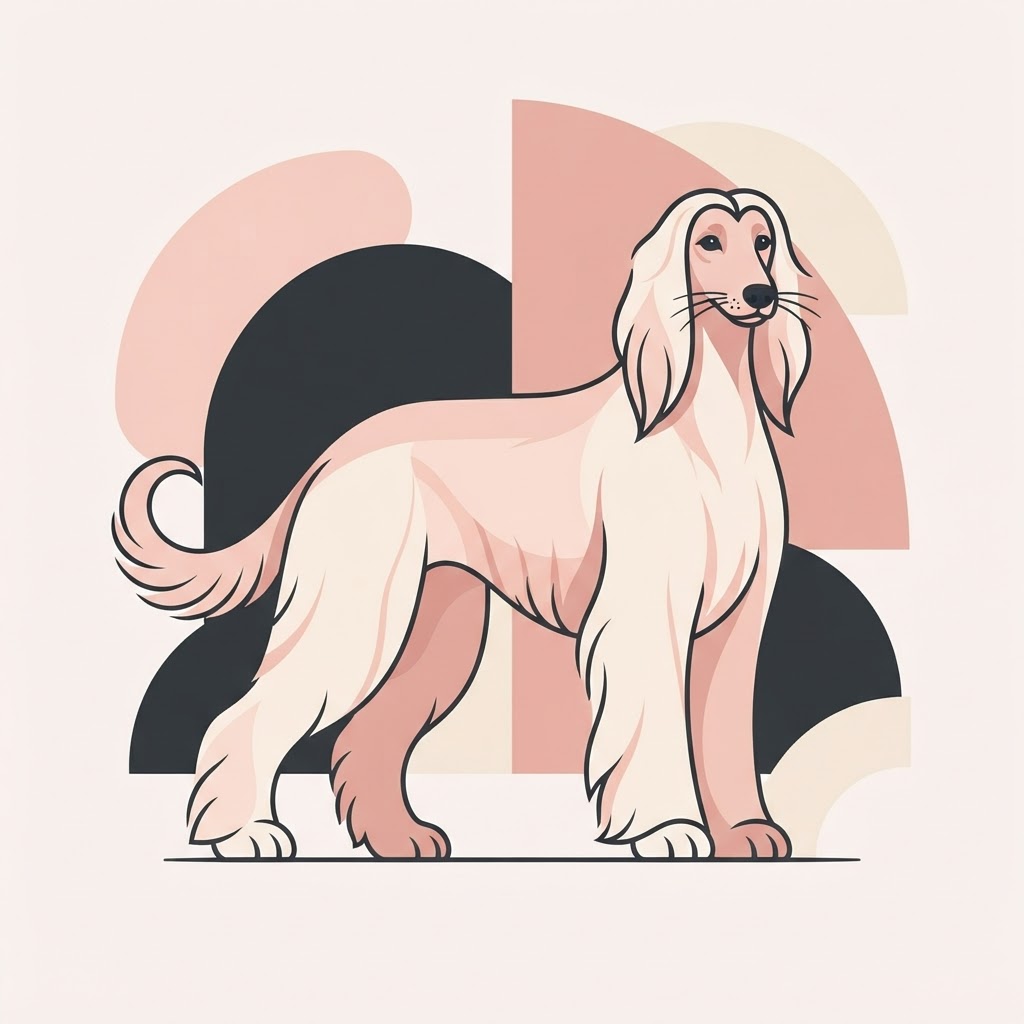
The Afghan Hound is a tall, aristocratic sighthound with a long, silky coat, developed in the mountains of Afghanistan to course hares, gazelle and even wolves across rocky, high-altitude terrain.
At a glance
Quick facts
Size
Large
Exercise needs
Over an hour daily, ideally with sprint opportunities
Home size suited to
Large home with space to stretch out
Grooming frequency
Daily brushing
Coat length
Long
Sheds
Yes, heavily when moulting
Lifespan
12-14 years
Town or country
Happiest in the country
Garden size needed
Large and securely fenced
Where it comes from
Origins of the Afghan Hound
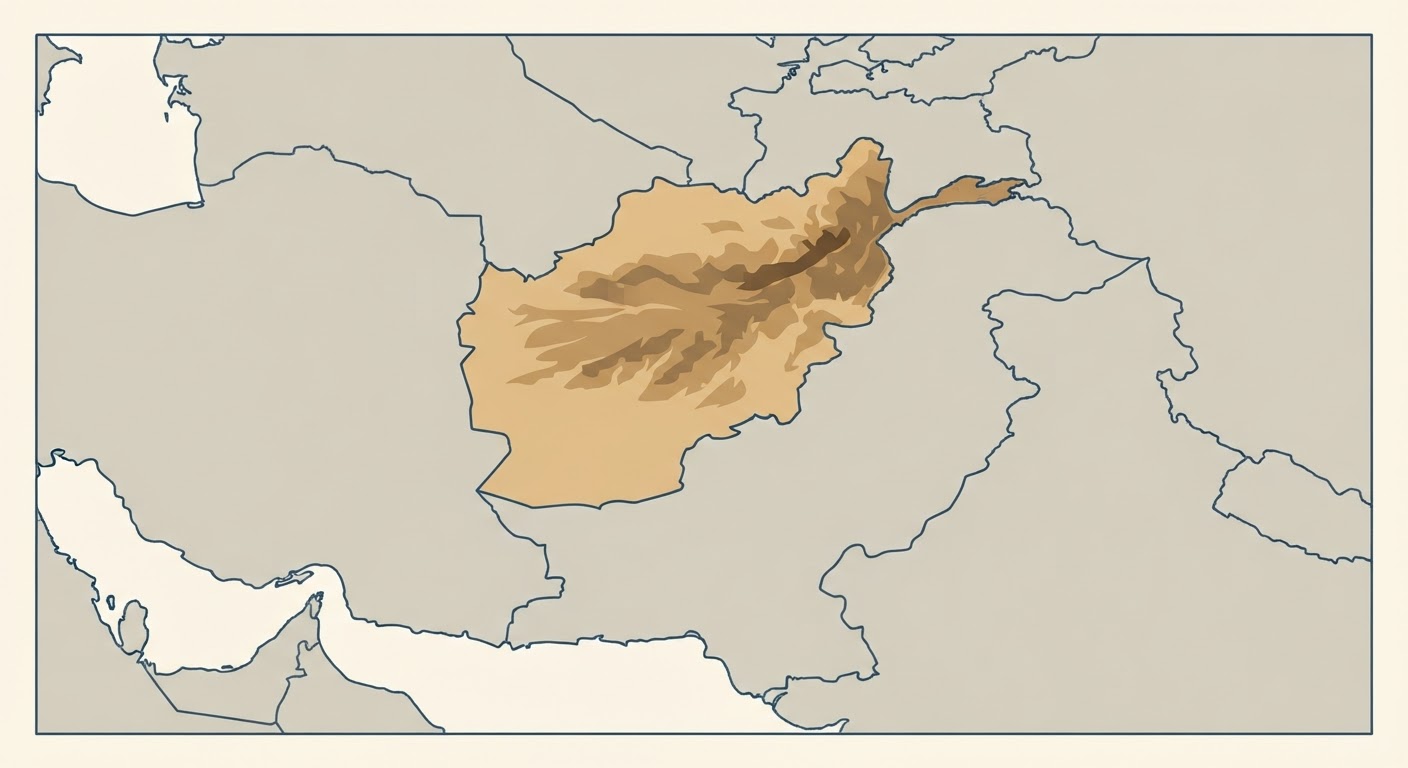
The Afghan Hound developed in the mountains of Afghanistan, where a thick coat protected it from freezing nights and long legs let it cover rough, rocky ground at speed while hunting.
- Region
- Hindu Kush mountains
- Climate it was bred for
- Cold, dry, high-altitude mountain terrain
- Original job
- Coursing hare and gazelle over rocky ground
The long read
About the breed
The breed's ancestors are thought to have travelled ancient trade routes through Persia and Afghanistan for centuries, adapting to harsh mountain conditions where a dense, protective coat and enormous stamina were essential to survival. Local tribes used the dogs for hunting, valuing their speed and their eyesight, which let them work well ahead of a hunter across open ground.
Living with an Afghan Hound means living with an independent, dignified animal that was bred to think for itself while working far from its handler. They are not naturally biddable and training takes patience and a sense of humour; recall off-lead is a genuine risk near anything that moves quickly. The coat is the other major commitment: full-length grooming several times a week is non-negotiable to prevent matting, and most pet owners keep the coat trimmed shorter than the show standard.
Today the Afghan Hound is kept mainly as a show dog and companion rather than a working hunter, prized in the ring for its flowing coat and floating gait. It suits owners who enjoy grooming and want a calm, aloof housemate rather than an eager-to-please one, and who have secure fencing for the inevitable high-speed zoomies.
Living with one
Temperament & needs
Our own ratings, based on the breed standard and how these dogs behave in ordinary homes.
Friendliness
3/5
How openly the Afghan Hound greets people it does not know.
Trainability
2/5
Independent sighthound mind, slow to see the point of obedience.
Energy
4/5
Needs regular sprinting space, not just walks.
Barking
2/5
Generally quiet, not prone to nuisance barking.
Grooming
5/5
Long silky coat needs brushing several times a week.
Suits a first-time owner
2/5
How forgiving the Afghan Hound is for someone taking on their first dog.
Sociability
3/5
Polite but reserved, rarely demonstrative with strangers.
Independence
5/5
Bred to hunt out of sight of a handler, still acts that way.
Illustrated breed standard
The points of the breed
Hover or tap a numbered point to read what the standard asks for.
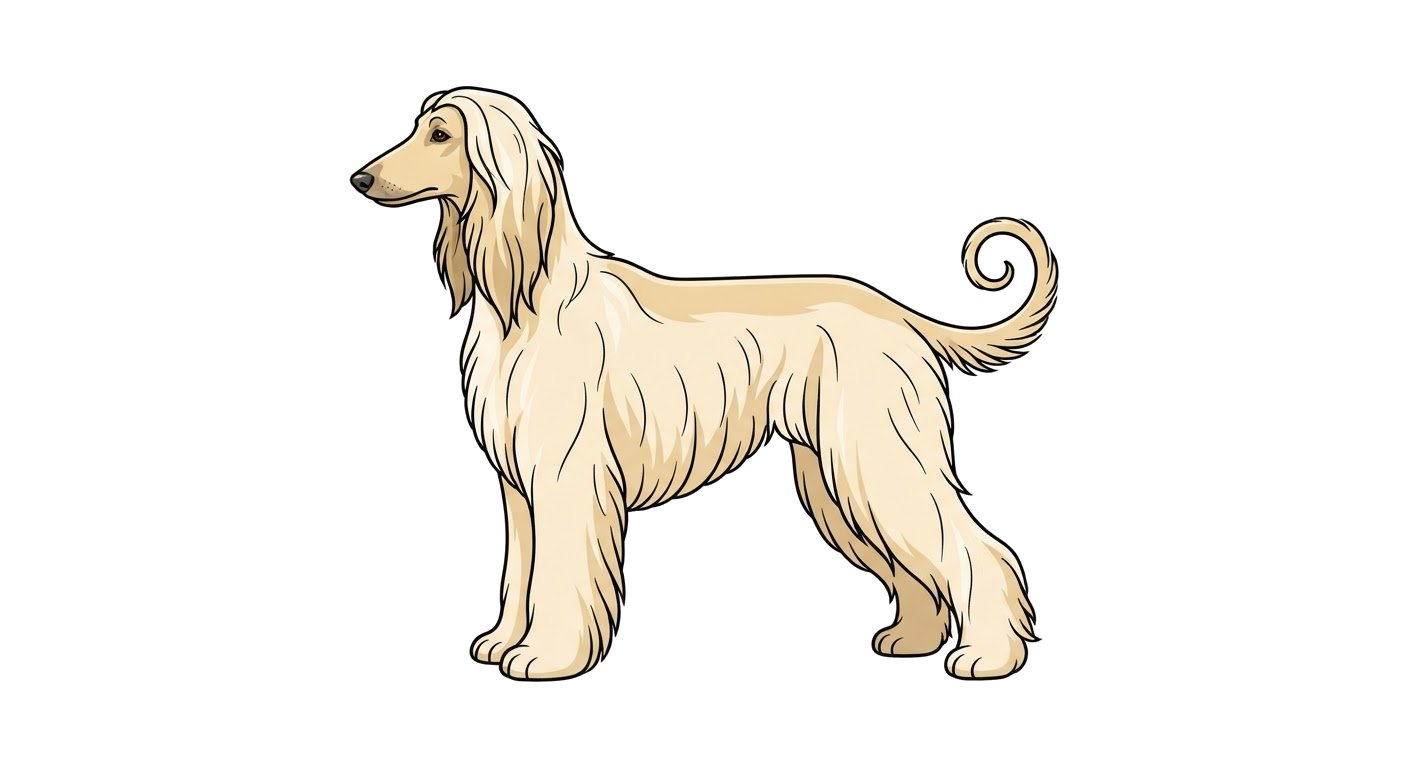
Point 1
Skull
The Afghan Hound's skull is judged on balance rather than size — proportionate to the body, with a clean cheek and a stop typical of the breed. Coarseness or an over-refined head are both faulted.
Colours & patterns
Recognised coats
Which coats the standard accepts — and which are simply popular.
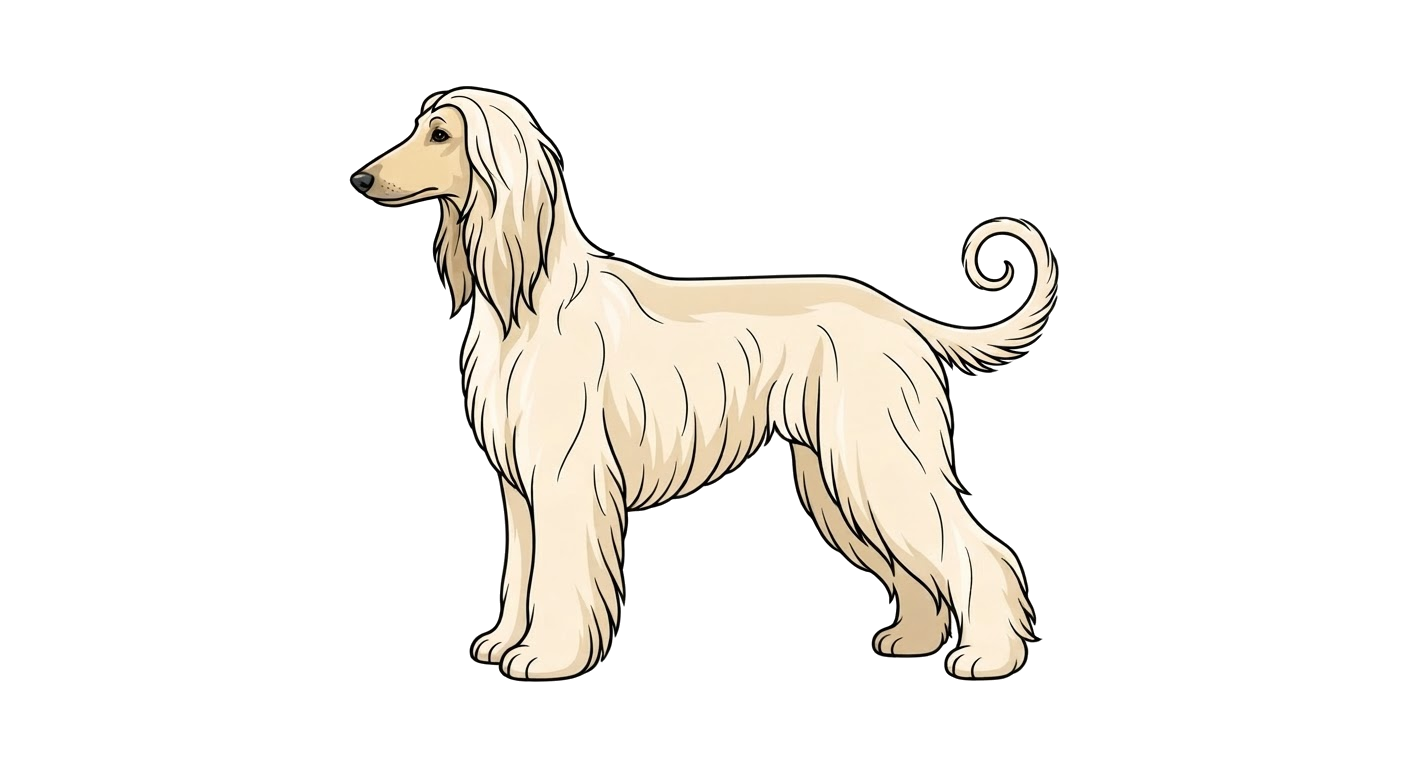
Cream
Standard colour
A pale, sandy shade common in the breed.
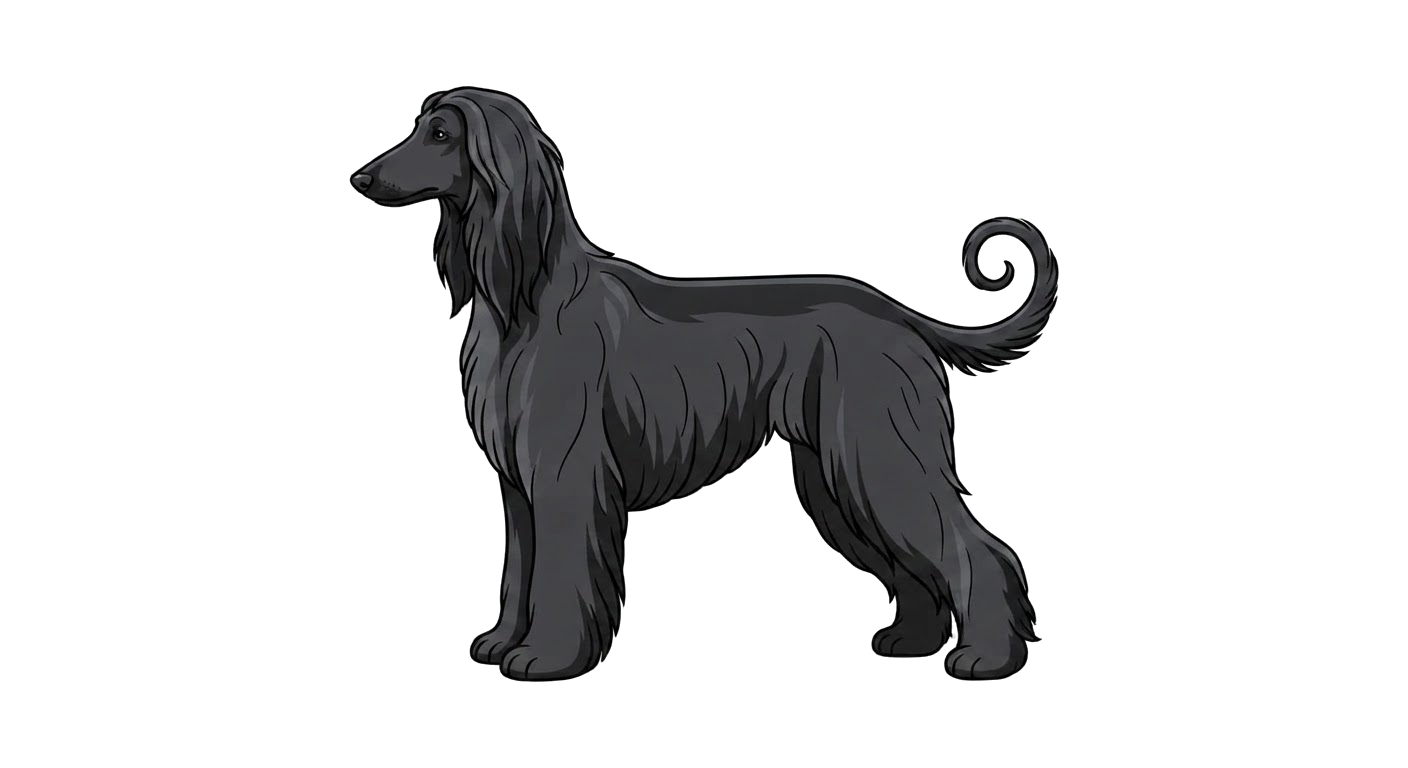
Black
Standard colour
Solid black, sometimes with lighter feathering.
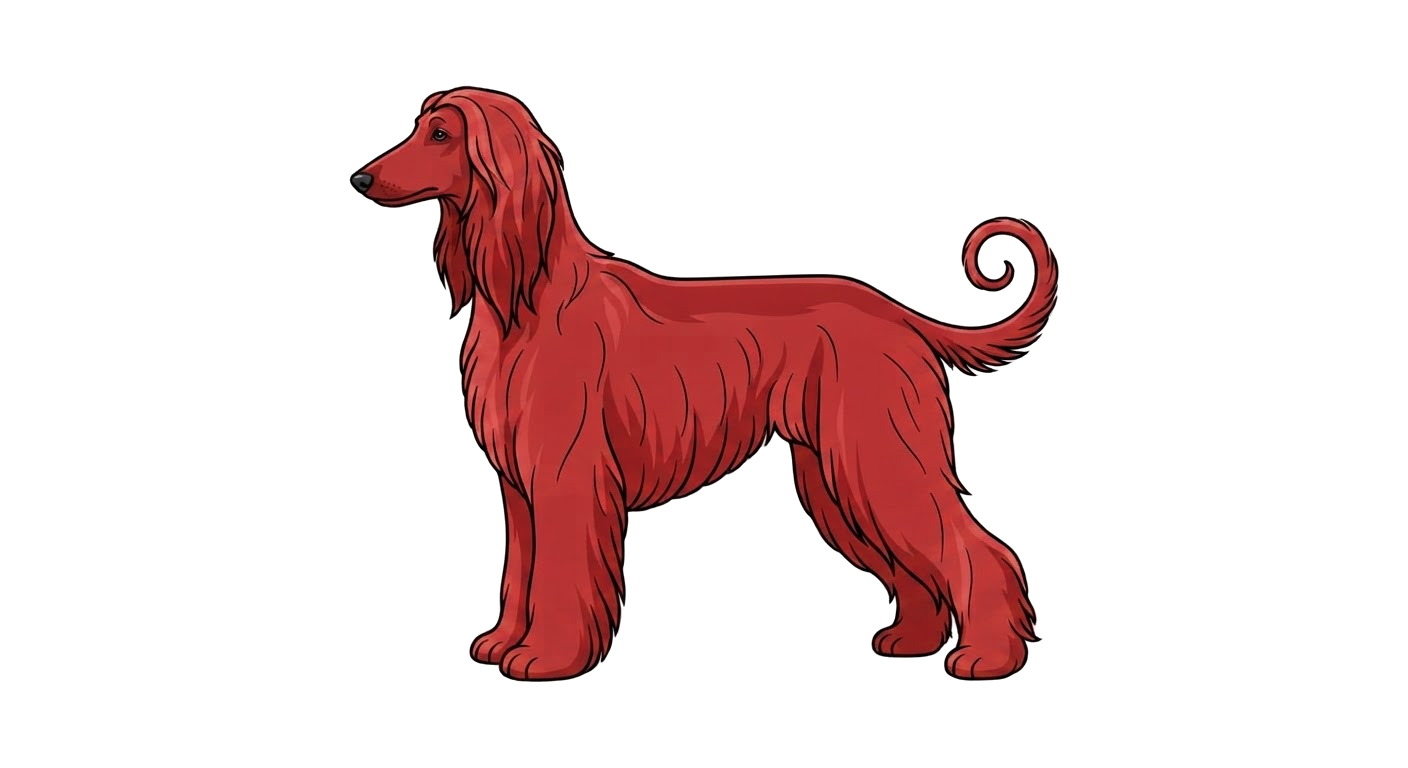
Red
Standard colour
A warm red-gold, one of the most photographed shades.
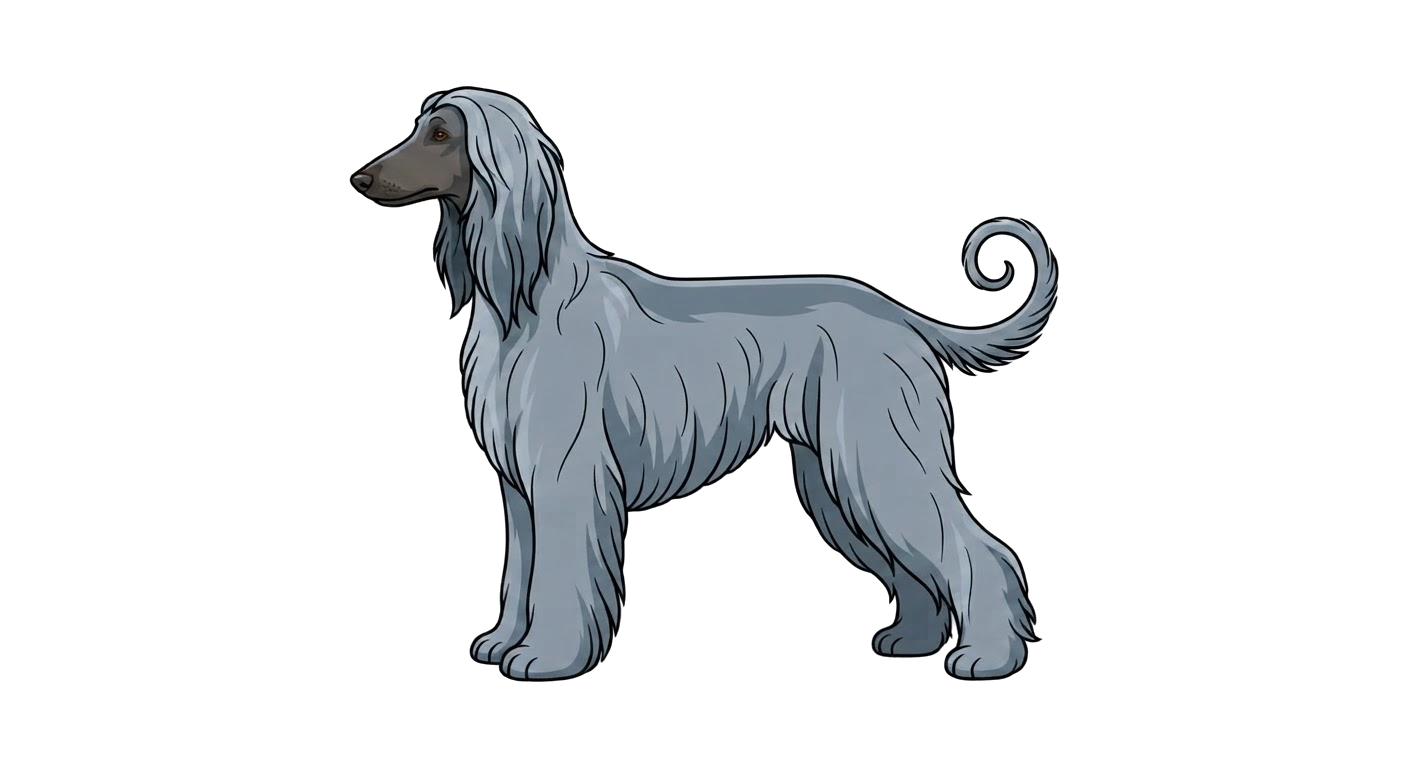
Blue
Standard colour
A dilute grey-blue, less common.
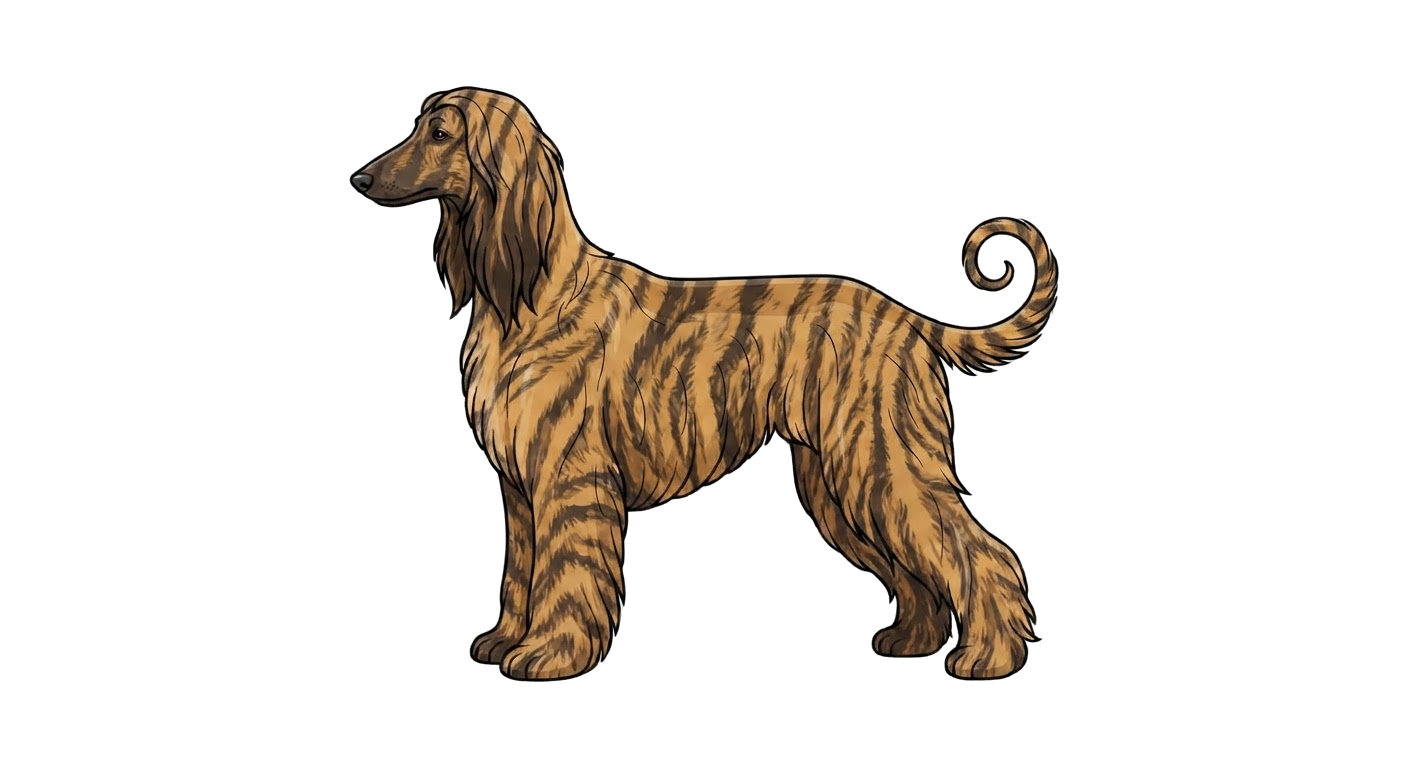
Brindle
Standard colour
Striped pattern over a base colour.
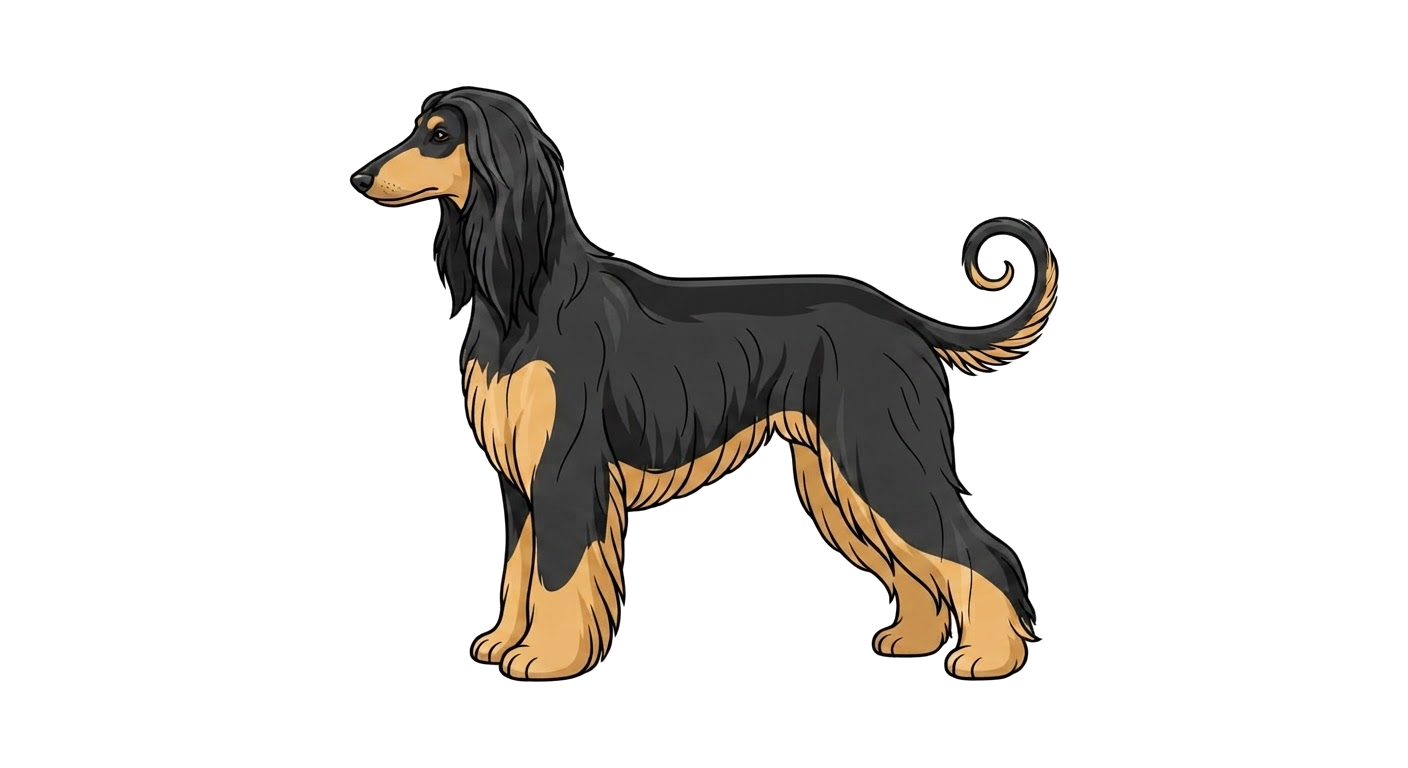
Black and tan
Standard colour
Black body with tan points.
Timeline
History & development
pre-1800s
Ancient mountain origins
Sighthounds resembling the modern Afghan Hound worked alongside nomadic tribes in the mountains of Afghanistan for centuries.
1920s
Arrival in Britain
British army officers and travellers brought Afghan Hounds back from Afghanistan and India, sparking interest in the West.
1926
UK breed club founded
The Afghan Hound Club was established in Britain to standardise the breed.
1934
AKC recognition
The American Kennel Club recognised the Afghan Hound as a distinct breed.
1950s onward
The breed today
Kennel club registrations settled into a steady pattern and the Afghan Hound moved from a working specialist to a family companion, with breed clubs in the UK and abroad now focused on health testing and keeping true type alive.
Reference
Breed standard summary
- body
- Long back with a level topline, deep chest
- coat
- Long and silky on the body, short and smooth along the back
- ears
- Long, set low, covered in silky hair
- eyes
- Almond-shaped, dark, giving a distant, dignified look
- gait
- Springy, floating stride covering ground effortlessly
- head
- Long, refined skull with a prominent occiput
- size
- Large, 61-74 cm at the shoulder
- tail
- Long, low-set, curved at the tip
- colour
- Cream, Black, Red, Blue, Brindle, Black and tan. Colours outside this list are seen but are not accepted by the kennel clubs.
- temperament
- Typical of the breed: strongest in independence, grooming, energy. Nervousness or aggression are serious faults in the show ring and in the home.
- general appearance
- Tall, elegant sighthound with a proud carriage and flowing coat
Health
What to screen for
Green means little to worry about, amber means ask the breeder for test results, red means manage it actively.
Hip dysplasia
Screen for it
Ask for hip scores on both parents before buying.
Hypothyroidism
Screen for it
A yearly thyroid panel is sensible in adult dogs.
Cataracts
Screen for it
Request an eye certificate from a canine ophthalmologist.
Anaesthetic sensitivity
Watch closely
Low body fat means sighthounds process some anaesthetics differently; tell the vet the breed.
General information only — always speak to your vet about your own dog.
From real owners
Dogs like this
Afghan Hounds added by PawPoint members through their pet passports. Share yours to appear here.
Loading the wall…
Made for the Afghan Hound
The book, plus prints, hoodies and mugs using our own Afghan Hound illustration — and one everyday accessory that suits any dog.

The book
Pawpoint: The Complete Dog Breed Book
Every officially recognised breed plus the unofficial ones nobody else documents. 400+ pages, hardback, printed and shipped from the UK.
Own stock — shipped by us
Framed poster
Afghan Hound Framed Poster
Museum-weight print of our Afghan Hound illustration, framed or unframed.
Printed to order
Hoodie
Afghan Hound Hoodie
Heavyweight hoodie carrying the Afghan Hound illustration on the chest.
Printed to order
Mug
Afghan Hound Mug
Ceramic mug with the Afghan Hound illustration wrapped around it.
Printed to order
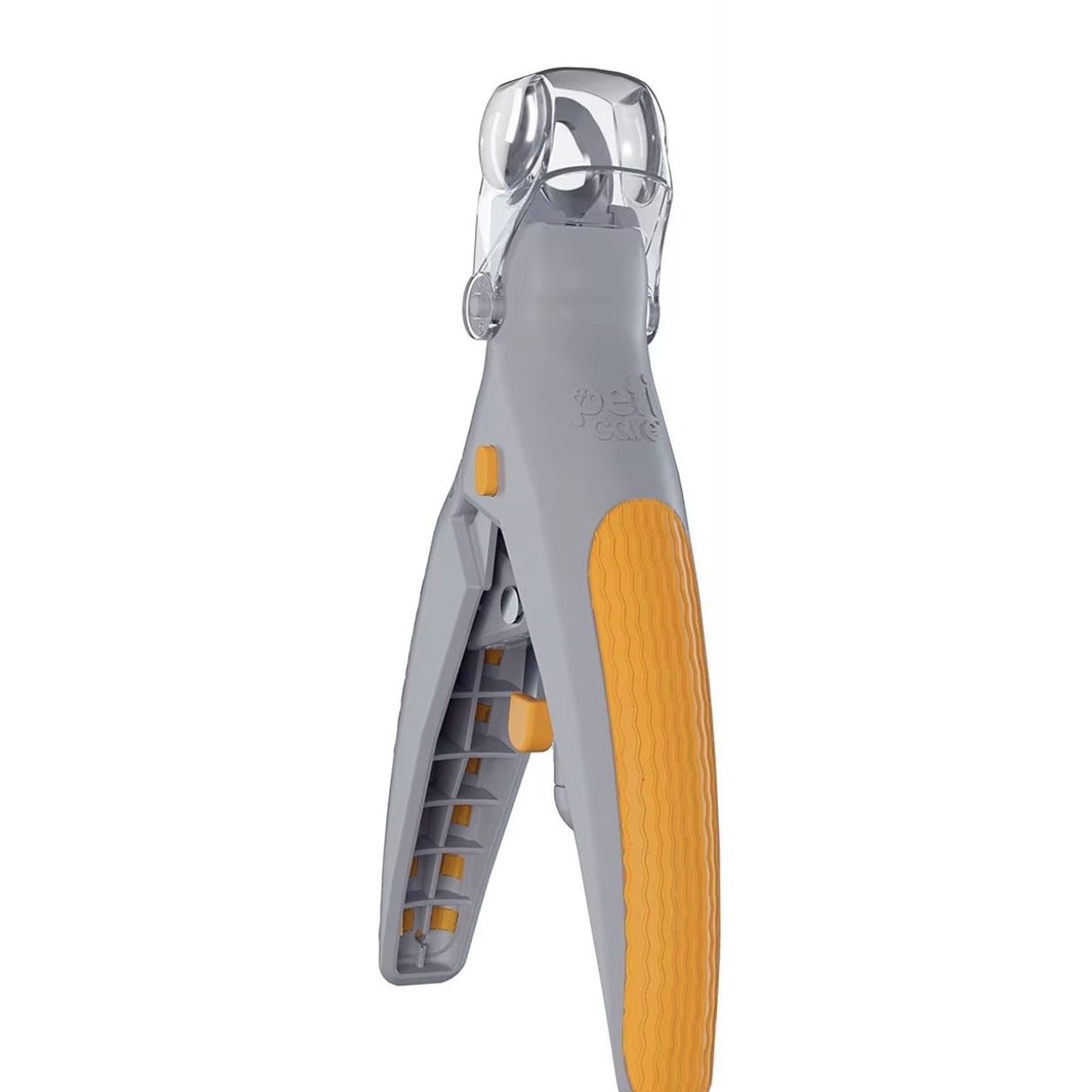
Accessory
Nail Clippers & Grinder
Safety-guard clippers with a quiet rotary grinder.
Fits any dog
Pawpoint on YouTube
Watch the full Afghan Hound video
Breed deep-dives, history and honest ownership talk. New film every week.
Watch now