PawPoint
Breed DirectoryBreed GroupsThe JourneyRecordsDogs in HistoryShopVideos
AccountBuy the book
PawPoint

A reference-first dog breed encyclopaedia — every recognised breed, plus the unofficial ones nobody else documents properly.

Explore

  • Breed Directory
  • Breed Groups Explained
  • Records & Curiosities
  • Dogs in History
  • Newest FCI Breeds
  • Videos
  • Get Featured

Shop

  • The Book
  • Posters & Mugs
  • Gear

© 2026 Pawpoint. Breed facts are referenced from recognised kennel club material and rewritten in our own words. Health notes are general information, not veterinary advice.

Records & curiosities

Biggest, fastest, oldest, strangest

The questions people search for most, answered in full — plus extinct breeds, the rise of the doodle, and the wild relatives sitting at the edge of the family tree.

Biggest breedTallest breedSmallest breedOldest breedFastest breedLongest average lifespanStrongest bite forceMost accident-prone breedExtinct breedsHow long it takes to establish a new breedThe rise of doodlesOther canine family members

Records

Biggest breed

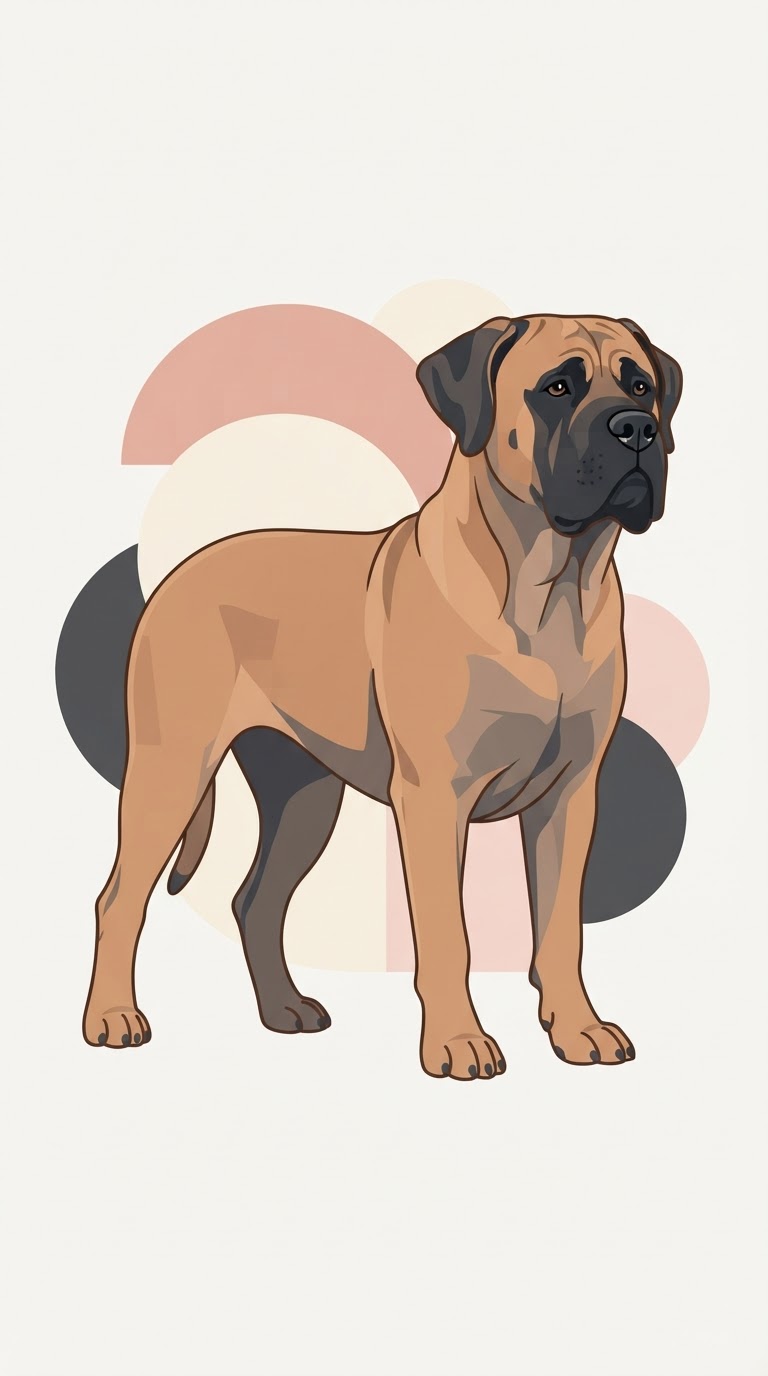
Mastiff

Mastiff

Mastiff (~76cm, up to 110kg)

Labrador Retriever (~57cm, ~32kg)

Adult human (~170cm)

Shoulder height to scale beside a Labrador and the same adult human — mass is what sets the Mastiff apart.

Measured by sheer mass rather than height, the English Mastiff is the heaviest breed in the world, with adult males regularly exceeding 70kg and record individuals well past 100kg.

See the breed page →

Tallest breed

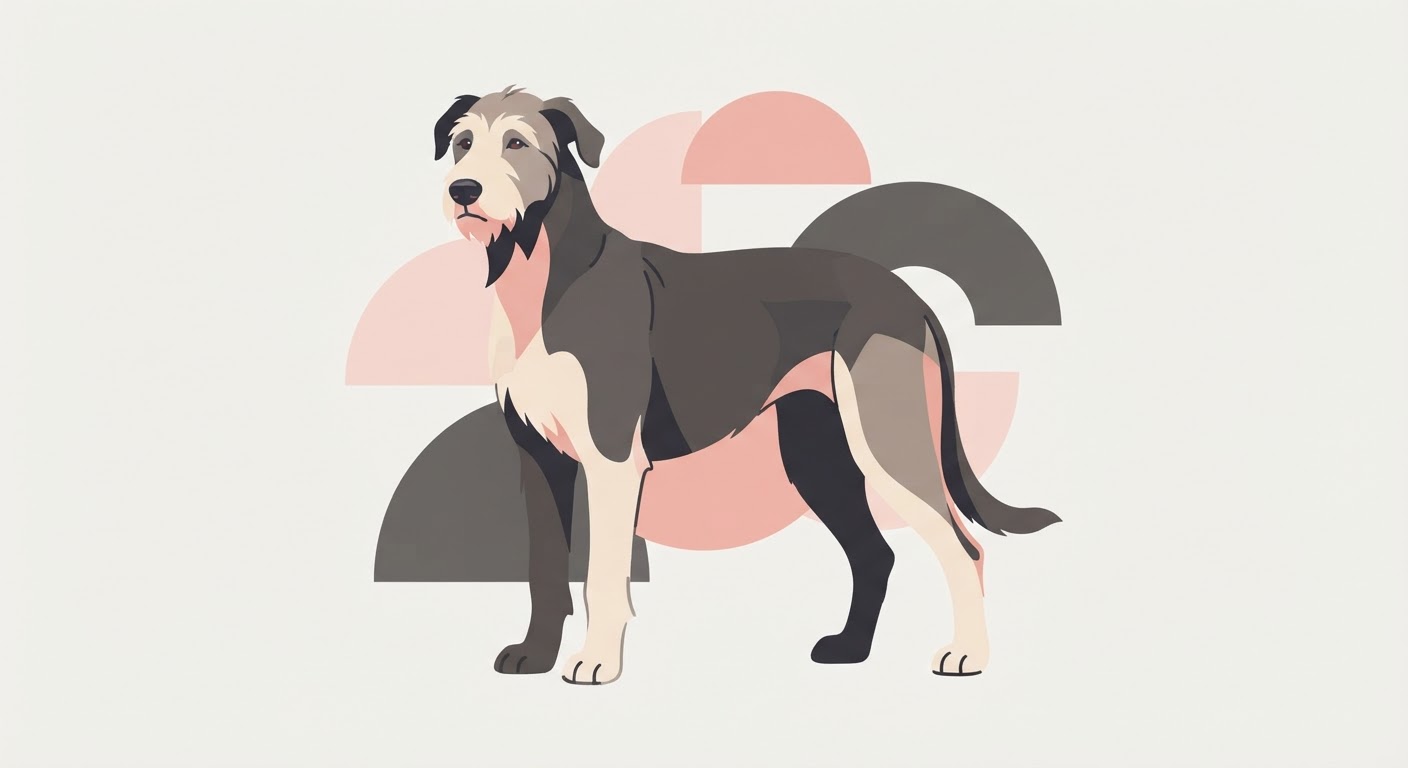
Irish Wolfhound

Irish Wolfhound

Irish Wolfhound (~81cm, ~55kg)

Labrador Retriever (~57cm, ~32kg)

Adult human (~170cm)

Shoulder height to scale beside a Labrador and the same adult human — on hind legs a Wolfhound meets your eye.

The Irish Wolfhound is the tallest breed recognised by either club, with males standing a minimum of 79cm at the shoulder and often considerably more. Great Danes hold most individual height records.

See the breed page →

Smallest breed

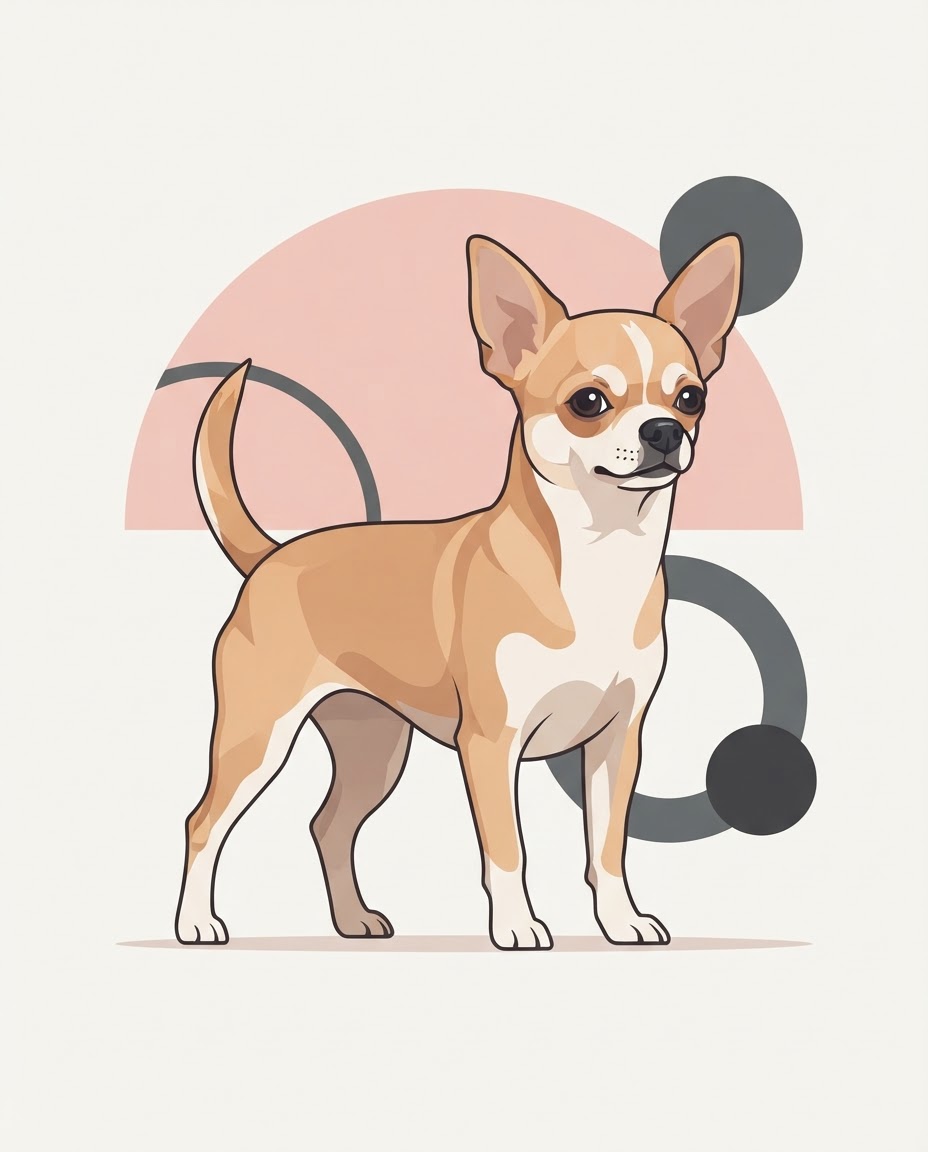
Chihuahua

Chihuahua

Chihuahua (~20cm, ~2.5kg)

Labrador Retriever (~57cm, ~32kg)

Adult human (~170cm)

Shoulder height to scale beside a Labrador and the same adult human.

No breed is consistently smaller than the Chihuahua, with healthy adults weighing between 1.5kg and 3kg.

See the breed page →

Oldest breed

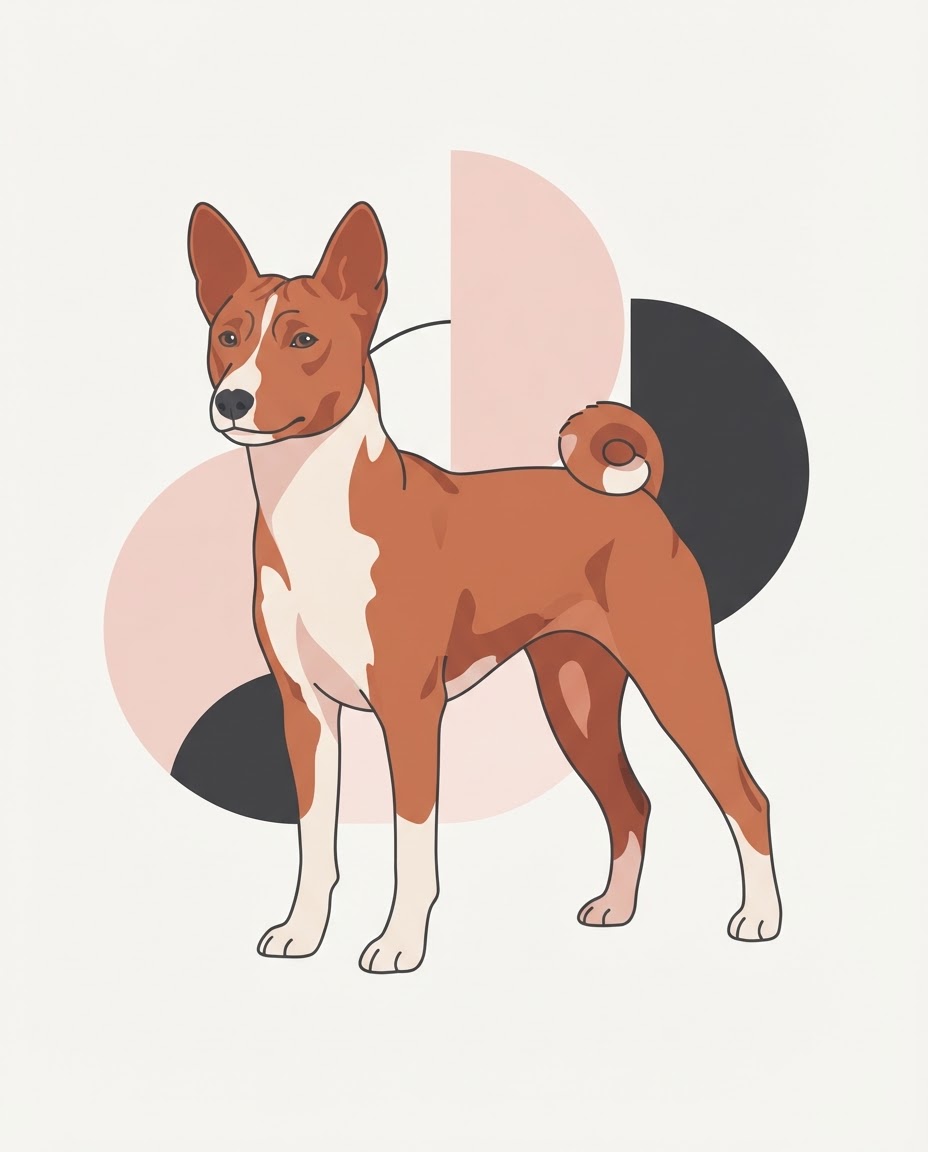
Basenji and other ancient types

Basenji and other ancient types

Genetic studies place a small group of breeds — including the Basenji, Saluki and Afghan Hound — closest to ancestral dog populations, though "oldest breed" claims should always be treated cautiously.

See the breed page →

Fastest breed

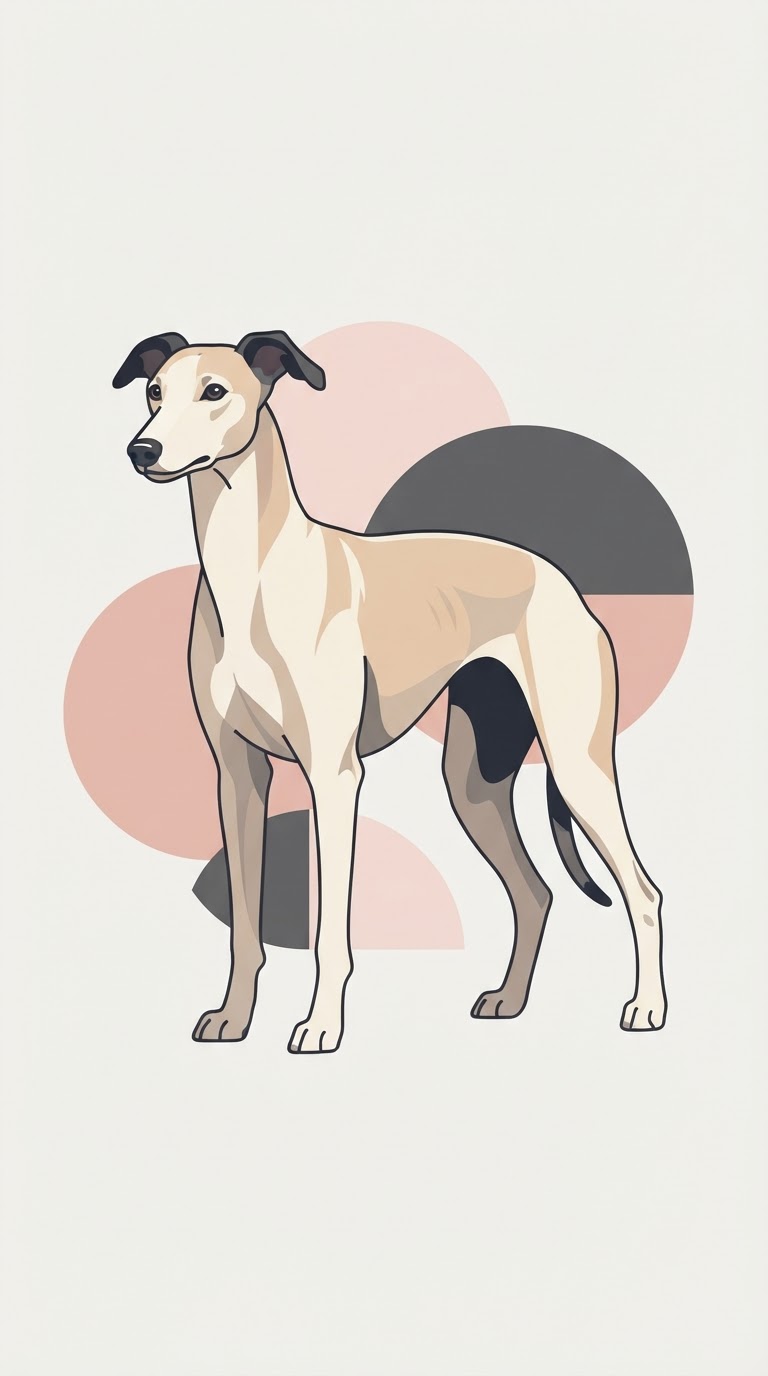
Greyhound

Greyhound

  • Greyhound70 km/h
  • Whippet56 km/h
  • Human sprinter37 km/h
  • Typical pet dog32 km/h
Top speed over a short sprint.

The Greyhound reaches around 70km/h over short distances, making it the fastest dog and one of the fastest land animals over a sprint.

See the breed page →

Longest average lifespan

Small terriers and toy breeds

Small terriers and toy breeds

  • Small terriers & toys15 years
  • Medium breeds12 years
  • Giant breeds8 years
Typical average lifespan by size band.

Smaller breeds consistently outlive larger ones. Jack Russell Terriers, Miniature Poodles and Chihuahuas commonly reach 15 years or more.

See the breed page →

Strongest bite force

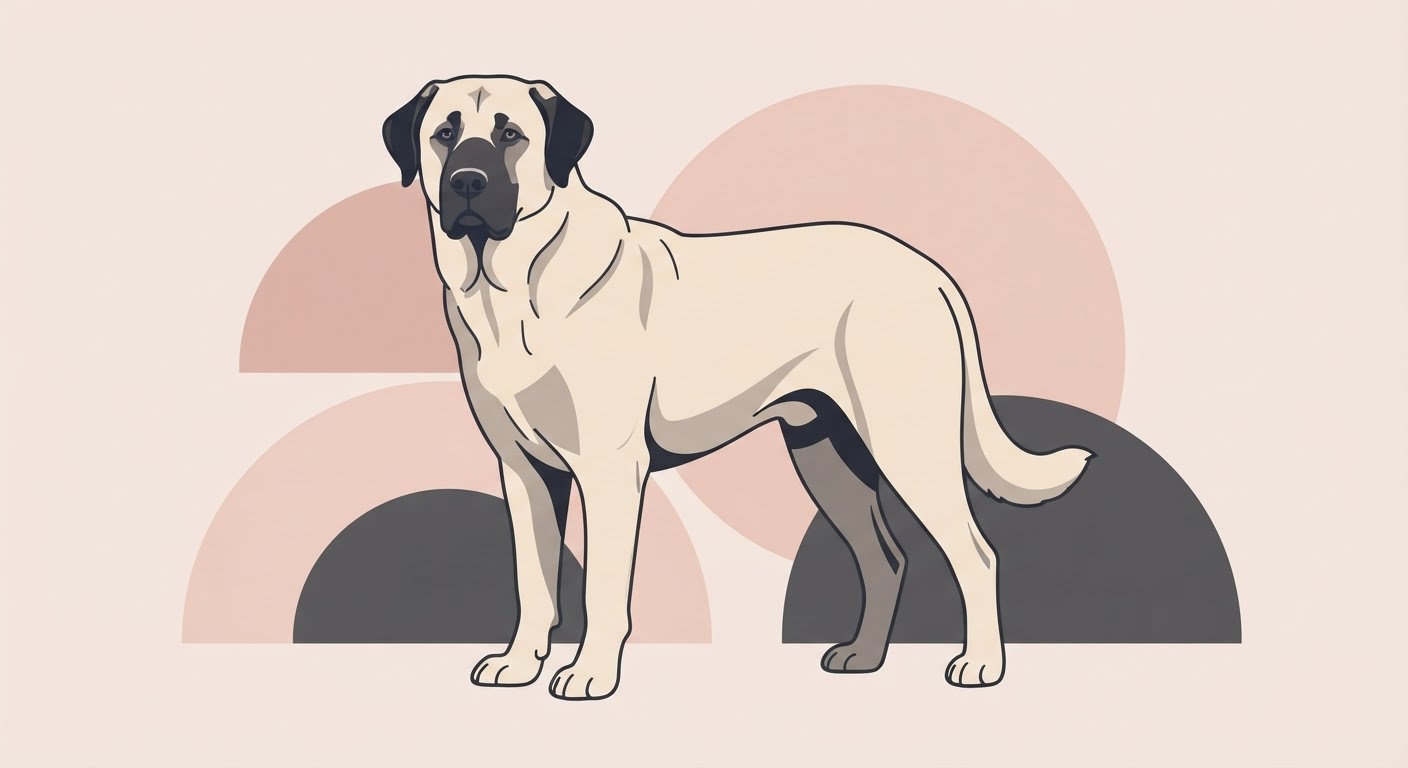
Kangal

Kangal

  • Kangal743 PSI
  • Cane Corso700 PSI
  • Rottweiler328 PSI
  • German Shepherd238 PSI
Commonly quoted bite-force figures — indicative, not laboratory-exact.

Bite force studies are inconsistent, but large livestock guardians — particularly the Turkish Kangal — regularly top the measured rankings.

See the breed page →

Most accident-prone breed

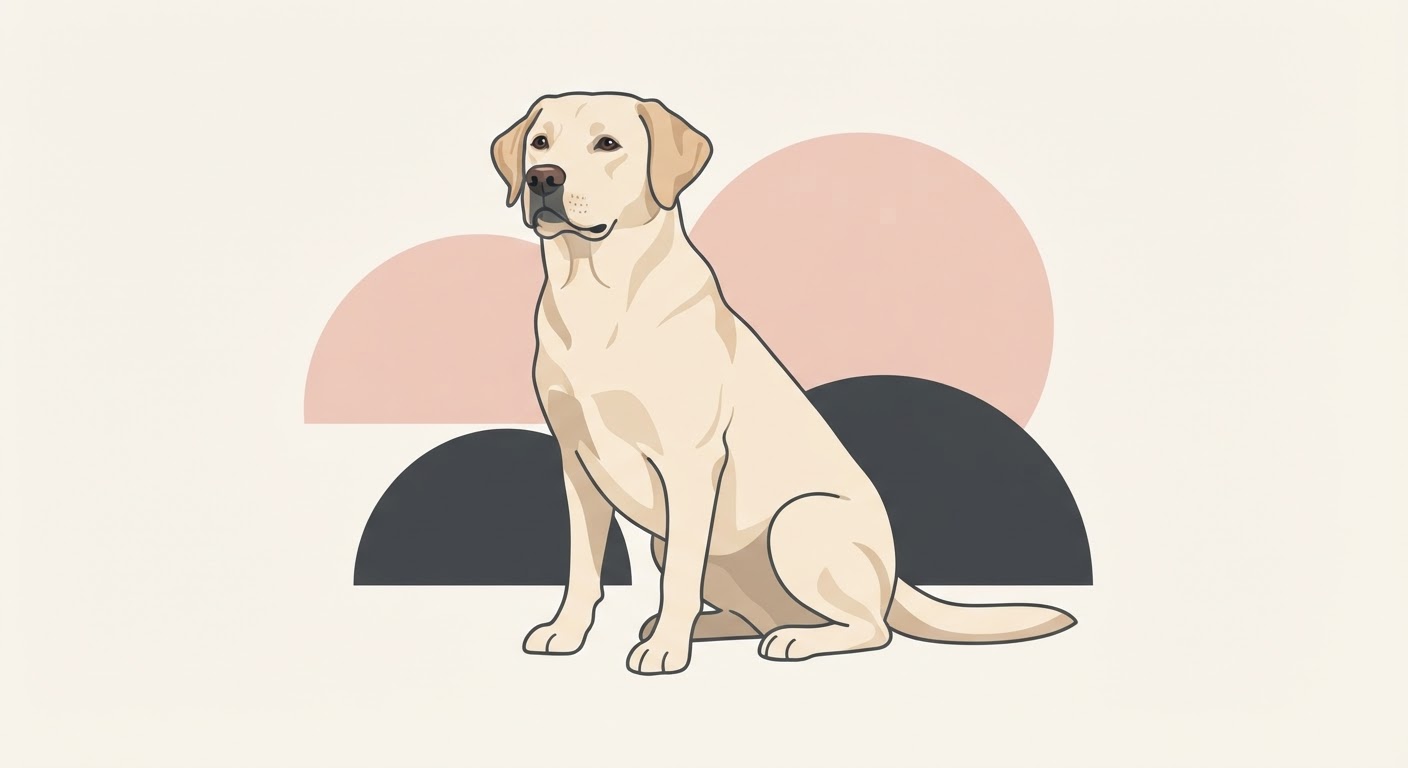
Labrador Retriever

Labrador Retriever

Insurance claim data repeatedly puts Labradors at the top for accidental injury and foreign-body ingestion, which is less about clumsiness than about eating things they should not.

See the breed page →

Curiosities

Extinct breeds

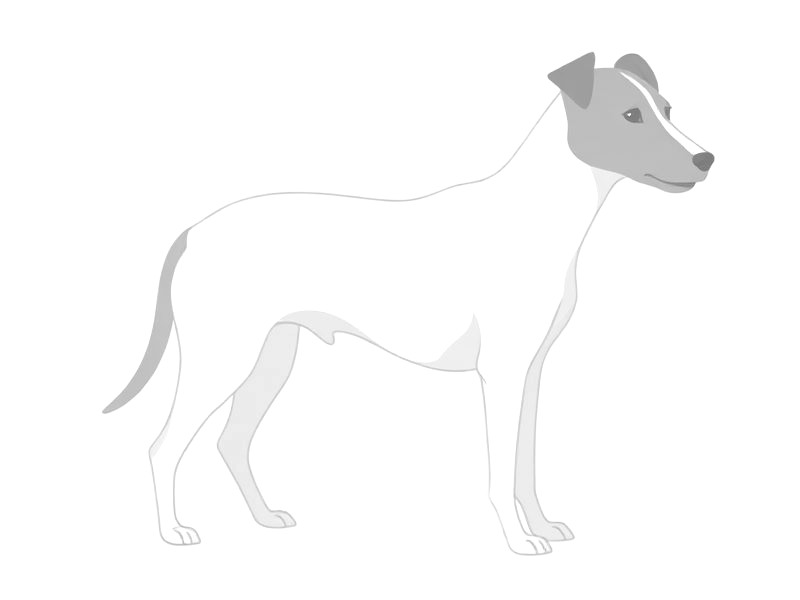
Faded illustration of the extinct Turnspit DogTurnspit Dog
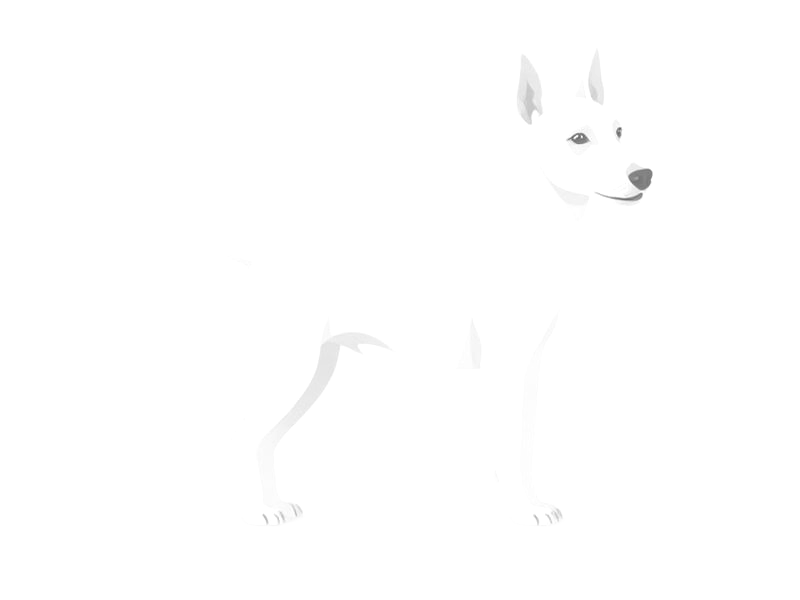
Faded illustration of the extinct English White TerrierEnglish White Terrier
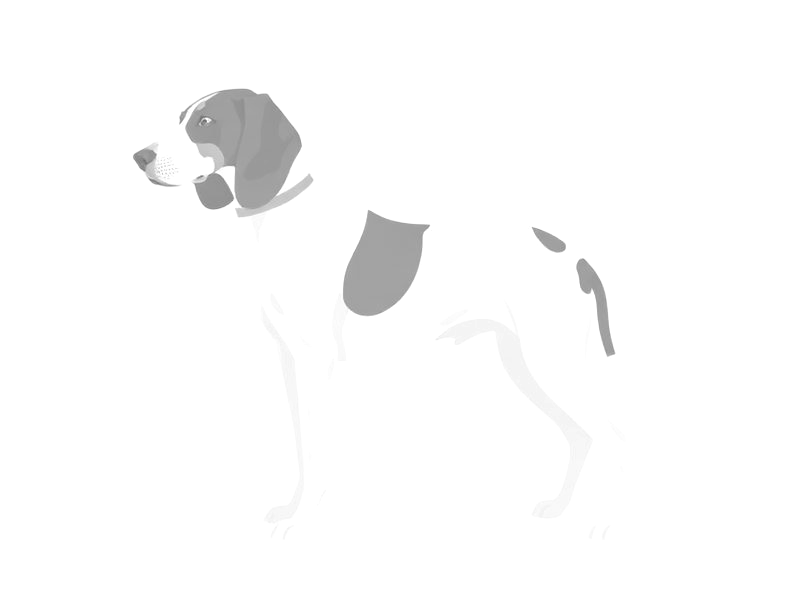
Faded illustration of the extinct Talbot HoundTalbot Hound
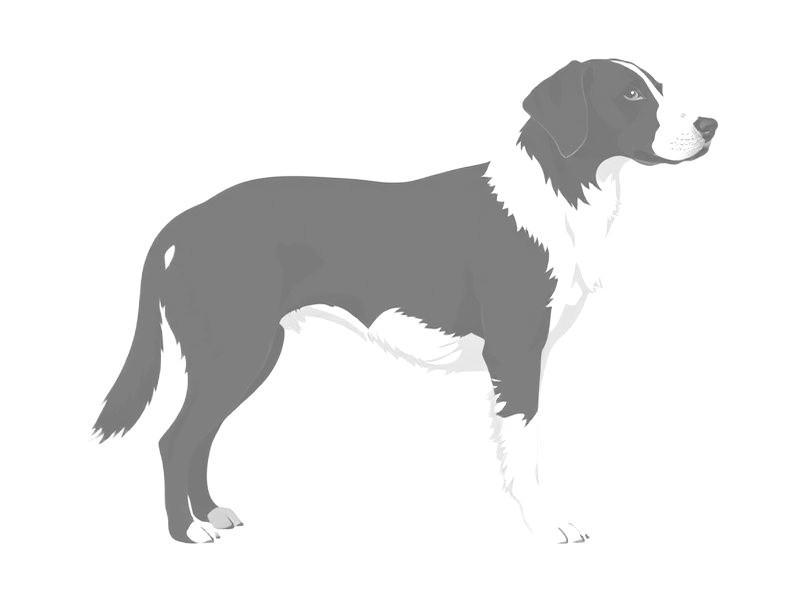
Faded illustration of the extinct St John's water dogSt John's water dog
Faded silhouettes mark breeds that no longer exist.

Dozens of breeds have disappeared entirely, including the Turnspit Dog, the English White Terrier, the Talbot Hound and the St John's water dog that gave rise to the modern retrievers.

How long it takes to establish a new breed

  1. 1Consistent type over generations
  2. 2Written breed standard
  3. 3Active breed club
  4. 4Registry recognition
Decades, not years — typically three or more generations before recognition.

Recognition typically requires several generations of consistent type, a written standard, an active breed club and a large enough population of registered dogs — in practice decades rather than years.

The rise of doodles

The rise of doodles
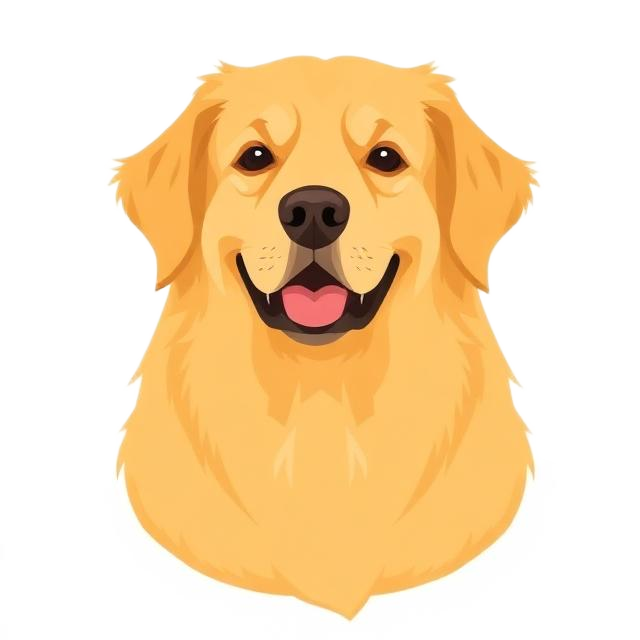
1990s — noveltyGolden Retriever, the classic doodle parent breedToday — mainstream
Novelty to mainstream in roughly thirty years.

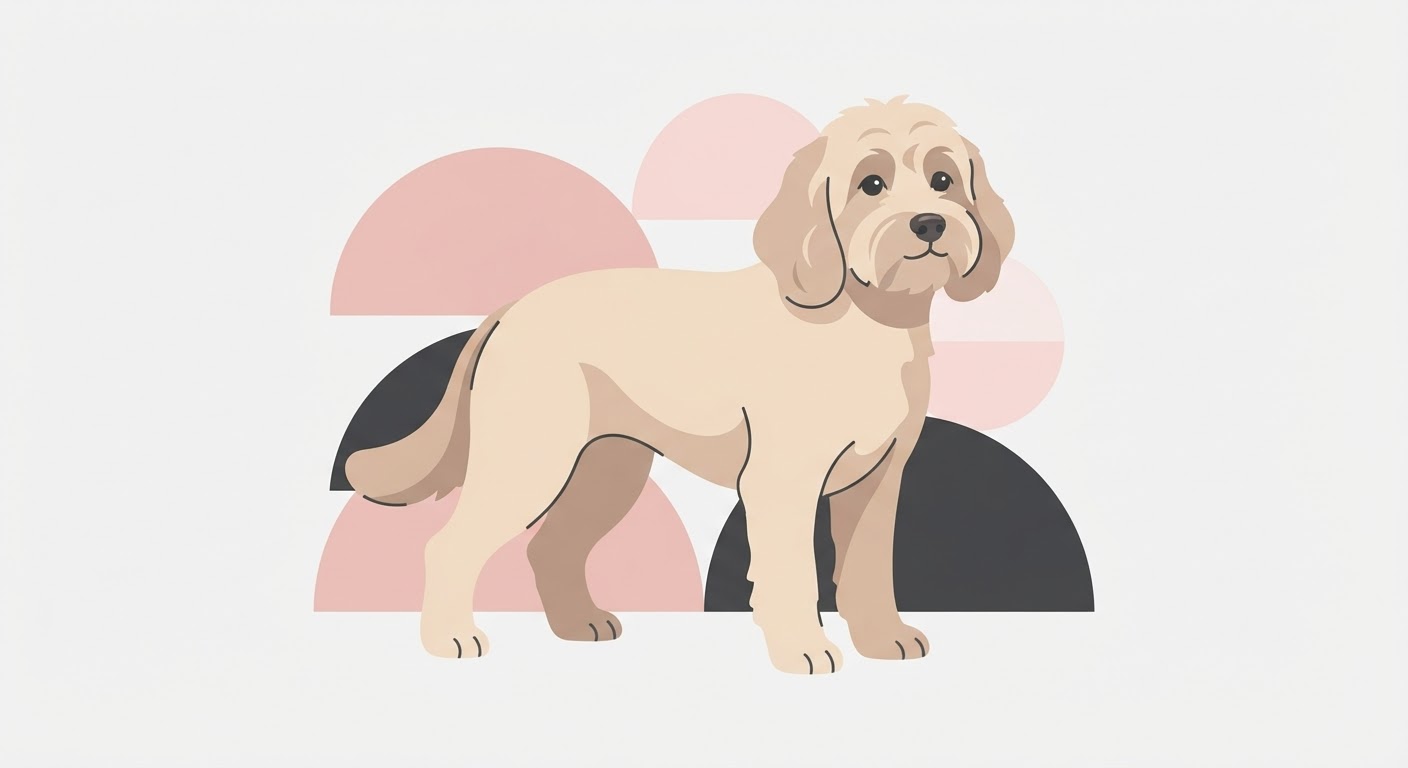
Poodle crosses moved from novelty to mainstream in roughly thirty years. The appeal is a lower-shedding coat and a friendly reputation; the catch is that crossbreeding guarantees neither, and coat care is often underestimated.

See the breed page →

Other canine family members

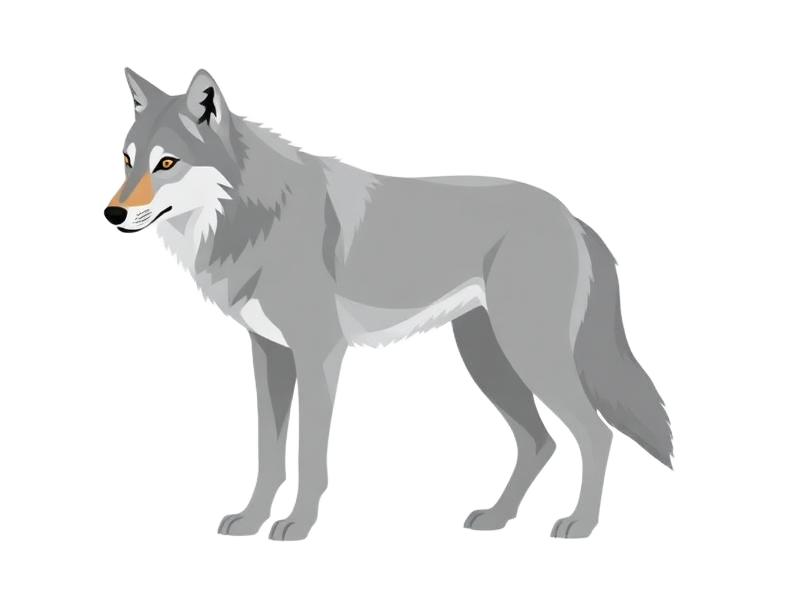
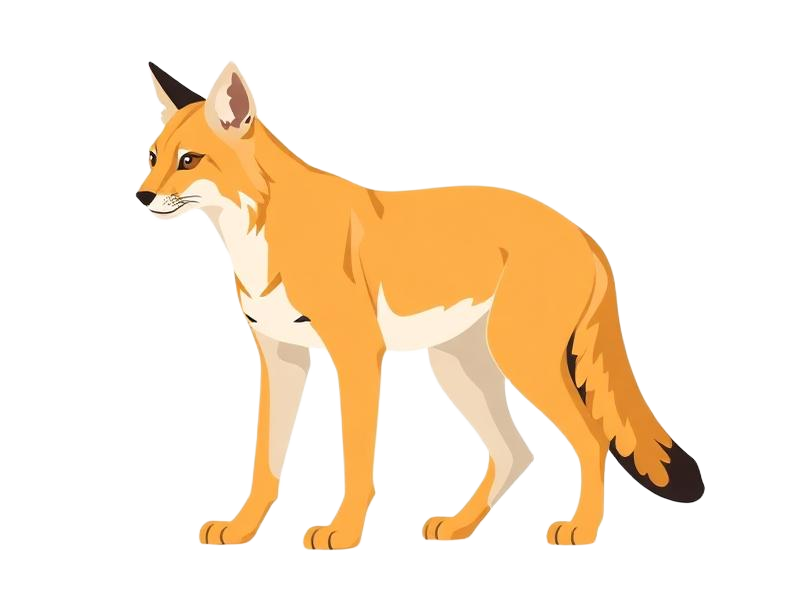
Illustration of a Grey wolfGrey wolf
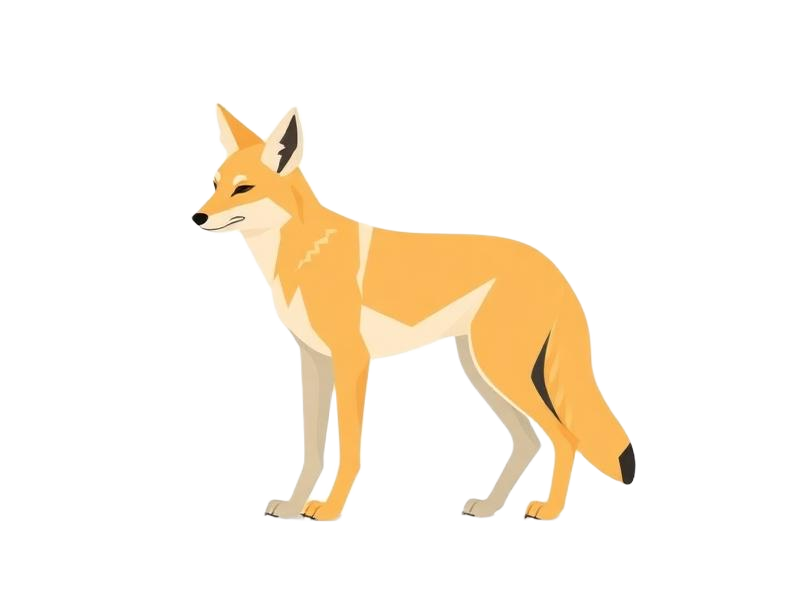
Illustration of a CoyoteCoyote
Illustration of a JackalJackal
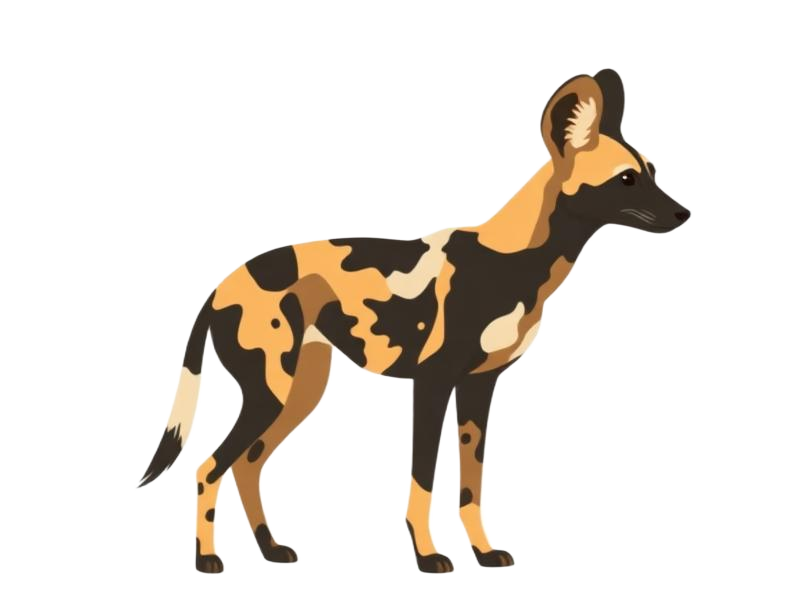
Illustration of a African wild dogAfrican wild dog
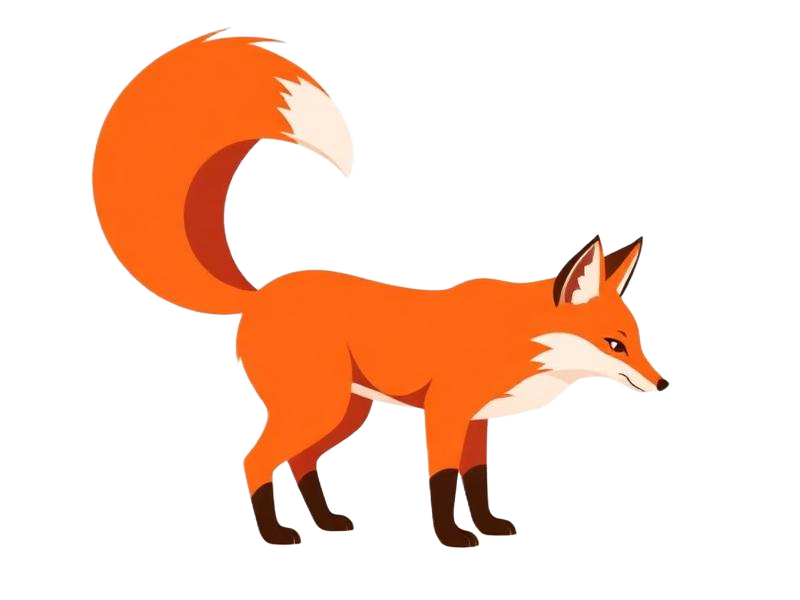
Illustration of a FoxFox
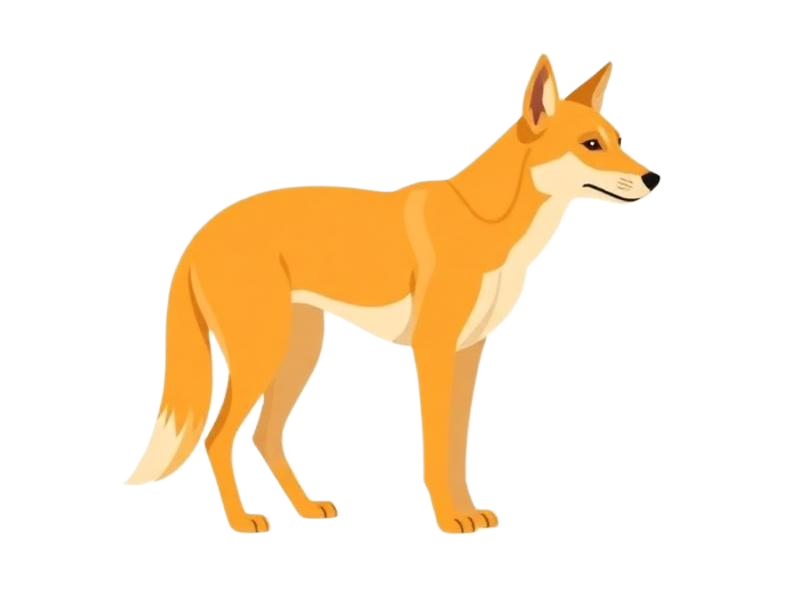
Illustration of a DingoDingo
Six living relatives sharing the dog's branch of the family tree.

Domestic dogs sit within a much wider family that includes grey wolves, coyotes, jackals, African wild dogs, foxes and the dingo — some capable of interbreeding with dogs, others only distantly related.

Explore Dogs in History →Serum runs, avalanche rescues, rat pits and sheepdog trials — the true stories behind the breeds.

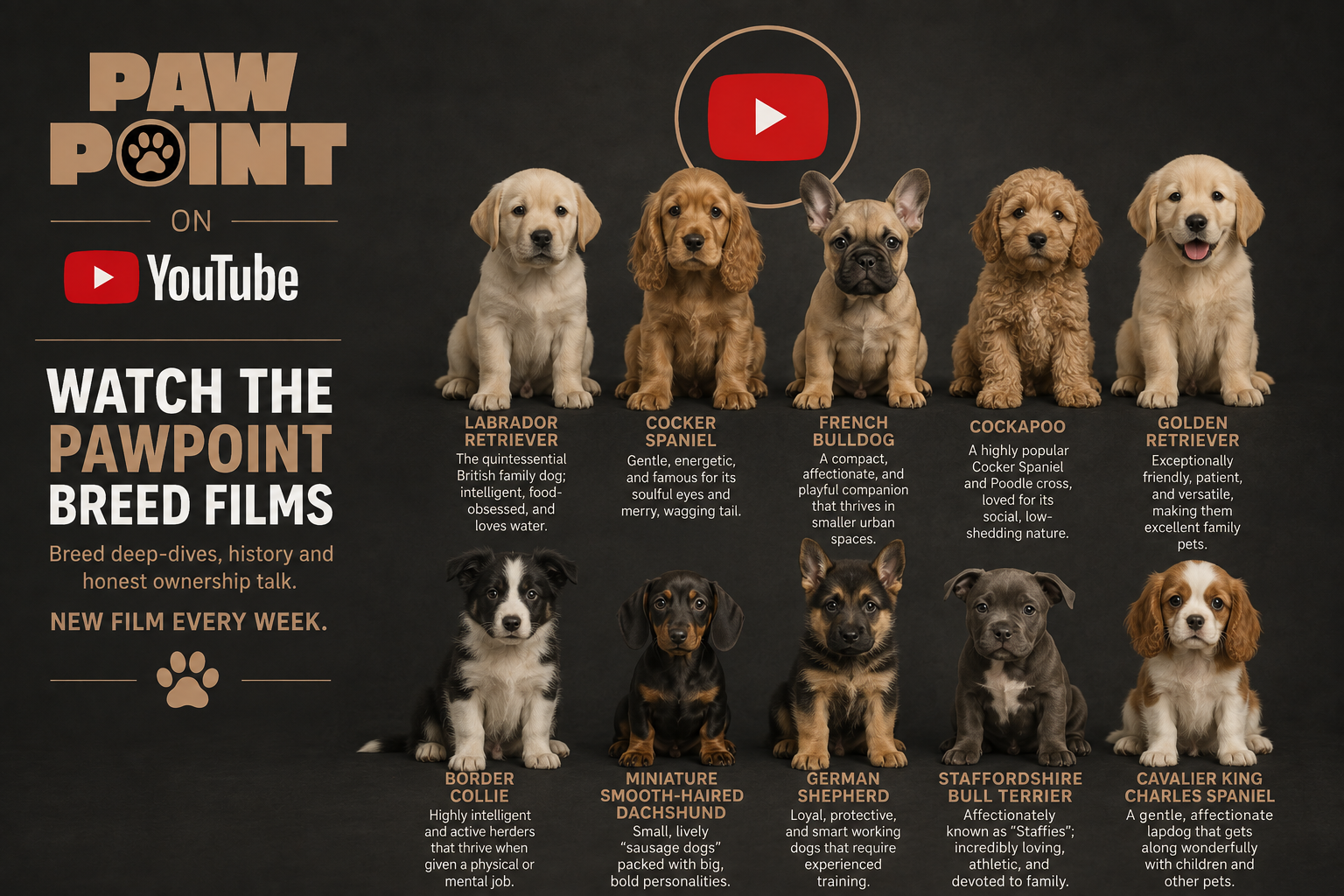
Pawpoint on YouTube

Watch the Pawpoint breed films

Breed deep-dives, history and honest ownership talk. New film every week.

Subscribe