
Irish Wolfhound
EYE-rish WULF-hownd
Ireland· Ireland, countrywide
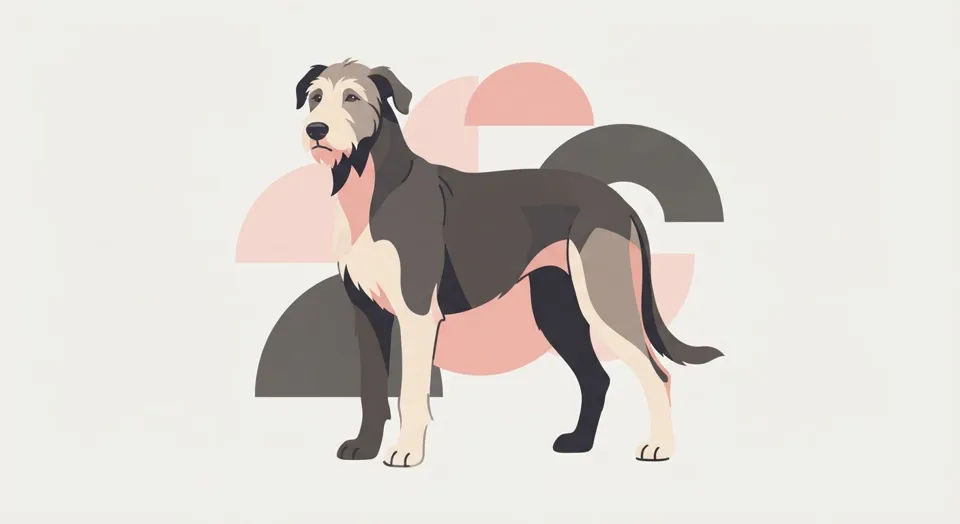
The Irish Wolfhound is the tallest of all dog breeds, a giant rough-coated sighthound bred in Ireland originally to hunt wolves and Irish elk.
At a glance
Quick facts
- Size
- Giant
- Exercise needs
- 45-60 minutes daily
- Home size suited to
- Large home with space to stretch out
- Grooming frequency
- Weekly brush, hand-strip a few times a year
- Coat length
- Wiry
- Sheds
- Little, needs stripping instead
- Lifespan
- 6-8 years
- Town or country
- Happiest in the country
- Garden size needed
- Large and securely fenced
Where it comes from
Origins of the Irish Wolfhound
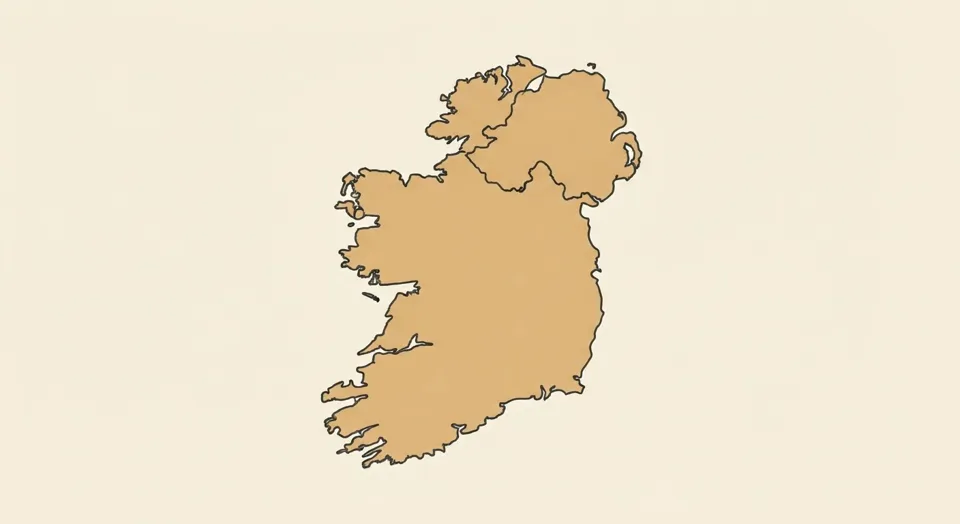
Bred to bring down wolves and the giant Irish elk, the breed's huge size and rough coat suited the cool, wet Irish countryside where it once served Gaelic chieftains as both hunter and status symbol.
- Region
- Ireland, countrywide
- Climate it was bred for
- Cool, damp countryside
- Original job
- Hunting wolves and Irish elk
The long read
About the breed
The breed's ancestors are recorded in Ireland as far back as the first century AD, prized by Gaelic chieftains as both hunting dogs and status symbols, capable of pulling down wolves and the huge extinct Irish elk. As wolves were exterminated from Ireland by the eighteenth century, the breed's original purpose disappeared and its numbers collapsed; it was effectively extinct by the 1800s until Captain George Augustus Graham spent decades from the 1860s onward reconstructing the breed using surviving remnants crossed with Great Danes, Deerhounds and Borzois.
Despite its towering size, the Irish Wolfhound is a famously gentle, calm dog indoors, often described as a couch potato in a giant's body once past its lanky, accident-prone puppyhood. It needs moderate rather than extreme exercise, a couple of decent walks a day and space to stretch its legs, and does poorly in very hot weather owing to its size. The rough coat needs weekly brushing and some hand-stripping to stay tidy, and the breed's sheer size means household costs, from food to furniture to car space, are considerably higher than for a small dog.
Perhaps the breed's defining feature today is its short lifespan, commonly six to eight years, a serious consideration for anyone taking one on. It remains popular as a gentle giant companion despite this, valued for its calm temperament and imposing but unthreatening presence.
Living with one
Temperament & needs
Our own ratings, based on the breed standard and how these dogs behave in ordinary homes.
Friendliness
5/5
How openly the Irish Wolfhound greets people it does not know.
Trainability
3/5
Gentle and biddable, though slow to mature.
Energy
2/5
Moderate exercise needs despite its size.
Barking
1/5
Rarely barks.
Grooming
3/5
Weekly brushing and occasional hand-stripping.
Suits a first-time owner
4/5
How forgiving the Irish Wolfhound is for someone taking on their first dog.
Sociability
5/5
Famously friendly and non-aggressive.
Independence
2/5
Enjoys company and does not do well left alone often.
Illustrated breed standard
The points of the breed
Hover or tap a numbered point to read what the standard asks for.
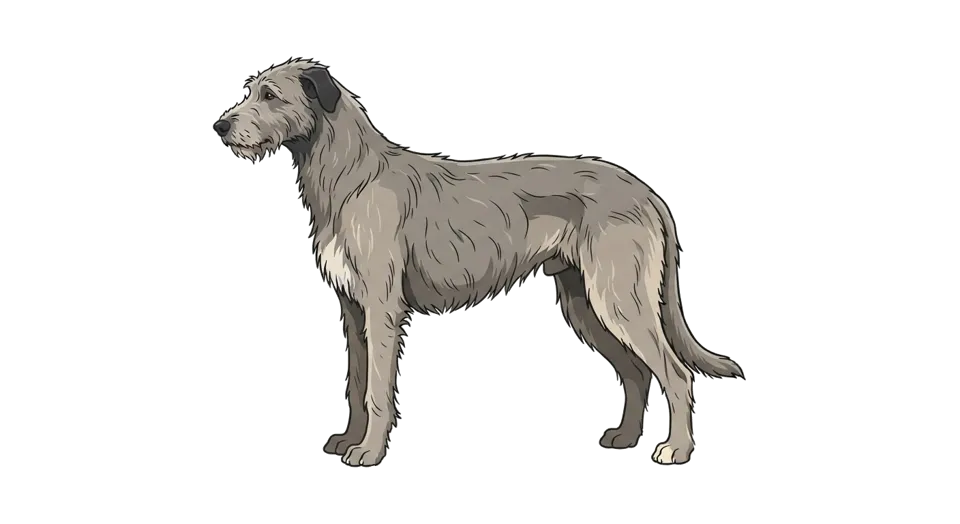
Point 1
Skull
The Irish Wolfhound's skull is judged on balance rather than size — proportionate to the body, with a clean cheek and a stop typical of the breed. Coarseness or an over-refined head are both faulted.
Colours & patterns
Recognised coats
Which coats the standard accepts — and which are simply popular.
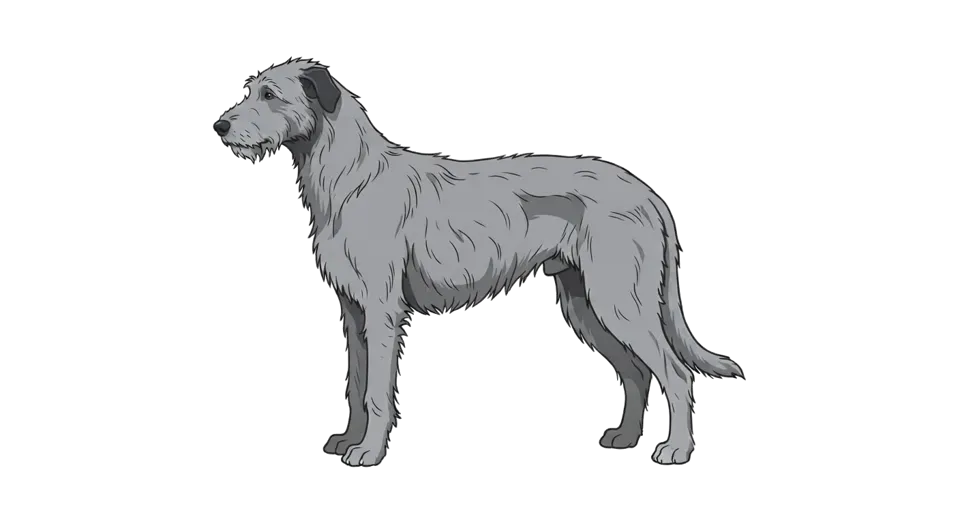
Grey
Standard colour
The most iconic and commonly seen colour.
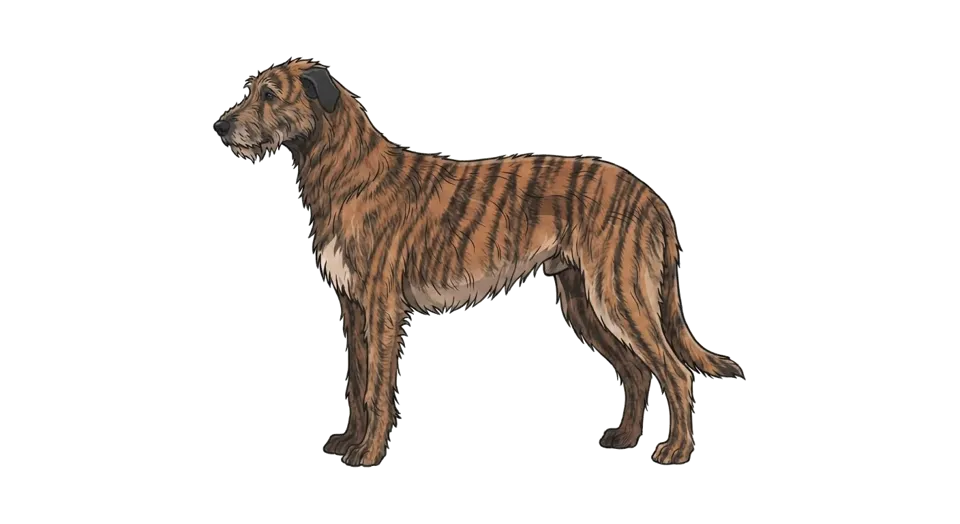
Brindle
Standard colour
A striped pattern within standard.
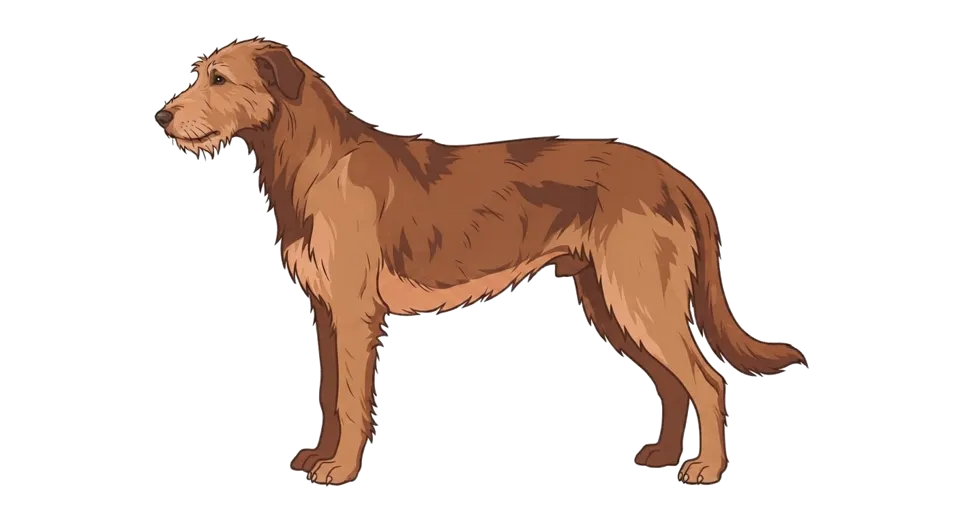
Red
Standard colour
An accepted solid colour.
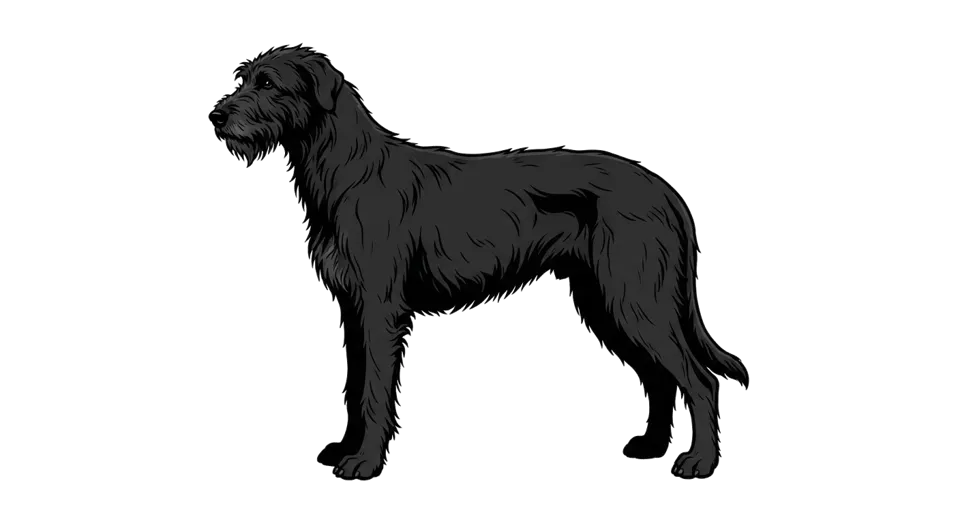
Black
Standard colour
A solid accepted colour.
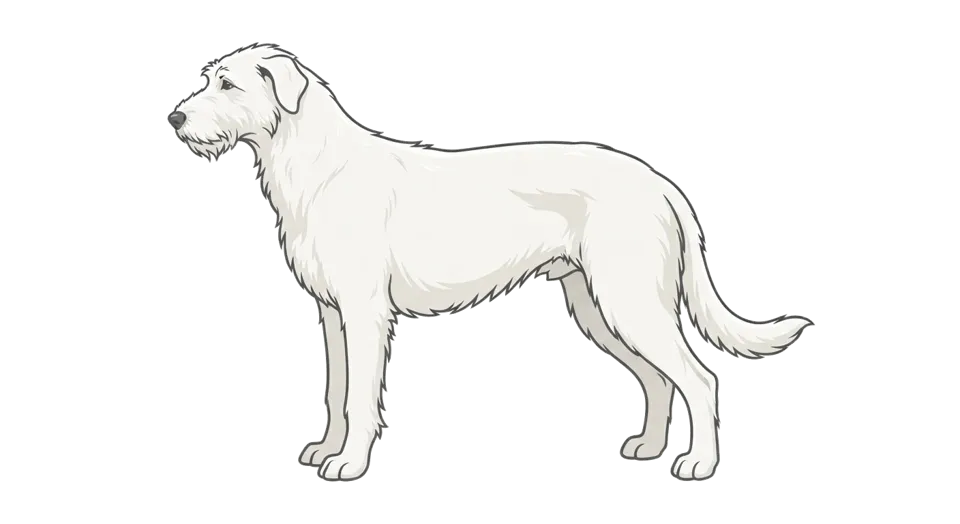
White
Standard colour
A pure white variant within the standard.
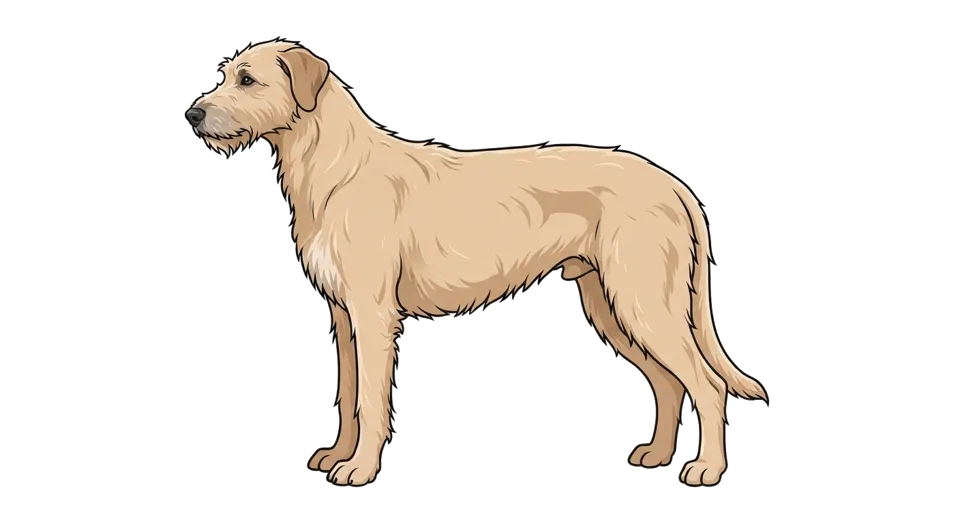
Fawn
Standard colour
A warm tan shade also accepted.
Timeline
History & development
1st century AD
Ancient Irish hunting dog
Large hounds capable of hunting wolves and elk were recorded in early Irish and Roman accounts.
1700s
Decline with the wolf
As wolves were exterminated in Ireland, demand for the breed collapsed.
1862
Reconstruction begins
Captain George Augustus Graham began rebuilding the breed from remaining stock and outcrosses.
1885
Irish Wolfhound Club founded
A formal breed club and standard were established in England.
1950s onward
The breed today
Kennel club registrations settled into a steady pattern and the Irish Wolfhound moved from a working specialist to a family companion, with breed clubs in the UK and abroad now focused on health testing and keeping true type alive.
Reference
Breed standard summary
- body
- Long, deep chest, arched loin.
- coat
- Rough and hard, especially over the back.
- ears
- Small, rose-shaped.
- eyes
- Dark, alert expression.
- gait
- Easy, active, ground-covering.
- head
- Long, with a slight stop.
- size
- Giant
- tail
- Long, slightly curved.
- colour
- Grey, Brindle, Red, Black, White, Fawn. Colours outside this list are seen but are not accepted by the kennel clubs.
- temperament
- Typical of the breed: strongest in sociability, trainability, grooming. Nervousness or aggression are serious faults in the show ring and in the home.
- general appearance
- Giant, rough-coated sighthound of great strength.
Health
What to screen for
Green means little to worry about, amber means ask the breeder for test results, red means manage it actively.
Bloat (GDV)
Watch closely
A very deep-chested breed; feed smaller meals and consider a gastropexy discussion with a vet.
Dilated cardiomyopathy
Watch closely
Common cause of early death; ask for cardiac screening in the line.
Bone cancer (osteosarcoma)
Watch closely
A significant risk in giant breeds; report any unexplained limping promptly.
Hip dysplasia
Screen for it
Ask for hip scores on breeding parents.
General information only — always speak to your vet about your own dog.
From real owners
Irish Wolfhounds in the PAWPOINT Pack
Irish Wolfhounds added by PawPoint members through their pet passports. Share yours to appear here.
Loading the wall…
Made for the Irish Wolfhound
The book, plus hoodies, tees and mugs featuring the Irish Wolfhound.