Dogs in history

The dogs that changed history

Not records or rankings — real events, real jobs, real consequences. These are the stories that explain why certain breeds exist, and what they actually did before they were pets.

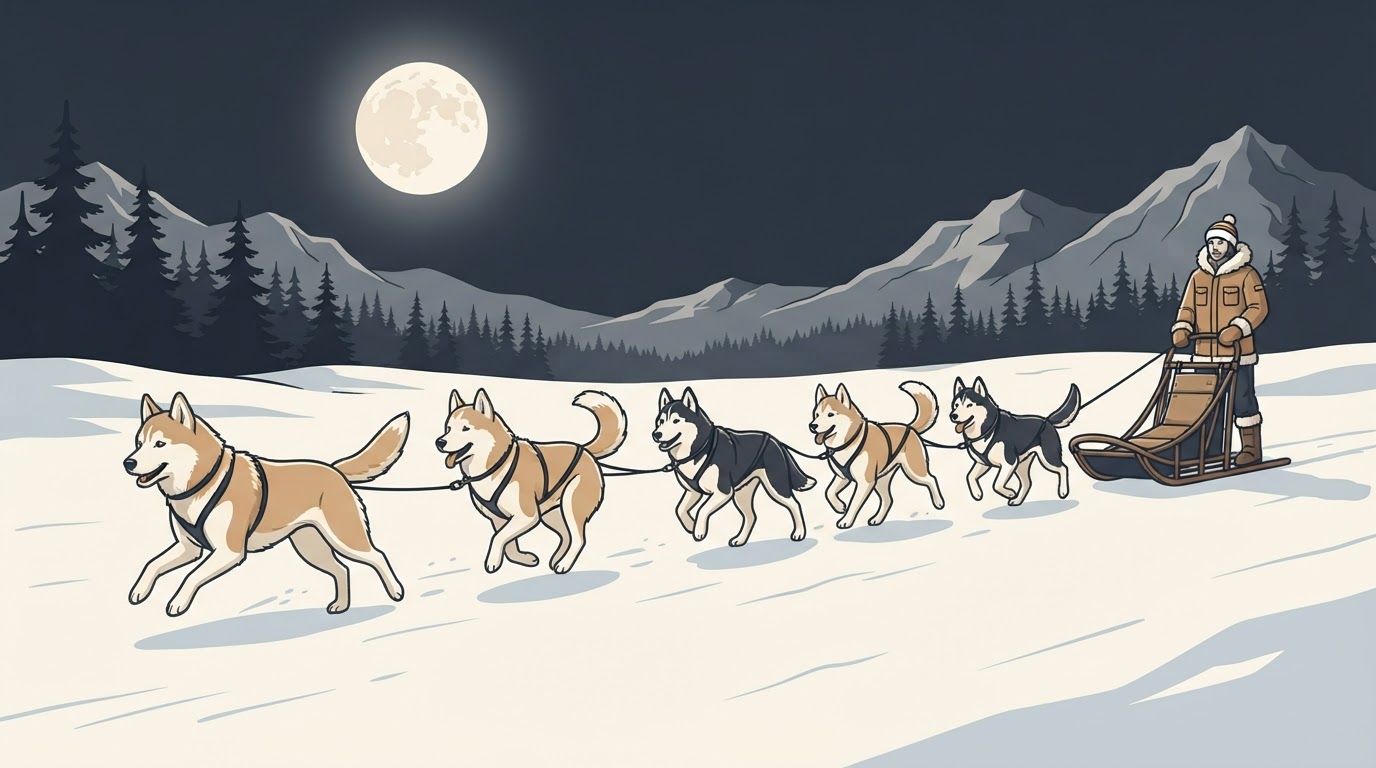
A Siberian Husky team pulling a sled across snow at night

Huskies & the 1925 Serum Run

In January 1925, diphtheria broke out in Nome, Alaska. The nearest antitoxin was in Anchorage — over 1,000km away, and the only aircraft available couldn't fly in the cold. Twenty mushers and about 150 sled dogs relayed the serum in a five-and-a-half-day chain across the ice, working in temperatures as low as -50°C with wind chill. Togo, a Siberian Husky, ran the longest and most dangerous leg. Balto ran the final stretch into Nome and became the public face of the rescue, with a statue still standing in Central Park.

See the breed page
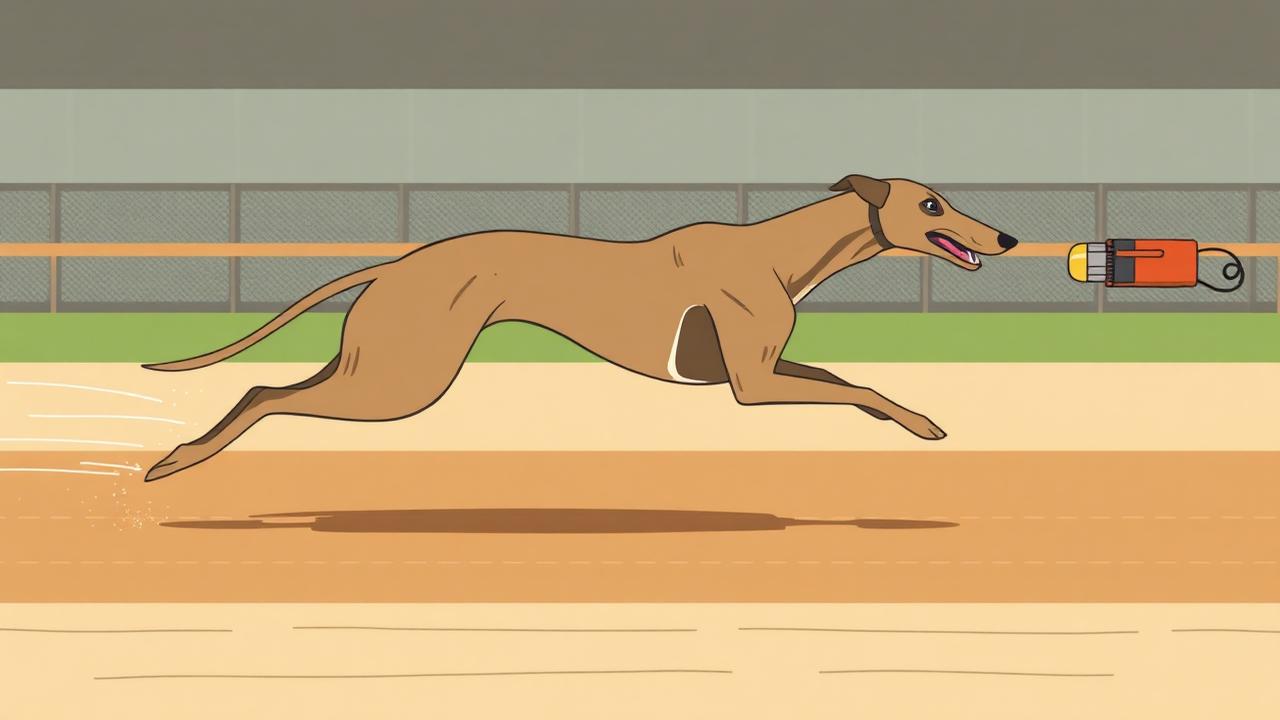
A greyhound at full stretch on a track chasing a mechanical lure

Greyhounds & the rise of dog racing

Greyhounds had been coursing hares for centuries, but organised racing needed a way to run dogs without live game. The mechanical hare, patented in 1912, solved that — dogs chased a lure on a rail instead. The first purpose-built track opened in Manchester in 1926, and greyhound racing became one of Britain's biggest spectator sports through the 1930s and 40s, drawing bigger crowds than football on some nights. The dog's natural top speed — still the fastest of any breed — is what made the sport possible in the first place.

See the breed page
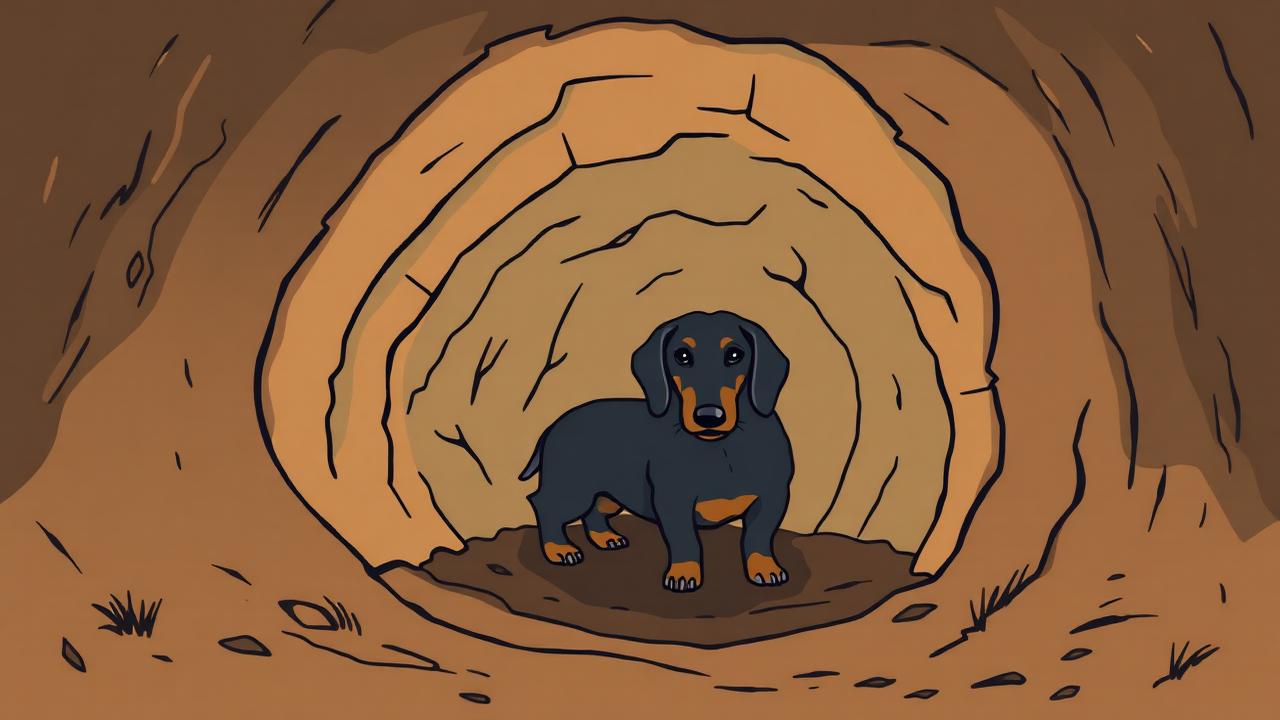
A dachshund entering a badger tunnel in an earth bank

Dachshunds & badger hunting

The name gives it away: Dachs is German for badger, Hund for dog. Dachshunds were built — literally engineered through selective breeding — to go underground after badgers, which are strong, aggressive, and dig defensive setts with multiple chambers. The long, low body wasn't an accident of fashion; it's a working shape that lets the dog turn around in a tunnel a badger has already dug to its own size. Standard Dachshunds handled badgers; the smaller Miniature was later developed for rabbit warrens.

See the breed page
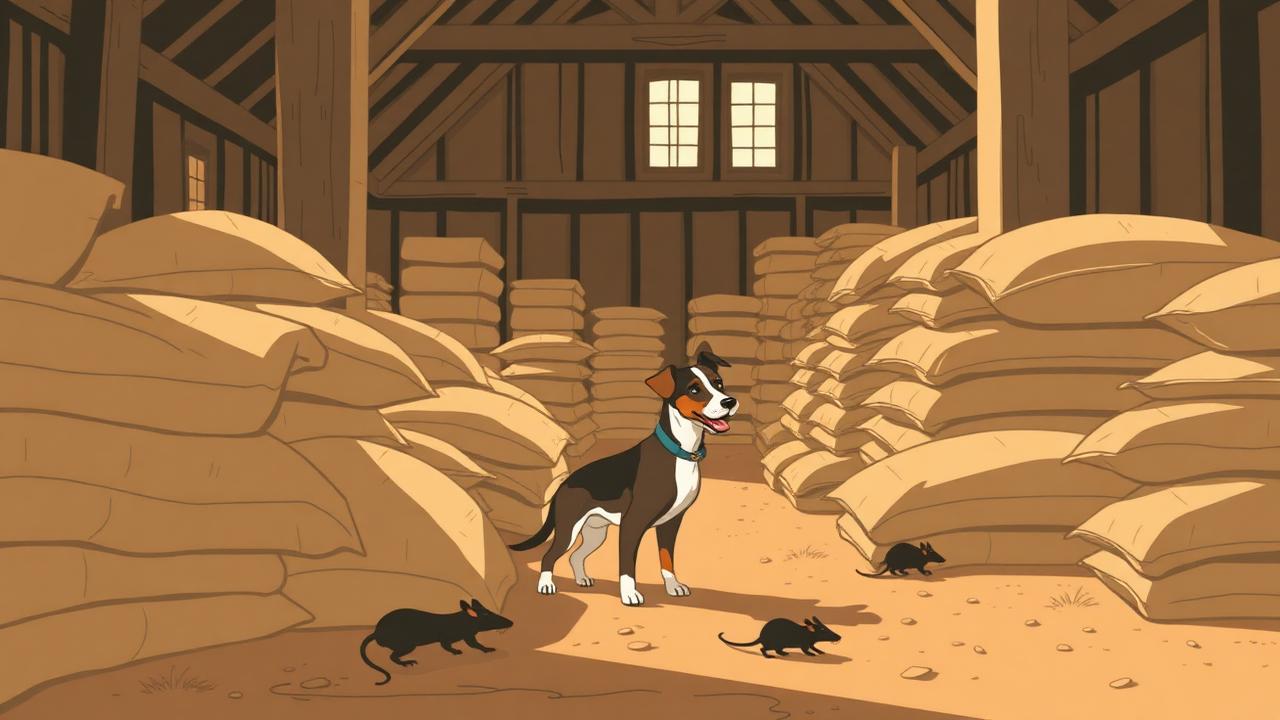
A working terrier alert among grain sacks in a barn, rats nearby

Rats & the terrier trade

Before modern sanitation, rats contaminated grain stores, spread disease, and multiplied faster than anyone could control by hand. England's answer was selective breeding for speed, prey drive and fearlessness in a small package — dogs that could work tight spaces and confront animals that would fight back. This is why there isn't one terrier breed but dozens: Jack Russells, Border Terriers, Norfolk and Norwich Terriers, Fell Terriers, and more, each shaped slightly differently for the ground they worked. Rat-baiting pits also turned this into organised (and now banned) spectator sport in Victorian England, with dogs timed on how fast they could kill a pit full of rats.

See the breed page
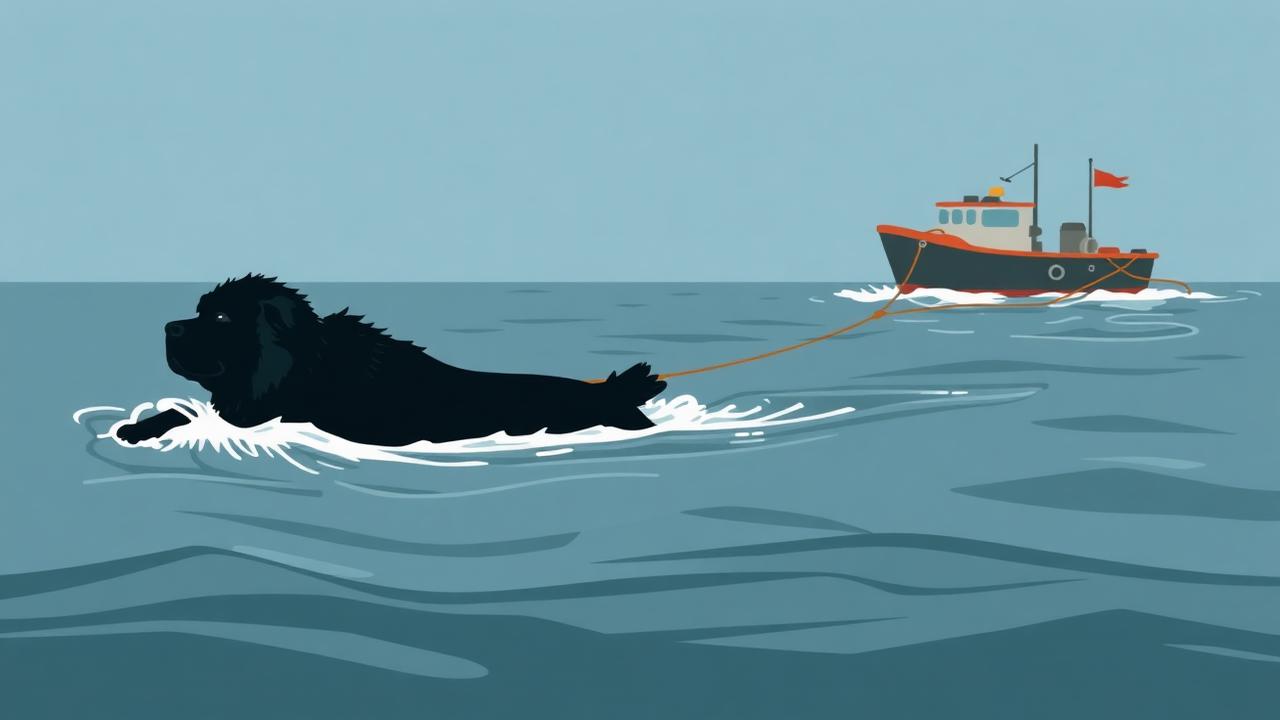
A Newfoundland swimming while towing a line to a fishing boat

Newfoundlands as water rescue dogs

Newfoundlands were bred by fishermen off the Canadian coast to haul nets, retrieve tackle, and pull lines between boats and shore — work that demanded a huge, powerfully built dog with a water-resistant double coat and, crucially, webbed feet. That same build made them natural water rescuers. Newfoundlands have a long, documented history of pulling drowning people from rivers and coastlines, and they're still used today in formal water-rescue training in several countries, including towing capsized boats and swimming lines out to people in trouble.

See the breed page
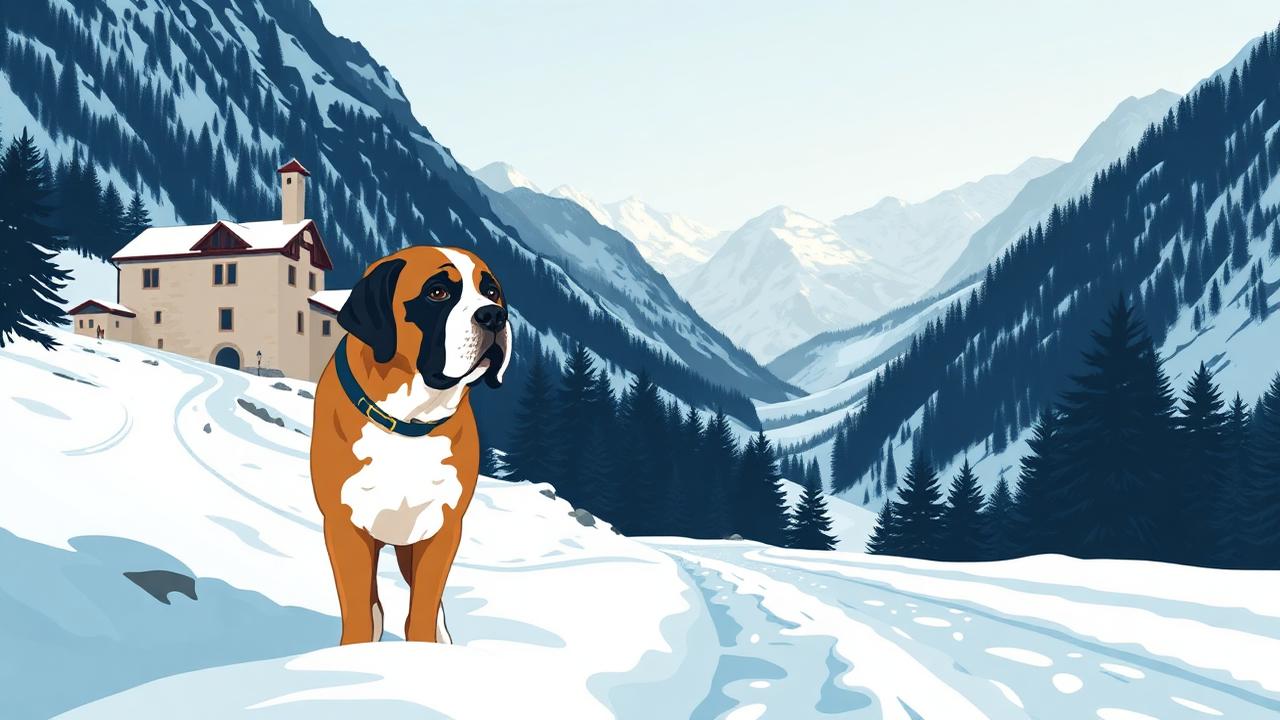
A St Bernard in deep snow beside an alpine monastery hospice

St Bernards & Alpine rescue

Monks at the Great St Bernard Hospice, high in the Swiss Alps, began keeping large dogs in the 1600s to help travellers crossing a pass notorious for sudden storms and avalanches. The dogs' size, thick coat, and extraordinary sense of smell let them locate buried or lost travellers in conditions no human search party could work in. The most famous individual, Barry, is credited with saving somewhere between 40 and 100 lives in the early 1800s — the exact number is disputed, but his body is preserved and still on display in Bern. The barrel-around-the-neck image is largely Victorian invention, not historical fact.

See the breed page
Illustration of the extinct Turnspit Dog

The Turnspit Dog

Already covered in Extinct Breeds, but worth telling properly here: Turnspit Dogs were bred to run inside a wheel connected to a spit, turning meat over an open kitchen fire for hours at a time — effectively a living rotisserie motor. They were common in British kitchens from the 1500s to the mid-1800s, when mechanical spit-turning devices made them redundant almost overnight. No verified bloodline survives, making it one of the clearest examples of a breed created for a single job that vanished the moment the job did.

Back to Extinct Breeds
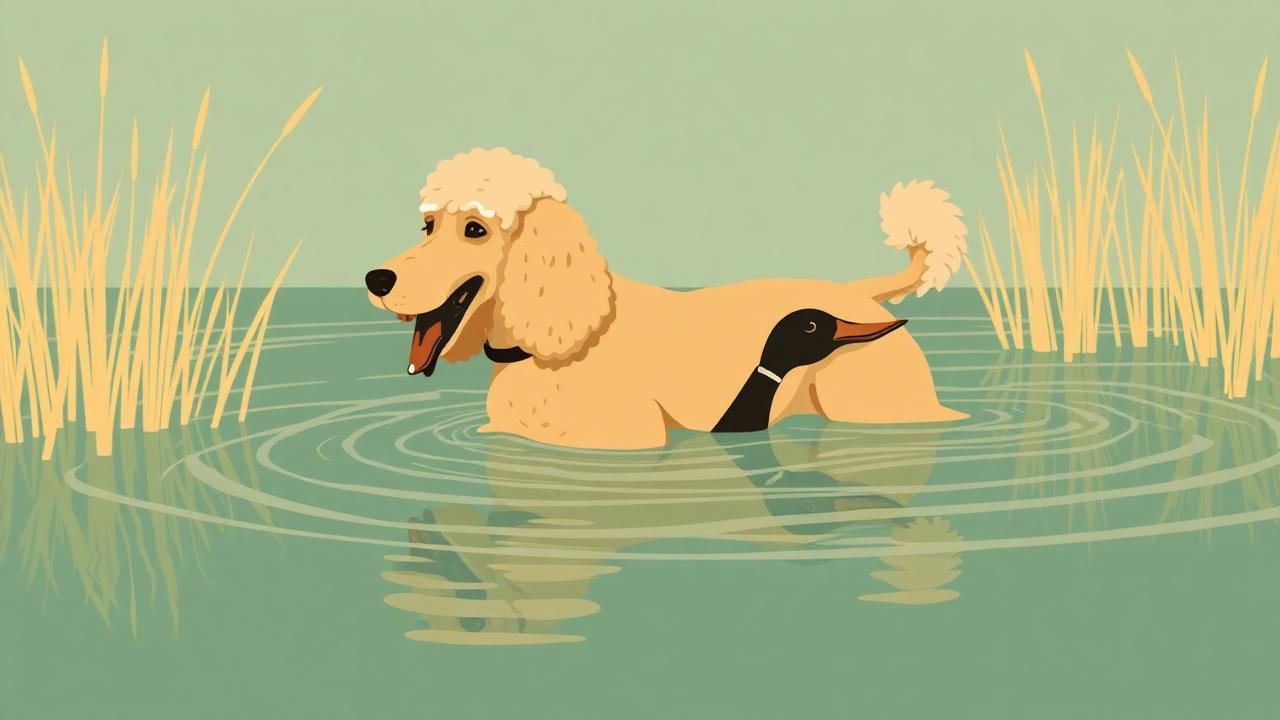
A poodle in a working clip retrieving a duck from a lake

Poodles before they were show dogs

Long before topiary haircuts and Crufts, Poodles were water retrievers, bred in Germany and refined in France to fetch waterfowl for hunters. The name comes from the German Pudel — “to splash in water.” The distinctive clip wasn't originally decorative: shaving the hindquarters and legs reduced drag and prevented a waterlogged coat from dragging the dog down in cold water, while hair was left around joints and vital organs for warmth. The elaborate show clips seen today are a stylised descendant of a genuinely functional working cut.

See the breed page
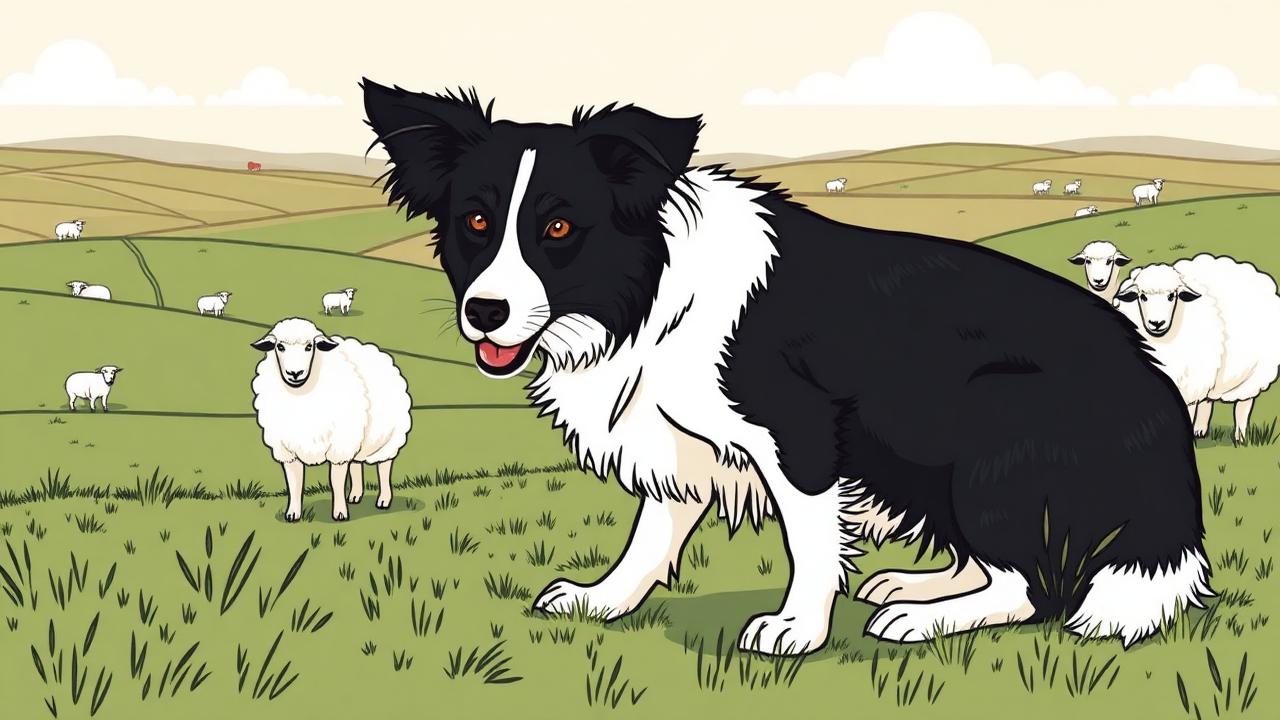
A Border Collie crouched low, holding eye on a flock of sheep

Border Collies & the birth of sheepdog trials

Border Collies were developed along the England–Scotland border to move sheep across open, difficult terrain with minimal input from the shepherd — reading the flock's movement and controlling it through posture and stare rather than force. The first formal sheepdog trial was held in Bala, Wales, in 1873, turning working skill into a judged competition and giving breeders a public standard to select for. That same intelligence and biddability is why the breed now dominates agility and obedience sport, often with little or no connection to livestock at all.

See the breed page
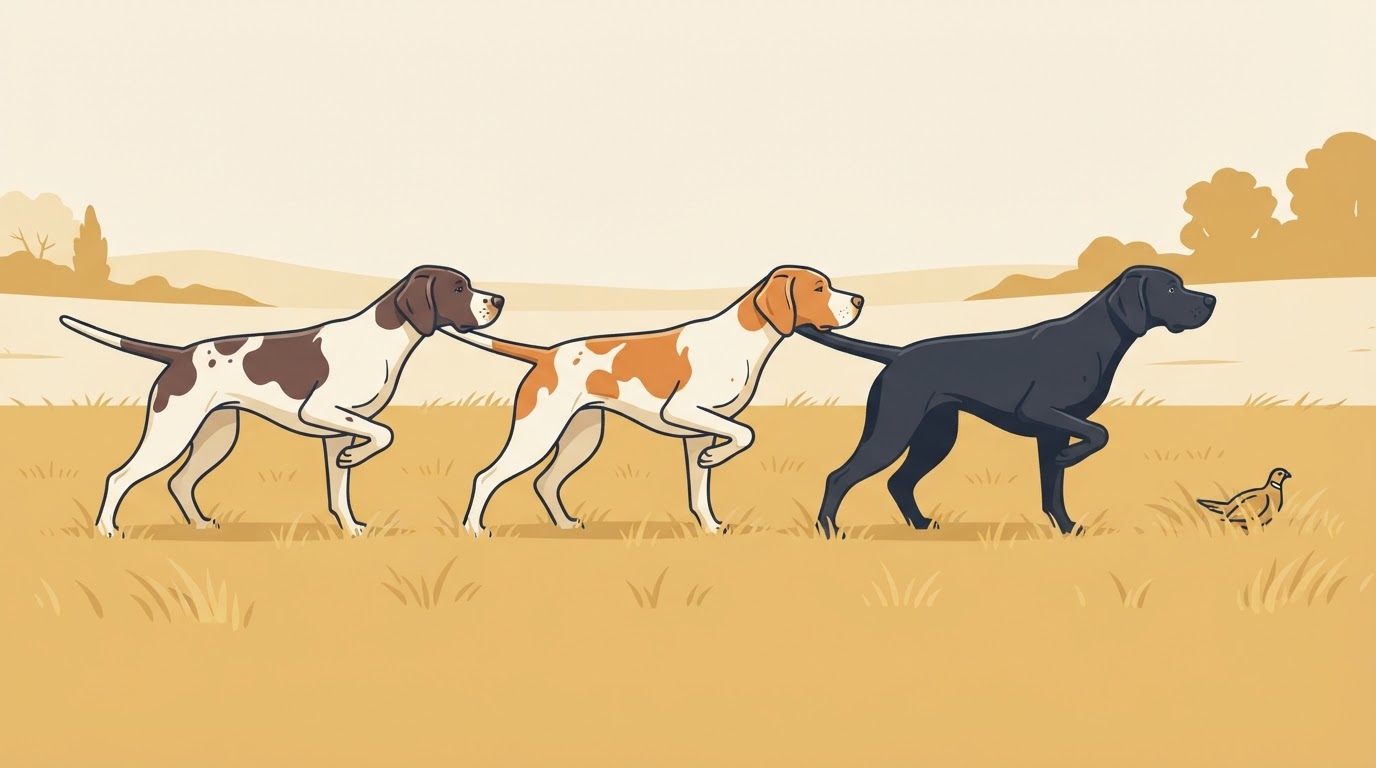
Several pointing breeds frozen mid-field in a rigid point stance

The Pointers

Before a hunter could shoot a bird, someone had to find it. Pointing dogs were developed across Europe to locate game hidden in vast open ground, and when they caught scent, they froze — body rigid, nose aimed, tail level. That stance was the signal: the birds are here. English Pointers, German Shorthaired Pointers and Wirehaired Pointing Griffons all work this way, each shaped for slightly different terrain and coat needs, but built around the same instinct: find, freeze, hold.

See Breed Groups: Gun Dogs
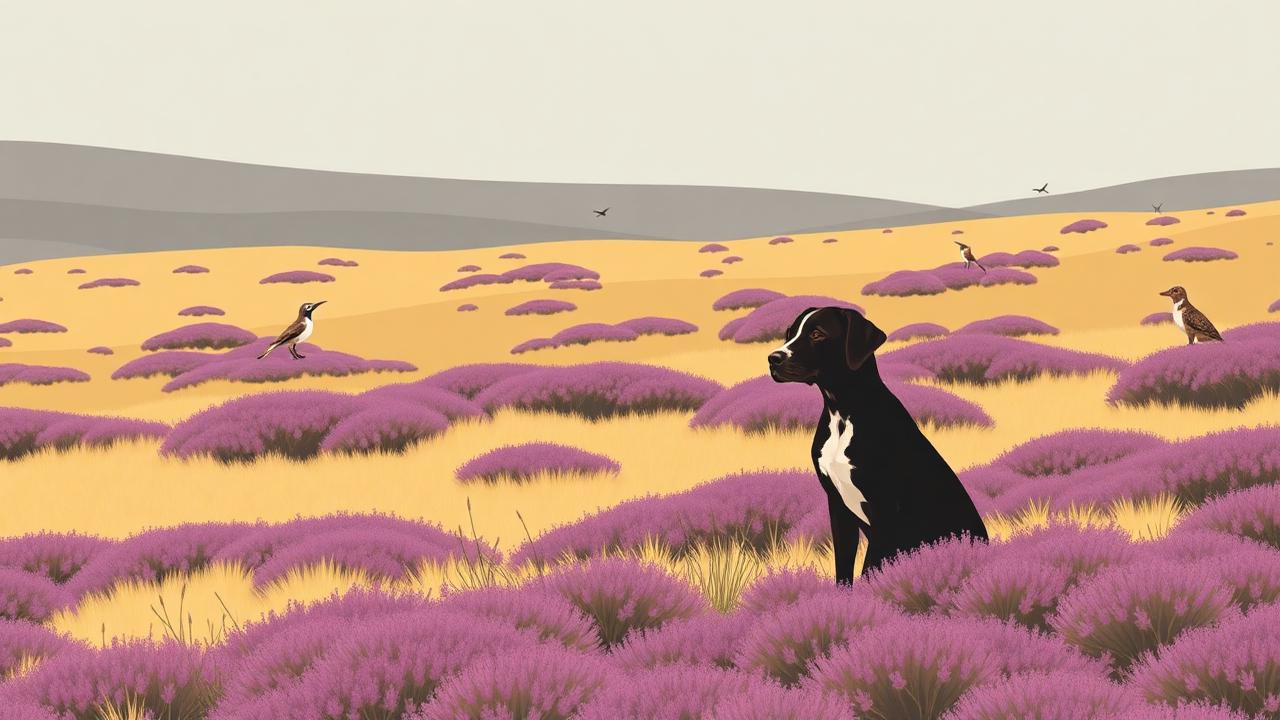
Setters crouched low in heather moorland near hidden game birds

The Setters

Setters predate widespread firearms. Before hunters could simply shoot, they needed a dog that could quietly locate birds and crouch low nearby — a stance that let hunters cast a net over both the bird and the dog. Their job wasn't to chase; it was to guide. English, Irish, Irish Red and White, and Gordon Setters all developed from this same low-set working style, later adapted for shooting over rather than netting under.

See Breed Groups: Gun Dogs
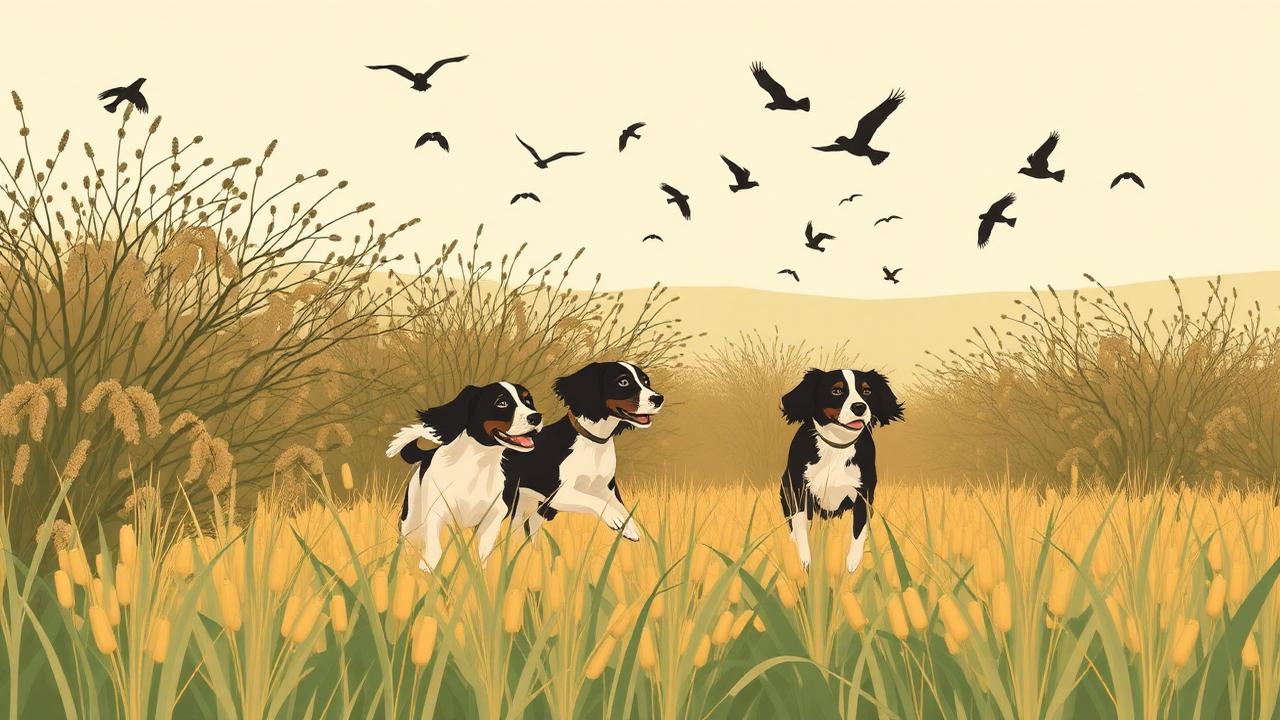
Spaniels bursting through dense cover as birds scatter airborne

The Flushers

When birds wouldn't move, flushing dogs made them fly. Bred to push fast and fearlessly through dense cover — reeds, bramble, standing crop — flushing spaniels forced hidden birds into the air and created the shot opportunity a pointer or setter never could. English Springer Spaniels, Welsh Springer Spaniels, Field Spaniels and Boykin Spaniels all work this way: fast, relentless, and built to go where the birds are hiding rather than wait for them to show themselves.

See Breed Groups: Gun Dogs
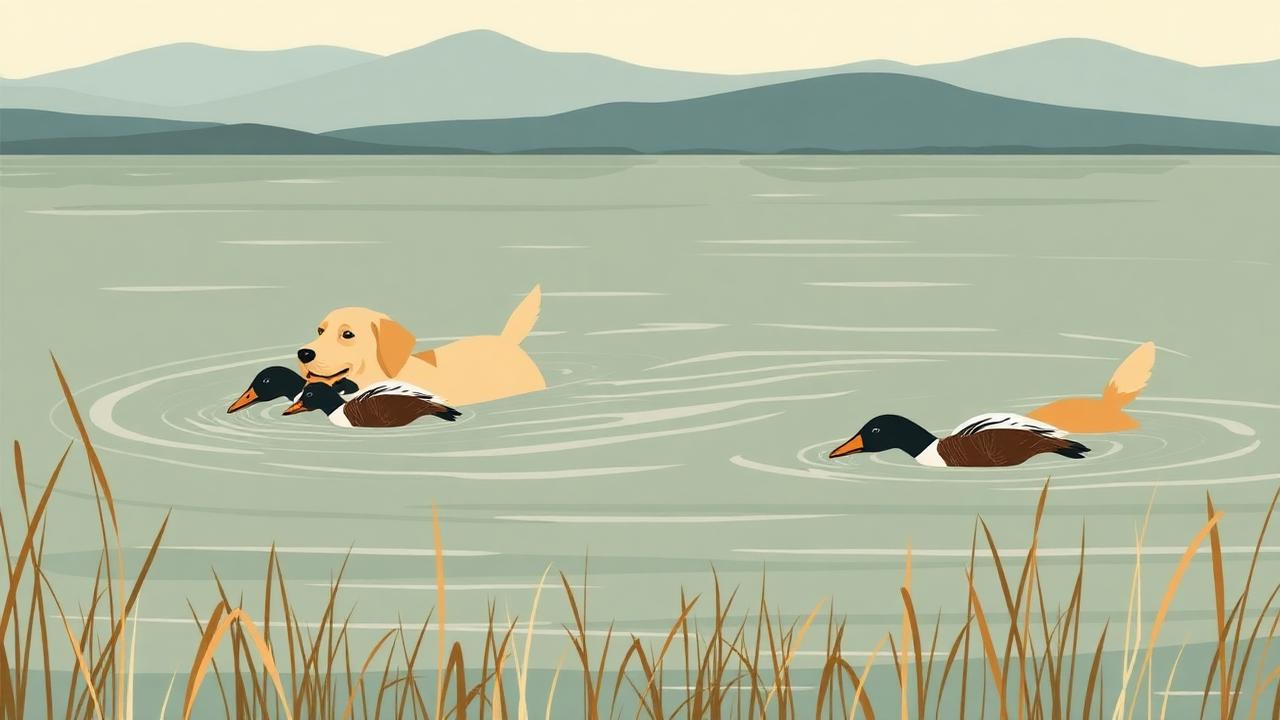
A retriever swimming while carrying a downed duck

The Retrievers

The hunt wasn't over when the bird fell. A downed bird lost in cold water or thick reeds could easily go unrecovered, so retrievers were bred specifically to find it and bring it back undamaged — a “soft mouth” that could carry game without crushing it. Labrador Retrievers, Golden Retrievers, Chesapeake Bay Retrievers and Nova Scotia Duck Tolling Retrievers all descend from this single job, even though only one of them still looks much like a working gun dog to most people today.

See the breed page
One all-purpose hunting dog pointing, tracking and retrieving across a single scene

The Versatile Hunters

Continental Europe took a different approach: why own four specialist dogs when one could point, track, retrieve, and work both land and water? Breeds like the Wirehaired Pointing Griffon, Pudelpointer, Deutsch Drahthaar and Large Munsterlander were developed as true all-purpose hunting companions, each capable of doing a pointer's, a tracker's and a retriever's job in a single dog. It's a fundamentally different breeding philosophy from Britain's single-task specialists, and it's why so many “versatile” gun dog breeds trace back to Germany, France and the Netherlands.

See Breed Groups: Gun Dogs
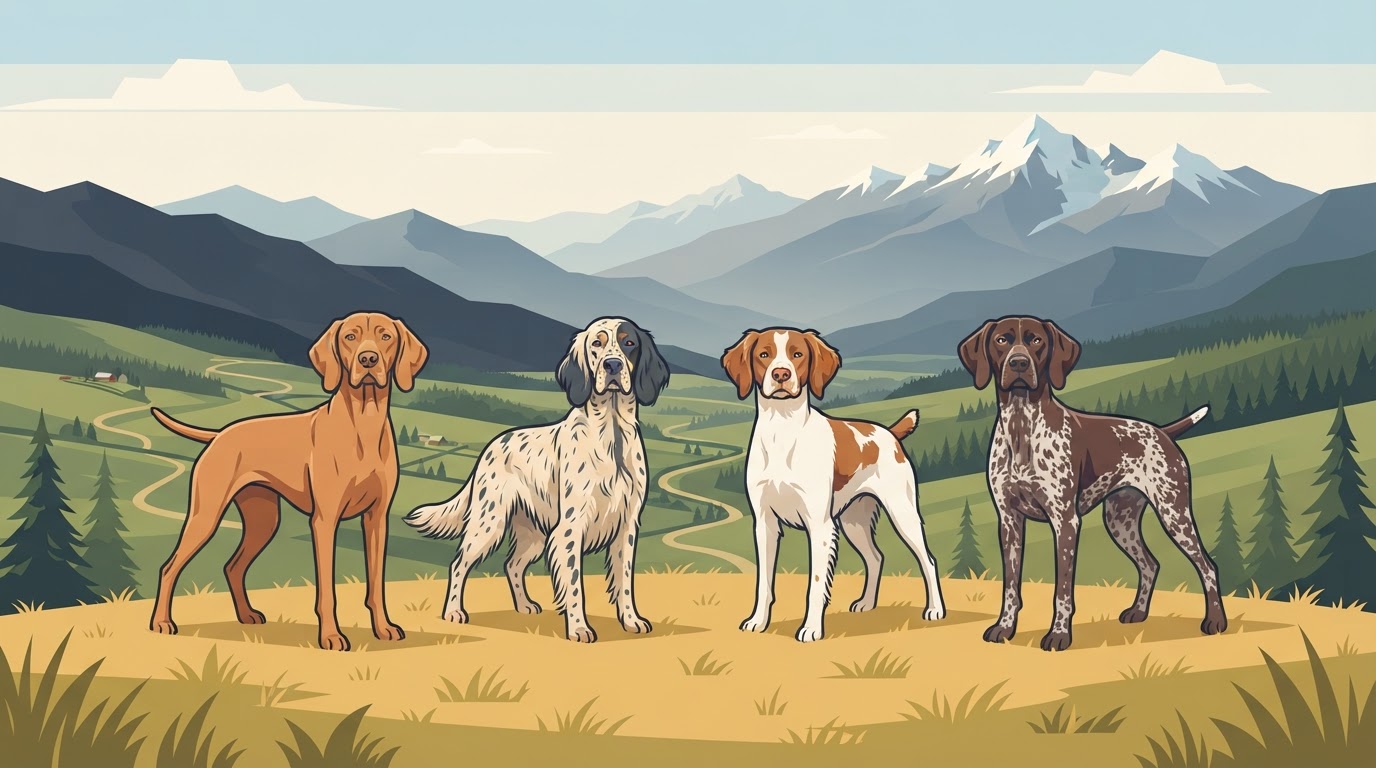
Rare regional pointing breeds lined up against a mountain and valley backdrop

The Hidden Gems

Not every bird dog became internationally famous. Some stayed confined to the valley, mountain range or hunting culture that produced them — developed for local game, local terrain, and local tradition, and many never left their homeland. The Cesky Fousek (Czech Republic), Burgos Pointer (Spain), Braque Saint-Germain (France) and Perdigueiro Português (Portugal) are rare outside their home countries, but possess the same talent, instinct and hunting ability as the breeds that did become household names.

See the breed page

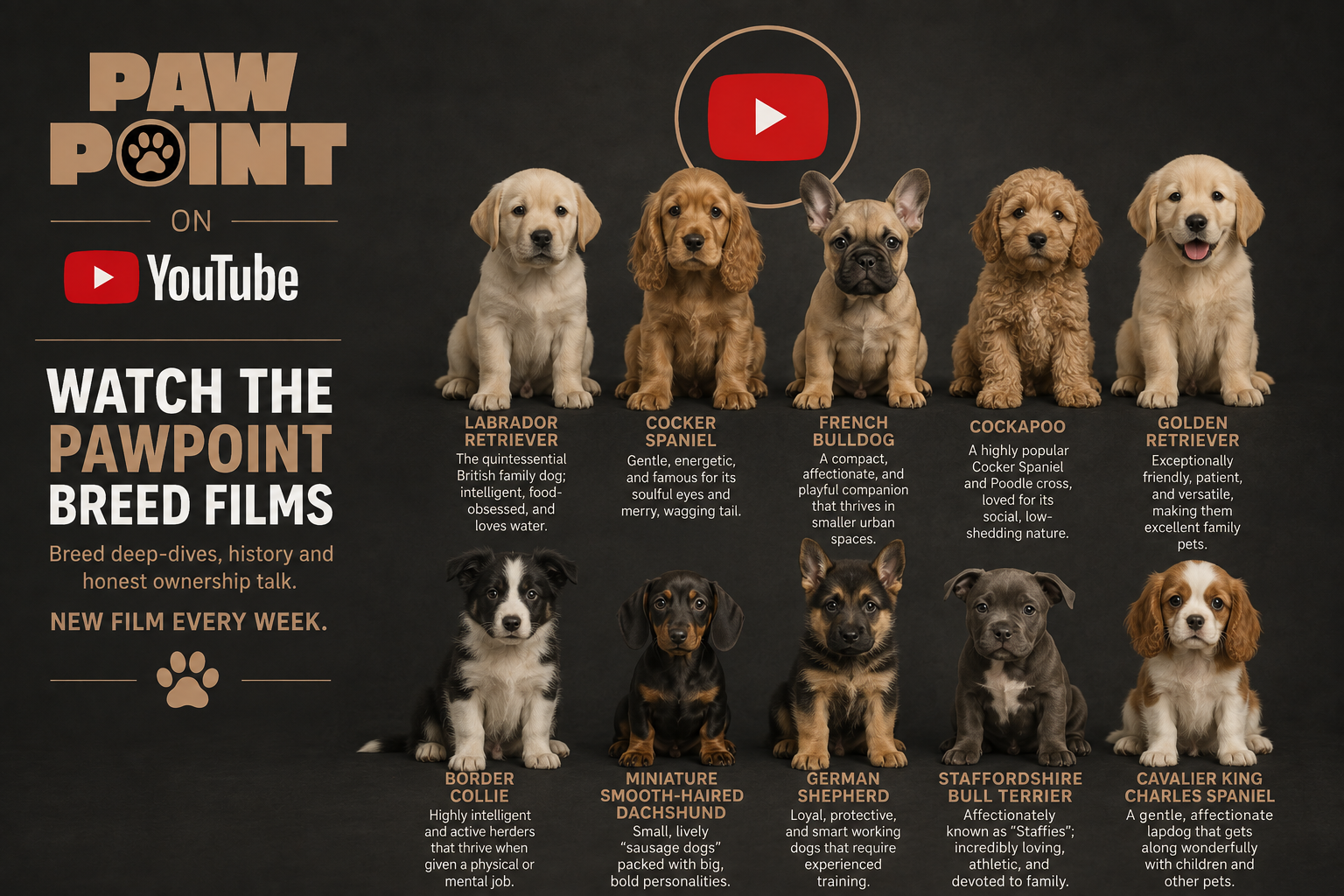
Pawpoint on YouTube

Watch the Pawpoint breed films

Breed deep-dives, history and honest ownership talk. New film every week.

Subscribe