Greyhound
GRAY-hownd
United Kingdom· England
The Greyhound is an ancient sighthound bred for pursuing game and, since the 1920s, for competitive track racing, prized above all for explosive speed over short distances.
At a glance
Quick facts
Size
Large
Exercise needs
30-60 minutes daily, short bursts
Home size suited to
Medium to large home
Grooming frequency
Weekly brush
Coat length
Short
Sheds
Yes
Lifespan
10-13 years
Town or country
Happiest in the country
Garden size needed
Medium or larger
Where it comes from
Origins of the Greyhound
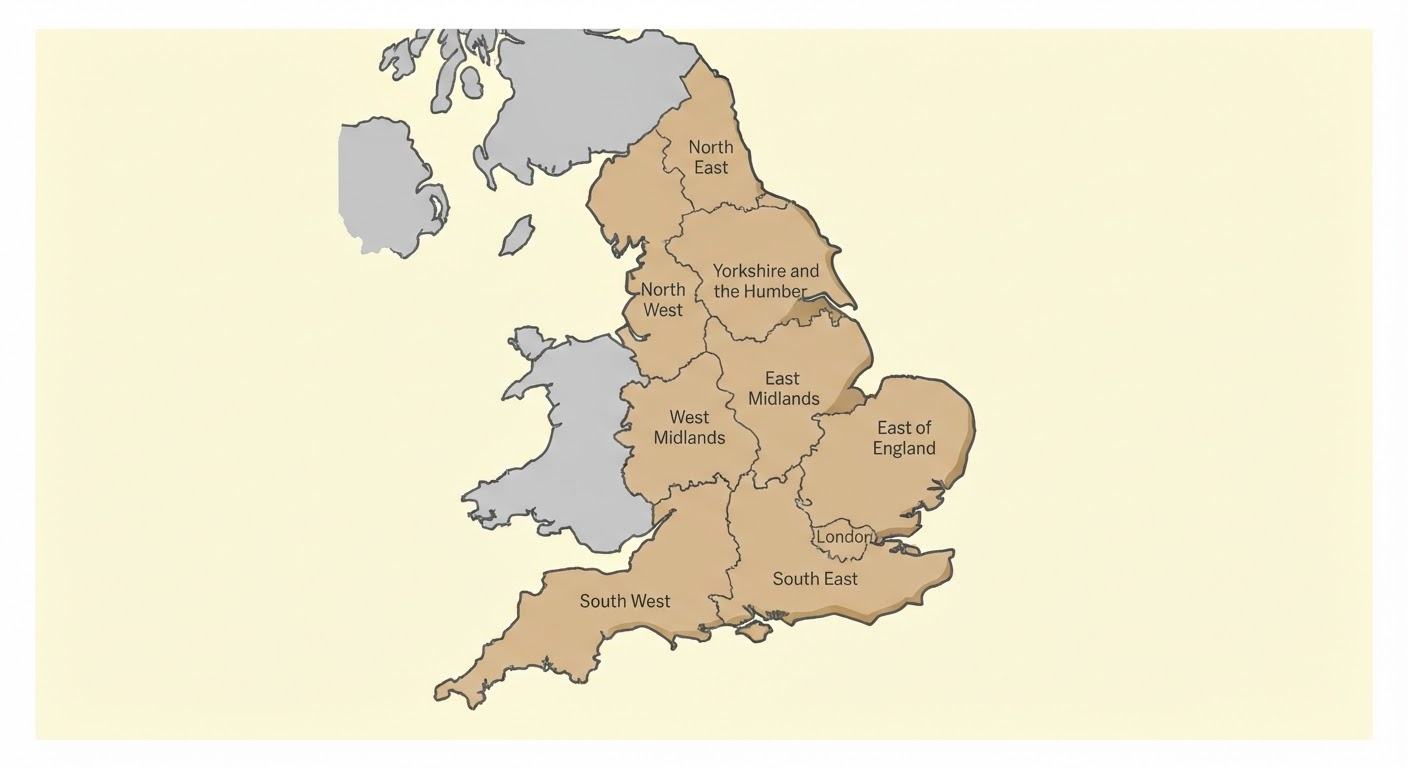
Refined in England over centuries on open grassland and downland ideal for coursing hares at speed. Medieval forest laws restricted ownership to nobility, cementing its status as an aristocratic hunting dog.
- Region
- England
- Climate it was bred for
- Open grassland and downland
- Original job
- Coursing hares and racing
The long read
About the breed
Sighthounds of greyhound type appear in Egyptian tomb art and were refined in Britain over centuries for coursing hares across open ground, valued by medieval nobility and protected by forest laws restricting ownership to landowners. The breed was adapted for mechanical-lure track racing after the sport was formalised in Britain and America in the 1920s.
Living with a Greyhound often surprises new owners: despite being the fastest breed over short sprints, it is a famously low-energy companion at home, content with two short walks and long naps on a sofa, having earned the description "45mph couch potato". Its thin coat and low body fat mean it feels the cold and often needs a coat in winter, and its instinct to chase small, fast-moving things means recall around other pets requires care.
Today most pet Greyhounds in Britain are retired racers rehomed through dedicated charities, and the breed has become a well-regarded family companion once past its racing career, though ex-racers may need extra help adjusting to normal domestic life, stairs and glass doors.
Living with one
Temperament & needs
Our own ratings, based on the breed standard and how these dogs behave in ordinary homes.
Friendliness
4/5
How openly the Greyhound greets people it does not know.
Trainability
3/5
Gentle and biddable, though independent when chasing.
Energy
3/5
Short bursts of speed, otherwise a notably restful dog.
Barking
1/5
One of the quieter breeds.
Grooming
1/5
Very short coat, minimal grooming.
Suits a first-time owner
3/5
How forgiving the Greyhound is for someone taking on their first dog.
Sociability
4/5
Generally affectionate and gentle with people.
Independence
3/5
Content alone for reasonable periods once settled.
Illustrated breed standard
The points of the breed
Hover or tap a numbered point to read what the standard asks for.
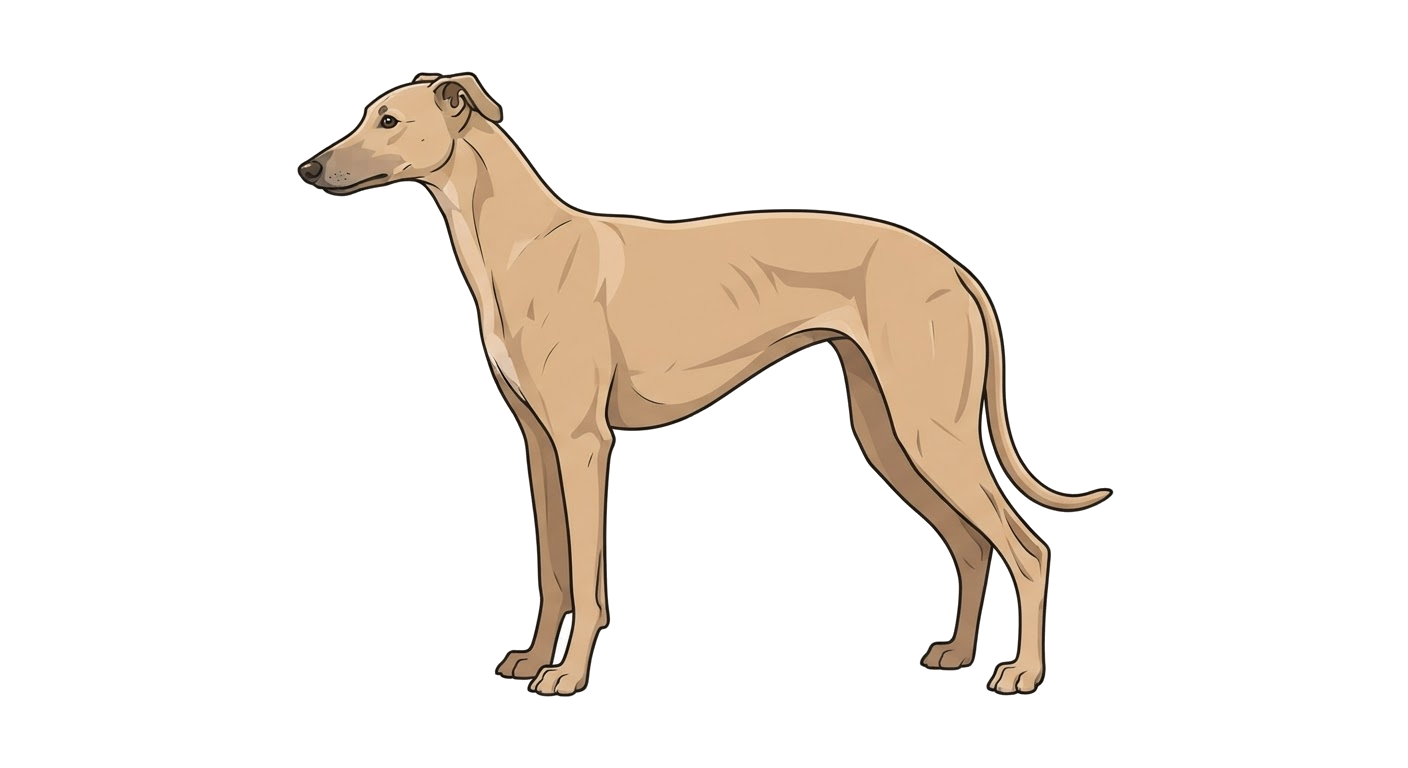
Point 1
Skull
The Greyhound's skull is judged on balance rather than size — proportionate to the body, with a clean cheek and a stop typical of the breed. Coarseness or an over-refined head are both faulted.
Colours & patterns
Recognised coats
Which coats the standard accepts — and which are simply popular.
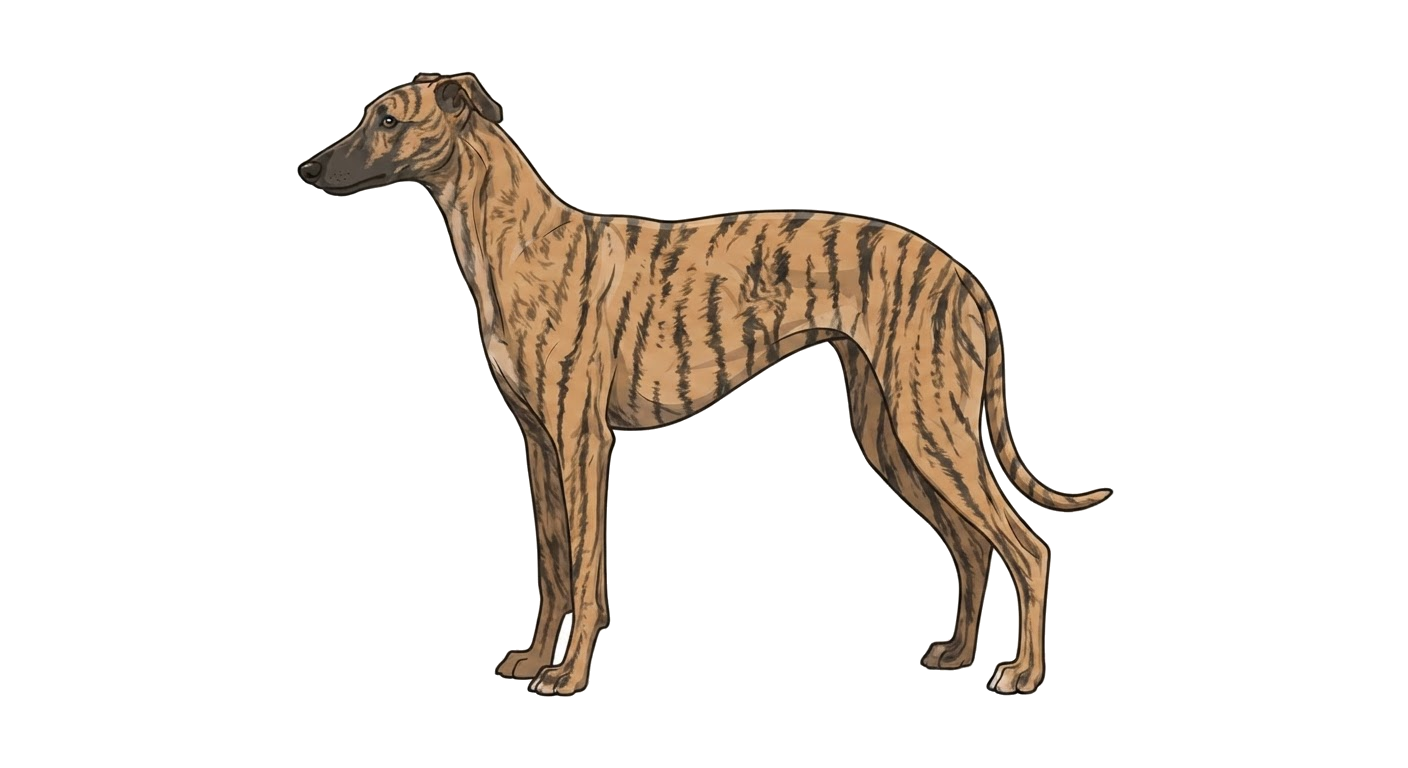
Brindle
Standard colour
A common racing colour with dark stripes.
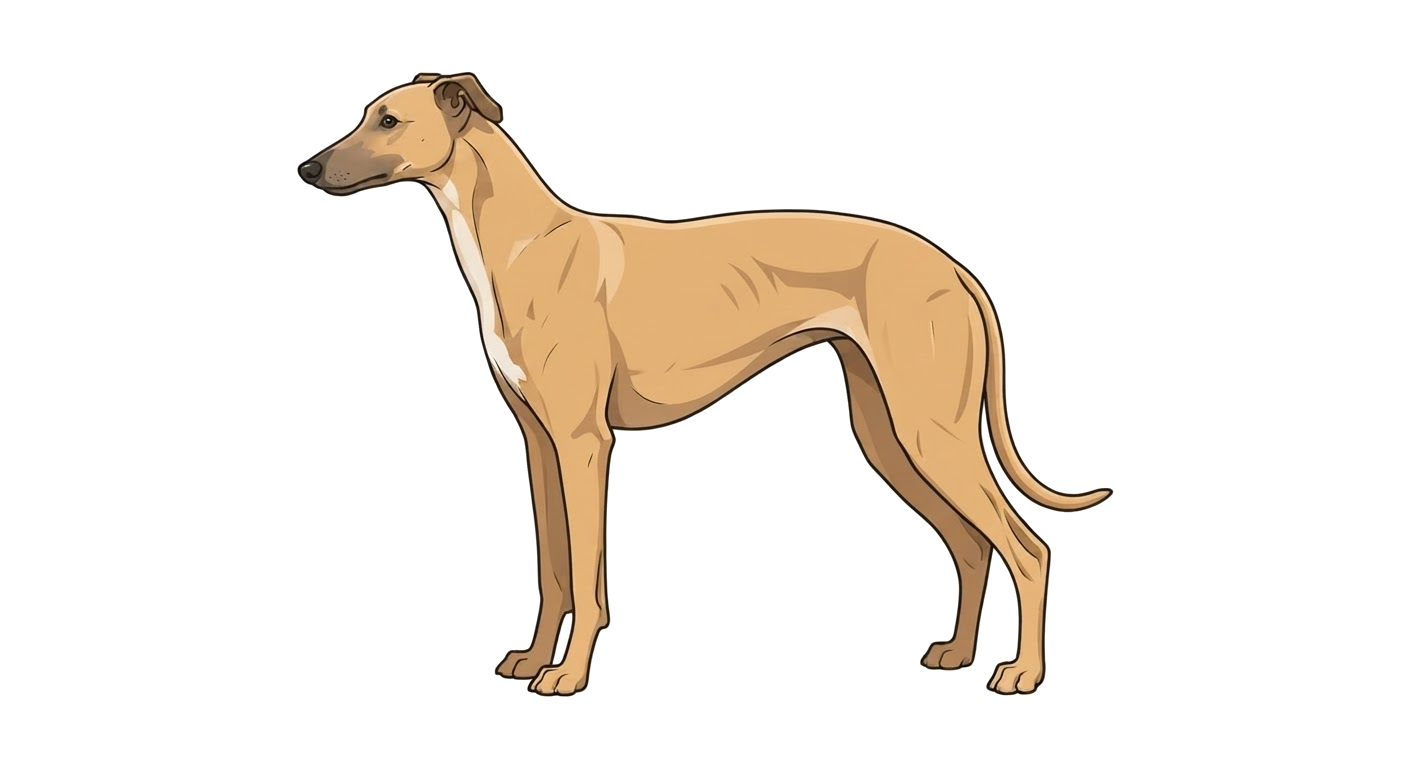
Fawn
Standard colour
A warm tan shade.
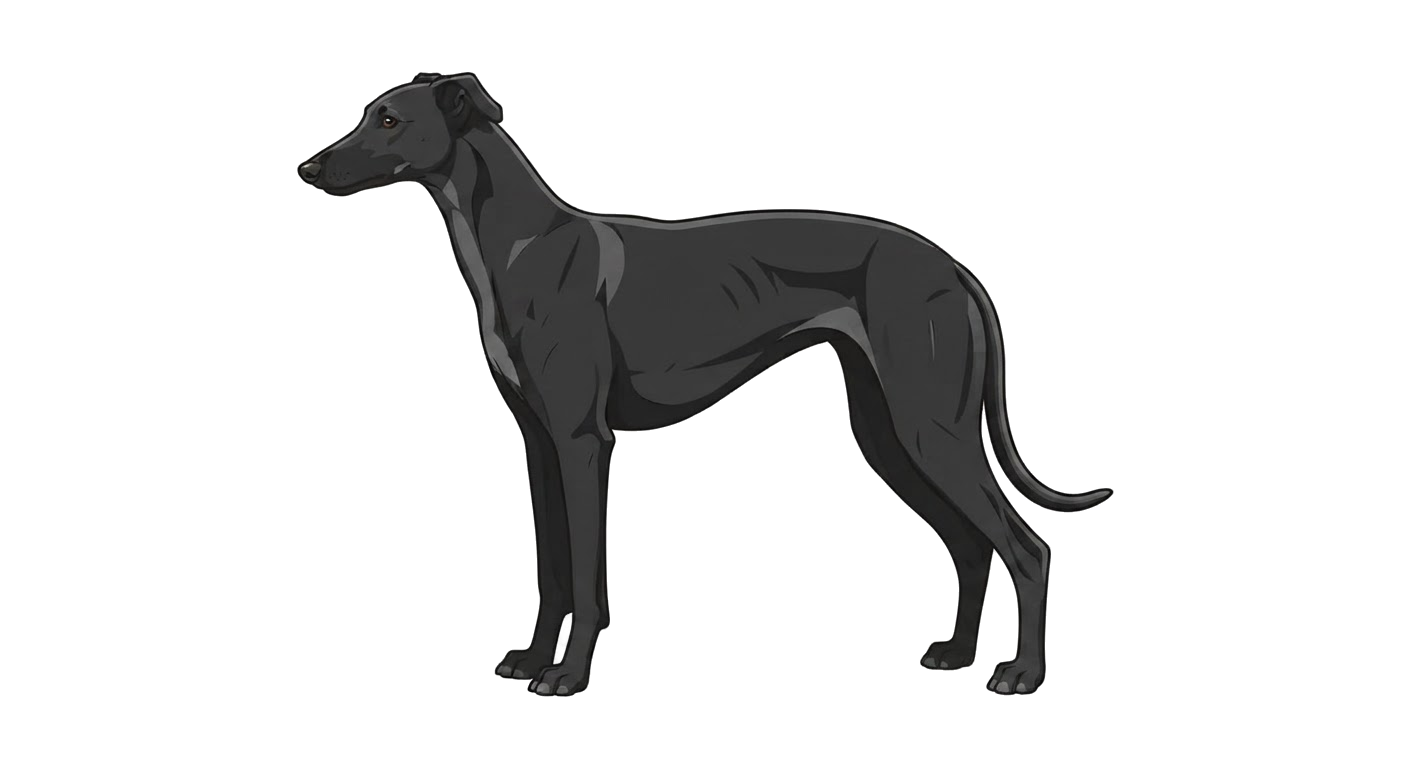
Black
Standard colour
A solid glossy black.
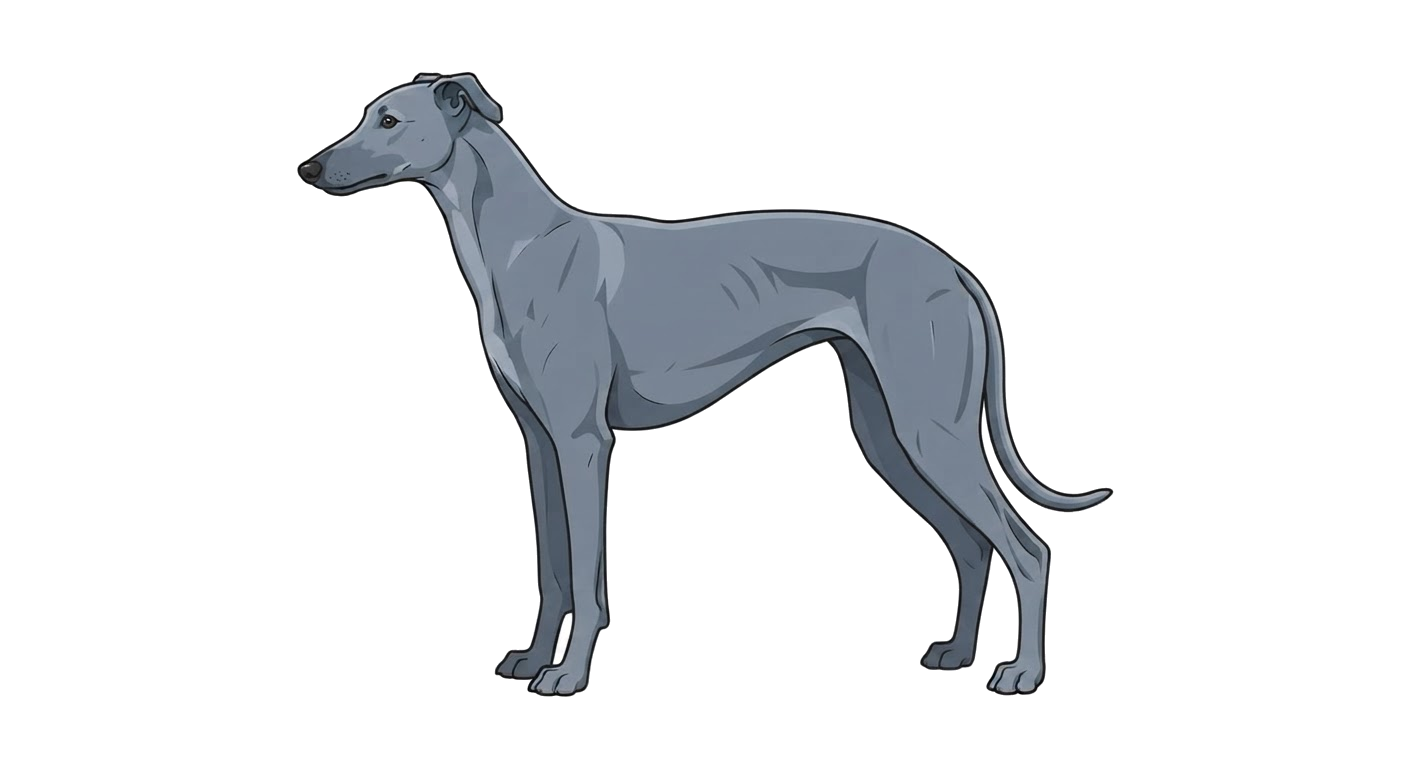
Blue
Standard colour
A soft grey-blue shade.
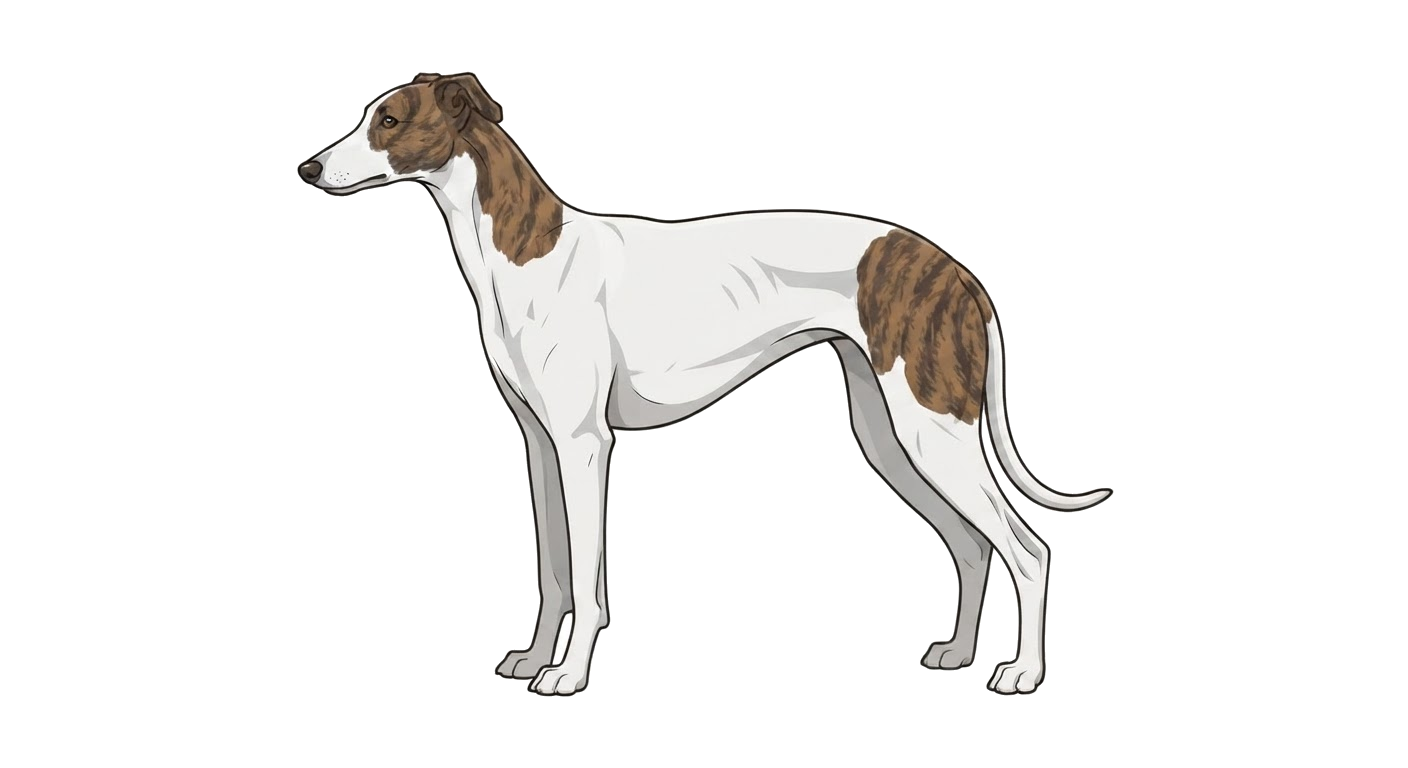
White with colour
Standard colour
White combined with any standard colour patching.
Timeline
History & development
Ancient Egypt
Early depictions
Sighthounds resembling greyhounds appear in Egyptian tomb art thousands of years old.
Medieval period
English coursing
Forest laws restricted greyhound ownership to nobility, who used them to course hares.
1776
Coursing club founded
The first organised coursing club was established in England.
1926
Track racing begins
Mechanical lure racing was introduced in Britain, launching a major spectator sport.
1950s onward
The breed today
Kennel club registrations settled into a steady pattern and the Greyhound moved from a working specialist to a family companion, with breed clubs in the UK and abroad now focused on health testing and keeping true type alive.
Reference
Breed standard summary
- body
- Long, deep chest, arched loin
- coat
- Fine, short, close
- ears
- Small, rose-shaped, folded back
- eyes
- Oval, dark, bright expression
- gait
- Powerful, low, double-suspension gallop
- head
- Long, narrow, flat skull
- size
- Large
- tail
- Long, tapering, carried low with slight curve
- colour
- Brindle, Fawn, Black, Blue, White with colour. Colours outside this list are seen but are not accepted by the kennel clubs.
- temperament
- Typical of the breed: strongest in sociability, energy, trainability. Nervousness or aggression are serious faults in the show ring and in the home.
- general appearance
- Muscular, symmetrical, built for speed
Health
What to screen for
Green means little to worry about, amber means ask the breeder for test results, red means manage it actively.
Bloat
Watch closely
Feed smaller meals and avoid strenuous activity right after eating.
Dental disease
Low concern
Regular teeth cleaning is important as the breed is prone to build-up.
Osteosarcoma
Screen for it
Ask about family history of bone cancer.
Sensitivity to anaesthesia
Screen for it
Ensure vets use greyhound-appropriate protocols due to low body fat.
General information only — always speak to your vet about your own dog.
From real owners
Dogs like this
Greyhounds added by PawPoint members through their pet passports. Share yours to appear here.
Loading the wall…
Made for the Greyhound
The book, plus prints, hoodies and mugs using our own Greyhound illustration — and one everyday accessory that suits any dog.
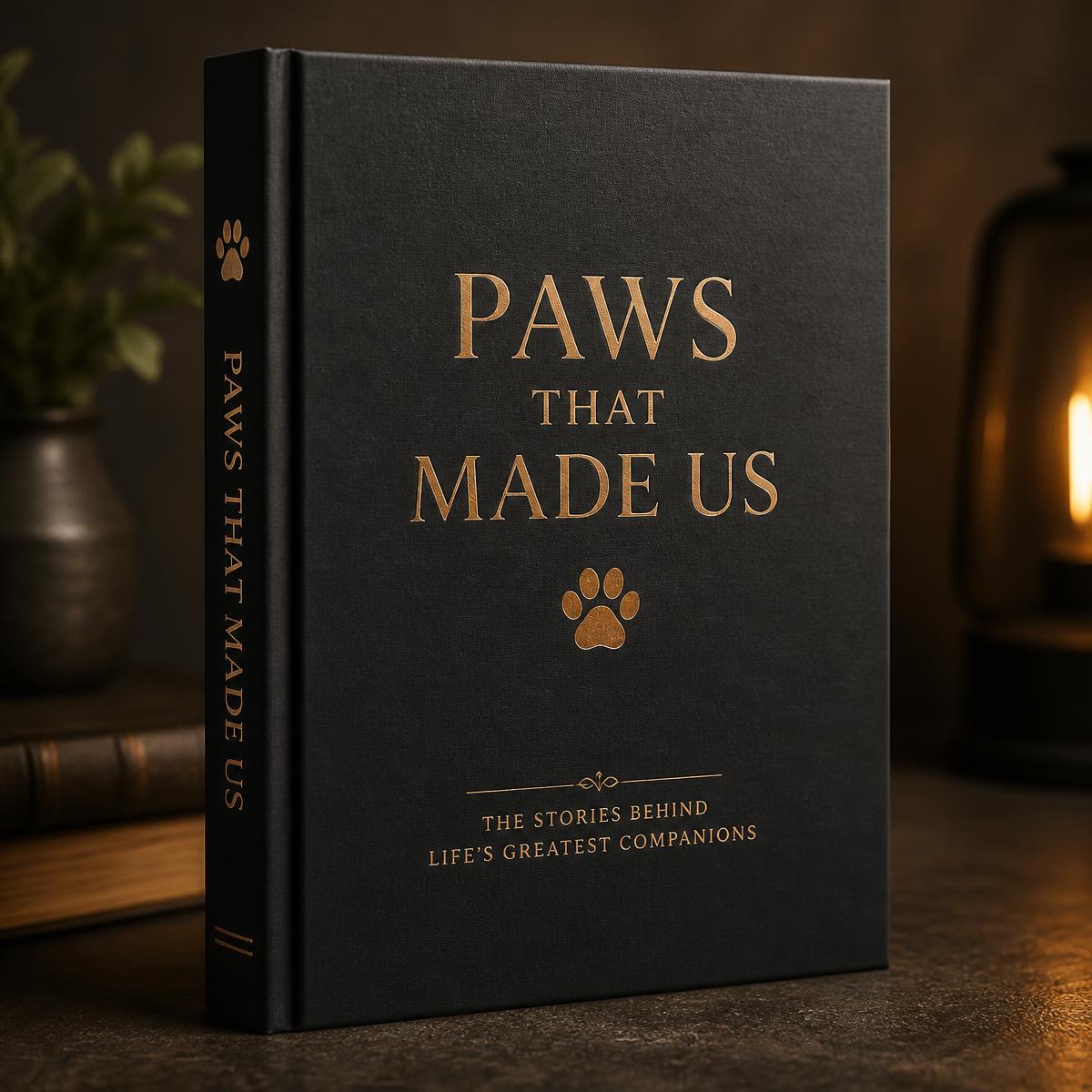
The book
Pawpoint: The Complete Dog Breed Book
Every officially recognised breed plus the unofficial ones nobody else documents. 400+ pages, hardback, printed and shipped from the UK.
Own stock — shipped by us
Framed poster
Greyhound Framed Poster
Museum-weight print of our Greyhound illustration, framed or unframed.
Printed to order
Hoodie
Greyhound Hoodie
Heavyweight hoodie carrying the Greyhound illustration on the chest.
Printed to order
Mug
Greyhound Mug
Ceramic mug with the Greyhound illustration wrapped around it.
Printed to order
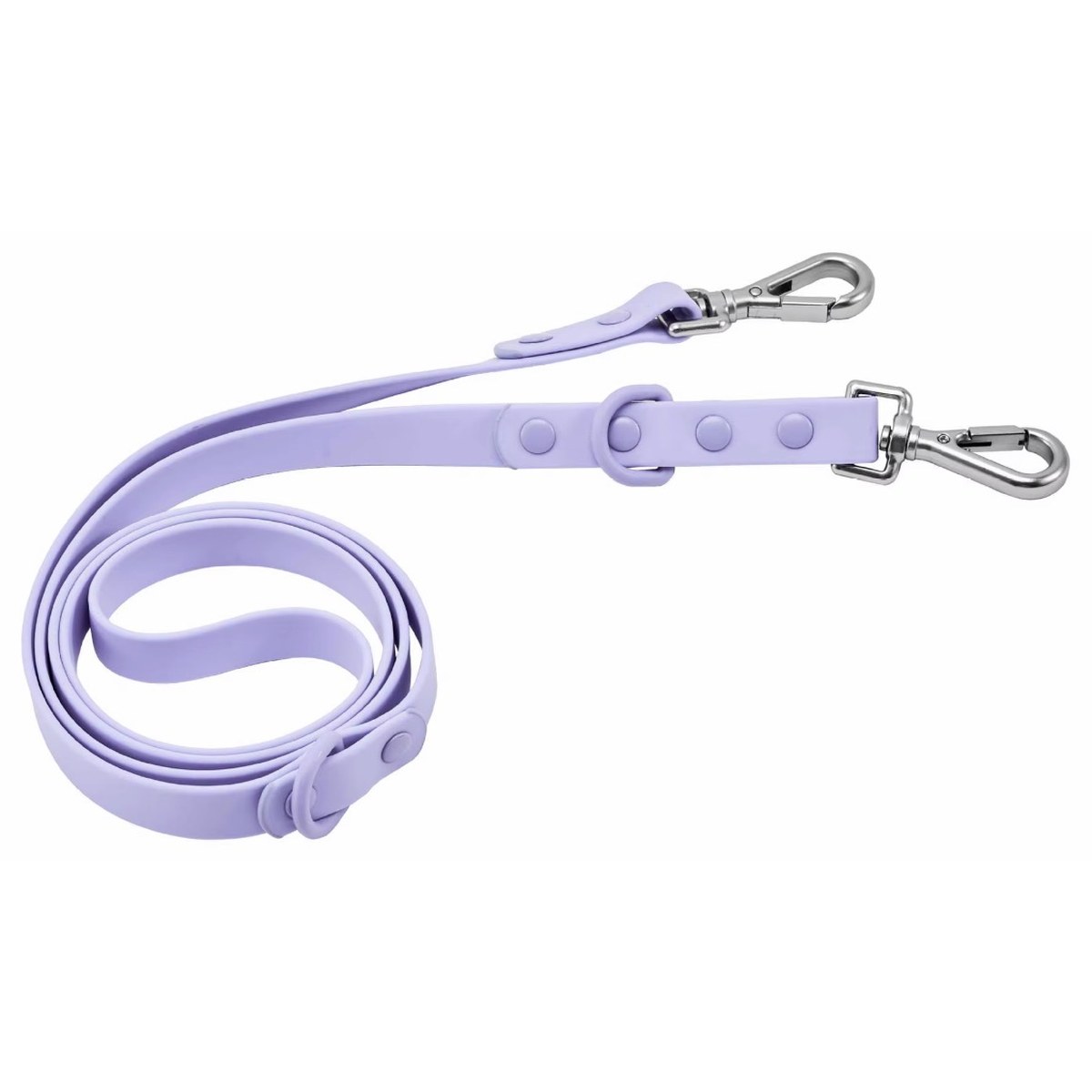
Accessory
Standard Lead
Padded-handle 1.2m lead in Pawpoint tan.
Fits any dog
Pawpoint on YouTube
Watch the full Greyhound video
Breed deep-dives, history and honest ownership talk. New film every week.
Watch now