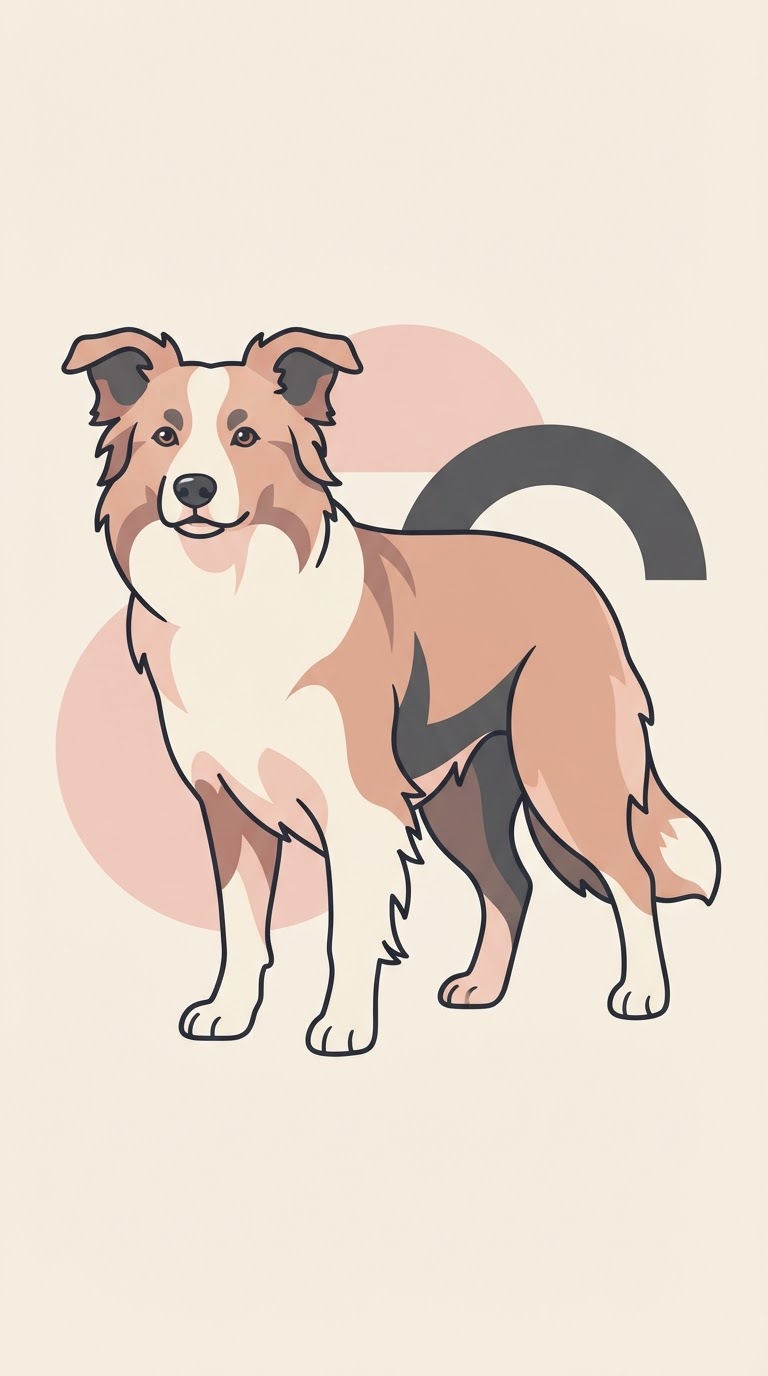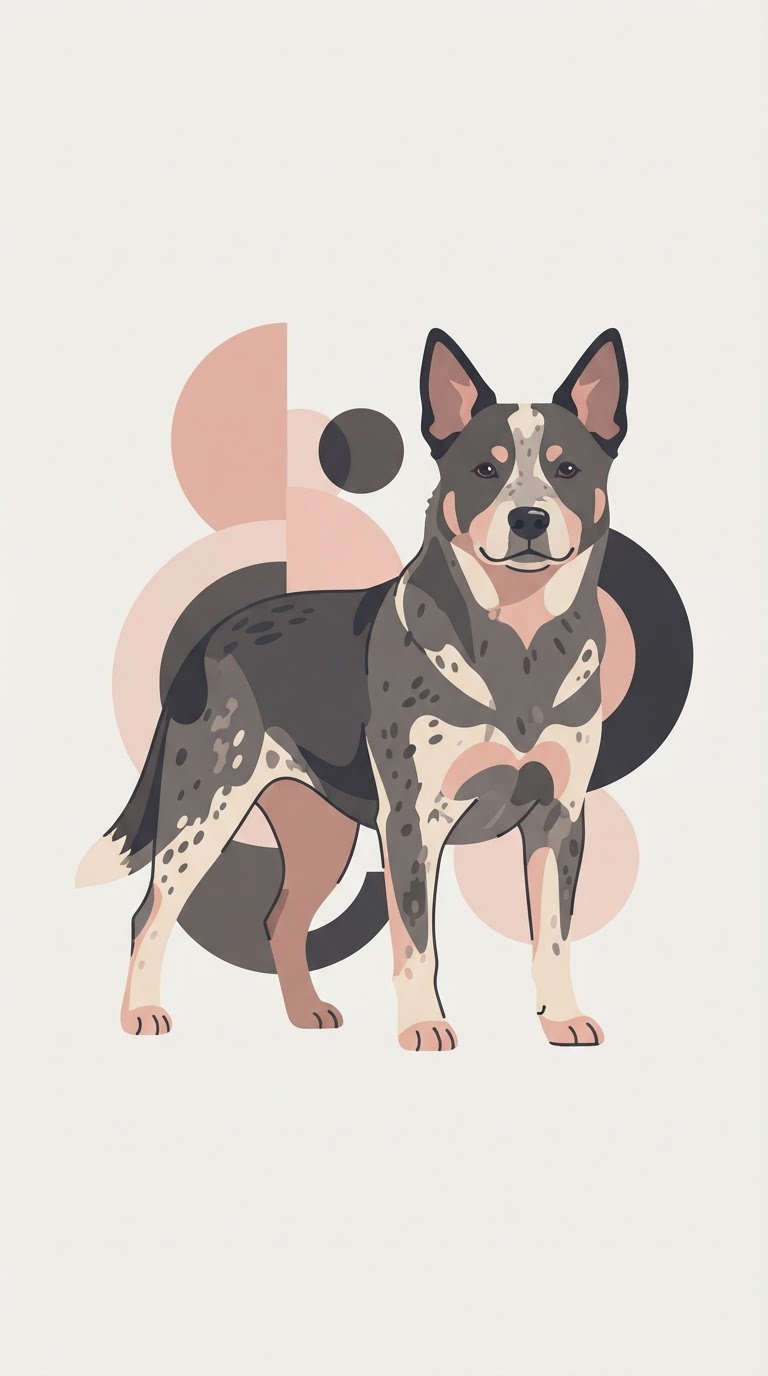
Herding
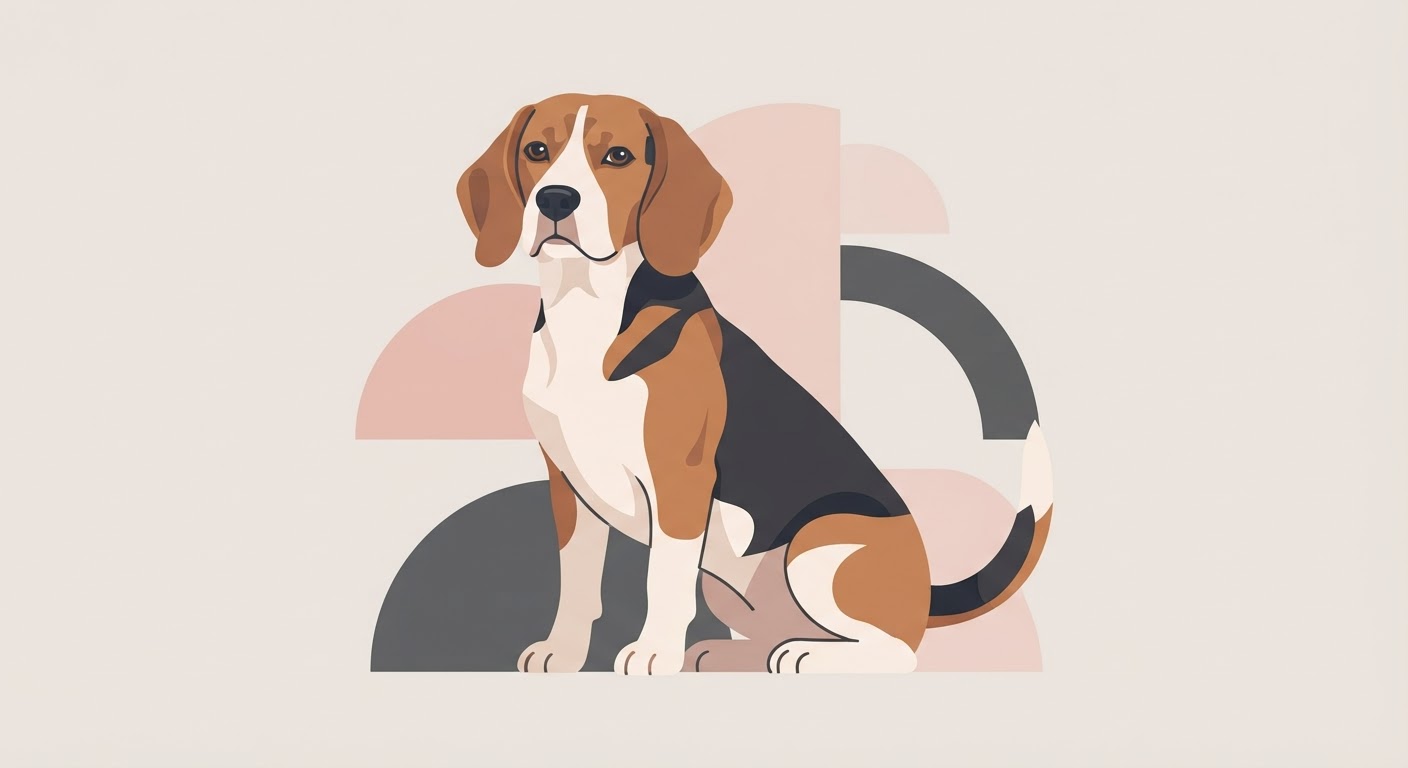
Dogs bred to move livestock without harming it — endless stamina, and a stare that does the work of a fence.
See all herding breedsIllustrated feature
How an ice-age wolf became a Labrador, a Chihuahua and everything in between. Walk the trail stage by stage — tap a stop, or step through with the Next button.
The trail begins in an ice-age winter with the dire wolves that share our dogs' deep ancestry, and ends on a sofa — read it left to right, or tap any stop.
Stage 1 of 6 · c. 40,000–20,000 years ago
Every dog alive today traces back to an ancient population of grey wolves, not to the wolves still living in the wild. Those ancestral packs shared landscapes with human hunter-gatherers for thousands of years before anything like a dog existed. Genetics suggest the split happened once, deep in the last ice age, and the wolf line that led to dogs has since died out.
Stage 3, in detail
The moment humans started breeding for a job, the single line split. Each branch below is a purpose people bred toward — and every modern breed group is a descendant of one of them.
Dogs bred to move livestock without harming it — endless stamina, and a stare that does the work of a fence.
See all herding breedsSize, nerve and a low threshold for suspicion: flock guardians, estate guards and haulage dogs.
See all guarding breedsSpecialists that find, point, flush and retrieve game, working with a gun rather than ahead of one.
See all hunting breedsDogs bred around a nose or a pair of eyes, built to run down quarry over distance.
See all scent & sight hounds breedsSmall, hard, self-reliant dogs that went to ground after rats, foxes and badgers on farms and in mills.
See all vermin control breedsThe oldest job of all: lap dogs and court dogs bred for company, warmth and charm.
See all companionship breedsBeyond the trail
Domestic dogs are only one twig on a much bigger tree. Most of their relatives didn't make it — some were dead ends, some were rivals, some were giants that ruled for millions of years before disappearing entirely. These are the extinct canids that came before, or alongside, the wolf.
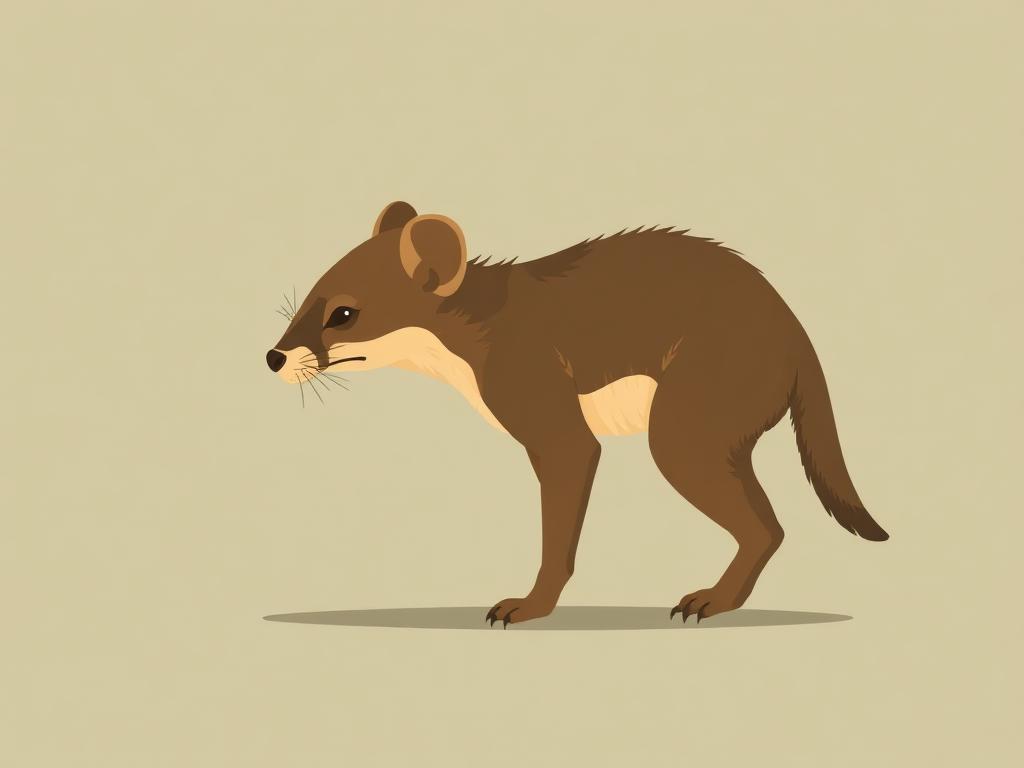
The earliest known canid
c. 40 million years ago
The root of the entire dog family tree. Small, low-slung, and more like a weasel than a wolf, Hesperocyon lived in North America and is the common ancestor of every canid alive today — wolves, foxes, jackals, and domestic dogs included. Nothing living looked much like it.
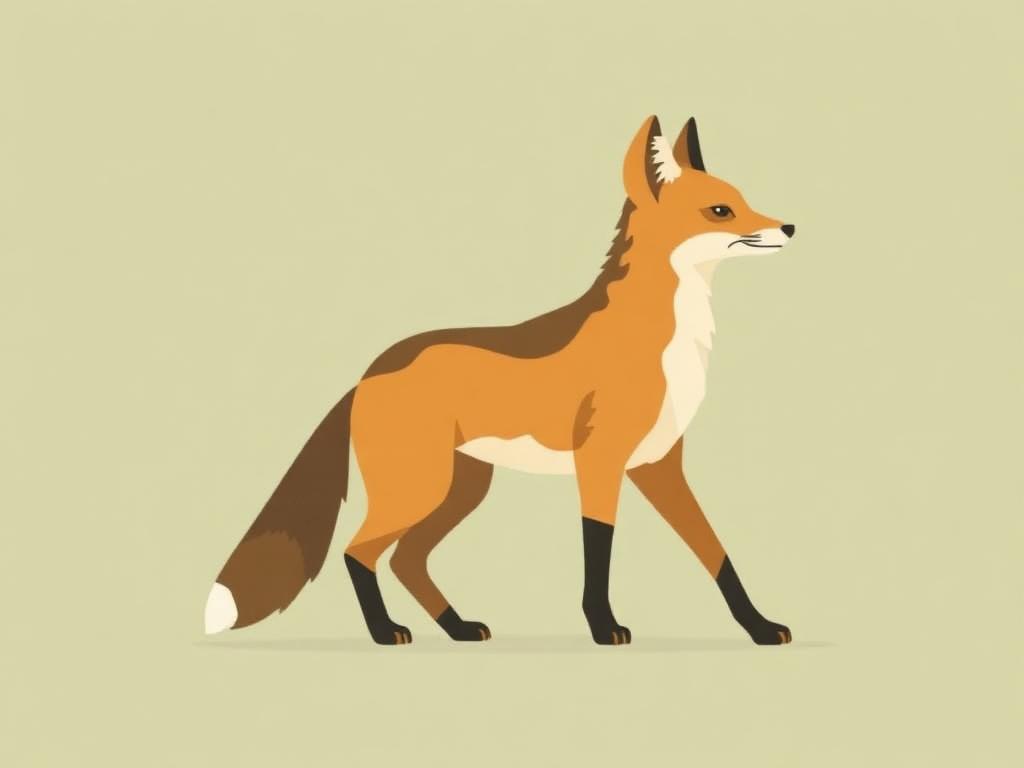
The fox-like pioneer
c. 34–5 million years ago
A small, agile canid that survived for an extraordinarily long stretch of prehistory. Leptocyon is considered the direct ancestor of modern foxes, and one of the earliest canids to specialise in a fox-like build rather than a wolf-like one.
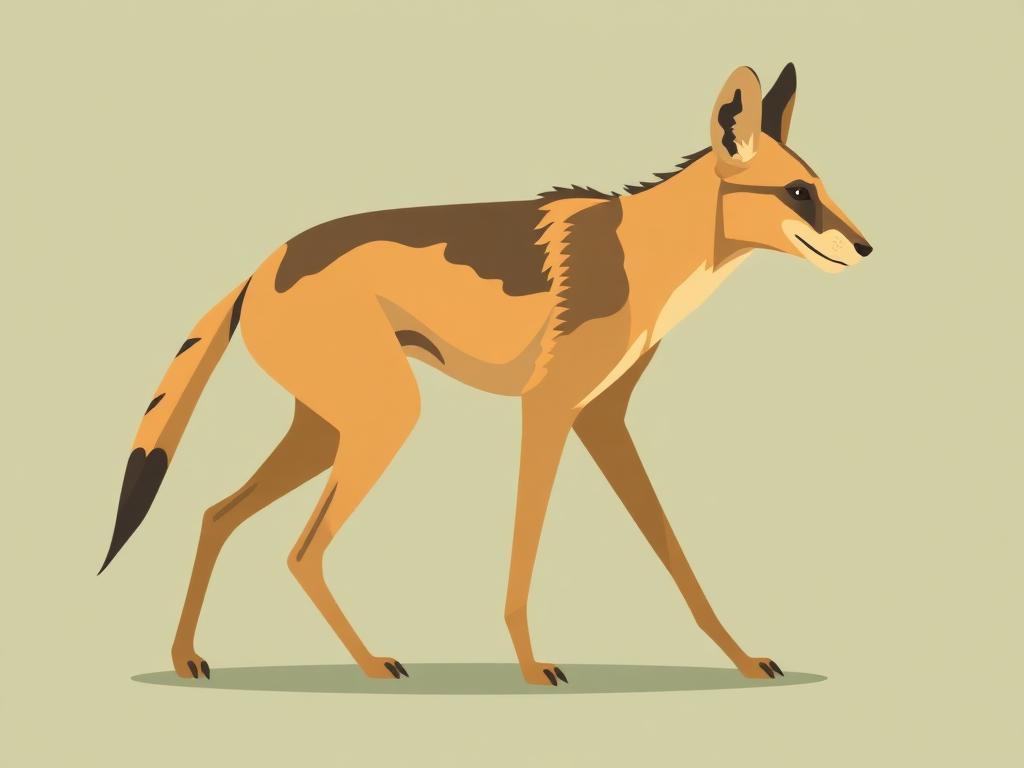
An early pack hunter
c. 20 million years ago
A mid-sized canid that shows some of the first signs of pack-hunting adaptations — longer legs and a body built for sustained chasing rather than ambush. A transitional step between primitive canids and later wolf-like forms.
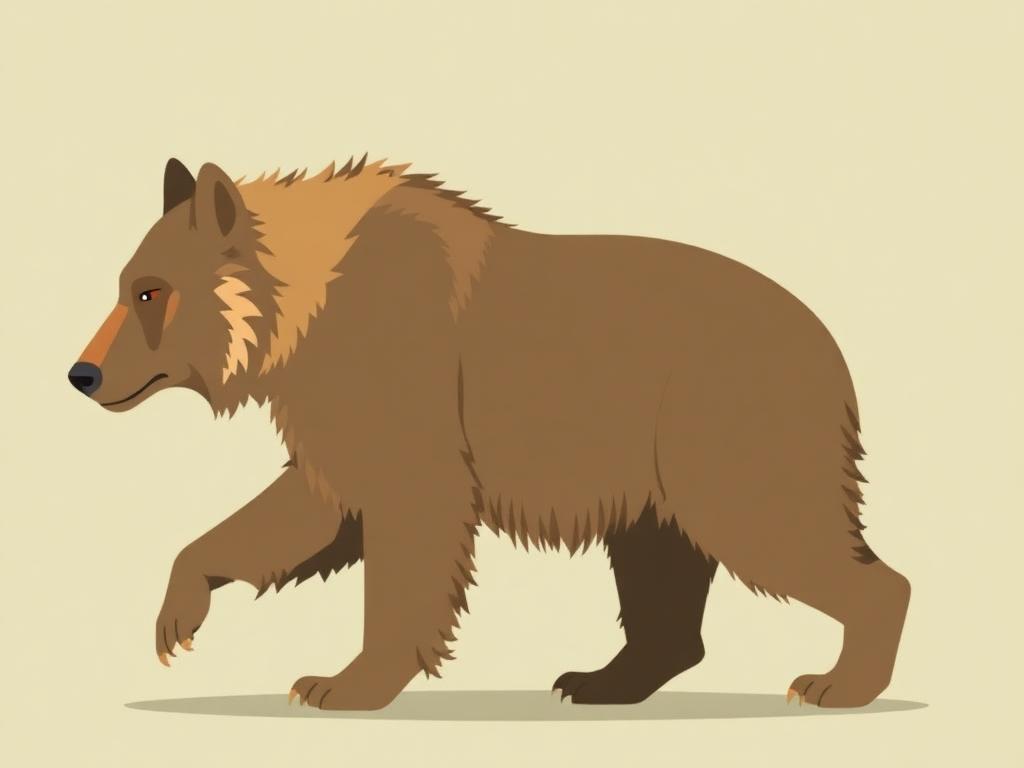
The bear dog
c. 20–9 million years ago
Not a true dog at all, despite the name — Amphicyon belonged to a separate family that looked like a cross between a bear and a wolf. Massive, powerfully built, and an apex predator across North America, Europe and Asia for millions of years before going extinct.
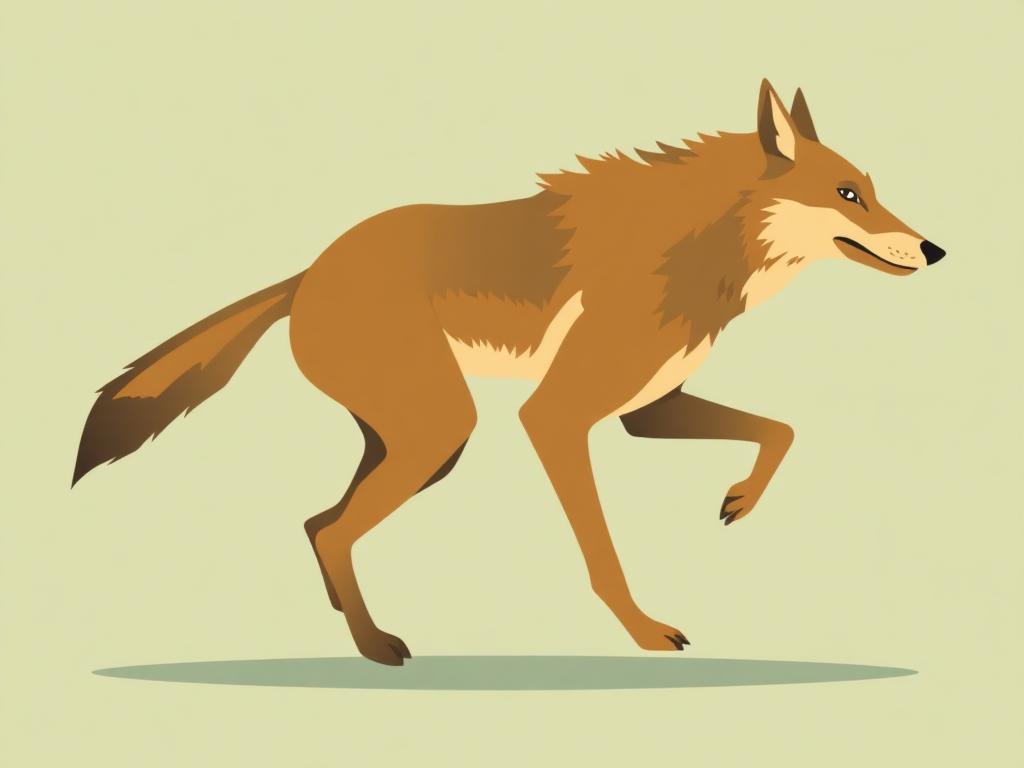
The wolf-like transitional form
c. 16–9 million years ago
Tomarctus looked much closer to a modern wolf than anything before it, with a body built for endurance running and complex social behaviour. Many palaeontologists consider it a key transitional link between early canids and the wolves and dogs of today.
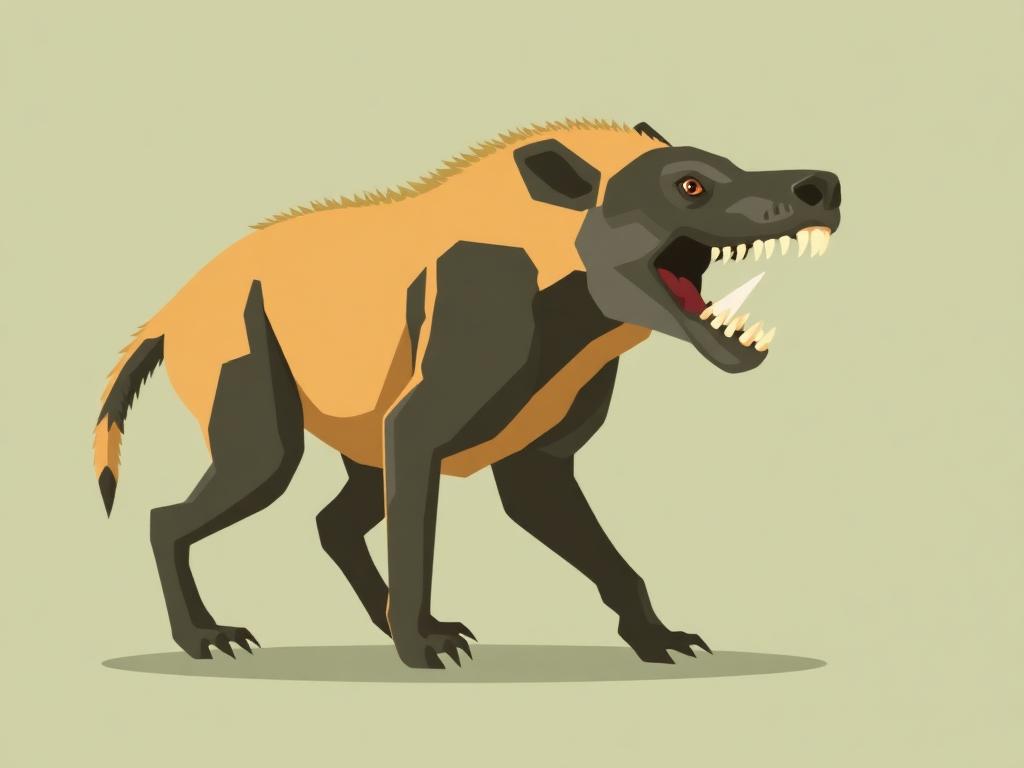
The bone-crushing dog
c. 12–2 million years ago
Built with an enormous skull and jaw strength rivalling modern hyenas, Borophagus specialised in crushing bone to reach marrow other predators couldn't. It was one of the last and largest of the bone-crushing dogs, a lineage that thrived for millions of years before vanishing entirely.
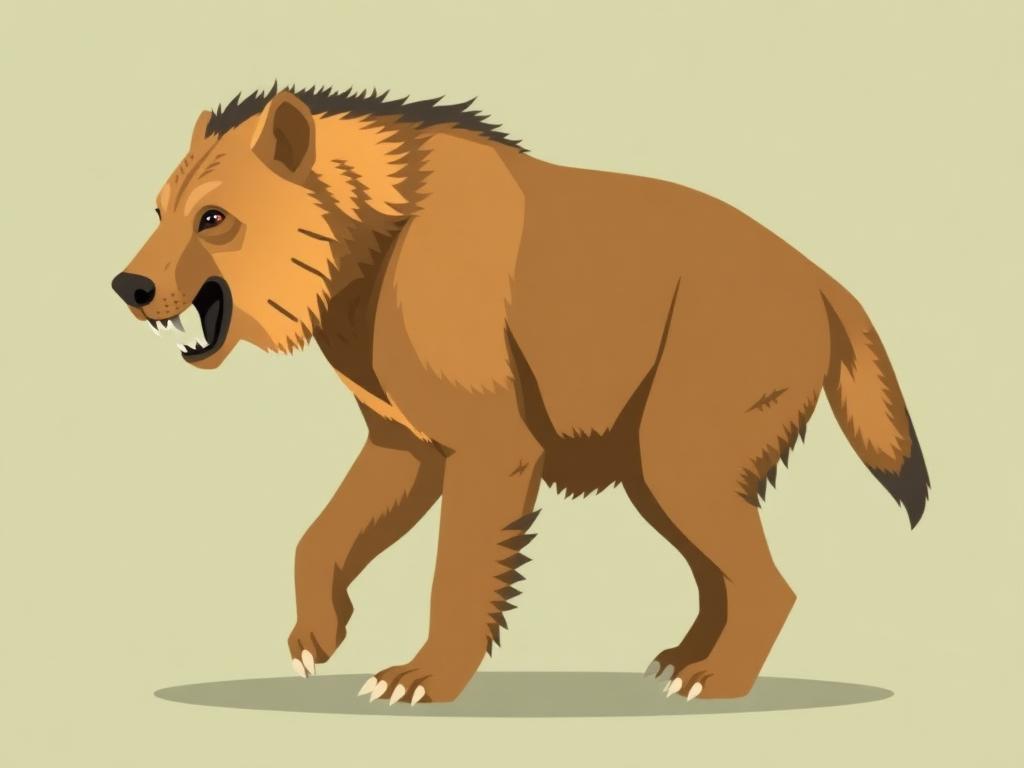
The bone-crushing giant
c. 16–5 million years ago
The largest canid ever to exist, Epicyon haydeni could weigh well over 100kg — bigger than any wolf alive today. Part of the same bone-crushing lineage as Borophagus, it was an apex predator across ancient North America before its entire branch of the family tree died out.
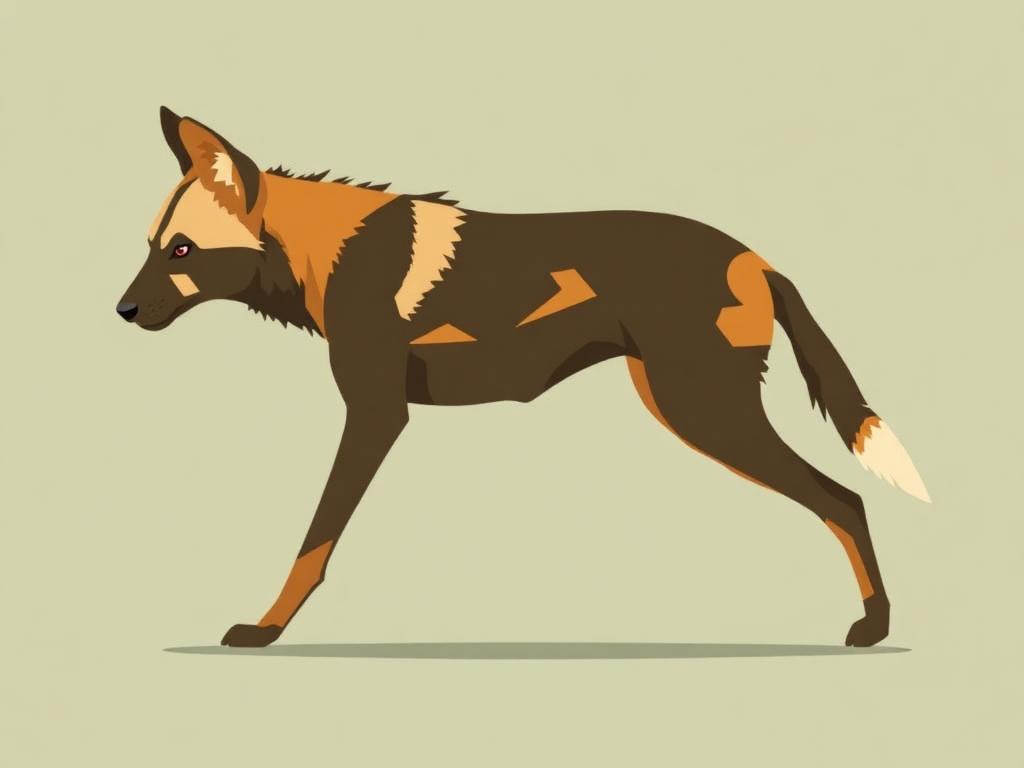
The ancient hunting dog
c. 3–1 million years ago
A wolf-sized pack hunter found across Africa, Europe and Asia, Xenocyon is thought by some researchers to be an ancestor of the African wild dog, and possibly connected to the lineage that eventually produced grey wolves.
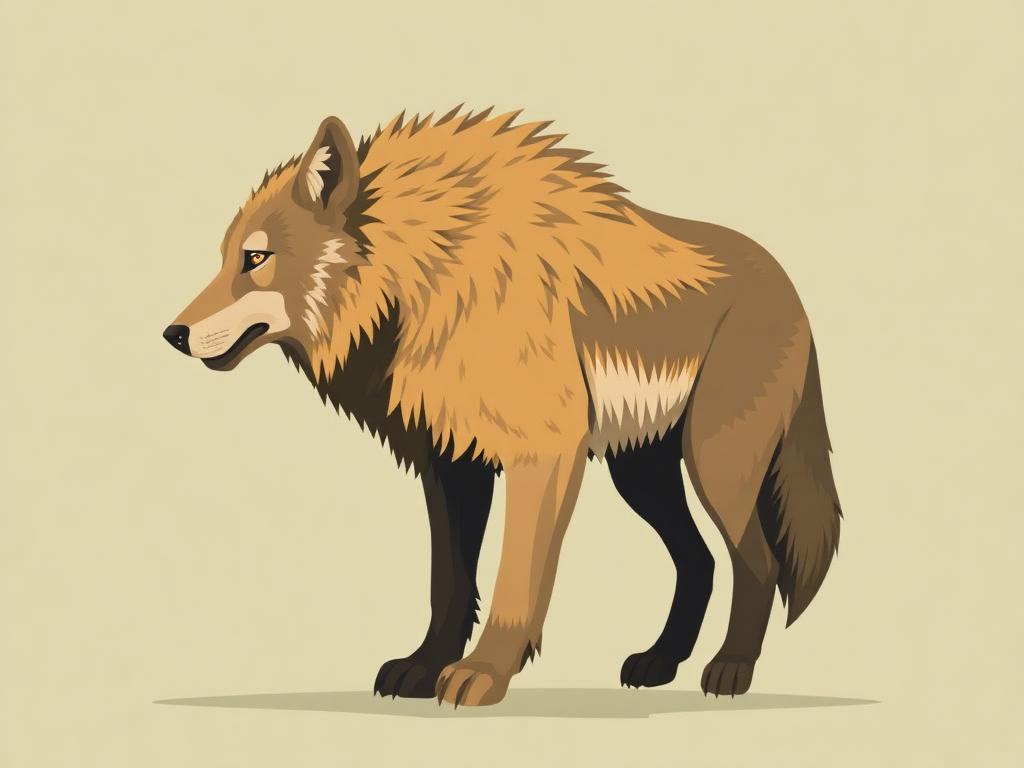
Aenocyon dirus
c. 250,000–13,000 years ago
Larger and more powerfully built than the grey wolf, dire wolves hunted in packs across Ice Age North America, preying on now-extinct megafauna like giant ground sloths and ancient bison. Despite the name and appearance, genetics show they were only distantly related to grey wolves — a separate lineage that died out with the megafauna it depended on.
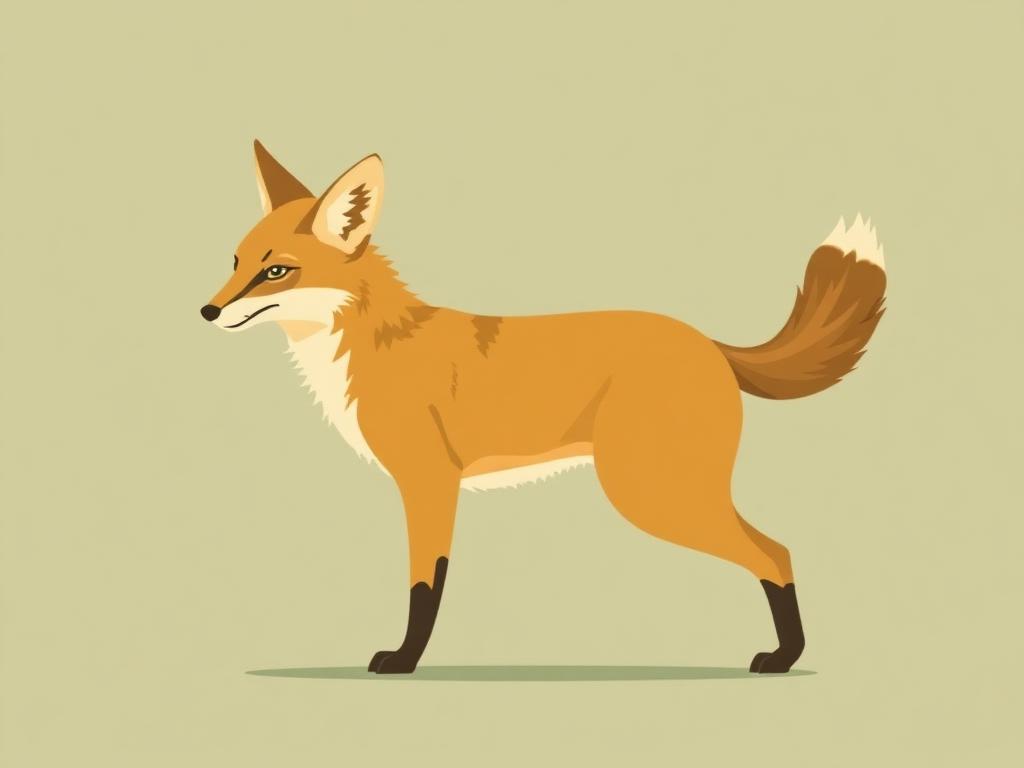
Until c. 500 years ago
A fox-like canid native to South America, Dusicyon avus survived until remarkably recently — likely into the era of human settlement — before disappearing. Its closest known relative, the Falkland Islands wolf, was hunted to extinction by the 1870s, making this one of the most recently lost branches of the entire dog family.
None of these are dogs in the way we mean the word today — but every one of them is part of the same story.
Where the journey ends
Official and unofficial, side by side in one A–Z.
Open the directoryFind your place in it
Seven questions, then a shortlist of breeds that suit how you actually live.
Start the quiz
Pawpoint on YouTube
Watch the Pawpoint breed films
Breed deep-dives, history and honest ownership talk. New film every week.
Subscribe