
German Shepherd Dog
JUR-muhn SHEP-uhd
Germany· Southern and central Germany
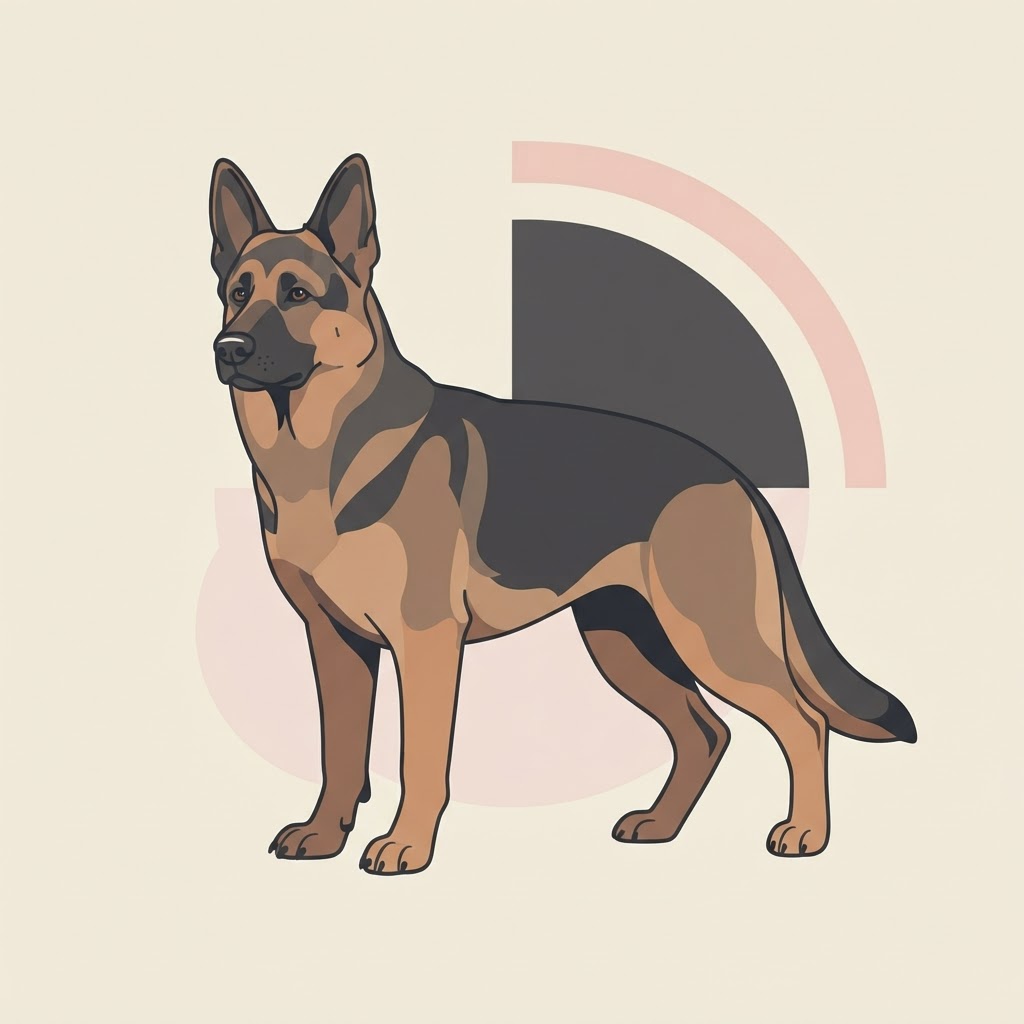
The German Shepherd Dog is a large, versatile herding breed developed in Germany in the late 1800s, now one of the world's most widely used working dogs across policing, military, assistance and guide-dog roles.
At a glance
Quick facts
Size
Large
Exercise needs
90 minutes daily
Home size suited to
Medium to large home
Grooming frequency
Twice weekly brush
Coat length
Medium
Sheds
Yes, heavily when moulting
Lifespan
9-13 years
Town or country
Happiest in the country
Garden size needed
Medium or larger
Where it comes from
Origins of the German Shepherd Dog
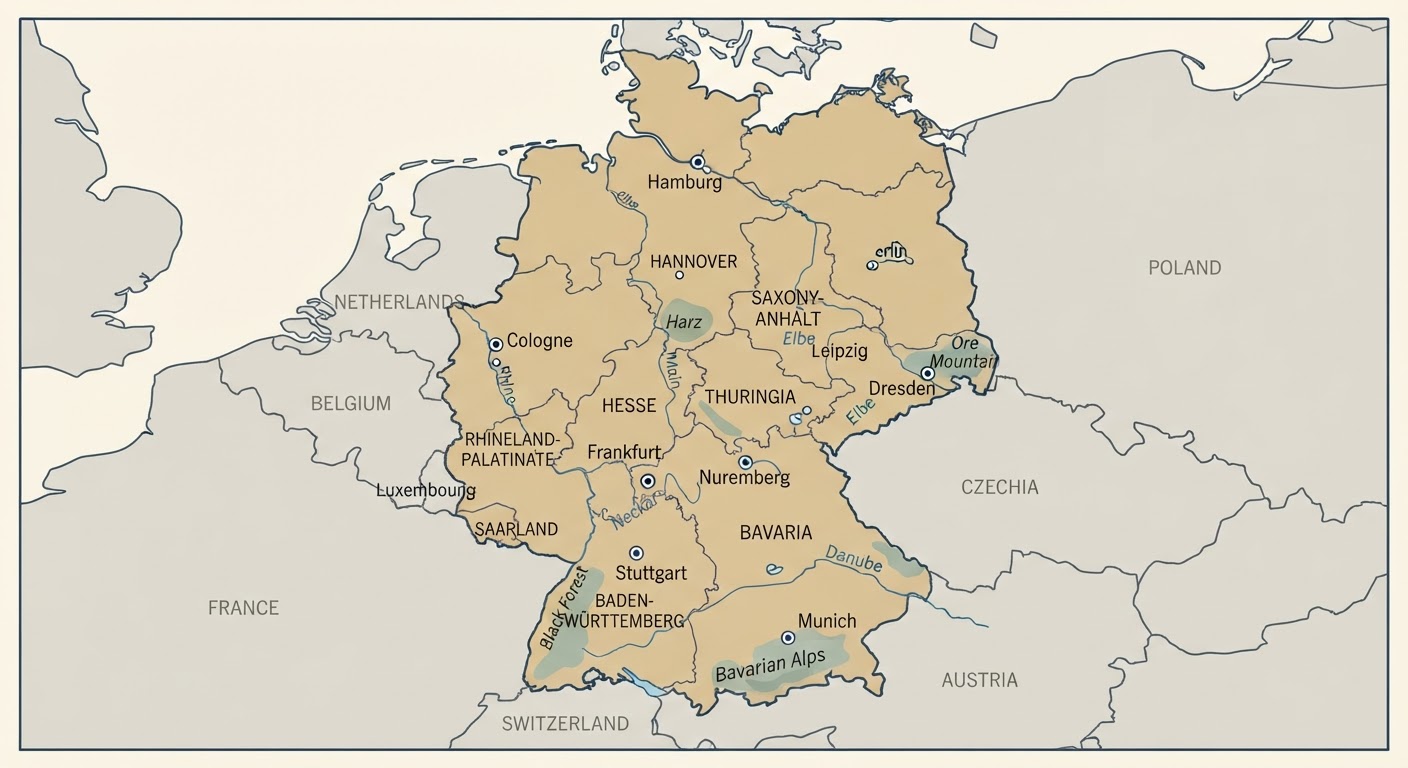
Standardised from regional German herding dogs at the close of the nineteenth century, selected above all for working usefulness rather than appearance, a principle its founder insisted on throughout his life.
- Region
- Southern and central Germany
- Climate it was bred for
- Temperate central European
- Original job
- Herding and guarding sheep
The long read
About the breed
Captain Max von Stephanitz standardised the breed from various German herding dog types starting in 1899, prioritising working ability, intelligence and physical soundness over appearance. He believed the breed should above all be useful, and his selection criteria emphasised trainability and nerve strength alongside structure. Through the twentieth century the breed's working versatility took it far beyond herding, into policing, military service, search and rescue, and guide-dog work worldwide.
Living with a German Shepherd Dog suits an active household prepared for a genuinely intelligent, high-drive dog. They need substantial daily exercise and mental work, whether obedience, scent work or a proper job, and without it can become anxious or destructive. They are famously loyal and protective of their family, generally reserved rather than hostile with strangers, and excellent with children when properly socialised and exercised. The double coat sheds year-round and heavily during seasonal blows, needing frequent brushing.
Today the breed remains hugely popular both as a working dog and family companion, though decades of show breeding for an extreme sloped topline have drawn criticism from vets concerned about resulting hip and back problems, leading some breeders and clubs to return to a straighter-backed, more traditionally structured type. Buyers should look carefully at a dog's structure and the breeder's health testing rather than favouring extreme show conformation.
Living with one
Temperament & needs
Our own ratings, based on the breed standard and how these dogs behave in ordinary homes.
Friendliness
3/5
How openly the German Shepherd Dog greets people it does not know.
Trainability
5/5
Exceptionally intelligent and responsive, used widely in working roles.
Energy
5/5
High-drive breed needing substantial daily exercise and work.
Barking
3/5
Alert barker, used purposefully rather than excessively.
Grooming
4/5
Double coat sheds heavily, especially during seasonal changes.
Suits a first-time owner
3/5
How forgiving the German Shepherd Dog is for someone taking on their first dog.
Sociability
3/5
Loyal to family, reserved and watchful with strangers.
Independence
2/5
Bonds closely and prefers to work with its handler.
Illustrated breed standard
The points of the breed
Hover or tap a numbered point to read what the standard asks for.
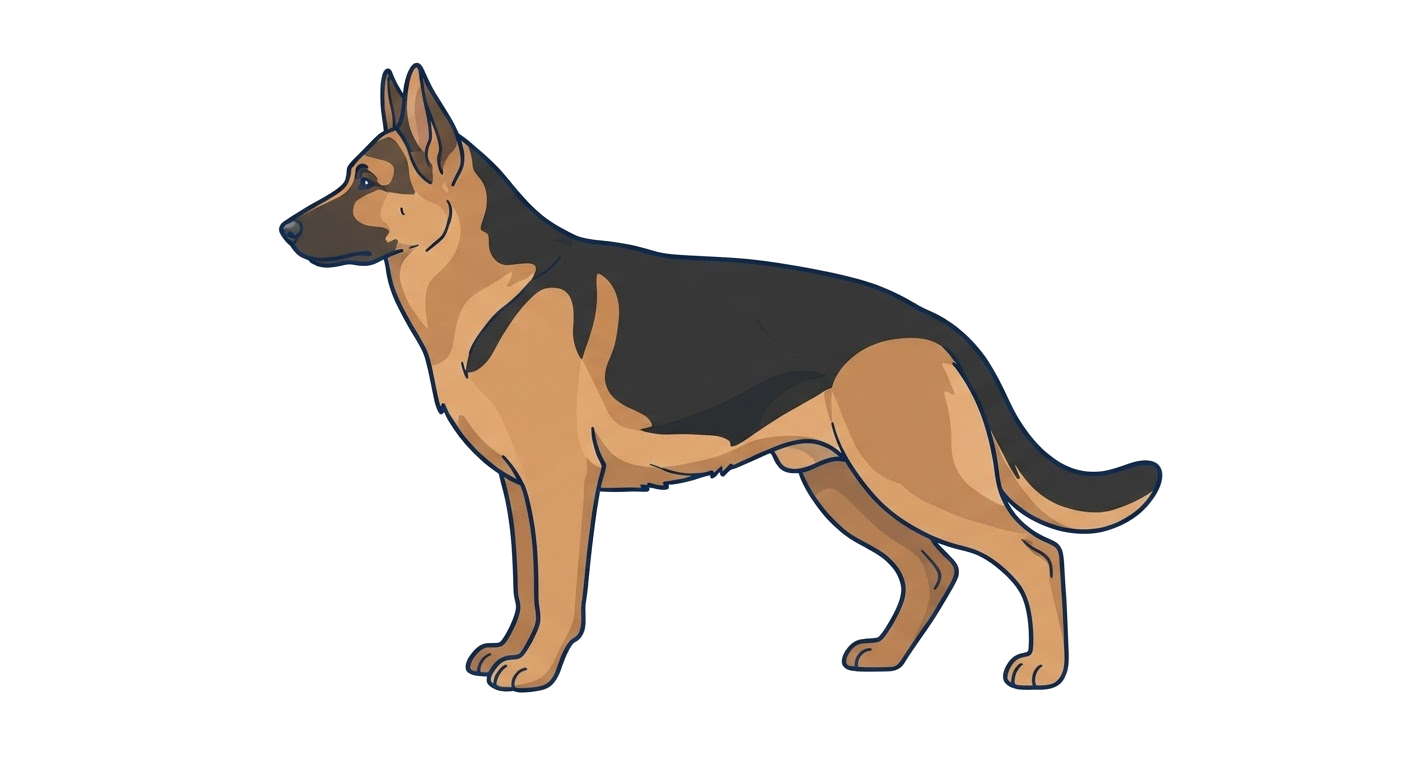
Point 1
Skull
The German Shepherd Dog's skull is judged on balance rather than size — proportionate to the body, with a clean cheek and a stop typical of the breed. Coarseness or an over-refined head are both faulted.
Colours & patterns
Recognised coats
Which coats the standard accepts — and which are simply popular.
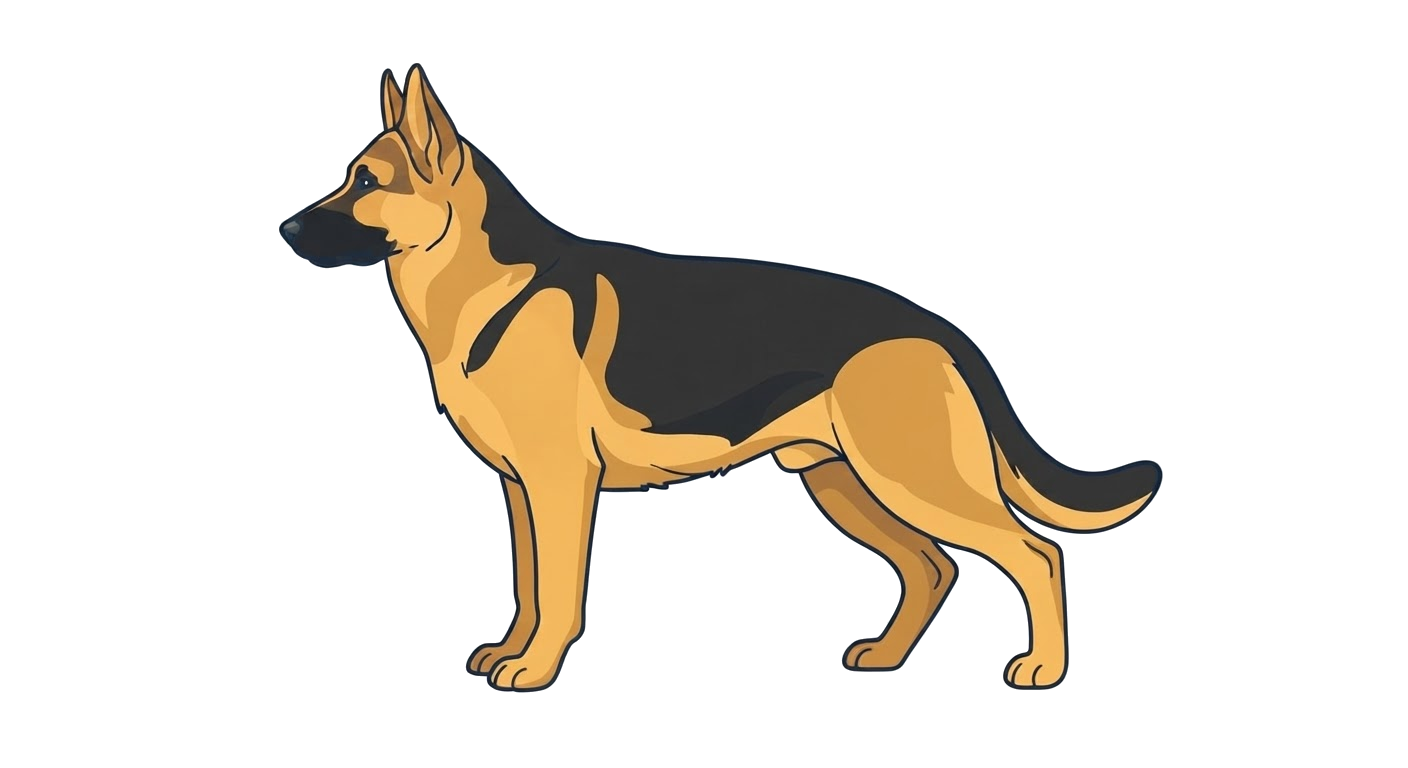
Black and tan
Standard colour
The most classic and widely recognised colouring.
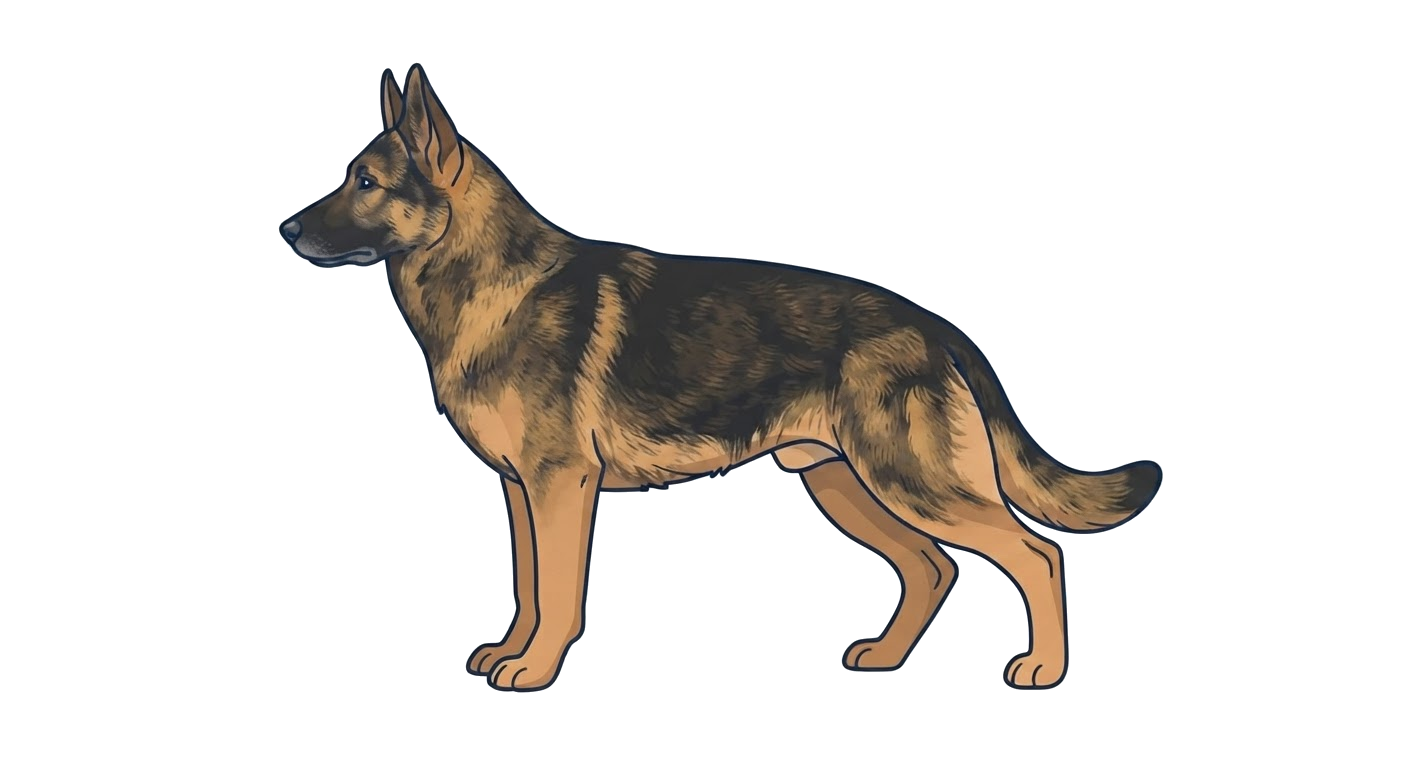
Sable
Standard colour
Banded hairs giving a wolf-like grey-brown appearance.
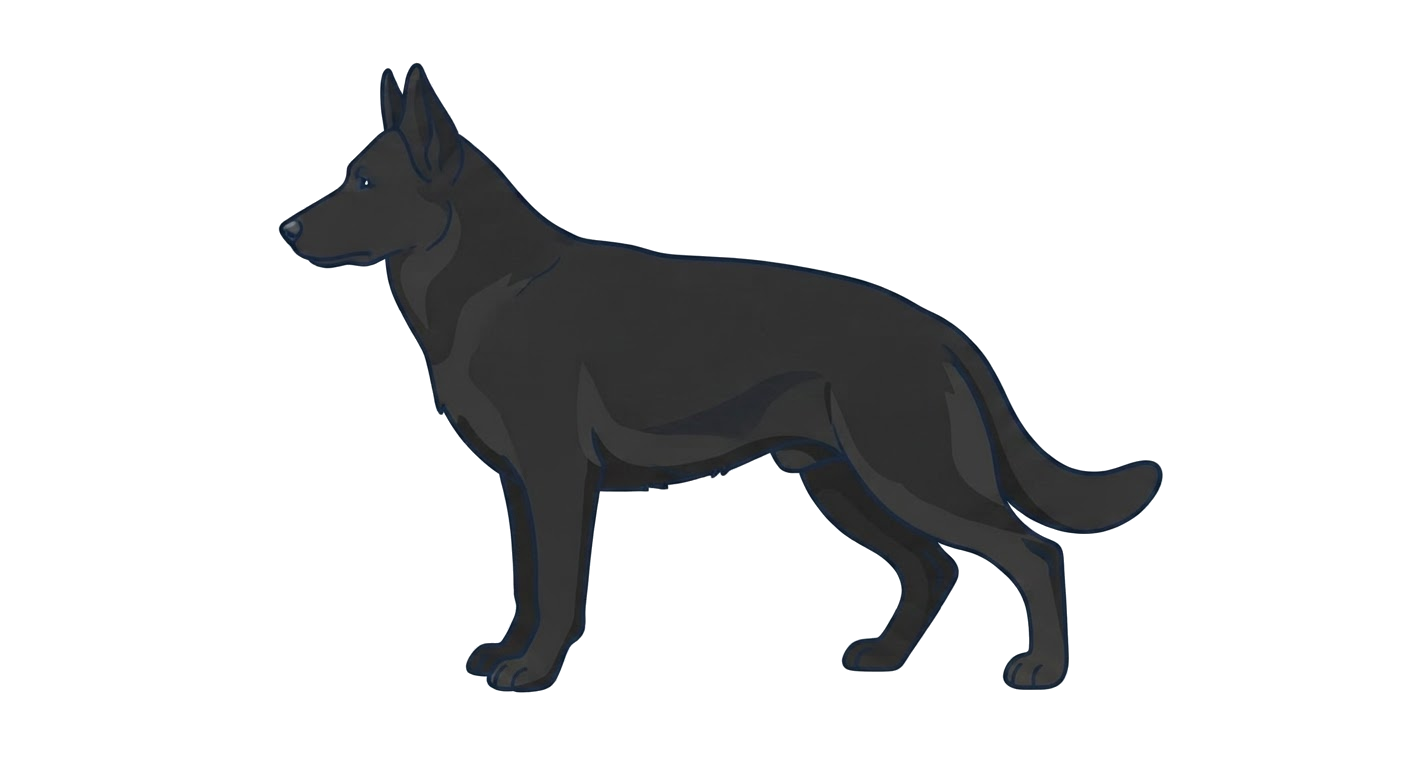
Solid black
Standard colour
Striking solid colour, fully accepted in the standard.
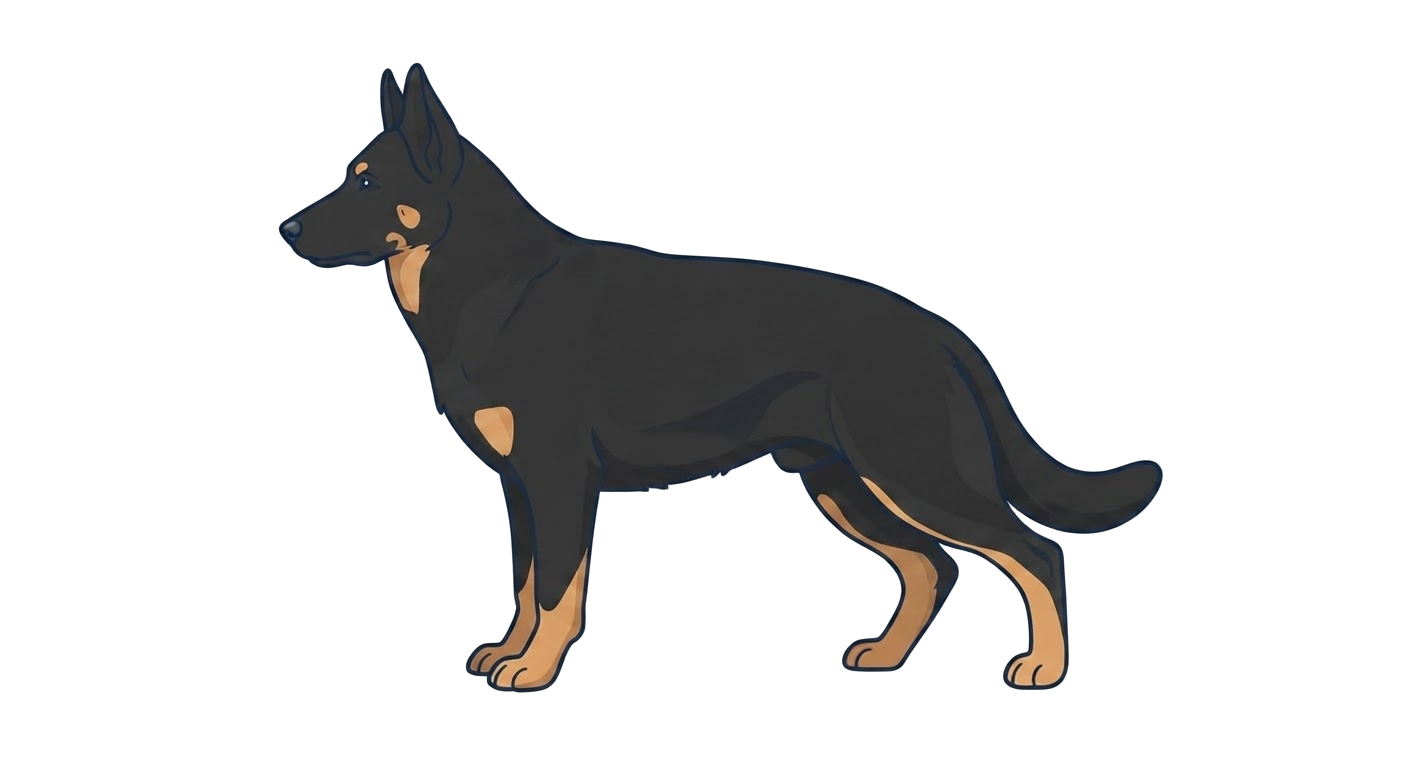
Bicolour
Standard colour
Mostly black body with tan limited to the legs.
Outside the standard
Other colours
Dilute coats you will see advertised. They are the same breed, but no kennel club accepts them.
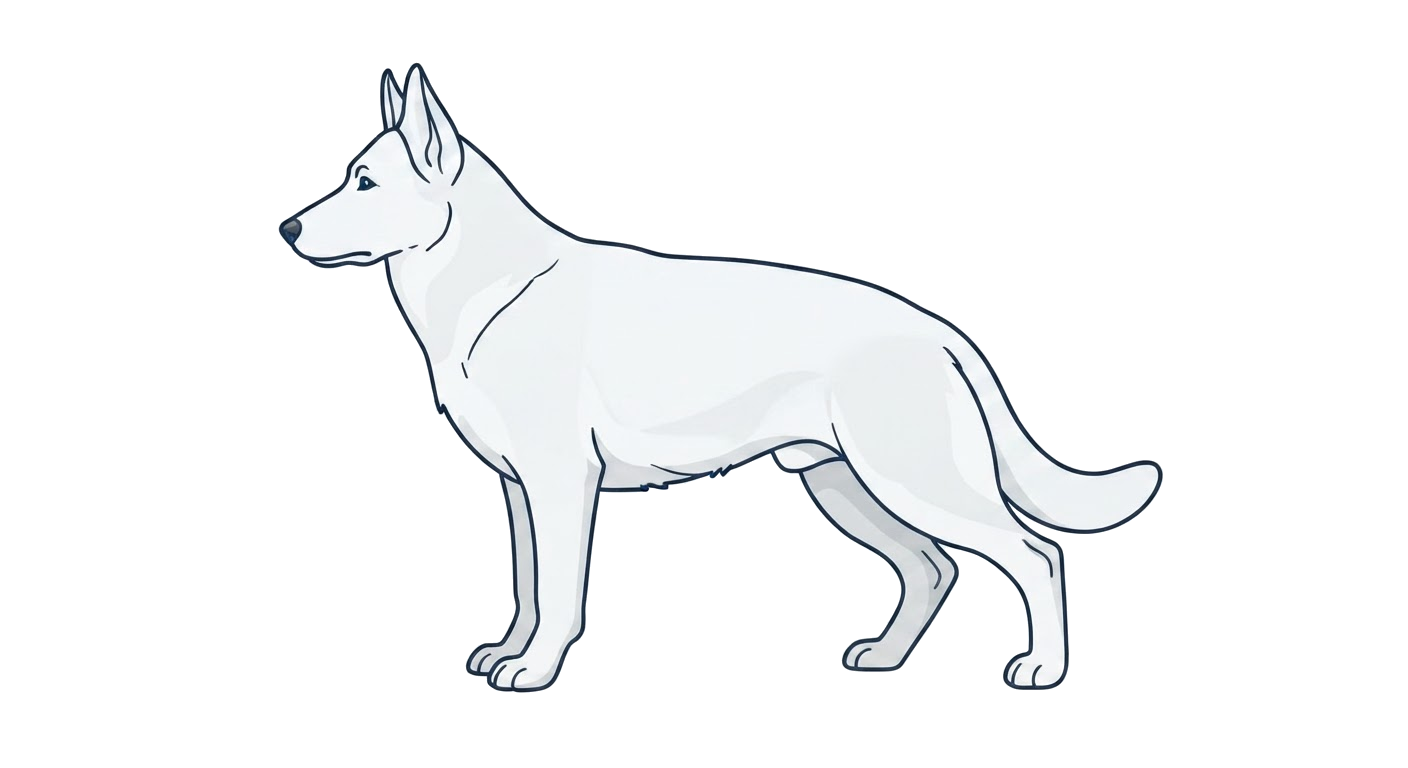
White
Not in the standard
Not accepted by most kennel clubs, treated as a separate breed by some.
Timeline
History & development
1899
Breed standardised
Max von Stephanitz founds the Verein für Deutsche Schäferhunde and buys the dog Horand, considered the breed's foundation sire.
1917
Wartime renaming
The breed is renamed Alsatian in Britain due to anti-German sentiment, a name that persisted for decades.
1930s
Working roles expand
The breed becomes widely used in policing and as a guide dog for the blind.
1977
UK name restored
The UK Kennel Club officially restores the name German Shepherd Dog.
Reference
Breed standard summary
- body
- Slightly sloping topline, deep chest
- coat
- Double coat, dense, close-lying outer coat
- ears
- Medium, erect, open toward front
- eyes
- Almond-shaped, dark, alert expression
- gait
- Ground-covering trot, effortless and smooth
- head
- Wedge-shaped, strong jaw
- size
- Large · 55-65cm · 22-40kg
- tail
- Bushy, carried low in a slight curve
- colour
- Black and tan, Sable, Solid black, Bicolour. Colours outside this list are seen but are not accepted by the kennel clubs.
- temperament
- Typical of the breed: strongest in energy, trainability, grooming. Nervousness or aggression are serious faults in the show ring and in the home.
- general appearance
- Strong, muscular, slightly elongated body
Health
What to screen for
Green means little to worry about, amber means ask the breeder for test results, red means manage it actively.
Hip dysplasia
Watch closely
Insist on hip scores for both parents; a major concern in the breed.
Elbow dysplasia
Screen for it
Ask for elbow scores alongside hip results.
Degenerative myelopathy
Watch closely
A DNA test for the SOD1 gene is available and worth checking.
Exocrine pancreatic insufficiency
Screen for it
Reported at higher rates than average; discuss with the breeder.
General information only — always speak to your vet about your own dog.
From real owners
Dogs like this
German Shepherd Dogs added by PawPoint members through their pet passports. Share yours to appear here.
Loading the wall…
Made for the German Shepherd Dog
The book, plus prints, hoodies and mugs using our own German Shepherd Dog illustration — and one everyday accessory that suits any dog.

The book
Pawpoint: The Complete Dog Breed Book
Every officially recognised breed plus the unofficial ones nobody else documents. 400+ pages, hardback, printed and shipped from the UK.
Own stock — shipped by us
Framed poster
German Shepherd Dog Framed Poster
Museum-weight print of our German Shepherd Dog illustration, framed or unframed.
Printed to order
Hoodie
German Shepherd Dog Hoodie
Heavyweight hoodie carrying the German Shepherd Dog illustration on the chest.
Printed to order
Mug
German Shepherd Dog Mug
Ceramic mug with the German Shepherd Dog illustration wrapped around it.
Printed to order
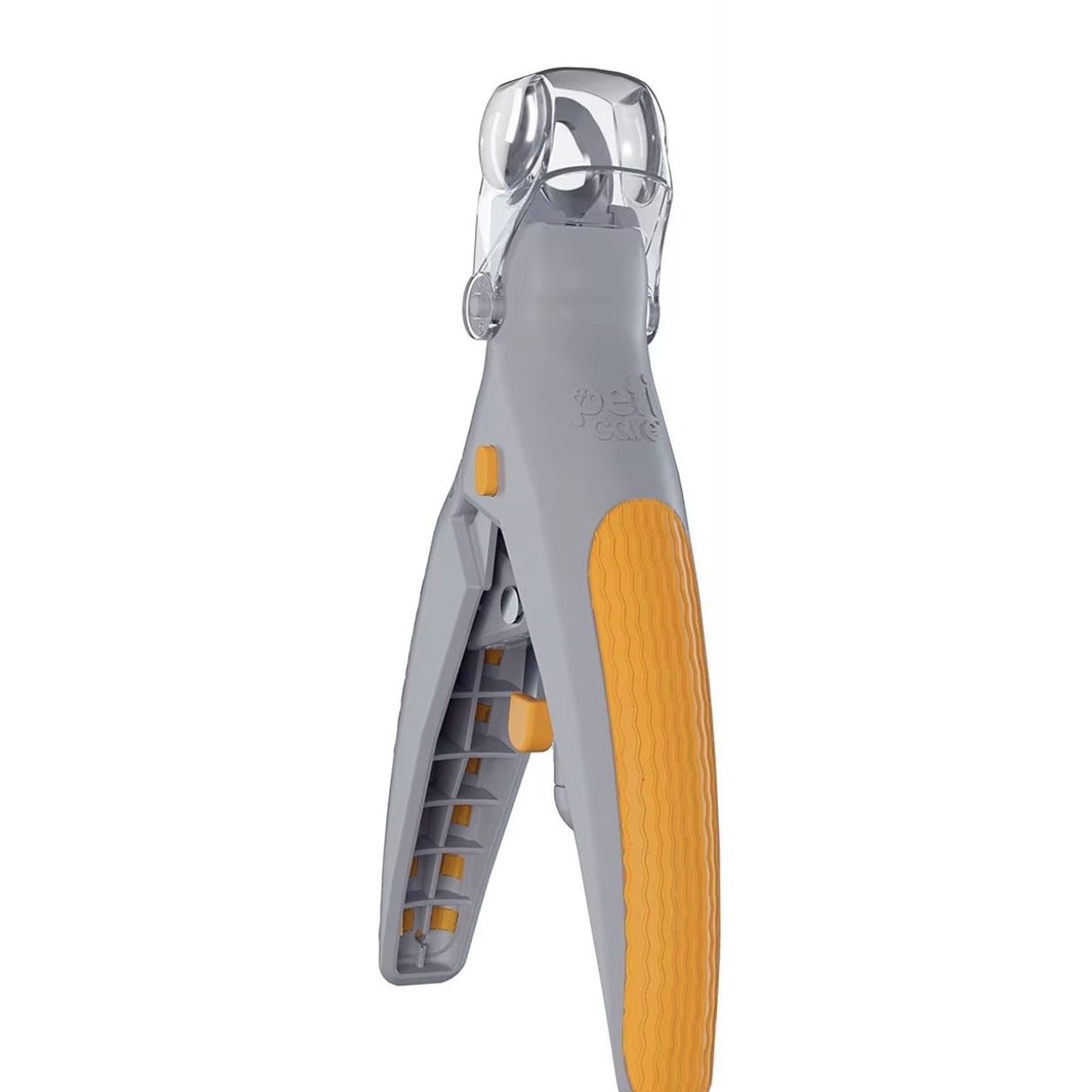
Accessory
Nail Clippers & Grinder
Safety-guard clippers with a quiet rotary grinder.
Fits any dog
Pawpoint on YouTube
Watch the full German Shepherd Dog video
Breed deep-dives, history and honest ownership talk. New film every week.
Watch now