
Golden Retriever
GOHL-duhn ri-TREE-vuhr
United Kingdom· Inverness-shire, Scottish Highlands
The Golden Retriever is a gentle, biddable gundog developed in the Scottish Highlands in the mid-19th century to retrieve waterfowl and game undamaged from both land and water.
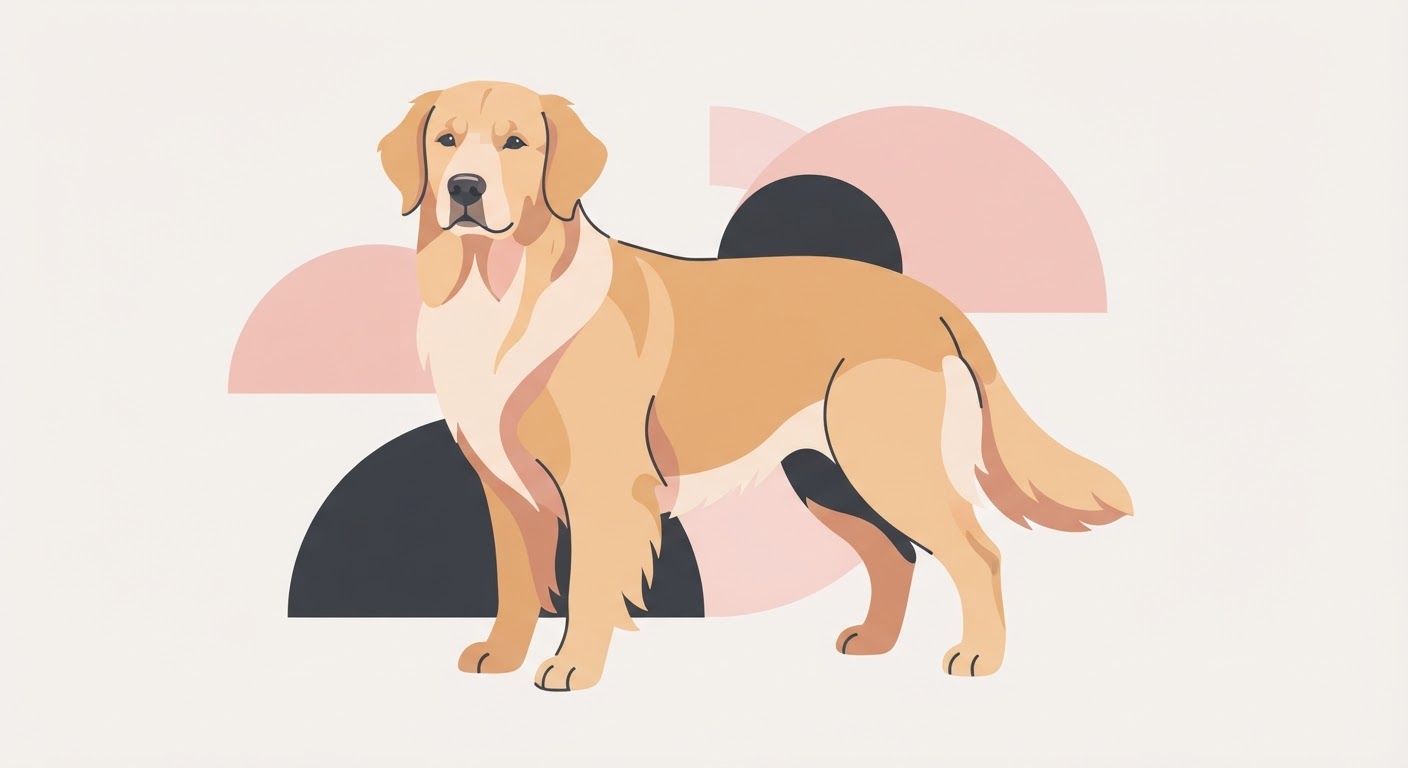
At a glance
Quick facts
Size
Large
Exercise needs
1-2 hours daily
Home size suited to
Medium to large home
Grooming frequency
Twice weekly brush
Coat length
Medium
Sheds
Yes, heavily when moulting
Lifespan
10-12 years
Town or country
Either, with enough exercise
Garden size needed
Medium or larger
Where it comes from
Origins of the Golden Retriever

Bred on the Guisachan estate in the Scottish Highlands, where lochs, moorland and driven shooting demanded a soft-mouthed retriever comfortable in cold water. The damp climate favoured a dense, water-repellent coat.
- Region
- Inverness-shire, Scottish Highlands
- Climate it was bred for
- Cool, wet Highland moor and loch country
- Original job
- Retrieving waterfowl and game
The long read
About the breed
Lord Tweedmouth developed the breed at his Guisachan estate in Inverness-shire from the 1860s, crossing a yellow retriever with the now-extinct Tweed Water Spaniel, then adding Irish Setter and further retriever blood to fix a soft-mouthed dog suited to the Highland lochs and moors. The breed was recognised by the Kennel Club in 1913.
Living with a Golden Retriever means an affectionate, food-motivated companion that thrives on company and structured activity, from swimming to obedience work to simple retrieving games in the garden. Its dense, water-repellent coat sheds heavily, especially twice a year, and needs brushing several times a week to stay free of mats.
Today it is one of the most popular family dogs in Britain and the world, valued for its patience with children and its versatility as a guide, assistance and therapy dog, though its popularity has also led to overbreeding and inconsistent health testing in some lines.
Living with one
Temperament & needs
Our own ratings, based on the breed standard and how these dogs behave in ordinary homes.
Friendliness
5/5
How openly the Golden Retriever greets people it does not know.
Trainability
5/5
Extremely biddable and eager to please.
Energy
4/5
Needs a good daily walk plus play or swimming.
Barking
2/5
Not a frequent barker.
Grooming
4/5
Heavy shedder, needs brushing several times a week.
Suits a first-time owner
4/5
How forgiving the Golden Retriever is for someone taking on their first dog.
Sociability
5/5
Friendly with people, children and other dogs.
Independence
1/5
Strongly prefers company over solitude.
Illustrated breed standard
The points of the breed
Hover or tap a numbered point to read what the standard asks for.
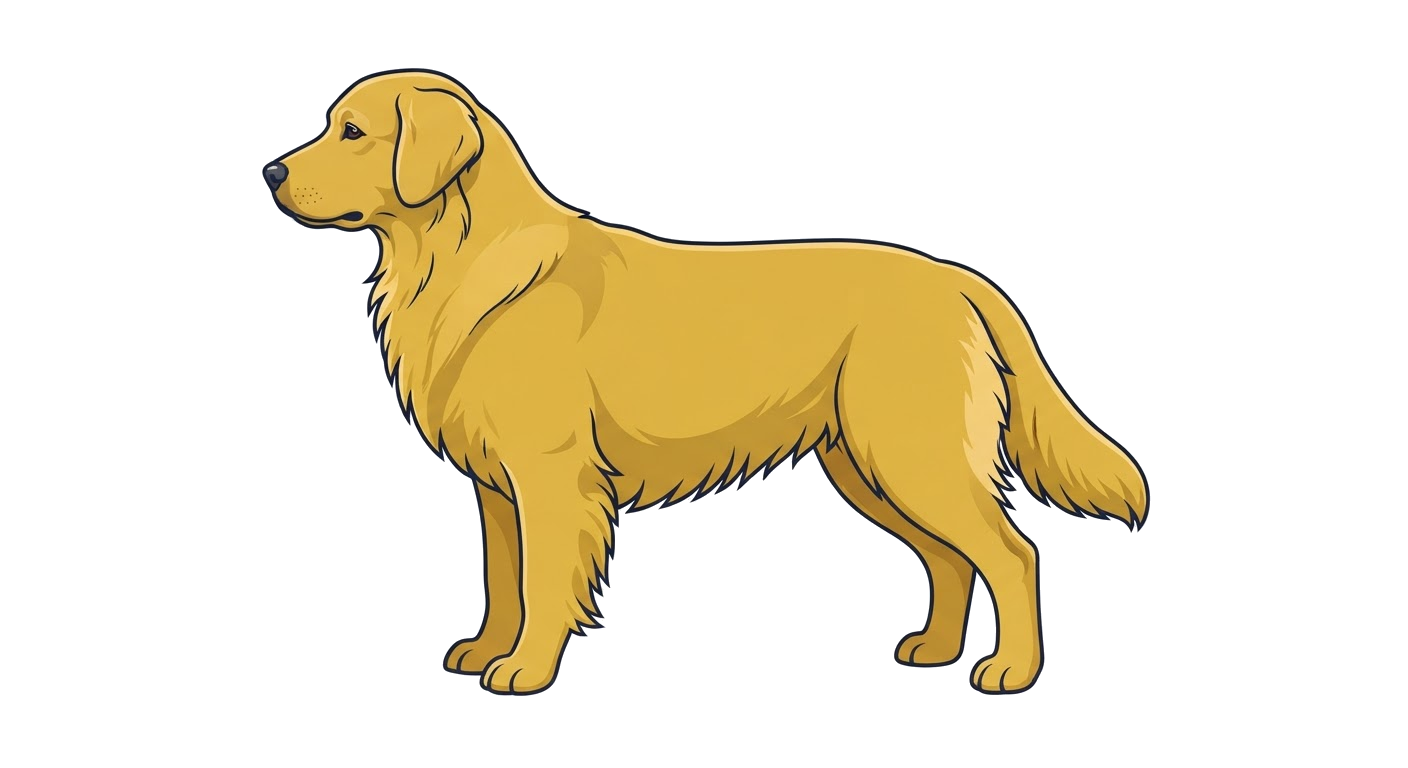
Point 1
Skull
The Golden Retriever's skull is judged on balance rather than size — proportionate to the body, with a clean cheek and a stop typical of the breed. Coarseness or an over-refined head are both faulted.
Colours & patterns
Recognised coats
Which coats the standard accepts — and which are simply popular.
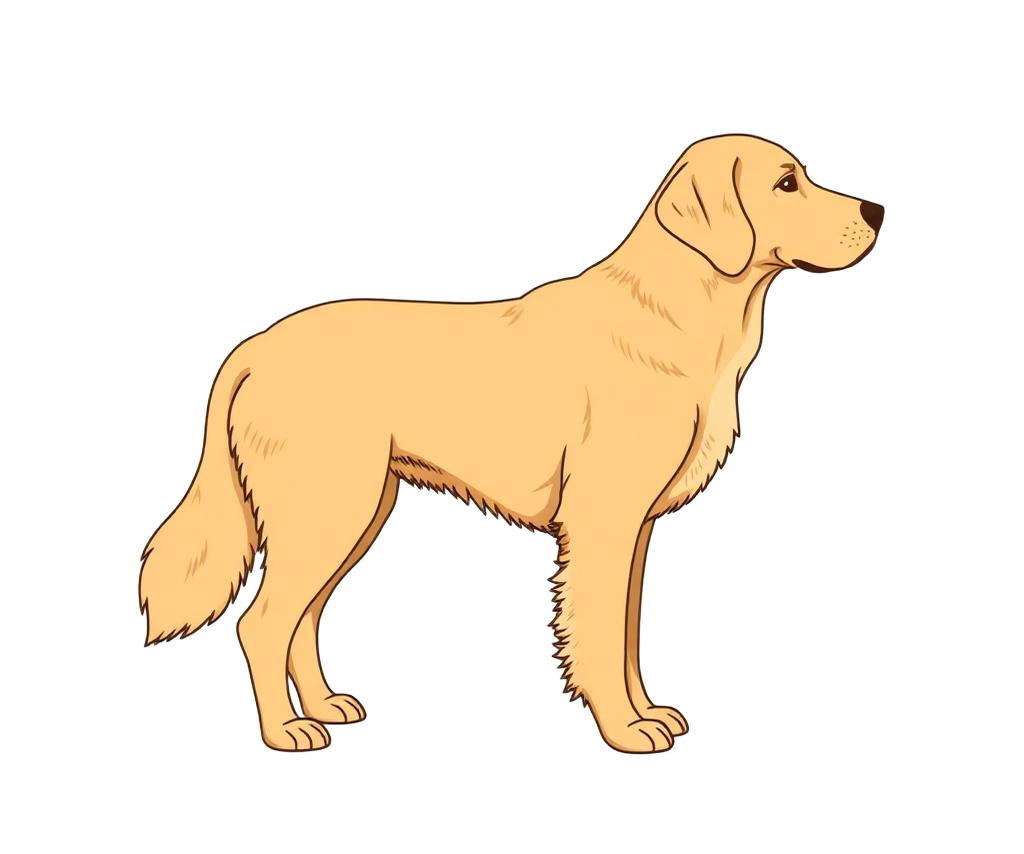
Golden
Standard colour
The classic mid-gold shade.
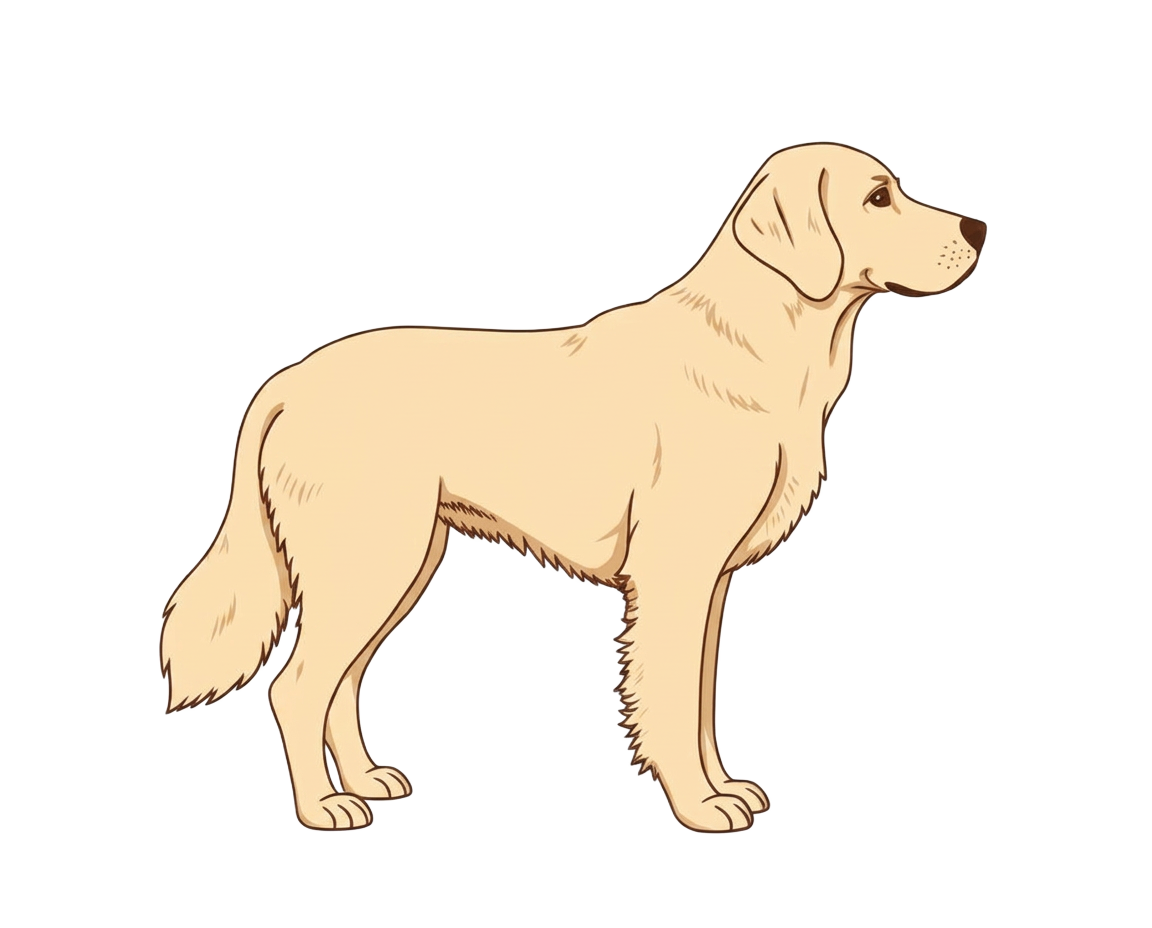
Light golden
Standard colour
A pale cream-gold, popular in some lines.
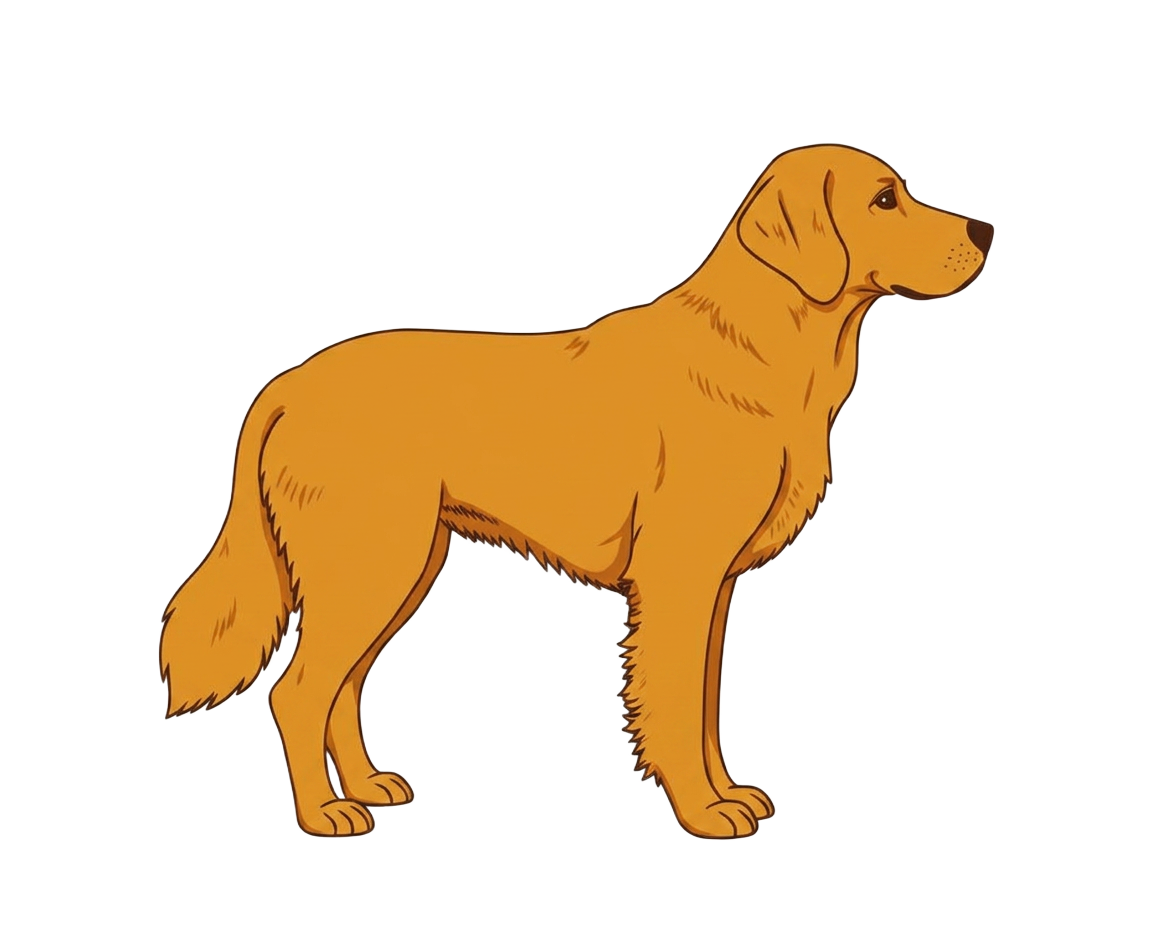
Dark golden
Standard colour
A deeper, richer gold.
Outside the standard
Other colours
Dilute coats you will see advertised. They are the same breed, but no kennel club accepts them.
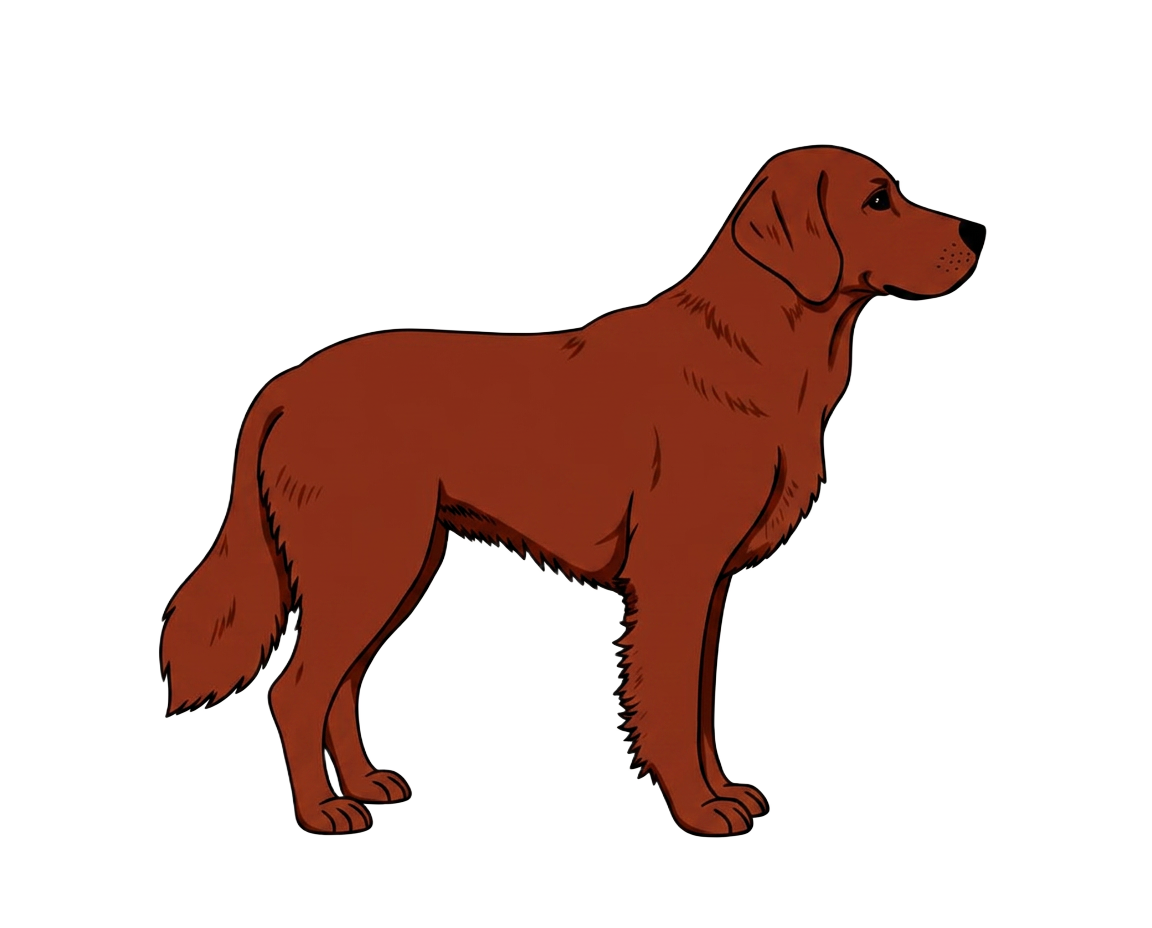
Red
Not in the standard
A deep red shade sometimes marketed but outside the standard range.
Timeline
History & development
1860s
Guisachan origins
Lord Tweedmouth began breeding yellow retrievers at his Highland estate, crossing in Tweed Water Spaniel blood.
1908
First shown
The breed appeared at Crufts under the name Flat Coats-Golden.
1913
Kennel Club recognition
Recognised as a separate breed named Golden Retriever.
1920s
Spread to North America
The breed was exported and gained popularity across the United States and Canada.
1950s onward
The breed today
Kennel club registrations settled into a steady pattern and the Golden Retriever moved from a working specialist to a family companion, with breed clubs in the UK and abroad now focused on health testing and keeping true type alive.
Reference
Breed standard summary
- body
- Balanced, short-coupled, deep through the ribs
- coat
- Flat or wavy, dense, water-resistant with feathering
- ears
- Moderate size, set level with the eye
- eyes
- Dark, friendly expression
- gait
- Powerful, free, with good drive
- head
- Broad skull, well-defined stop
- size
- Large
- tail
- Set on and carried level with the back
- colour
- Golden, Light golden, Dark golden. Colours outside this list are seen but are not accepted by the kennel clubs.
- temperament
- Typical of the breed: strongest in trainability, sociability, energy. Nervousness or aggression are serious faults in the show ring and in the home.
- general appearance
- Symmetrical, powerful, active dog with a kindly expression
Health
What to screen for
Green means little to worry about, amber means ask the breeder for test results, red means manage it actively.
Hip and elbow dysplasia
Screen for it
Ask for BVA/KC hip and elbow scores on both parents.
Progressive retinal atrophy
Screen for it
DNA or annual eye testing is recommended.
Cancer (various forms)
Watch closely
The breed has a notably high lifetime cancer incidence; ask breeders about family history.
Heart conditions
Watch closely
Request cardiac testing certificates on breeding stock.
General information only — always speak to your vet about your own dog.
From real owners
Dogs like this
Golden Retrievers added by PawPoint members through their pet passports. Share yours to appear here.
Loading the wall…
Made for the Golden Retriever
The book, plus prints, hoodies and mugs using our own Golden Retriever illustration — and one everyday accessory that suits any dog.

The book
Pawpoint: The Complete Dog Breed Book
Every officially recognised breed plus the unofficial ones nobody else documents. 400+ pages, hardback, printed and shipped from the UK.
Own stock — shipped by us
Framed poster
Golden Retriever Framed Poster
Museum-weight print of our Golden Retriever illustration, framed or unframed.
Printed to order
Hoodie
Golden Retriever Hoodie
Heavyweight hoodie carrying the Golden Retriever illustration on the chest.
Printed to order
Mug
Golden Retriever Mug
Ceramic mug with the Golden Retriever illustration wrapped around it.
Printed to order
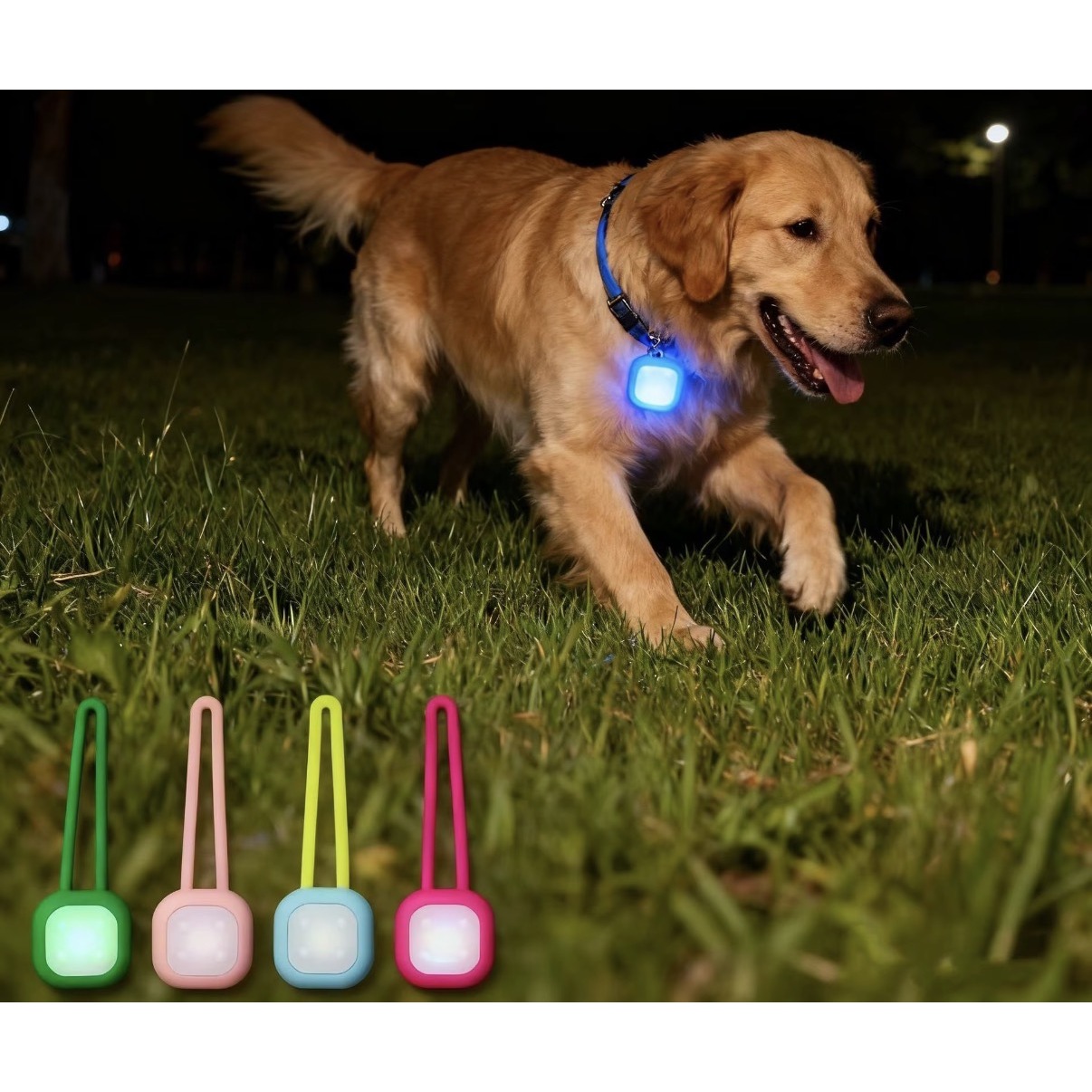
Accessory
LED Reflective Lead Light
Rechargeable clip-on light for dark walks.
Fits any dog
Pawpoint on YouTube
Watch the full Golden Retriever video
Breed deep-dives, history and honest ownership talk. New film every week.
Watch now