
Labrador Retriever
LAB-ruh-dor ri-TREE-vuhr
Canada (Newfoundland) / United Kingdom· Newfoundland, Atlantic Canada
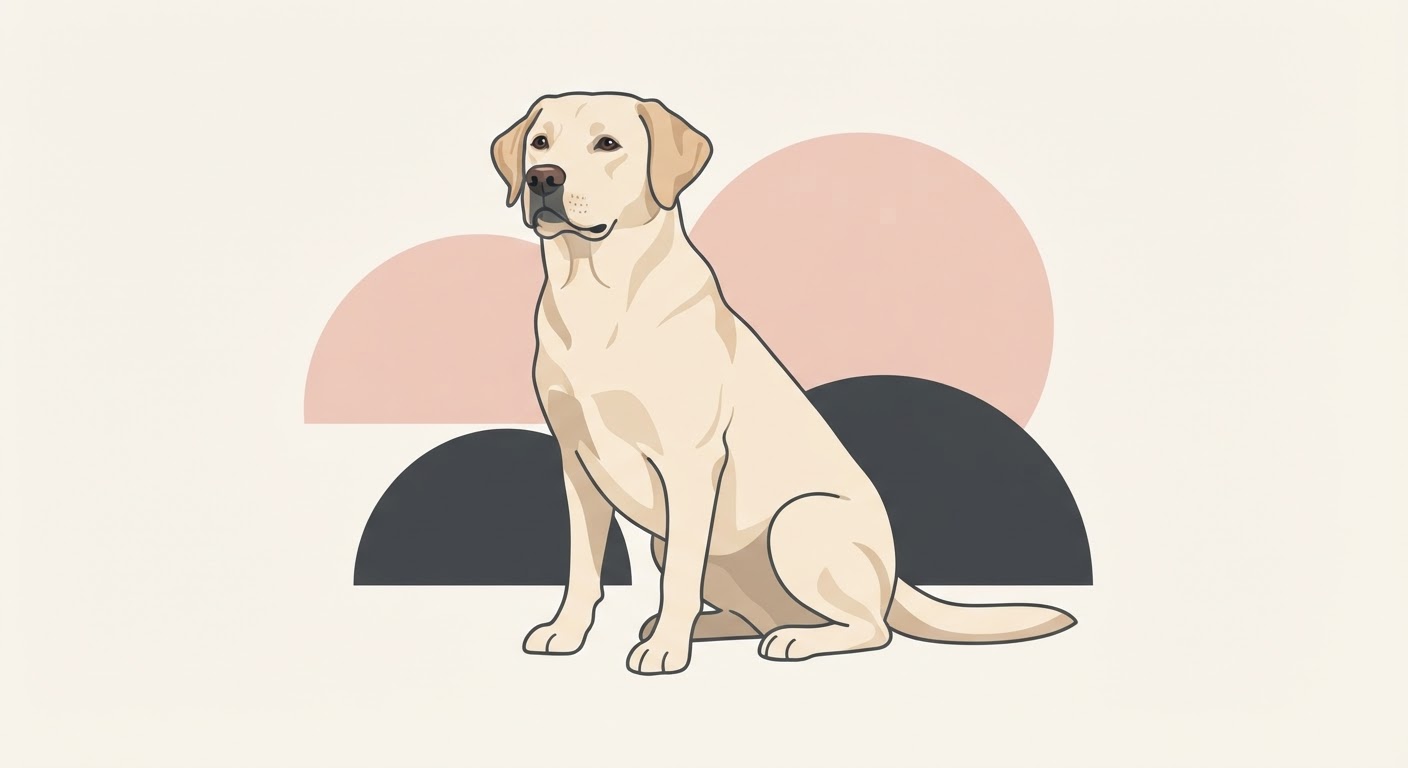
The Labrador Retriever is the most popular dog in the English-speaking world, and it earned that position by being useful long before it was fashionable. Everything about the breed reads as equipment for cold water: a thick double coat that sheds rain, a heavy tail that steers like a rudder, webbing between the toes, and a mouth soft enough to carry a bird without marking it.
At a glance
Quick facts
Size
Large
Exercise needs
2 hours+ per day
Home size suited to
Medium to large home
Grooming frequency
Weekly brush
Coat length
Short
Sheds
Yes
Lifespan
10-12 years
Town or country
Either
Garden size needed
Medium or larger
Where it comes from
Origins of the Labrador Retriever
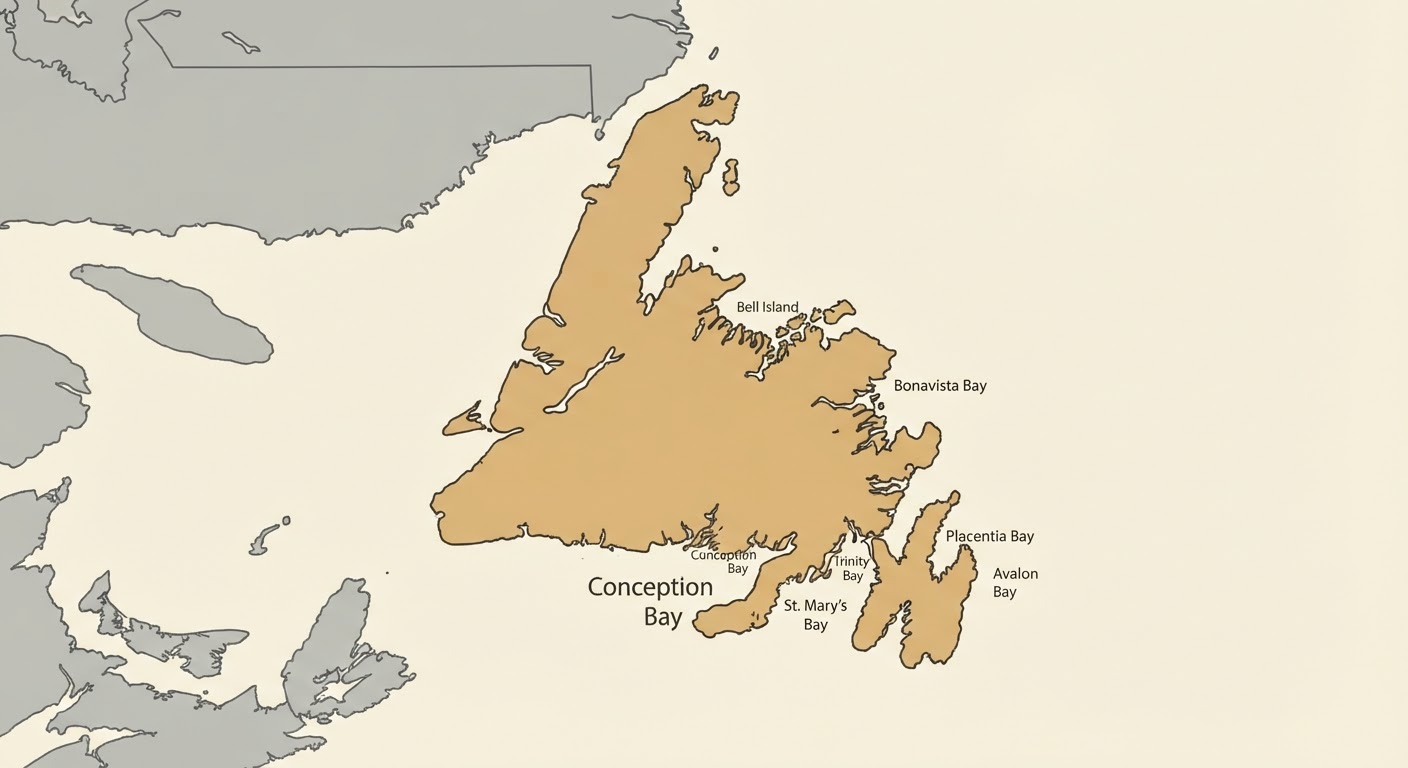
The Labrador's ancestors worked the harbours of Newfoundland, not Labrador, swimming out to lost lines and fish in near-freezing water. British sporting gentlemen shipped the dogs home across the Atlantic in the early 1800s, and it was in England that the breed was refined into the retriever we recognise today.
- Region
- Newfoundland, Atlantic Canada
- Climate it was bred for
- Cold, wet, wind-battered North Atlantic coast
- Original job
- Hauling nets and lines and retrieving fish for inshore cod crews
The long read
About the breed
Its story begins in the fishing harbours of Newfoundland in the eighteenth century, where a population of medium-sized black water dogs — usually called the St John's water dog — worked alongside inshore cod crews. They swam out to retrieve floats, hauled line ends between boats, and did it repeatedly in water cold enough to kill a person. Visiting British sportsmen noticed that a dog bred to fetch from the sea made an extraordinary gundog on land, and from around 1810 they began shipping them home.
The breed as we know it was assembled in England, on the estates of the Earl of Malmesbury and the Duke of Buccleuch, whose kennels standardised the size, the coat and the temperament. The name stuck almost by accident: Malmesbury referred to his dogs as "Labrador" dogs, and the label outlasted the geography. The Kennel Club recognised the breed in 1903, the American Kennel Club followed in 1917, and the two world wars turned the Labrador from a shooting dog into a general-purpose working dog.
That versatility is now the defining trait. The same breed dominates field trials, guide-dog programmes, search and rescue teams, and detection work, because a Labrador is biddable without being fragile and endlessly motivated by food and praise. The trade-off is appetite and energy. A Labrador that is underexercised and overfed becomes a heavy, bored, mildly destructive dog — the single most common complaint from first-time owners, and the easiest one to avoid.
Living with one
Temperament & needs
Our own ratings, based on the breed standard and how these dogs behave in ordinary homes.
Friendliness
5/5
Openly sociable with strangers, children and other dogs.
Trainability
5/5
Food-motivated and biddable; the default choice for assistance work.
Energy
4/5
Needs 1–2 hours of real activity a day, ideally including swimming.
Barking
2/5
Vocal when excited, but rarely a persistent barker.
Grooming
2/5
Weekly brushing; heavy seasonal shedding of the undercoat.
Suits a first-time owner
5/5
Forgiving of mistakes, provided the food bowl is measured.
Illustrated breed standard
The points of the breed
Hover or tap a numbered point to read what the standard asks for.
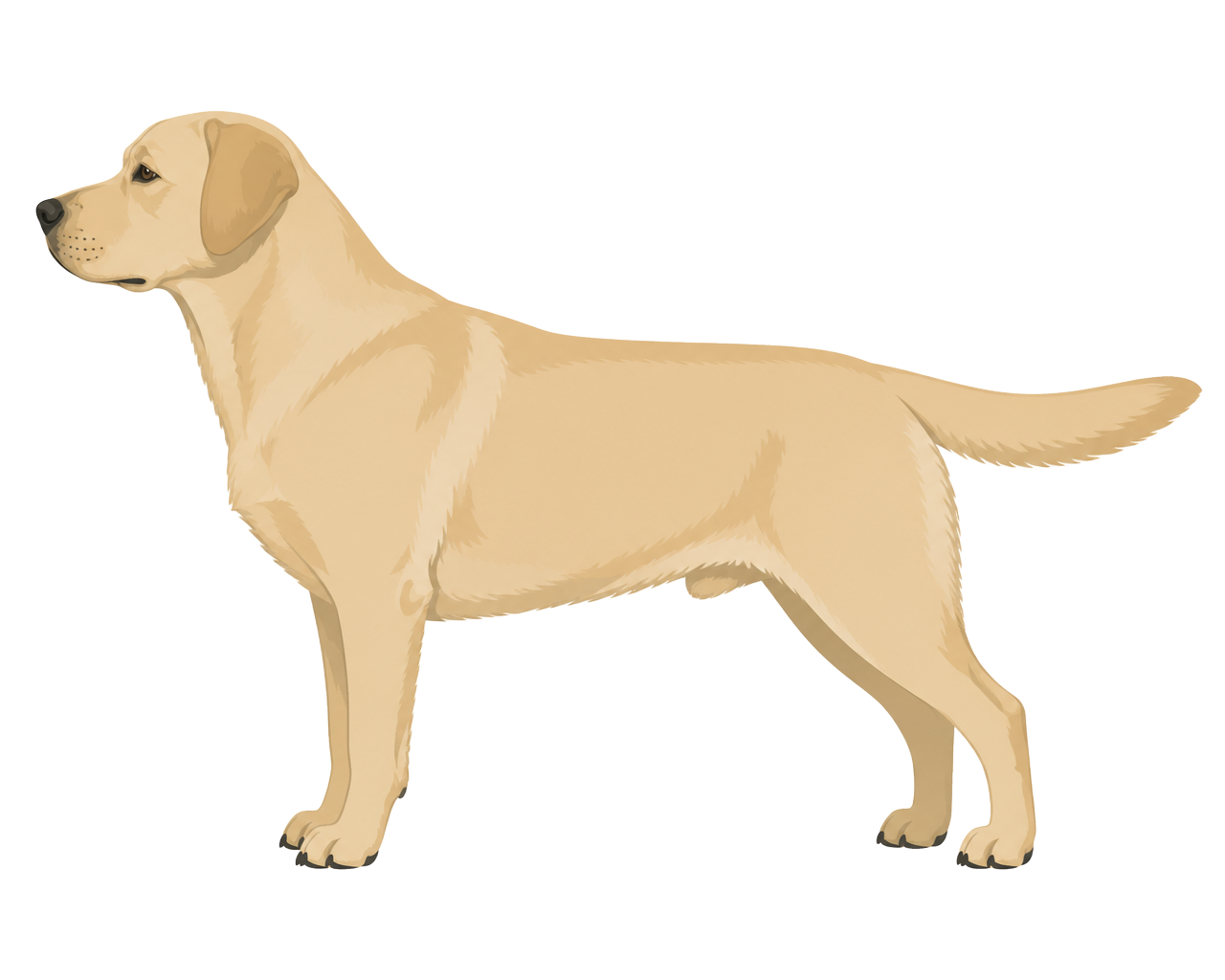
Point 1
Broad skull
The skull is broad with a pronounced stop, so the head never looks wedge-shaped in profile. Cheeks are clean rather than muscled.
Colours & patterns
Recognised coats
Which coats the standard accepts — and which are simply popular.
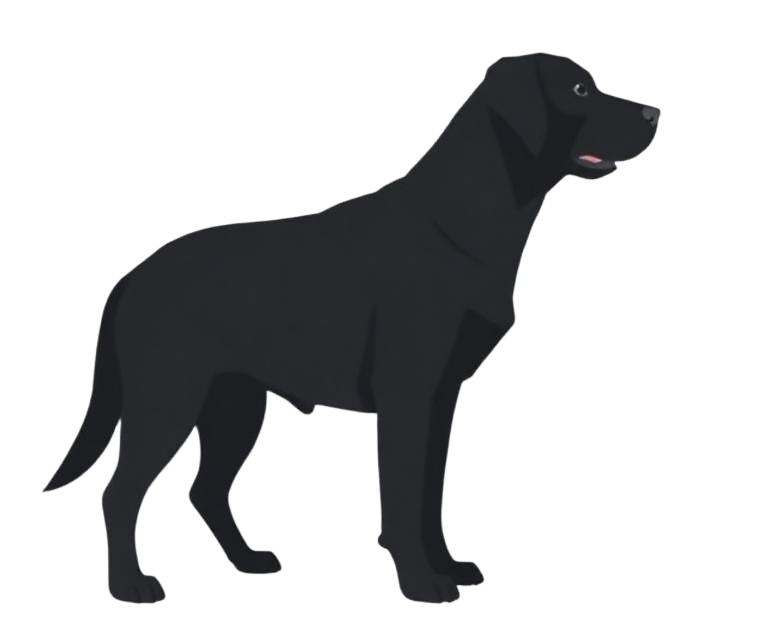
Black
Standard colour
The original colour of the St John's water dog and still the most common in the field.
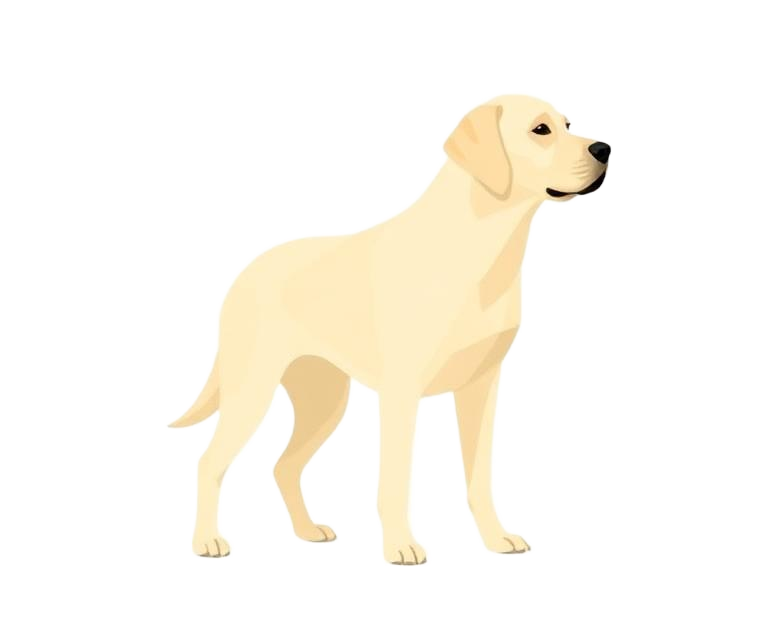
Yellow
Standard colour
Ranges from light cream to rich gold under one standard heading.
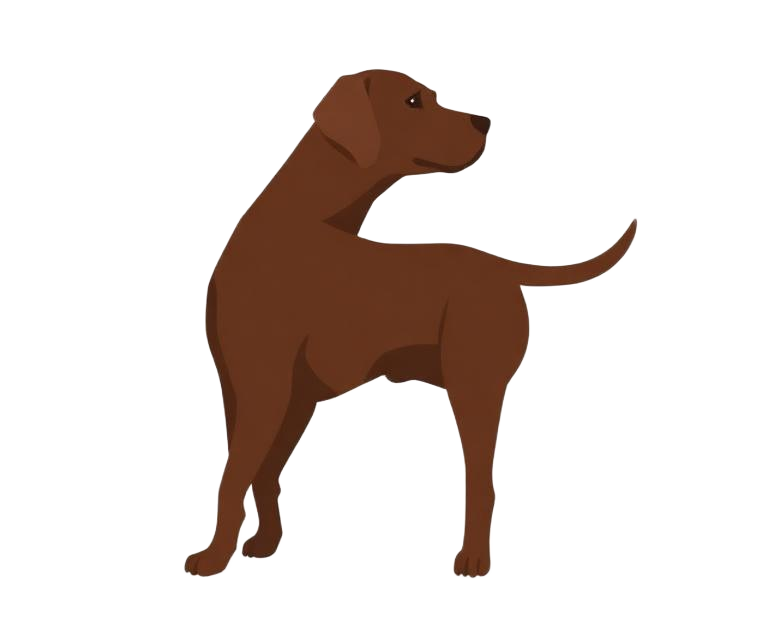
Chocolate
Standard colour
Recessive and long unfashionable; once culled, now widely shown.
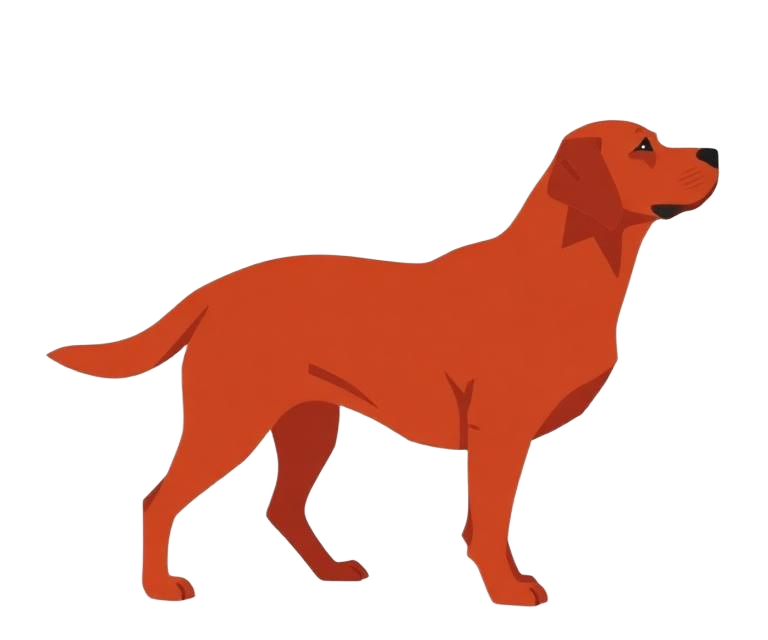
Fox red
Standard colour
Not a separate colour — the darkest end of yellow, registered as yellow.
Outside the standard
Other colours
Dilute coats you will see advertised. They are the same breed, but no kennel club accepts them.
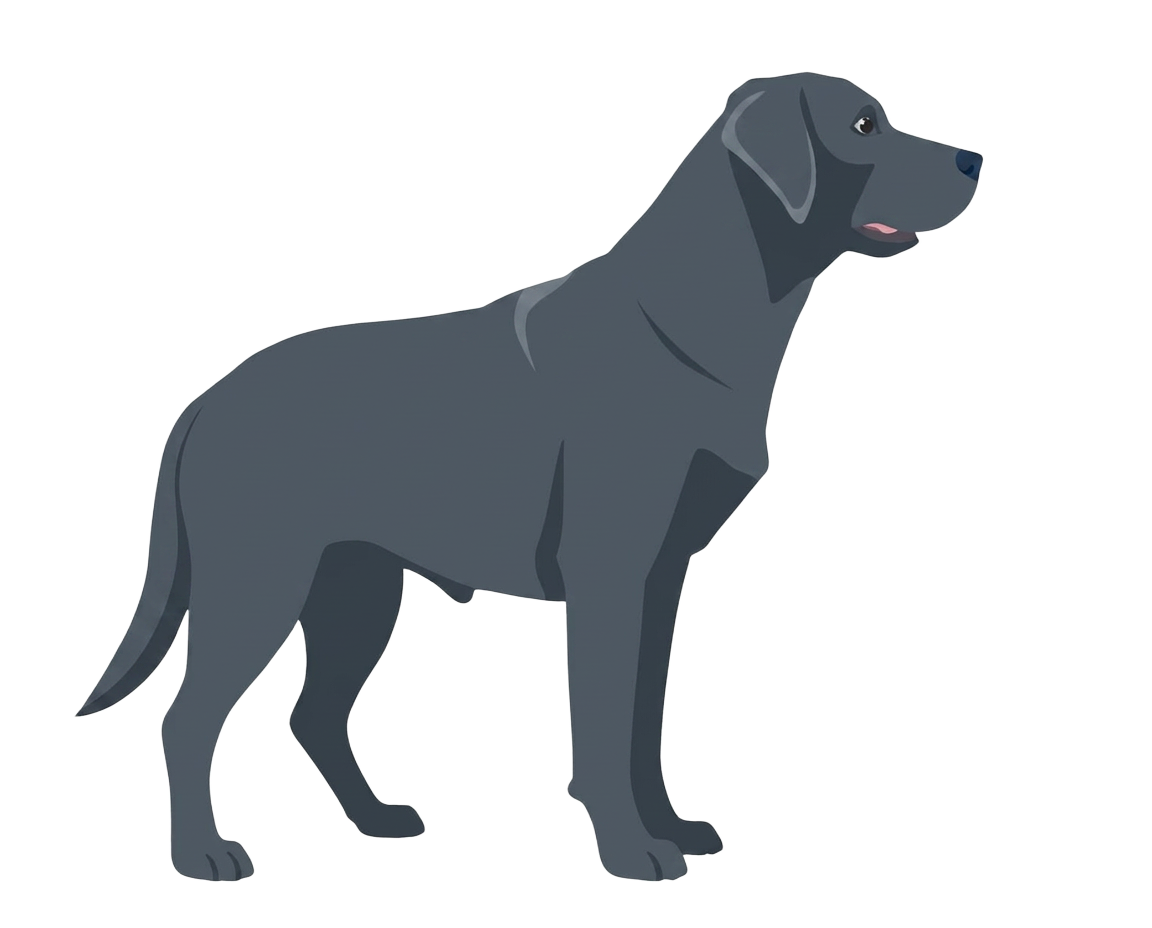
Charcoal
Not in the standard
A diluted black — smoky grey with a slight blue cast. Registered as black, but not a standard colour.
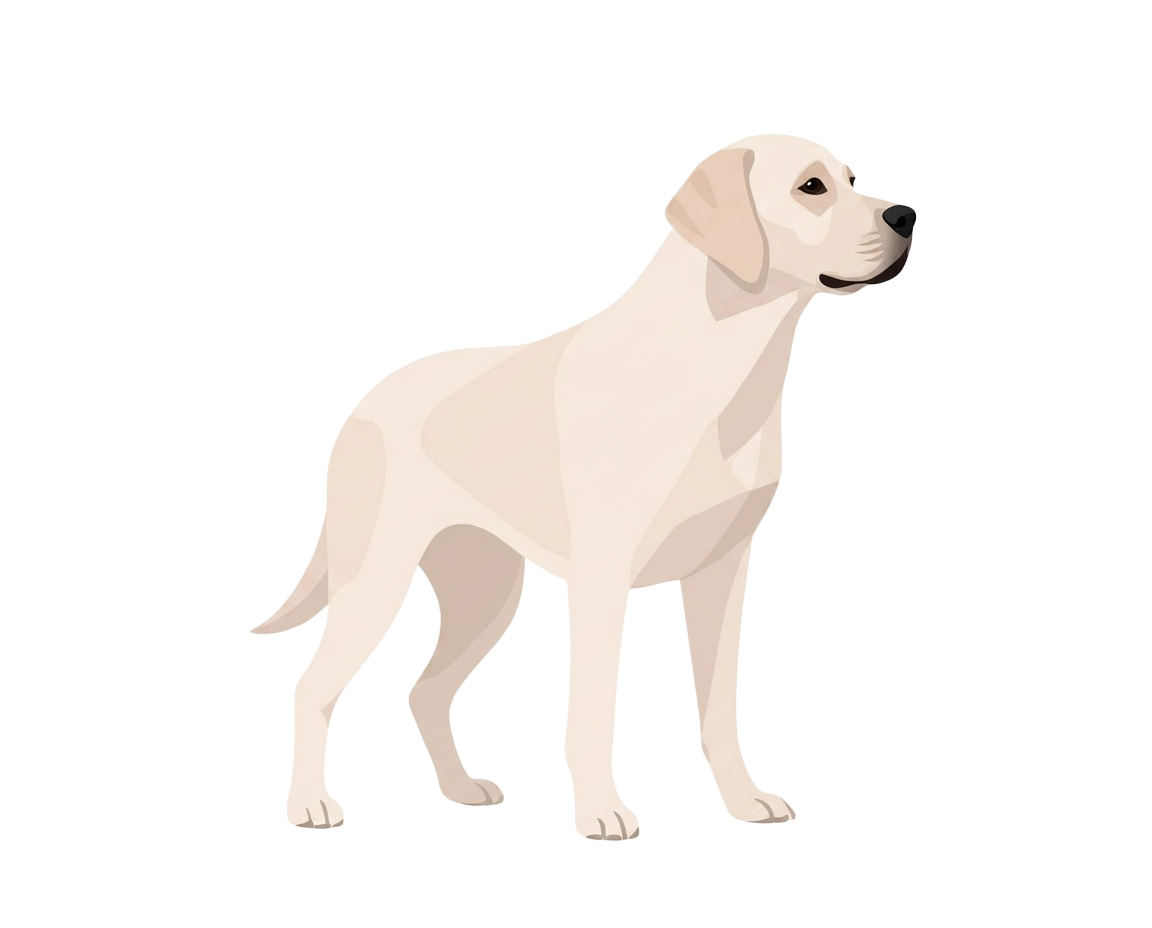
Champagne
Not in the standard
A diluted yellow with a pale, washed-out tone. Sold at a premium, yet outside the standard.
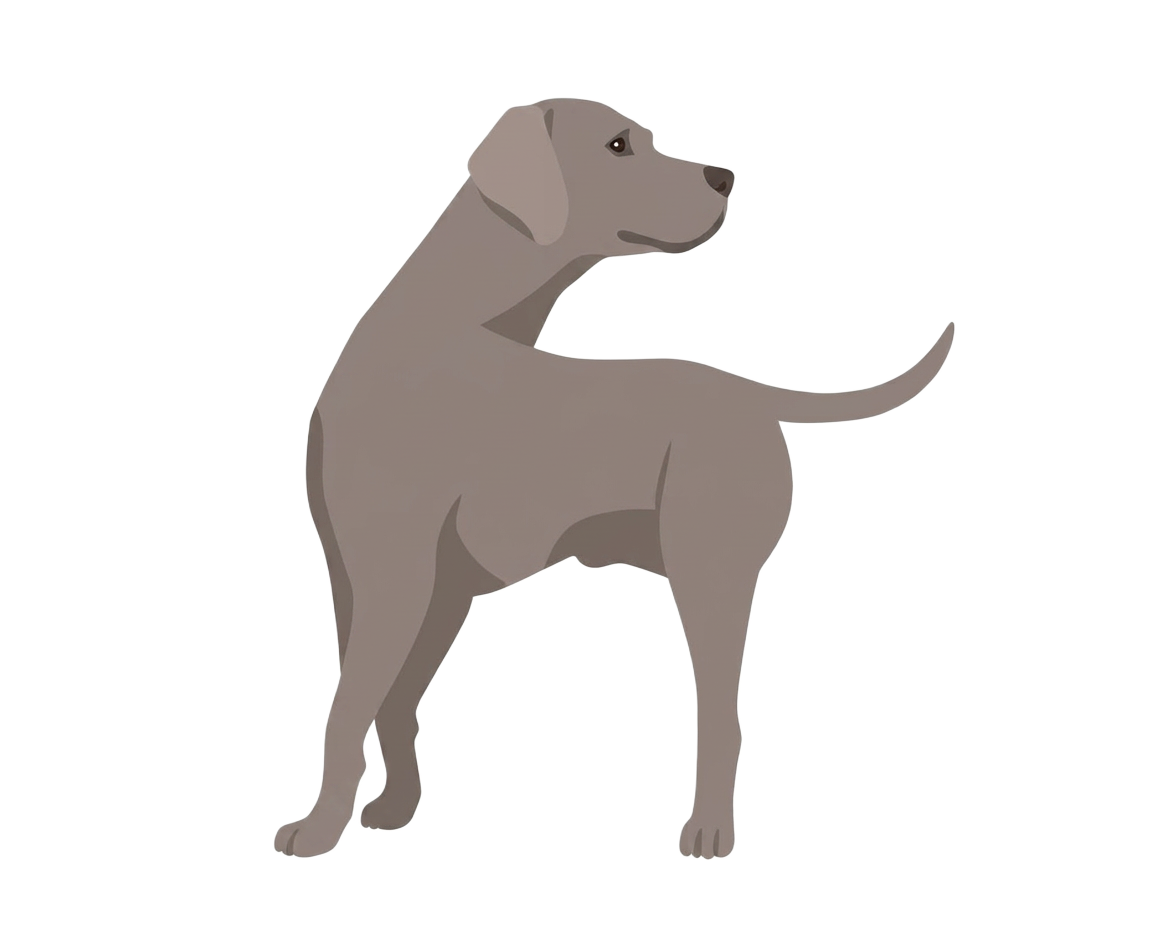
Silver
Not in the standard
A diluted chocolate carrying the same dilution gene. Controversial, and never awarded in the show ring.
Timeline
History & development
early 1800s
The St John's water dog
Fishing crews in Newfoundland work alongside a short-coated, water-hardy retriever that hauls nets and lines.
1830s
Crossing the Atlantic
British sporting estates import the type through the port of Poole and begin refining it for shooting work.
1903
Kennel Club recognition
The Labrador is recognised as a distinct breed in the UK.
1917
AKC registration
The first Labradors are registered in the United States.
1950s onward
Working beyond the field
The breed becomes the default choice for guide, assistance and detection work worldwide.
Reference
Breed standard summary
- body
- Deep through the chest with well-sprung ribs, a level topline and strong, short loins.
- coat
- Short, dense and free from wave, with a distinctly weather-resistant undercoat. Feels slightly hard to the hand.
- ears
- Set rather far back, hanging close to the head, not large or heavy.
- eyes
- Medium sized, brown or hazel, set well apart. Expression is intelligent and kindly.
- head
- Broad skull with a defined stop and clean lines through the cheeks. Powerful jaws of medium length.
- size
- Dogs roughly 56-57cm at the withers, bitches roughly 55-56cm.
- colour
- Whole-coloured black, yellow or liver/chocolate. A small white spot on the chest is permitted.
- temperament
- Even-tempered and eager to please, with no trace of nervousness or aggression. Notably tolerant of handling and noise.
- general appearance
- Strongly built and short-coupled, with an impression of power without heaviness. Balanced enough to work all day.
Health
What to screen for
Green means little to worry about, amber means ask the breeder for test results, red means manage it actively.
Hip dysplasia
Screen for it
Hip scoring of both parents is standard practice in the UK and US. Ask for the scores, not just a verbal assurance.
Elbow dysplasia
Screen for it
Screened alongside hips; grade 0 elbows on both parents is the target.
Progressive retinal atrophy
Screen for it
A DNA test exists. Responsible breeders test and publish results.
Exercise-induced collapse
Watch closely
A single-gene condition with a reliable DNA test, most common in field-bred lines.
Obesity
Watch closely
A gene variant in many Labradors blunts satiety. Weigh food and measure treats — this is the breed's biggest practical health risk.
Lifespan
Low concern
Typically 11–13 years, and a lean Labrador reliably outlives a heavy one.
General information only — always speak to your vet about your own dog.
From real owners
Dogs like this
Labrador Retrievers added by PawPoint members through their pet passports. Share yours to appear here.
Loading the wall…
Made for the Labrador Retriever
The book, plus prints, hoodies and mugs using our own Labrador Retriever illustration — and one everyday accessory that suits any dog.

The book
Pawpoint: The Complete Dog Breed Book
Every officially recognised breed plus the unofficial ones nobody else documents. 400+ pages, hardback, printed and shipped from the UK.
Own stock — shipped by us
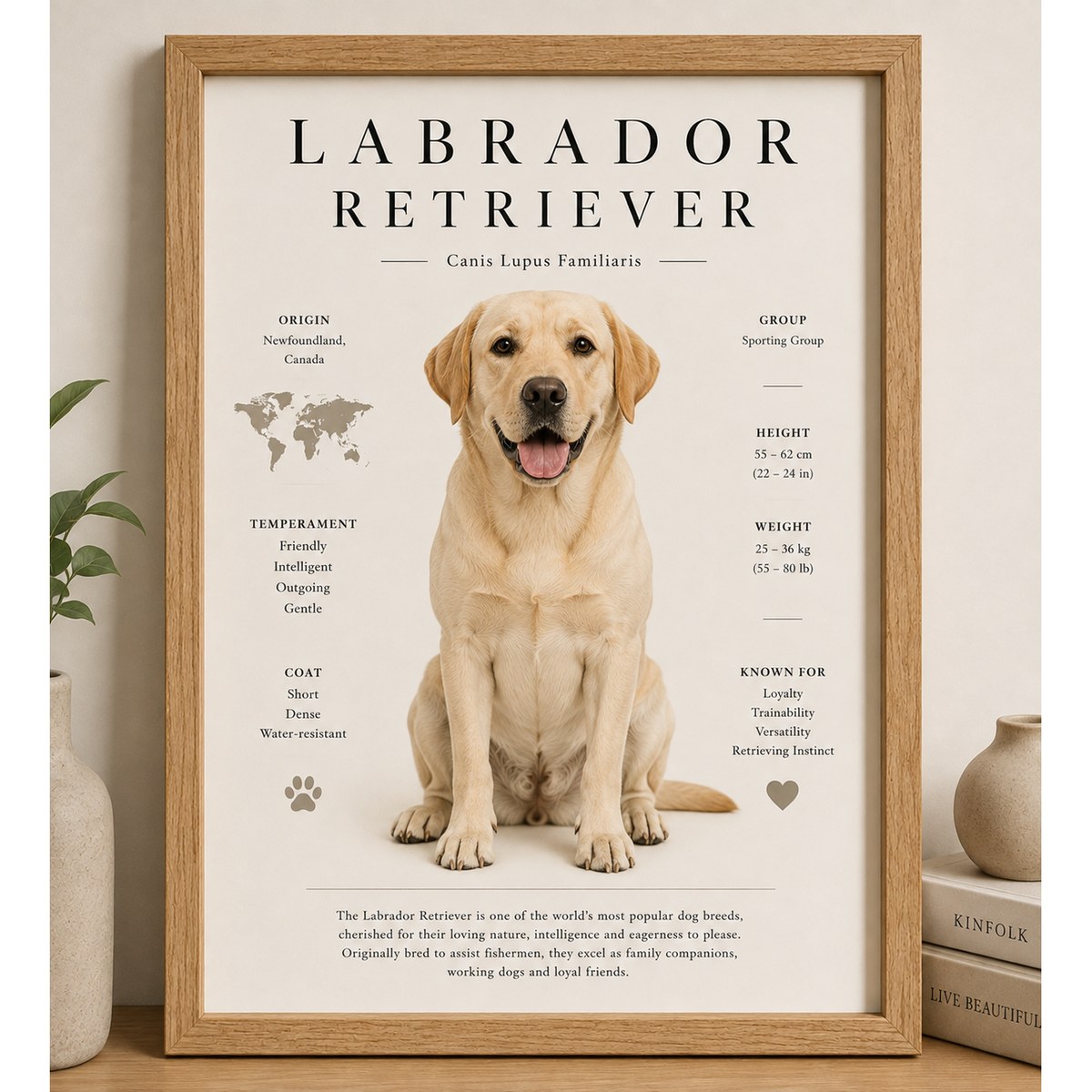
Framed poster
Labrador Retriever Framed Poster
Framed giclée print of the breed, museum-quality paper in a solid oak frame. Printed on demand.
Printed to order
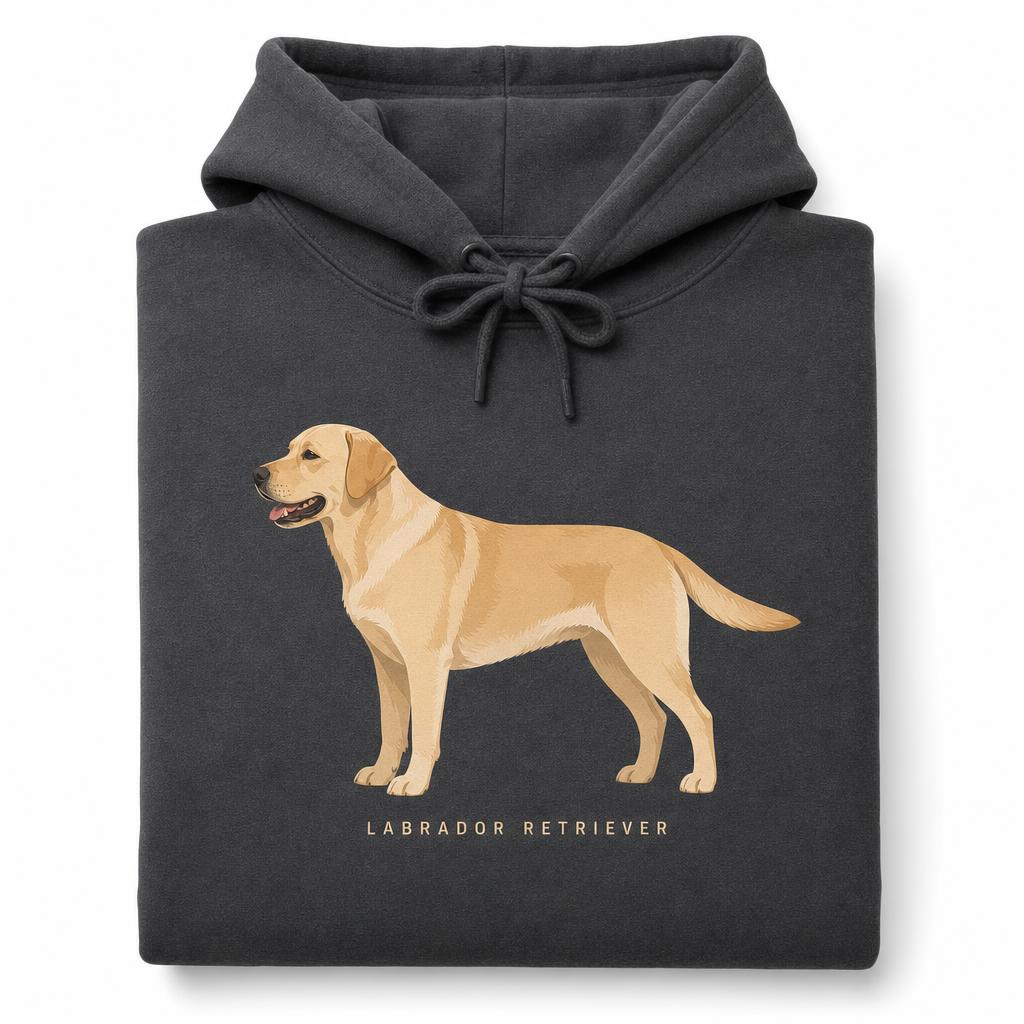
Hoodie
Labrador Retriever Hoodie
Heavyweight charcoal hoodie carrying the breed illustration on the chest. Printed on demand.
Printed to order
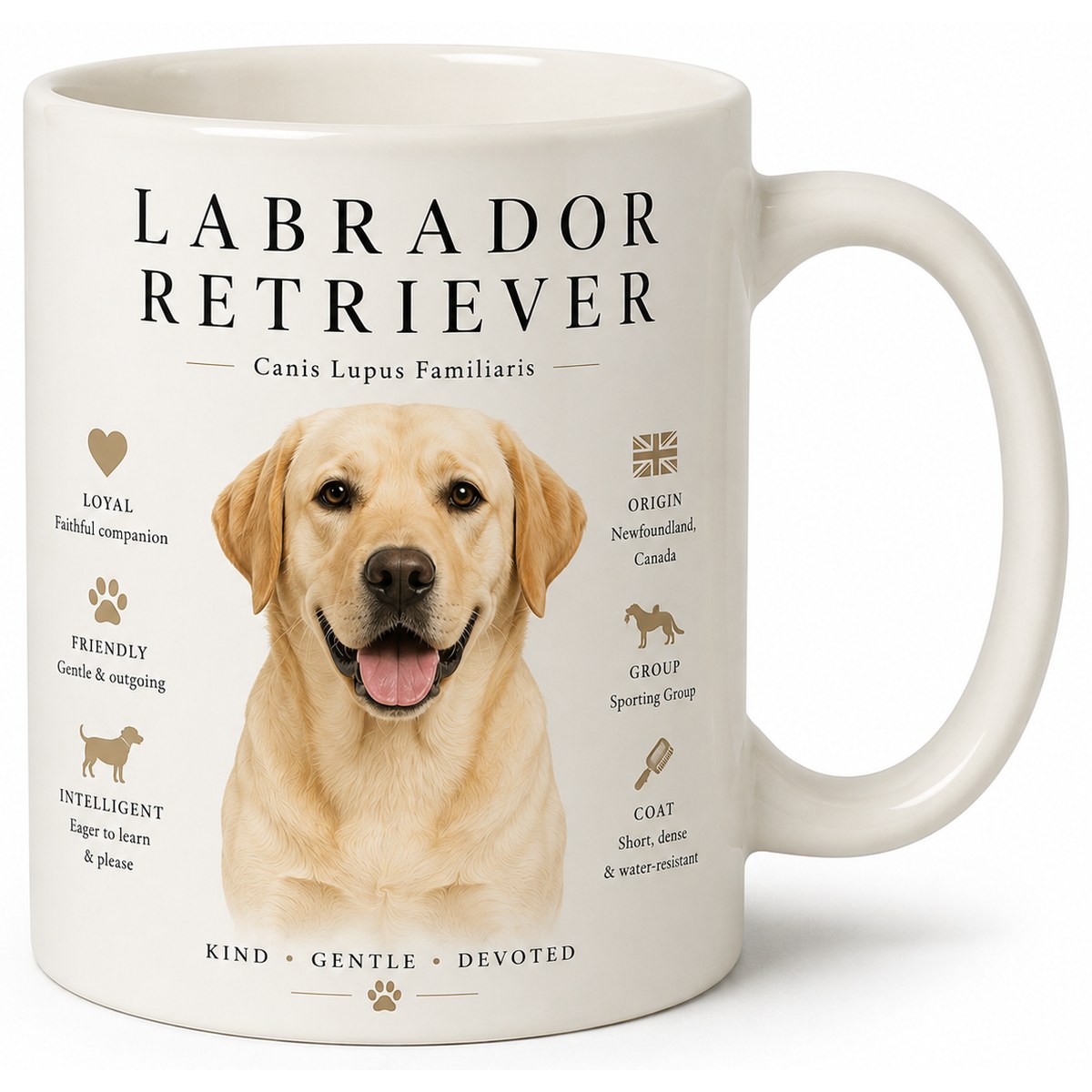
Mug
Labrador Retriever Mug
11oz stoneware mug with the breed illustration. Dishwasher safe.
Printed to order
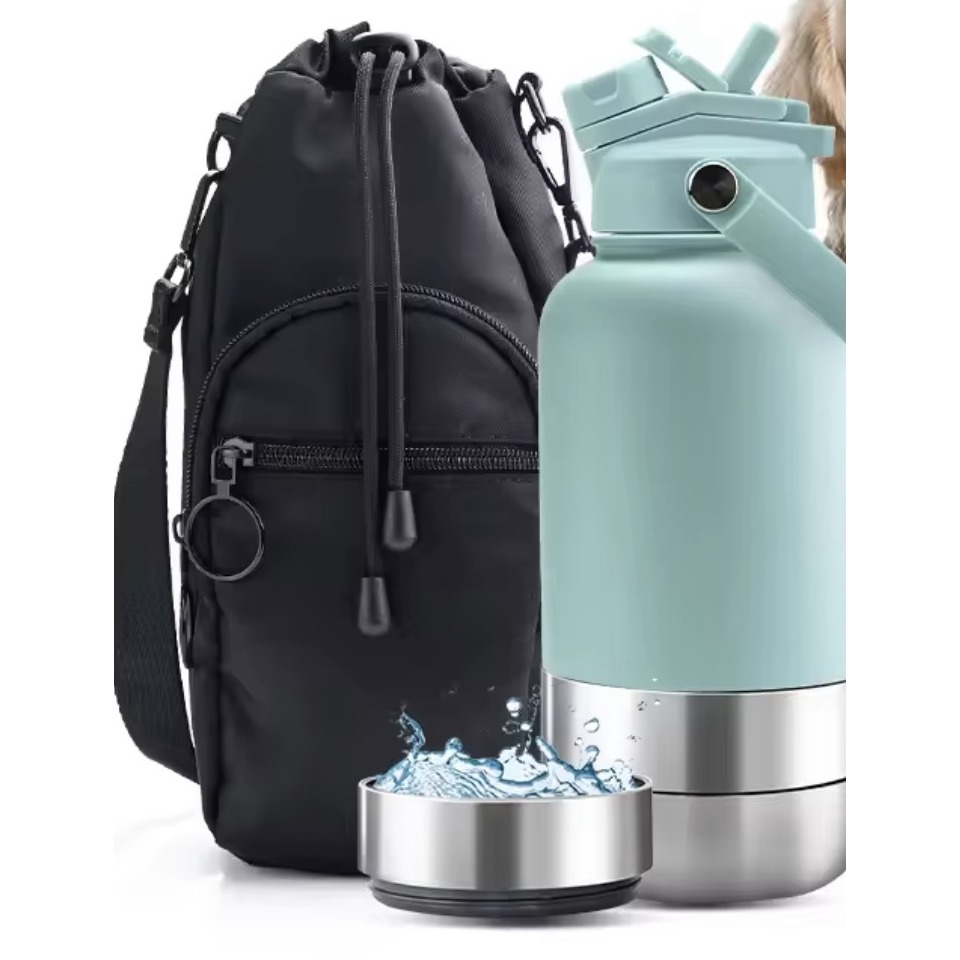
Accessory
Travel Water Bottle & Bowl
550ml bottle with a fold-out drinking trough.
Fits any dog
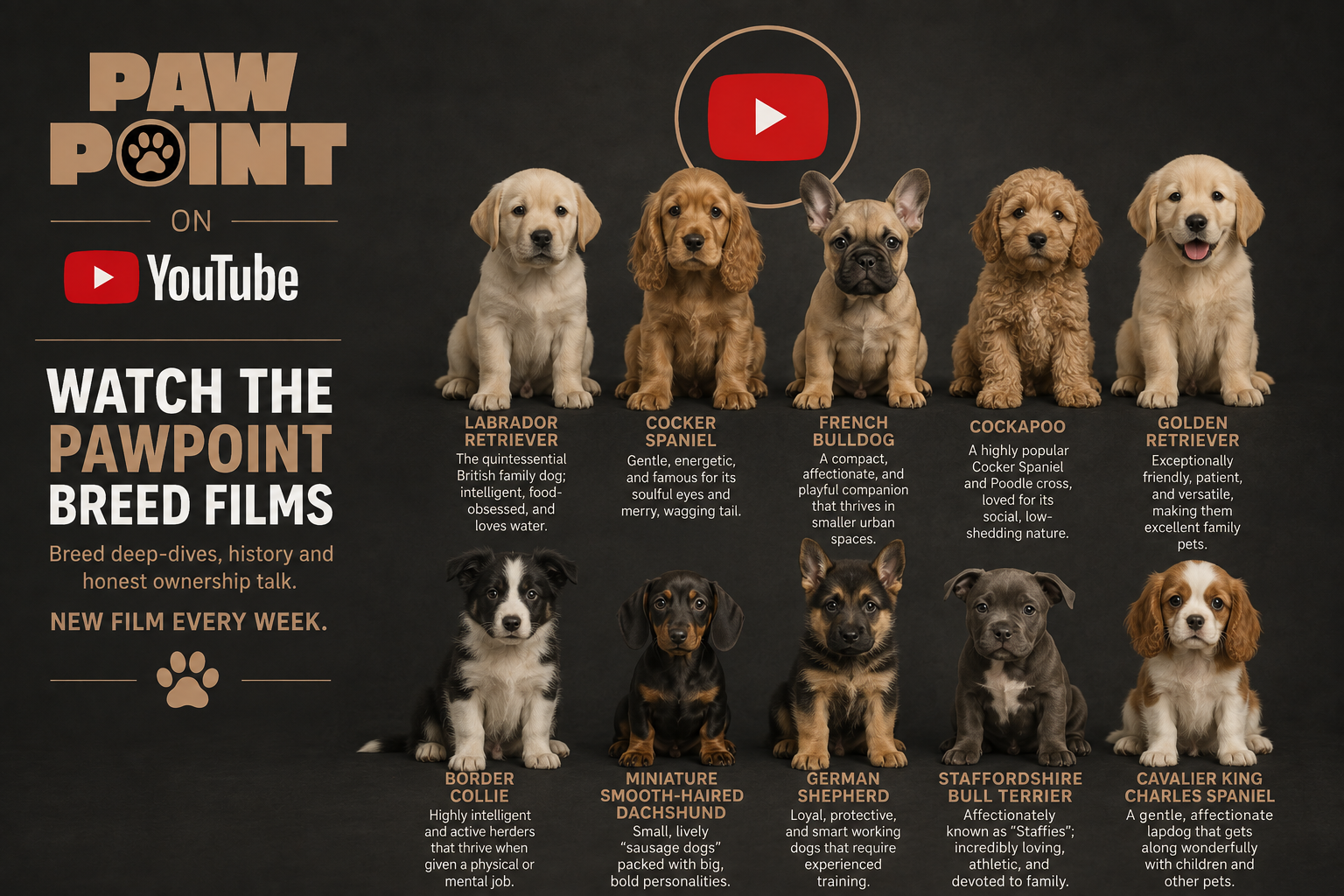
Pawpoint on YouTube
Watch the full Labrador Retriever video
Breed deep-dives, history and honest ownership talk. New film every week.
Watch now