
Dobermann
DOH-ber-man
Germany· Apolda, Thuringia
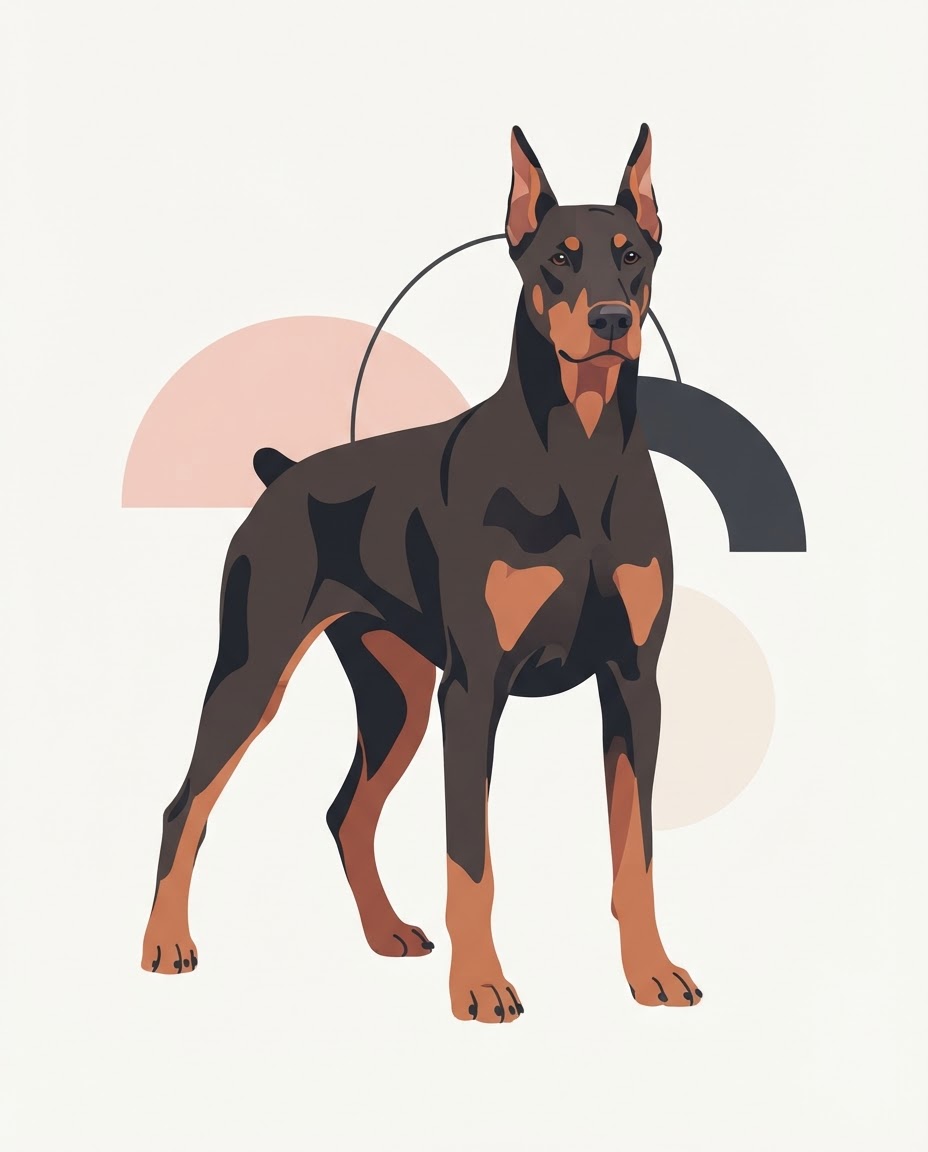
The Dobermann is a sleek, powerful German guard and working dog developed in the 1880s to protect a tax collector on his rounds, combining speed, intelligence and physical strength in a compact, athletic frame.
At a glance
Quick facts
Size
Large
Exercise needs
60+ minutes daily
Home size suited to
Medium to large home
Grooming frequency
Weekly brush
Coat length
Short
Sheds
Yes
Lifespan
10-13 years
Town or country
Either, with enough exercise
Garden size needed
Medium or larger
Where it comes from
Origins of the Dobermann
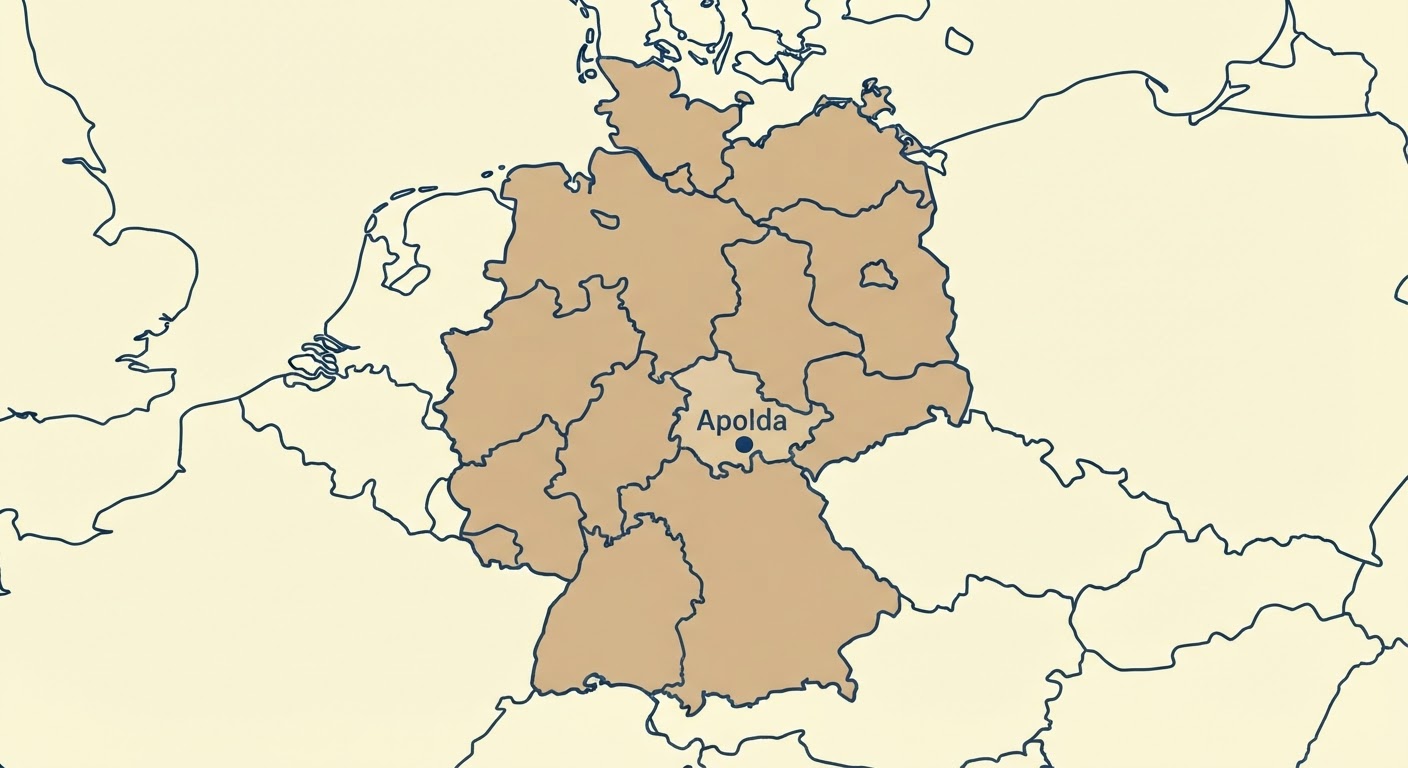
The Dobermann was created in Apolda, Thuringia, by Karl Friedrich Louis Dobermann, who needed a fearless protection dog for his rounds collecting taxes through unsafe areas. The town's mixed working-dog population gave him the raw material to breed for courage and speed.
- Region
- Apolda, Thuringia
- Climate it was bred for
- Temperate central European
- Original job
- Personal protection for a tax collector
The long read
About the breed
The breed was created by Karl Friedrich Louis Dobermann, a tax collector and dog pound manager in Apolda, Thuringia, who wanted a formidable personal protection dog for his rounds through dangerous areas carrying money. He is thought to have combined several breeds, likely including the German Pinscher, Rottweiler, and possibly Greyhound and Weimaraner, to produce a dog that was fast, fearless and highly trainable, and the breed carried his name after his death.
Living with a Dobermann suits an experienced, active owner. It is highly intelligent and generally very trainable, often excelling in obedience, protection sport and service roles, but it needs firm, consistent, reward-based handling from an early age and thorough socialisation, since an under-socialised Dobermann can become genuinely difficult to manage given its size and drive. The breed is typically deeply loyal to its family and can be reserved with strangers, a trait that made it a popular guard dog but that requires responsible management around visitors and in public. It is not a breed to be left alone for long hours; boredom and lack of exercise in a Dobermann tend to surface as real behavioural problems rather than mild mischief.
Today the Dobermann remains widely used in police, military and personal protection work worldwide, alongside a substantial following as a family guardian and companion. Modern breeding has generally softened the temperament compared with the breed's early reputation, but it remains a serious dog that rewards proper training and structure rather than a casual approach to ownership.
Living with one
Temperament & needs
Our own ratings, based on the breed standard and how these dogs behave in ordinary homes.
Friendliness
3/5
How openly the Dobermann greets people it does not know.
Trainability
5/5
Highly intelligent and eager to work, excels in structured training.
Energy
4/5
Needs substantial daily exercise and mental engagement.
Barking
2/5
Alert but not prone to nuisance barking.
Grooming
1/5
Short coat needs minimal grooming, just an occasional wipe-down.
Suits a first-time owner
4/5
How forgiving the Dobermann is for someone taking on their first dog.
Sociability
3/5
Deeply loyal to family, often reserved or wary with strangers.
Independence
2/5
Strongly bonded to its handler, works well as part of a team.
Illustrated breed standard
The points of the breed
Hover or tap a numbered point to read what the standard asks for.
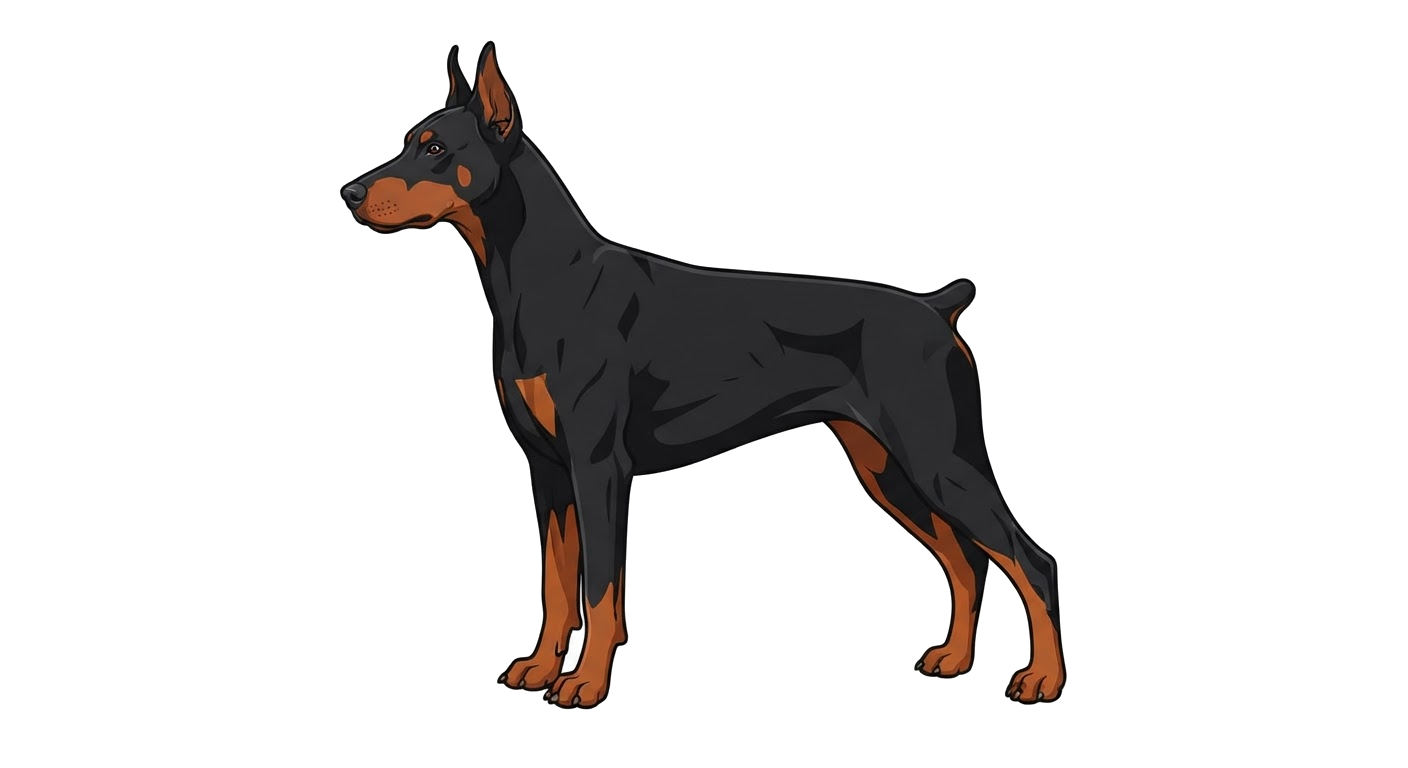
Point 1
Skull
The Dobermann's skull is judged on balance rather than size — proportionate to the body, with a clean cheek and a stop typical of the breed. Coarseness or an over-refined head are both faulted.
Colours & patterns
Recognised coats
Which coats the standard accepts — and which are simply popular.
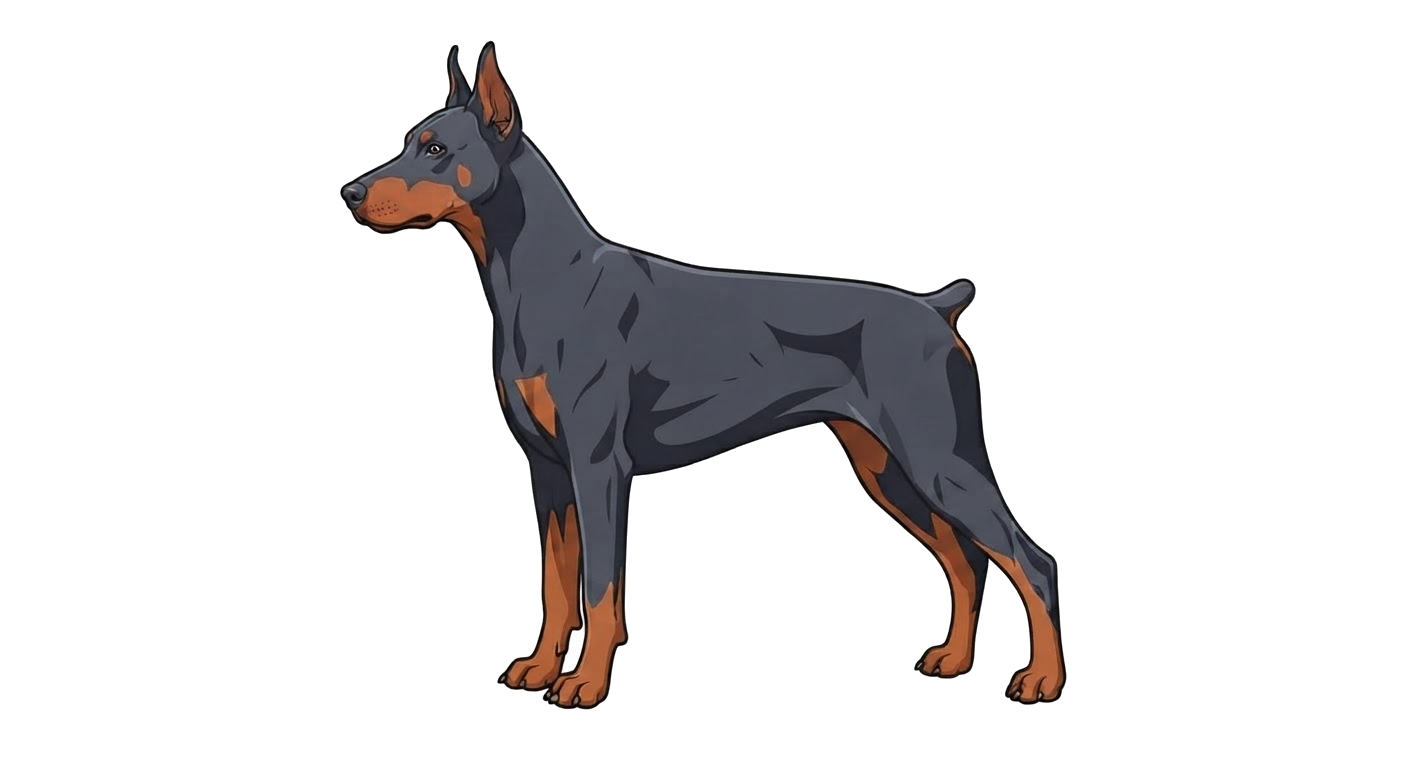
Black and Rust
Standard colour
The most common and classic colour combination.
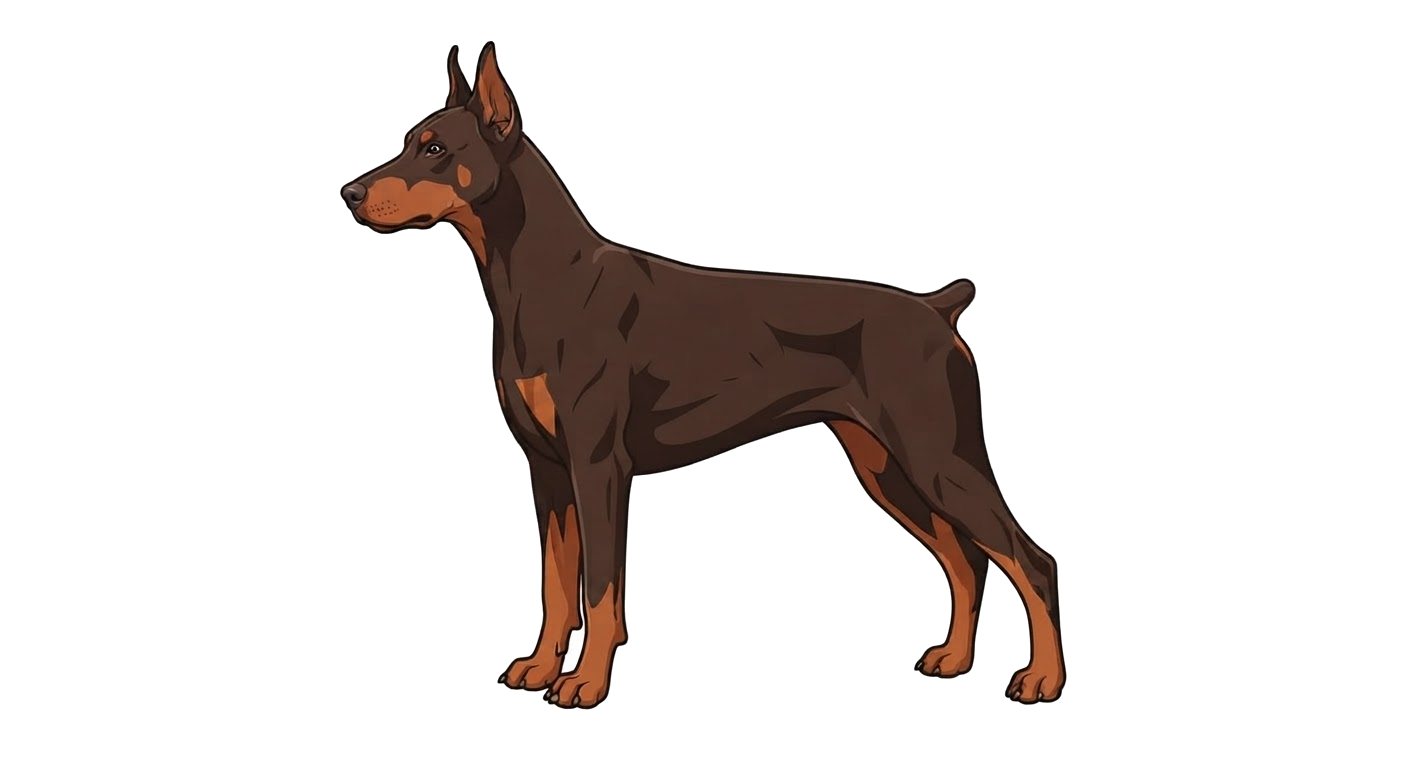
Brown (Red) and Rust
Standard colour
A rich brown base with rust points, also standard.
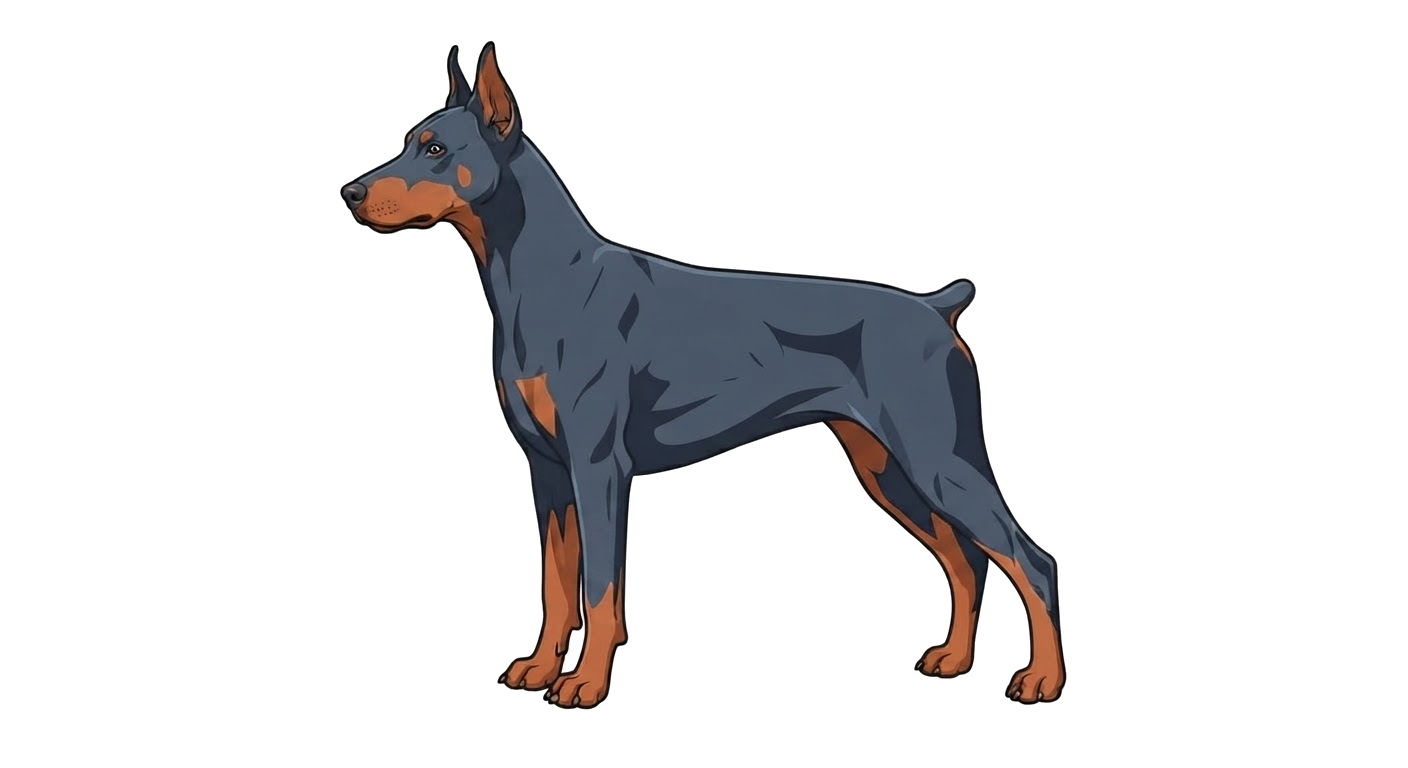
Blue and Rust
Standard colour
A diluted grey-blue, accepted though less common.
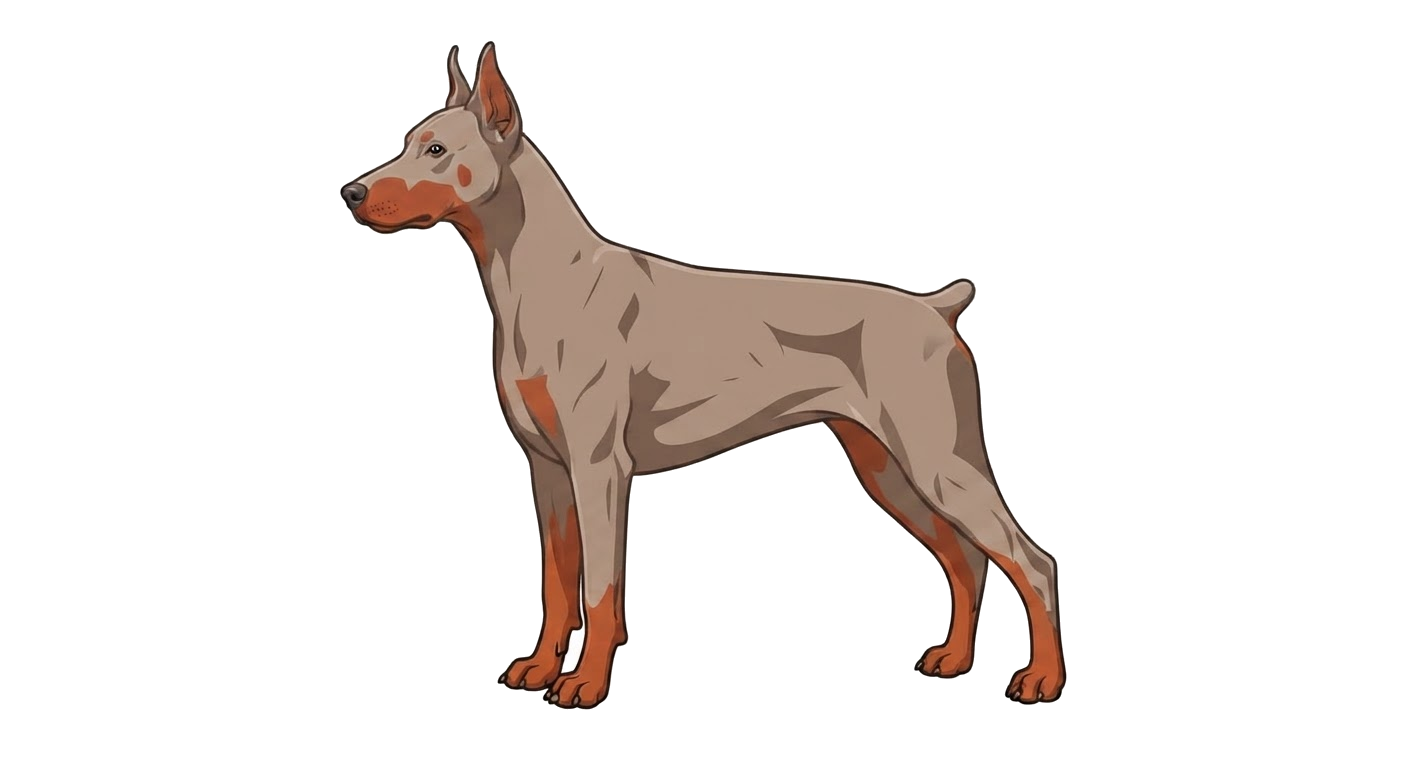
Fawn (Isabella) and Rust
Standard colour
A pale diluted colour, accepted but associated with skin sensitivity.
Outside the standard
Other colours
Dilute coats you will see advertised. They are the same breed, but no kennel club accepts them.
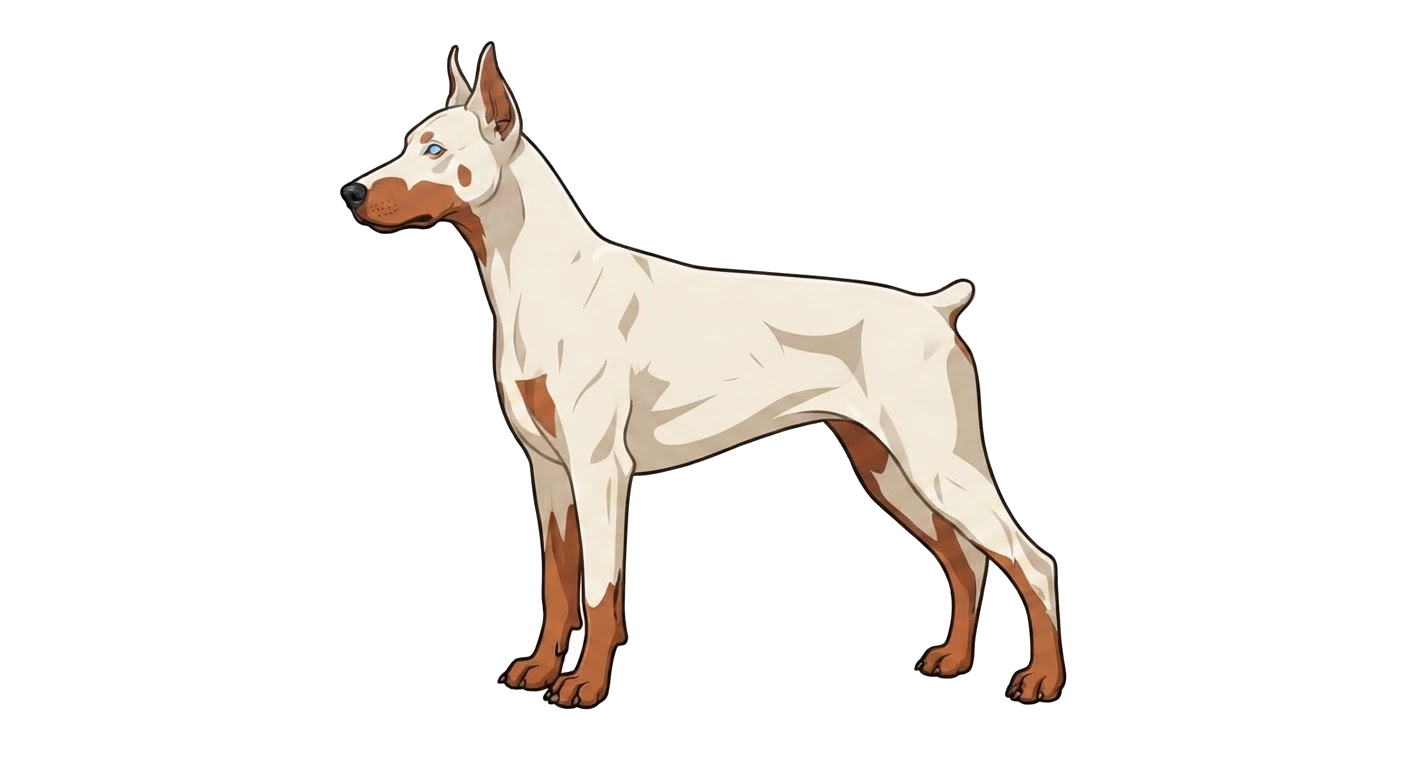
White
Not in the standard
A rare genetic condition, not accepted by breed standards and linked to health problems.
Timeline
History & development
1880s
Breed created
Karl Friedrich Louis Dobermann developed the breed in Apolda for personal protection during his tax-collecting rounds.
1899
Breed club founded
The first Dobermann breed club was formed in Germany after Dobermann's death.
1908
Recognition in the US
The American Kennel Club recognised the breed in the early 20th century.
20th century
Police and military service
The Dobermann became widely used in police, military and guard roles across the world.
1950s onward
The breed today
Kennel club registrations settled into a steady pattern and the Dobermann moved from a working specialist to a family companion, with breed clubs in the UK and abroad now focused on health testing and keeping true type alive.
Reference
Breed standard summary
- body
- Square in proportion, deep chest, short strong back
- coat
- Short, hard, thick, smooth and close-lying
- ears
- Set high, natural drop or cropped where legally permitted
- eyes
- Almond-shaped, dark
- gait
- Free, balanced and vigorous, with a good reach and drive
- head
- Long, dry, resembling a blunt wedge
- size
- Large working breed
- tail
- Docked traditionally where legal, or natural and carried slightly above horizontal
- colour
- Black and Rust, Brown (Red) and Rust, Blue and Rust, Fawn (Isabella) and Rust. Colours outside this list are seen but are not accepted by the kennel clubs.
- temperament
- Typical of the breed: strongest in trainability, energy, sociability. Nervousness or aggression are serious faults in the show ring and in the home.
- general appearance
- Square-built, muscular, elegant dog of medium-large size, compact and powerful
Health
What to screen for
Green means little to worry about, amber means ask the breeder for test results, red means manage it actively.
Dilated cardiomyopathy
Watch closely
Ask for cardiac screening (echocardiogram) on both parents; this is a leading cause of early death in the breed.
Von Willebrand's disease
Watch closely
A DNA test is available; ask breeders whether the line has been tested.
Hip dysplasia
Screen for it
Request BVA/KC hip scores on breeding stock.
Wobbler syndrome
Watch closely
A neck condition seen in the breed; ask about neurological health in the line.
General information only — always speak to your vet about your own dog.
From real owners
Dogs like this
Dobermanns added by PawPoint members through their pet passports. Share yours to appear here.
Loading the wall…
Made for the Dobermann
The book, plus prints, hoodies and mugs using our own Dobermann illustration — and one everyday accessory that suits any dog.

The book
Pawpoint: The Complete Dog Breed Book
Every officially recognised breed plus the unofficial ones nobody else documents. 400+ pages, hardback, printed and shipped from the UK.
Own stock — shipped by us
Framed poster
Dobermann Framed Poster
Museum-weight print of our Dobermann illustration, framed or unframed.
Printed to order
Hoodie
Dobermann Hoodie
Heavyweight hoodie carrying the Dobermann illustration on the chest.
Printed to order
Mug
Dobermann Mug
Ceramic mug with the Dobermann illustration wrapped around it.
Printed to order
Accessory
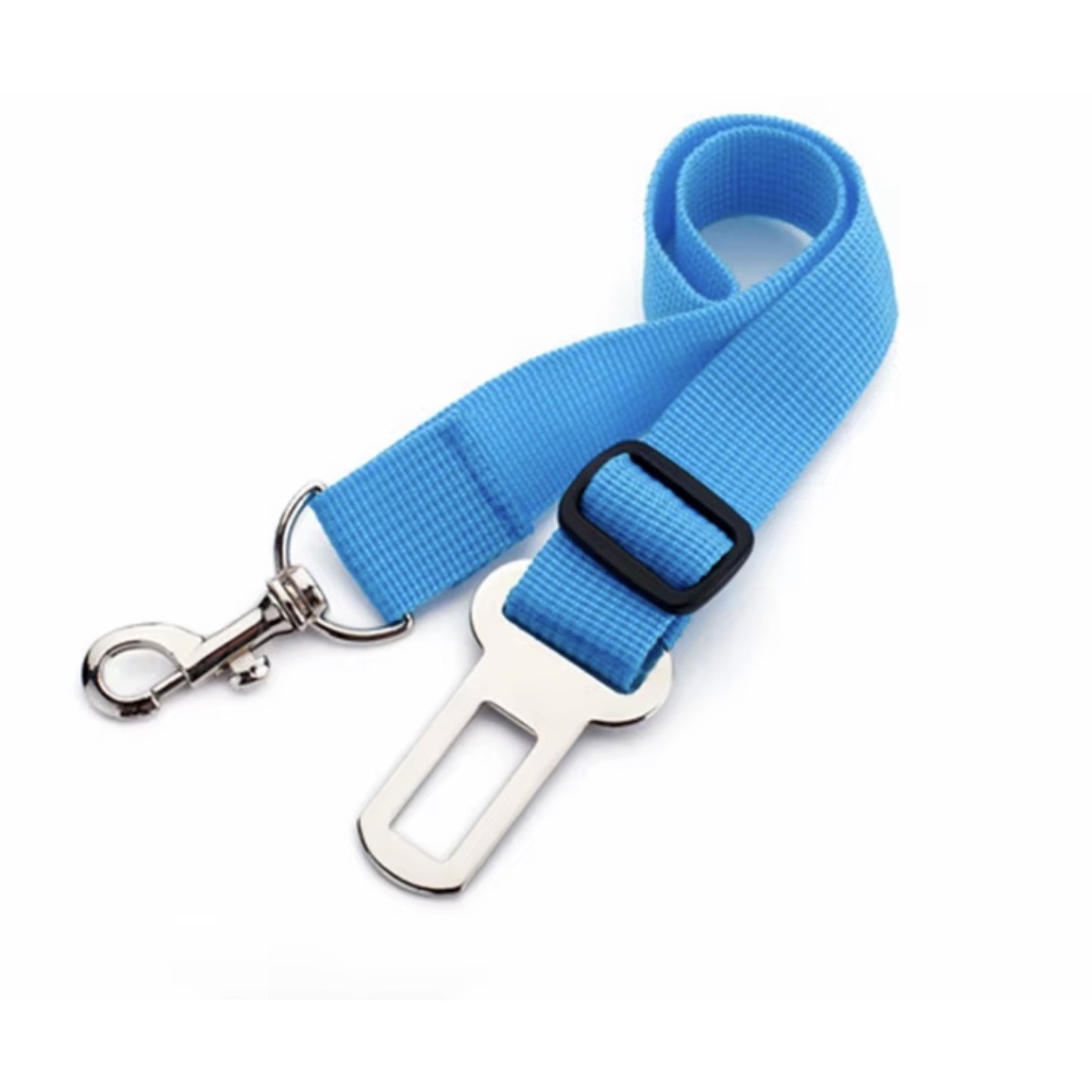
Car Seatbelt Restraint
Clips any harness to a standard seatbelt buckle.
Fits any dog
Pawpoint on YouTube
Watch the full Dobermann video
Breed deep-dives, history and honest ownership talk. New film every week.
Watch now