
Beagle
BEE-guhl
England· Essex
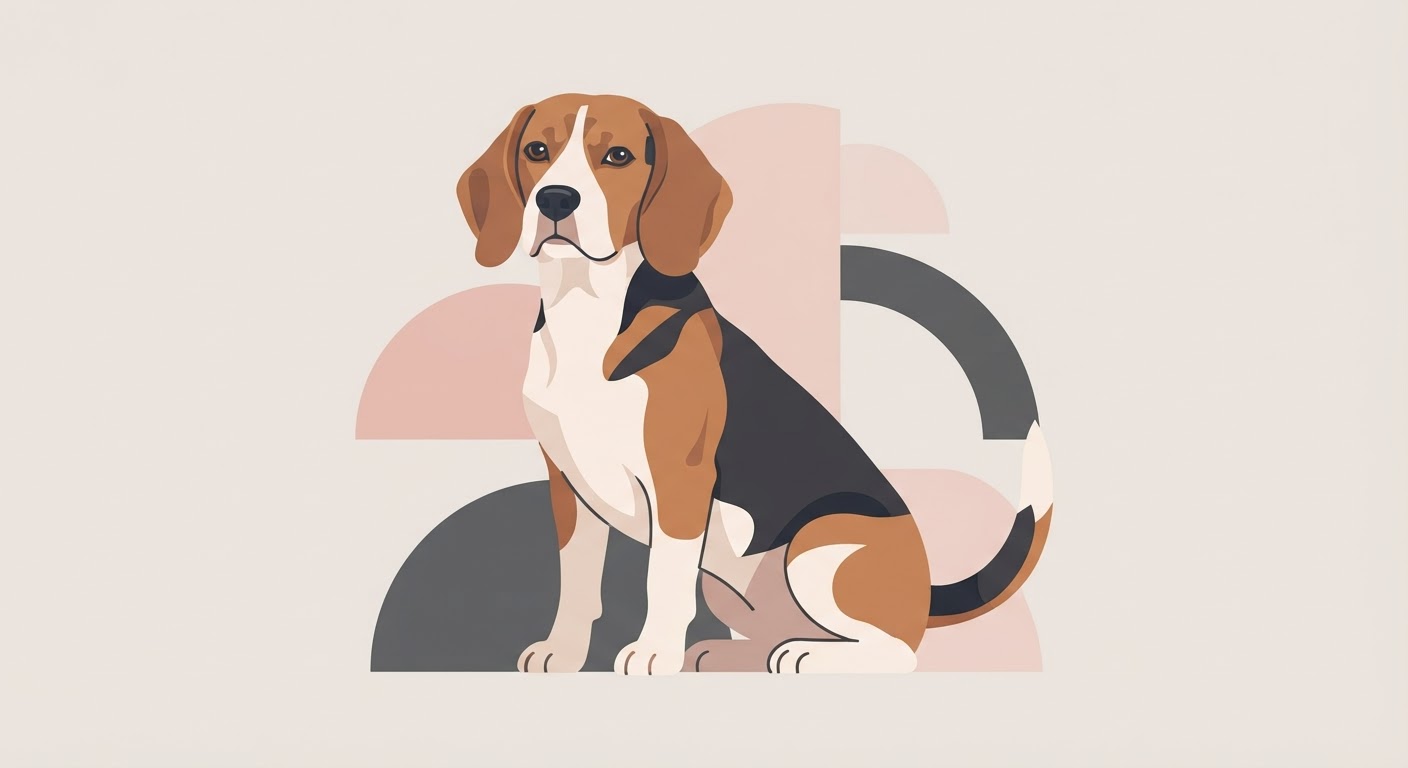
The Beagle is a compact, cheerful scent hound bred in England to hunt hare in packs, working by nose rather than sight.
At a glance
Quick facts
Size
Small
Exercise needs
60 minutes daily
Home size suited to
Flat or small home
Grooming frequency
Weekly brush
Coat length
Short
Sheds
Yes, heavily when moulting
Lifespan
12-15 years
Town or country
Happiest in the country
Garden size needed
Small garden or none
Where it comes from
Origins of the Beagle
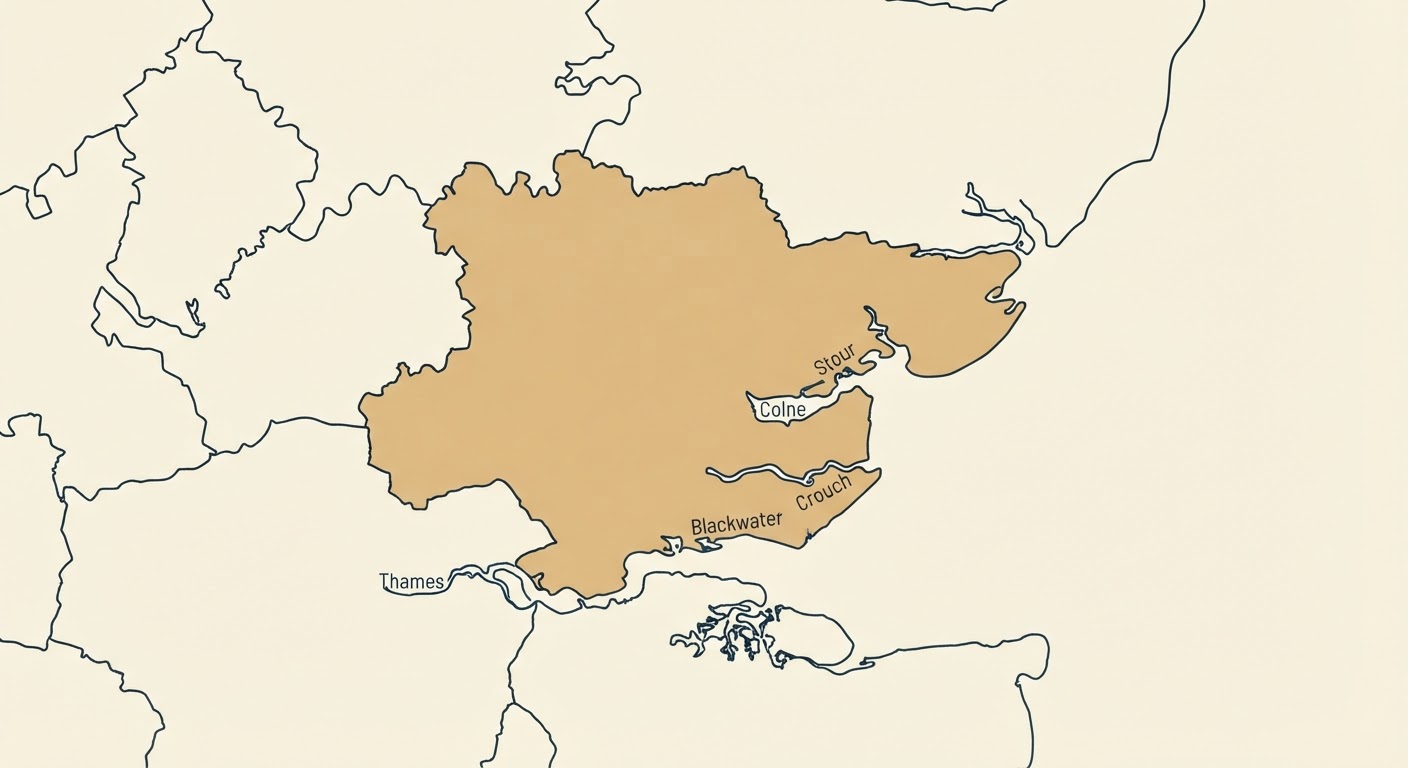
Standardised by English hunters in Essex who needed a hound fast enough to trail hare yet small enough to be followed on foot. Pack hunting shaped its sociable, non-aggressive temperament toward people and other dogs.
- Region
- Essex
- Climate it was bred for
- Temperate lowland farmland
- Original job
- Hunting hare in packs on foot
The long read
About the breed
Small hound types resembling today's Beagle existed in Britain for centuries, but the modern breed was standardised in the 1830s by hunters in Essex who wanted a hound fast enough to keep up with hare yet small enough to hunt on foot. It became the standard pack hound for beagling, a sport that persists in parts of Britain today, and its keen nose later found it work as a detection dog in airports and customs around the world.
Living with a Beagle means living with a determined, food-motivated, sociable dog whose nose frequently overrides its manners. It is friendly with people and other dogs, a legacy of pack hunting, and rarely aggressive, but recall off-lead is a genuine challenge and a securely fenced garden is close to essential. It has a distinctive, carrying bay that neighbours will notice, and it is prone to weight gain because it is rarely, if ever, uninterested in food.
Today it is one of the most popular hound breeds worldwide, valued as a family pet as much as a working dog, and its manageable size and short coat make it practical for many households, provided owners accept the barking and the appetite that come with it.
Living with one
Temperament & needs
Our own ratings, based on the breed standard and how these dogs behave in ordinary homes.
Friendliness
5/5
How openly the Beagle greets people it does not know.
Trainability
2/5
Food-motivated but easily distracted by scent.
Energy
4/5
Needs proper daily exercise.
Barking
4/5
Distinctive bay, used often.
Grooming
1/5
Short coat, minimal grooming.
Suits a first-time owner
2/5
How forgiving the Beagle is for someone taking on their first dog.
Sociability
5/5
Bred to work in packs, very sociable.
Independence
4/5
Nose-led and hard to recall.
Illustrated breed standard
The points of the breed
Hover or tap a numbered point to read what the standard asks for.
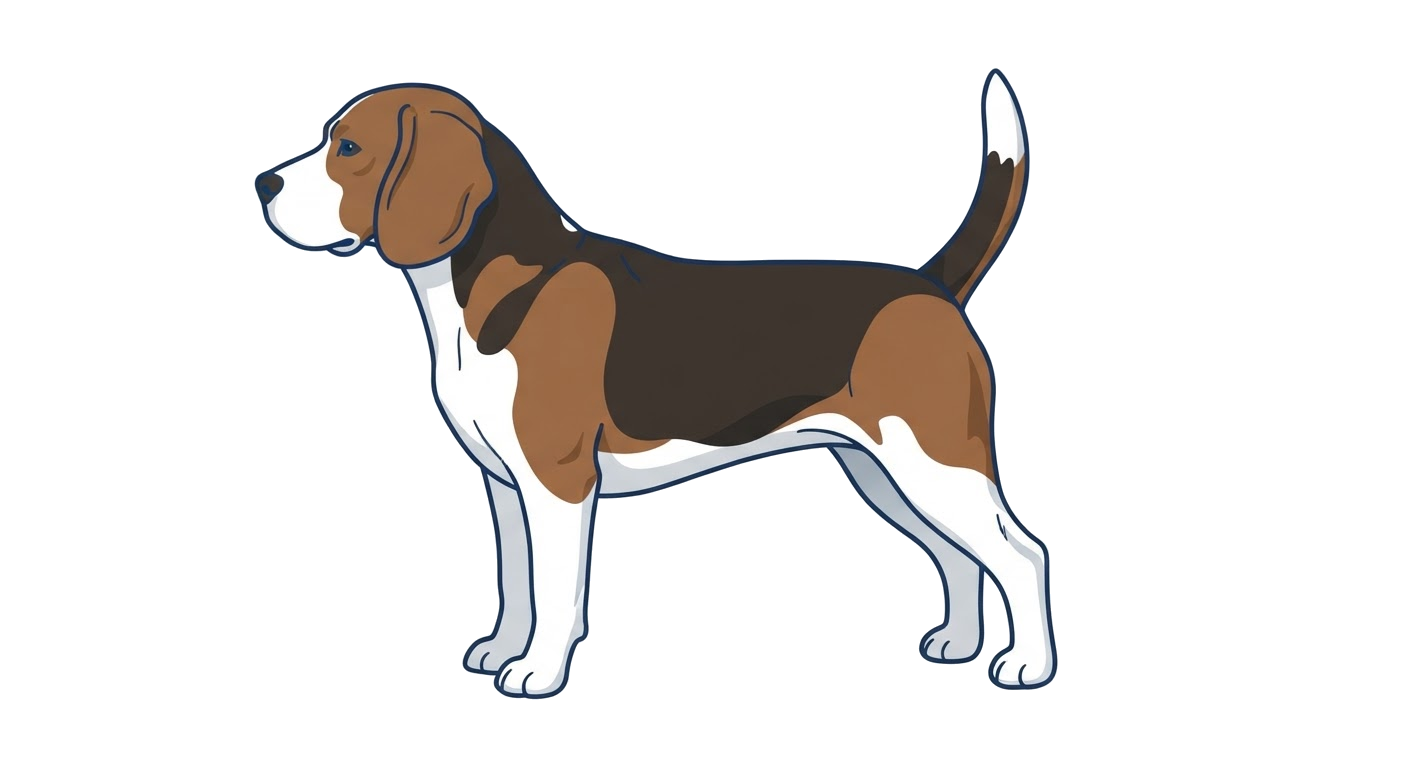
Point 1
Skull
The Beagle's skull is judged on balance rather than size — proportionate to the body, with a clean cheek and a stop typical of the breed. Coarseness or an over-refined head are both faulted.
Colours & patterns
Recognised coats
Which coats the standard accepts — and which are simply popular.
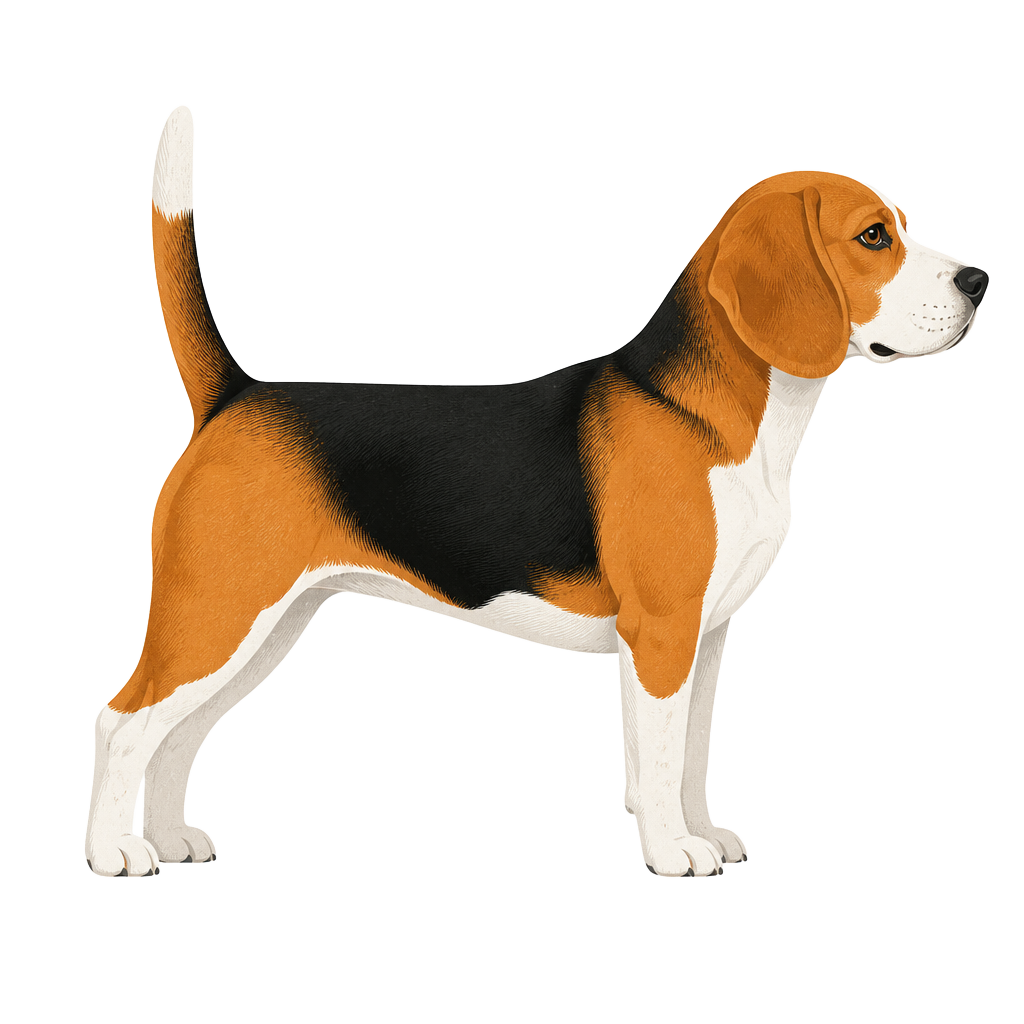
Tricolour
Standard colour
Black, white and tan, the most familiar colour.
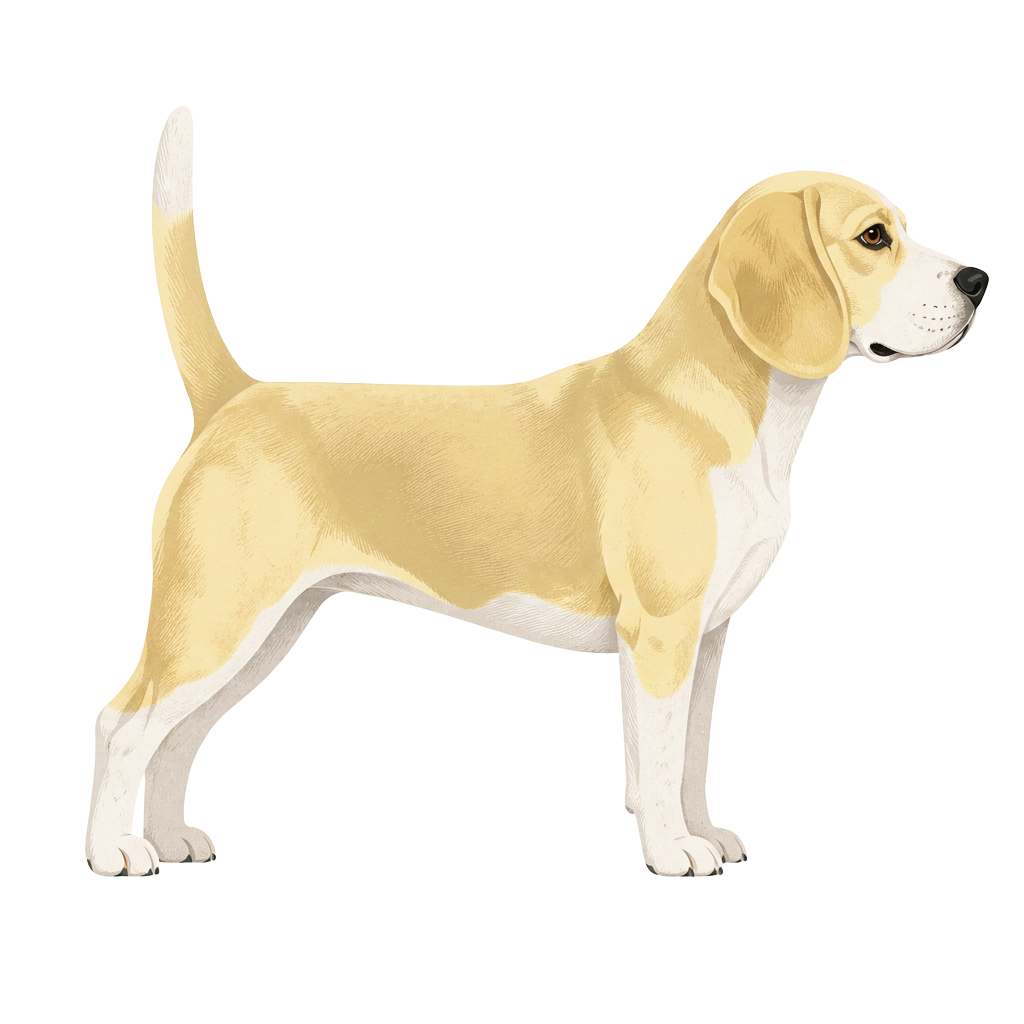
Lemon and White
Standard colour
Pale lemon and white, accepted.
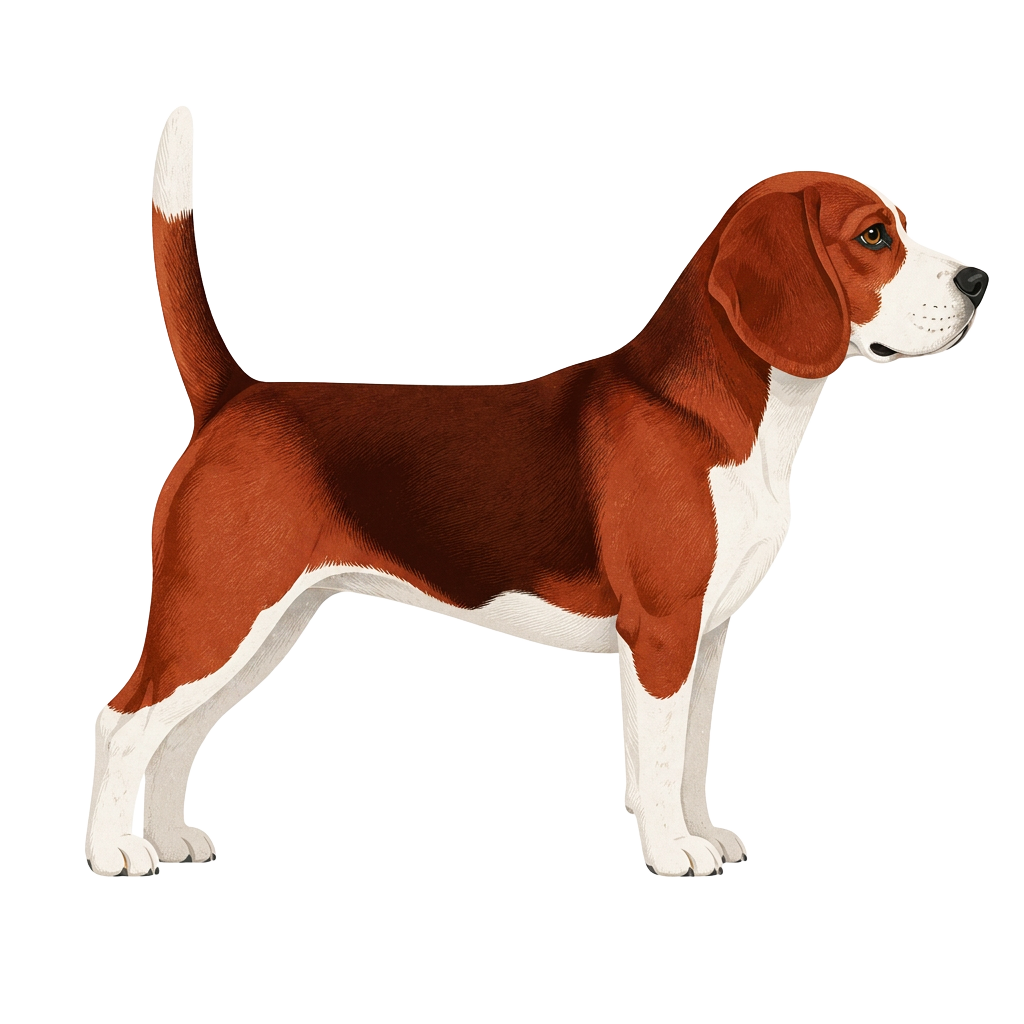
Red and White
Standard colour
Tan-red and white, accepted.
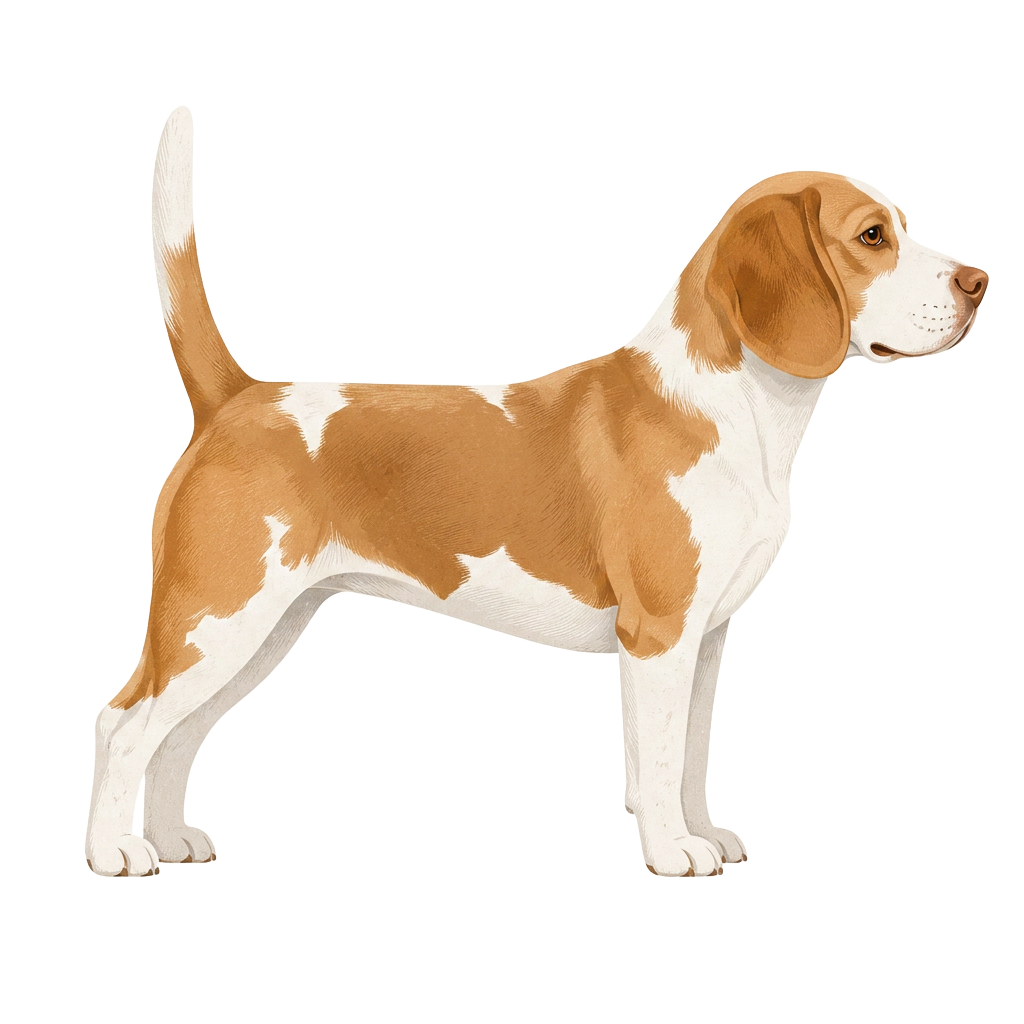
Tan and White
Standard colour
Two-colour variant, accepted.
Timeline
History & development
1300s
Early hound ancestors
Small hound types resembling Beagles are recorded in England.
1830s
Modern breed standardised
Essex hunters fixed the modern type for hunting hare on foot.
1885
AKC recognition
The breed was recognised in the United States.
1970s
Detection work begins
Beagles were adopted by customs agencies for their scenting ability.
Reference
Breed standard summary
- body
- Short, strong back.
- coat
- Short, dense and weatherproof.
- ears
- Long, low set, rounded tips.
- eyes
- Large, brown or hazel, gentle.
- gait
- Free and true.
- head
- Fair length, slightly domed skull.
- size
- Small
- tail
- Set high, carried gaily.
- colour
- Tricolour, Lemon and White, Red and White, Tan and White. Colours outside this list are seen but are not accepted by the kennel clubs.
- temperament
- Typical of the breed: strongest in sociability, energy, independence. Nervousness or aggression are serious faults in the show ring and in the home.
- general appearance
- Sturdy, compact hound with a merry expression.
Health
What to screen for
Green means little to worry about, amber means ask the breeder for test results, red means manage it actively.
Hip dysplasia
Screen for it
Ask for hip scores on breeding parents.
Obesity
Watch closely
Extremely food-motivated; measure meals precisely.
Ear infections
Low concern
Long ears benefit from regular checks.
Epilepsy
Watch closely
Reported in the breed; ask breeders about family history.
General information only — always speak to your vet about your own dog.
From real owners
Dogs like this
Beagles added by PawPoint members through their pet passports. Share yours to appear here.
Loading the wall…
Made for the Beagle
The book, plus prints, hoodies and mugs using our own Beagle illustration — and one everyday accessory that suits any dog.

The book
Pawpoint: The Complete Dog Breed Book
Every officially recognised breed plus the unofficial ones nobody else documents. 400+ pages, hardback, printed and shipped from the UK.
Own stock — shipped by us
Framed poster
Beagle Framed Poster
Museum-weight print of our Beagle illustration, framed or unframed.
Printed to order
Hoodie
Beagle Hoodie
Heavyweight hoodie carrying the Beagle illustration on the chest.
Printed to order
Mug
Beagle Mug
Ceramic mug with the Beagle illustration wrapped around it.
Printed to order
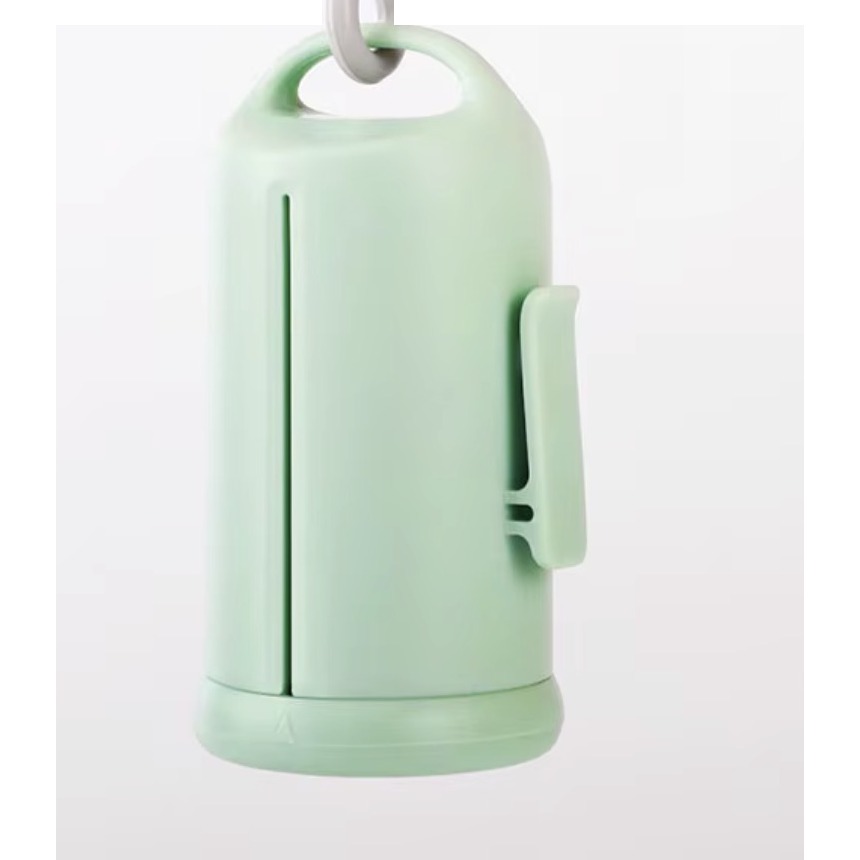
Accessory
Waste Bag Dispenser
Clips to the lead, holds one standard roll.
Fits any dog
Pawpoint on YouTube
Watch the full Beagle video
Breed deep-dives, history and honest ownership talk. New film every week.
Watch now