Newfoundland
NEW-fund-land
Canada· Island of Newfoundland
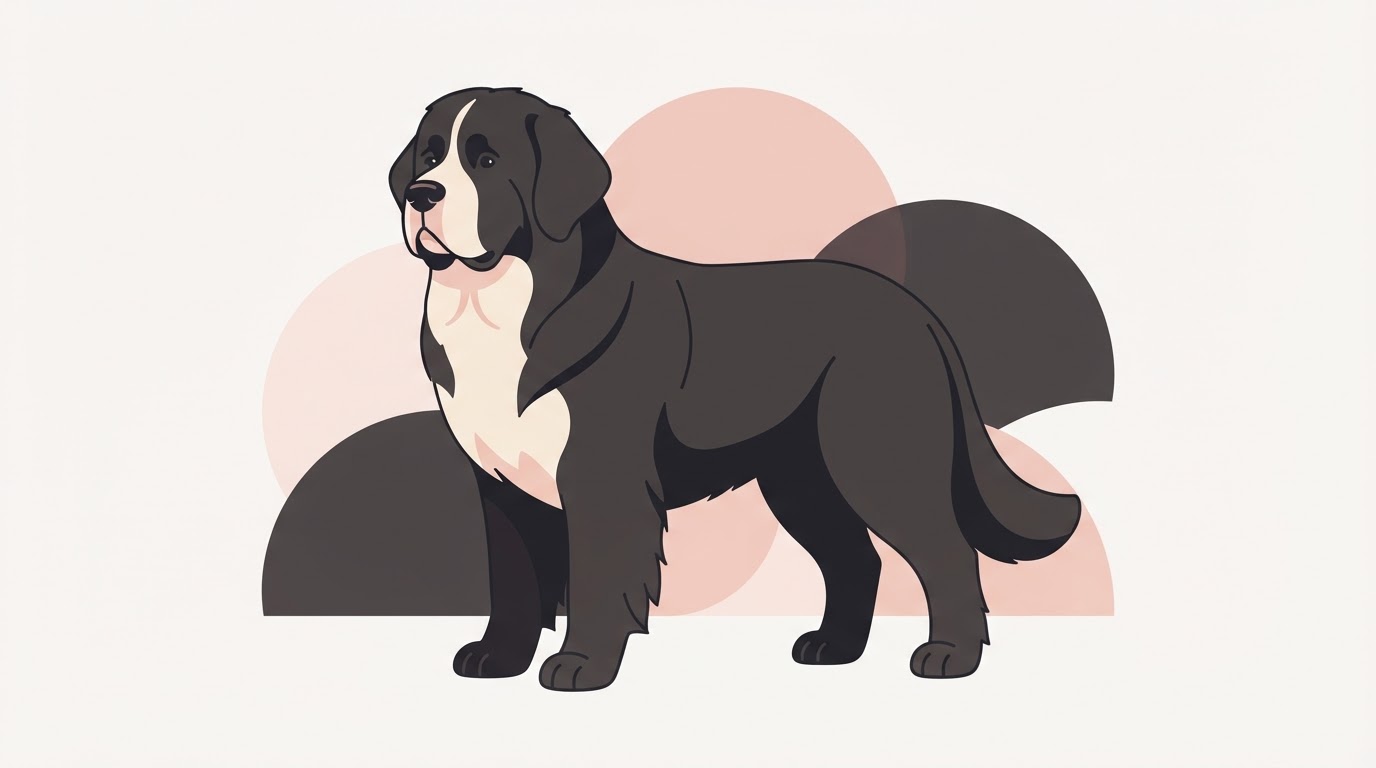
The Newfoundland is a giant, water-loving working dog from the Canadian island of the same name, bred by fishermen for hauling nets, pulling carts and rescuing people from cold water.
At a glance
Quick facts
Size
Giant
Exercise needs
45-60 minutes daily, ideally with swimming
Home size suited to
Large home with space to stretch out
Grooming frequency
Twice weekly brush
Coat length
Medium
Sheds
Yes, heavily when moulting
Lifespan
9-10 years
Town or country
Better suited to the country
Garden size needed
Large and securely fenced
Where it comes from
Origins of the Newfoundland
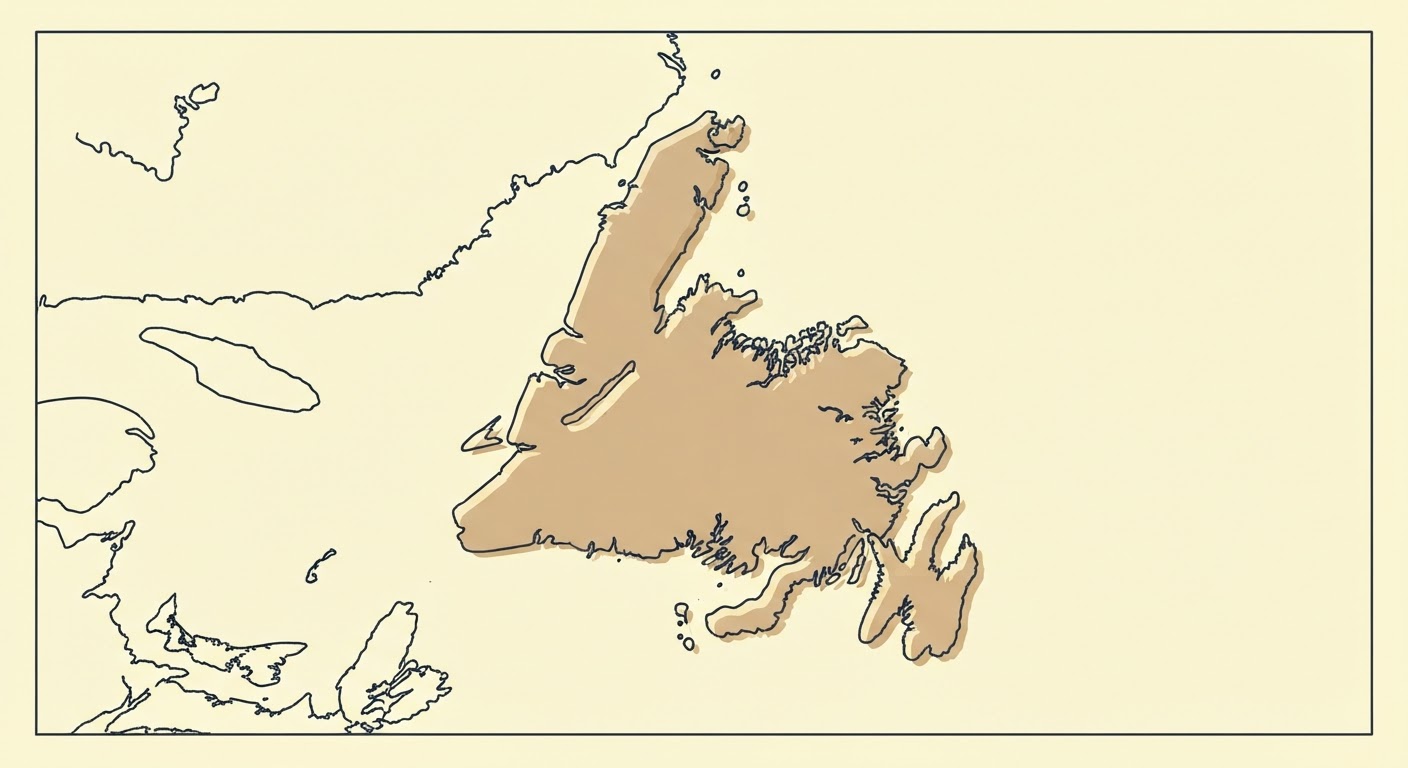
Bred by fishermen on the rugged, cold coast of Newfoundland, the breed needed a thick waterproof coat and webbed feet to work in icy Atlantic waters, hauling nets and lines and, on occasion, pulling people from the sea.
- Region
- Island of Newfoundland
- Climate it was bred for
- Cold, wet North Atlantic coast
- Original job
- Hauling fishing nets and water rescue
The long read
About the breed
Developed alongside fishing communities on Newfoundland's coast from at least the 1600s, the breed likely combines native dogs with those brought by European settlers and fishermen. Its thick, oily double coat and webbed feet made it suited to hauling nets through icy Atlantic waters, and countless historical accounts describe Newfoundlands pulling drowning sailors and children from the sea. The breed was exported to England in the early nineteenth century, where it was refined and further popularised, including by the poet Lord Byron, whose Newfoundland "Boatswain" he memorialised in verse.
Life with a Newfoundland means life with an enormous, gentle giant. The breed is famously patient and good-natured, often described as a "nanny dog" for its calm tolerance of children, though its sheer size means supervision around small children is still essential simply because of accidental knocks. It is not a high-energy breed, content with moderate daily exercise, but it does need access to water for swimming whenever possible, since this is where it is happiest and most naturally exercised.
The dense double coat sheds heavily, particularly during seasonal blowouts, and needs brushing several times a week to prevent matting. Newfoundlands also drool, especially after drinking, and their size means costs for food, medication and equipment are all higher than for smaller breeds.
Today the Newfoundland is kept mainly as a family companion and continues to work in water rescue programmes in several countries, a direct continuation of the role it was originally bred for.
Living with one
Temperament & needs
Our own ratings, based on the breed standard and how these dogs behave in ordinary homes.
Friendliness
5/5
How openly the Newfoundland greets people it does not know.
Trainability
4/5
Eager to please and generally easy to train.
Energy
2/5
Calm and steady, happiest with moderate daily activity.
Barking
2/5
Rarely barks without good reason.
Grooming
4/5
Heavy double coat needs brushing several times a week.
Suits a first-time owner
4/5
How forgiving the Newfoundland is for someone taking on their first dog.
Sociability
5/5
Famously gentle and patient, especially with children.
Independence
2/5
Wants to be near its people rather than off doing its own thing.
Illustrated breed standard
The points of the breed
Hover or tap a numbered point to read what the standard asks for.
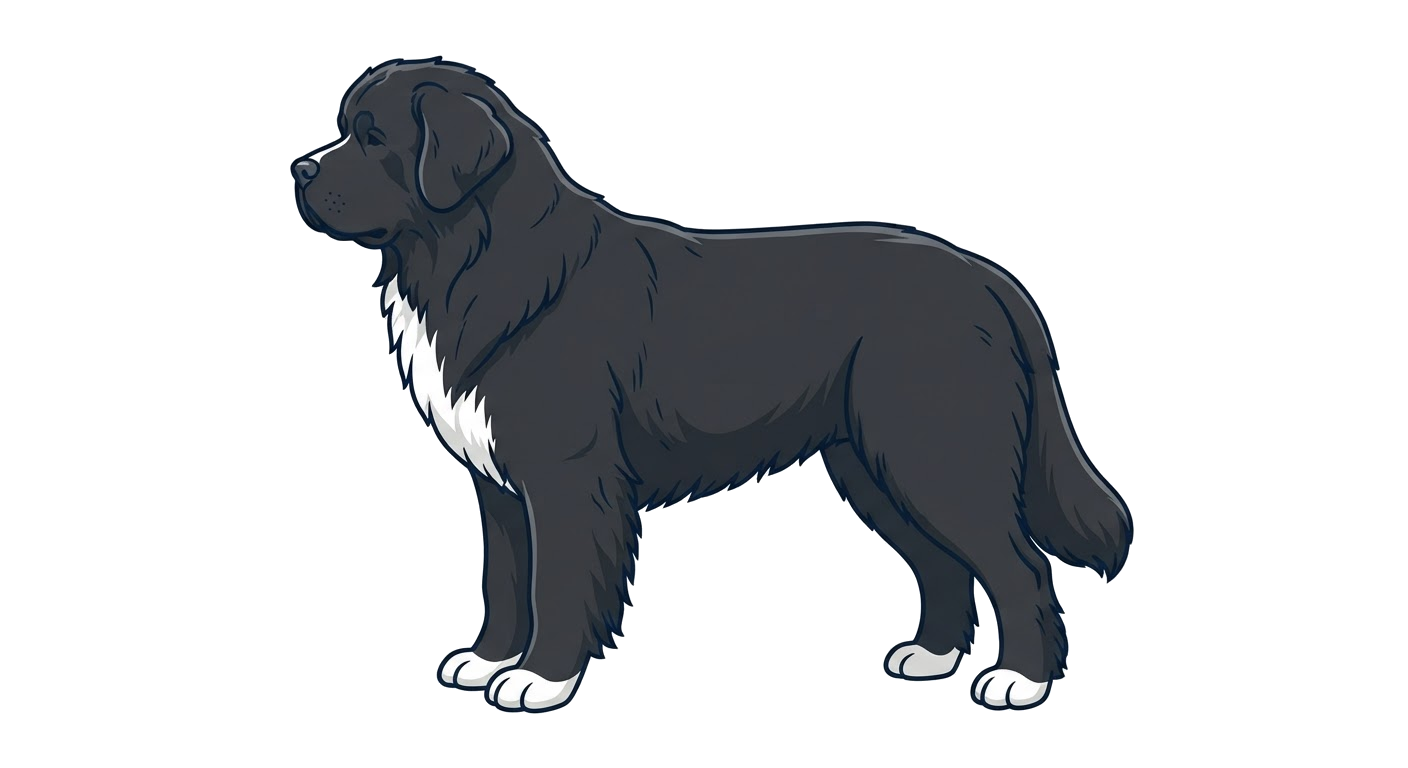
Point 1
Skull
The Newfoundland's skull is judged on balance rather than size — proportionate to the body, with a clean cheek and a stop typical of the breed. Coarseness or an over-refined head are both faulted.
Colours & patterns
Recognised coats
Which coats the standard accepts — and which are simply popular.
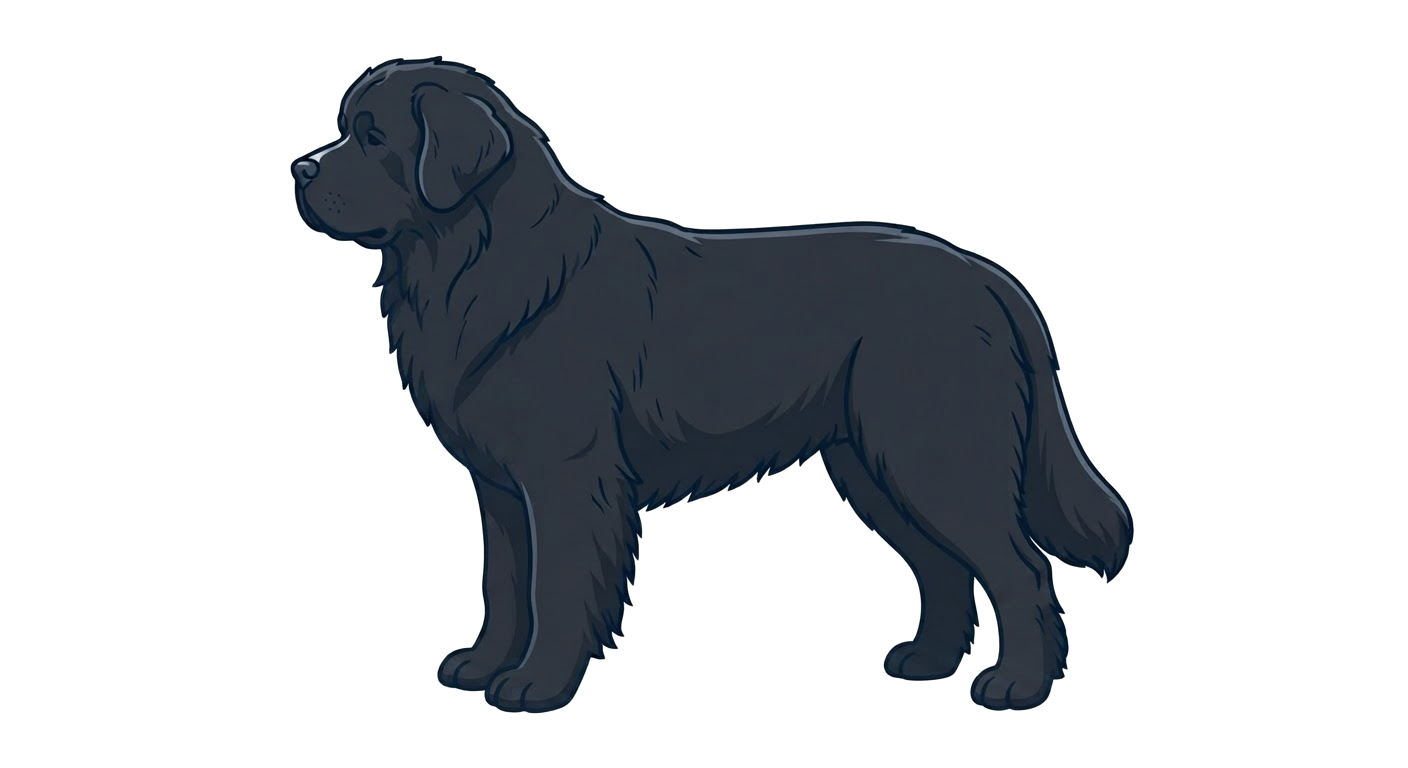
Black
Standard colour
The classic solid black Newfoundland coat.
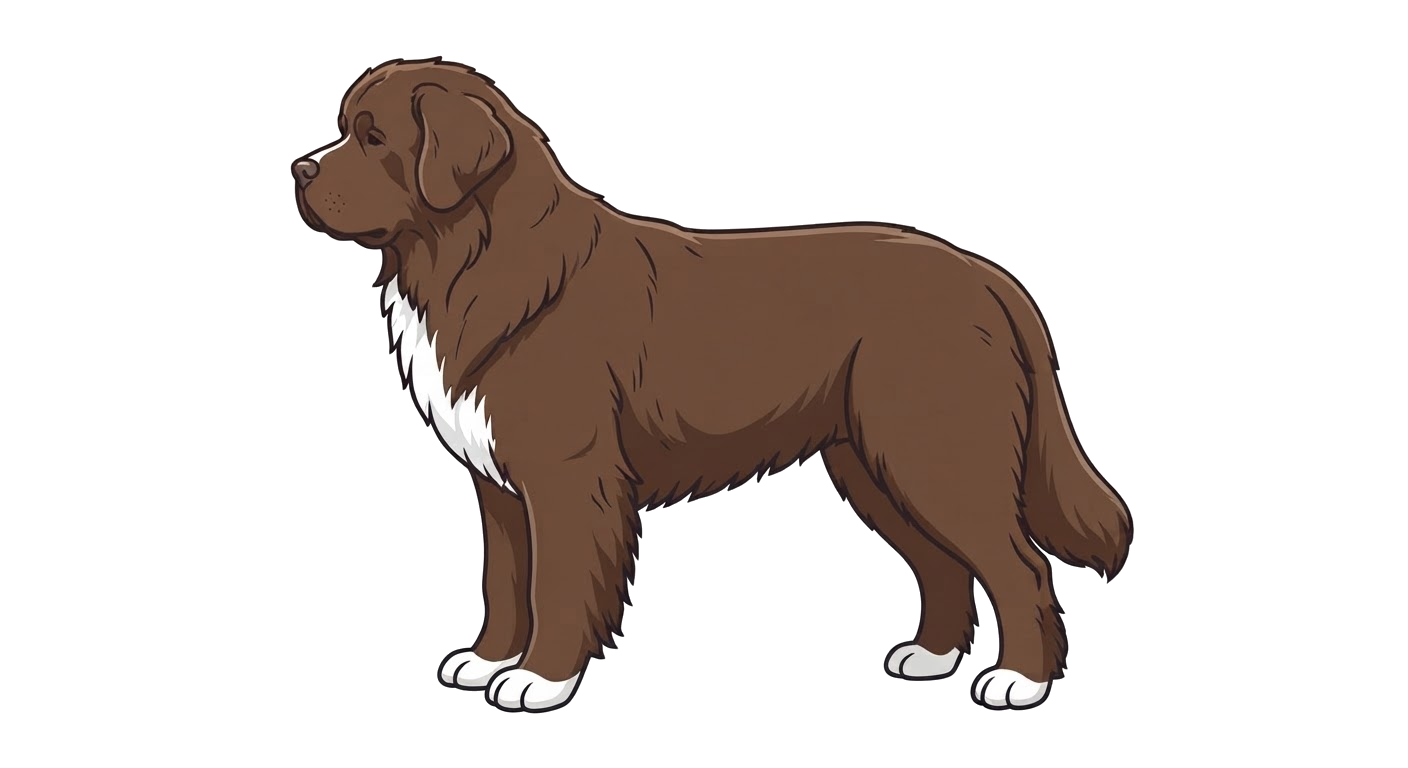
Brown
Standard colour
A rich chocolate brown, fully accepted in the standard.
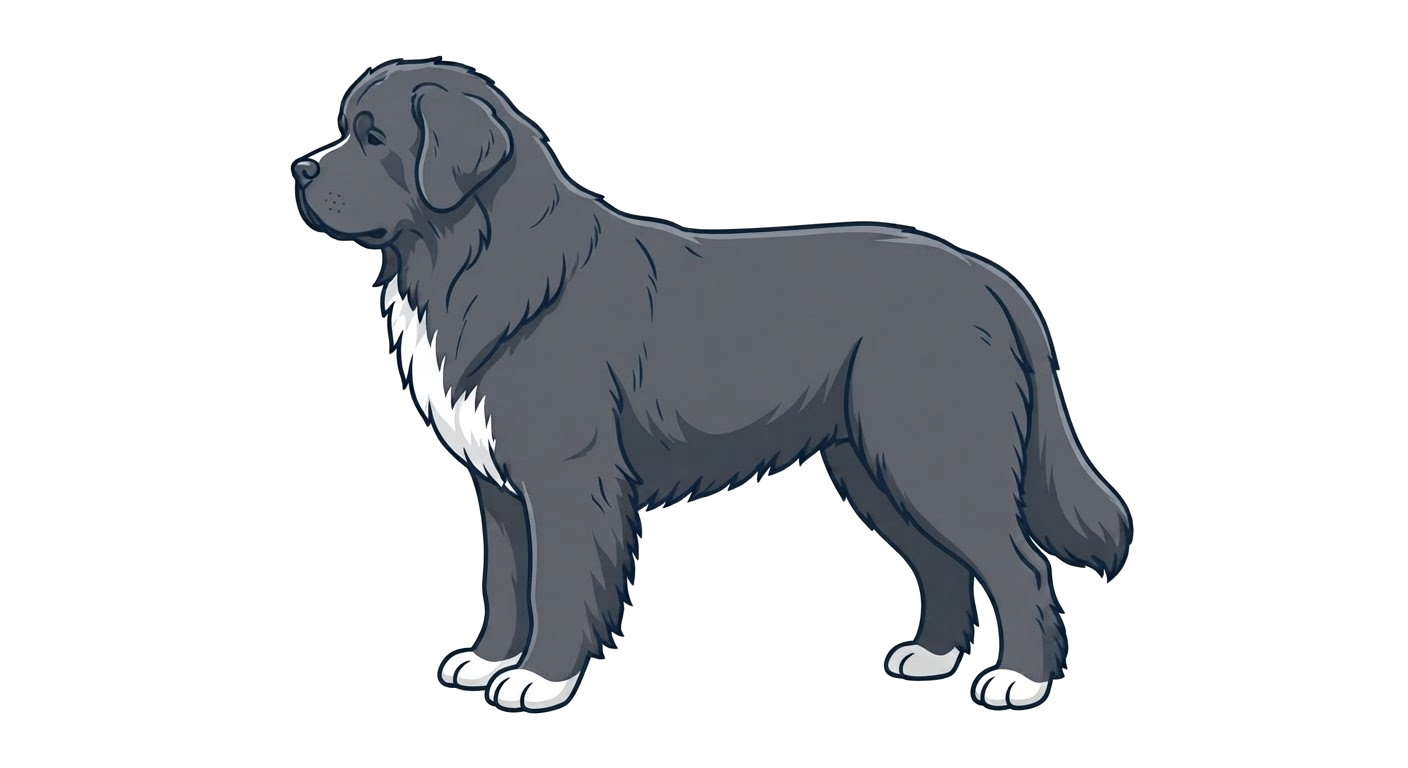
Grey
Standard colour
A less common solid grey shade.
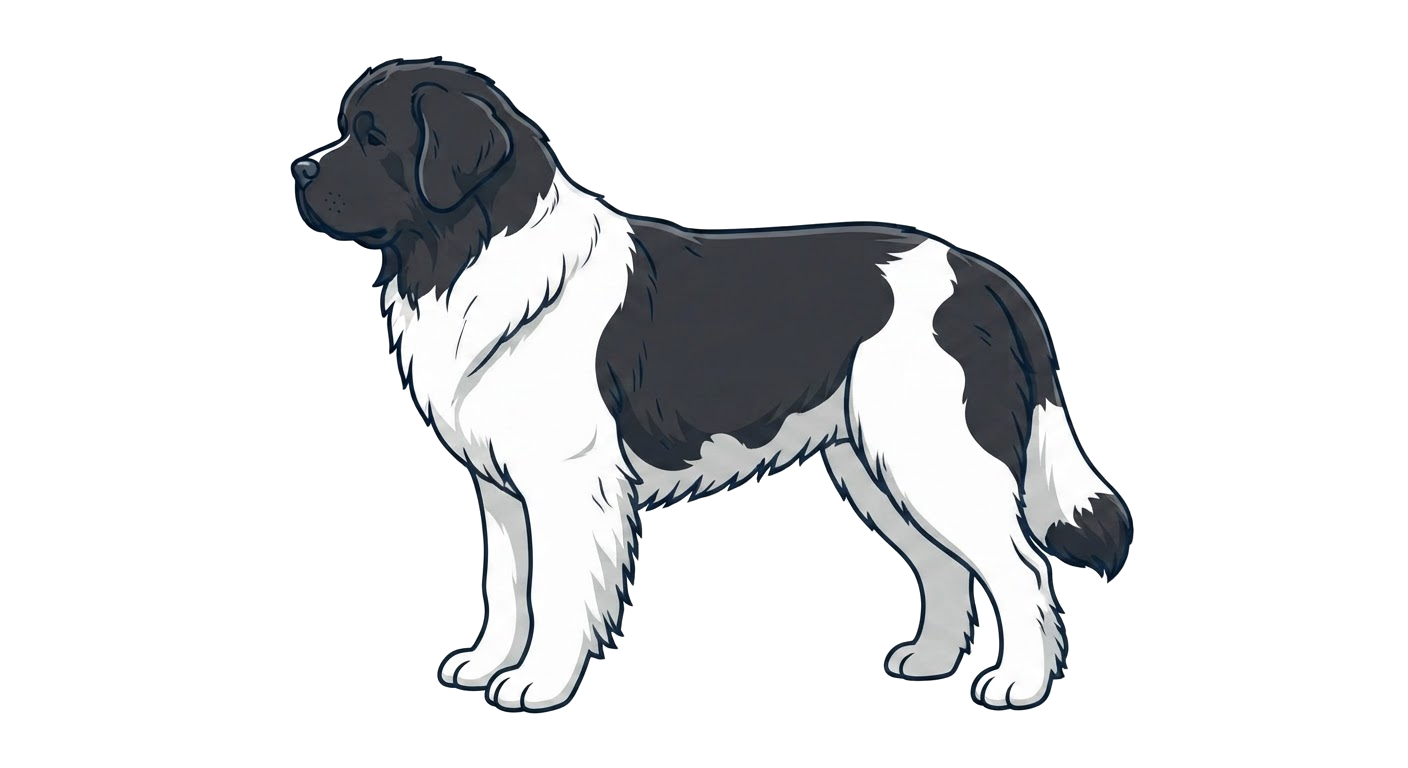
Landseer
Standard colour
White with black markings, named after the painter who depicted the type.
Timeline
History & development
1600s
Origins on the island
Working dogs on the island of Newfoundland develop alongside fishing communities, likely mixing native and European dogs.
1815
Byron's Boatswain
Lord Byron's Newfoundland dog Boatswain is commemorated with a famous monument and epitaph at Newstead Abbey.
1886
UK breed club founded
The Newfoundland Club is established in England to promote and standardise the breed.
20th century
Water rescue role
The breed becomes formally used in water rescue and lifesaving demonstrations across Europe and North America.
1950s onward
The breed today
Kennel club registrations settled into a steady pattern and the Newfoundland moved from a working specialist to a family companion, with breed clubs in the UK and abroad now focused on health testing and keeping true type alive.
Reference
Breed standard summary
- body
- Deep-chested, well-ribbed, strong loin.
- coat
- Water-resistant double coat, dense and coarse outer layer.
- ears
- Small, triangular, lying close to the head.
- eyes
- Small, dark brown, set well apart.
- gait
- Powerful, with a slight roll reflecting swimming ability.
- head
- Broad and massive, with a short, square muzzle.
- size
- Giant, 63-74cm at the shoulder.
- tail
- Broad at the base, reaching to the hocks.
- colour
- Black, Brown, Grey, Landseer. Colours outside this list are seen but are not accepted by the kennel clubs.
- temperament
- Typical of the breed: strongest in sociability, trainability, grooming. Nervousness or aggression are serious faults in the show ring and in the home.
- general appearance
- A massive, powerfully built dog conveying strength, dignity and good nature.
Health
What to screen for
Green means little to worry about, amber means ask the breeder for test results, red means manage it actively.
Hip and elbow dysplasia
Watch closely
Very common in giant breeds; ask for hip and elbow scores on both parents.
Subaortic stenosis
Watch closely
A serious heart defect in the breed; request a cardiac clearance from a specialist.
Cystinuria
Screen for it
A urinary condition that can be screened for genetically before breeding.
Bloat (gastric torsion)
Watch closely
Feed smaller meals and avoid strenuous activity straight after eating.
General information only — always speak to your vet about your own dog.
From real owners
Dogs like this
Newfoundlands added by PawPoint members through their pet passports. Share yours to appear here.
Loading the wall…
Made for the Newfoundland
The book, plus prints, hoodies and mugs using our own Newfoundland illustration — and one everyday accessory that suits any dog.
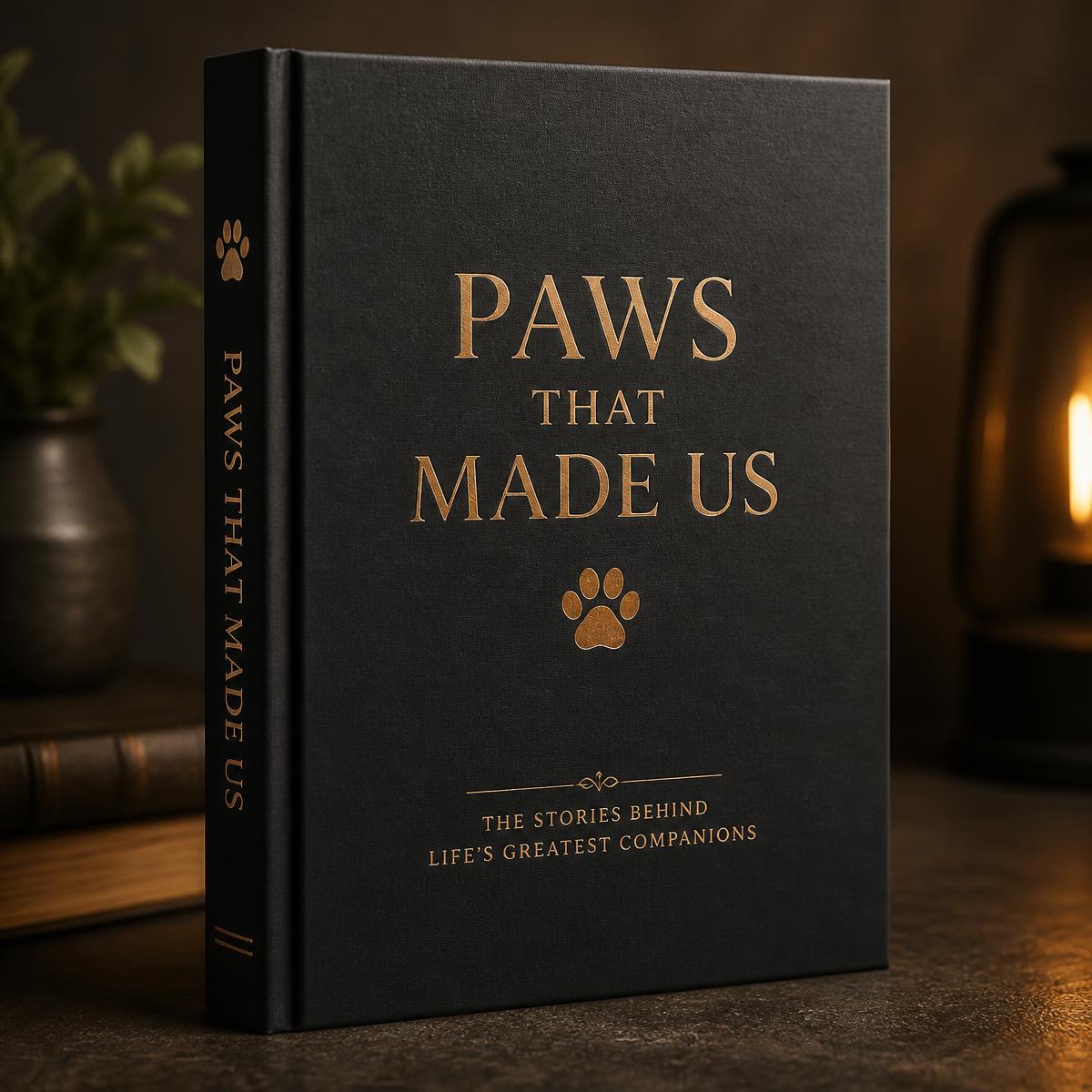
The book
Pawpoint: The Complete Dog Breed Book
Every officially recognised breed plus the unofficial ones nobody else documents. 400+ pages, hardback, printed and shipped from the UK.
Own stock — shipped by us
Framed poster
Newfoundland Framed Poster
Museum-weight print of our Newfoundland illustration, framed or unframed.
Printed to order
Hoodie
Newfoundland Hoodie
Heavyweight hoodie carrying the Newfoundland illustration on the chest.
Printed to order
Mug
Newfoundland Mug
Ceramic mug with the Newfoundland illustration wrapped around it.
Printed to order
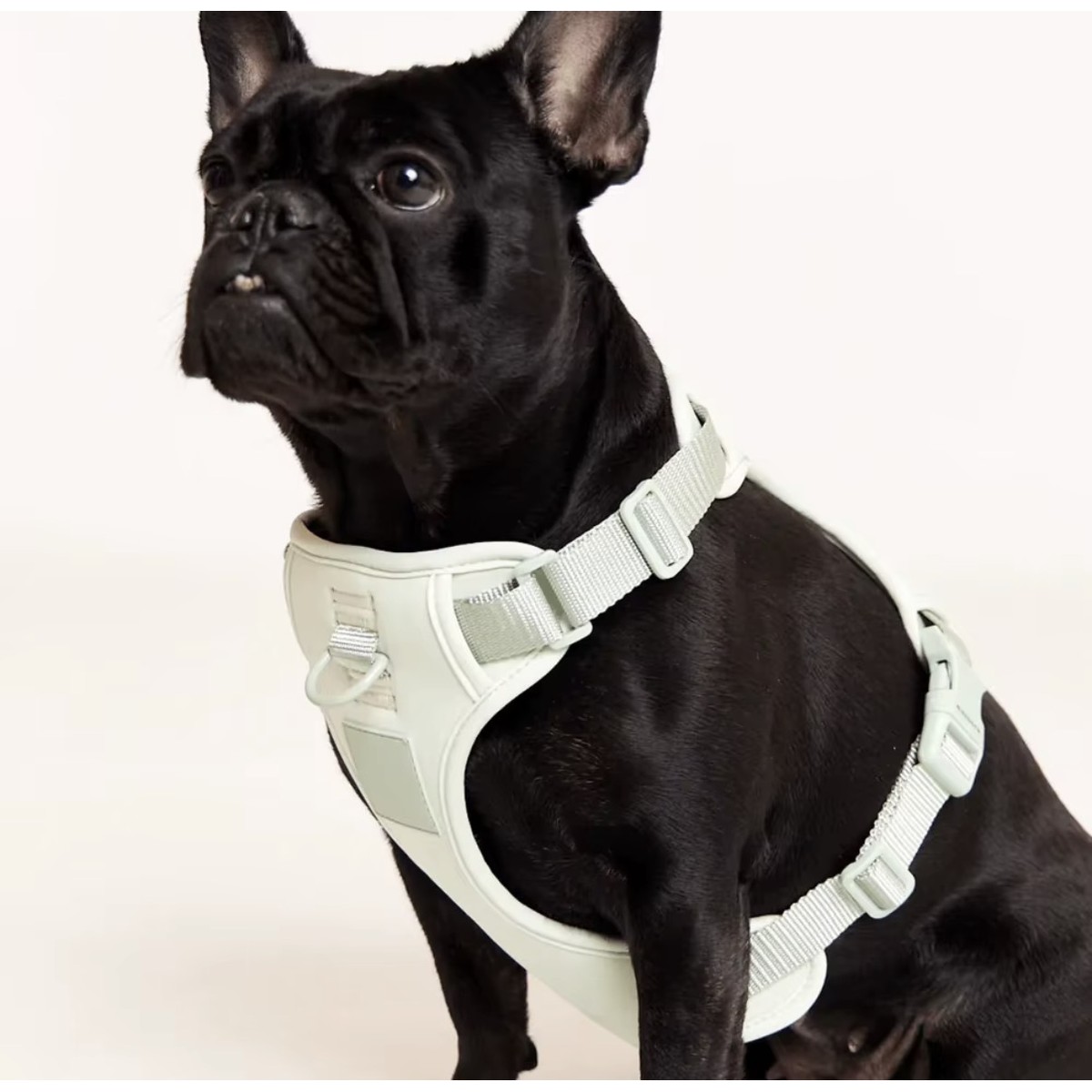
Accessory
Adjustable Harness (S/M/L)
Fully adjustable chest and girth straps — no fixed sizing.
Fits any dog
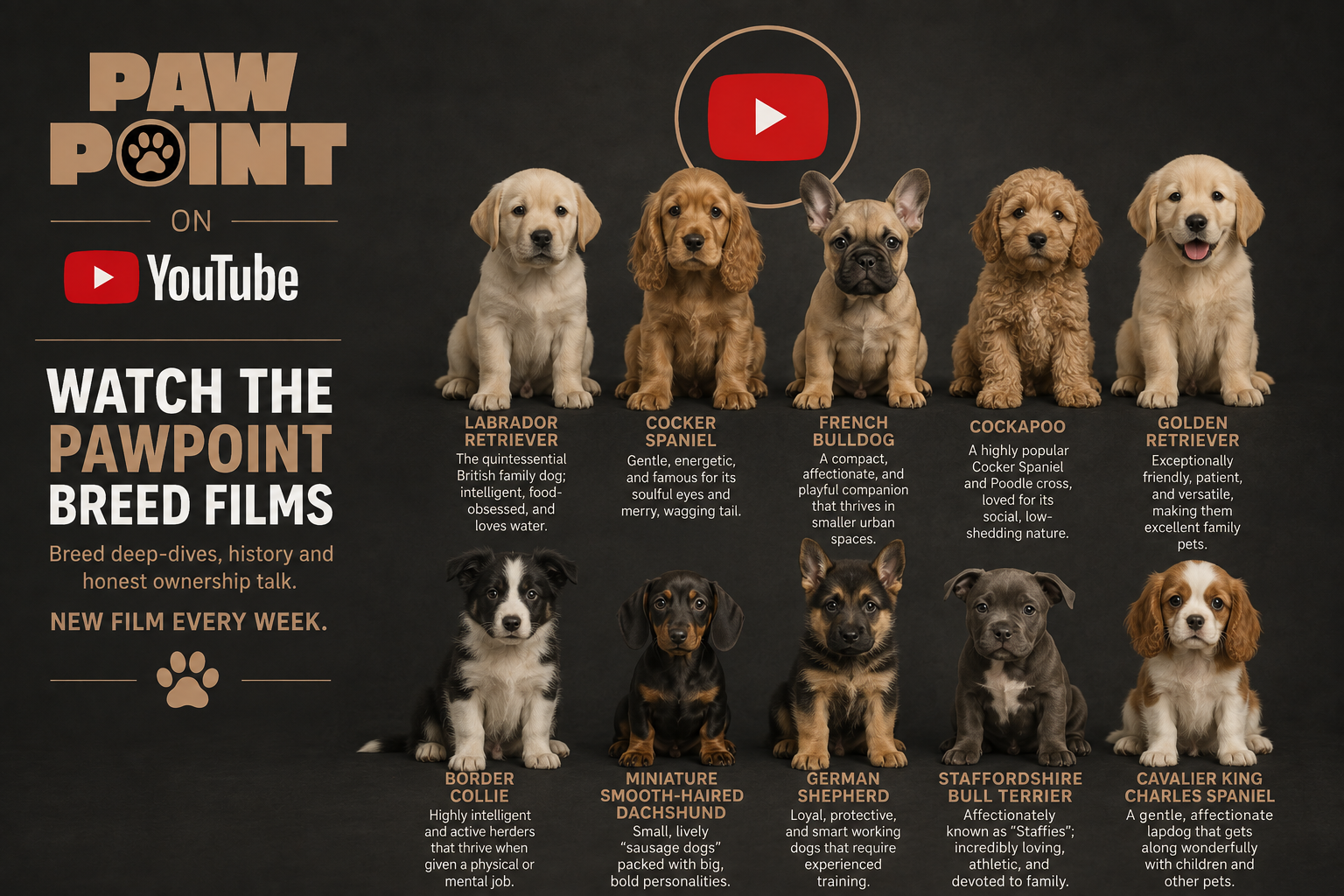
Pawpoint on YouTube
Watch the full Newfoundland video
Breed deep-dives, history and honest ownership talk. New film every week.
Watch now