
Basenji
buh-SEN-jee
Democratic Republic of the Congo· Congo Basin
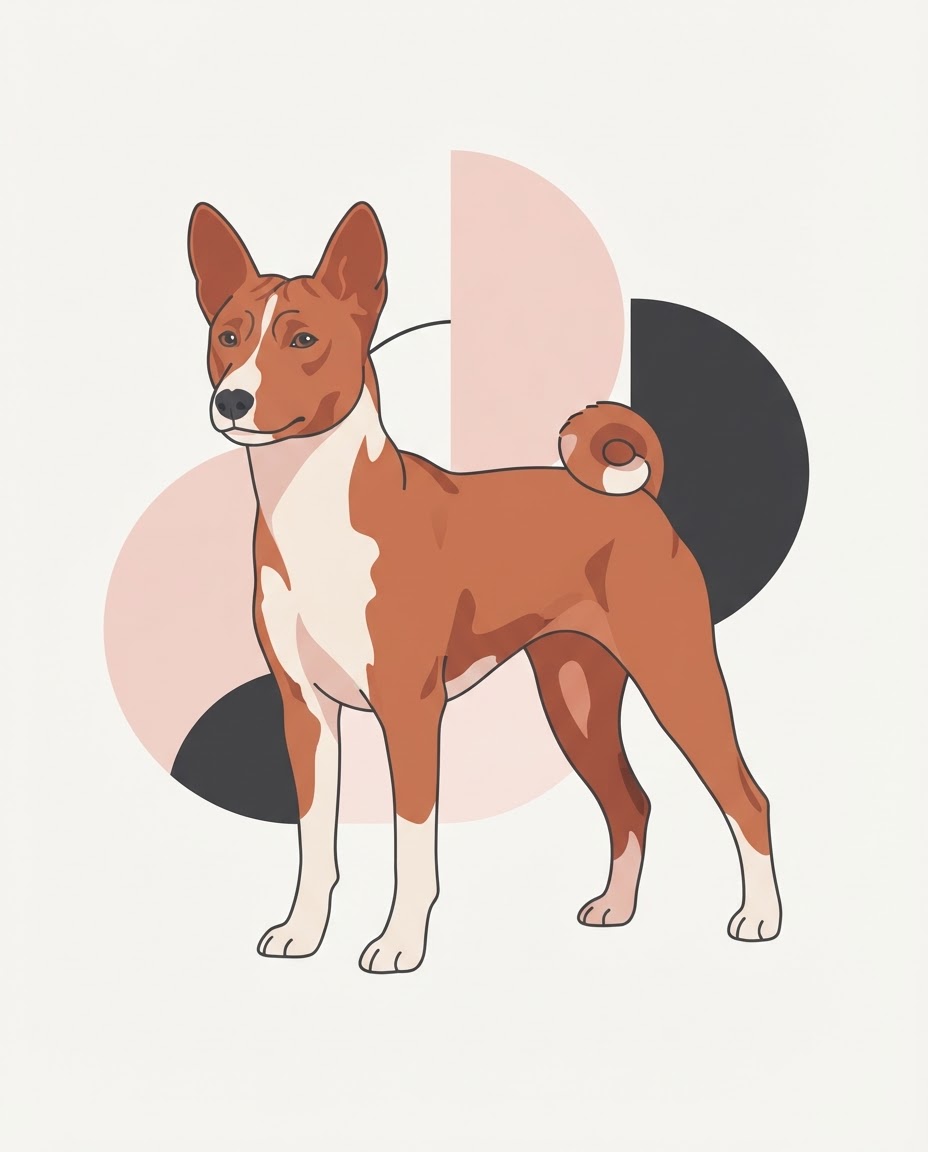
The Basenji is a small, short-coated hunting dog from the Congo Basin, famous for not barking and for washing itself like a cat.
At a glance
Quick facts
Size
Small
Exercise needs
45-60 minutes daily, secure area
Home size suited to
Flat or small home
Grooming frequency
Weekly brush
Coat length
Short
Sheds
Yes
Lifespan
12-14 years
Town or country
Happiest in the country
Garden size needed
Small garden or none
Where it comes from
Origins of the Basenji
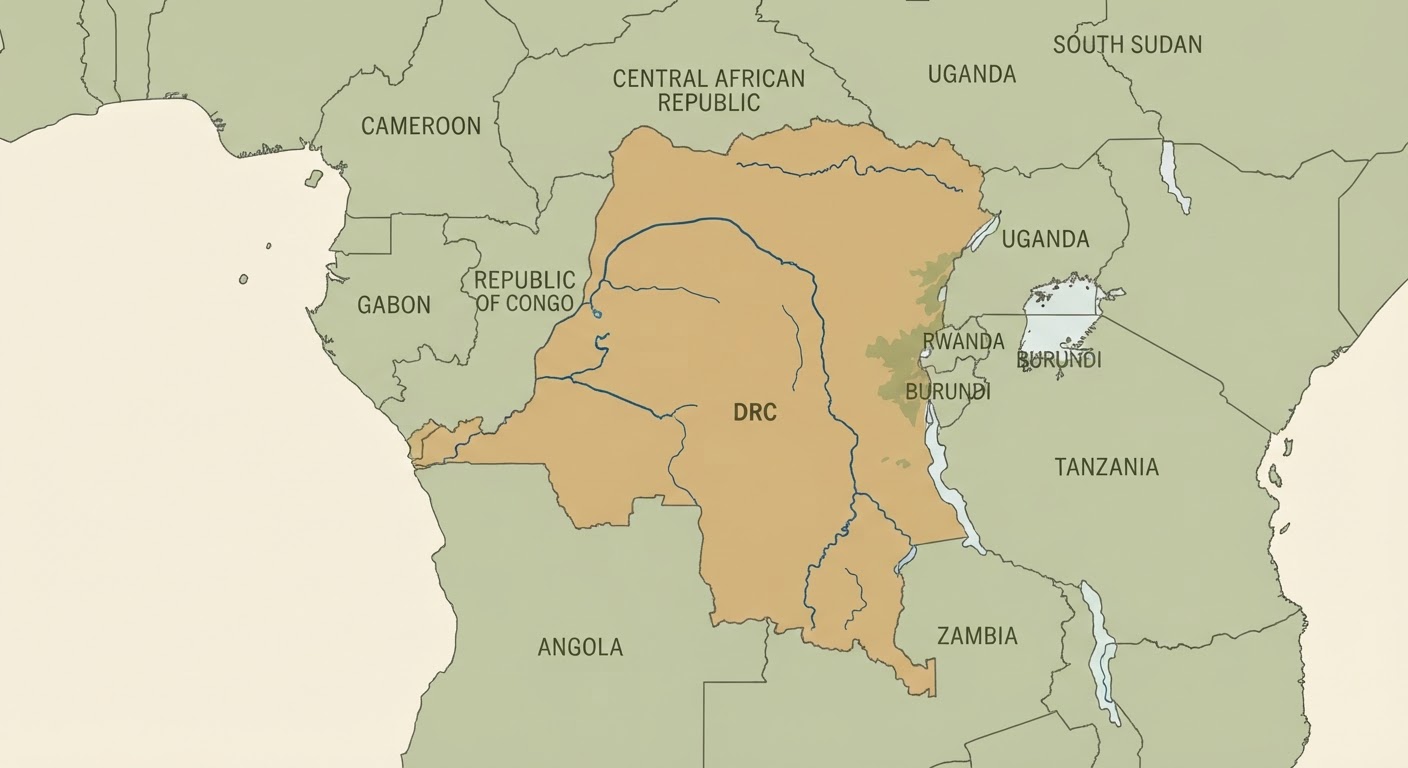
Hunted alongside Central African tribespeople in the dense forest and savanna of the Congo Basin, where silence mattered more than voice. Its short coat and lean build suited a hot, humid climate.
- Region
- Congo Basin
- Climate it was bred for
- Tropical rainforest and savanna
- Original job
- Driving small game into hunters nets
The long read
About the breed
It is one of the oldest dog types known, depicted in ancient Egyptian art and kept by Central African tribes long before European contact, where it hunted small game by driving it into nets, working largely silently so as not to alert prey or rival hunters. British and American breeders imported foundation stock from the Congo in the 1930s and later, and a further import in the 1990s widened the gene pool.
Living with a Basenji means living with a genuinely independent, cat-like dog. It does not bark in the conventional sense but makes a distinctive yodelling sound called a "baroo", and it is fastidious, curious and often aloof with strangers while deeply attached to its own household. It has a strong prey drive and a talent for climbing and escaping, so secure fencing and recall training from puppyhood are essential rather than optional. The short coat needs almost no grooming, but the breed's intelligence needs an outlet or it will find its own, usually destructive, entertainment.
Today it remains a minority breed valued by owners who want a low-maintenance coat paired with a strong-willed, almost feline character. It suits experienced owners rather than first-time dog keepers, and its females typically come into season only once a year, unlike most breeds.
Living with one
Temperament & needs
Our own ratings, based on the breed standard and how these dogs behave in ordinary homes.
Friendliness
2/5
How openly the Basenji greets people it does not know.
Trainability
2/5
Intelligent but not eager to obey.
Energy
4/5
Athletic and needs daily outlets.
Barking
1/5
Does not bark, but makes other vocal sounds.
Grooming
1/5
Short coat, minimal grooming needed.
Suits a first-time owner
2/5
How forgiving the Basenji is for someone taking on their first dog.
Sociability
2/5
Reserved with strangers, close to its family.
Independence
5/5
Highly self-reliant, almost cat-like.
Illustrated breed standard
The points of the breed
Hover or tap a numbered point to read what the standard asks for.
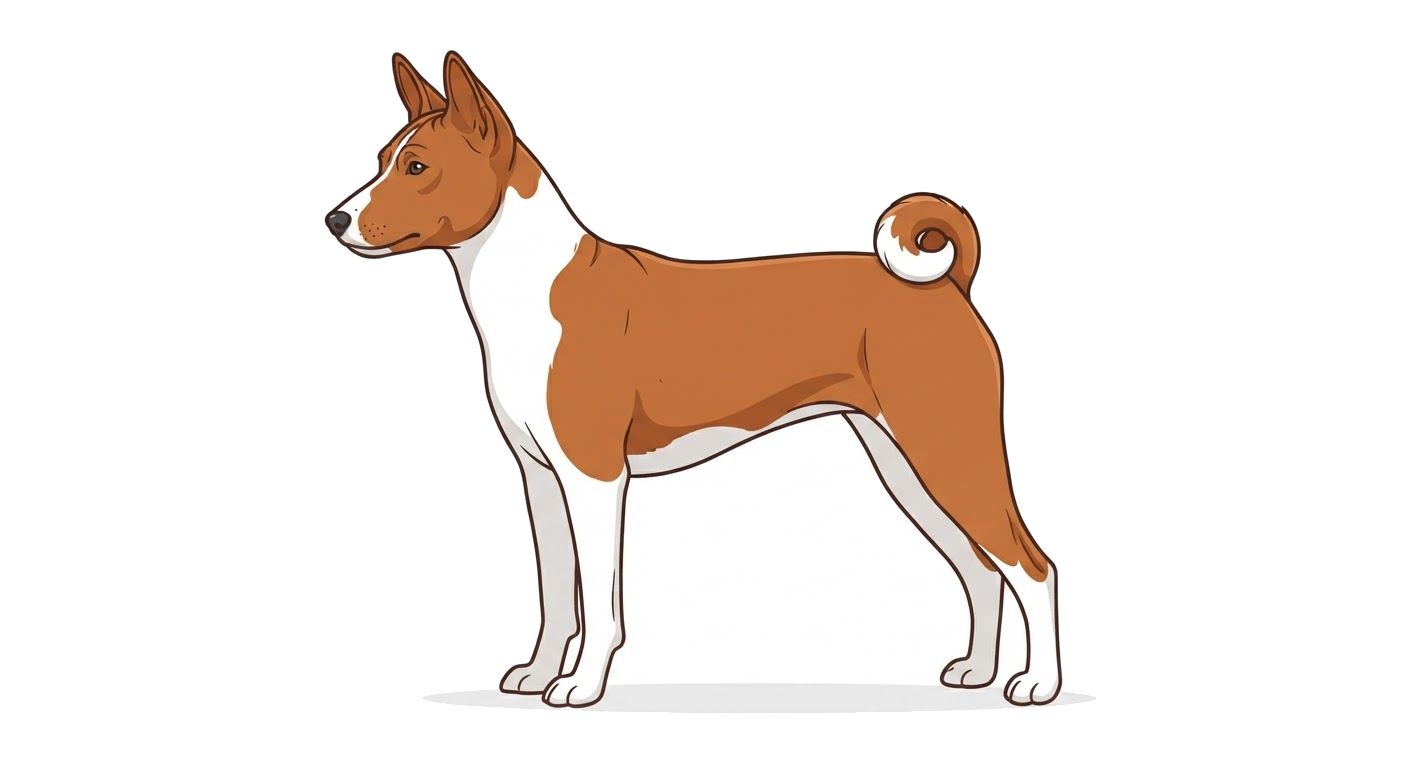
Point 1
Skull
The Basenji's skull is judged on balance rather than size — proportionate to the body, with a clean cheek and a stop typical of the breed. Coarseness or an over-refined head are both faulted.
Colours & patterns
Recognised coats
Which coats the standard accepts — and which are simply popular.
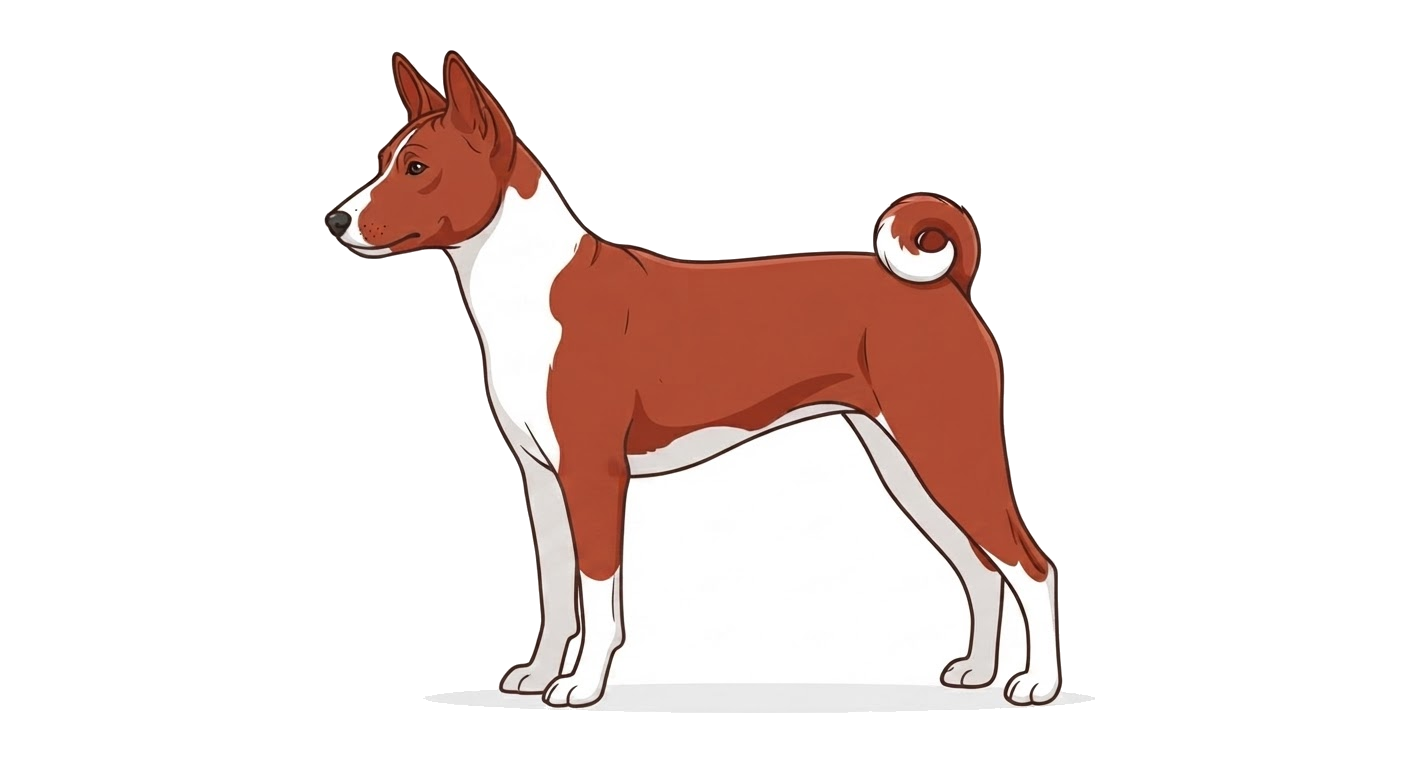
Red and White
Standard colour
Classic colour, deep red with white feet, chest and tail tip.
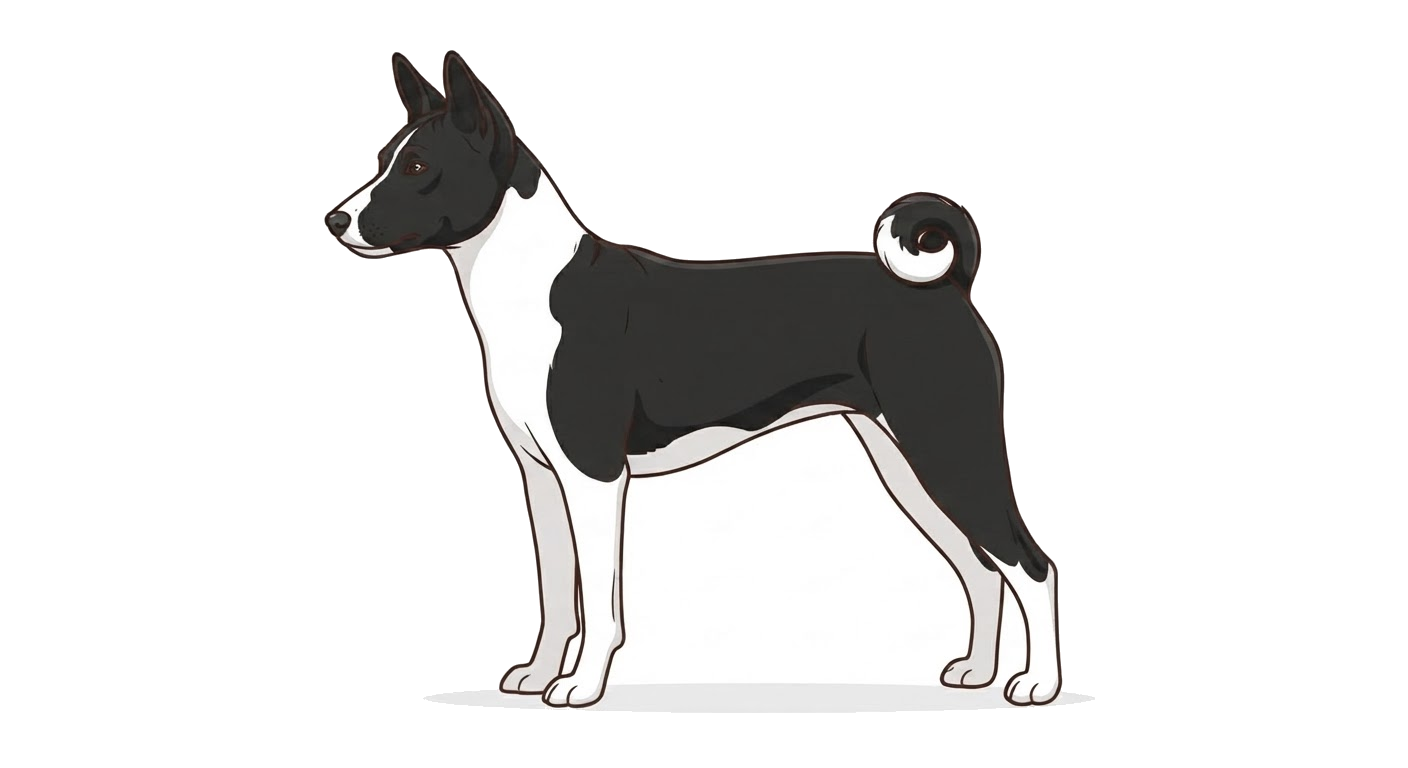
Black and White
Standard colour
Solid black with white markings.
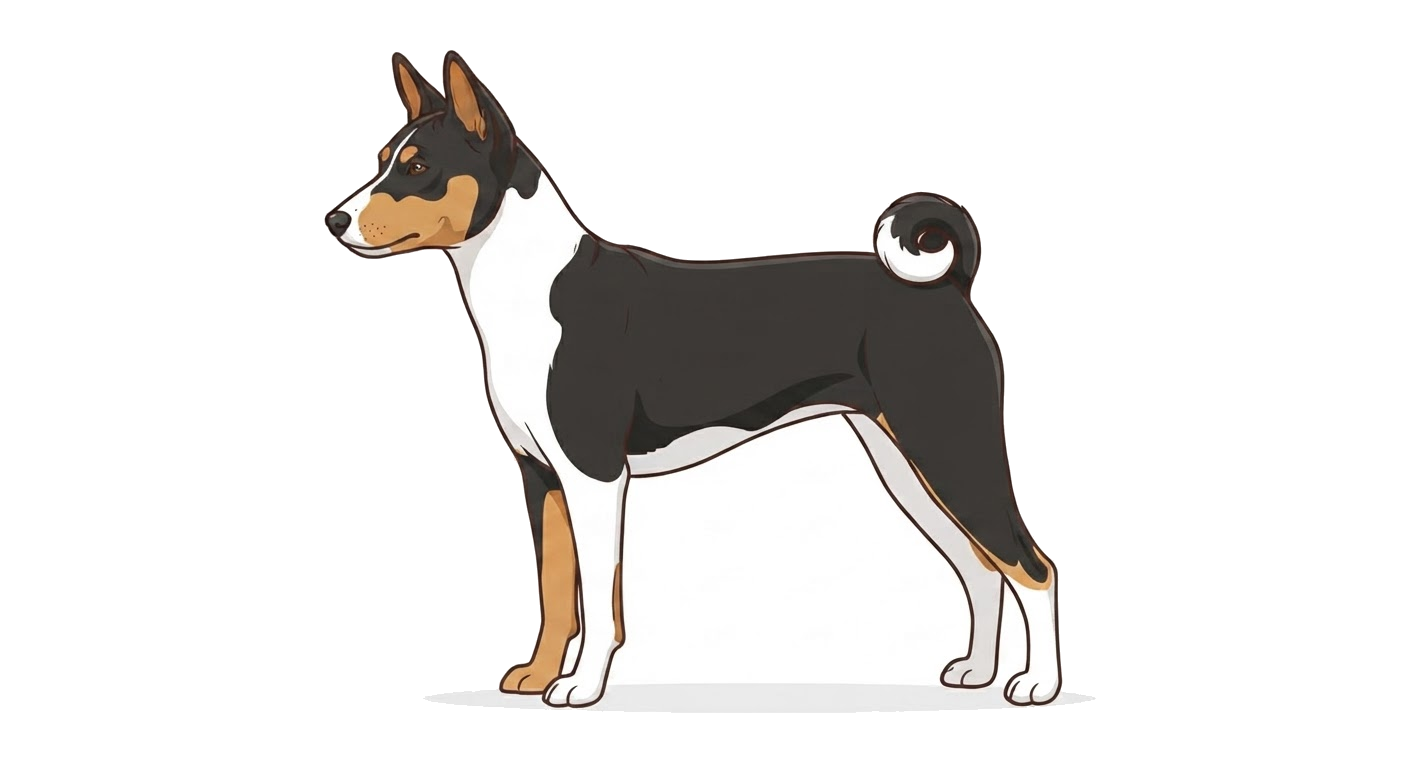
Tricolour
Standard colour
Black and red with white markings.
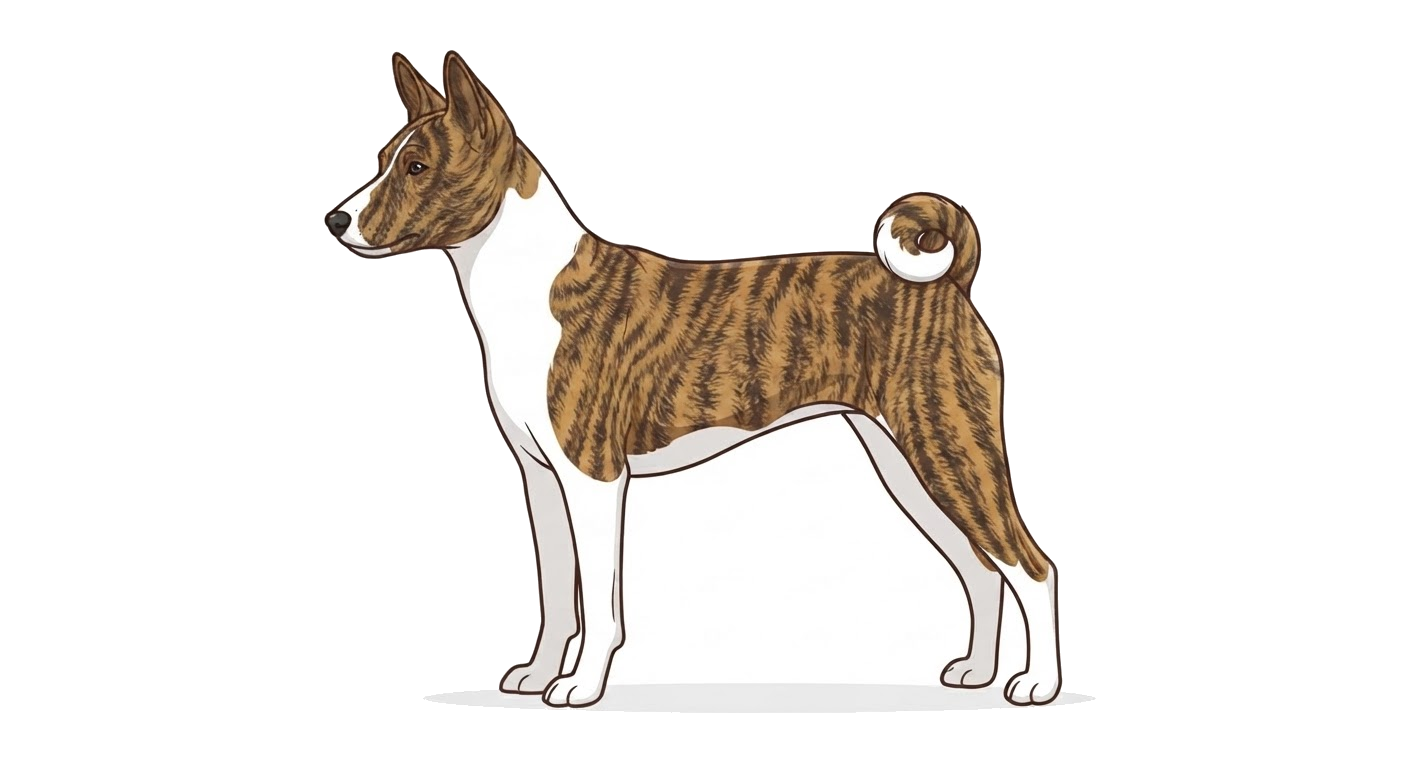
Brindle
Standard colour
Red base with black striping.
Timeline
History & development
Ancient Egypt
Early depictions
Dogs resembling the Basenji appear in Egyptian tomb art and artefacts.
1930s
First Western imports
British and American breeders brought foundation stock from the Congo.
1943
AKC recognition
The breed gained recognition in the United States.
1990s
New import lines
Further imports from Central Africa widened the breed's gene pool.
Reference
Breed standard summary
- body
- Short-backed and finely built.
- coat
- Short, sleek and fine.
- ears
- Small, erect, forward-tilting.
- eyes
- Dark, almond-shaped.
- gait
- Fast, effortless, catlike stride.
- head
- Flat skull, wrinkled when alert.
- size
- Small
- tail
- Set high, curled tightly over the spine.
- colour
- Red and White, Black and White, Tricolour, Brindle. Colours outside this list are seen but are not accepted by the kennel clubs.
- temperament
- Typical of the breed: strongest in independence, energy, trainability. Nervousness or aggression are serious faults in the show ring and in the home.
- general appearance
- Small, elegant, short-coated hound with a wrinkled forehead.
Health
What to screen for
Green means little to worry about, amber means ask the breeder for test results, red means manage it actively.
Fanconi syndrome
Screen for it
Ask for DNA test results in breeding stock; a treatable kidney condition if caught early.
Progressive retinal atrophy
Screen for it
DNA testing available and recommended.
Hypothyroidism
Low concern
Occasional in the breed; annual blood panels can catch it early.
Umbilical hernia
Low concern
Usually minor and cosmetic if it occurs.
General information only — always speak to your vet about your own dog.
From real owners
Dogs like this
Basenjis added by PawPoint members through their pet passports. Share yours to appear here.
Loading the wall…
Made for the Basenji
The book, plus prints, hoodies and mugs using our own Basenji illustration — and one everyday accessory that suits any dog.

The book
Pawpoint: The Complete Dog Breed Book
Every officially recognised breed plus the unofficial ones nobody else documents. 400+ pages, hardback, printed and shipped from the UK.
Own stock — shipped by us
Framed poster
Basenji Framed Poster
Museum-weight print of our Basenji illustration, framed or unframed.
Printed to order
Hoodie
Basenji Hoodie
Heavyweight hoodie carrying the Basenji illustration on the chest.
Printed to order
Mug
Basenji Mug
Ceramic mug with the Basenji illustration wrapped around it.
Printed to order

Accessory
Waste Bag Dispenser
Clips to the lead, holds one standard roll.
Fits any dog
Pawpoint on YouTube
Watch the full Basenji video
Breed deep-dives, history and honest ownership talk. New film every week.
Watch now