
Mastiff
MASS-tif
England· England, widespread historically
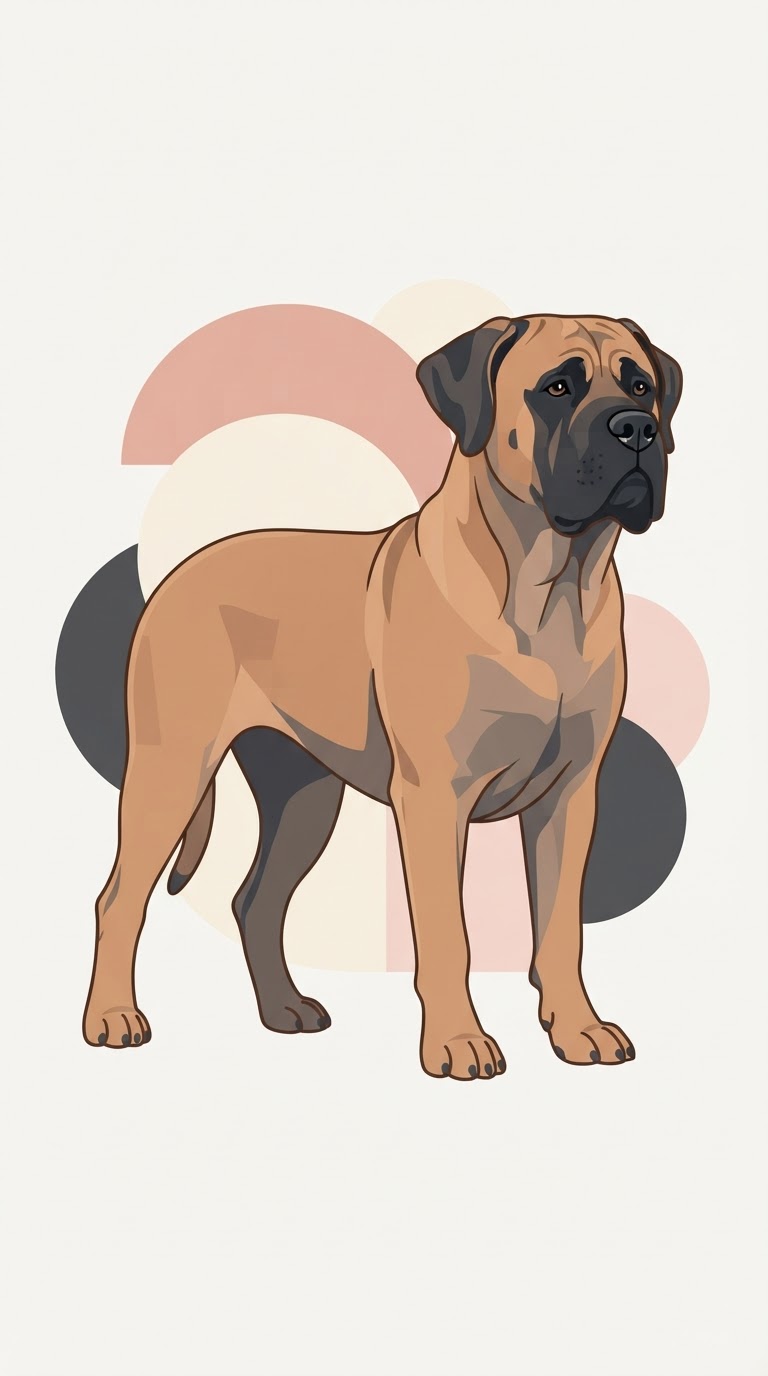
The Mastiff is one of Britain's oldest giant breeds, a massive, powerfully built guard dog with a history stretching back to ancient warfare and estate protection.
At a glance
Quick facts
Size
Giant
Exercise needs
45-60 minutes daily
Home size suited to
Large home with space to stretch out
Grooming frequency
Weekly brush
Coat length
Short
Sheds
Yes, heavily when moulting
Lifespan
6-10 years
Town or country
Better suited to the country
Garden size needed
Large and securely fenced
Where it comes from
Origins of the Mastiff
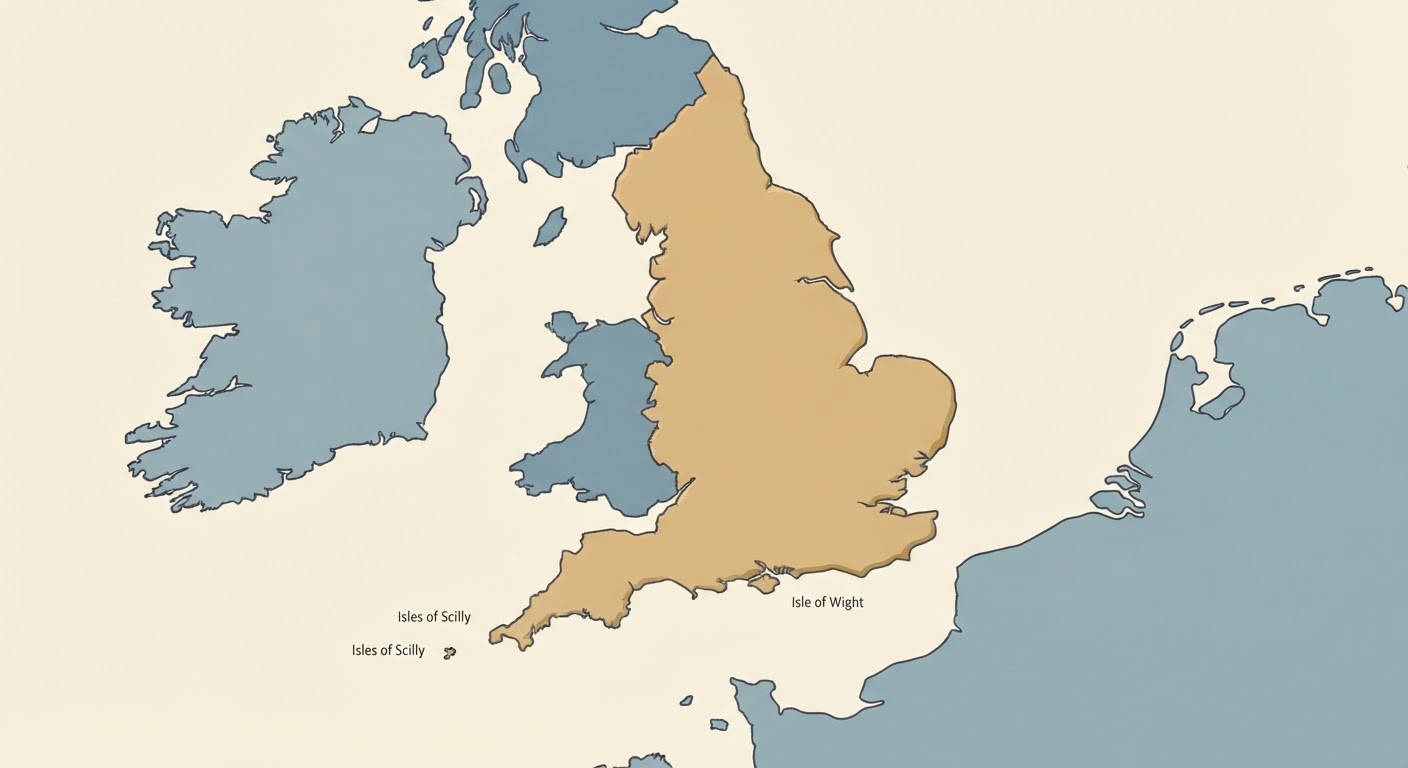
Mastiff-type dogs were used across Britain for centuries to guard great estates and, in earlier eras, accompanied armies into battle, their sheer size and weight making them a formidable deterrent.
- Region
- England, widespread historically
- Climate it was bred for
- Temperate, damp British Isles
- Original job
- Guarding estates and property, war dog
Living with one
Temperament & needs
Our own ratings, based on the breed standard and how these dogs behave in ordinary homes.
Friendliness
4/5
How openly the Mastiff greets people it does not know.
Trainability
3/5
Willing but its size means training should start early.
Energy
2/5
A calm, low-key dog content with moderate exercise.
Barking
2/5
Not a frequent barker, relies on presence rather than noise.
Grooming
2/5
Short coat is easy to maintain but the breed drools and sheds.
Suits a first-time owner
3/5
How forgiving the Mastiff is for someone taking on their first dog.
Sociability
4/5
Gentle and affectionate with its own family.
Independence
3/5
Confident and steady, not clingy but not aloof.
Illustrated breed standard
The points of the breed
Hover or tap a numbered point to read what the standard asks for.
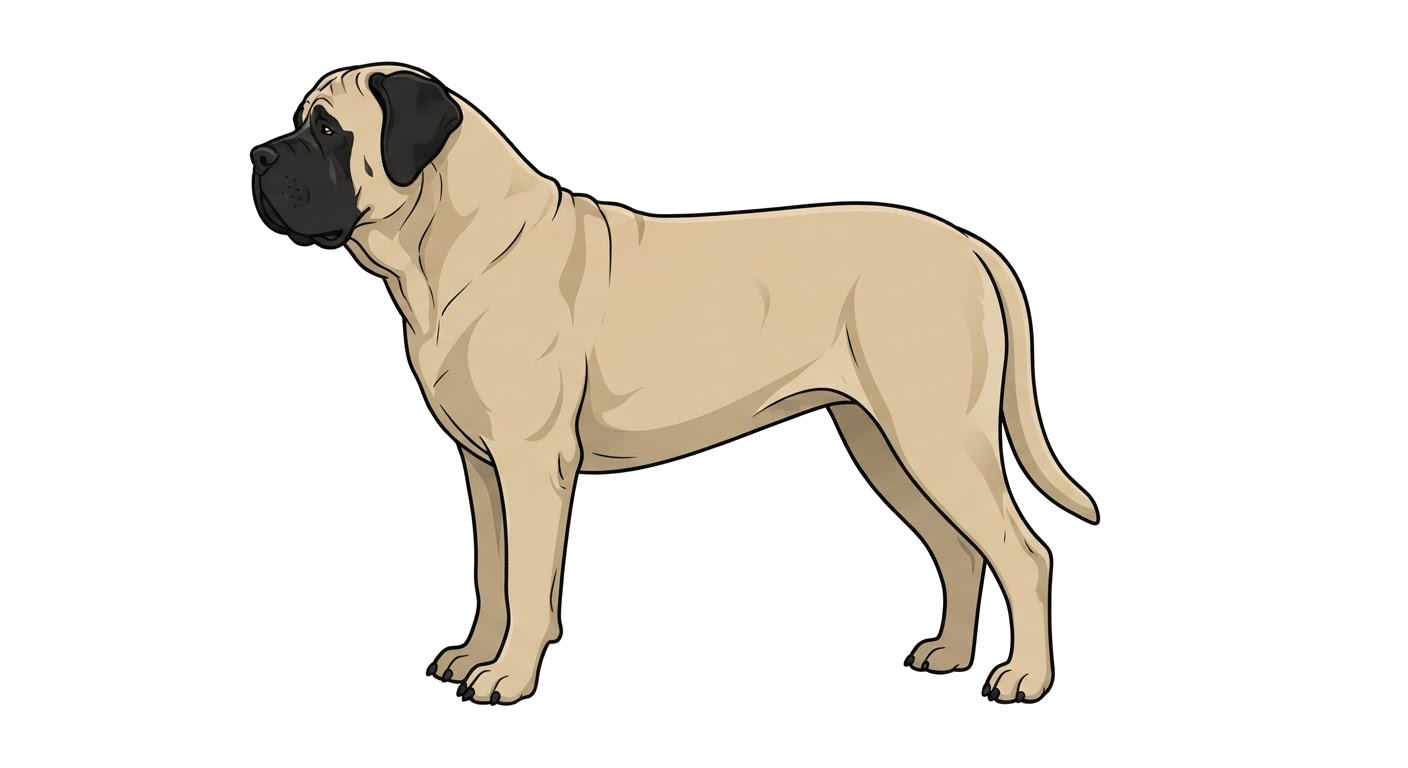
Point 1
Skull
The Mastiff's skull is judged on balance rather than size — proportionate to the body, with a clean cheek and a stop typical of the breed. Coarseness or an over-refined head are both faulted.
Colours & patterns
Recognised coats
Which coats the standard accepts — and which are simply popular.
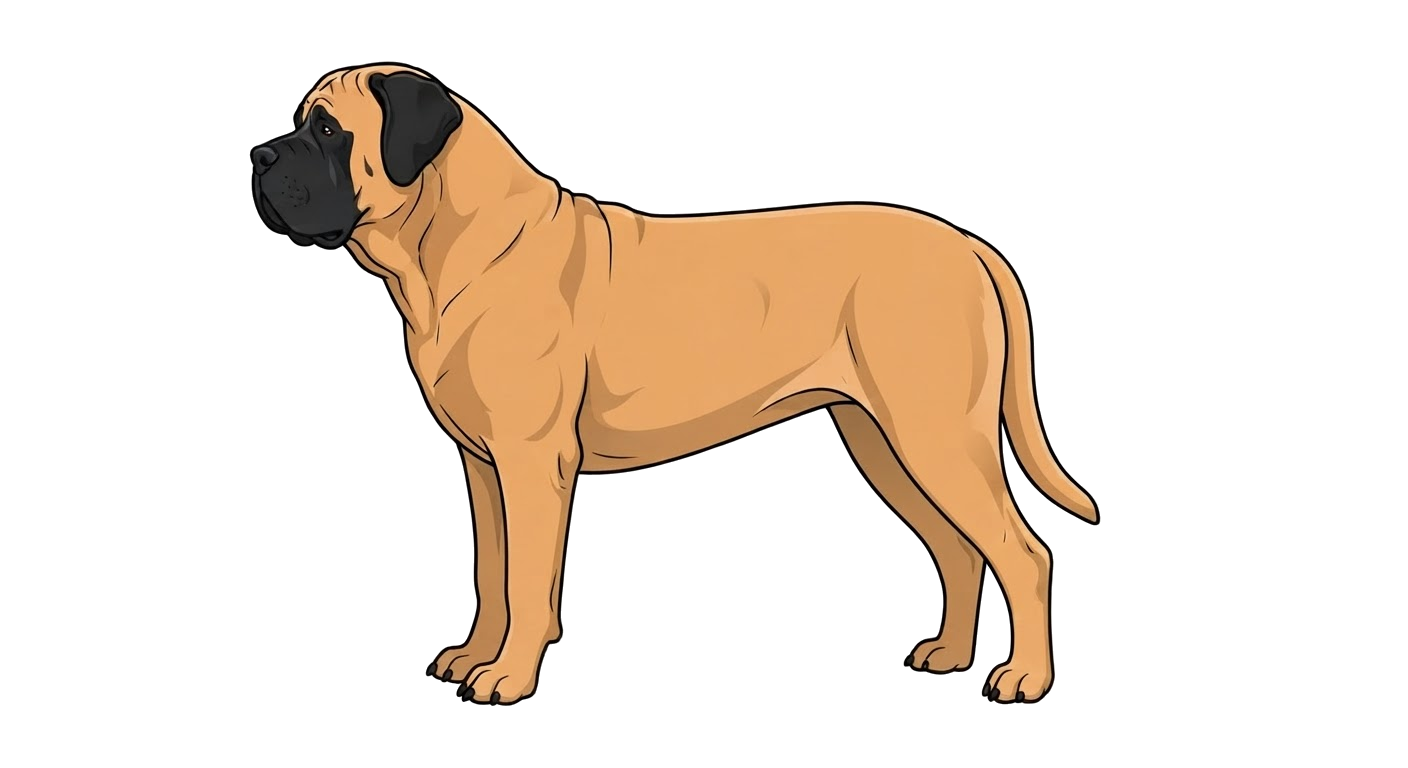
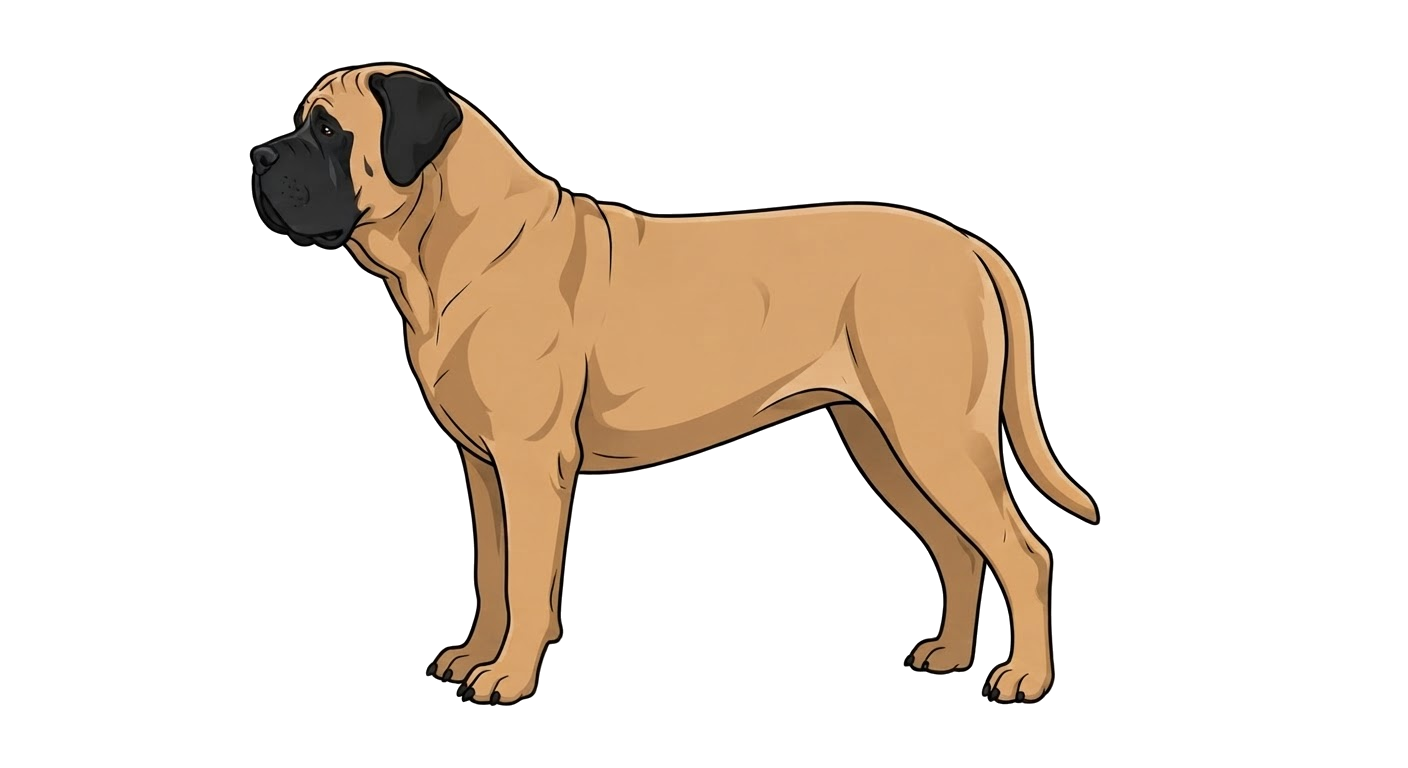
Apricot
Standard colour
A warm fawn-orange shade with a black mask.
Fawn
Standard colour
A classic pale tan colour, always paired with a black mask.
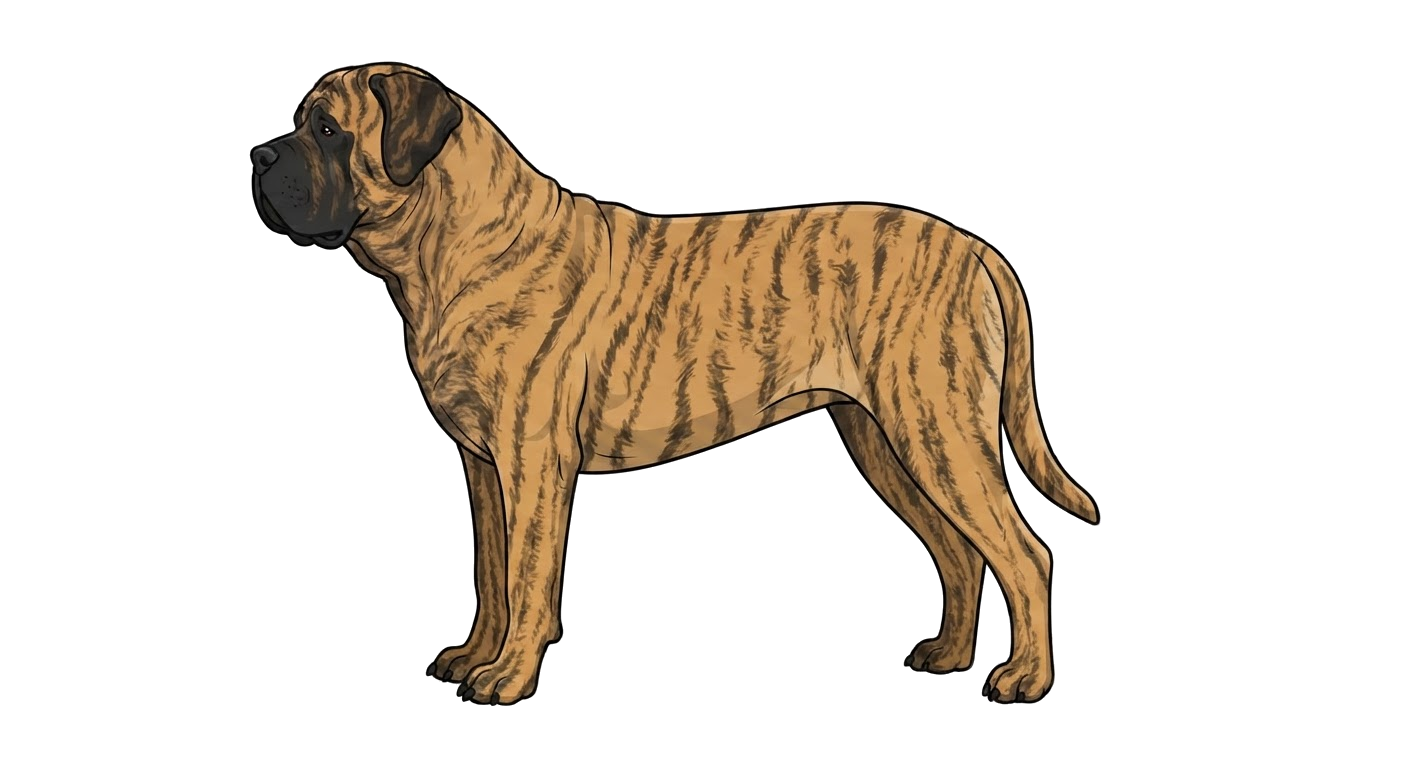
Brindle
Standard colour
Dark stripes over a fawn or apricot base.
Timeline
History & development
Ancient Britain
Early war dogs
Large mastiff-type dogs are recorded accompanying British tribes and later Roman forces.
1415
Battle of Agincourt
Mastiffs are said to have guarded wounded knights on the battlefield, part of enduring breed folklore.
1835
Bull-baiting banned
Changing laws shift the breed's role fully toward estate guarding and companionship.
1929
Post-decline rebuild
British breeders rebuild the nearly depleted population after losses during and after the World Wars.
1950s onward
The breed today
Kennel club registrations settled into a steady pattern and the Mastiff moved from a working specialist to a family companion, with breed clubs in the UK and abroad now focused on health testing and keeping true type alive.
Reference
Breed standard summary
- body
- Deep-chested, broad and muscular.
- coat
- Short and close-lying, but not too fine.
- ears
- Ear set, size and carriage follow the Mastiff standard, clean and mobile, never thickened or badly carried.
- eyes
- Set well apart, of a shade in keeping with the coat, giving an alert and intelligent expression. Light or protruding eyes are undesirable.
- head
- Broad and square, giving a look of grandeur.
- size
- Giant, among the most massive of all breeds.
- tail
- Set high, tapering to the hocks.
- colour
- Apricot, Fawn, Brindle. Colours outside this list are seen but are not accepted by the kennel clubs.
- temperament
- Typical of the breed: strongest in sociability, trainability, independence. Nervousness or aggression are serious faults in the show ring and in the home.
- general appearance
- Massive, powerful and dignified, combining grandeur with good nature.
Health
What to screen for
Green means little to worry about, amber means ask the breeder for test results, red means manage it actively.
Hip and elbow dysplasia
Watch closely
Always ask for hip and elbow scores on both parents before buying.
Bloat (GDV)
Watch closely
Feed smaller meals, avoid exercise around feeding, and know the emergency signs.
Cardiomyopathy
Watch closely
Ask about heart screening, as some lines carry a higher risk.
Obesity and joint strain
Watch closely
Keep this giant breed lean to reduce pressure on joints.
General information only — always speak to your vet about your own dog.
From real owners
Dogs like this
Mastiffs added by PawPoint members through their pet passports. Share yours to appear here.
Loading the wall…
Made for the Mastiff
The book, plus prints, hoodies and mugs using our own Mastiff illustration — and one everyday accessory that suits any dog.

The book
Pawpoint: The Complete Dog Breed Book
Every officially recognised breed plus the unofficial ones nobody else documents. 400+ pages, hardback, printed and shipped from the UK.
Own stock — shipped by us
Framed poster
Mastiff Framed Poster
Museum-weight print of our Mastiff illustration, framed or unframed.
Printed to order
Hoodie
Mastiff Hoodie
Heavyweight hoodie carrying the Mastiff illustration on the chest.
Printed to order
Mug
Mastiff Mug
Ceramic mug with the Mastiff illustration wrapped around it.
Printed to order
Accessory
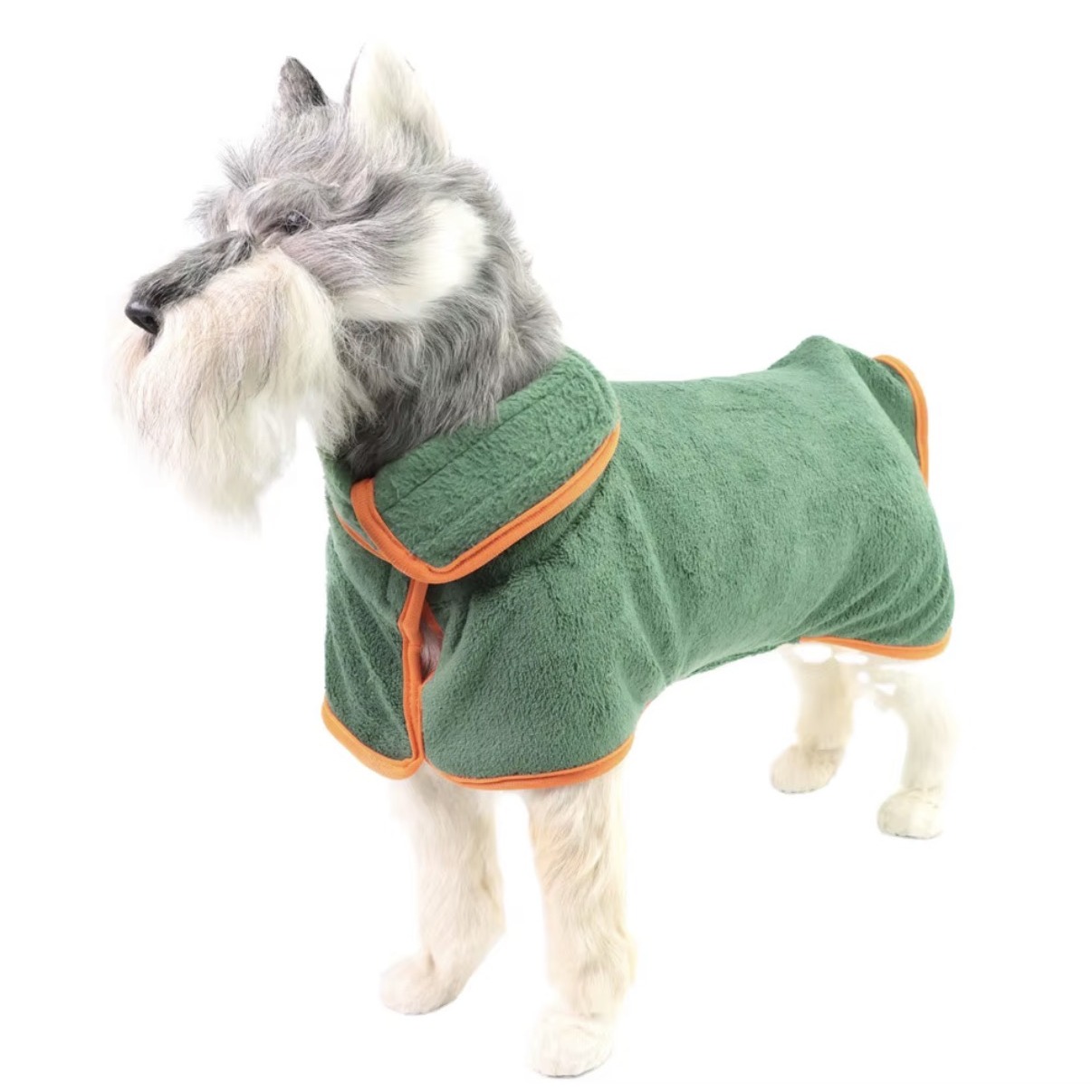
Drying Towel Robe
Microfibre robe that soaks up a wet-walk shake.
Fits any dog
Pawpoint on YouTube
Watch the full Mastiff video
Breed deep-dives, history and honest ownership talk. New film every week.
Watch now