
Aidi
EYE-dee
Morocco· Atlas Mountains, Morocco
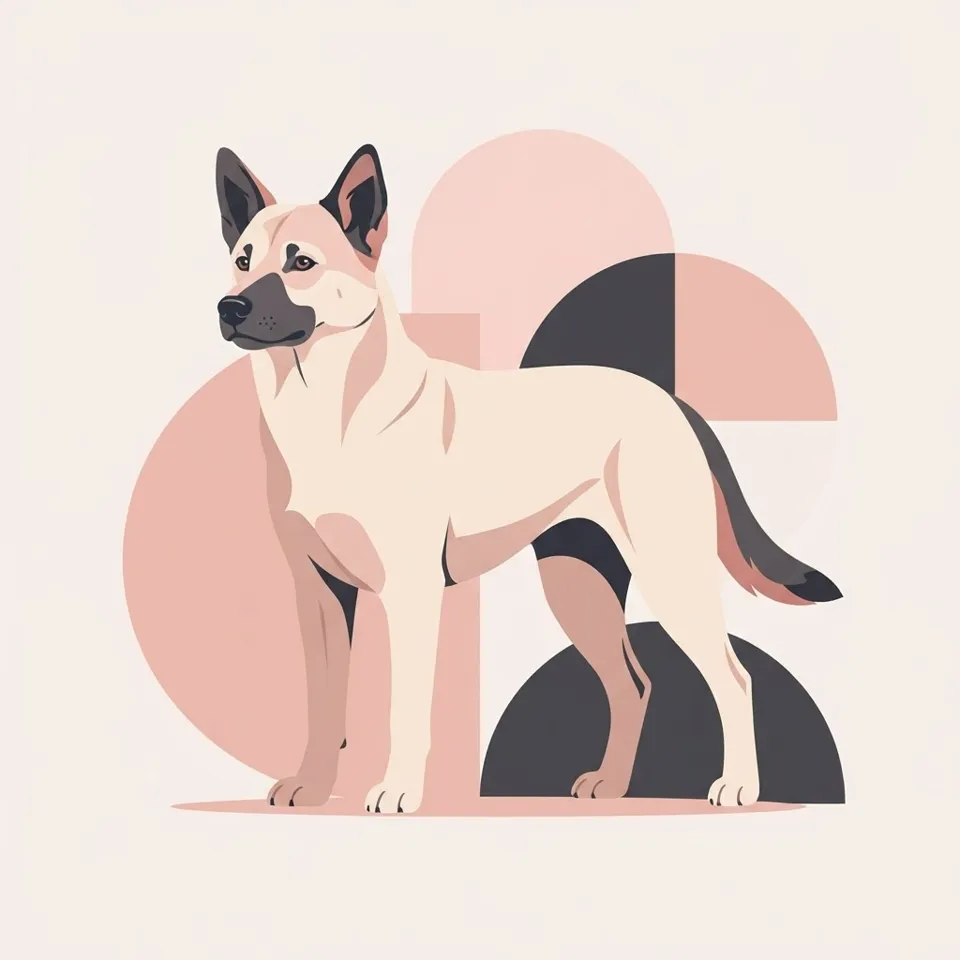
The Aidi is a medium-sized North African livestock guardian dog from Morocco's Atlas Mountains.
At a glance
Quick facts
- Size
- Medium
- Exercise needs
- 1-2 hours per day
- Home size suited to
- Medium or larger
- Grooming frequency
- Weekly brush
- Coat length
- Medium
- Sheds
- Yes
- Lifespan
- 11-13 years
- Town or country
- Country preferred
- Garden size needed
- Large, securely fenced
Where it comes from
Origins of the Aidi
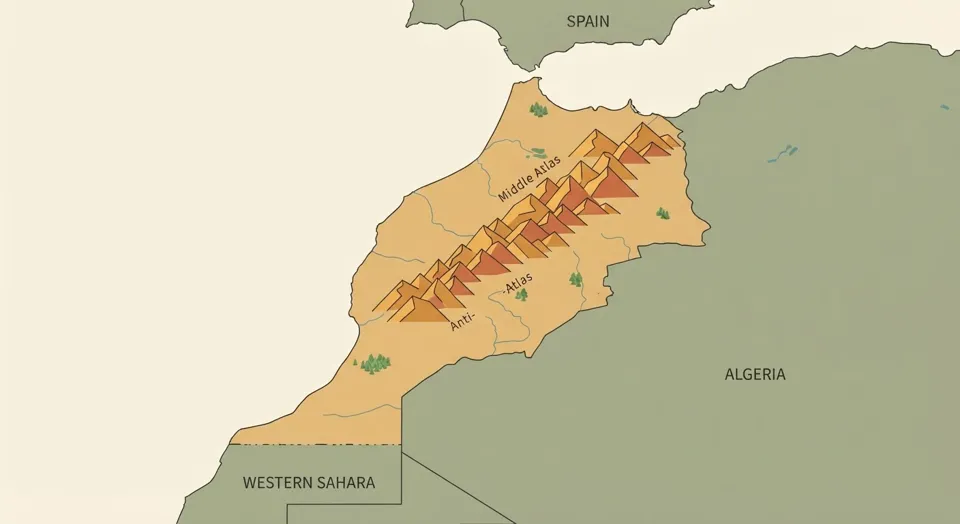
In the Atlas Mountains and desert fringes of Morocco, Berber shepherds relied on a tough, weatherproof dog to guard flocks and camps against jackals and other predators, often working alongside sighthounds that did the chasing while the Aidi held ground and raised the alarm. Centuries of pastoral life in harsh terrain produced a hardy, watchful livestock guardian.
- Region
- Atlas Mountains, Morocco
- Climate it was bred for
- Arid mountains and semi-desert
- Original job
- Guarding flocks and camps against predators, including jackals
The long read
About the breed
Its traditional partnership guarding flocks alongside sighthounds shaped a courageous, alert dog with strong protective and territorial instincts rather than a chasing drive.
It suits an active, rural owner able to provide space and a clear role, since the Aidi remains a natural watchdog that barks readily and bonds closely with its family.
Today it continues to guard flocks in rural Morocco and has a small presence internationally among fanciers of primitive livestock guardian breeds.
Living with one
Temperament & needs
Our own ratings, based on the breed standard and how these dogs behave in ordinary homes.
Friendliness
3/5
How openly the Aidi greets people it does not know.
Trainability
3/5
How readily the breed takes to training in an ordinary home.
Energy
3/5
How much daily exercise and stimulation the breed expects.
Barking
3/5
How vocal the breed tends to be day to day.
Grooming
3/5
How much coat work the breed needs to stay comfortable.
Suits a first-time owner
3/5
How forgiving the Aidi is for someone taking on their first dog.
Illustrated breed standard
The points of the breed
Hover or tap a numbered point to read what the standard asks for.
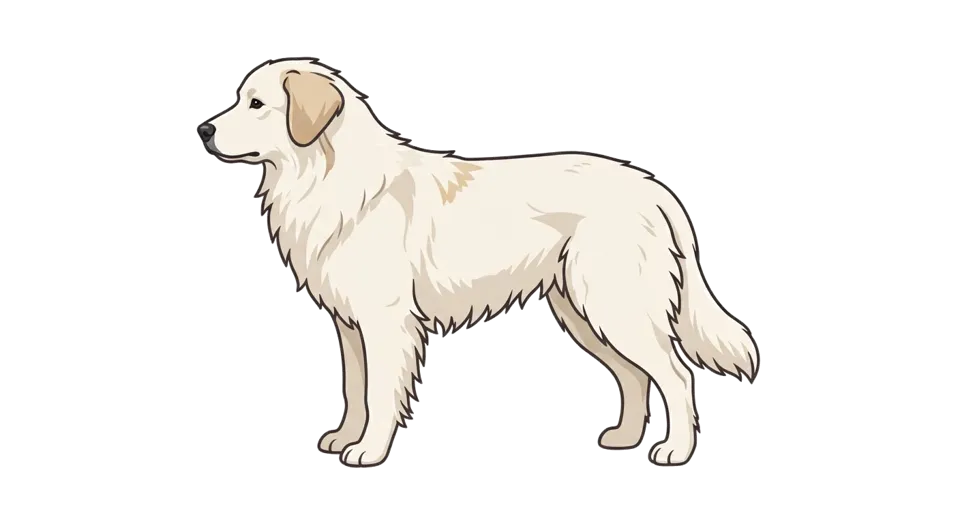
Point 1
Skull
The Aidi's skull is judged on balance rather than size — proportionate to the body, with a clean cheek and a stop typical of the breed. Coarseness or an over-refined head are both faulted.
Timeline
History & development
Ancient
Berber origins
Berber shepherds developed the breed over centuries as a flock guardian in the Atlas region.
1930s
French documentation
French colonial cynologists first documented the breed formally.
1963
FCI recognition
The Aidi was recognised by the FCI as a Moroccan breed.
1970s
Standard refined
The Moroccan kennel club worked to refine and preserve the breed standard.
2000s
International interest
Small numbers of Aidis began to be kept by enthusiasts outside North Africa.
Reference
Breed standard summary
- body
- Solid, well-muscled body with good bone.
- coat
- Thick, long, weather-resistant double coat.
- ears
- Medium, triangular, hanging.
- eyes
- Dark, medium-sized, alert expression.
- head
- Strong, slightly rounded skull with a solid muzzle.
- size
- Dogs 52-62cm, bitches 50-60cm
- colour
- Fawn, black, brindle, or particolour with white.
- temperament
- Vigilant, courageous and loyal, naturally wary of strangers.
- general appearance
- A medium-sized, robust, well-proportioned mountain dog with a weatherproof coat.
Health
What to screen for
Green means little to worry about, amber means ask the breeder for test results, red means manage it actively.
General information only — always speak to your vet about your own dog.
From real owners
Aidis in the PAWPOINT Pack
Aidis added by PawPoint members through their pet passports. Share yours to appear here.
Loading the wall…
Made for the Aidi
The book, plus hoodies, tees and mugs featuring the Aidi.