
Akita
ah-KEE-tah
Japan· Akita Prefecture
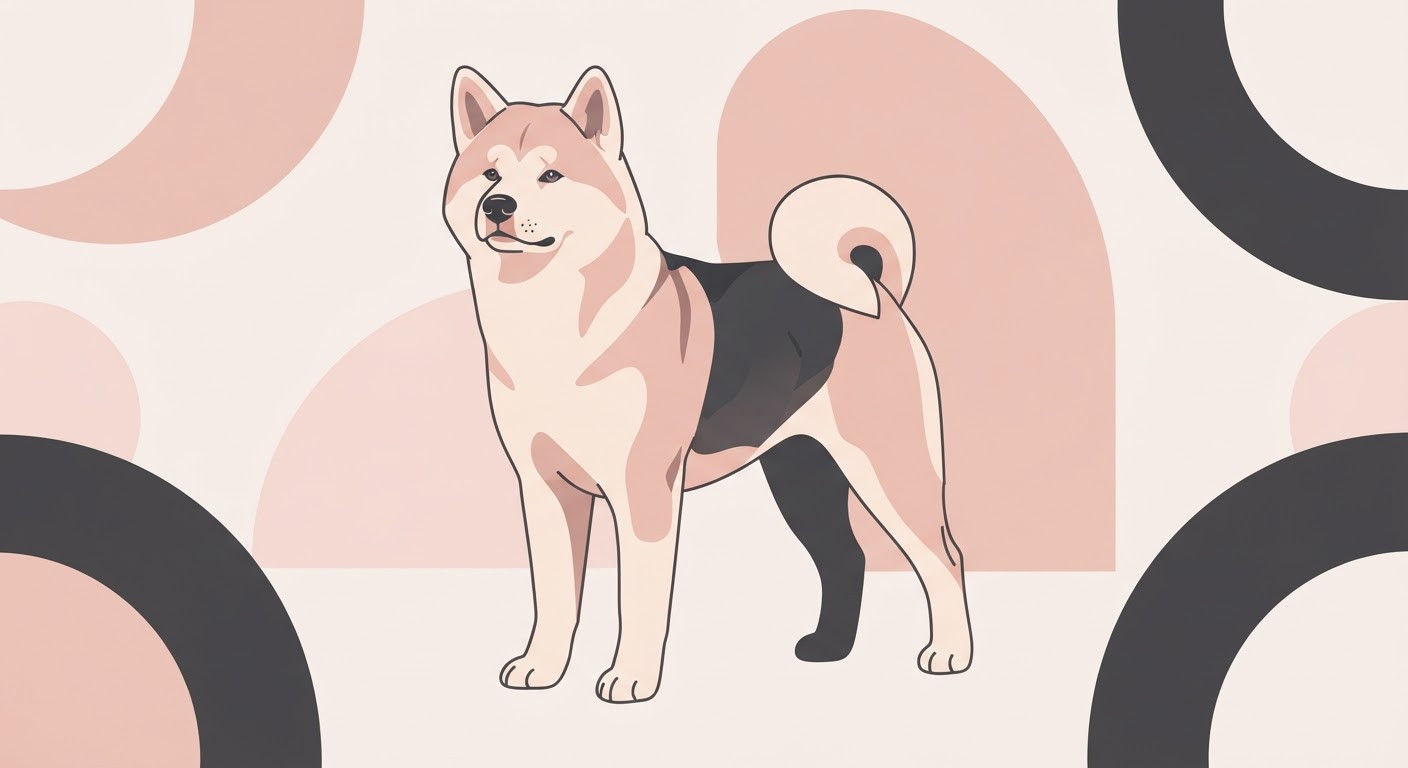
The Akita is a large, powerful spitz-type breed from the mountainous Akita Prefecture of northern Japan, originally bred to hunt bear, boar and deer and later valued as a guard dog for the ruling class.
At a glance
Quick facts
Size
Large
Exercise needs
45-60 minutes daily
Home size suited to
Large home with space to stretch out
Grooming frequency
Weekly brush, hand-strip a few times a year
Coat length
Wiry
Sheds
Yes, heavily when moulting
Lifespan
10-13 years
Town or country
Either, happy in town
Garden size needed
Large and securely fenced
Where it comes from
Origins of the Akita
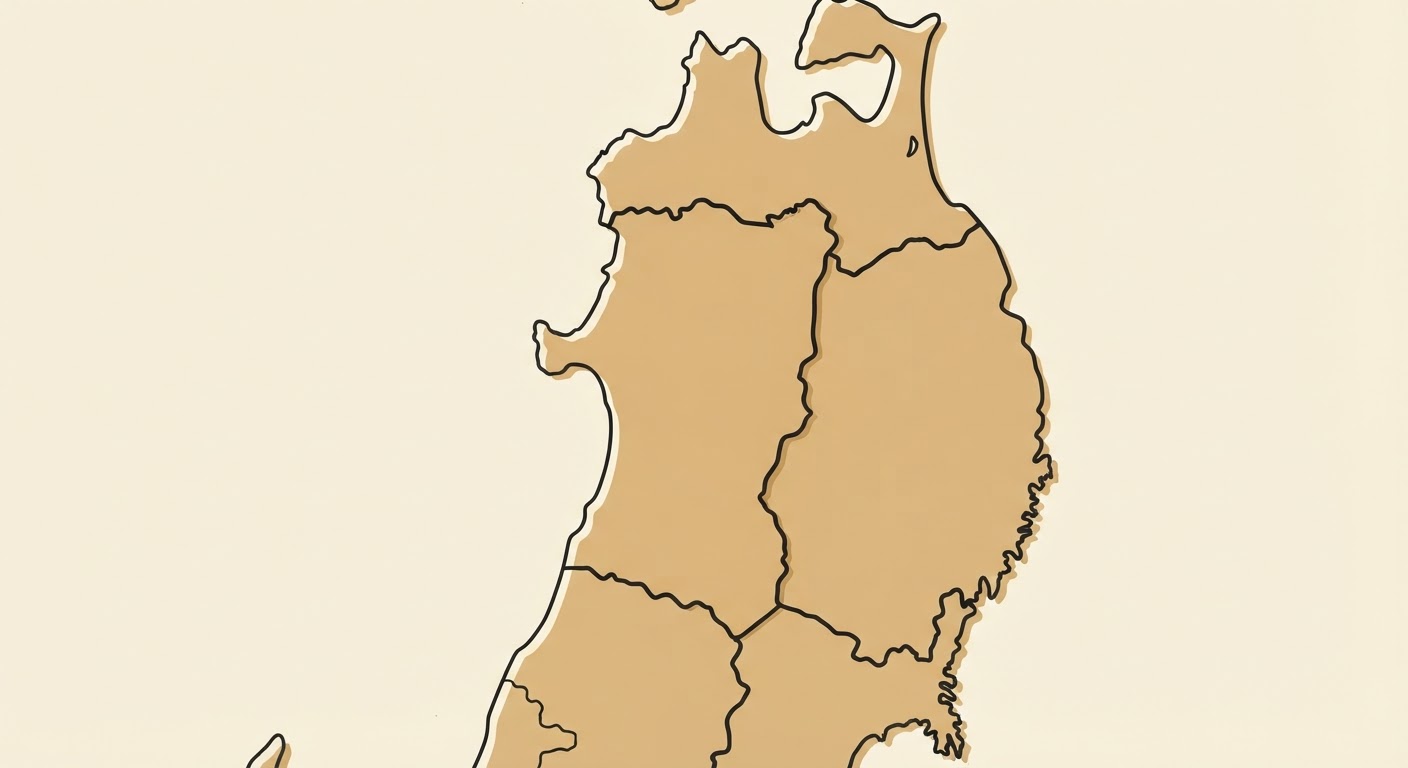
The Akita developed in the snowy mountains of Akita Prefecture in northern Japan, where a large, thick-coated dog was needed to track and hold large game such as bear in deep snow.
- Region
- Akita Prefecture
- Climate it was bred for
- Cold, heavy-snow mountain winters
- Original job
- Hunting bear, boar and deer; guarding
The long read
About the breed
Dogs resembling the modern Akita worked the snowy mountains of Akita for centuries, prized for courage and independence when hunting large game. During the Edo period ownership of Akitas was restricted to Japanese nobility, and elaborate rules governed how the dogs were kept and addressed. The breed nearly disappeared in the early 20th century through crossbreeding and wartime hardship, and was rebuilt largely thanks to dedicated Japanese breeders after 1945.
Living with an Akita means living with a dog that is calm and dignified indoors but naturally wary of strangers and often reactive to other dogs, particularly of the same sex. Early, careful socialisation is essential and training should start young, since an adult Akita that has not learned to accept new people and animals can be genuinely difficult to manage. They are famously loyal to their own family and often quite reserved even with them, not a demonstrative or needy breed.
Today the Akita is kept as a guard dog and companion worldwide, split in most registries into the Japanese Akita Inu and the larger American Akita. It suits experienced owners who want a serious, independent-minded dog and who are prepared to manage its guarding instincts and dog reactivity for life.
Living with one
Temperament & needs
Our own ratings, based on the breed standard and how these dogs behave in ordinary homes.
Friendliness
2/5
How openly the Akita greets people it does not know.
Trainability
3/5
Intelligent but independent, responds best to calm consistency.
Energy
3/5
Moderate exercise needs, more stamina than enthusiasm.
Barking
2/5
Not a frequent barker, more likely to watch silently.
Grooming
3/5
Heavy seasonal shedding twice a year needs extra brushing.
Suits a first-time owner
2/5
How forgiving the Akita is for someone taking on their first dog.
Sociability
2/5
Reserved with strangers, devoted but undemonstrative with family.
Independence
5/5
Bred to make its own decisions while guarding or hunting.
Illustrated breed standard
The points of the breed
Hover or tap a numbered point to read what the standard asks for.
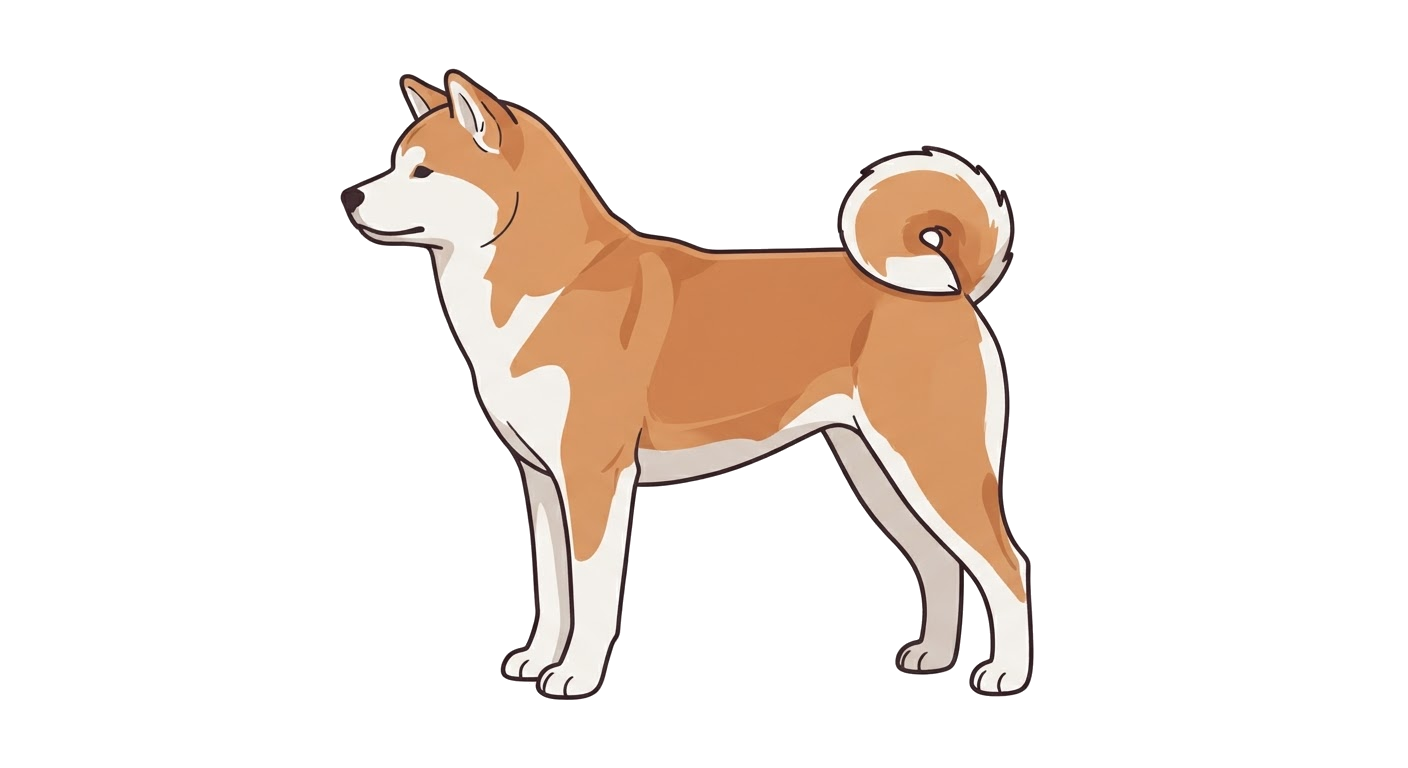
Point 1
Skull
The Akita's skull is judged on balance rather than size — proportionate to the body, with a clean cheek and a stop typical of the breed. Coarseness or an over-refined head are both faulted.
Colours & patterns
Recognised coats
Which coats the standard accepts — and which are simply popular.
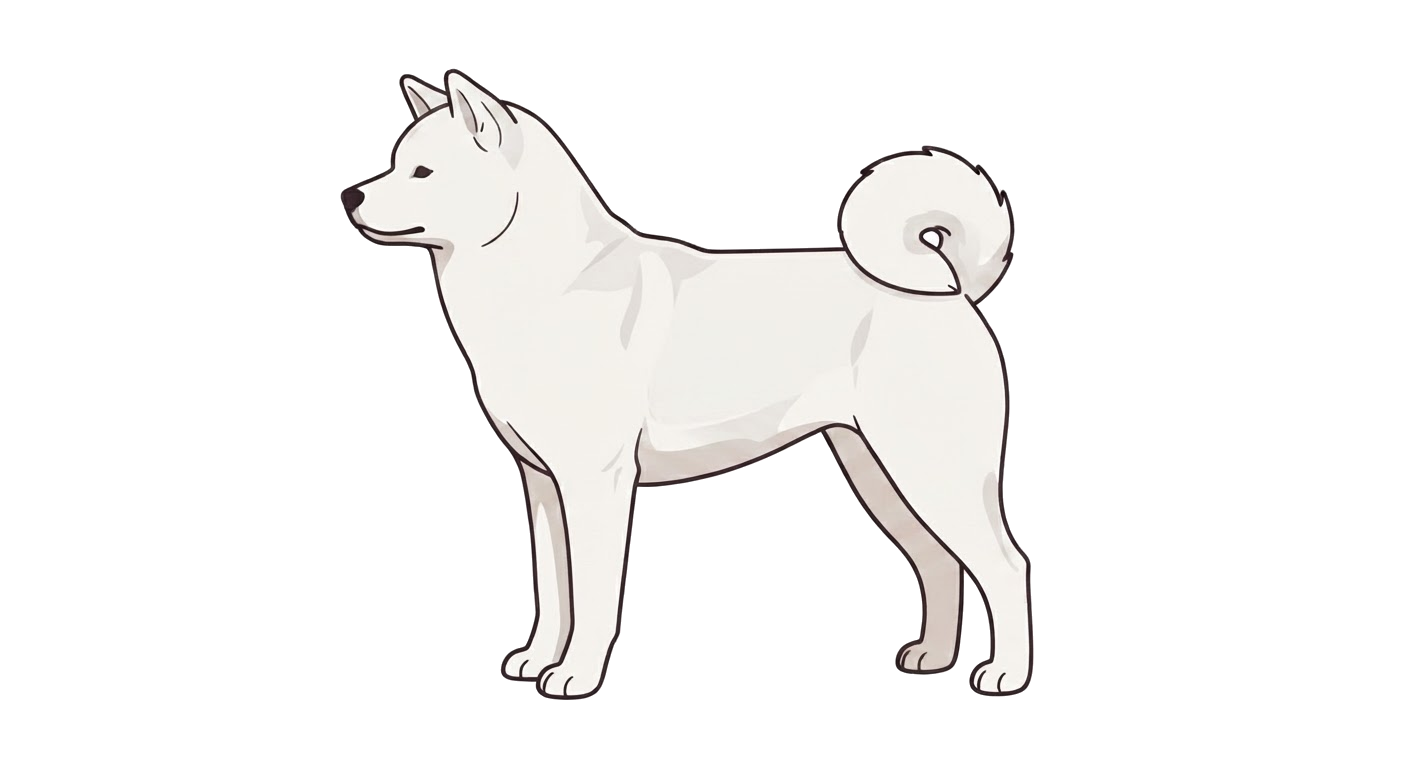
White
Standard colour
Solid white with no mask, common in American Akitas.
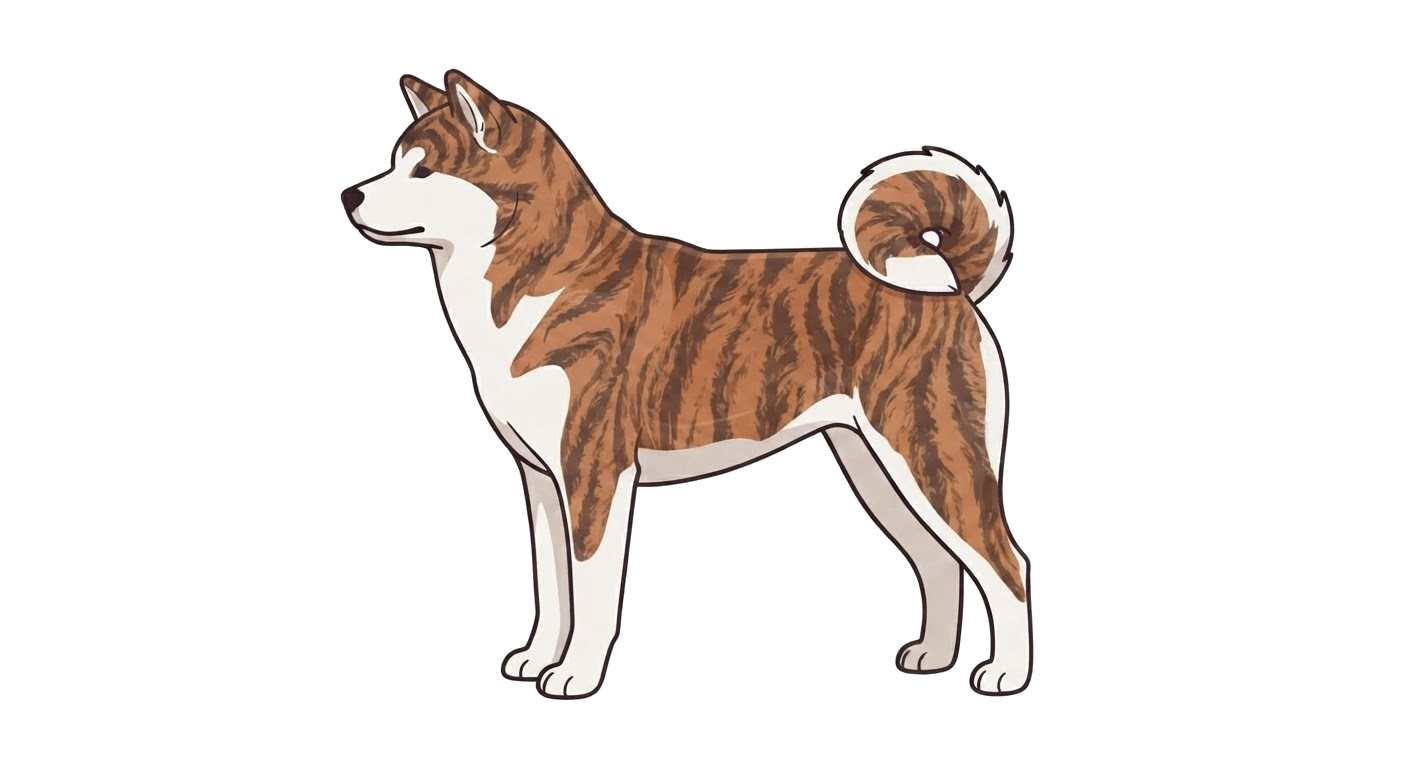
Brindle
Standard colour
Striped pattern over a base colour, often with a dark mask.
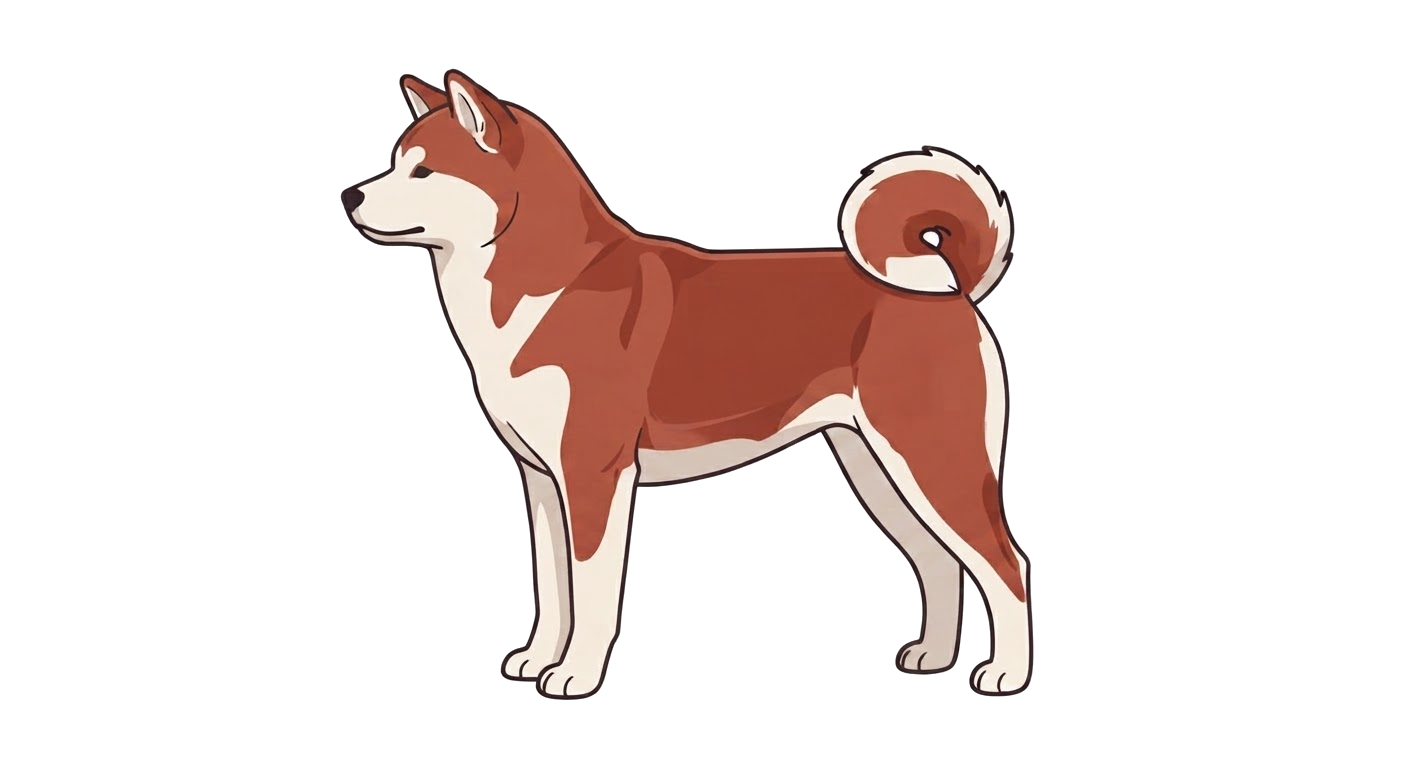
Red fawn
Standard colour
A warm red often paired with white markings and dark mask.
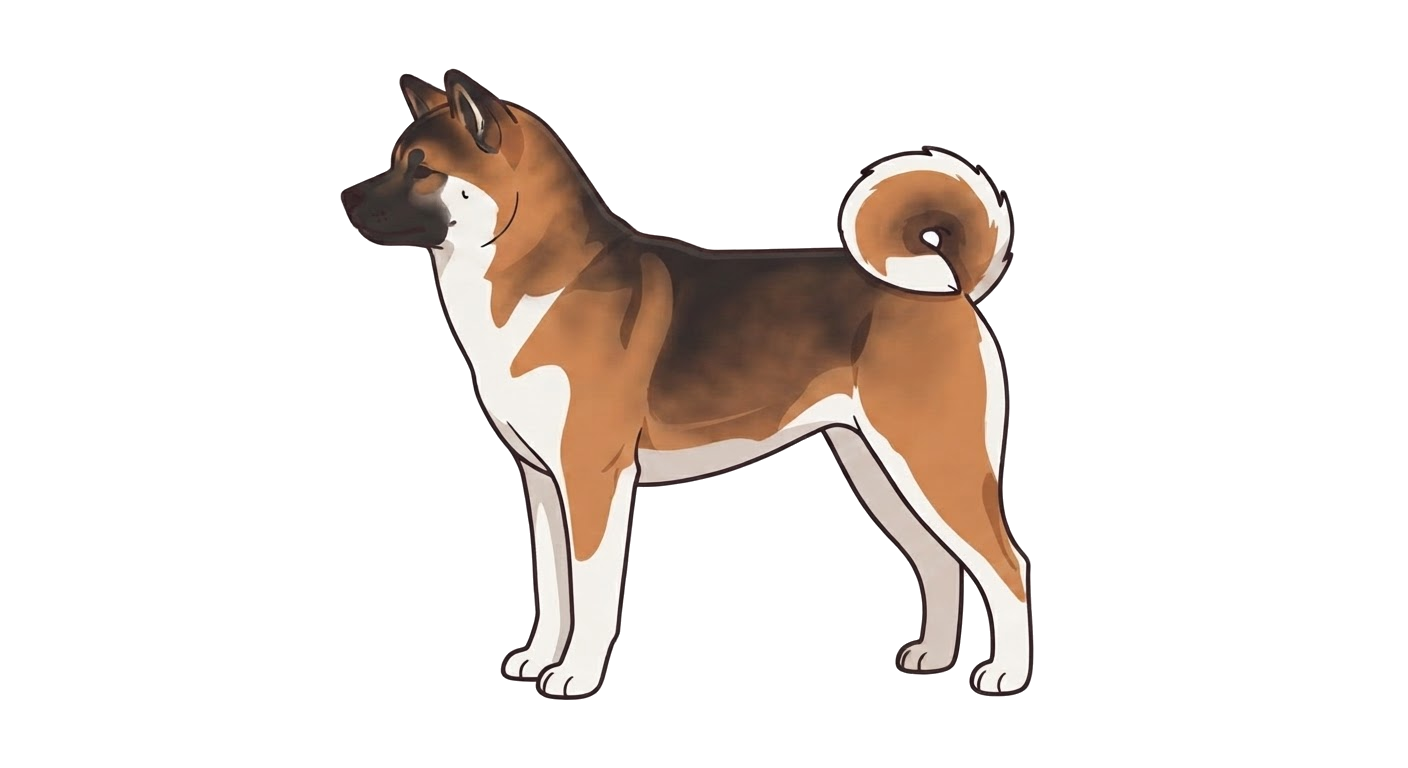
Sesame
Standard colour
Base colour with black-tipped hairs, common in Japanese Akita Inu.
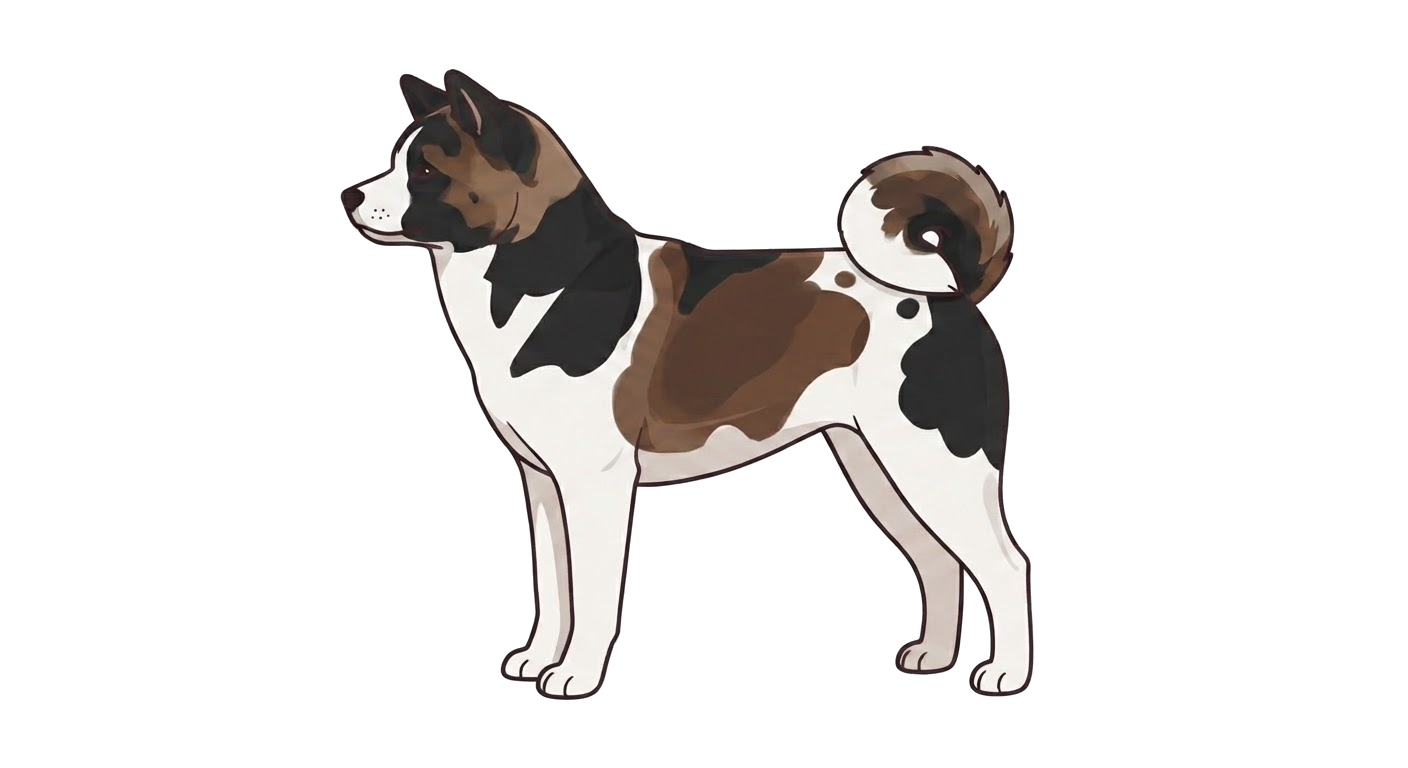
Pinto
Standard colour
Large patches of colour on a white body, mostly seen in American type.
Timeline
History & development
1600s
Named after the prefecture
Large hunting dogs in Akita Prefecture became known by the region's name and were used to hunt bear and boar.
Edo period
Dogs of nobility
Ownership of Akitas was restricted to the Japanese ruling class, with strict rules on their care.
1931
Natural monument status
The Akita was designated a natural monument of Japan, recognising its cultural importance.
1937
Helen Keller brings the breed to the US
Helen Keller received an Akita puppy in Japan and brought the breed to American attention.
1972
AKC recognition
The American Kennel Club recognised the Akita as a breed.
Reference
Breed standard summary
- body
- Muscular, deep chest with a level back
- coat
- Double coat, harsh outer coat and dense soft undercoat
- ears
- Small, triangular, erect and forward-tilted
- eyes
- Small, deep-set, dark brown, triangular in shape
- gait
- Brisk, powerful, with a light, springy step
- head
- Large, triangular, flat skull with a broad muzzle
- size
- Large, 61-71 cm at the shoulder
- tail
- Large, thick, carried curled over the back
- colour
- White, Brindle, Red fawn, Sesame, Pinto. Colours outside this list are seen but are not accepted by the kennel clubs.
- temperament
- Typical of the breed: strongest in independence, energy, trainability. Nervousness or aggression are serious faults in the show ring and in the home.
- general appearance
- Large, powerful spitz breed with a dignified, alert bearing
Health
What to screen for
Green means little to worry about, amber means ask the breeder for test results, red means manage it actively.
Hip dysplasia
Screen for it
Ask for hip scores on both parents before buying a puppy.
Hypothyroidism
Screen for it
Fairly common in the breed; annual thyroid panels help catch it early.
Progressive retinal atrophy
Screen for it
Request an eye clearance certificate from breeders.
Bloat (GDV)
Watch closely
Deep-chested breed; feed smaller meals and avoid exercise right after eating.
Immune-mediated conditions
Screen for it
The breed has known immune skin conditions; discuss with a vet if lesions appear.
General information only — always speak to your vet about your own dog.
From real owners
Dogs like this
Akitas added by PawPoint members through their pet passports. Share yours to appear here.
Loading the wall…
Made for the Akita
The book, plus prints, hoodies and mugs using our own Akita illustration — and one everyday accessory that suits any dog.

The book
Pawpoint: The Complete Dog Breed Book
Every officially recognised breed plus the unofficial ones nobody else documents. 400+ pages, hardback, printed and shipped from the UK.
Own stock — shipped by us
Framed poster
Akita Framed Poster
Museum-weight print of our Akita illustration, framed or unframed.
Printed to order
Hoodie
Akita Hoodie
Heavyweight hoodie carrying the Akita illustration on the chest.
Printed to order
Mug
Akita Mug
Ceramic mug with the Akita illustration wrapped around it.
Printed to order
Accessory
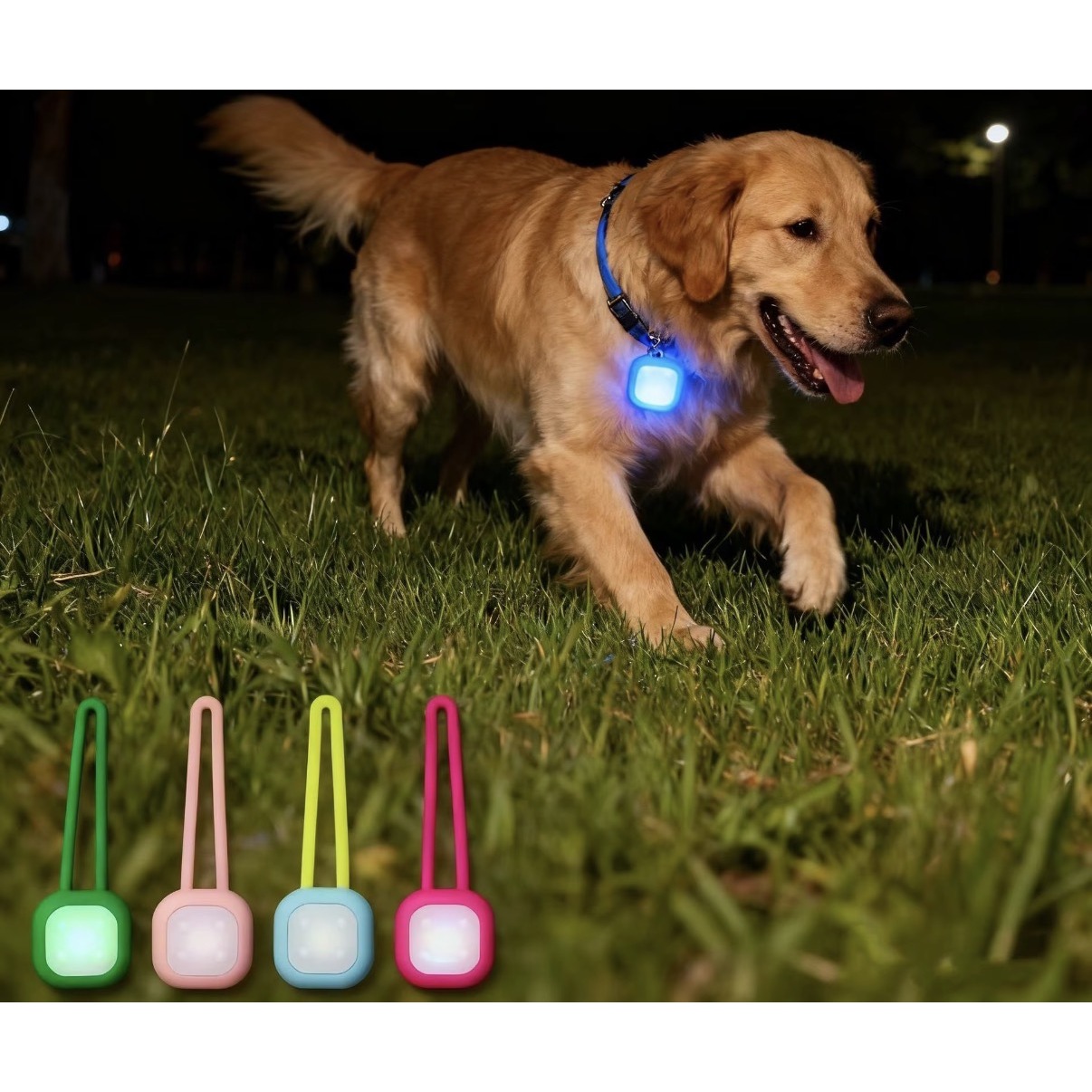
LED Reflective Lead Light
Rechargeable clip-on light for dark walks.
Fits any dog
Pawpoint on YouTube
Watch the full Akita video
Breed deep-dives, history and honest ownership talk. New film every week.
Watch now