Alangu Mastiff
ah-LAHN-goo MAS-tif
India· Tamil Nadu, South India
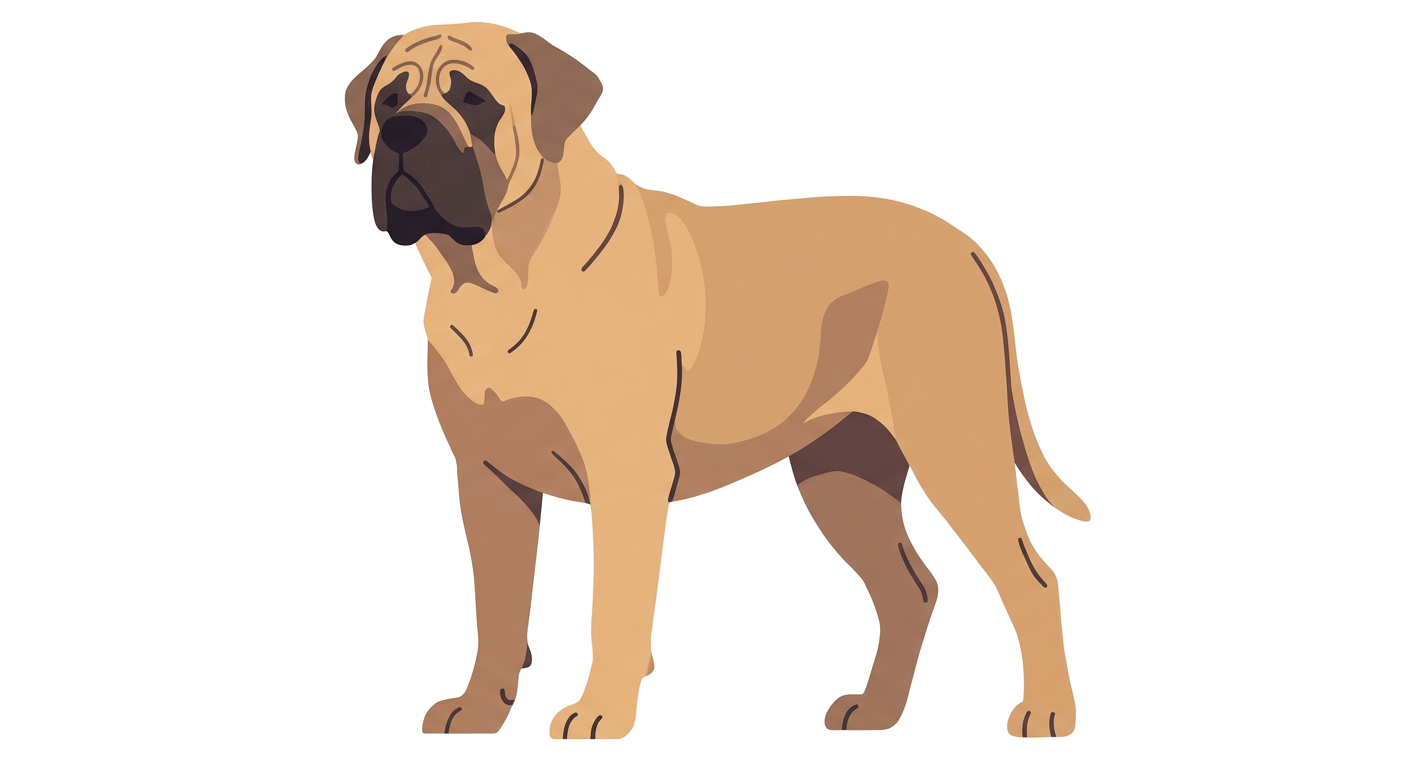
The Alangu Mastiff is an archaic molosser-type dog native to parts of southern India, historically associated with the Thanjavur and Tiruchirappalli districts of Tamil Nadu. Written records are exceptionally scarce, and canine historians debate whether the original strain survives in its pure form or whether it has largely been assimilated into broader regional mastiff populations, such as the Bully Kutta. Where referenced in historical accounts, it is described as a powerful, tall, and heavy-boned guardian.
At a glance
Quick facts
Size
Giant
Exercise needs
Moderate to high
Home size suited to
Large rural property
Grooming frequency
Low
Coat length
Short
Sheds
Moderate
Lifespan
8–10 years (estimated)
Town or country
Country
Garden size needed
Large, securely fenced garden or acreage
Where it comes from
Origins of the Alangu Mastiff
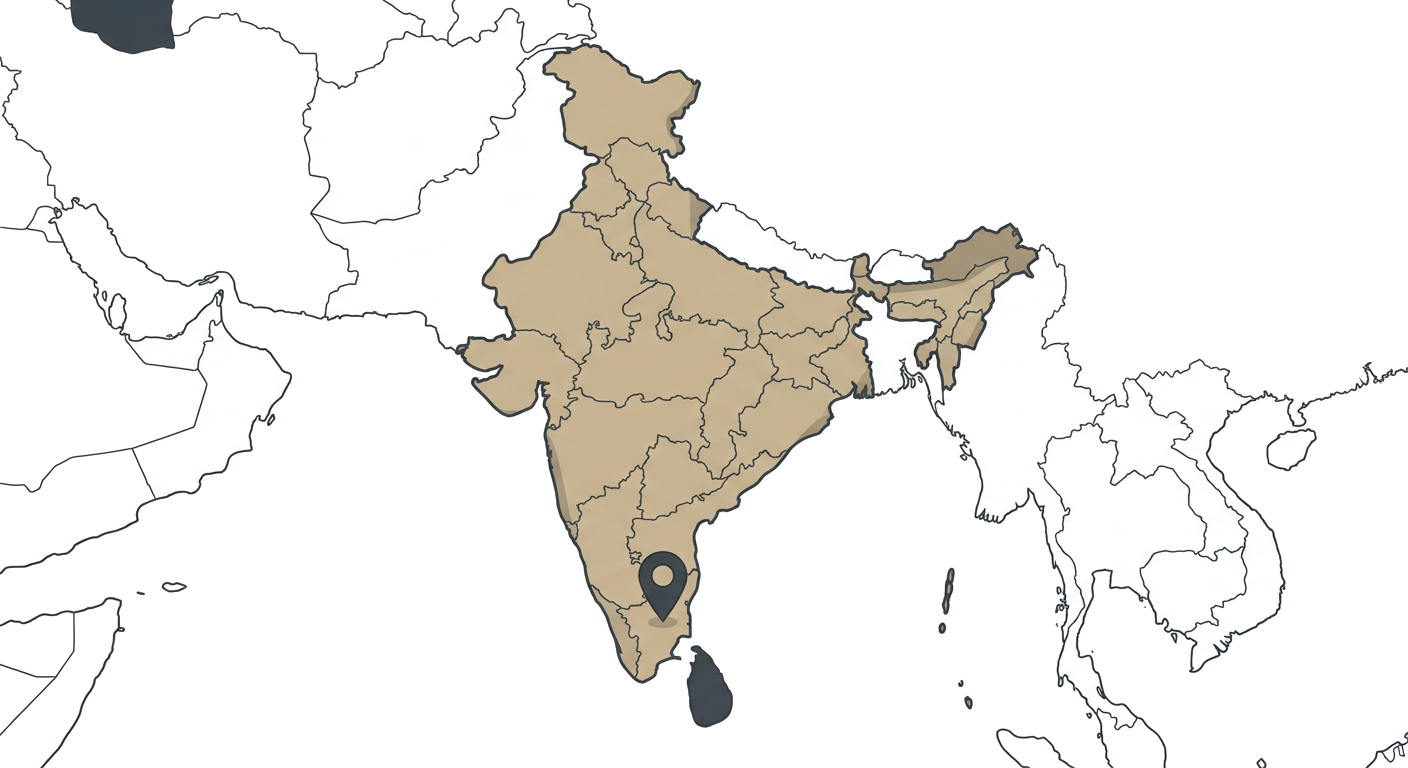
Historically bred in southern India's Tamil Nadu region as a powerful hunting and estate guardian.
- Region
- Tamil Nadu, South India
- Climate it was bred for
- Tropical semi-arid and humid
- Original job
- Big game hunting and estate guarding
The long read
About the breed
Historically kept by regional royalty and landed estates, the Alangu was traditionally deployed for big-game hunting—including wild boar and stag—as well as territory defence and personal protection. The breed was valued for its great endurance in high temperatures, physical strength, and resolute guarding instinct, demanding firm management from experienced handlers.
Today, the Alangu Mastiff is considered exceedingly rare, and some authorities suggest it may be critically endangered or functionally extinct as a distinct, registered breed. Many contemporary dogs described as Alangu Mastiffs represent working landraces or crossbreeds. Because documented breed registries are lacking, physiological and behavioural summaries must be interpreted with caution based on historical documentation.
Illustrated breed standard
The points of the breed
Hover or tap a numbered point to read what the standard asks for.
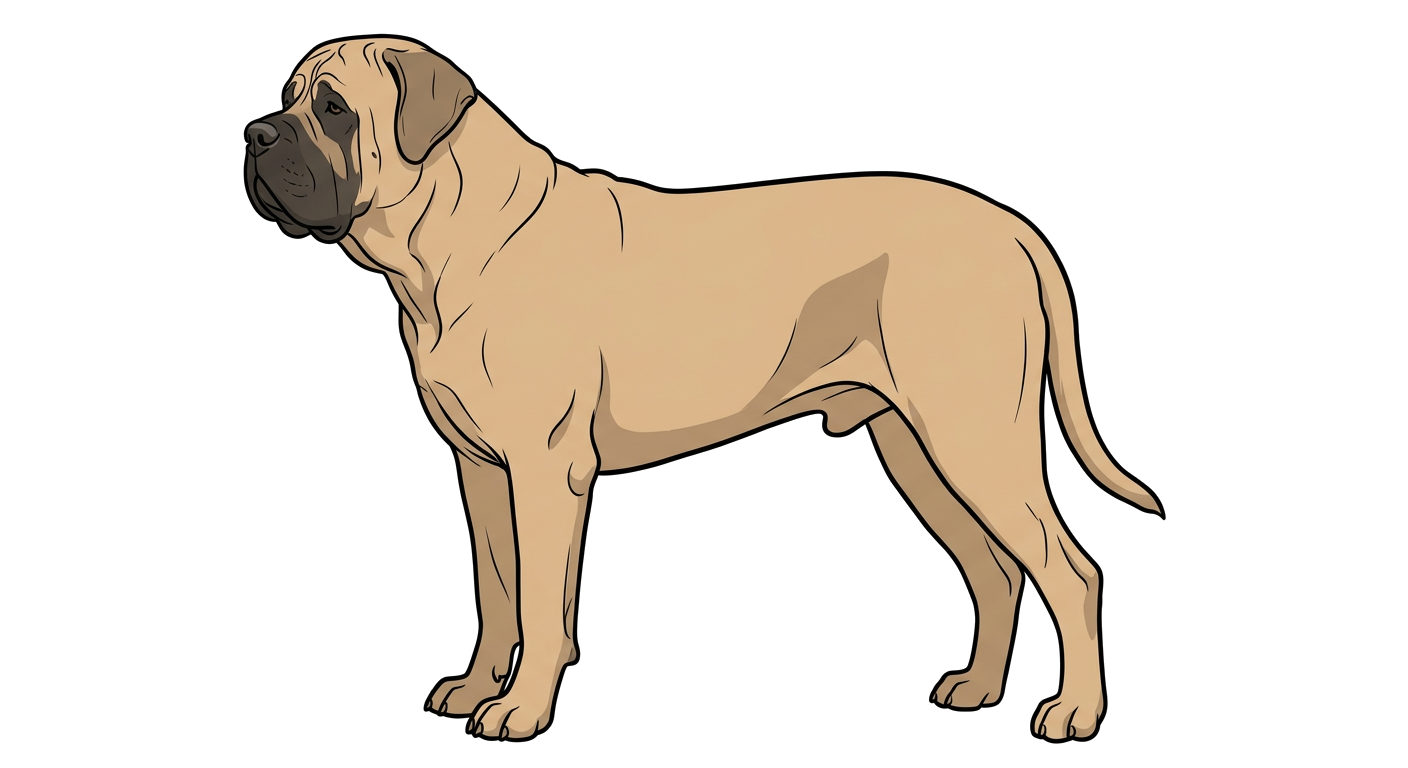
Point 1
Skull
The Alangu Mastiff's skull is judged on balance rather than size — proportionate to the body, with a clean cheek and a stop typical of the breed. Coarseness or an over-refined head are both faulted.
Colours & patterns
Recognised coats
Which coats the standard accepts — and which are simply popular.
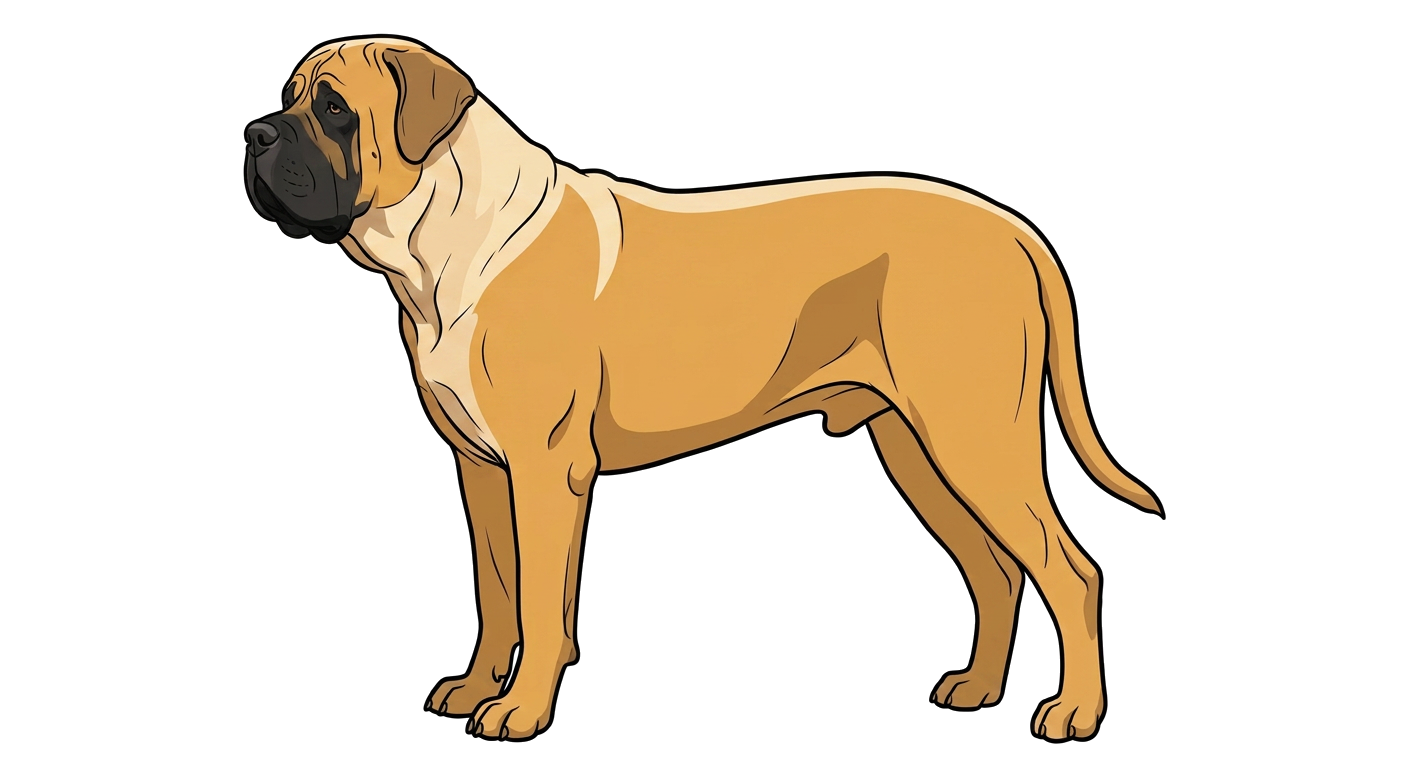
Fawn
Standard colour
Ranges from pale cream-fawn to deep warm golden hues, frequently with a darker muzzle.
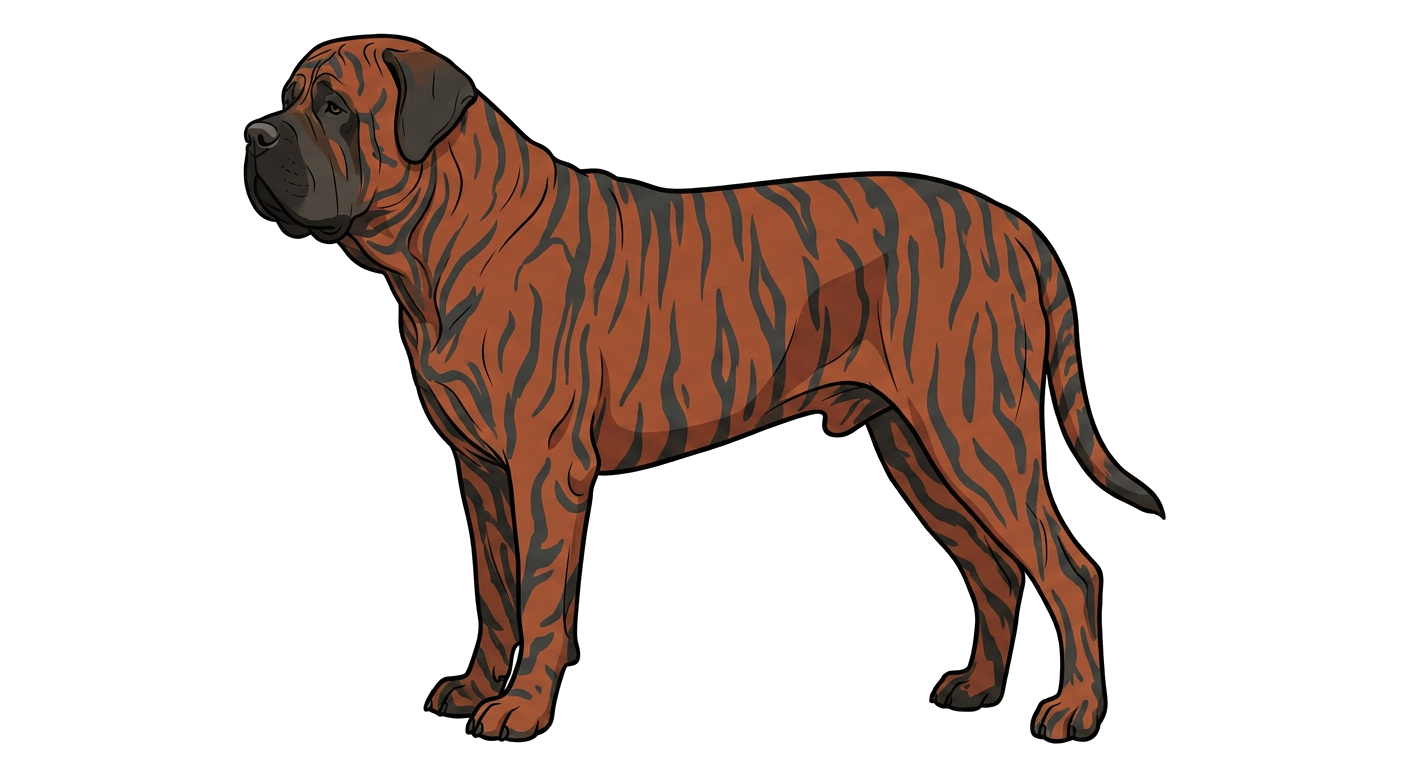
Brindle
Standard colour
Dark stripes over a red or fawn base coat, traditionally common among southern working strains.
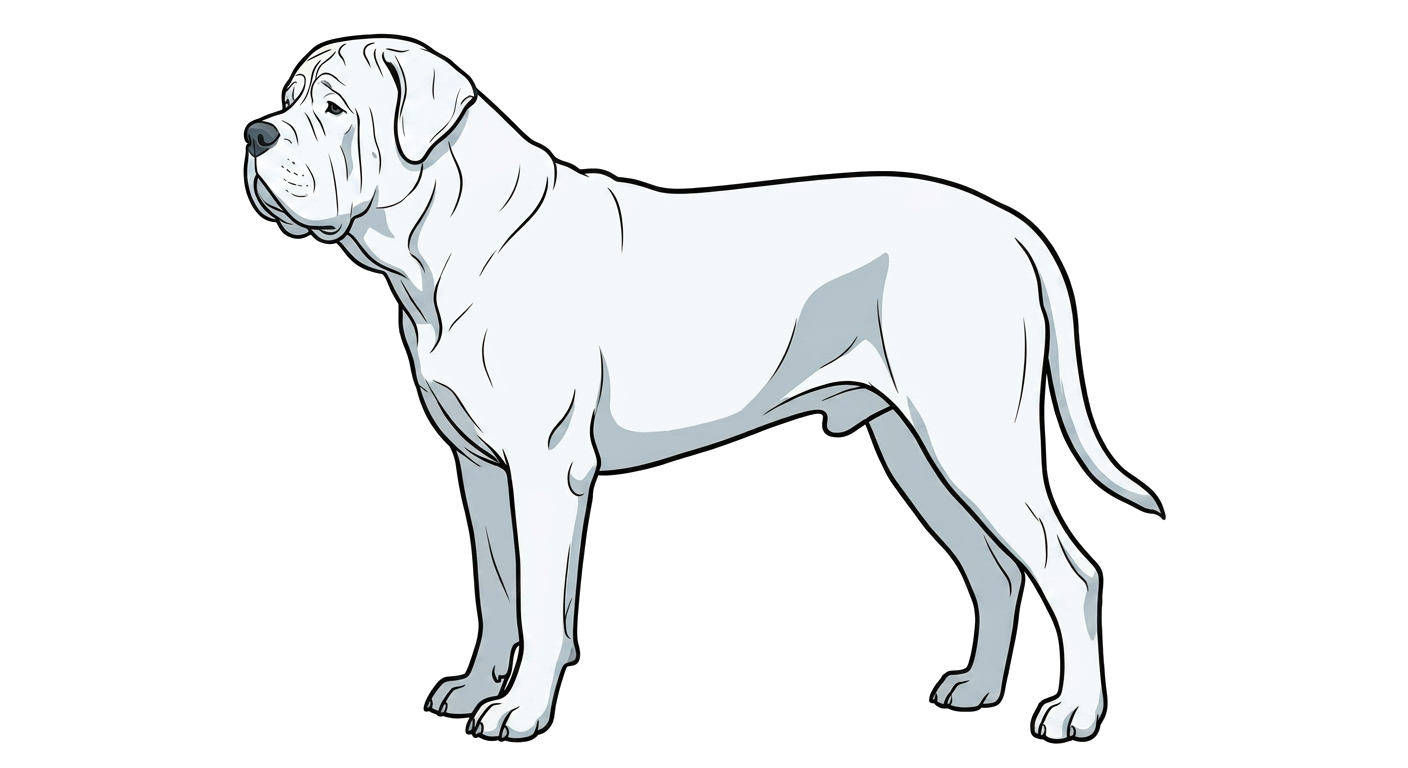
White
Standard colour
Solid white or white with minimal coloured patches, often seen in related Indian molossers.
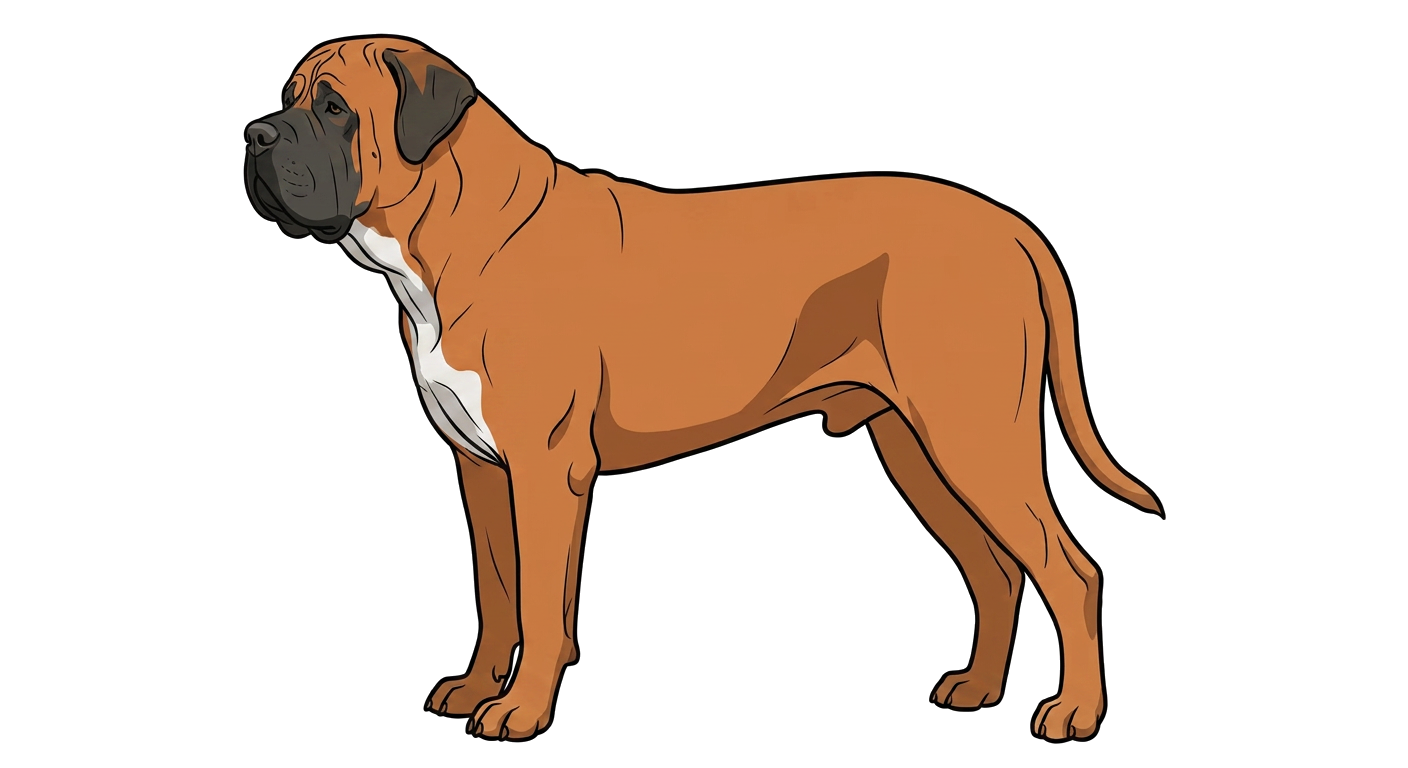
Red Fawn
Standard colour
Rich reddish-tan coloration across the body, occasionally accompanied by white chest markings.
Timeline
History & development
c. 16th–18th Century
Feudal Guardians
Maintained by regional chieftains and aristocrats in southern India for hunting wild boar and guarding fortified estates against intruders.
Late 19th Century
Colonial Documentation
British colonial observers recorded large, powerful mastiff-like hounds in the Madras Presidency, noting their formidable temperament and working utility.
Late 20th Century to Present
Decline and Rarity
With the decline of feudal estates and traditional hunting, purebred numbers dwindled sharply, leading to extensive interbreeding with related northern Indian and Pakistani mastiffs.
Reference
Breed standard summary
- body
- Long and sturdy, featuring a broad, muscular back, strong loins, and a deep, well-sprung ribcage.
- coat
- Short, smooth, and harsh to the touch, designed to withstand intense heat and dense scrub.
- ears
- Set high, historically often cropped in working contexts; naturally medium-sized and pendant or semi-erect.
- eyes
- Medium in size, almond-shaped, typically dark brown, conveying a serious and watchful expression.
- gait
- Powerful and deliberate, covering ground with smooth, rhythmic strides that belie its substantial bulk.
- head
- Broad, heavy, and somewhat flat across the skull, with loose skin that may form mild folds when alert.
- size
- Giant, typically measuring 71 to 86 cm at the withers and weighing between 45 and 68 kg.
- tail
- Thick at the base, tapering gradually towards the hock, carried low in repose and raised in a slight curve when active.
- colour
- Predominantly fawn, red, brindle, or white, occasionally with darker facial masks or patches.
- muzzle
- Deep and moderately broad, tapering only slightly towards a large, darkly pigmented nose.
- temperament
- Aloof, territorial, and fiercely loyal to handlers, exhibiting natural wariness toward strangers.
- general appearance
- A tall, imposing, and muscular molosser with a deep chest, powerful limbs, and an alert, dominant carriage.
Health
What to screen for
Green means little to worry about, amber means ask the breeder for test results, red means manage it actively.
Gastric Dilatation-Volvulus (Bloat)
Screen for it
Deep-chested mastiff anatomy places these dogs at elevated risk of life-threatening stomach twisting.
Joint and Musculoskeletal Issues
Screen for it
Substantial body mass can predispose rapid-growing puppies and adults to hip and elbow dysplasia.
Heat Regulation
Watch closely
Though adapted to tropical climates, extreme exertion in direct sun can overwhelm large, heavy molossers.
General information only — always speak to your vet about your own dog.
From real owners
Dogs like this
Alangu Mastiffs added by PawPoint members through their pet passports. Share yours to appear here.
Loading the wall…
Made for the Alangu Mastiff
The book, plus prints, hoodies and mugs using our own Alangu Mastiff illustration — and one everyday accessory that suits any dog.
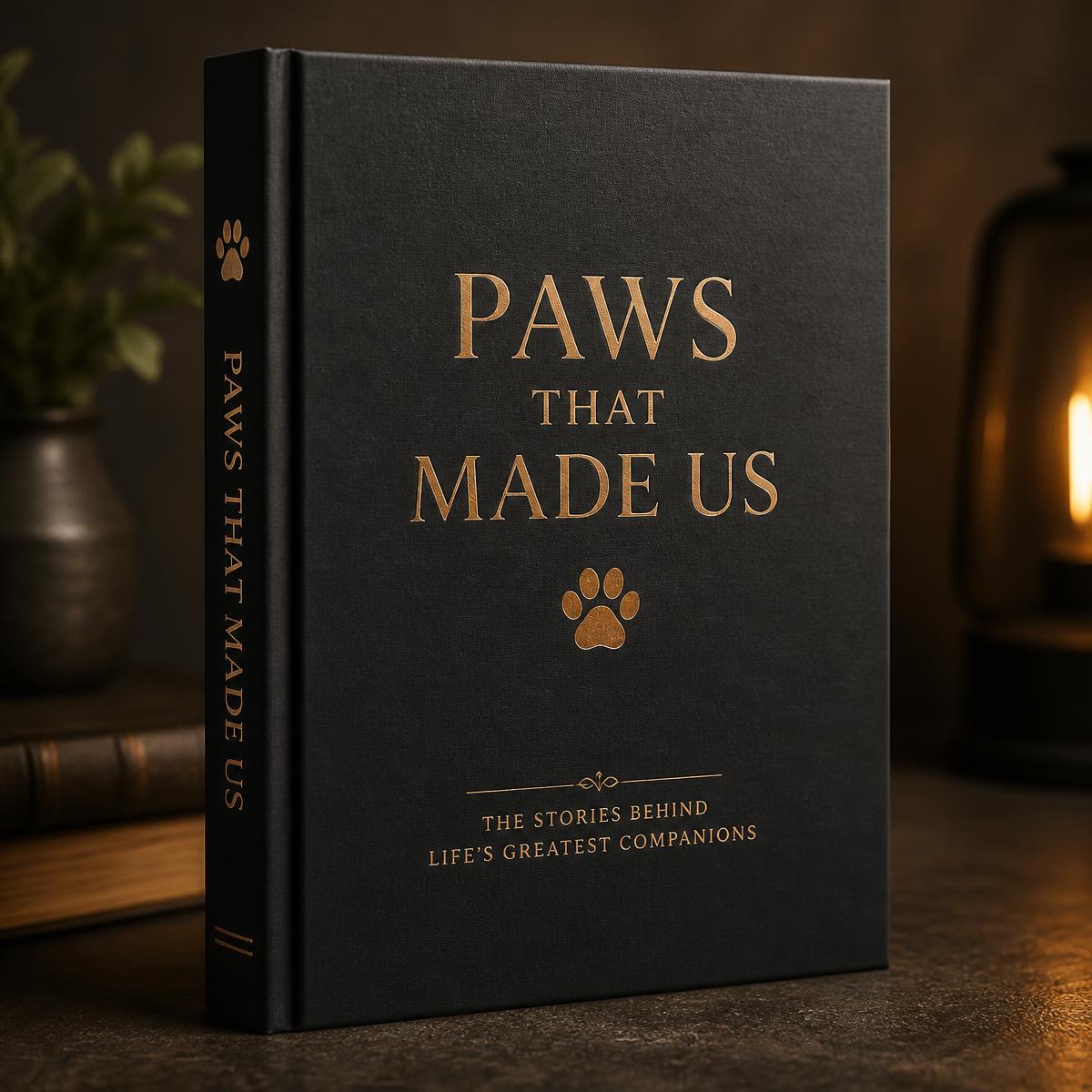
The book
Pawpoint: The Complete Dog Breed Book
Every officially recognised breed plus the unofficial ones nobody else documents. 400+ pages, hardback, printed and shipped from the UK.
Own stock — shipped by us
Framed poster
Alangu Mastiff Framed Poster
Museum-weight print of our Alangu Mastiff illustration, framed or unframed.
Printed to order
Hoodie
Alangu Mastiff Hoodie
Heavyweight hoodie carrying the Alangu Mastiff illustration on the chest.
Printed to order
Mug
Alangu Mastiff Mug
Ceramic mug with the Alangu Mastiff illustration wrapped around it.
Printed to order
Accessory
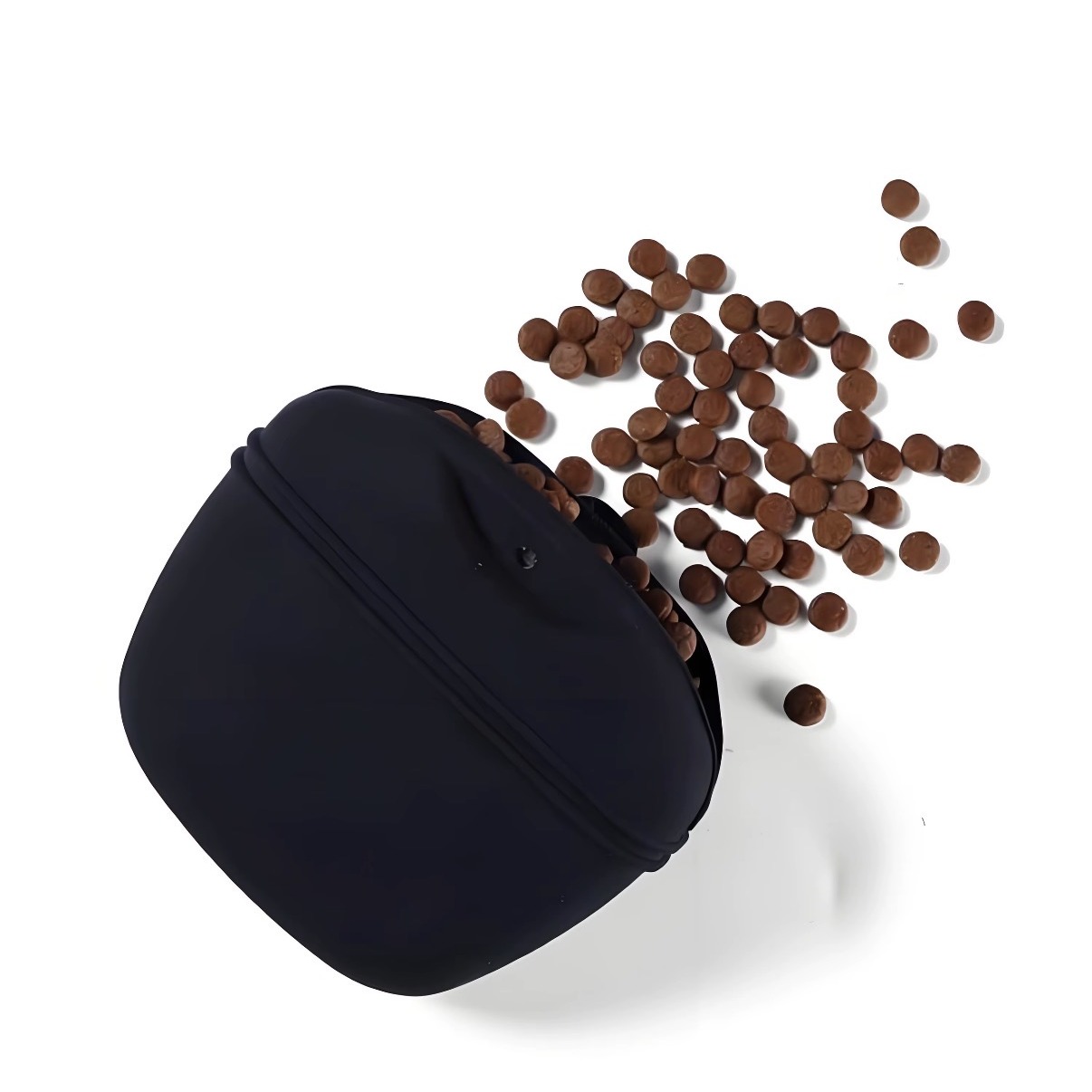
Treat Pouch
Magnetic-close belt pouch for training sessions.
Fits any dog
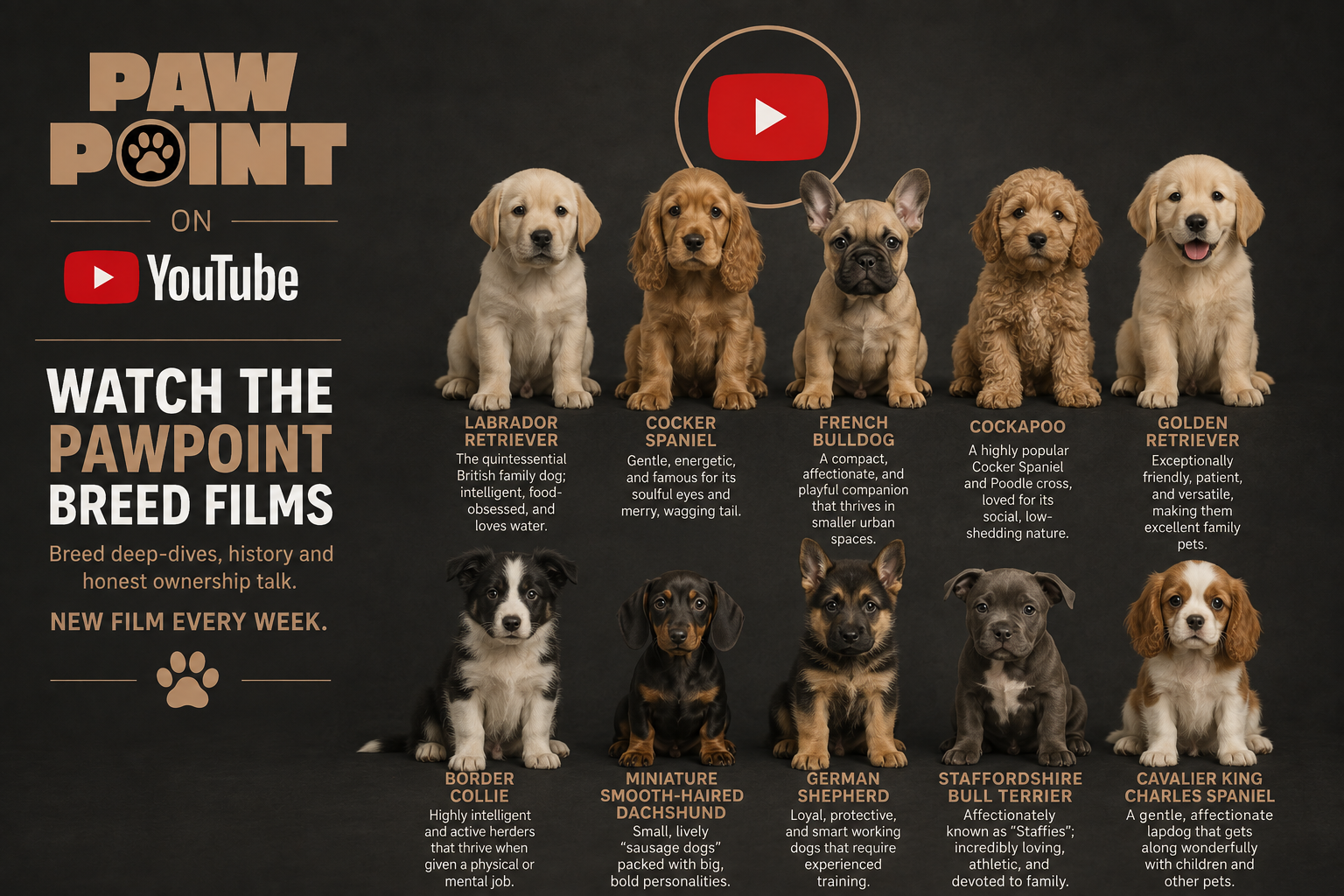
Pawpoint on YouTube
Watch the full Alangu Mastiff video
Breed deep-dives, history and honest ownership talk. New film every week.
Watch now