
Alaskan Klee Kai
uh-LASS-kuhn KLEE-kye
United States· Alaska, United States
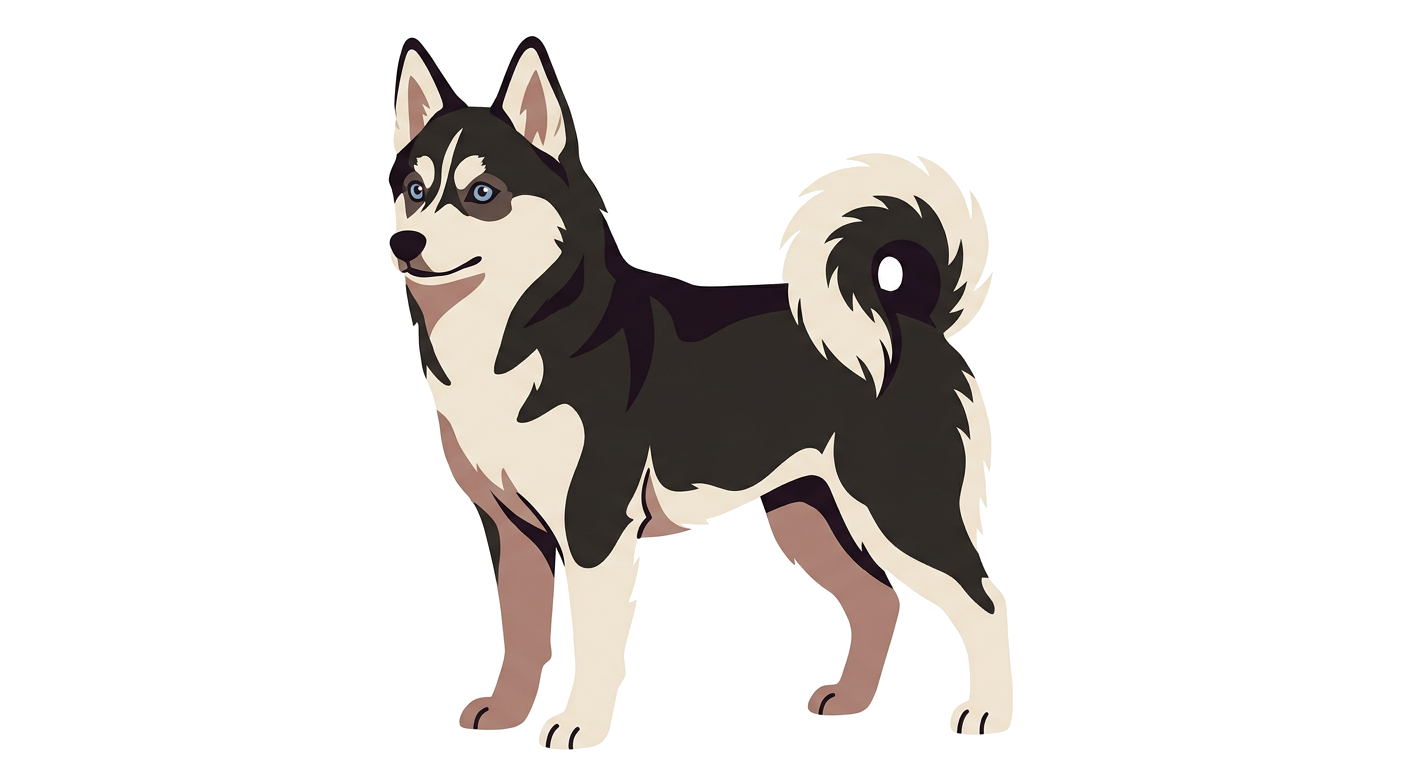
The Alaskan Klee Kai is a relatively modern companion spitz developed in Alaska during the latter part of the twentieth century. Intended to recreate the striking visual characteristics of northern sled dogs in a domestic, companion-sized animal, the breed was created using lines of Alaskan Husky, Siberian Husky, Schipperke, and American Eskimo Dog. Unlike northern working breeds, it was selected purely for companionship rather than draught or sledding utility.
At a glance
Quick facts
Size
Small (Toy, Miniature, and Standard varieties)
Exercise needs
45–60 minutes of daily exercise and mental stimulation
Home size suited to
Adaptable to flats or houses provided exercise needs are met
Grooming frequency
Weekly brushing; daily maintenance during moulting periods
Coat length
Medium
Sheds
Moderately; heavily during biannual seasonal moults
Lifespan
13–16 years
Town or country
Either town or country environments
Garden size needed
Small to medium, strictly secure and escape-proof
Where it comes from
Origins of the Alaskan Klee Kai
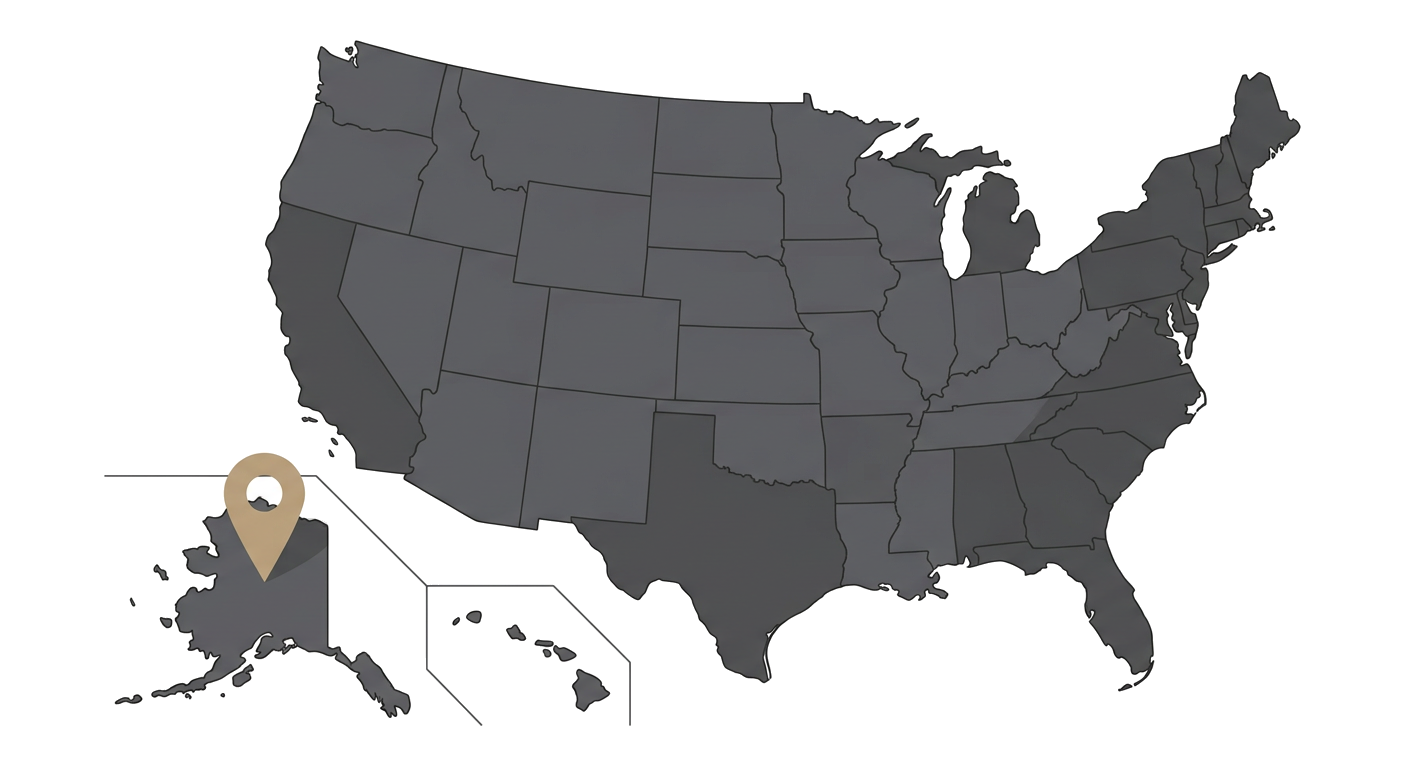
Developed in Wasilla, Alaska, during the 1970s and 1980s as a miniature companion spitz.
- Region
- Alaska, United States
- Climate it was bred for
- Subarctic and cold-temperate
- Original job
- Companion animal
The long read
About the breed
Physically, the breed exhibits classic arctic spitz traits in miniature, including a compact, balanced frame, erect triangular ears, a dense double coat, and a distinctive plumed tail that curls over the back. The breed is divided into three size categories: Toy, Miniature, and Standard. A defining trait is the contrasting facial mask, which closely mirrors that of larger sled dogs and frames eyes that may be blue, brown, amber, or heterochromatic.
In temperament, the Alaskan Klee Kai tends to be quick-witted, agile, and deeply loyal to its immediate household, while retaining a marked natural reserve around unfamiliar individuals. The breed was formally recognised by the United Kennel Club (UKC) in 1997, though it remains comparatively scarce globally and is not currently recognised by the major kennel clubs of Britain or continental Europe.
Illustrated breed standard
The points of the breed
Hover or tap a numbered point to read what the standard asks for.
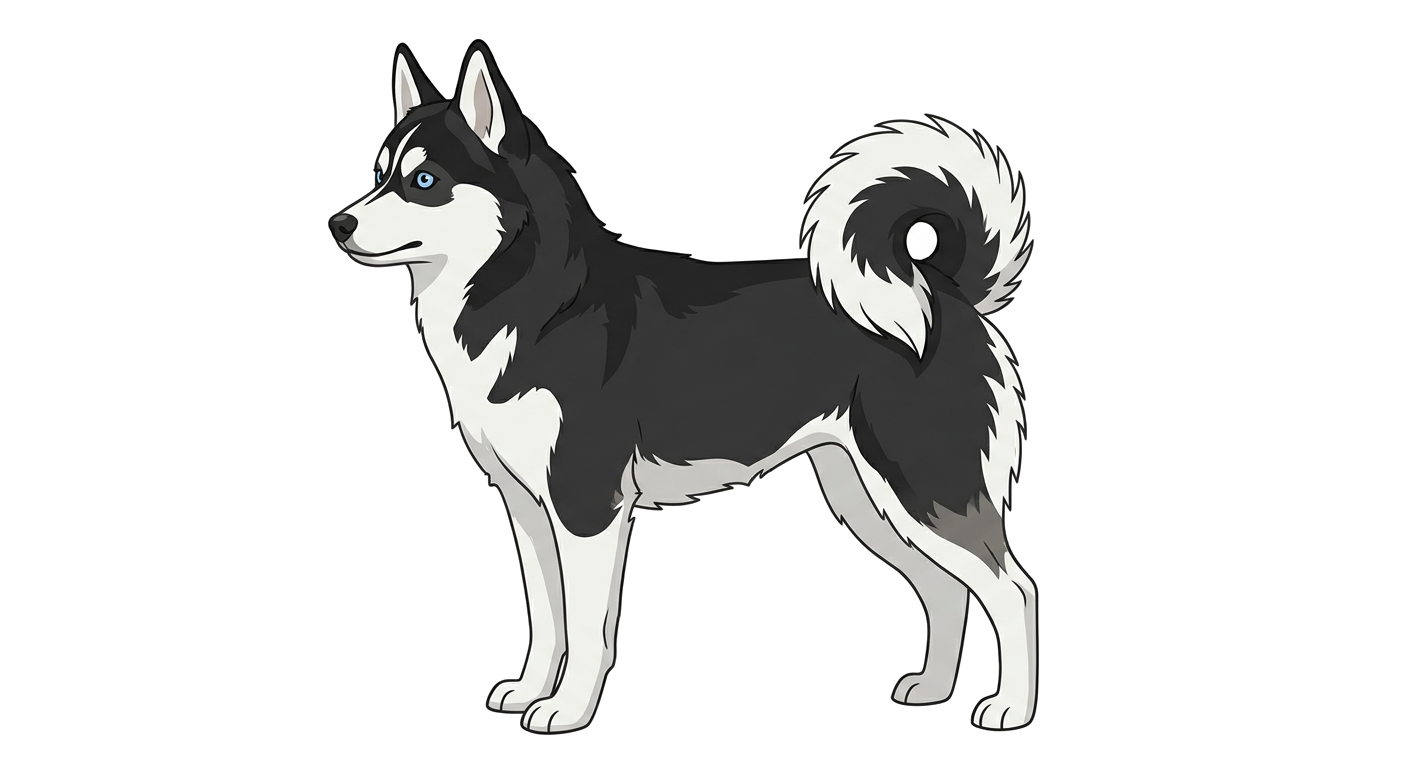
Point 1
Skull
The Alaskan Klee Kai's skull is judged on balance rather than size — proportionate to the body, with a clean cheek and a stop typical of the breed. Coarseness or an over-refined head are both faulted.
Colours & patterns
Recognised coats
Which coats the standard accepts — and which are simply popular.
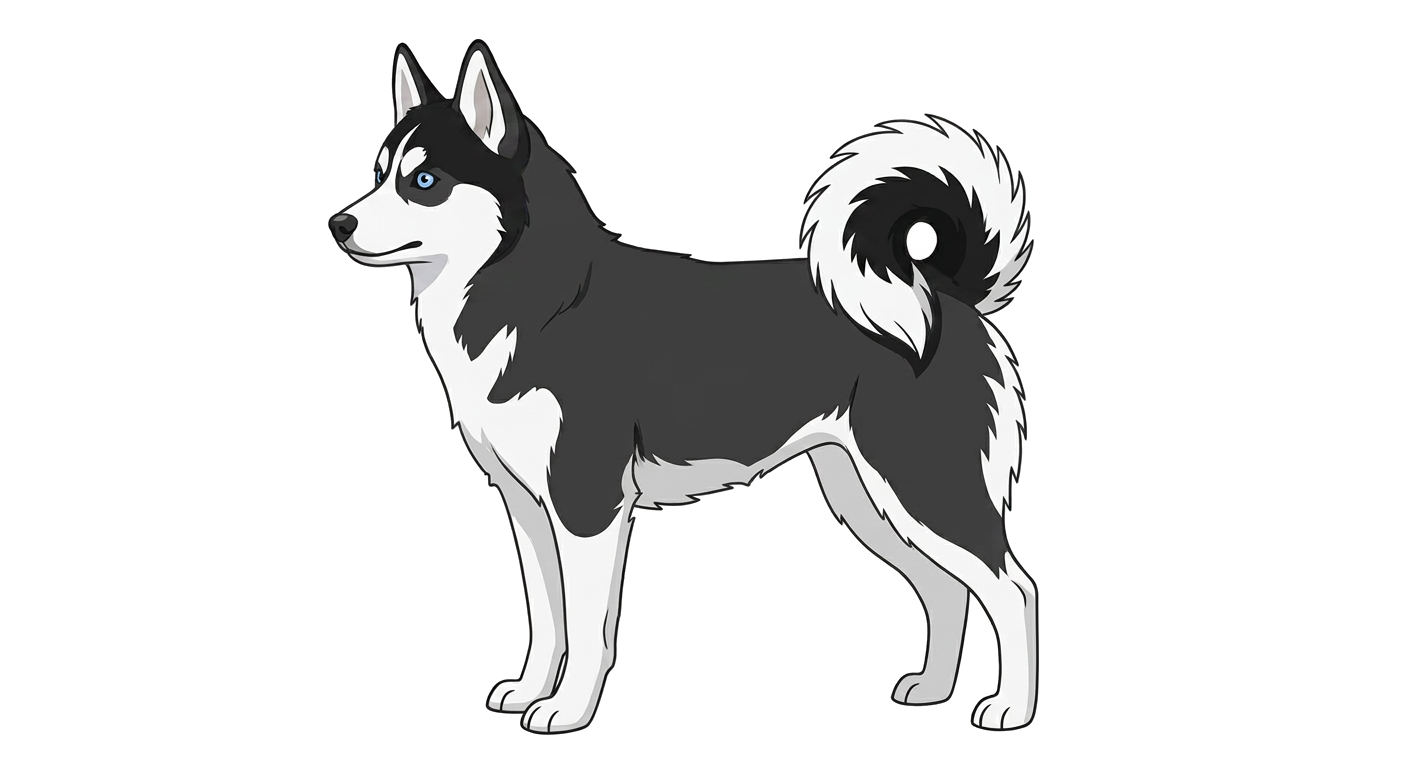
Black and White
Standard colour
Jet black to soft black upper body paired with clear white markings and a distinct, symmetrical facial mask.
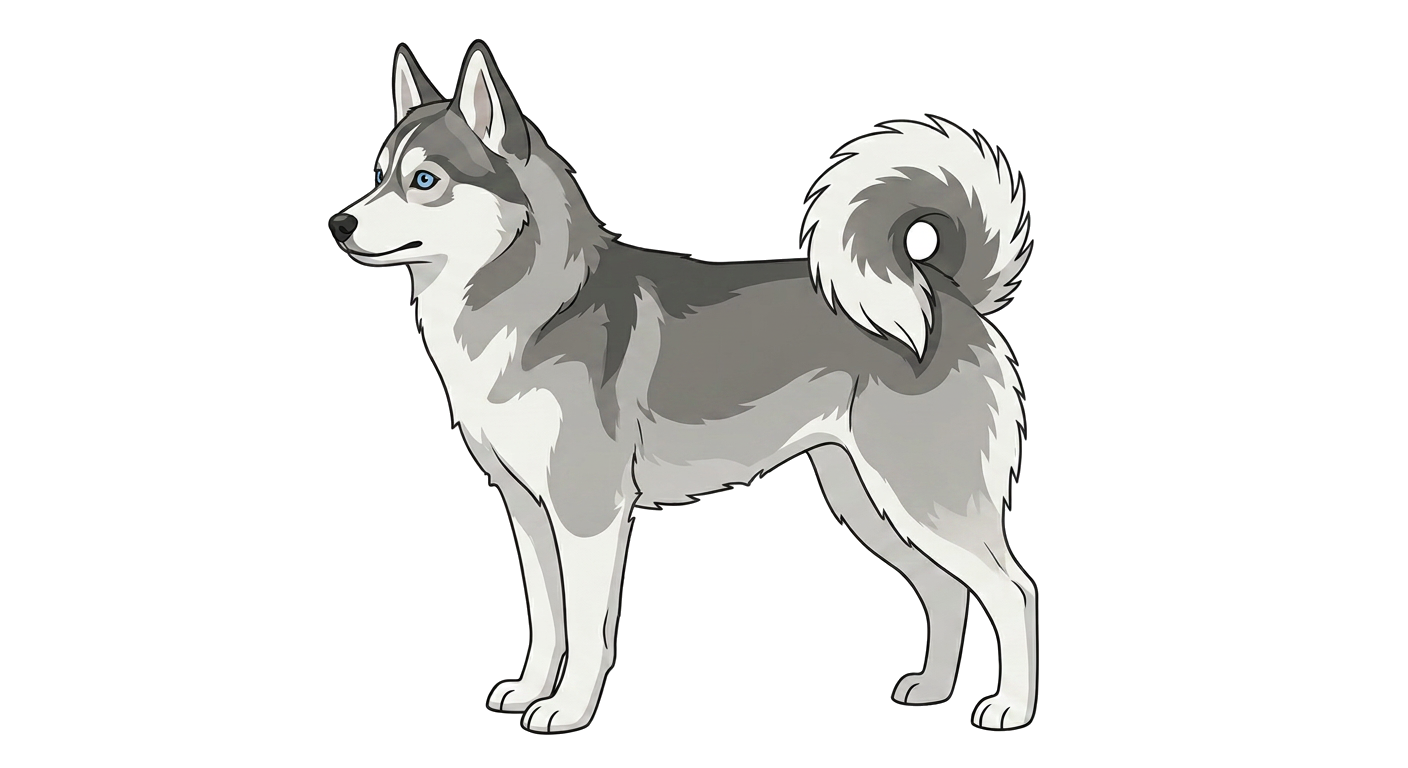
Grey and White
Standard colour
Shades ranging from pale silver to dark wolf grey with white undersides and characteristic facial markings.
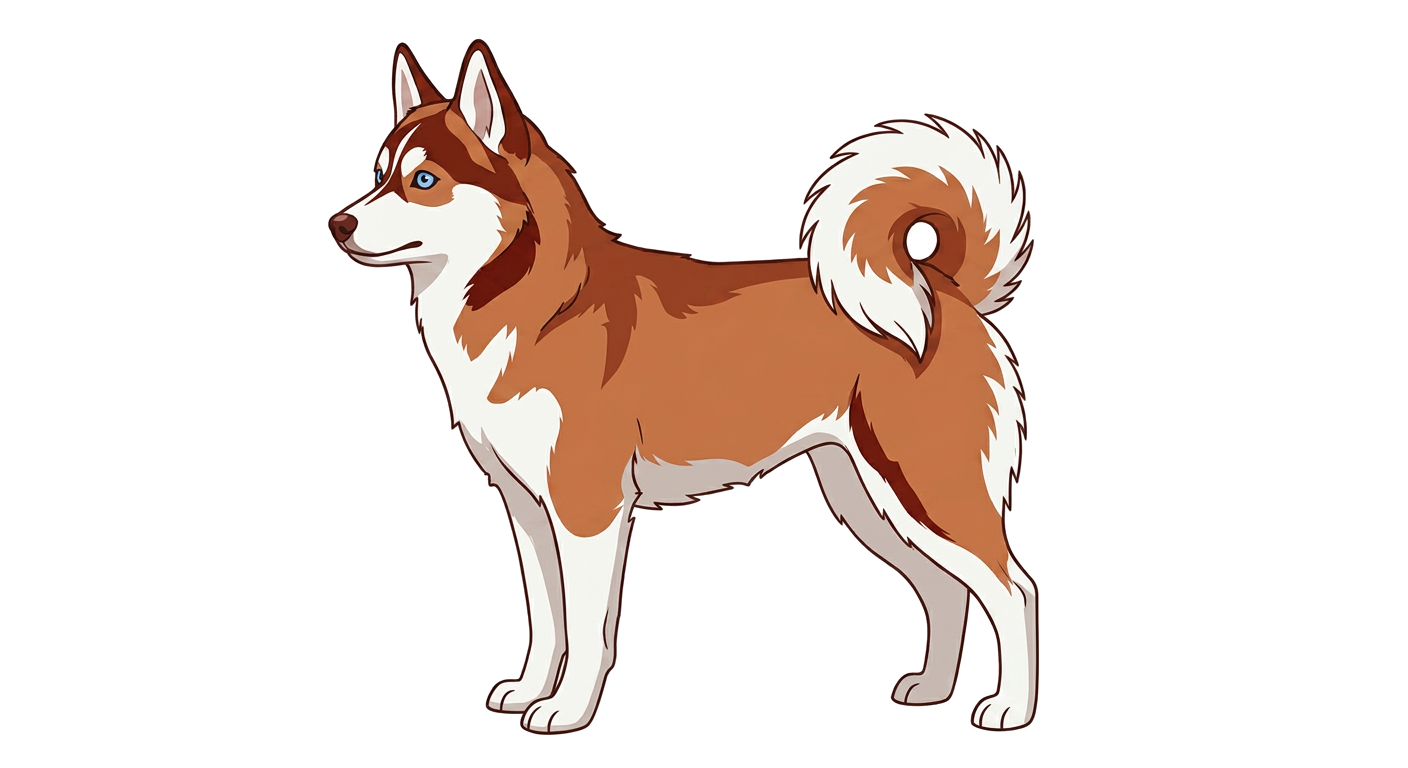
Red and White
Standard colour
Tones spanning cinnamon, copper, to rich dark red combined with clear white markings and contrasting mask.
Timeline
History & development
1970s
Initial breeding programme
Linda Spurlin of Wasilla, Alaska, initiated a dedicated breeding programme after acquiring a small Alaskan Husky, crossing sled-type dogs with smaller spitz breeds to fix miniature proportions.
1988
Public introduction
The developer formally released the dogs to the public after establishing a uniform type and standard, strictly controlling initial breeding stock to preserve conformation and temperament.
1997
UKC recognition
The United Kennel Club in the United States granted full breed recognition, categorising the Alaskan Klee Kai within its Northern Breeds Group.
2020
AKC FSS recording
The breed was accepted into the American Kennel Club's Foundation Stock Service (FSS), marking a standard administrative stepping stone toward potential full recognition in its native country.
Reference
Breed standard summary
- body
- Slightly longer than tall, featuring a firm, level topline, moderately sprung ribs, and a slight tuck-up at the loin.
- coat
- A weather-resistant double coat consisting of a soft, dense undercoat and a straight, moderately harsh outer coat; an accepted longer-coated variety is also recognised.
- ears
- Erect, triangular, well-furred, carried firmly upright, and set high on the skull.
- eyes
- Medium in size, almond-shaped to slightly oval, set obliquely; colours include brown, amber, blue, or combinations (parti-coloured or bi-eyed).
- gait
- Smooth, agile, and effortless, exhibiting balanced reach in the forequarters and positive drive in the hindquarters.
- head
- Clean and wedge-shaped, devoid of excessive fleshiness or wrinkling, proportioned harmoniously to the overall body size.
- size
- Divided into Toy (up to 33 cm / 13 in), Miniature (33 to 38 cm / 13 to 15 in), and Standard (38 to 43 cm / 15 to 17 in) at the withers.
- tail
- Well-furred, set just below the level of the topline, curling gracefully over the back or to either hip when alert.
- colour
- Contrasting symmetrical facial mask required; body colouration accepted in black and white, grey and white, or red and white, with distinct markings.
- muzzle
- Tapering moderately from the stop to the nose, roughly equal in length to or slightly shorter than the skull, with tight lips.
- temperament
- Highly intelligent, energetic, and affectionate with family, typically demonstrating a cautious reserve toward strangers without unprovoked aggression.
- general appearance
- A small, well-proportioned northern spitz dog with a compact frame, erect ears, a double coat, and a distinctive, symmetrical facial mask.
Health
What to screen for
Green means little to worry about, amber means ask the breeder for test results, red means manage it actively.
Factor VII Deficiency
Screen for it
A genetic blood-clotting disorder that can cause prolonged bleeding during trauma or surgery; reliable DNA tests are available.
Patellar Luxation
Screen for it
Slipping of the kneecap common in small breeds; orthopaedic assessment before breeding helps reduce prevalence.
Autoimmune Thyroiditis
Watch closely
Immune-mediated inflammation of the thyroid gland, manageable with lifelong hormone replacement therapy if diagnosed.
Ocular Conditions
Watch closely
Juvenile cataracts, distichiasis, and persistent pupillary membranes are monitored via periodic veterinary ophthalmologist checks.
General information only — always speak to your vet about your own dog.
From real owners
Dogs like this
Alaskan Klee Kais added by PawPoint members through their pet passports. Share yours to appear here.
Loading the wall…
Made for the Alaskan Klee Kai
The book, plus prints, hoodies and mugs using our own Alaskan Klee Kai illustration — and one everyday accessory that suits any dog.

The book
Pawpoint: The Complete Dog Breed Book
Every officially recognised breed plus the unofficial ones nobody else documents. 400+ pages, hardback, printed and shipped from the UK.
Own stock — shipped by us
Framed poster
Alaskan Klee Kai Framed Poster
Museum-weight print of our Alaskan Klee Kai illustration, framed or unframed.
Printed to order
Hoodie
Alaskan Klee Kai Hoodie
Heavyweight hoodie carrying the Alaskan Klee Kai illustration on the chest.
Printed to order
Mug
Alaskan Klee Kai Mug
Ceramic mug with the Alaskan Klee Kai illustration wrapped around it.
Printed to order
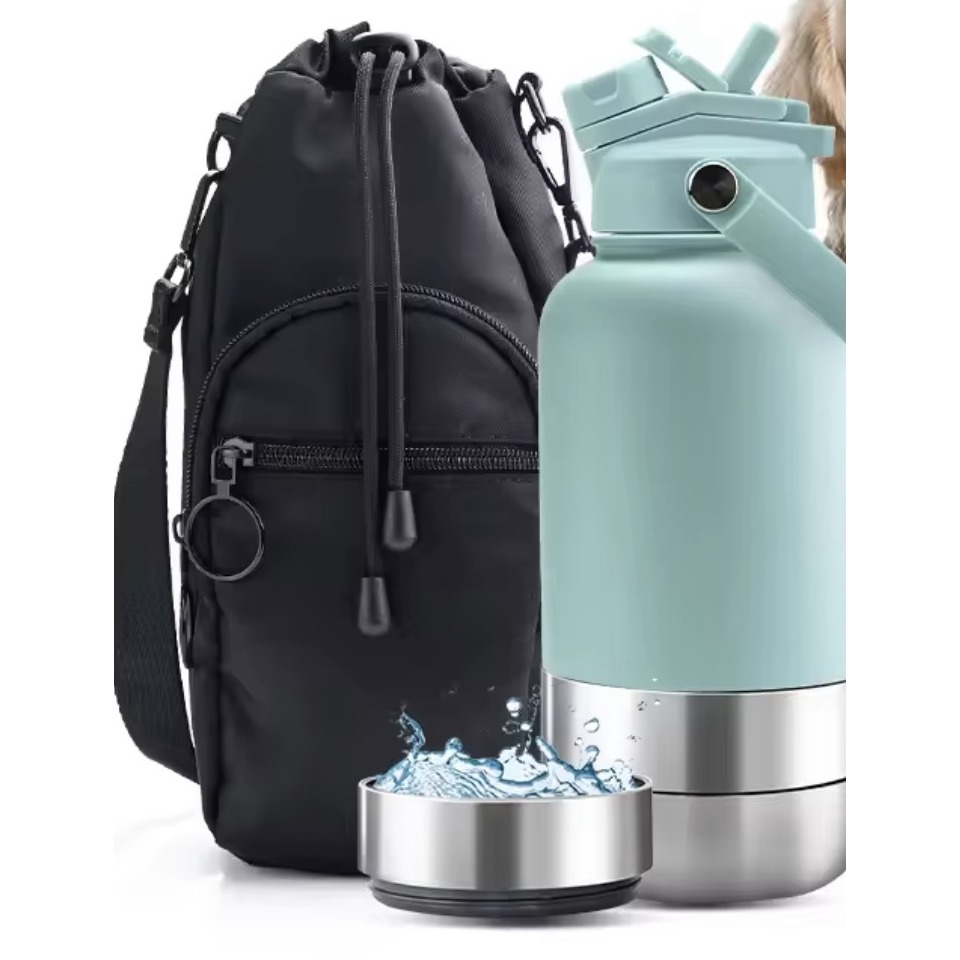
Accessory
Travel Water Bottle & Bowl
550ml bottle with a fold-out drinking trough.
Fits any dog
Pawpoint on YouTube
Watch the full Alaskan Klee Kai video
Breed deep-dives, history and honest ownership talk. New film every week.
Watch now