Alpine Dachsbracke
AL-pyne DAKS-brah-keh
Austria· The Austrian Alps
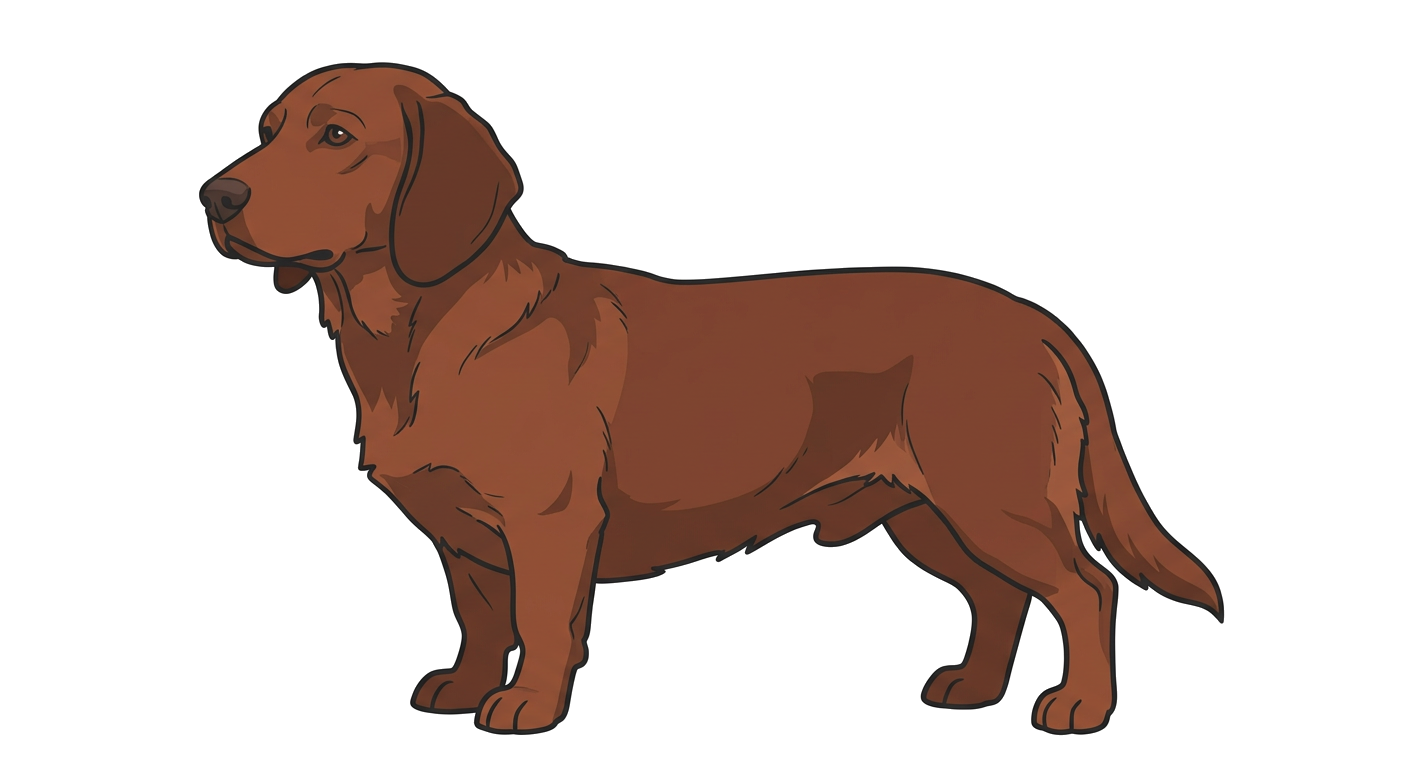
The Alpine Dachsbracke is a small, sturdy scenthound developed in Austria during the nineteenth century to track wounded game across steep, high-altitude terrain. Low to the ground and powerfully built, it combines the nose of the larger Austrian hounds with a compact frame that can work dense mountain cover where a bigger dog would struggle.
At a glance
Quick facts
Size
Small to Medium
Exercise needs
High (at least 90 minutes daily)
Home size suited to
House with outdoor access
Grooming frequency
Weekly brushing
Coat length
Short
Sheds
Moderate
Lifespan
12–14 years
Town or country
Country
Garden size needed
Secure garden
Where it comes from
Origins of the Alpine Dachsbracke
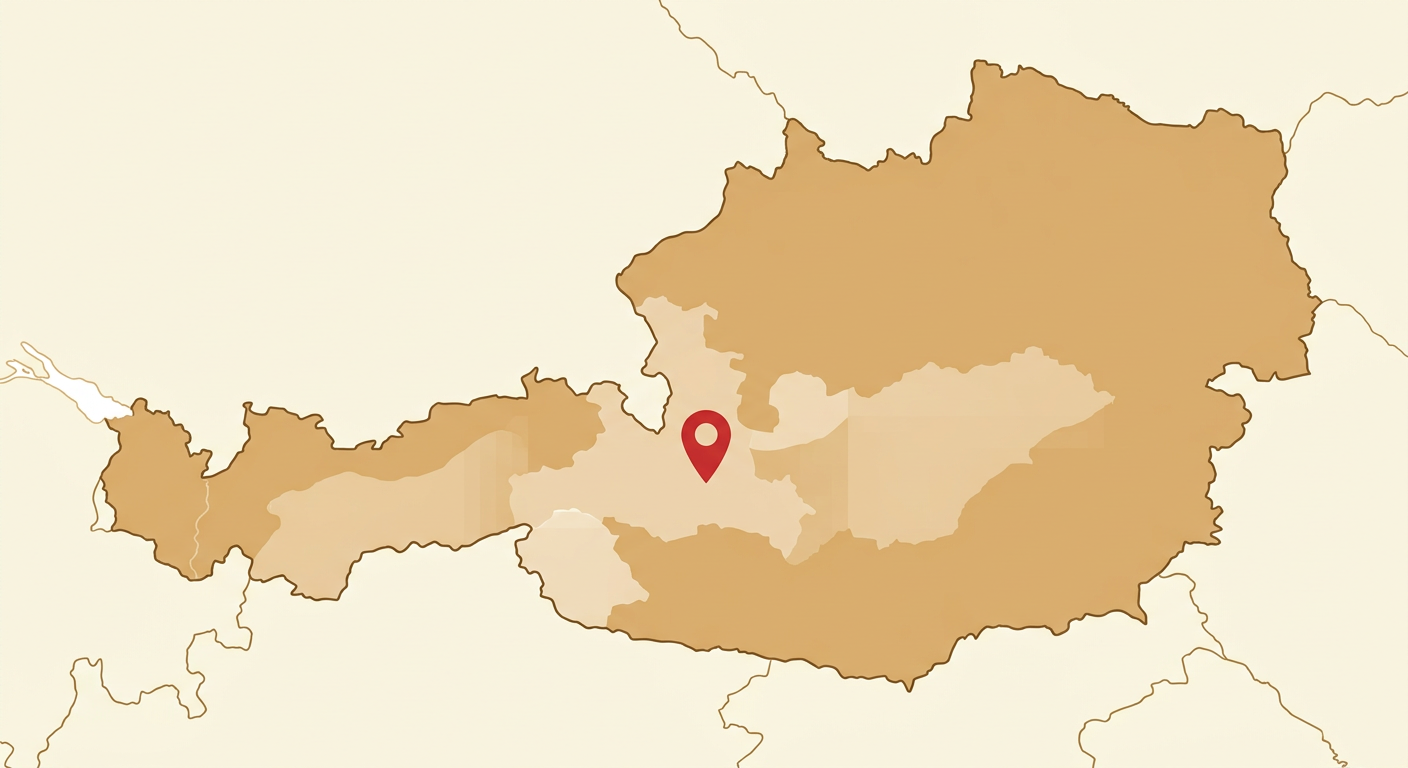
Developed in the Austrian Alps as a short-legged trailing hound for following wounded game over steep ground.
- Region
- The Austrian Alps
- Climate it was bred for
- Cool Alpine
- Original job
- Tracking wounded deer and hare in mountain terrain
The long read
About the breed
The breed is closely associated with Crown Prince Rudolf of Habsburg, who is recorded as using these hounds on hunting expeditions in the Alps and on travels as far afield as Turkey and Egypt. Breeders crossed local Alpine hound stock with short-legged Dachsbracke types — and possibly Dachshunds — to fix the short, strong legs and keen trailing instinct the work demanded.
At home the Alpine Dachsbracke is friendly, loyal and generally good-natured, but it remains a working hound at heart: independent-minded, driven by scent and in need of regular, purposeful exercise. It suits active rural owners far better than city life, and recall around wildlife requires patient, consistent training.
Living with one
Temperament & needs
Our own ratings, based on the breed standard and how these dogs behave in ordinary homes.
Energy
4/5
Settles well once exercised.
Barking
4/5
Quick to sound off.
Grooming
2/5
Minimal grooming beyond a weekly once-over.
Sociability
3/5
Steady with people it knows.
Independence
4/5
Independent thinker; tolerates being left to it.
Trainability
3/5
Capable, with consistent fair handling.
Illustrated breed standard
The points of the breed
Hover or tap a numbered point to read what the standard asks for.
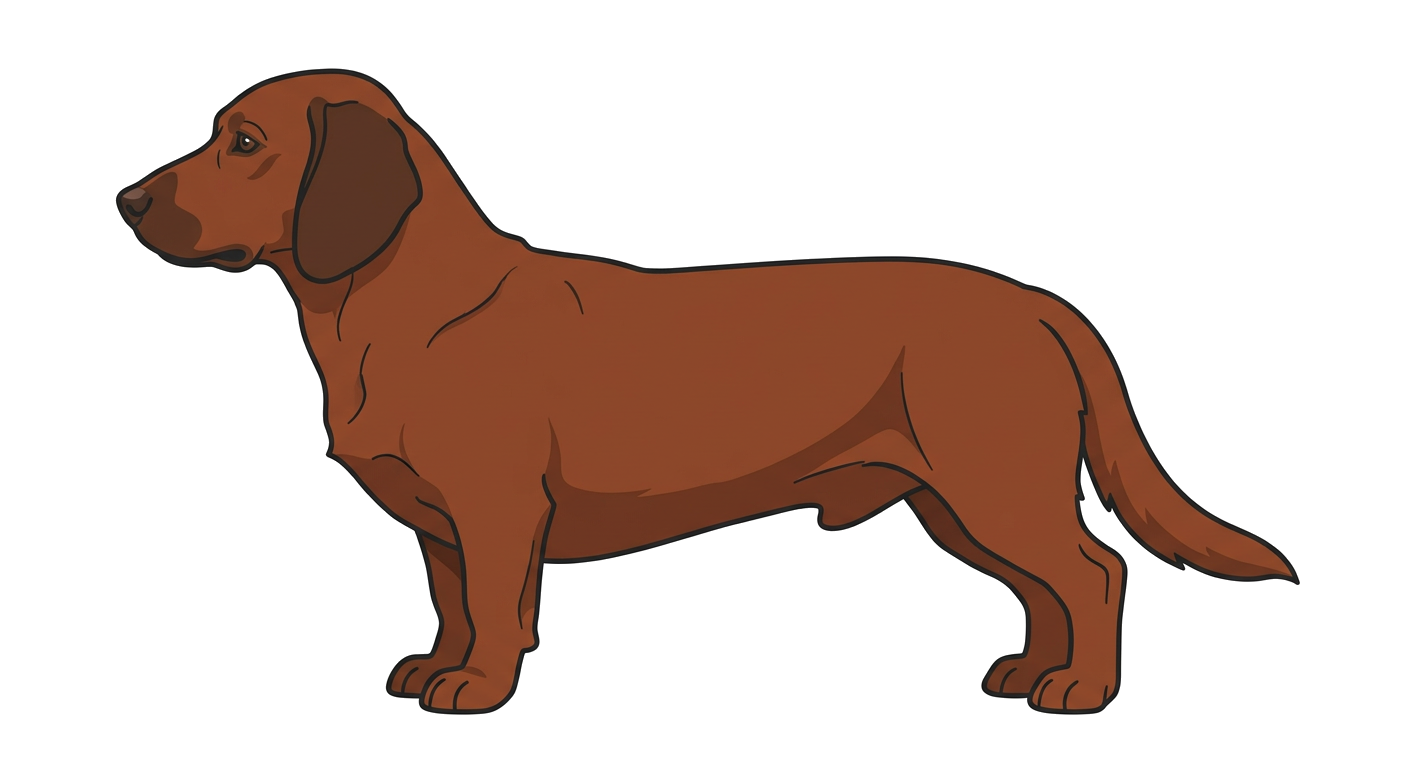
Point 1
Head
Strong and well proportioned, with a slightly arched skull, a distinct stop and a straight nasal bridge.
Colours & patterns
Recognised coats
Which coats the standard accepts — and which are simply popular.
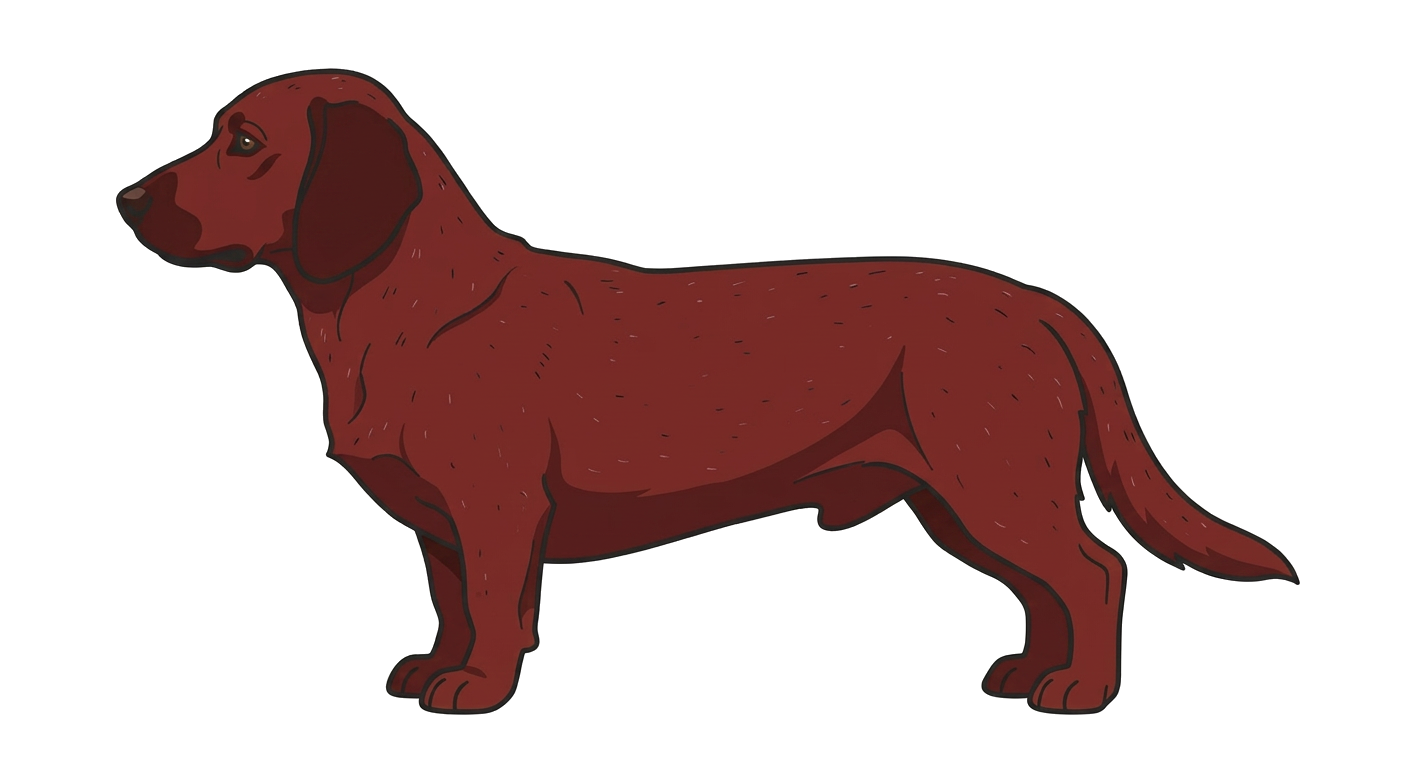
Deer Red
Standard colour
The classic colour: dark deer red, sometimes with light black ticking through the coat.
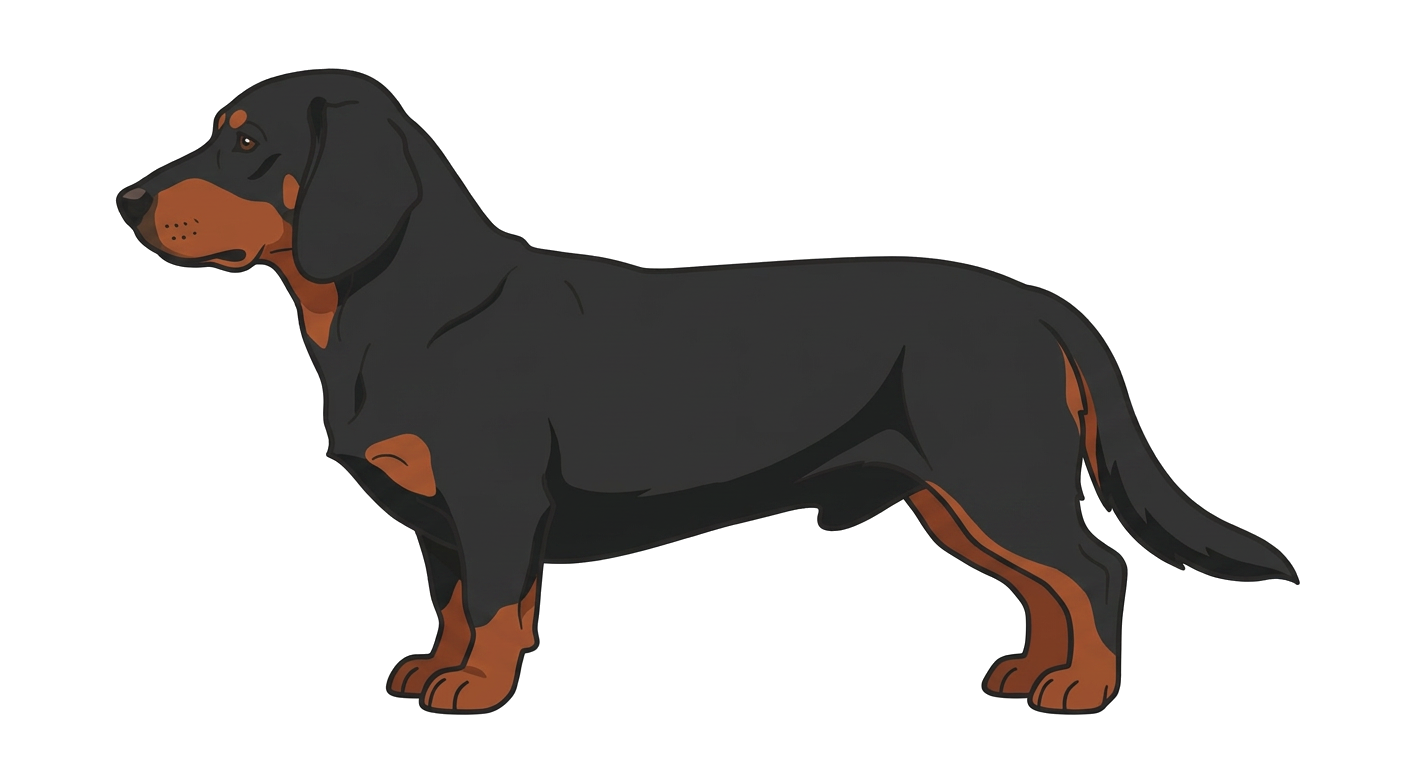
Black & Tan
Standard colour
Black with clearly defined red-brown markings on head, chest, legs and under the tail.
Timeline
History & development
1800s
Mountain breeding
Austrian huntsmen bred down local scenthounds with short-legged Dachsbracke stock to produce a tireless trailer able to work steep, forested Alpine slopes.
1870s–1880s
Royal patronage
Crown Prince Rudolf of Habsburg kept and hunted Alpine Dachsbracken, helping establish the breed's reputation well beyond Austria.
1932
Top scenthound status
The breed was recognised in Austria as the third scenthound breed and placed among the country's principal working hounds.
1991
FCI standard
The Fédération Cynologique Internationale confirmed definitive recognition of the Alpine Dachsbracke under standard number 254.
Reference
Breed standard summary
- body
- Long and strong in relation to height, with a straight, firm back, well-muscled loin and a deep, broad chest let down to the elbows.
- coat
- Dense, close-fitting double coat with a thick undercoat, giving good protection in cold, wet mountain weather.
- ears
- Set high, broad, hanging flat against the cheeks, rounded at the tips and reaching roughly to the canine teeth.
- eyes
- Dark brown, medium-sized, with a lively, friendly expression and close-fitting lids.
- gait
- Free, ground-covering and even, with strong drive from the hindquarters despite the short legs.
- head
- Strong and well proportioned, with a slightly arched skull, a distinct stop and a straight nasal bridge.
- size
- Height at the withers is between 34 and 42 cm, with a little tolerance either way.
- tail
- Set high, thick at the base, reaching about to the hock, carried slightly upward with a brush of longer hair on the underside.
- colour
- Dark deer red, with or without light black interspersed hairs; also black with clearly defined red-brown markings on the head, chest, legs, feet and underside of the tail.
- muzzle
- Strong and of medium length, with tight lips and a black nose.
- temperament
- Courageous, friendly and even-tempered at home, with a pronounced hunting instinct and an independent working style.
- general appearance
- A robust, short-legged, muscular scenthound with a dense coat and an alert, confident expression; clearly built for endurance over rough ground.
Health
What to screen for
Green means little to worry about, amber means ask the breeder for test results, red means manage it actively.
Back and joints
Watch closely
Long-backed, short-legged build benefits from controlled weight and limited repetitive jumping.
Ear care
Watch closely
Dropped ears need routine checks after work in wet or dense cover.
General robustness
Screen for it
Considered a hardy working breed, but formal health data is limited.
General information only — always speak to your vet about your own dog.
From real owners
Dogs like this
Alpine Dachsbrackes added by PawPoint members through their pet passports. Share yours to appear here.
Loading the wall…
Made for the Alpine Dachsbracke
The book, plus prints, hoodies and mugs using our own Alpine Dachsbracke illustration — and one everyday accessory that suits any dog.
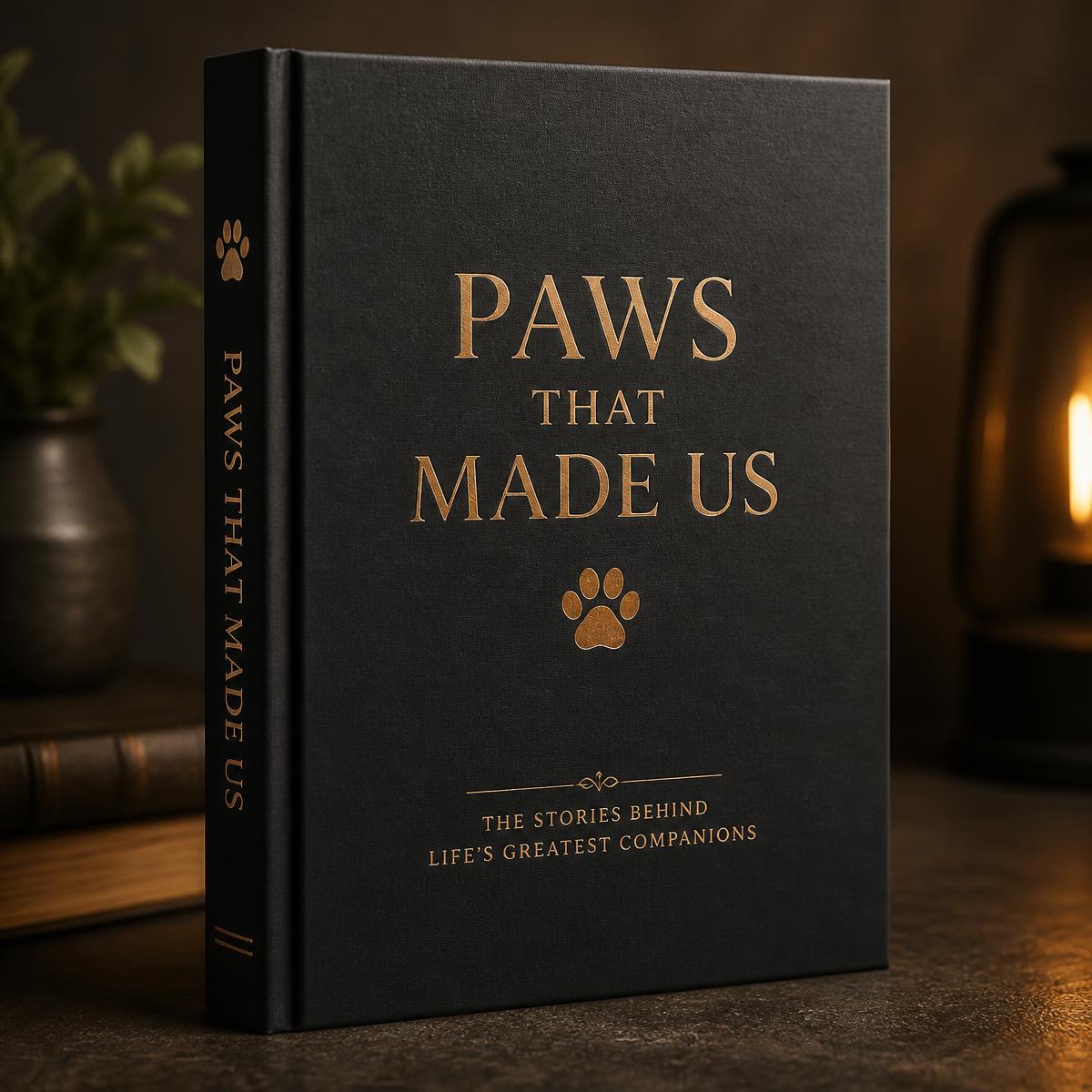
The book
Pawpoint: The Complete Dog Breed Book
Every officially recognised breed plus the unofficial ones nobody else documents. 400+ pages, hardback, printed and shipped from the UK.
Own stock — shipped by us
Framed poster
Alpine Dachsbracke Framed Poster
Museum-weight print of our Alpine Dachsbracke illustration, framed or unframed.
Printed to order
Hoodie
Alpine Dachsbracke Hoodie
Heavyweight hoodie carrying the Alpine Dachsbracke illustration on the chest.
Printed to order
Mug
Alpine Dachsbracke Mug
Ceramic mug with the Alpine Dachsbracke illustration wrapped around it.
Printed to order
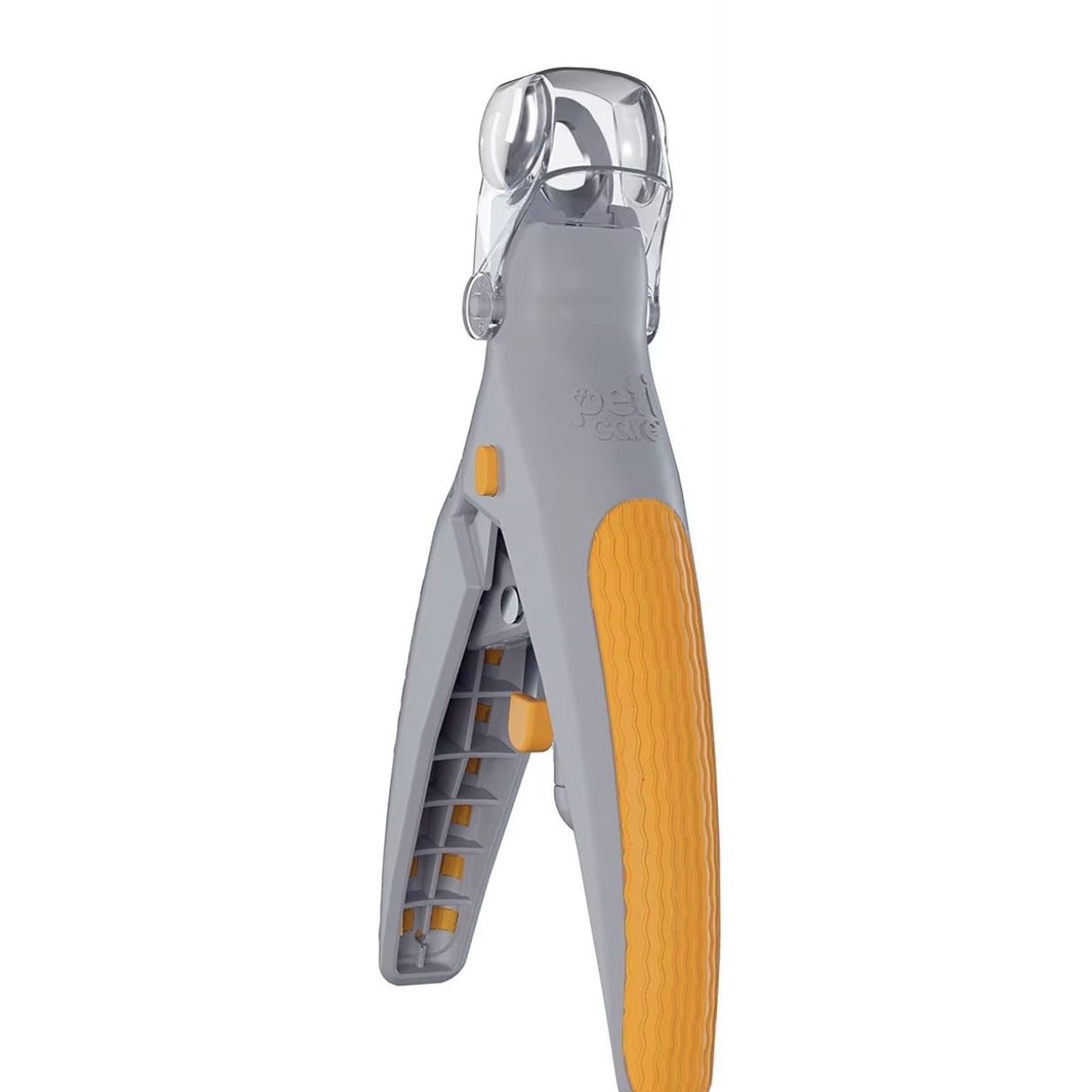
Accessory
Nail Clippers & Grinder
Safety-guard clippers with a quiet rotary grinder.
Fits any dog
Pawpoint on YouTube
Watch the full Alpine Dachsbracke video
Breed deep-dives, history and honest ownership talk. New film every week.
Watch now