
American Akita
uh-MER-ih-kan ah-KEE-tah
United States· Developed across the United States from Japanese stock
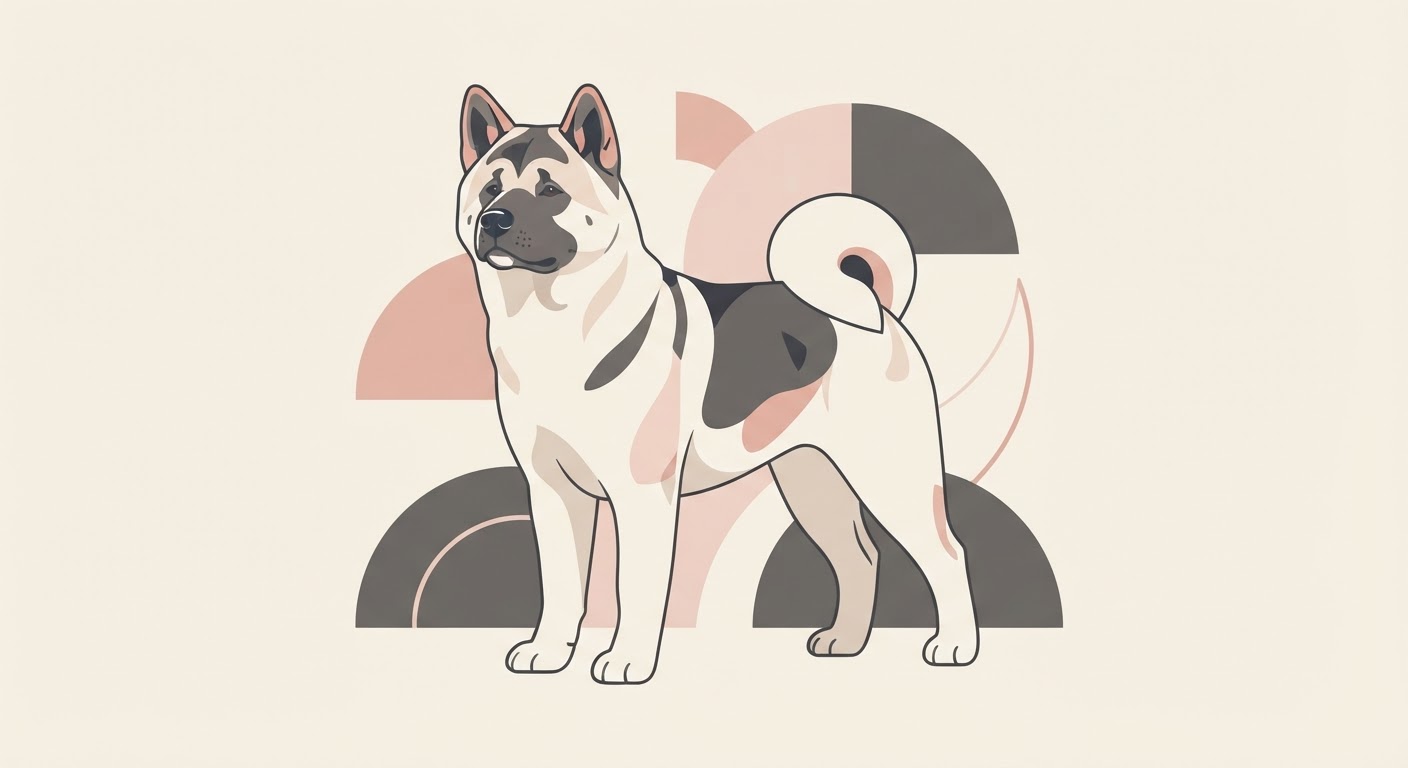
The American Akita is a large, powerful spitz-type dog bred in the United States from Japanese Akita stock brought over after the Second World War.
At a glance
Quick facts
Size
Large
Exercise needs
1-2 hours per day
Home size suited to
Medium or larger with secure garden
Grooming frequency
Weekly brush, heavier during seasonal moults
Coat length
Medium, double coat
Sheds
Yes, heavily twice a year
Lifespan
10-13 years
Town or country
Adaptable but benefits from space
Garden size needed
Medium or larger, securely fenced
Where it comes from
Origins of the American Akita
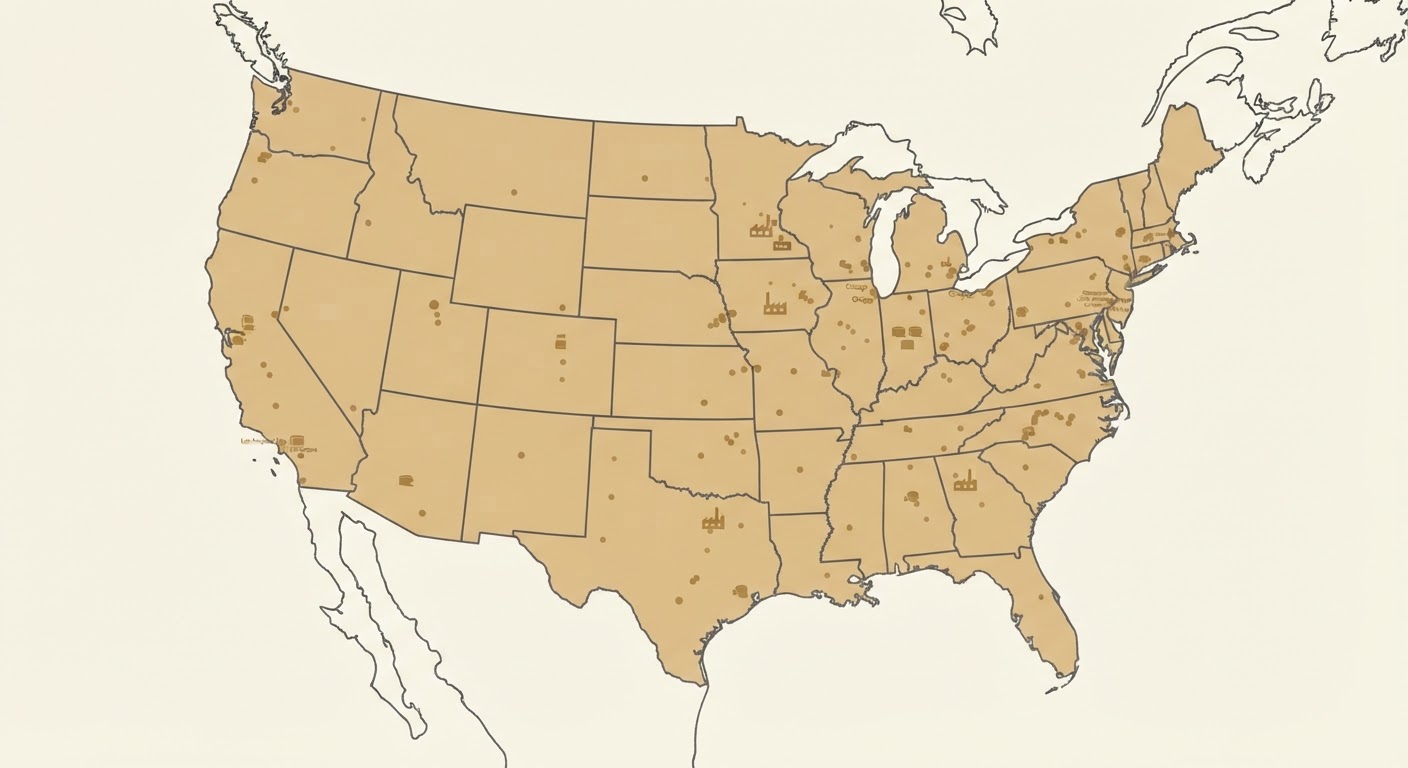
American servicemen returning from occupied Japan after the Second World War brought home large, heavy-boned Akitas, which were then bred selectively in the United States for size and bear-like head type, diverging from the Japanese Akita Inu. The result was a bigger, more heavily built dog suited to guarding rural American homesteads.
- Region
- Developed across the United States from Japanese stock
- Climate it was bred for
- Temperate, varied continental climate
- Original job
- Guarding, big-game hunting support and companionship
The long read
About the breed
Its working background as a guardian and big-game hunting companion shaped a dog that is watchful, physically imposing and naturally reserved with strangers, with a strong protective instinct towards its family.
Living with an American Akita means owning a dog that is calm and dignified indoors but requires firm, consistent handling, early socialisation and a confident owner, as it can be territorial and dog-aggressive if not well managed.
Today it is kept mainly as a guardian and companion, admired for its striking bear-like head and loyal temperament, though it remains a breed best suited to experienced owners.
Living with one
Temperament & needs
Our own ratings, based on the breed standard and how these dogs behave in ordinary homes.
Friendliness
3/5
How openly the American Akita greets people it does not know.
Trainability
3/5
How readily the breed takes to training in an ordinary home.
Energy
3/5
How much daily exercise and stimulation the breed expects.
Barking
3/5
How vocal the breed tends to be day to day.
Grooming
3/5
How much coat work the breed needs to stay comfortable.
Suits a first-time owner
3/5
How forgiving the American Akita is for someone taking on their first dog.
Illustrated breed standard
The points of the breed
Hover or tap a numbered point to read what the standard asks for.
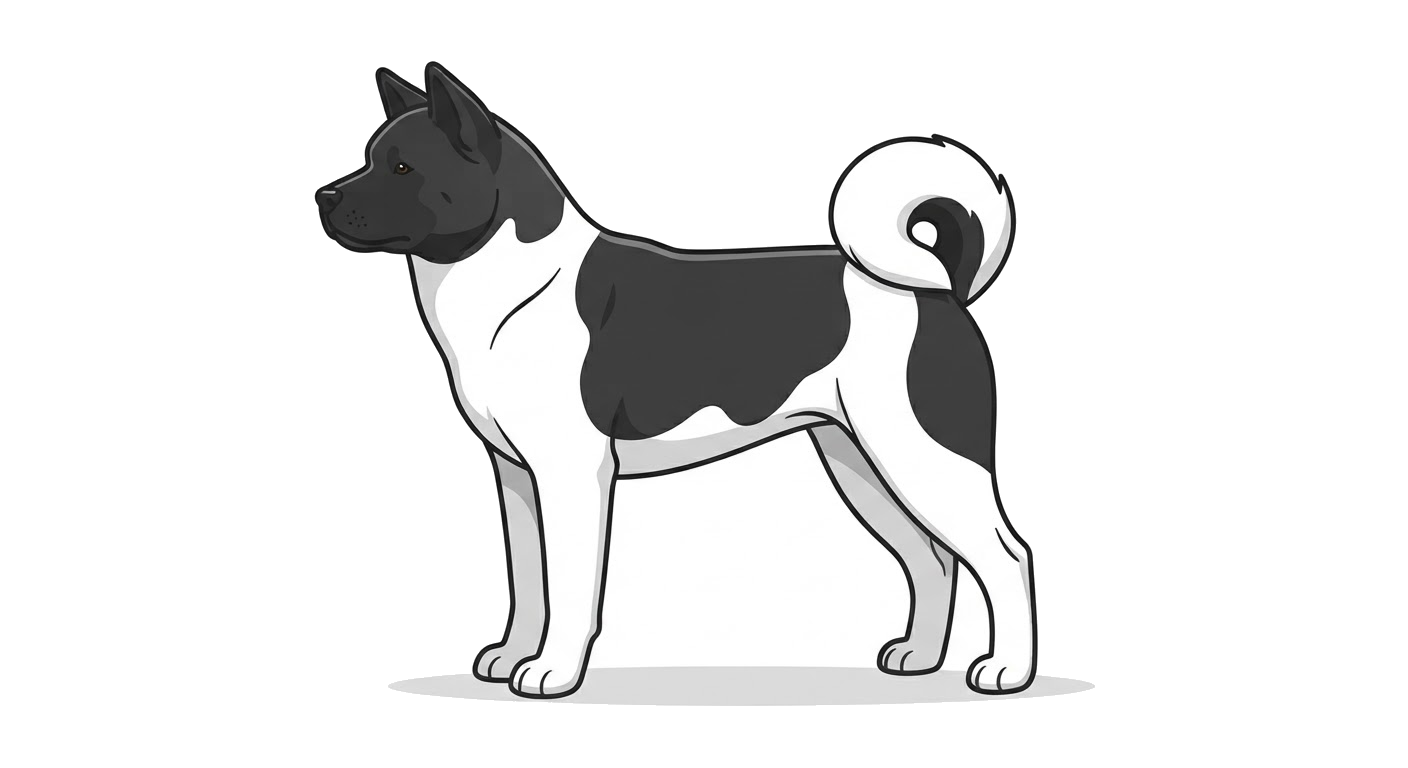
Point 1
Skull
The American Akita's skull is judged on balance rather than size — proportionate to the body, with a clean cheek and a stop typical of the breed. Coarseness or an over-refined head are both faulted.
Timeline
History & development
1930s-40s
Japanese origins
American servicemen stationed in Japan after the war encountered large Akitas and began importing them home.
1950s
American development
Breeders in the US selected for greater size and bulk, creating a type distinct from the Japanese Akita Inu.
1972
AKC recognition
The American Kennel Club recognised the breed simply as the Akita.
1999
FCI split
The FCI formally separated the American Akita and the Akita Inu into two distinct breeds.
2000s
European growth
The American Akita gained popularity across Europe as a distinct show and companion breed.
Reference
Breed standard summary
- body
- Long and substantial with a deep chest, level back and well-developed musculature throughout.
- coat
- Double coat with a soft, dense undercoat and coarse, straight outer coat, longer around the neck and tail.
- ears
- Small in proportion to the head, triangular, firmly erect and tilted forward.
- eyes
- Small, deep-set and dark brown, triangular in shape, giving a calm, alert expression.
- head
- Massive and broad in proportion to the body, with a flat forehead, pronounced stop and full, deep muzzle.
- size
- Dogs 66-71cm, bitches 61-66cm
- colour
- Any colour including white, brindle and pinto, often with a lighter undercoat.
- temperament
- Dignified, courageous and composed, deeply loyal to family but reserved and watchful with strangers.
- general appearance
- Large, heavy-boned and powerfully built spitz-type dog with a substantial, bear-like head and a dignified, imposing bearing.
Health
What to screen for
Green means little to worry about, amber means ask the breeder for test results, red means manage it actively.
General information only — always speak to your vet about your own dog.
From real owners
Dogs like this
American Akitas added by PawPoint members through their pet passports. Share yours to appear here.
Loading the wall…
Made for the American Akita
The book, plus prints, hoodies and mugs using our own American Akita illustration — and one everyday accessory that suits any dog.

The book
Pawpoint: The Complete Dog Breed Book
Every officially recognised breed plus the unofficial ones nobody else documents. 400+ pages, hardback, printed and shipped from the UK.
Own stock — shipped by us
Framed poster
American Akita Framed Poster
Museum-weight print of our American Akita illustration, framed or unframed.
Printed to order
Hoodie
American Akita Hoodie
Heavyweight hoodie carrying the American Akita illustration on the chest.
Printed to order
Mug
American Akita Mug
Ceramic mug with the American Akita illustration wrapped around it.
Printed to order

Accessory
Treat Pouch
Magnetic-close belt pouch for training sessions.
Fits any dog
Pawpoint on YouTube
Watch the full American Akita video
Breed deep-dives, history and honest ownership talk. New film every week.
Watch now