
American Eskimo Dog
uh-MER-ik-uhn ESS-kim-oh
United States· Midwestern farms, likely Ohio and Wisconsin
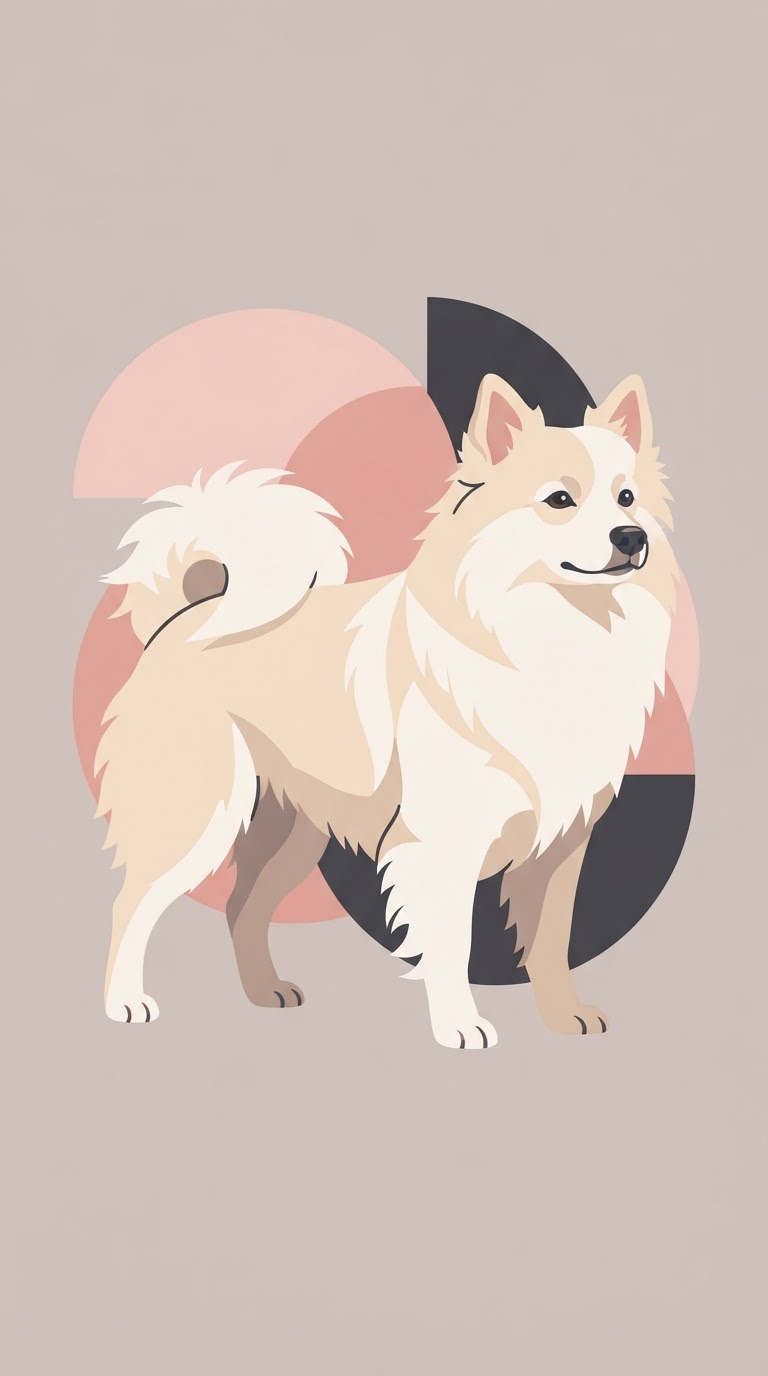
The American Eskimo Dog is a small to medium spitz breed with a dense white or biscuit coat, bred in the United States from German and other European spitz stock as a farm dog, watchdog and circus performer.
At a glance
Quick facts
Size
Small
Exercise needs
45-60 minutes daily
Home size suited to
Flat or any size home
Grooming frequency
Twice weekly brush
Coat length
Medium
Sheds
Yes, heavily when moulting
Lifespan
12-15 years
Town or country
Either, happy in town
Garden size needed
None needed
Where it comes from
Origins of the American Eskimo Dog

German immigrant farmers brought Spitz-type dogs to the American Midwest, where they guarded homesteads and later found fame performing tricks in travelling circuses. The breed's American name replaced its German origins during the World War era.
- Region
- Midwestern farms, likely Ohio and Wisconsin
- Climate it was bred for
- Temperate continental, cold winters
- Original job
- Farm watchdog and circus performer
The long read
About the breed
Despite the name, the breed has no direct link to the Arctic or to Inuit dogs. It descends from German Spitz-type dogs brought to the United States by immigrant farming families in the late 1800s and early 1900s, where it earned its keep guarding property and herding small livestock. During the interwar years the breed became popular in American travelling circuses, prized for its trainability and its striking white coat under spotlights, and its rebranding away from a German-sounding name during the World War periods gave rise to the current title.
Living with an American Eskimo Dog means living with an alert, clever, rather vocal companion that takes its watchdog role seriously. They are quick learners and do well in obedience and agility, but boredom brings out digging, barking and mischief, so daily mental and physical exercise matters more than raw distance covered. The plush double coat sheds heavily twice a year and needs brushing two or three times a week the rest of the time to control loose undercoat.
Today the breed is kept mainly as a companion and competitive obedience dog, split into toy, miniature and standard sizes by most registries. It suits owners who want a bright, biddable dog and do not mind a fair amount of barking at the doorbell, but it is not the best choice for a home wanting a quiet housemate or one with limited time for grooming and training.
Living with one
Temperament & needs
Our own ratings, based on the breed standard and how these dogs behave in ordinary homes.
Friendliness
3/5
How openly the American Eskimo Dog greets people it does not know.
Trainability
5/5
Highly biddable and quick to learn new tricks.
Energy
4/5
Active and playful, needs a real daily outlet.
Barking
5/5
A dedicated watchdog that announces every visitor.
Grooming
3/5
Heavy double coat sheds hard twice yearly, brushing needed weekly.
Suits a first-time owner
4/5
How forgiving the American Eskimo Dog is for someone taking on their first dog.
Sociability
3/5
Loyal to family, often reserved with strangers.
Independence
2/5
Wants to work with its handler rather than alone.
Illustrated breed standard
The points of the breed
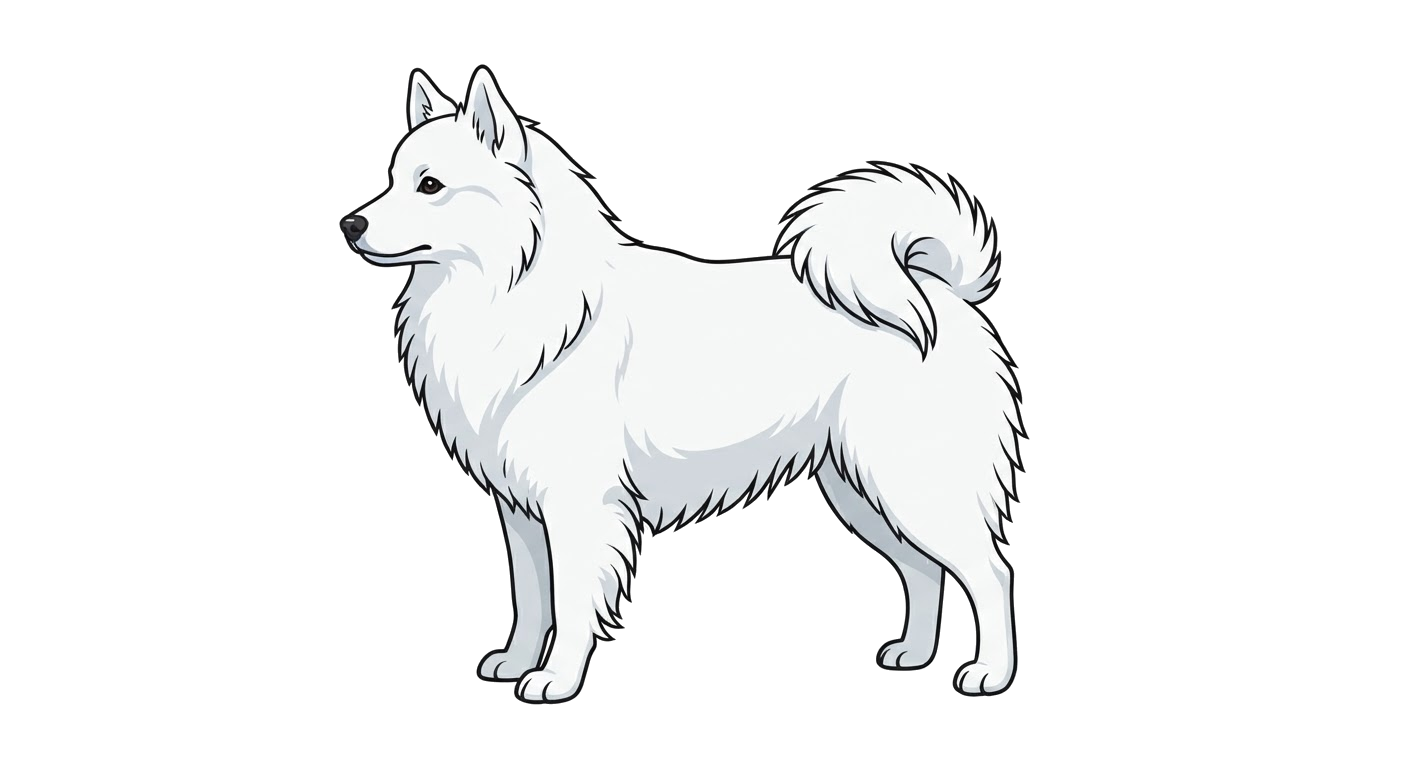
Hover or tap a numbered point to read what the standard asks for.
Point 1
Skull
The American Eskimo Dog's skull is judged on balance rather than size — proportionate to the body, with a clean cheek and a stop typical of the breed. Coarseness or an over-refined head are both faulted.
Colours & patterns
Recognised coats
Which coats the standard accepts — and which are simply popular.
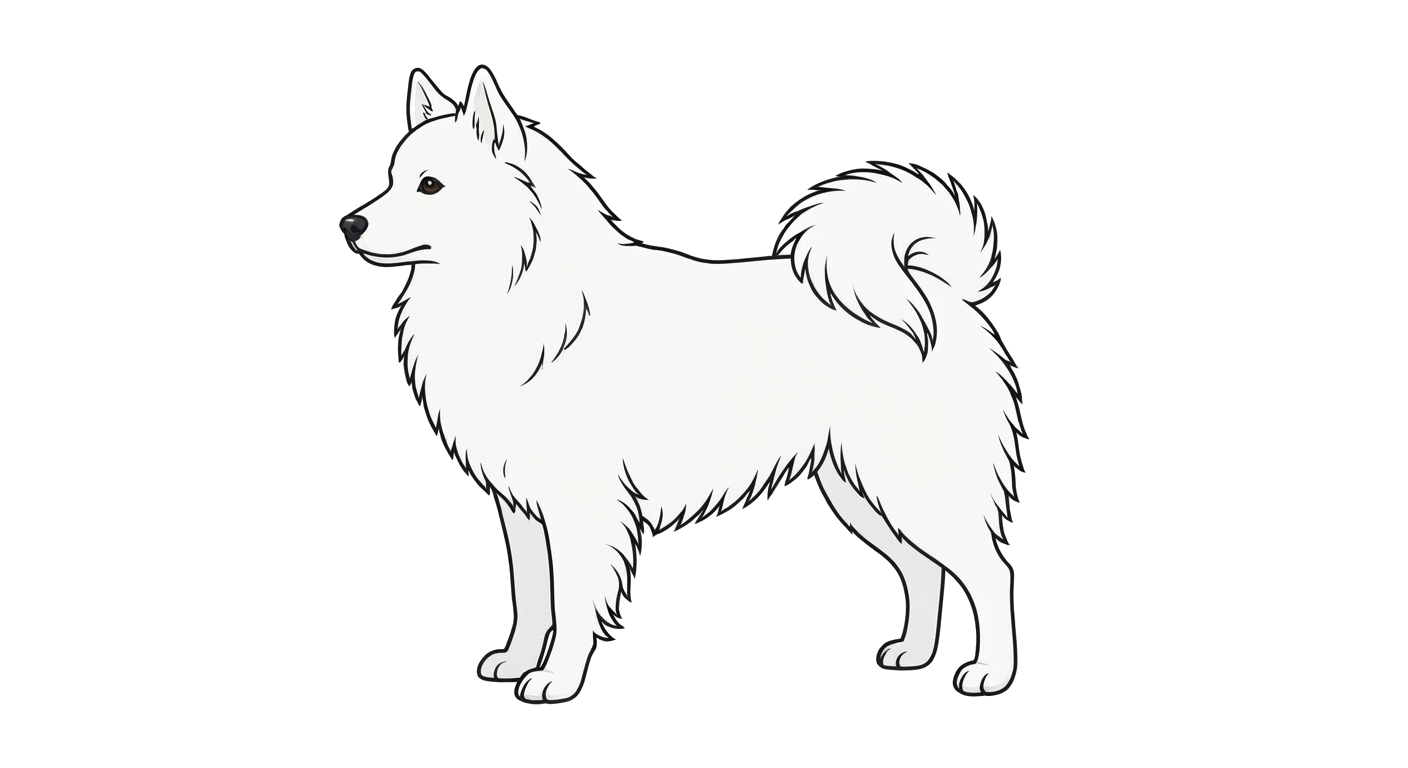
White
Standard colour
The classic and by far most common colour.
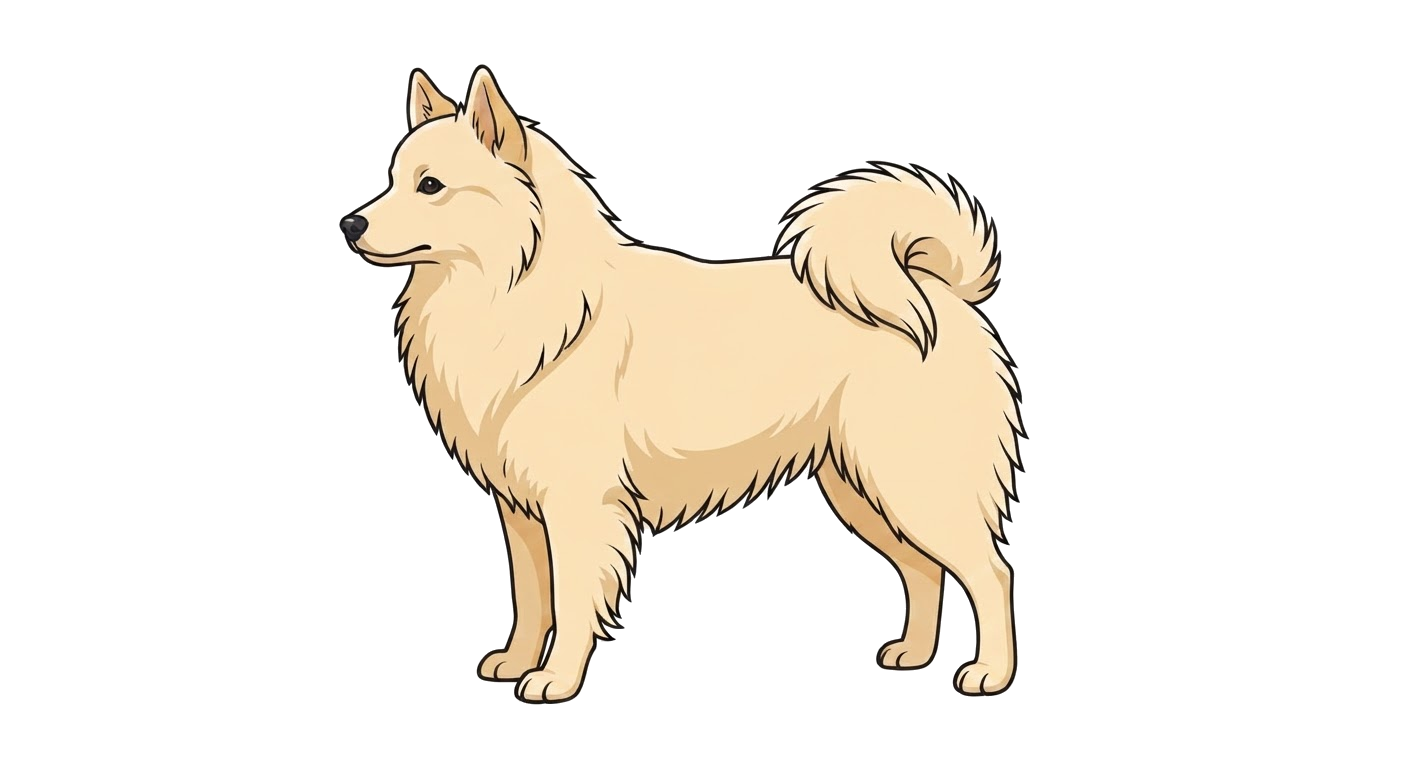
Biscuit / cream
Standard colour
A pale cream tinge, accepted alongside pure white.
Timeline
History & development
late 1800s
German roots
German immigrant farmers brought Spitz-type dogs to the American Midwest as farm and watchdogs.
1910s-1930s
Circus fame
The breed became a star performer in American travelling circuses thanks to its intelligence and striking white coat.
1917
Renamed
The breed was renamed from German Spitz to American Eskimo Dog amid anti-German sentiment.
1994
AKC recognition
The American Kennel Club formally admitted the breed to its Non-Sporting Group.
Reference
Breed standard summary
- body
- Compact and square, deep chest
- coat
- Straight, dense double coat, longer ruff around neck
- ears
- Triangular, erect, well-furred
- eyes
- Oval, dark, with black rims
- gait
- Brisk, agile and light on the feet
- head
- Wedge-shaped, broad skull tapering to a pointed muzzle
- size
- Toy, miniature or standard depending on registry
- tail
- Plumed, carried loosely over the back
- colour
- White, Biscuit / cream. Colours outside this list are seen but are not accepted by the kennel clubs.
- temperament
- Typical of the breed: strongest in trainability, barking, energy. Nervousness or aggression are serious faults in the show ring and in the home.
- general appearance
- Compact, white spitz with a fox-like face and plumed tail
Health
What to screen for
Green means little to worry about, amber means ask the breeder for test results, red means manage it actively.
Hip dysplasia
Screen for it
Ask breeders for OFA or equivalent hip scoring on parents.
Progressive retinal atrophy
Screen for it
Request an annual eye clearance certificate for breeding stock.
Luxating patella
Screen for it
Have knees checked, especially in the smaller toy and miniature sizes.
Dental issues
Low concern
Small mouths can crowd teeth; regular brushing helps.
General information only — always speak to your vet about your own dog.
From real owners
Dogs like this
American Eskimo Dogs added by PawPoint members through their pet passports. Share yours to appear here.
Loading the wall…
Made for the American Eskimo Dog
The book, plus prints, hoodies and mugs using our own American Eskimo Dog illustration — and one everyday accessory that suits any dog.

The book
Pawpoint: The Complete Dog Breed Book
Every officially recognised breed plus the unofficial ones nobody else documents. 400+ pages, hardback, printed and shipped from the UK.
Own stock — shipped by us
Framed poster
American Eskimo Dog Framed Poster
Museum-weight print of our American Eskimo Dog illustration, framed or unframed.
Printed to order
Hoodie
American Eskimo Dog Hoodie
Heavyweight hoodie carrying the American Eskimo Dog illustration on the chest.
Printed to order
Mug
American Eskimo Dog Mug
Ceramic mug with the American Eskimo Dog illustration wrapped around it.
Printed to order
Accessory
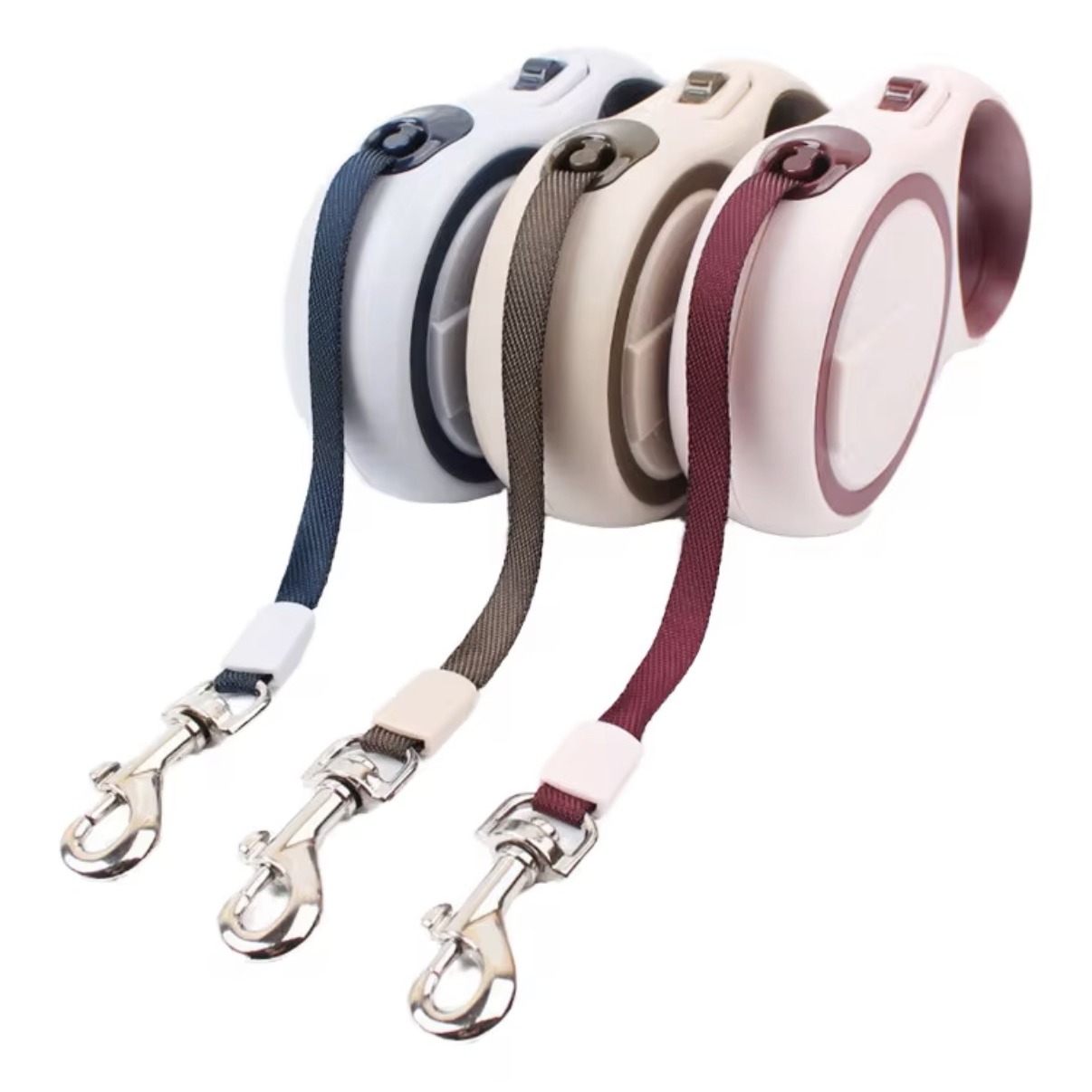
Retractable Lead
5m retractable with one-touch brake.
Fits any dog
Pawpoint on YouTube
Watch the full American Eskimo Dog video
Breed deep-dives, history and honest ownership talk. New film every week.
Watch now