American Leopard Hound
AMERICAN LEOPARD HOUND
United States· Southern United States
American Leopard Hound is recorded by the American Kennel Club through a developing-breed programme rather than full breed recognition. It developed in Southern United States, where it was selected for tracking and treeing varied game. Its form and temperament still reflect that practical background.
At a glance
Quick facts
Size
Large
Exercise needs
At least 60–90 minutes daily, adjusted for age and health
Home size suited to
Any suitably managed home with enough activity
Grooming frequency
Weekly brush
Coat length
Short
Sheds
Yes
Lifespan
12–15 years
Town or country
Either, when exercise and breed-specific needs are met
Garden size needed
Securely fenced space preferred
Where it comes from
Origins of the American Leopard Hound
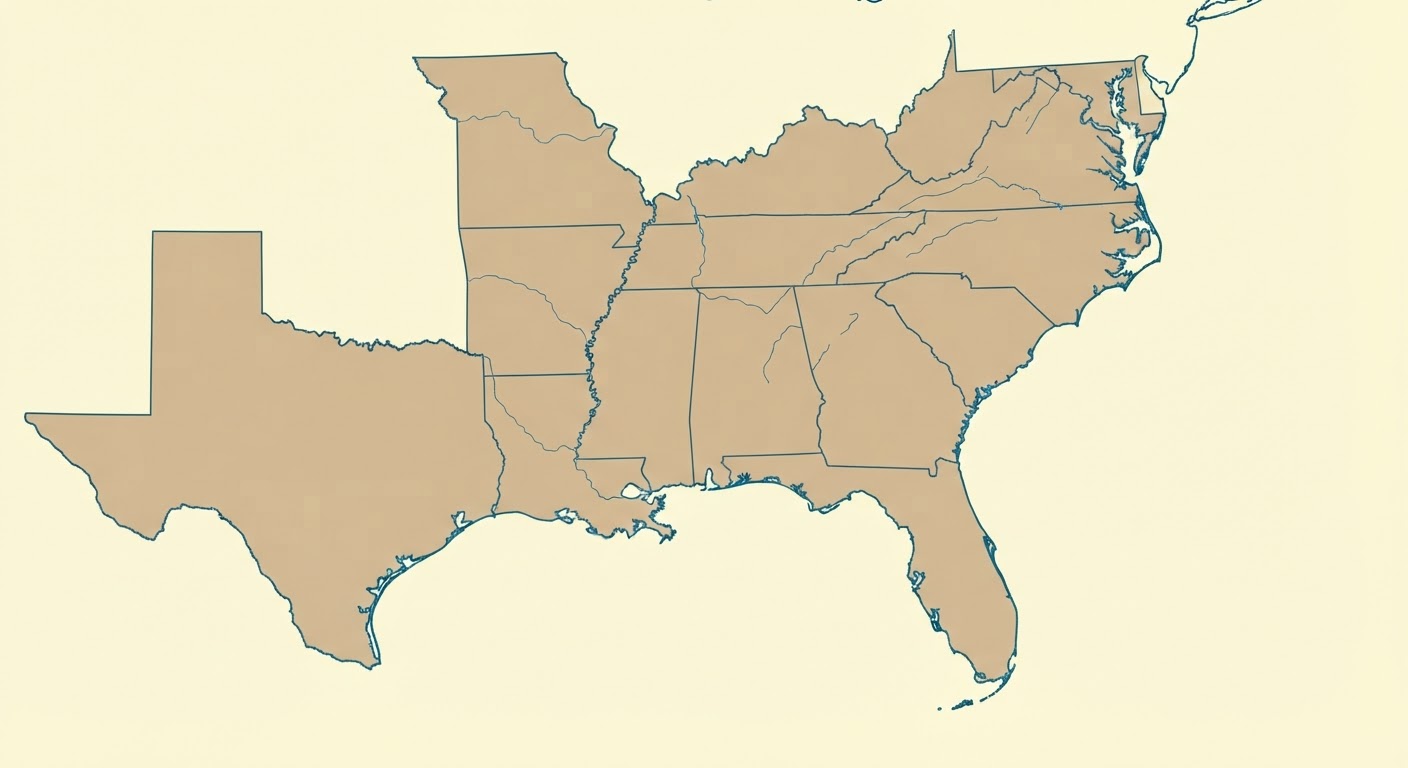
The American Leopard Hound was shaped in Southern United States for tracking and treeing varied game.
- Region
- Southern United States
- Climate it was bred for
- Varied temperate conditions
- Original job
- Tracking and treeing varied game
The long read
About the breed
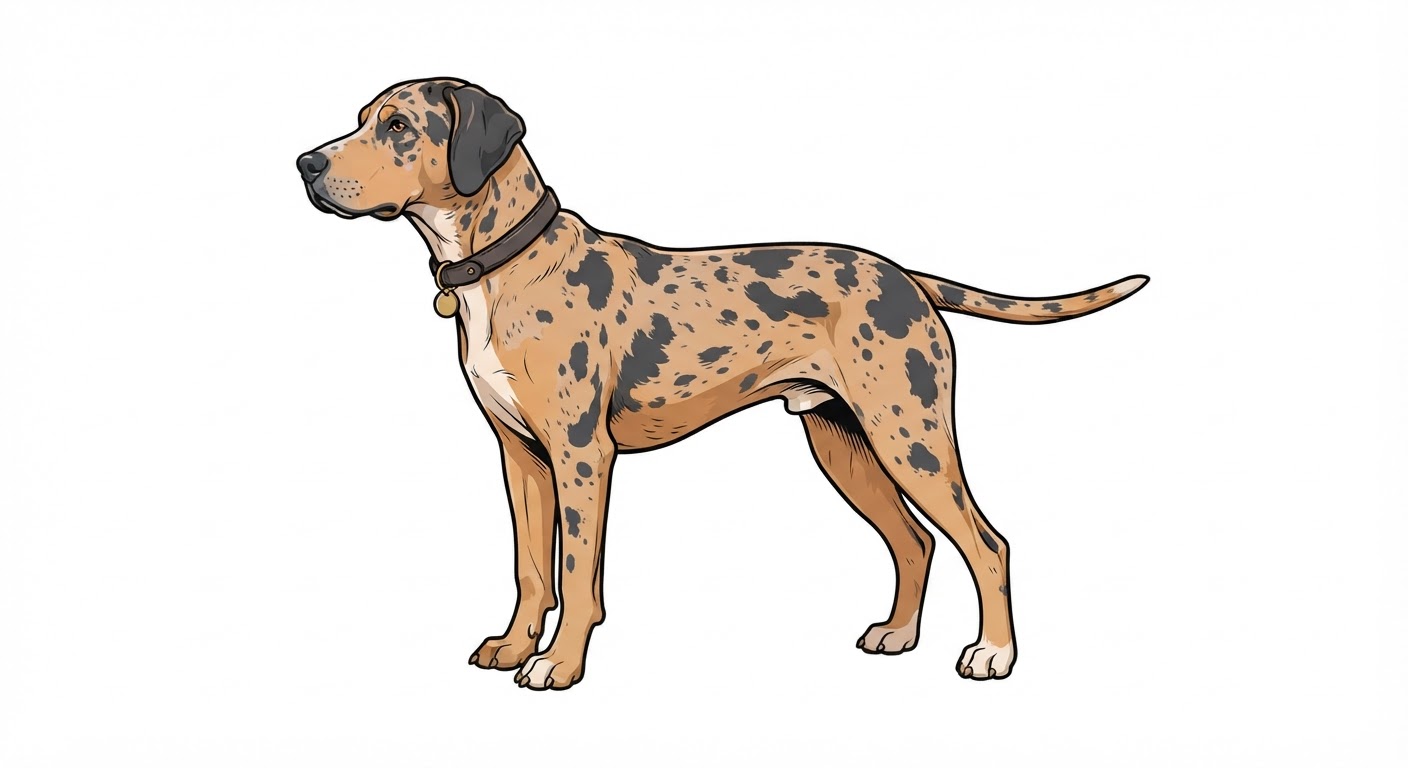
The breed is agile treeing hound with a leopard-pattern coat, high-set ears and long tail. Prospective owners should judge individual dogs and breeders rather than relying on the registry label alone: provisional status describes the registry pathway, not quality or suitability.
This is an active, purpose-bred dog that benefits from consistent training, early socialisation and daily physical and mental work. Breed-specific drives can be strong, so secure management and an honest match between dog and household matter.
Living with one
Temperament & needs
Our own ratings, based on the breed standard and how these dogs behave in ordinary homes.
Friendliness
3/5
The American Leopard Hound benefits from calm, positive early socialisation.
Trainability
4/5
Purposeful and responsive when training is clear, consistent and rewarding.
Energy
4/5
A working background creates a real need for daily activity and mental tasks.
Barking
3/5
Vocal tendency varies, but alerting or working voice may be pronounced.
Grooming
1/5
Routine coat, nail, ear and dental care keeps the dog comfortable.
Suits a first-time owner
2/5
Best with an owner prepared to understand and channel breed-specific drives.
Sociability
3/5
Early, thoughtful introductions support reliable social behaviour.
Independence
3/5
Working heritage can produce confident decision-making away from the handler.
Illustrated breed standard
The points of the breed
Hover or tap a numbered point to read what the standard asks for.
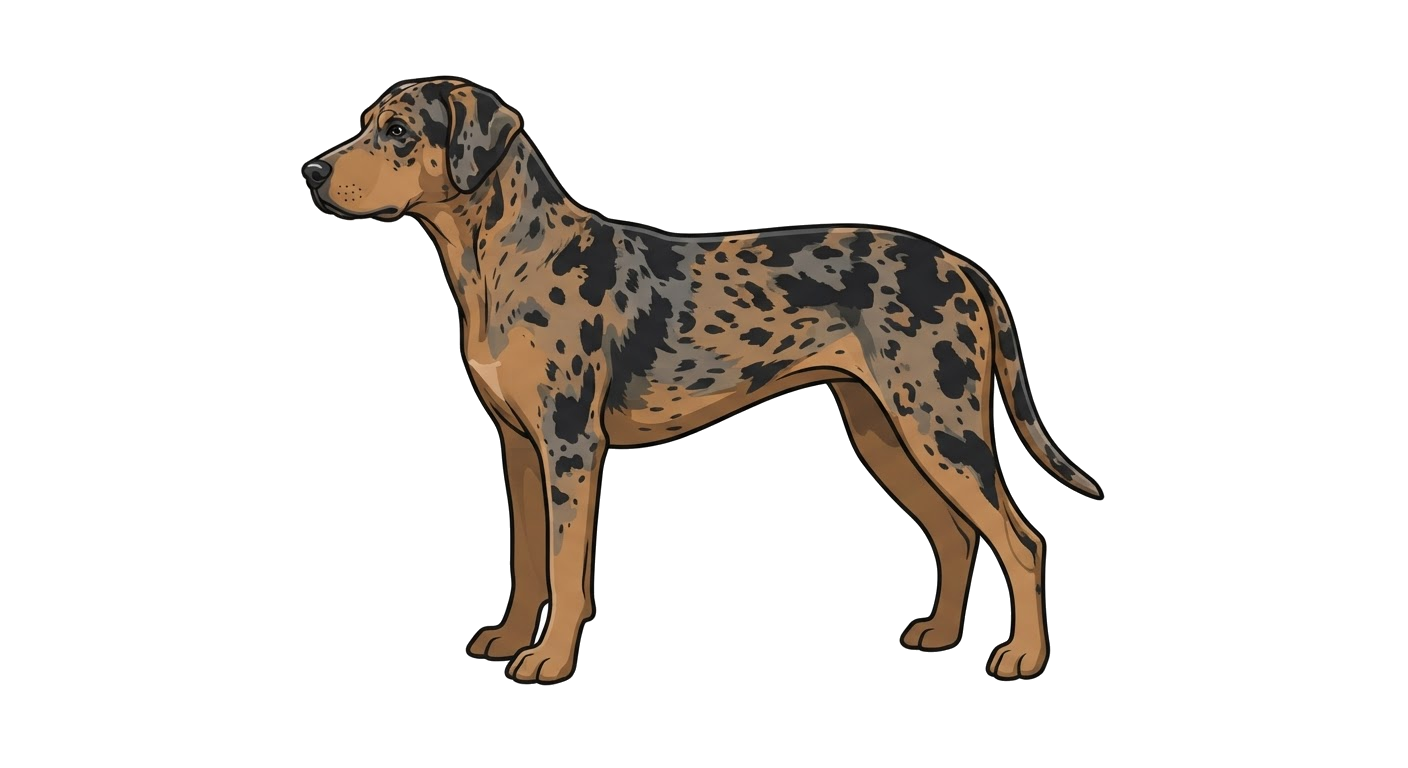
Point 1
Head
The American Leopard Hound's head and expression should remain characteristic of its working history.
Colours & patterns
Recognised coats
Which coats the standard accepts — and which are simply popular.
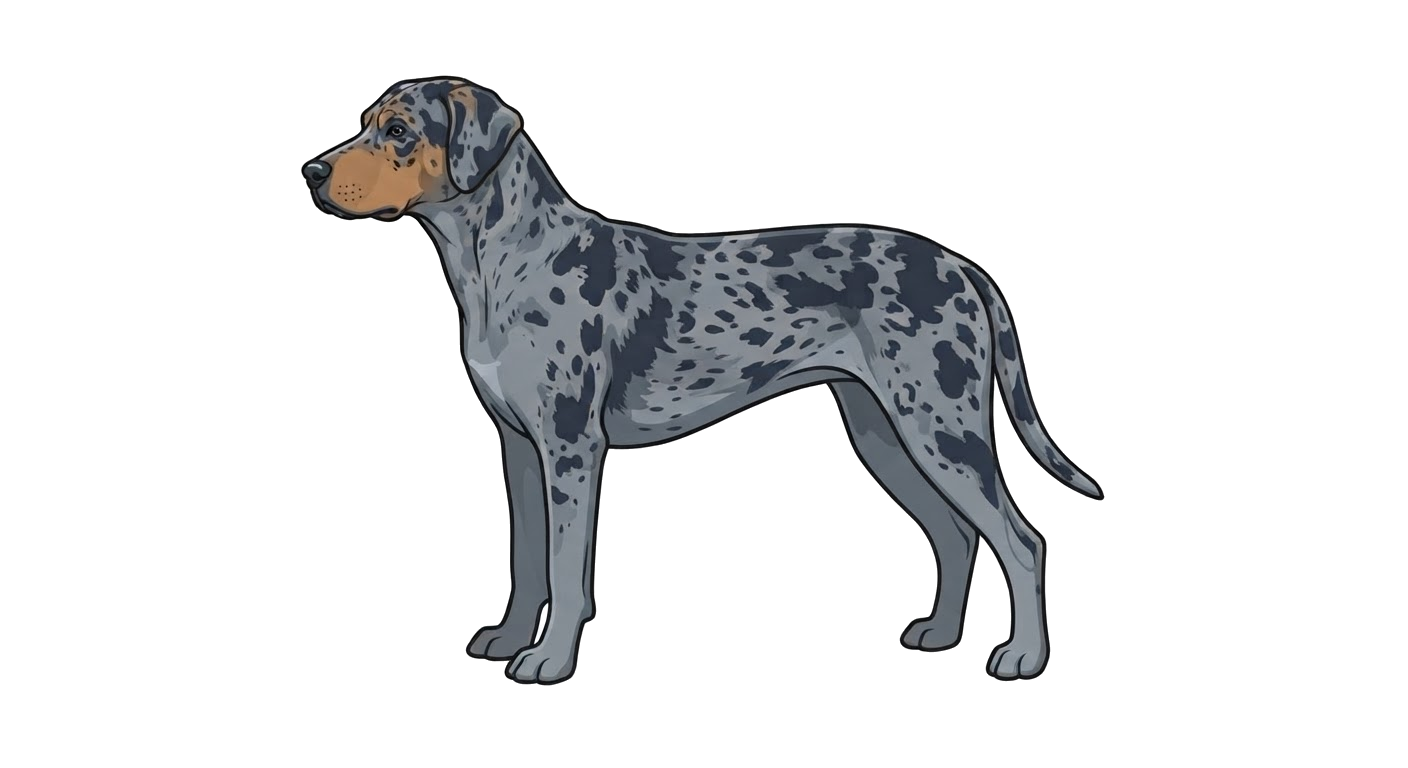
Blue & Leopard
Standard colour
A documented blue leopard presentation in the breed.
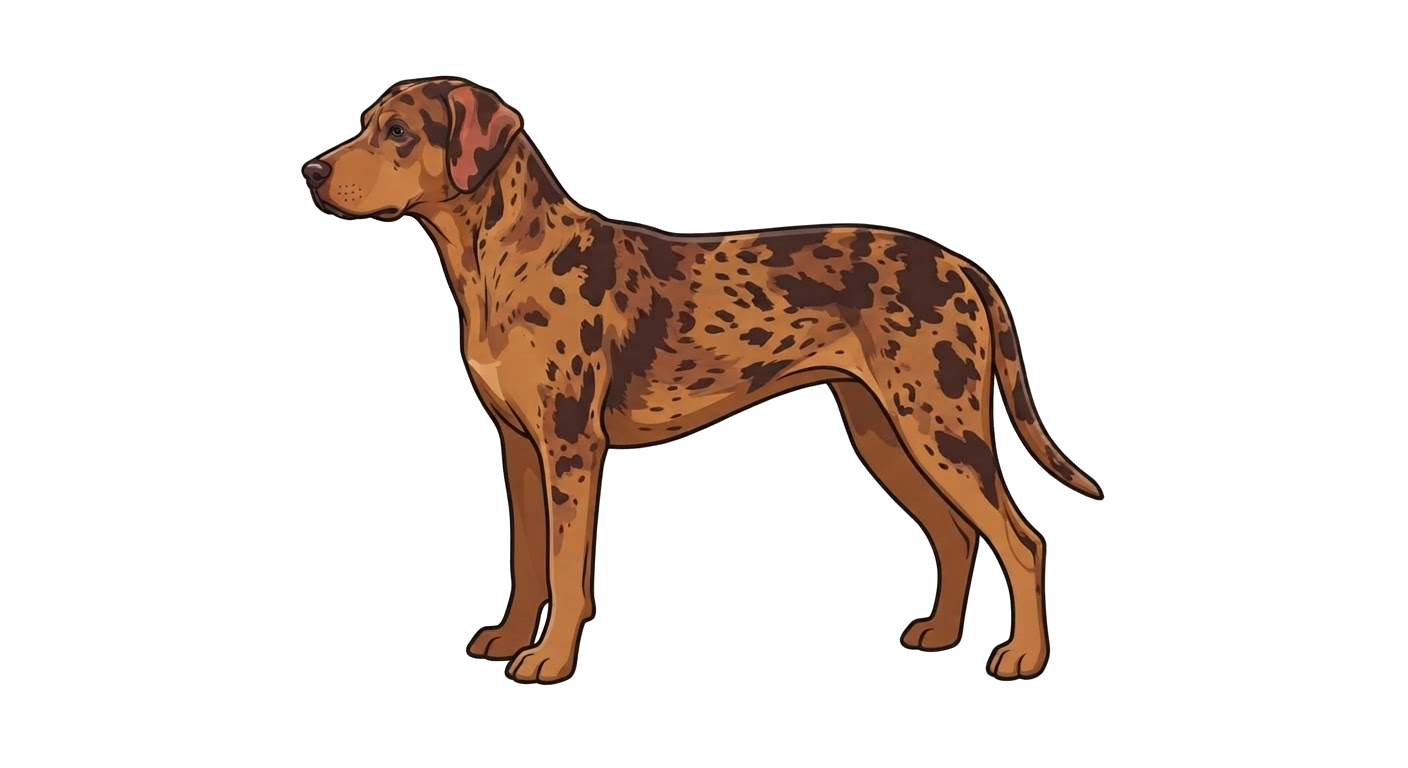
Red & Leopard
Standard colour
A documented red leopard presentation in the breed.
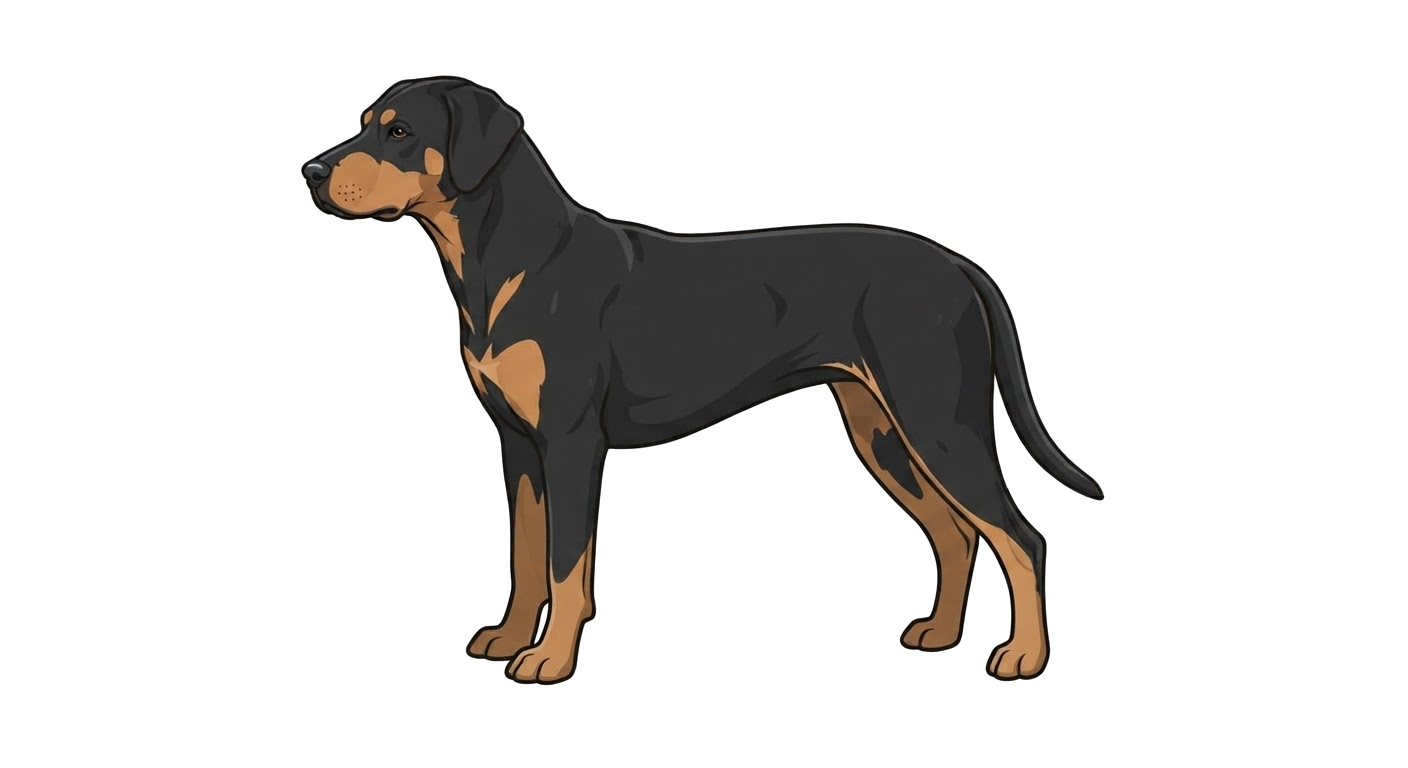
Black & Tan
Standard colour
A documented black tan presentation in the breed.
Timeline
History & development
Origins
Development in Southern United States
Local breeders shaped the type for tracking and treeing varied game, favouring soundness and practical ability.
20th century
A defined breed
Breeders documented a more consistent type and organised registration around shared working and physical traits.
Today
Modern status
Current registry recognition is recorded as AKC (FSS).
Reference
Breed standard summary
- body
- Balanced in length and height, with adequate chest depth, firm back and muscular loin.
- coat
- Short to medium, dense; leopard, solid or brindle
- ears
- Set and carried in the manner characteristic of the breed, mobile and balanced with the head.
- eyes
- Clear, alert and well set, with colour harmonising with the coat.
- gait
- Free, balanced and economical, with reach and drive suited to the breed's original purpose.
- head
- In proportion to the body, cleanly formed and characteristic of the breed, without exaggeration.
- size
- Height 53–69 cm; weight 16–34 kg.
- tail
- Set as a natural continuation of the topline and carried according to breed type.
- colour
- Blue & Leopard, Red & Leopard, Black & Tan
- muzzle
- Strong enough for the original work, with sound jaws and a complete bite.
- temperament
- Alert, responsive and capable of its traditional work; steadiness and confidence are essential.
- general appearance
- A balanced, functional large dog: agile treeing hound with a leopard-pattern coat, high-set ears and long tail.
Health
What to screen for
Green means little to worry about, amber means ask the breeder for test results, red means manage it actively.
Hip and elbow health
Screen for it
Use joint screening where the breed club recommends it and keep the dog lean.
Eye health
Watch closely
Ask for a current veterinary eye examination in breeding stock.
Breed DNA tests
Watch closely
Check the current national breed-club testing list, because recommendations evolve.
Working injuries
Watch closely
Build fitness gradually and examine feet, skin and joints after demanding exercise.
General information only — always speak to your vet about your own dog.
From real owners
Dogs like this
American Leopard Hounds added by PawPoint members through their pet passports. Share yours to appear here.
Loading the wall…
Made for the American Leopard Hound
The book, plus prints, hoodies and mugs using our own American Leopard Hound illustration — and one everyday accessory that suits any dog.
The book
Pawpoint: The Complete Dog Breed Book
Every officially recognised breed plus the unofficial ones nobody else documents. 400+ pages, hardback, printed and shipped from the UK.
Own stock — shipped by us
Framed poster
American Leopard Hound Framed Poster
Museum-weight print of our American Leopard Hound illustration, framed or unframed.
Printed to order
Hoodie
American Leopard Hound Hoodie
Heavyweight hoodie carrying the American Leopard Hound illustration on the chest.
Printed to order
Mug
American Leopard Hound Mug
Ceramic mug with the American Leopard Hound illustration wrapped around it.
Printed to order
Accessory
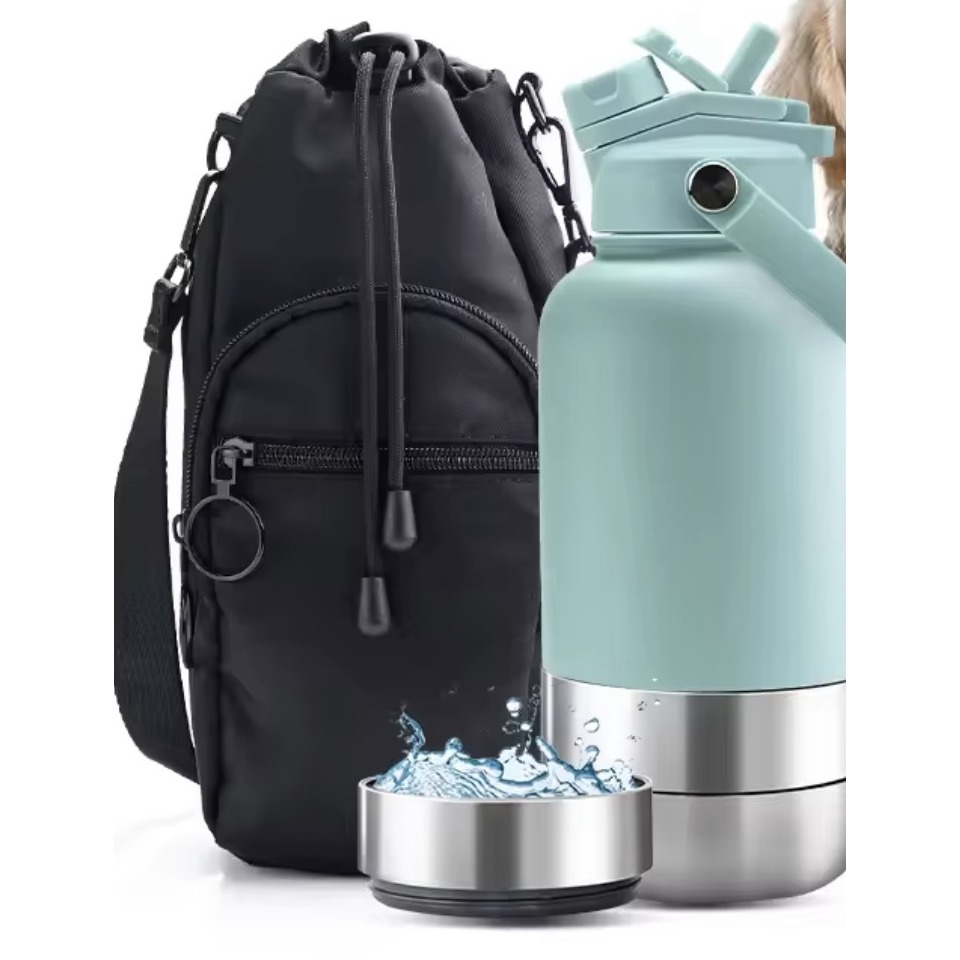
Travel Water Bottle & Bowl
550ml bottle with a fold-out drinking trough.
Fits any dog
Pawpoint on YouTube
Watch the full American Leopard Hound video
Breed deep-dives, history and honest ownership talk. New film every week.
Watch now