
Austrian Pinscher
OSS-tree-an PIN-sher
Austria· Alpine farmland across Austria
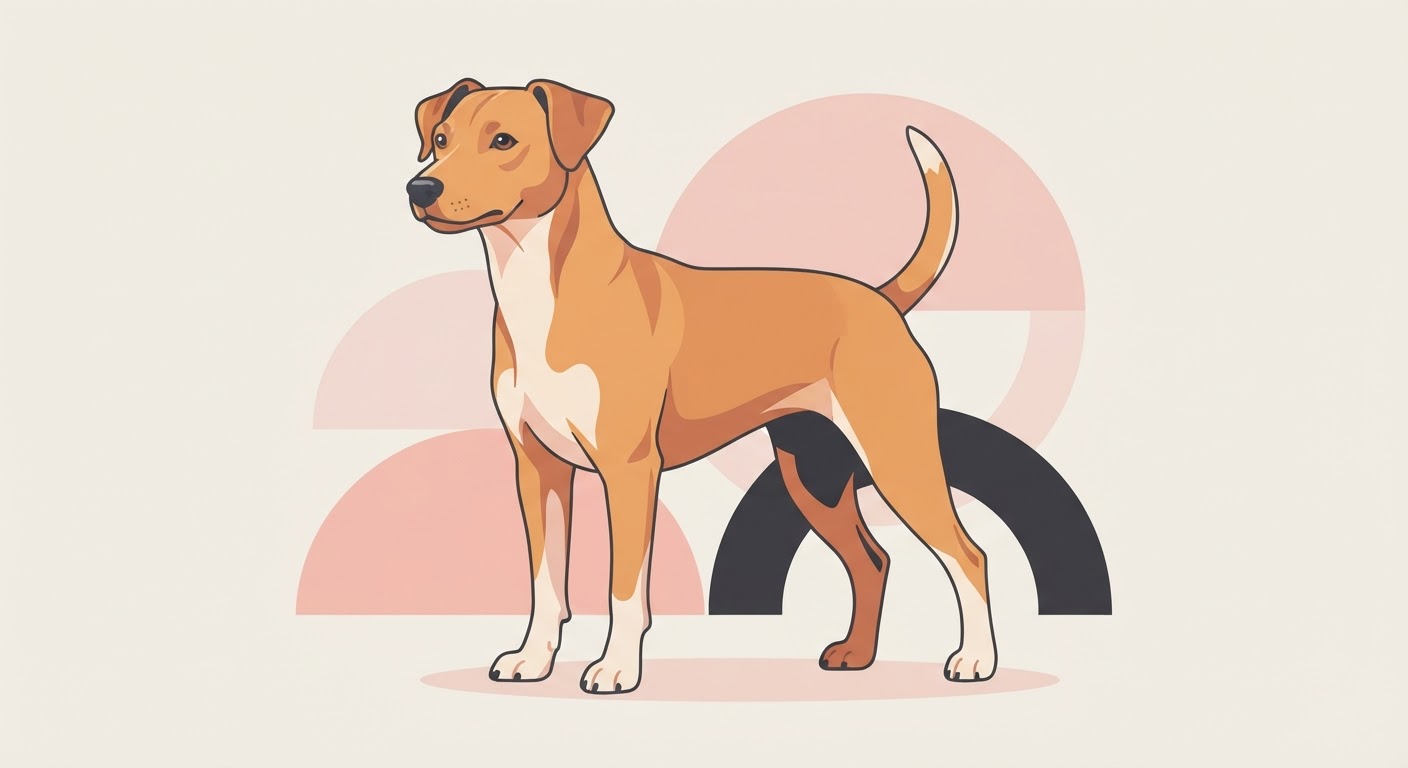
The Austrian Pinscher is a medium-sized, sturdily built farm dog native to Austria, valued historically for guarding property and controlling vermin.
At a glance
Quick facts
Size
Medium
Exercise needs
1-2 hours per day
Home size suited to
Medium or larger
Grooming frequency
Weekly brush
Coat length
Short
Sheds
Yes
Lifespan
12-14 years
Town or country
Country preferred
Garden size needed
Medium or larger
Where it comes from
Origins of the Austrian Pinscher
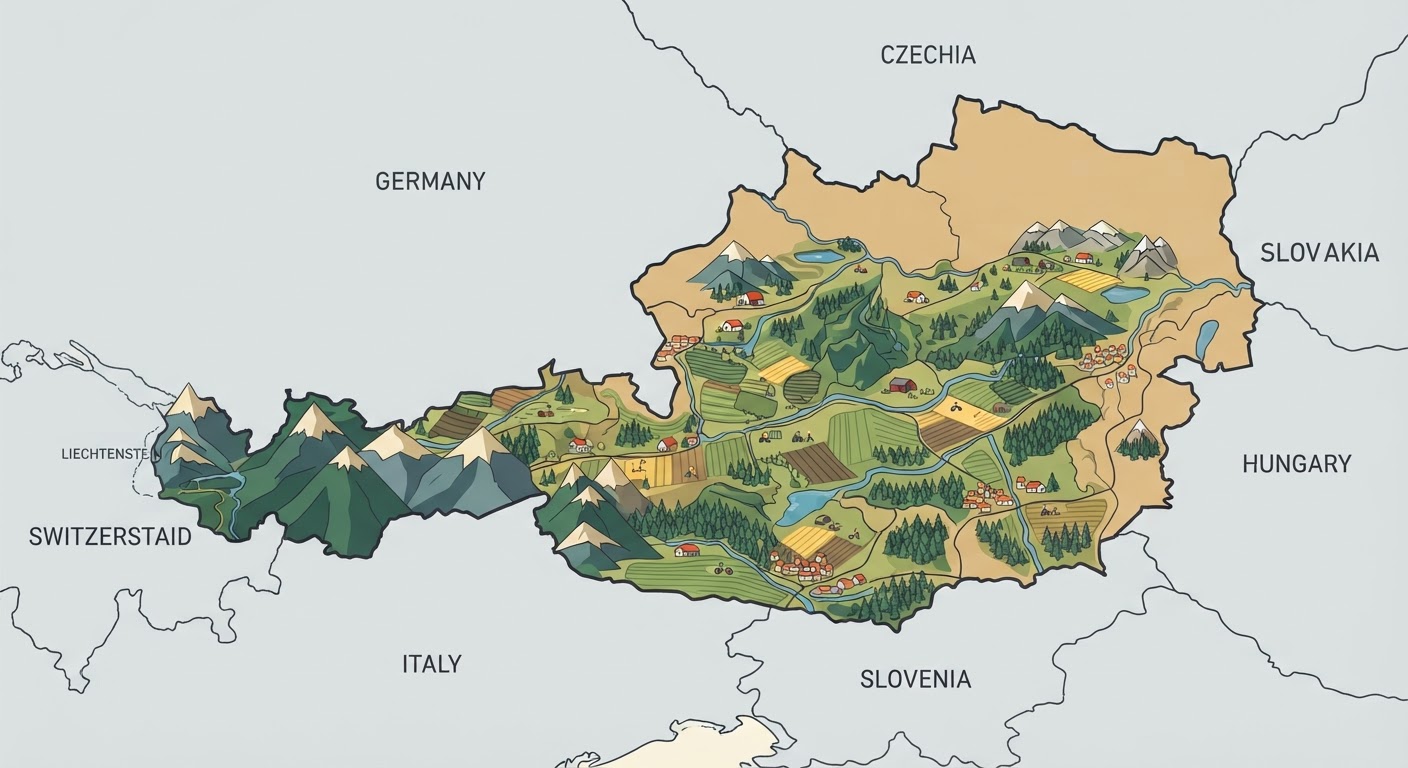
Small Austrian farms needed a dog that could live outdoors, alert to strangers, kill vermin in the barn and occasionally help move cattle, all on modest rations. The breed developed as a general-purpose farm dog rather than a specialist, tough enough for alpine winters and versatile enough to earn its keep in several roles.
- Region
- Alpine farmland across Austria
- Climate it was bred for
- Cool alpine climate with cold winters and mild summers
- Original job
- Farmyard guardian, ratter and cattle drover
The long read
About the breed
Centuries of farmyard work shaped a dog that is watchful, hardy and self-reliant, with a strong prey drive suited to ratting and a loud, persistent bark used to announce visitors or trouble. Its weatherproof coat and moderate size reflect a need to work outdoors year-round on limited feed.
Living with an Austrian Pinscher means owning an alert, affectionate companion that bonds closely with its family but remains naturally suspicious of strangers. It is intelligent and trainable but can be stubborn, and it needs consistent socialisation to prevent excessive wariness or barking.
The breed remains rare outside Austria and neighbouring countries, kept mainly by enthusiasts committed to preserving a functional farm dog rather than a show-ring specialist.
Living with one
Temperament & needs
Our own ratings, based on the breed standard and how these dogs behave in ordinary homes.
Friendliness
3/5
How openly the Austrian Pinscher greets people it does not know.
Trainability
3/5
How readily the breed takes to training in an ordinary home.
Energy
3/5
How much daily exercise and stimulation the breed expects.
Barking
3/5
How vocal the breed tends to be day to day.
Grooming
3/5
How much coat work the breed needs to stay comfortable.
Suits a first-time owner
3/5
How forgiving the Austrian Pinscher is for someone taking on their first dog.
Illustrated breed standard
The points of the breed
Hover or tap a numbered point to read what the standard asks for.
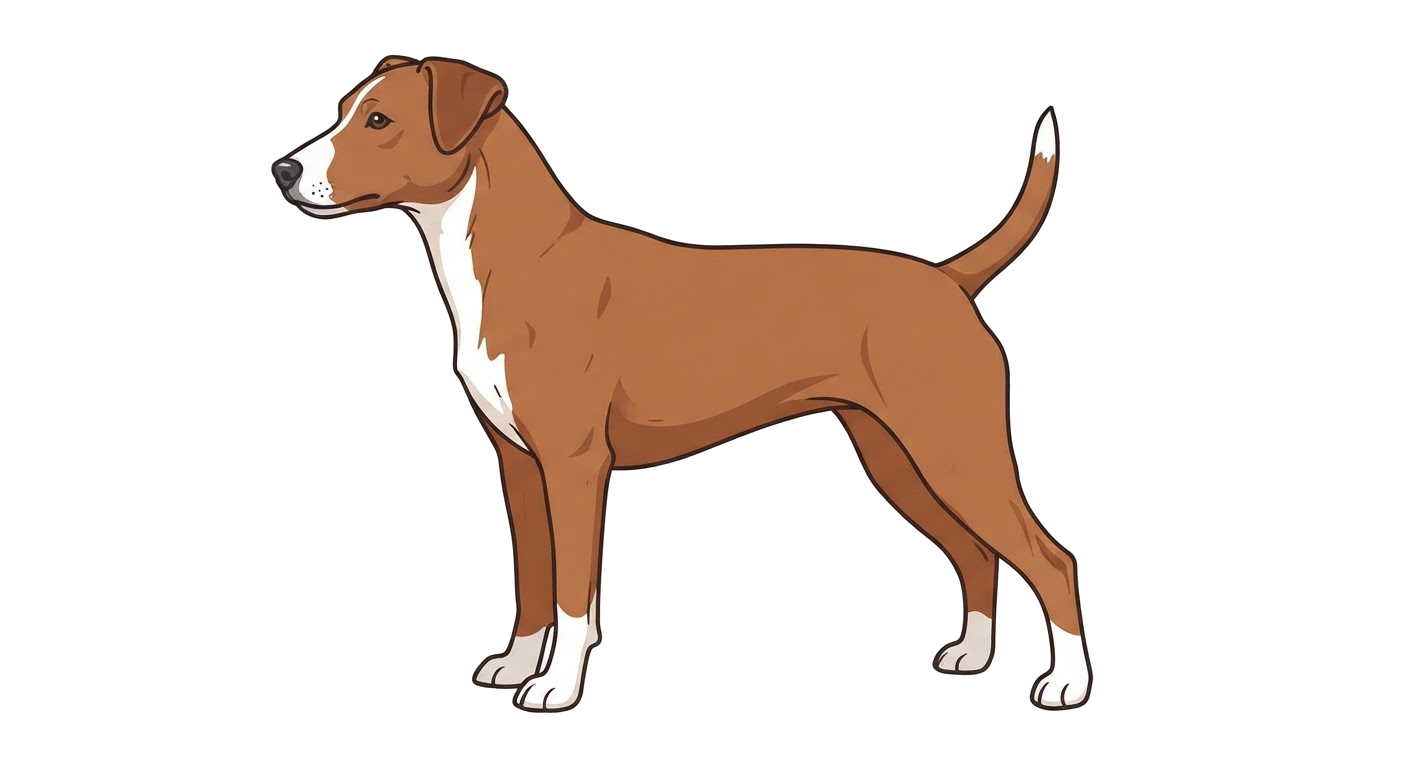
Point 1
Skull
The Austrian Pinscher's skull is judged on balance rather than size — proportionate to the body, with a clean cheek and a stop typical of the breed. Coarseness or an over-refined head are both faulted.
Timeline
History & development
1800s
Farm origins
Rural Austrian farms kept local pinscher-type dogs for guarding and ratting, bred with little formal structure.
1921
Early standardisation
Cynologist Emil Hauck began documenting and standardising the breed, drawing on surviving farm stock.
1928
First recognition
The breed gained early recognition in Austria as numbers began to be formally recorded.
1945-1970s
Near extinction
The Second World War and rural modernisation nearly wiped out the breed, reducing it to a handful of dogs.
1990s
Revival programme
A dedicated breeding programme using surviving farm dogs rebuilt numbers and secured full FCI recognition.
Reference
Breed standard summary
- body
- Compact and muscular with a level back, deep chest and moderately tucked loin.
- coat
- Short, dense and close-lying, weatherproof, with no undercoat requirement stated but naturally hardy.
- ears
- Set high, naturally dropping forward as button ears or carried semi-erect.
- eyes
- Oval, dark, with a lively, alert expression.
- head
- Moderately broad skull with a distinct but not exaggerated stop, tapering to a strong, straight muzzle.
- size
- Dogs and bitches 34-42cm at the withers
- colour
- Black and tan, red, fawn or brindle, all with a black mask permitted; white markings on chest and feet acceptable.
- temperament
- Alert, self-confident and loyal, wary of strangers but never nervous or aggressive without cause.
- general appearance
- A medium-sized, well-proportioned farm dog, sturdy and slightly stretched in outline, giving an impression of strength without heaviness.
Health
What to screen for
Green means little to worry about, amber means ask the breeder for test results, red means manage it actively.
General information only — always speak to your vet about your own dog.
From real owners
Dogs like this
Austrian Pinschers added by PawPoint members through their pet passports. Share yours to appear here.
Loading the wall…
Made for the Austrian Pinscher
The book, plus prints, hoodies and mugs using our own Austrian Pinscher illustration — and one everyday accessory that suits any dog.

The book
Pawpoint: The Complete Dog Breed Book
Every officially recognised breed plus the unofficial ones nobody else documents. 400+ pages, hardback, printed and shipped from the UK.
Own stock — shipped by us
Framed poster
Austrian Pinscher Framed Poster
Museum-weight print of our Austrian Pinscher illustration, framed or unframed.
Printed to order
Hoodie
Austrian Pinscher Hoodie
Heavyweight hoodie carrying the Austrian Pinscher illustration on the chest.
Printed to order
Mug
Austrian Pinscher Mug
Ceramic mug with the Austrian Pinscher illustration wrapped around it.
Printed to order
Accessory
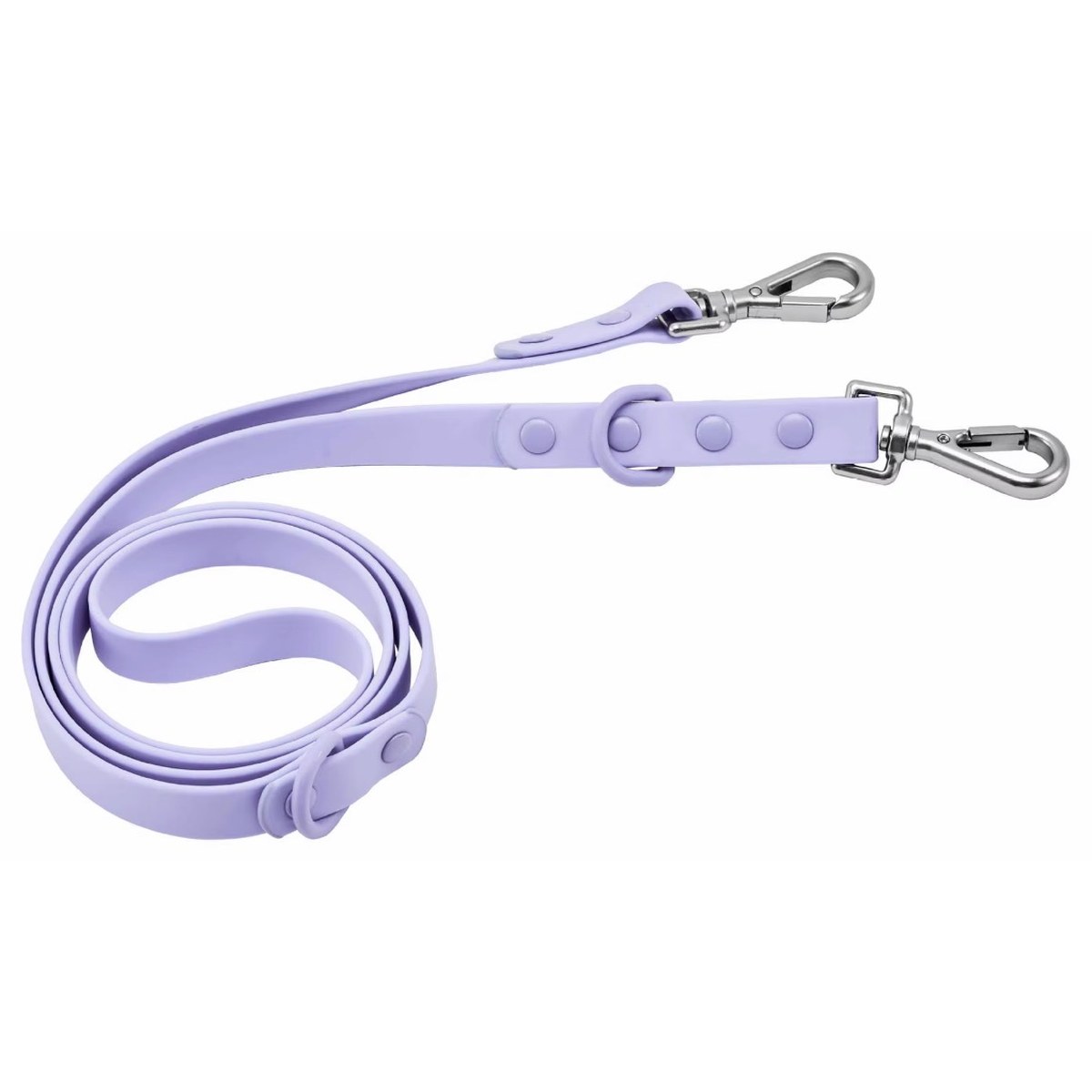
Standard Lead
Padded-handle 1.2m lead in Pawpoint tan.
Fits any dog
Pawpoint on YouTube
Watch the full Austrian Pinscher video
Breed deep-dives, history and honest ownership talk. New film every week.
Watch now