
Azawakh
AH-zah-wahk
Mali· Sahel region, including Mali, Niger and Burkina Faso
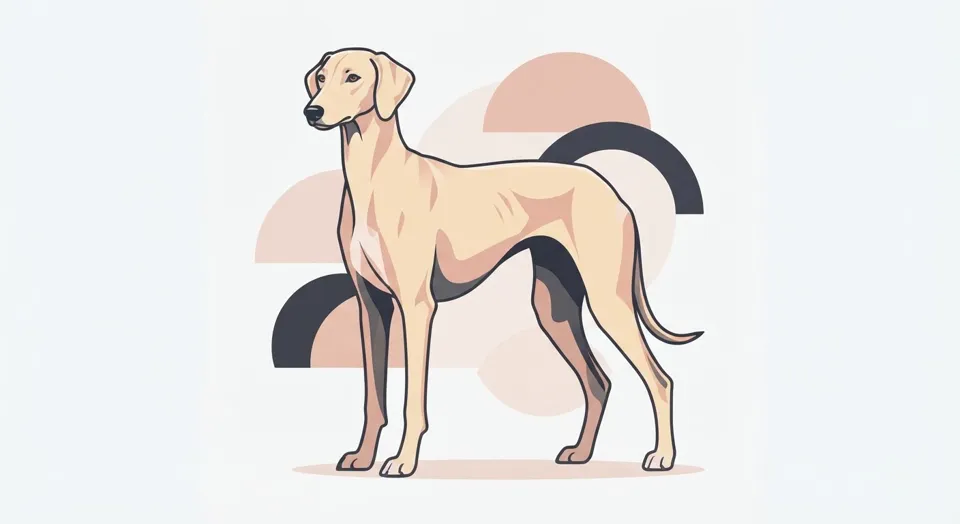
The Azawakh is an extremely lean, elegant sighthound from the West African Sahel, bred by nomadic peoples both to course game and to guard camps and livestock.
At a glance
Quick facts
- Size
- Large
- Exercise needs
- 1.5-2 hours per day
- Home size suited to
- Medium or larger
- Grooming frequency
- Minimal
- Coat length
- Short
- Sheds
- Low
- Lifespan
- 12-15 years
- Town or country
- Country preferred, warm climate ideally
- Garden size needed
- Large, securely fenced
Where it comes from
Origins of the Azawakh
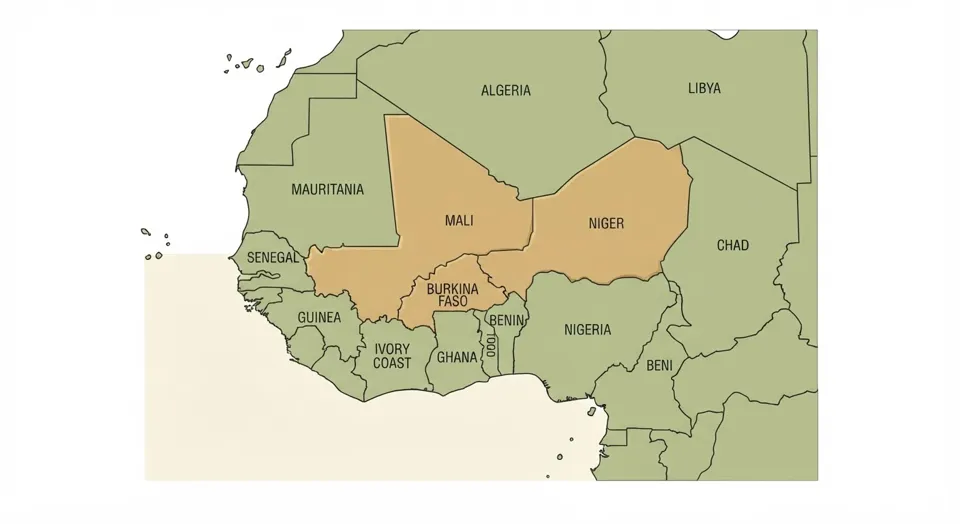
The scorching, arid Sahel demanded a sighthound capable of explosive speed to run down gazelle and hare while surviving on minimal food and water in extreme heat. Kept by nomadic Tuareg and other West African peoples, the Azawakh developed an extremely lean, heat-tolerant frame unlike any European sighthound.
- Region
- Sahel region, including Mali, Niger and Burkina Faso
- Climate it was bred for
- Hot, arid semi-desert with sparse vegetation
- Original job
- Coursing gazelle and hare by sight, and guarding nomadic camps
The long read
About the breed
Its origins in a harsh desert environment produced an exceptionally thin, heat-tolerant build, remarkable speed and a fiercely loyal, watchful temperament toward its own family and territory.
As a companion it forms intense bonds with its household but is typically reserved or aloof with strangers and other dogs, needing careful socialisation, secure fencing for its sighthound chase instinct, and protection from cold climates.
Still used for hunting and guarding in West Africa, the Azawakh has become an established, though still rare, breed in Europe and North America among sighthound enthusiasts.
Living with one
Temperament & needs
Our own ratings, based on the breed standard and how these dogs behave in ordinary homes.
Friendliness
3/5
How openly the Azawakh greets people it does not know.
Trainability
3/5
How readily the breed takes to training in an ordinary home.
Energy
3/5
How much daily exercise and stimulation the breed expects.
Barking
3/5
How vocal the breed tends to be day to day.
Grooming
3/5
How much coat work the breed needs to stay comfortable.
Suits a first-time owner
3/5
How forgiving the Azawakh is for someone taking on their first dog.
Illustrated breed standard
The points of the breed
Hover or tap a numbered point to read what the standard asks for.
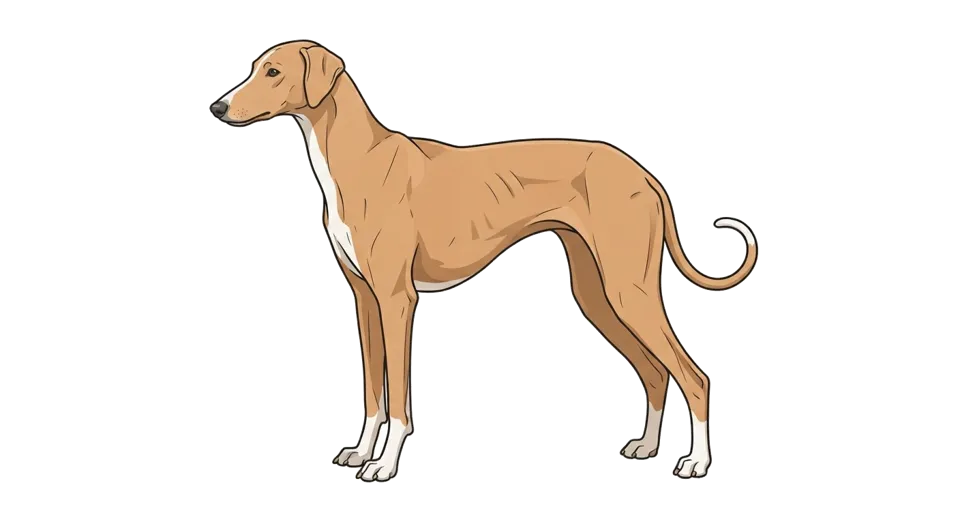
Point 1
Skull
The Azawakh's skull is judged on balance rather than size — proportionate to the body, with a clean cheek and a stop typical of the breed. Coarseness or an over-refined head are both faulted.
Timeline
History & development
Ancient
Sahelian nomadic origins
The breed was developed over centuries by Tuareg and other nomadic peoples of the West African Sahel for hunting and guarding.
1970s
Introduction to Europe
The first Azawakhs were brought to France, sparking European interest in the breed.
1981
FCI recognition
The Azawakh was officially recognised by the FCI.
2019
AKC full recognition
The American Kennel Club granted the Azawakh full recognition in the Hound group.
2000s
Continued African working role
The breed remains actively used for hunting and guarding by nomadic communities in its homeland.
Reference
Breed standard summary
- body
- Extremely narrow and deep-chested, with a pronounced tuck-up and visible ribs and hip bones.
- coat
- Very short and fine, almost without undercoat.
- ears
- Set high, thin, hanging flat and mobile.
- eyes
- Large, dark, almond-shaped, with an alert and expressive look.
- head
- Long and fine, with a flat skull and a long, elegant muzzle.
- size
- Dogs 64-74cm, bitches 60-70cm at the withers
- colour
- Fawn, red, brindle, blue, black or parti-colour, usually with white markings on the chest, feet and tail tip.
- temperament
- Reserved with strangers, intensely loyal to its family, alert and watchful, with strong prey and guarding instincts.
- general appearance
- A tall, extremely lean sighthound of great elegance, with visible bone and musculature and an almost fragile appearance that belies its toughness.
Health
What to screen for
Green means little to worry about, amber means ask the breeder for test results, red means manage it actively.
General information only — always speak to your vet about your own dog.
From real owners
Azawakhs in the PAWPOINT Pack
Azawakhs added by PawPoint members through their pet passports. Share yours to appear here.
Loading the wall…
Made for the Azawakh
The book, plus hoodies, tees and mugs featuring the Azawakh.