
Bakharwal Dog
BAH-kuh-wawl
India· Jammu & Kashmir, India
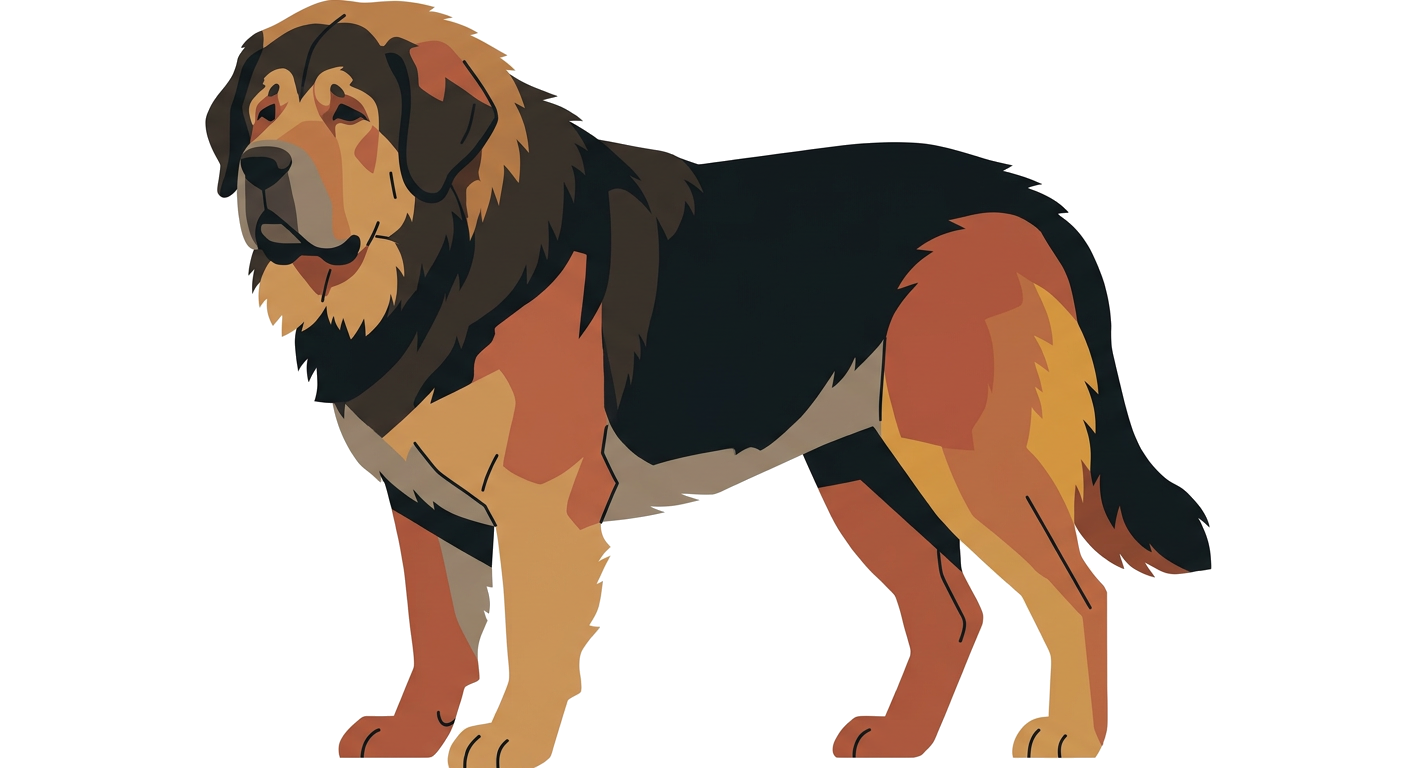
The Bakharwal Dog is an indigenous mountain livestock guardian originating in the Pir Panjal range and high pastures of Jammu and Kashmir, India. Kept for generations by the nomadic Bakarwal and Gujjar pastoral communities, the breed was selectively bred to protect travelling flocks of sheep and goats from apex predators such as snow leopards, Himalayan black bears, and wolves.
At a glance
Quick facts
Size
Large to Giant
Exercise needs
Moderate to high (requires large perimeter)
Home size suited to
Large rural property
Grooming frequency
Moderate (weekly brushing)
Coat length
Medium
Sheds
Moderate to heavy (seasonal)
Lifespan
10–12 years
Town or country
Country only
Garden size needed
Extensive acreage
Where it comes from
Origins of the Bakharwal Dog
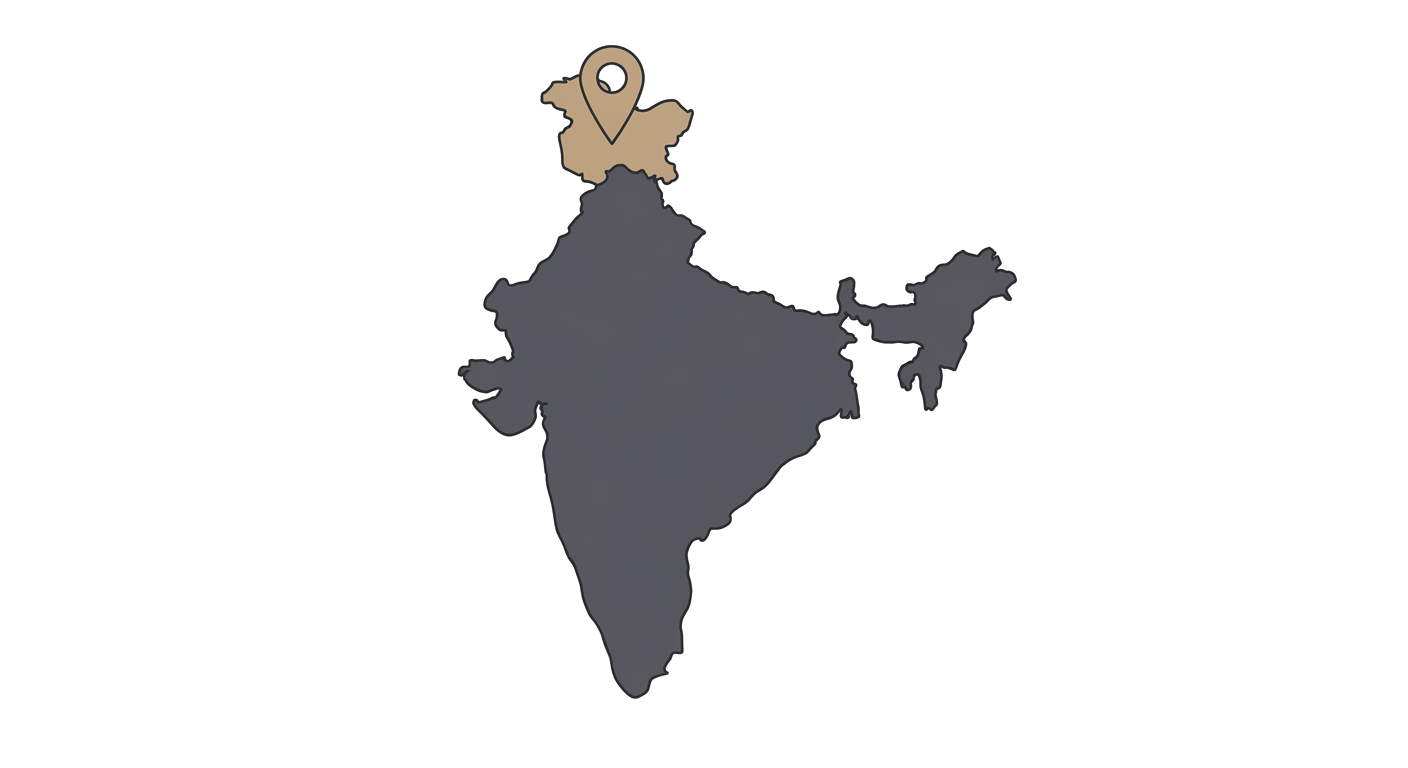
Developed by the nomadic Bakarwal shepherds across the high-altitude pastures of the Pir Panjal range in Jammu and Kashmir.
- Region
- Jammu & Kashmir, India
- Climate it was bred for
- Alpine and sub-alpine montane
- Original job
- Livestock guardian and camp protector
The long read
About the breed
Physically, the Bakharwal is a heavy-set, molosser-type dog characterised by a deep chest, muscular limbs, and a dense, weather-resistant double coat suited to harsh montane climates. Working specimens typically exhibit strong territorial instincts, profound independence, and quiet vigilance, remaining calm until a genuine threat to their charges is detected.
As with many working landraces, written records and formal breed registries remain limited, and population numbers have reportedly fallen in recent decades due to changing pastoral practices and regional conflicts. Contemporary efforts in India have sought to document and conserve the remaining working lines, though purebred specimens outside their native range remain exceedingly rare.
Illustrated breed standard
The points of the breed
Hover or tap a numbered point to read what the standard asks for.
Point 1
Skull
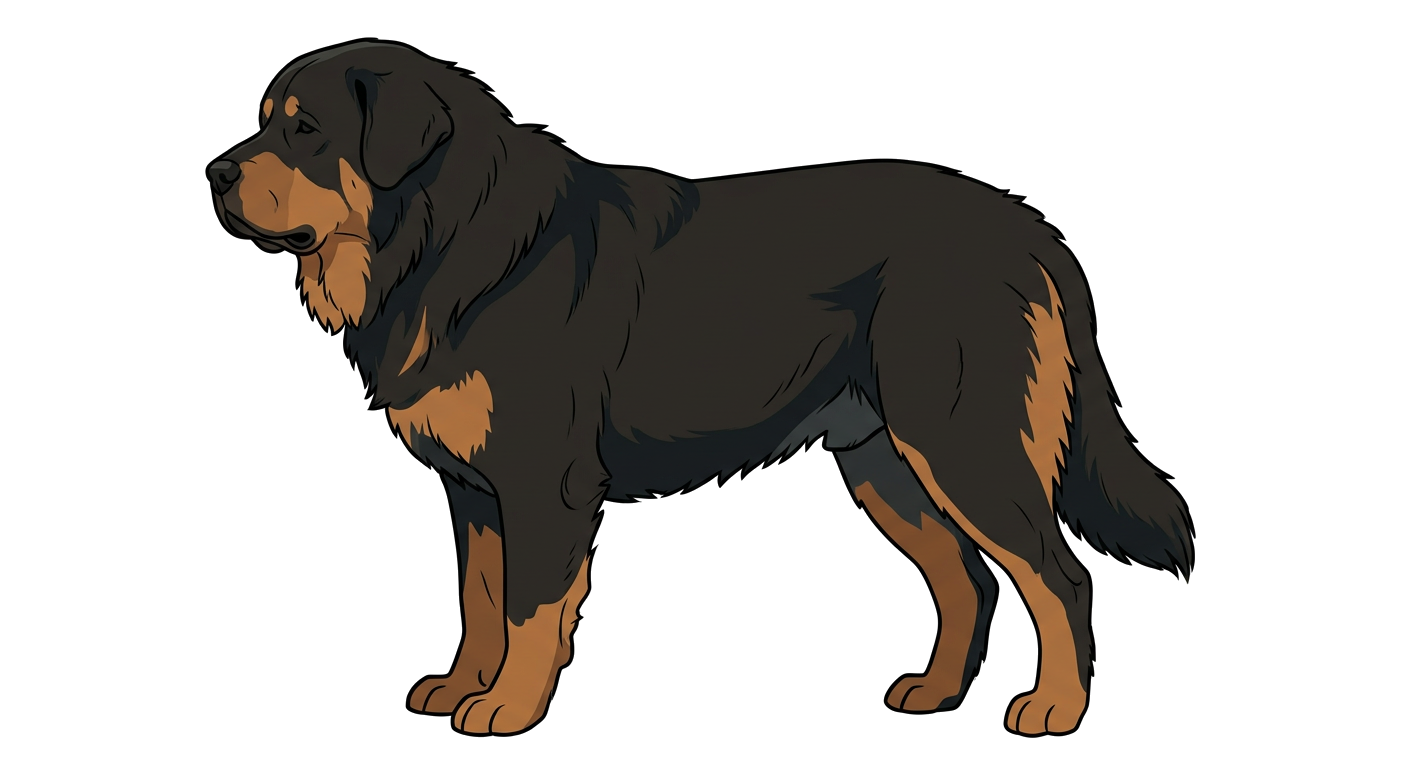
The Bakharwal Dog's skull is judged on balance rather than size — proportionate to the body, with a clean cheek and a stop typical of the breed. Coarseness or an over-refined head are both faulted.
Colours & patterns
Recognised coats
Which coats the standard accepts — and which are simply popular.
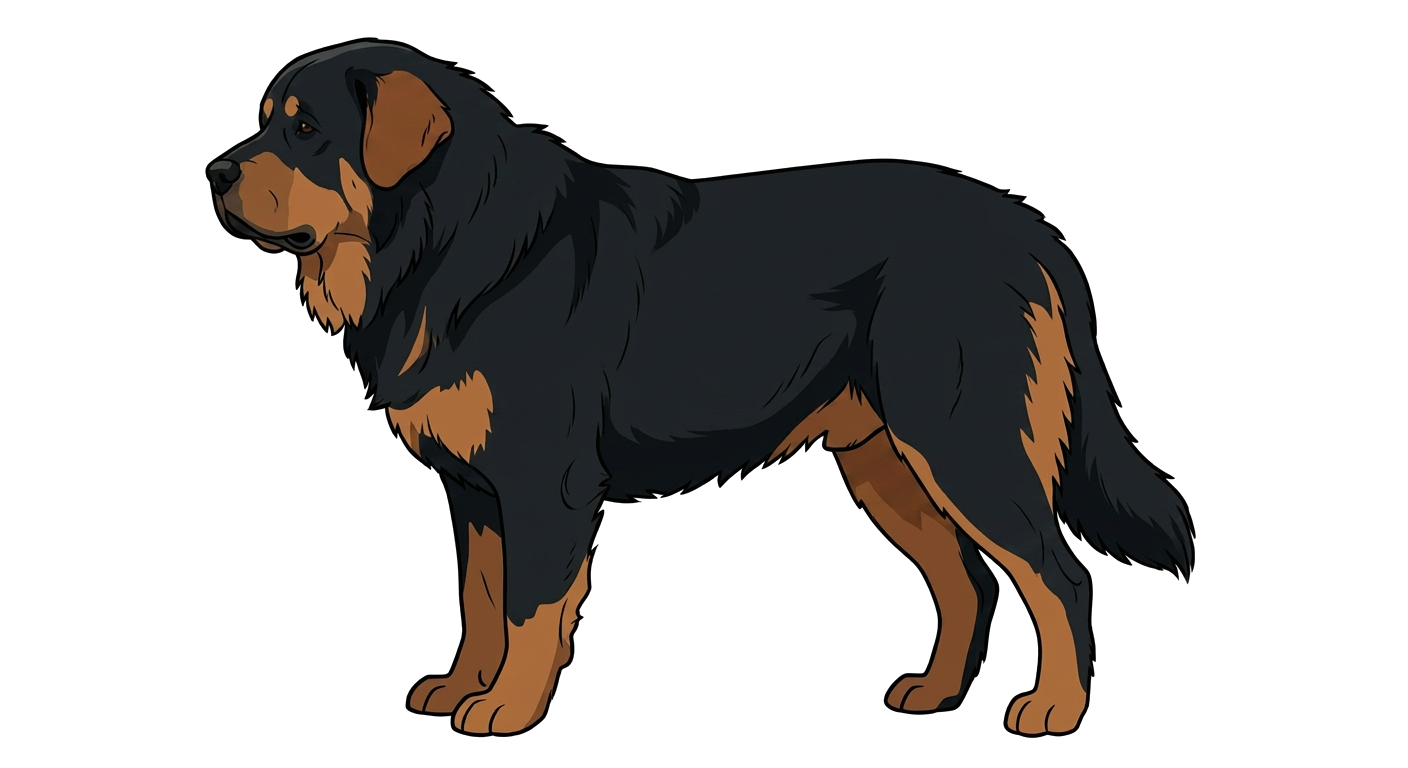
Black and Tan
Standard colour
Traditional working colouration featuring rich tan points on a deep black ground.
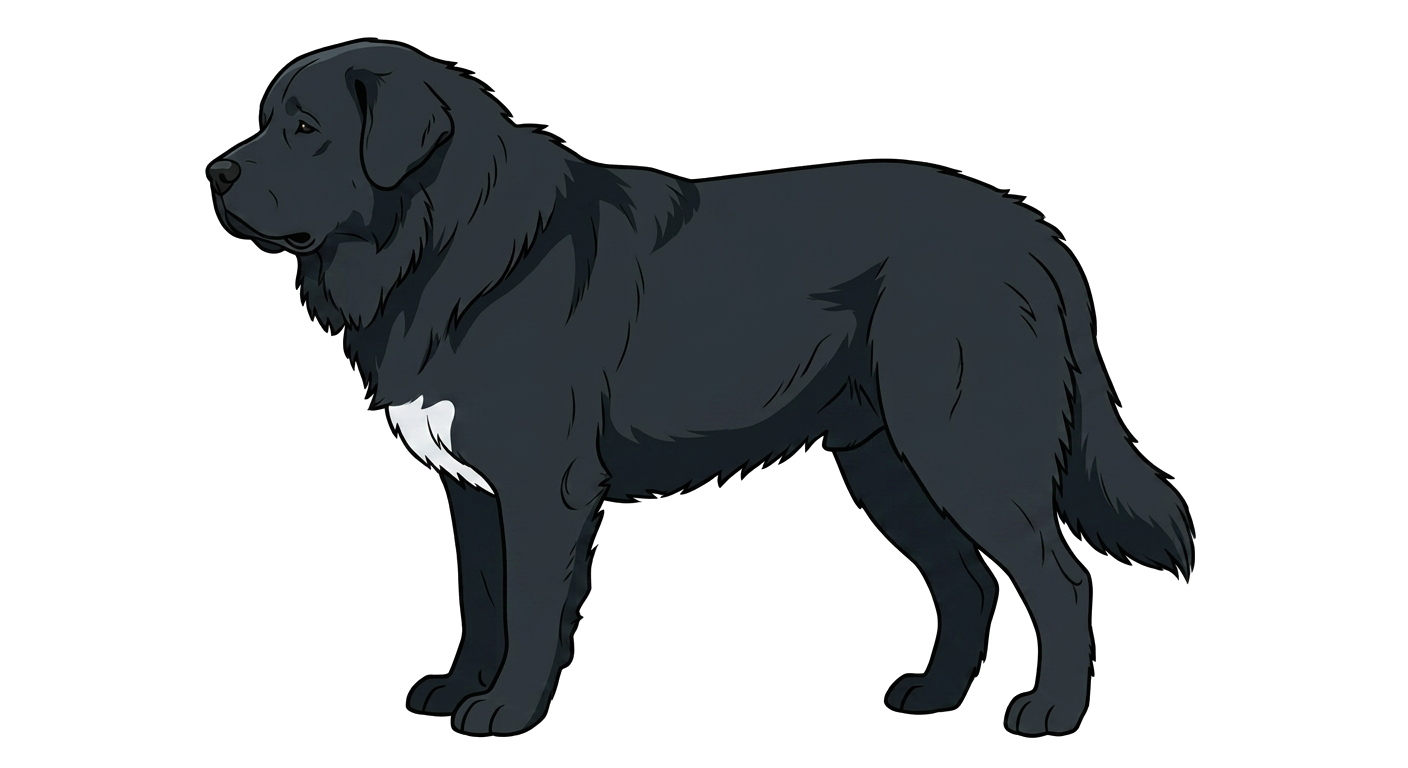
Solid Black
Standard colour
Uniform dark black coat, occasionally accompanied by minor white markings on the chest.
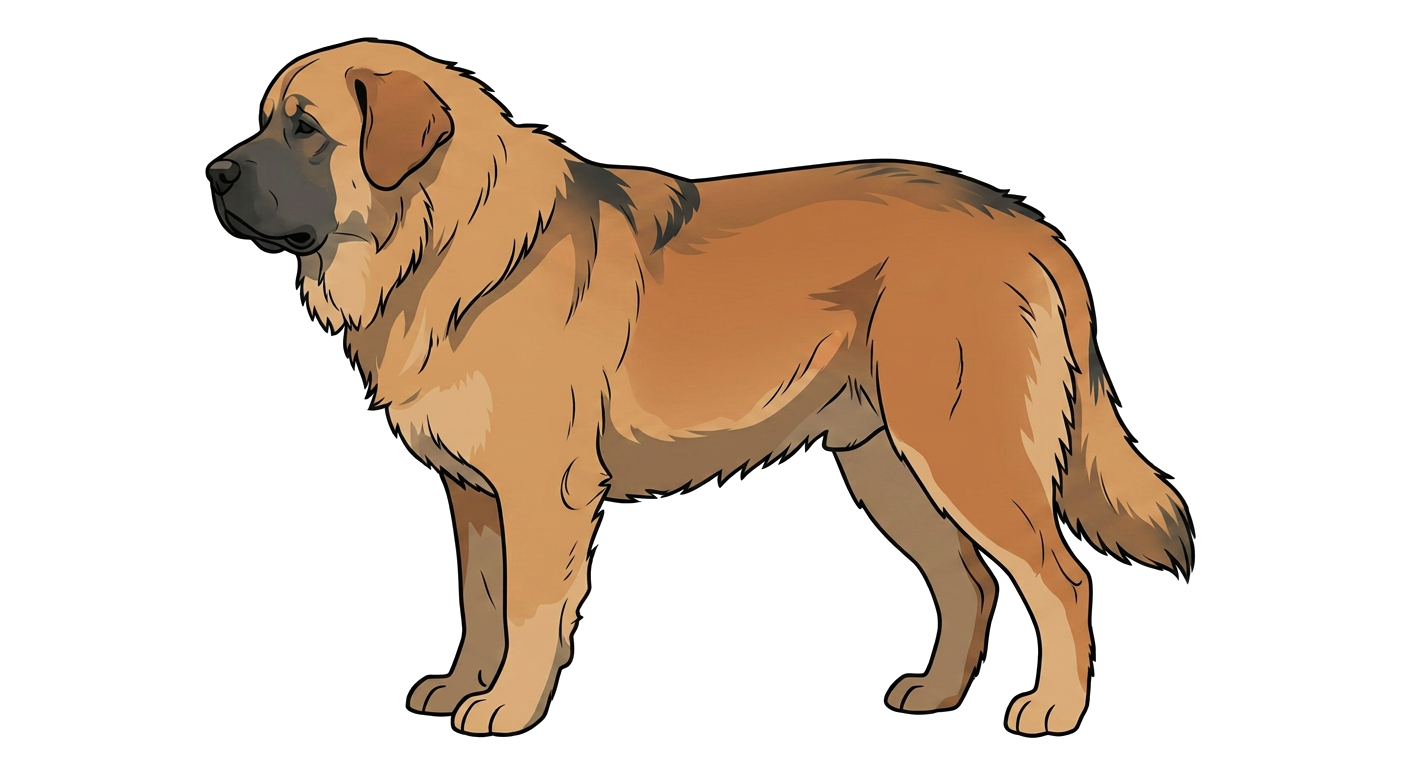
Fawn
Standard colour
Ranges from light wheaten to rich red-fawn, often with a darker mask or tipping.
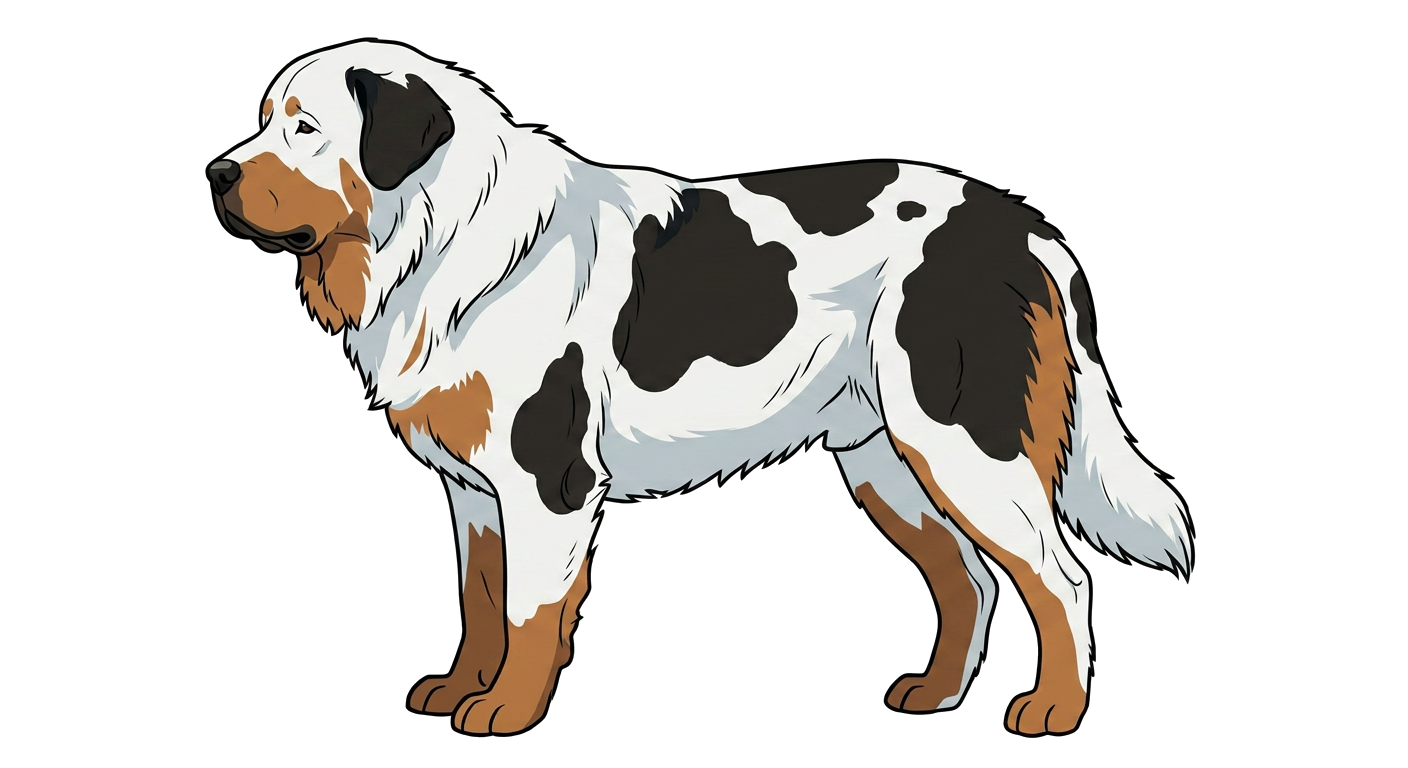
Piebald / Bicolour
Standard colour
White base with clearly demarcated patches of black, tan, or fawn across the body.
Timeline
History & development
c. 1800s
Pastoral Landrace Origins
Selected purely for utility by nomadic Bakarwal and Gujjar tribes, developing into a heavy livestock guardian adapted to transhumant migration across the Himalayas.
1990
Regional Decline
Socio-political unrest and changes in migratory pastoral routes in Jammu and Kashmir lead to a significant decline in traditional breeding programmes and overall dog numbers.
2010s
Conservation Initiatives
Indian cynological groups and local authorities begin field assessments to study breed purity and encourage conservation of remaining working populations.
Reference
Breed standard summary
- body
- Well-muscled with a broad, deep brisket, straight topline, and powerful, slightly arched loin.
- coat
- Thick, double coat consisting of a coarse, straight outer layer and a dense, woolly undercoat suited to freezing alpine conditions; distinct ruff around the neck and feathering on the limbs.
- ears
- Medium-sized, triangular, hanging flat against the cheeks and set relatively high on the skull.
- eyes
- Medium-sized, almond-shaped, deeply set, ranging from hazel to dark brown with a calm, watchful expression.
- gait
- Measured, supple, and ground-covering trot displaying notable stamina on steep, uneven terrain.
- head
- Broad and substantial between the ears, with a moderate stop and strong zygomatic arches.
- size
- Males typically measure 63 to 76 cm at the withers; females are slightly smaller and lighter in frame.
- tail
- Moderately long, well-feathered, carried low when relaxed and curled loosely over the back when alert.
- colour
- Predominantly black, black and tan, fawn, or piebald, occasionally with white markings on the chest and feet.
- muzzle
- Deep, broad, and moderately blunt, with tight or slightly pendulous lips and strong jaws with a complete scissor bite.
- temperament
- Fiercely protective, independent, and courageous in defense of livestock, but calm, reserved, and non-aggressive within its bonded human unit.
- general appearance
- Large, powerful, and robust livestock guardian with a heavy bone structure, broad chest, and dignified, aloof demeanour.
Health
What to screen for
Green means little to worry about, amber means ask the breeder for test results, red means manage it actively.
Hip and Elbow Dysplasia
Screen for it
Typical of large mountain breeds; heavy frames put stress on joint development, warranting careful growth management.
Gastric Torsion (Bloat)
Screen for it
Deep-chested anatomy places the breed at potential risk of acute gastric dilatation-volvulus.
Arthritic Changes
Watch closely
Wear and tear from navigating rocky terrain during pastoral migrations can lead to degenerative joint disease in older dogs.
General information only — always speak to your vet about your own dog.
From real owners
Dogs like this
Bakharwal Dogs added by PawPoint members through their pet passports. Share yours to appear here.
Loading the wall…
Made for the Bakharwal Dog
The book, plus prints, hoodies and mugs using our own Bakharwal Dog illustration — and one everyday accessory that suits any dog.
The book
Pawpoint: The Complete Dog Breed Book
Every officially recognised breed plus the unofficial ones nobody else documents. 400+ pages, hardback, printed and shipped from the UK.
Own stock — shipped by us
Framed poster
Bakharwal Dog Framed Poster
Museum-weight print of our Bakharwal Dog illustration, framed or unframed.
Printed to order
Hoodie
Bakharwal Dog Hoodie
Heavyweight hoodie carrying the Bakharwal Dog illustration on the chest.
Printed to order
Mug
Bakharwal Dog Mug
Ceramic mug with the Bakharwal Dog illustration wrapped around it.
Printed to order
Accessory
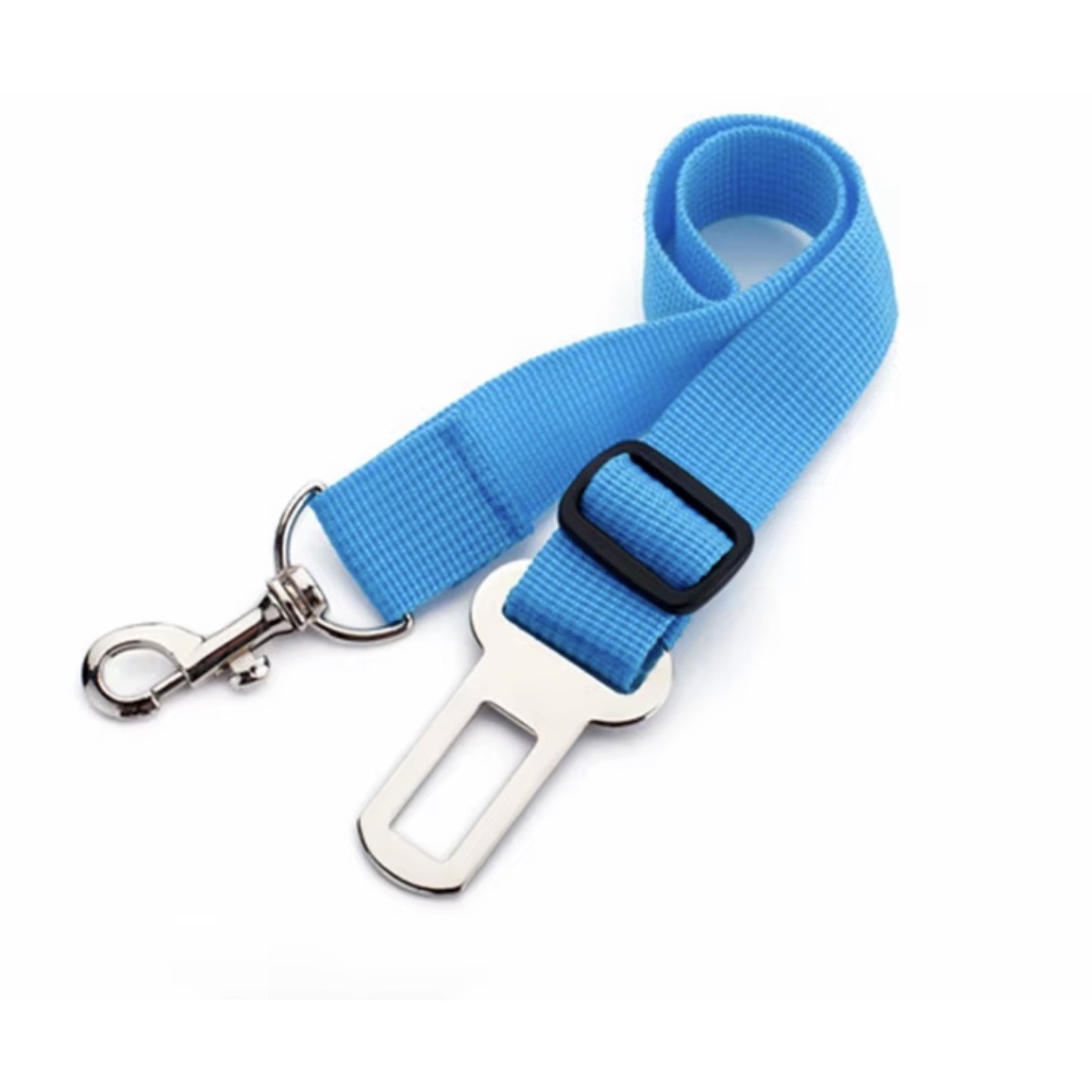
Car Seatbelt Restraint
Clips any harness to a standard seatbelt buckle.
Fits any dog
Pawpoint on YouTube
Watch the full Bakharwal Dog video
Breed deep-dives, history and honest ownership talk. New film every week.
Watch now