
Banjara Hound
bun-JAH-rah HOWND
India· Telangana, Karnataka, and Maharashtra (Deccan Plateau), India
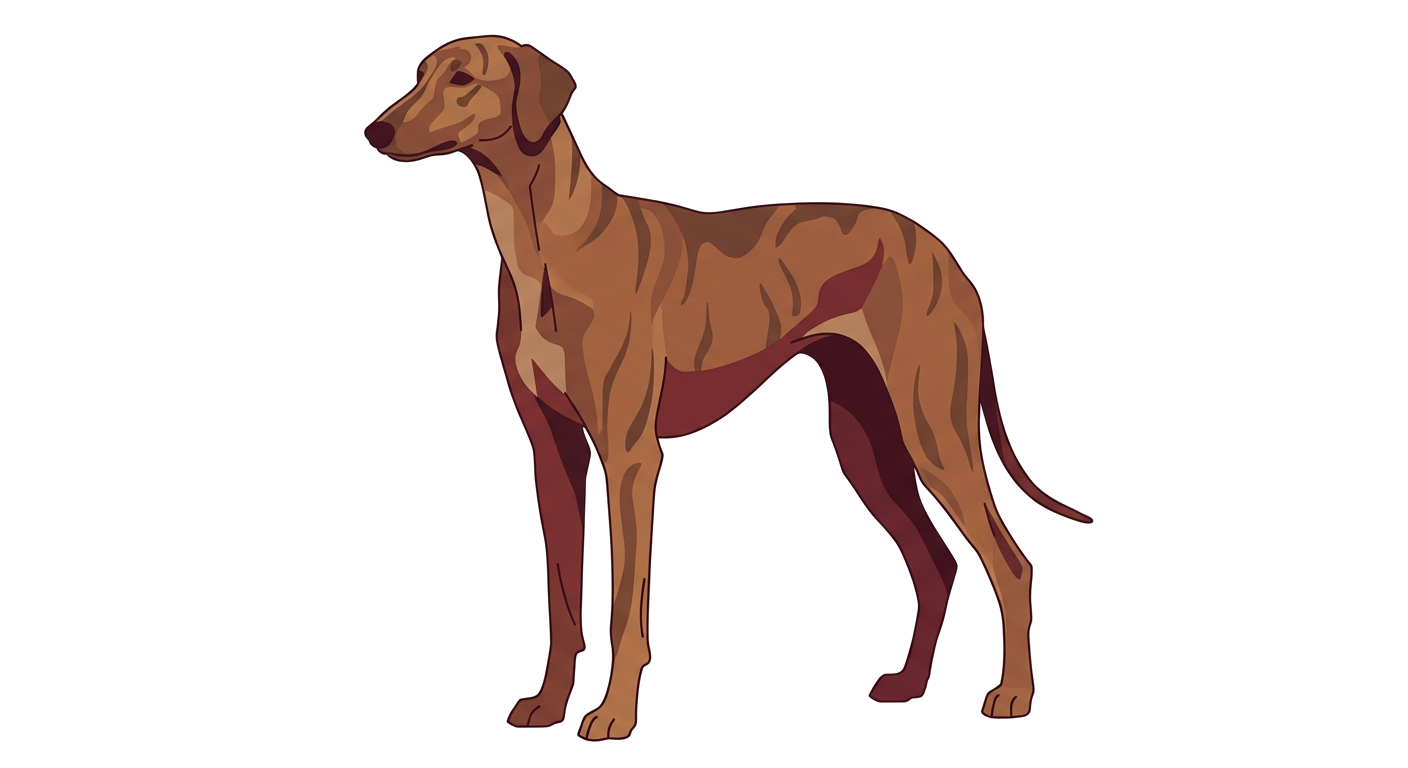
The Banjara Hound, also known as the Vanjari Hound, is an indigenous sighthound native to the Deccan Plateau region of central and southern India, notably associated with parts of Telangana, Karnataka, and Maharashtra. Developed over generations by the nomadic Banjara (or Lambadi) trading and pastoral community, the dog was shaped primarily as an agile coursing hound and camp guardian. Documentation on the breed remains sparse, as it was maintained largely through functional working selection rather than written pedigrees.
At a glance
Quick facts
Size
Large
Exercise needs
High
Home size suited to
Spacious home with secure outdoor grounds
Grooming frequency
Low
Coat length
Short
Sheds
Moderate
Lifespan
10–13 years
Town or country
Country or rural
Garden size needed
Large and securely fenced
Where it comes from
Origins of the Banjara Hound
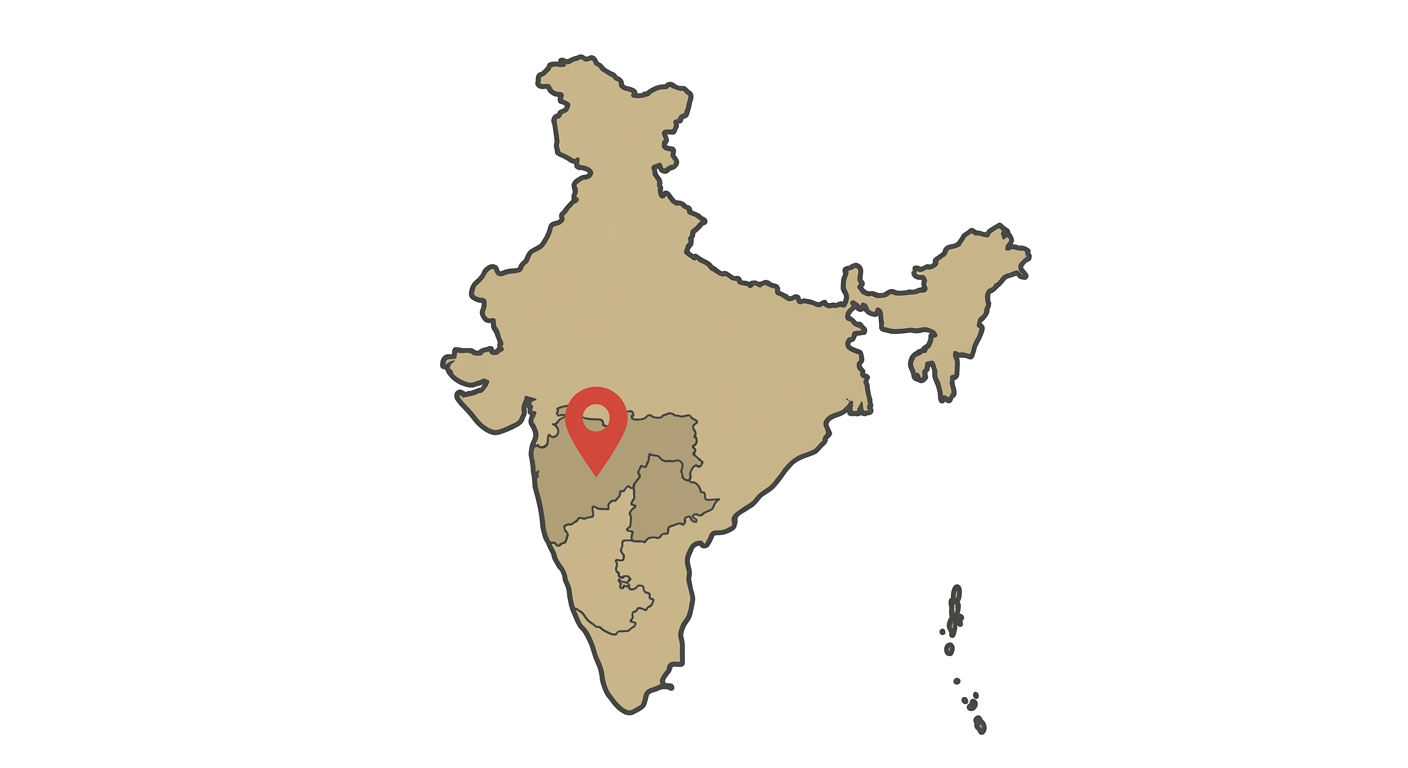
Selected across the rugged Deccan Plateau of India by the nomadic Banjara people for hunting and camp protection.
- Region
- Telangana, Karnataka, and Maharashtra (Deccan Plateau), India
- Climate it was bred for
- Semi-arid to tropical dry
- Original job
- Coursing game and guarding nomadic encampments
The long read
About the breed
Physically, the Banjara Hound exhibits typical sighthound conformation, characterised by a deep chest, tucked-up abdomen, and long, powerful limbs capable of sustained bursts of speed. Compared with some lighter Indian coursing hounds, such as the Mudhol or Caravan Hound, historical accounts frequently describe the Banjara as possessing a slightly heavier bone structure, providing the resilience required to manage thorny scrubland and deter camp intruders alongside hunting small to medium game.
Today, the Banjara Hound is considered rare, having declined in numbers alongside traditional nomadic lifestyles and widespread crossbreeding with other local dogs. The breed is not currently recognised by major international kennel organisations such as the Fédération Cynologique Internationale (FCI) or The Kennel Club. Indigenous canine enthusiasts and regional organisations in India continue efforts to document, preserve, and stabilise surviving landrace populations.
Illustrated breed standard
The points of the breed
Hover or tap a numbered point to read what the standard asks for.
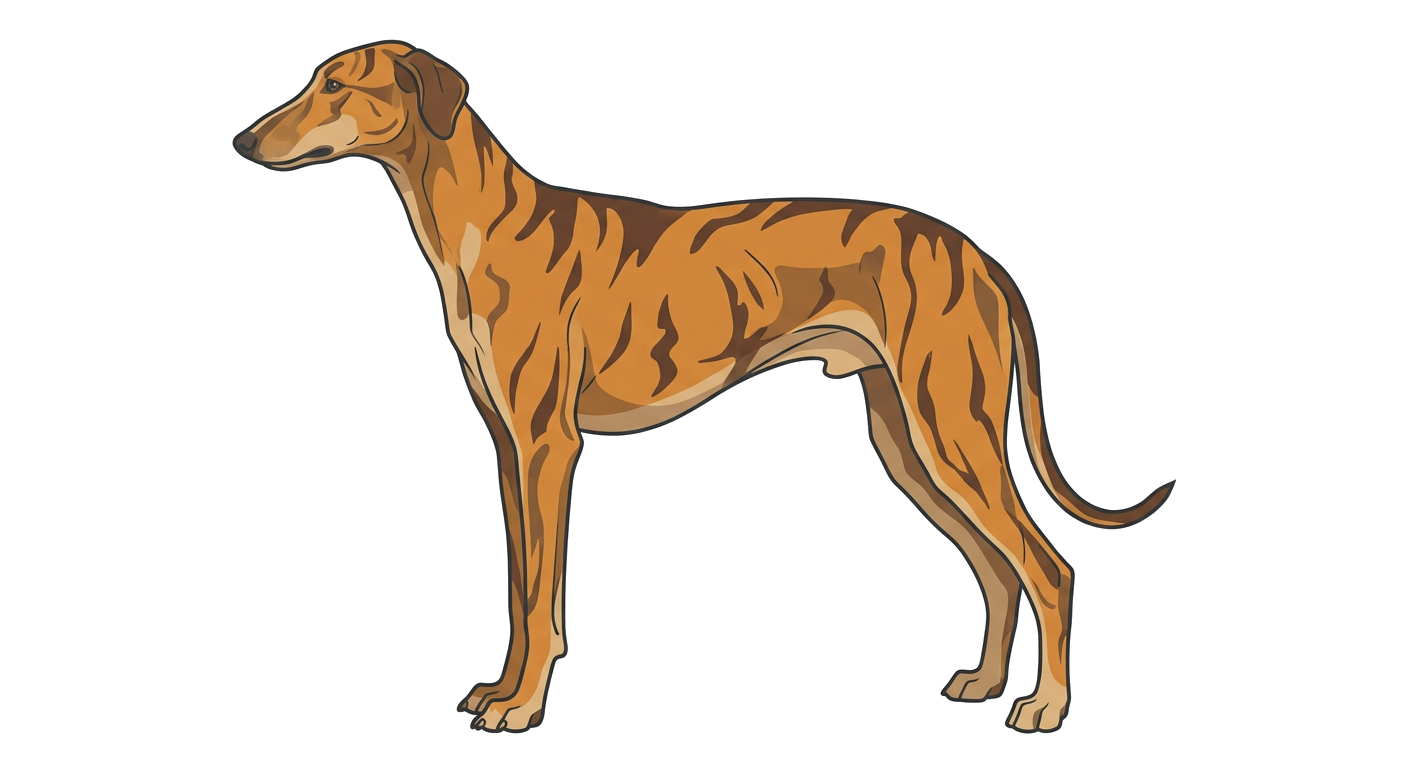
Point 1
Skull
The Banjara Hound's skull is judged on balance rather than size — proportionate to the body, with a clean cheek and a stop typical of the breed. Coarseness or an over-refined head are both faulted.
Colours & patterns
Recognised coats
Which coats the standard accepts — and which are simply popular.
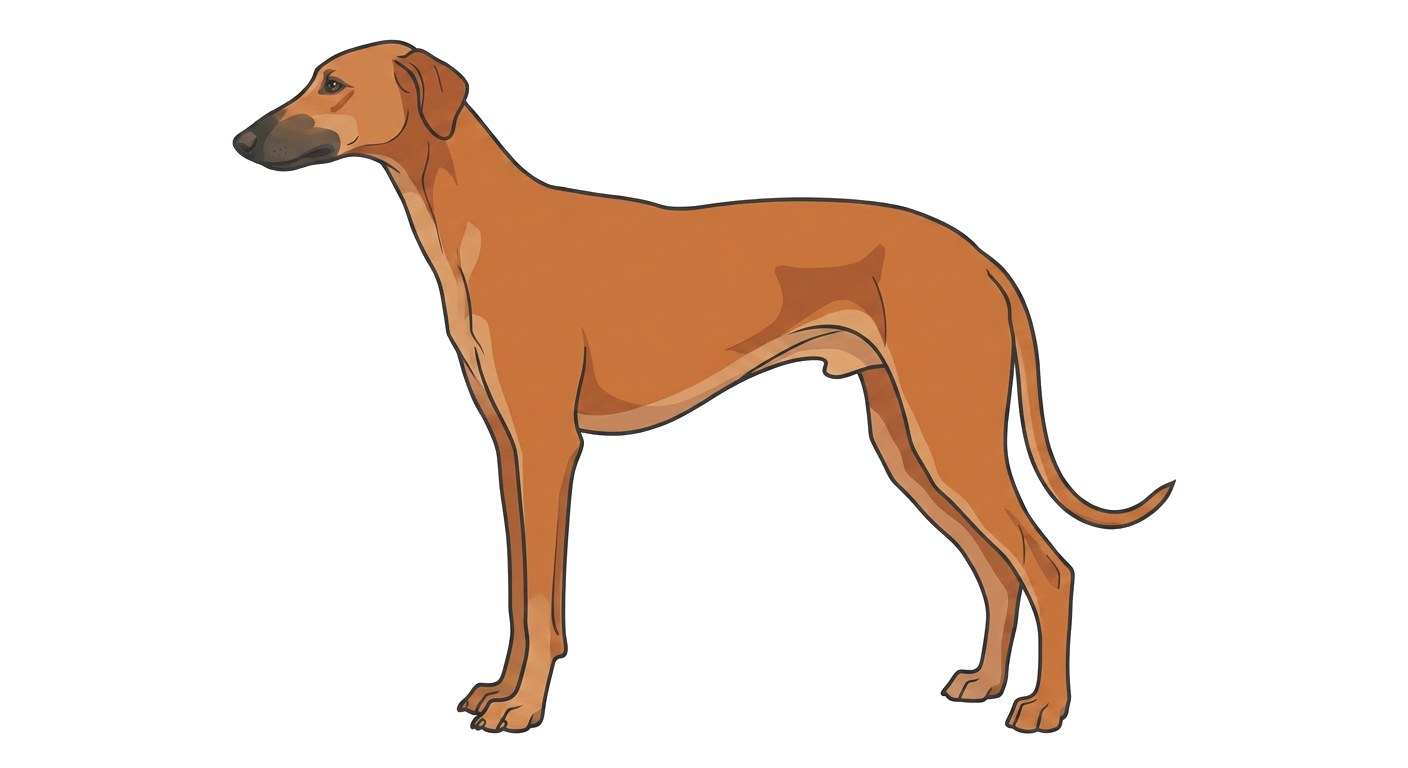
Fawn
Standard colour
Ranging from light sand to rich reddish-fawn, sometimes with darker shading on the muzzle.
Brindle
Standard colour
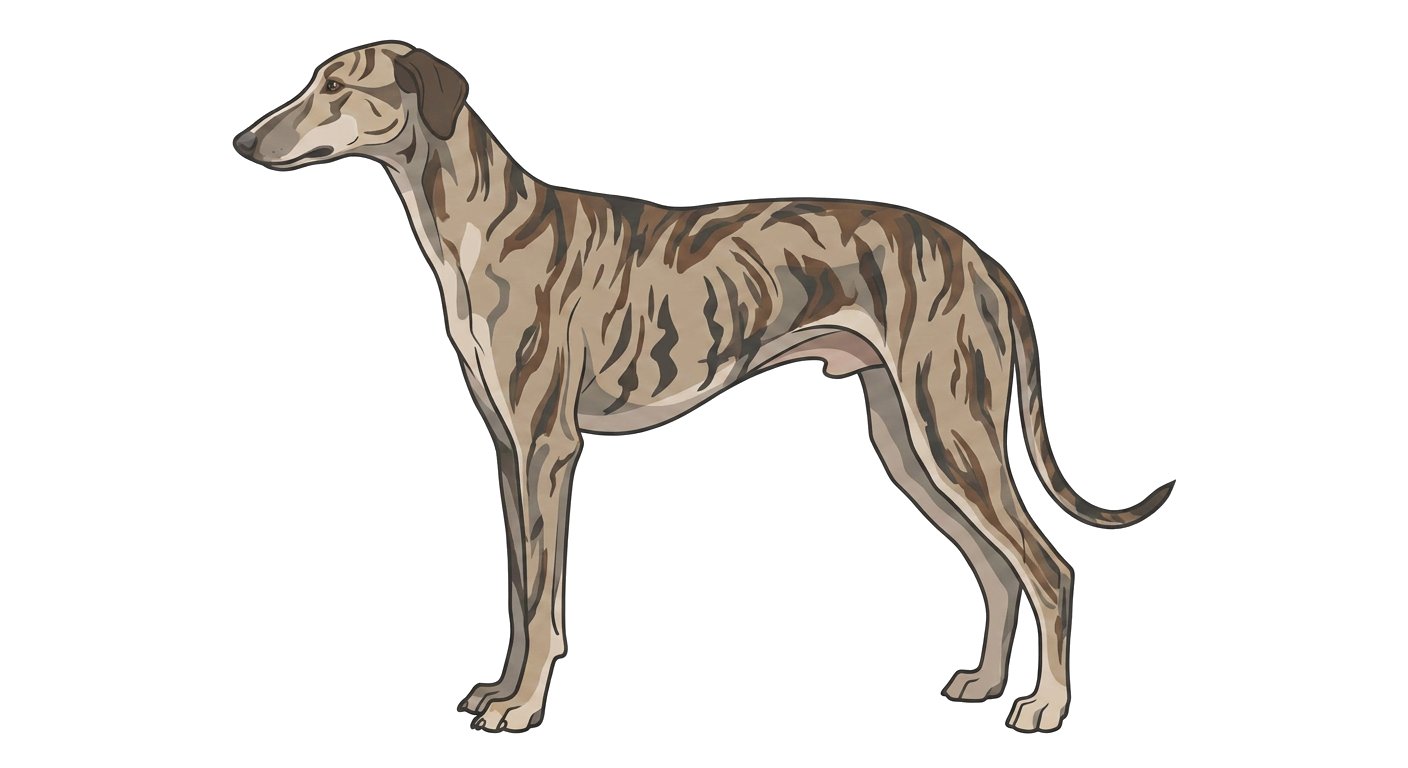
Darker stripes across a fawn, grey, or reddish background colour.
Piebald
Standard colour
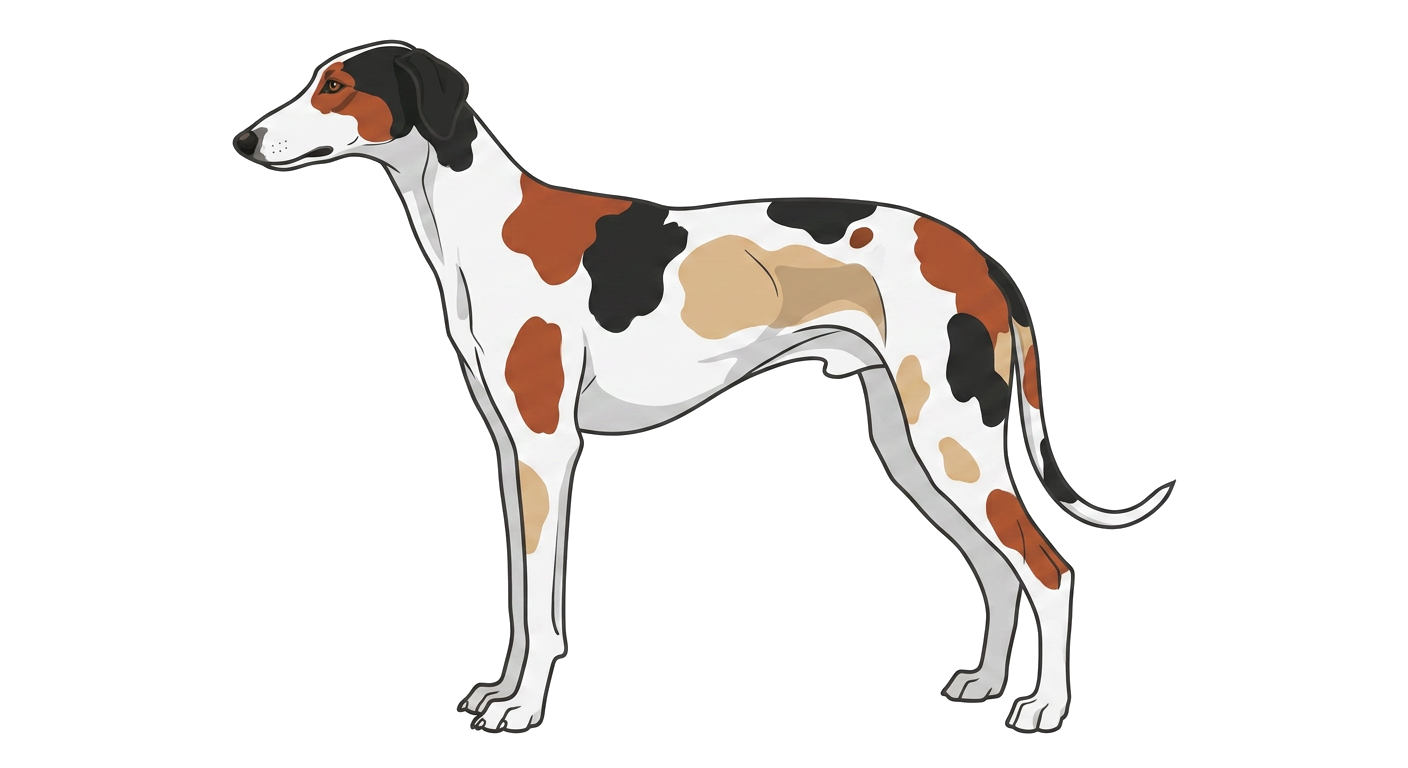
White base colour carrying distinct patches of black, red, or fawn.
Black
Standard colour
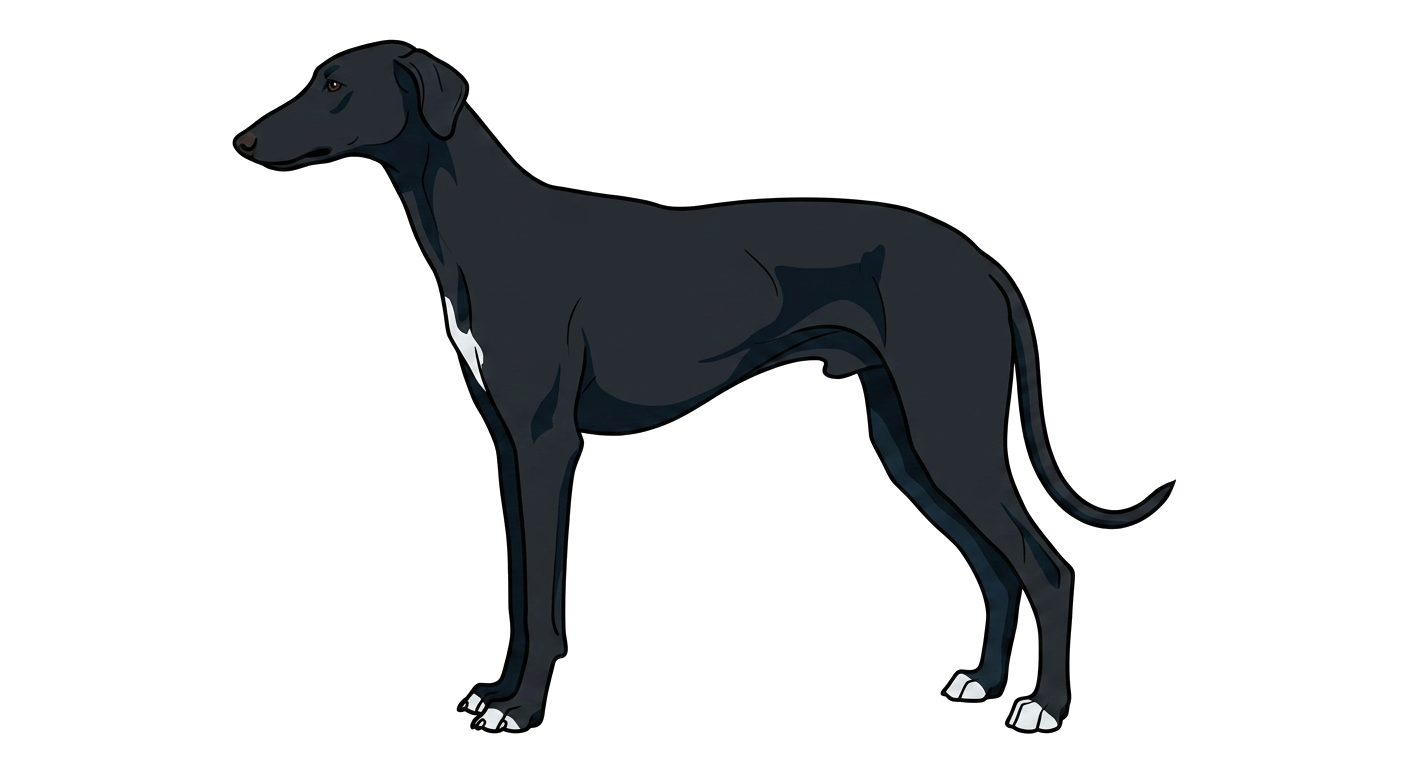
Solid black coat, occasionally with small white markings on the chest or toes.
Timeline
History & development
Pre-20th Century
Nomadic Selection
Maintained by the nomadic Banjara community as functional working hounds, bred to hunt hare and deer across dry scrublands while providing security for travelling caravans.
c. 1950–1990
Pastoral Decline
Industrialisation, changing transport methods, and settlement policies drastically altered nomadic lifestyles, leading to a steep decline in traditional breeding practices and numbers.
2010s
Indigenous Documentation
Indian cynologists and conservationists began field studies to identify, photograph, and document remaining pure landrace specimens in rural Telangana and Karnataka.
Reference
Breed standard summary
- body
- Deep, narrow chest allowing ample heart and lung room; strong, arched loin leading to a distinct abdominal tuck-up.
- coat
- Short, close, and harsh to the touch, providing protection against heat and thorny scrub.
- ears
- Moderately high-set, medium in size, carried semi-erect or dropping flat against the skull when relaxed.
- eyes
- Oval-shaped, set obliquely, ranging from amber to dark brown, with a keen and distant expression.
- gait
- Effortless, springy, and low to the ground, displaying significant drive from the rear and reach in front.
- head
- Long and wedge-shaped, tapering cleanly towards the nose, with lean cheeks and a very slight stop.
- size
- Height typically ranges from 60 to 71 cm (24 to 28 in); weight approximately 20 to 30 kg (44 to 66 lbs).
- tail
- Long, fine, set low, tapering to the hocks and carried low or in a gentle curve during movement.
- colour
- Varied, commonly including brindle, fawn, red, solid black, and piebald combinations.
- muzzle
- Tapering and powerful, featuring strong jaws with a complete, regular scissor bite.
- temperament
- Aloof and reserved with strangers, fiercely devoted to its handler, and exhibiting a very high prey drive in open country.
- general appearance
- A lean, athletic sighthound of medium-to-large build, conveying strength, speed, and endurance over harsh, arid terrain.
Health
What to screen for
Green means little to worry about, amber means ask the breeder for test results, red means manage it actively.
Gastric Dilatation-Volvulus (GDV)
Watch closely
A risk factor common to deep-chested hounds; large meals and vigorous exercise around feeding times should be avoided.
Anaesthetic Sensitivity
Screen for it
Typical sighthound physiology may result in prolonged recovery times or sensitivity to standard barbiturate anaesthetics.
Running Injuries and Abrasions
Watch closely
High-speed pursuits across uneven, rocky terrain can result in torn footpads, nail damage, or muscular strains.
General information only — always speak to your vet about your own dog.
From real owners
Dogs like this
Banjara Hounds added by PawPoint members through their pet passports. Share yours to appear here.
Loading the wall…
Made for the Banjara Hound
The book, plus prints, hoodies and mugs using our own Banjara Hound illustration — and one everyday accessory that suits any dog.

The book
Pawpoint: The Complete Dog Breed Book
Every officially recognised breed plus the unofficial ones nobody else documents. 400+ pages, hardback, printed and shipped from the UK.
Own stock — shipped by us
Framed poster
Banjara Hound Framed Poster
Museum-weight print of our Banjara Hound illustration, framed or unframed.
Printed to order
Hoodie
Banjara Hound Hoodie
Heavyweight hoodie carrying the Banjara Hound illustration on the chest.
Printed to order
Mug
Banjara Hound Mug
Ceramic mug with the Banjara Hound illustration wrapped around it.
Printed to order
Accessory
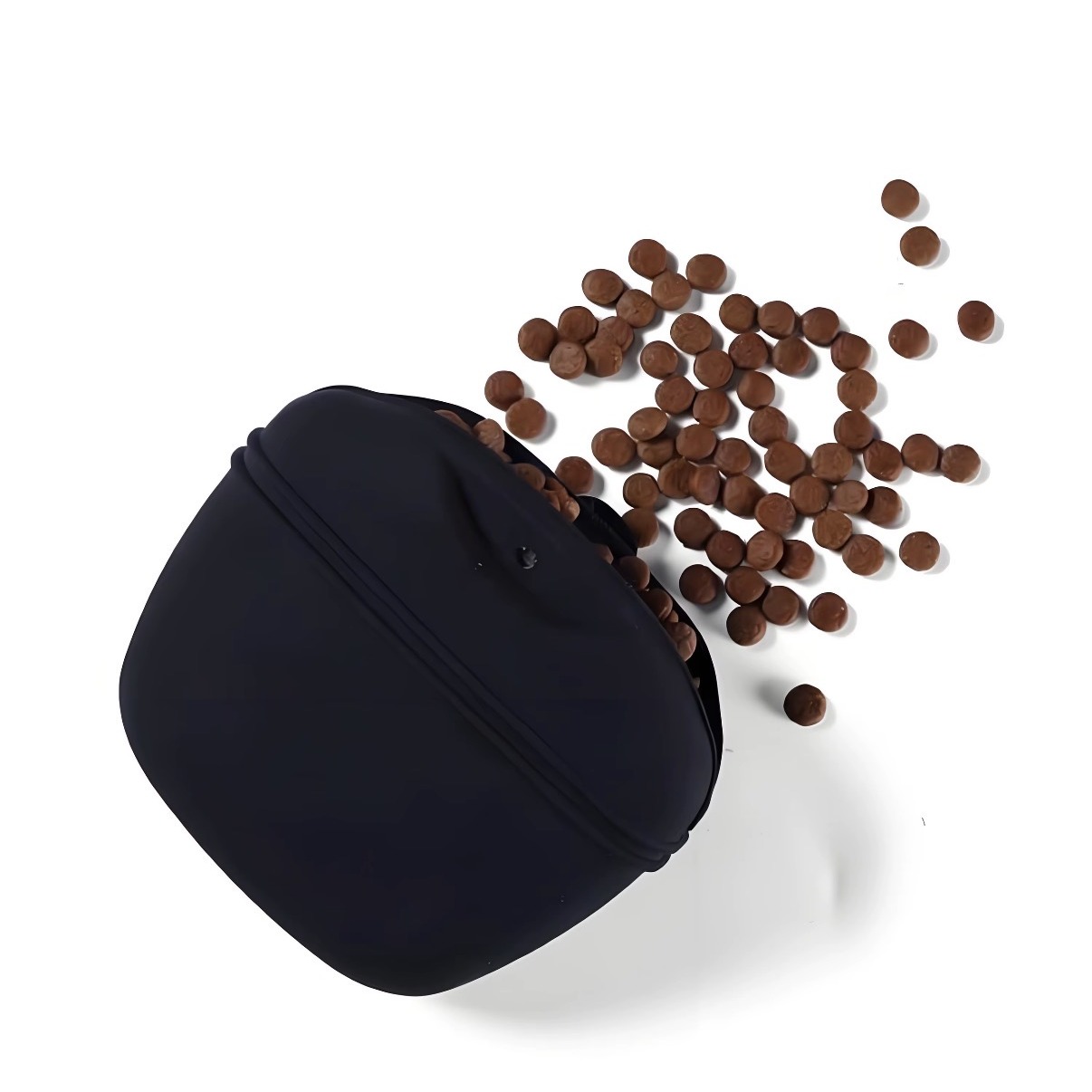
Treat Pouch
Magnetic-close belt pouch for training sessions.
Fits any dog
Pawpoint on YouTube
Watch the full Banjara Hound video
Breed deep-dives, history and honest ownership talk. New film every week.
Watch now