
Basset Fauve de Bretagne
FOHV duh bruh-TAHN-yuh
France· Brittany
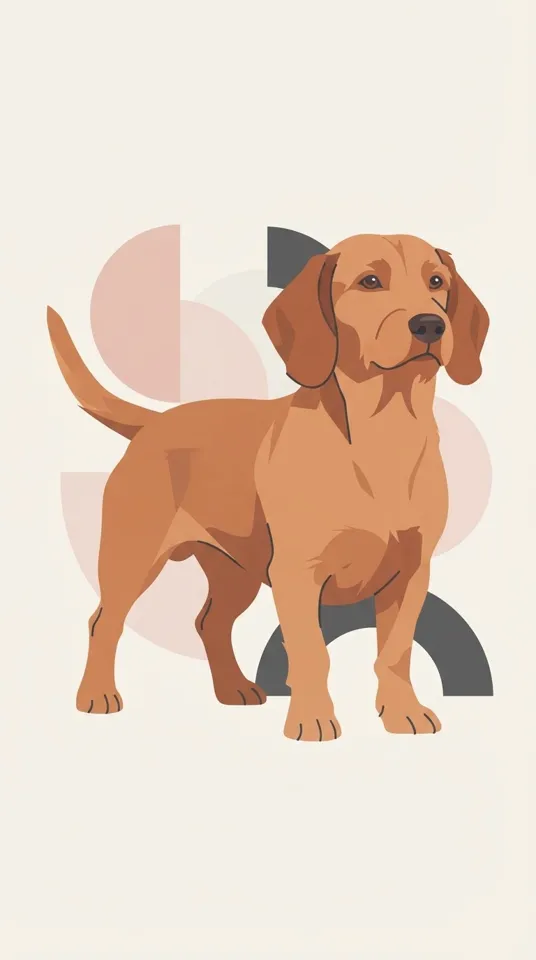
The Basset Fauve de Bretagne is a small, wiry-coated scent hound from Brittany, bred to hunt rabbit and hare through dense undergrowth.
At a glance
Quick facts
- Size
- Small
- Exercise needs
- 60 minutes daily
- Home size suited to
- Flat or small home
- Grooming frequency
- Weekly brush, hand-strip a few times a year
- Coat length
- Wiry
- Sheds
- Very little
- Lifespan
- 12-14 years
- Town or country
- Happiest in the country
- Garden size needed
- Small garden or none
Where it comes from
Origins of the Basset Fauve de Bretagne
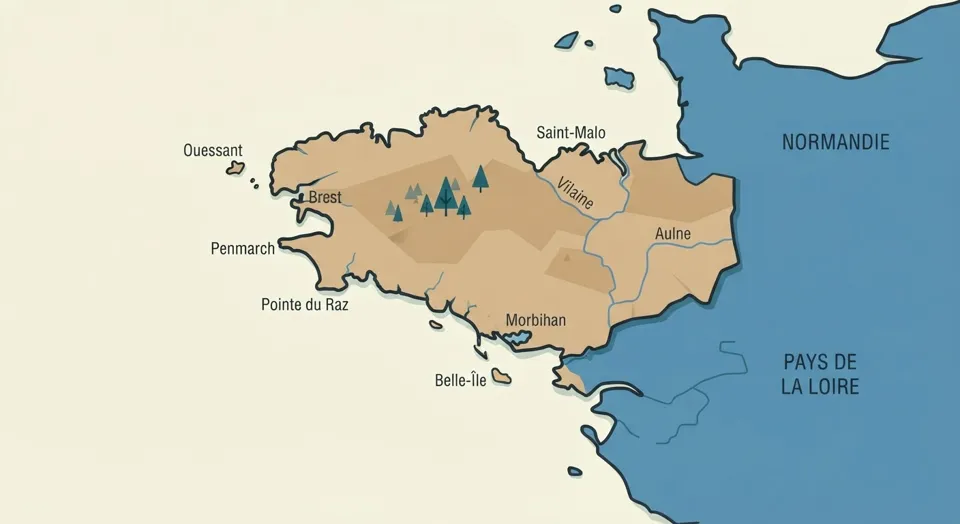
Developed in the hedgerows and gorse thickets of Brittany, where a low, sturdy hound could push through cover too dense for taller dogs. Its wiry coat protected against thorns and wet undergrowth.
- Region
- Brittany
- Climate it was bred for
- Cool, damp Atlantic coast
- Original job
- Hunting rabbit and hare through dense scrub
The long read
About the breed
It descends from the larger Griffon Fauve de Bretagne and was developed by Breton hunters who wanted a shorter-legged hound able to work thick gorse and bramble at a pace a man on foot could follow. The breed nearly vanished in the early 20th century as hunting styles changed, and it was rebuilt from a small number of surviving dogs after the Second World War through the dedicated efforts of French breed clubs.
Living with one means living with a cheerful, determined little hound with a strong nose and a stubborn streak. It is friendly with people and generally sociable with other dogs, reflecting its history of working in packs, but recall is a genuine challenge because once it picks up a scent it will follow it regardless of calling. Its wiry coat is low maintenance, needing only occasional hand-stripping, but its stamina is considerable for its size and it needs proper daily exercise rather than a short stroll.
Today it remains a minority breed even in France, and rarer still in Britain, kept largely by owners drawn to a compact hound temperament without the size of a full Basset Hound. It is not the easiest breed to recall off-lead, so secure areas matter more than most.
Living with one
Temperament & needs
Our own ratings, based on the breed standard and how these dogs behave in ordinary homes.
Friendliness
4/5
How openly the Basset Fauve de Bretagne greets people it does not know.
Trainability
3/5
Willing but easily distracted by scent.
Energy
4/5
Surprisingly energetic for its size.
Barking
4/5
Vocal, with a distinctive baying bark.
Grooming
2/5
Occasional hand-stripping of the wiry coat.
Suits a first-time owner
2/5
How forgiving the Basset Fauve de Bretagne is for someone taking on their first dog.
Sociability
4/5
Good with people and other dogs.
Independence
4/5
Follows its nose over instructions.
Illustrated breed standard
The points of the breed
Hover or tap a numbered point to read what the standard asks for.
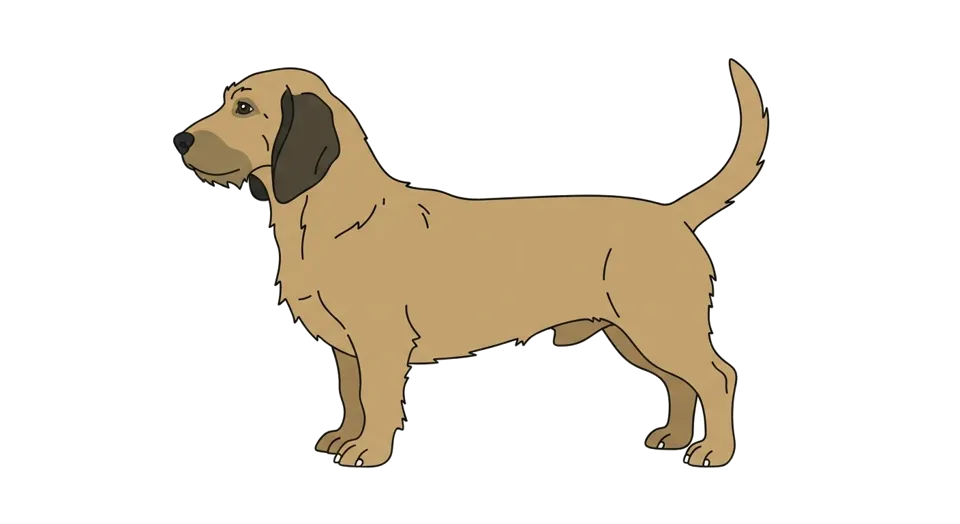
Point 1
Skull
The Basset Fauve de Bretagne's skull is judged on balance rather than size — proportionate to the body, with a clean cheek and a stop typical of the breed. Coarseness or an over-refined head are both faulted.
Colours & patterns
Recognised coats
Which coats the standard accepts — and which are simply popular.
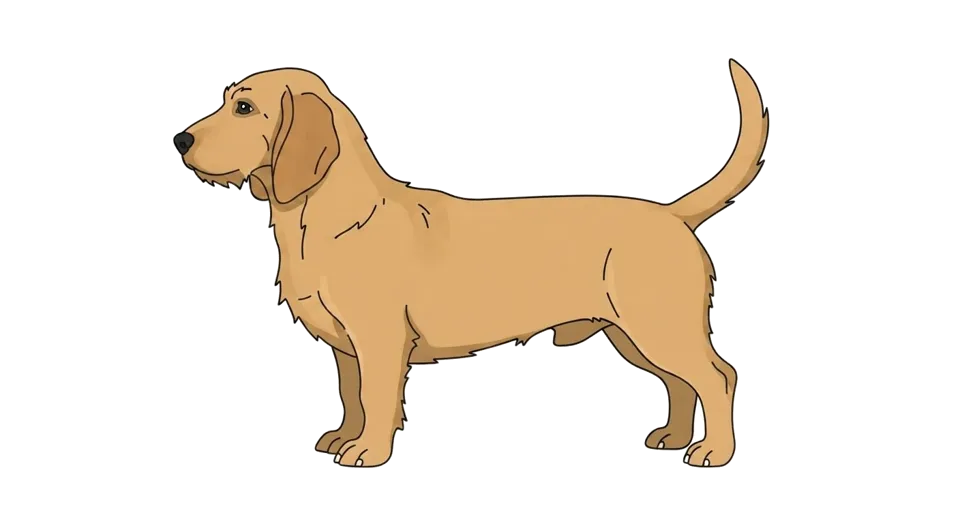
Fawn
Standard colour
The defining colour, giving the breed its name.
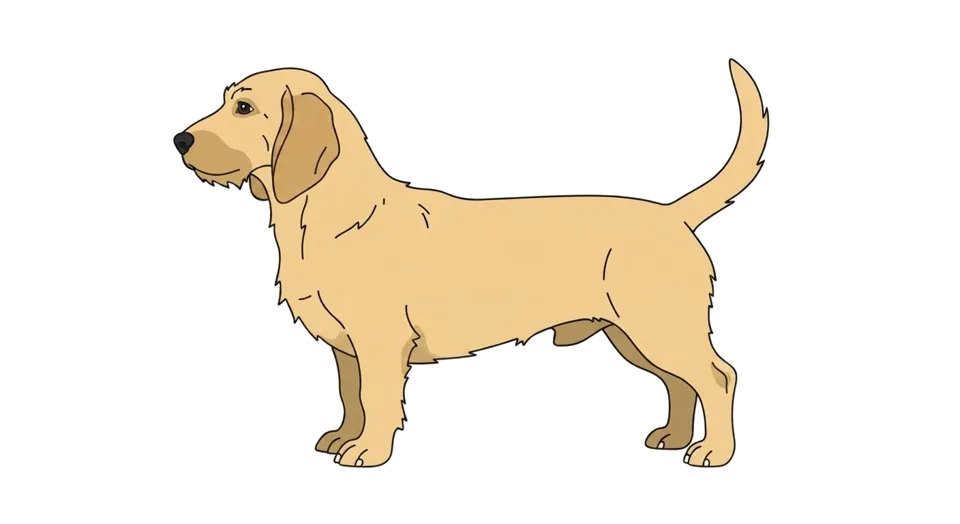
Wheaten
Standard colour
Paler golden shade, accepted.
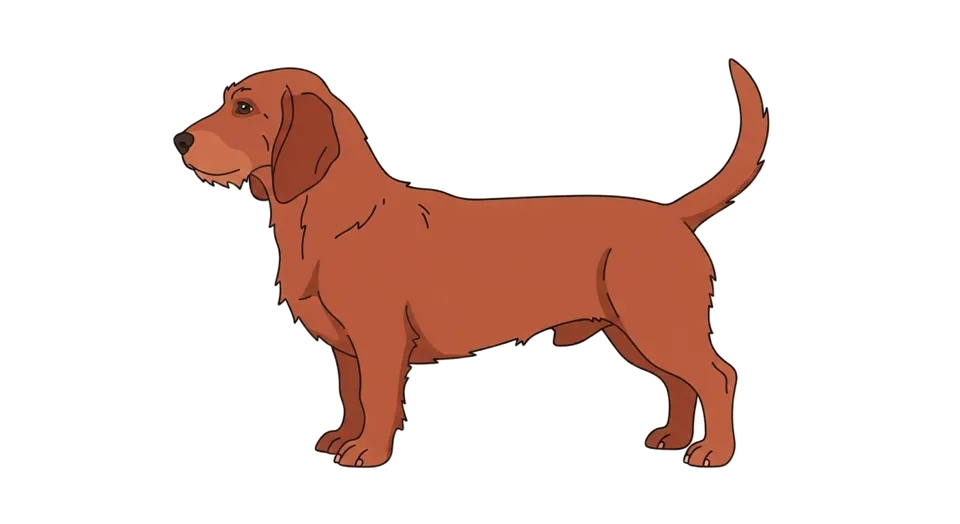
Red Wheaten
Standard colour
Deeper reddish tone, accepted.
Timeline
History & development
1850s
Descended from the Griffon
Developed from the larger Griffon Fauve de Bretagne by Breton hunters wanting a shorter-legged hound.
1930s
Formal recognition
The breed was recognised as distinct from its Griffon ancestor.
1940s
Near extinction
Numbers collapsed during and after the Second World War, leaving only a handful of dogs.
1970s
Rebuilding the breed
French breed clubs rebuilt the population and it slowly spread abroad.
Reference
Breed standard summary
- body
- Long body with a strong back.
- coat
- Rough, harsh, never woolly.
- ears
- Fine, supple, reaching toward the nose tip.
- eyes
- Dark, alert.
- gait
- Energetic and purposeful.
- head
- Slightly domed skull, strong muzzle.
- size
- Small
- tail
- Carried like a sabre.
- colour
- Fawn, Wheaten, Red Wheaten. Colours outside this list are seen but are not accepted by the kennel clubs.
- temperament
- Typical of the breed: strongest in energy, sociability, independence. Nervousness or aggression are serious faults in the show ring and in the home.
- general appearance
- Small, sturdy, short-legged hound with a wiry coat.
Health
What to screen for
Green means little to worry about, amber means ask the breeder for test results, red means manage it actively.
Patellar luxation
Screen for it
Ask for patella checks on breeding stock.
Ear infections
Low concern
Long ears need regular checking and cleaning.
Primary open angle glaucoma
Low concern
DNA test available in some lines.
Obesity
Watch closely
Prone to weight gain if exercise is reduced.
General information only — always speak to your vet about your own dog.
From real owners
Basset Fauve de Bretagnes in the PAWPOINT Pack
Basset Fauve de Bretagnes added by PawPoint members through their pet passports. Share yours to appear here.
Loading the wall…
Made for the Basset Fauve de Bretagne
The book, plus hoodies, tees and mugs featuring the Basset Fauve de Bretagne.