
Beagle Harrier
BEE-gul HA-ree-er
France· Various regions of France
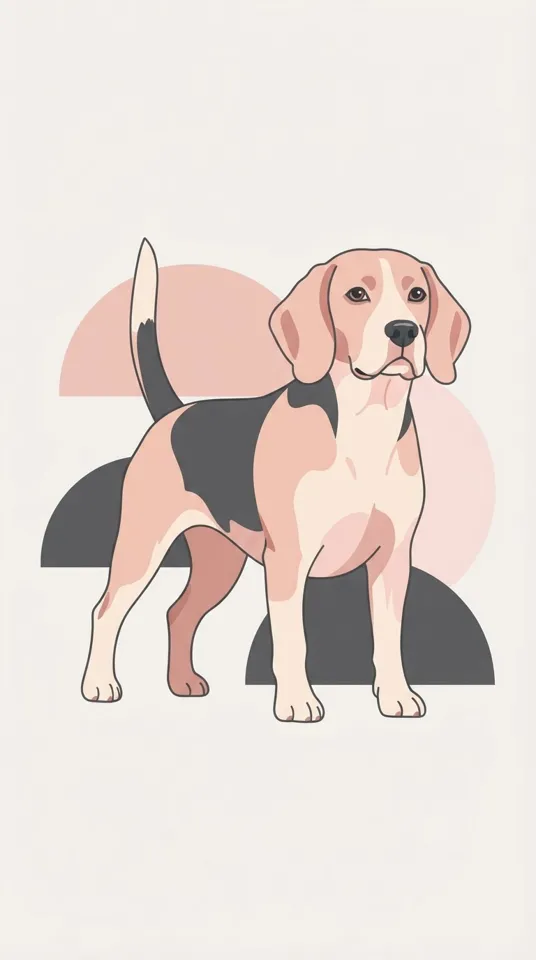
The Beagle Harrier is a French scenthound created by crossing the Beagle and the Harrier to combine their best working qualities.
At a glance
Quick facts
- Size
- Medium
- Exercise needs
- 1-2 hours per day
- Home size suited to
- Medium or larger
- Grooming frequency
- Weekly brush
- Coat length
- Short
- Sheds
- Yes
- Lifespan
- 12-15 years
- Town or country
- Country preferred
- Garden size needed
- Medium or larger
Where it comes from
Origins of the Beagle Harrier
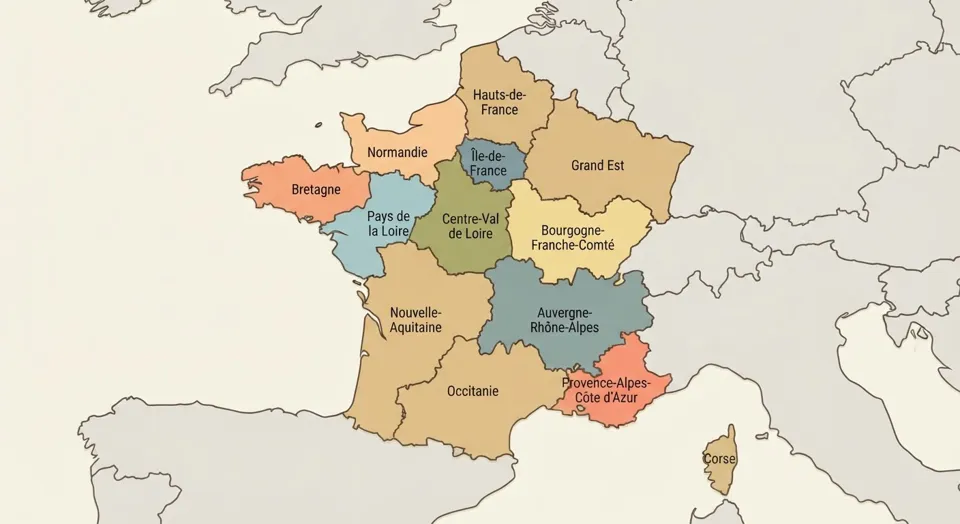
French huntsmen wanted a hound between the compact Beagle and the taller Harrier, one that could keep pace with mounted or foot hunters across a variety of terrain. Deliberately crossing the two English breeds in the nineteenth century produced a hound with the Beagle's nose and the Harrier's greater speed and reach. It found favour with French packs hunting hare across open and wooded ground alike. The breed remains a distinctly French creation despite its English parent breeds.
- Region
- Various regions of France
- Climate it was bred for
- Mixed farmland and woodland across temperate France
- Original job
- Pack hunting hare over varied countryside
The long read
About the breed
Bred specifically for pack hunting hare, it developed a keen nose, good speed and the stamina to work varied countryside for extended periods.
At home it is friendly, sociable and generally easy-going, though it retains a strong scenting drive and benefits from secure fencing and plenty of exercise.
The breed remains rare, kept largely by French hunting packs, with very limited numbers found outside France.
Living with one
Temperament & needs
Our own ratings, based on the breed standard and how these dogs behave in ordinary homes.
Friendliness
3/5
How openly the Beagle Harrier greets people it does not know.
Trainability
3/5
How readily the breed takes to training in an ordinary home.
Energy
3/5
How much daily exercise and stimulation the breed expects.
Barking
3/5
How vocal the breed tends to be day to day.
Grooming
3/5
How much coat work the breed needs to stay comfortable.
Suits a first-time owner
3/5
How forgiving the Beagle Harrier is for someone taking on their first dog.
Illustrated breed standard
The points of the breed
Hover or tap a numbered point to read what the standard asks for.
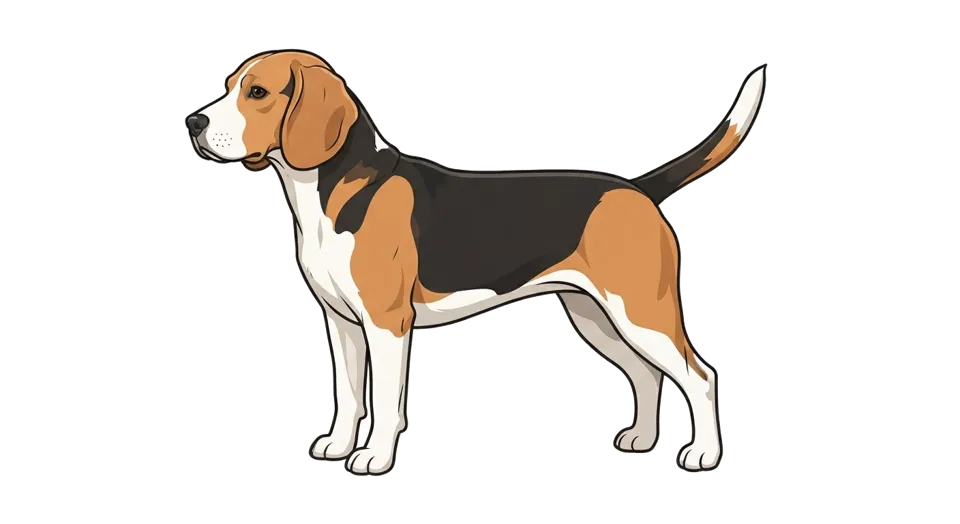
Point 1
Skull
The Beagle Harrier's skull is judged on balance rather than size — proportionate to the body, with a clean cheek and a stop typical of the breed. Coarseness or an over-refined head are both faulted.
Timeline
History & development
1800s
Deliberate cross
French breeders crossed Beagles and Harriers to create a hound of intermediate size and speed.
1885
Type fixed
Baron Gerard is credited with fixing the breed's type through selective breeding.
1910s
FCI recognition
The breed gained official recognition from French and international kennel bodies.
1970s
Steady pack use
The breed continued to be used by French hare-hunting packs through the twentieth century.
1990s
Modern conservation
Breed enthusiasts began organised efforts to maintain numbers as pack hunting declined.
Reference
Breed standard summary
- body
- Compact, well-muscled body with a level topline.
- coat
- Short, dense and weatherproof.
- ears
- Set low, rounded, hanging close to the cheeks.
- eyes
- Dark, alert and gentle.
- head
- Moderately long, slightly domed skull with a square muzzle.
- size
- Dogs and bitches 45-50cm
- colour
- Tricolour, typically black, white and tan.
- temperament
- Friendly, sociable and eager, with a strong nose.
- general appearance
- A well-balanced, medium-sized hound combining the compactness of the Beagle with the elegance of the Harrier.
Health
What to screen for
Green means little to worry about, amber means ask the breeder for test results, red means manage it actively.
General information only — always speak to your vet about your own dog.
From real owners
Beagle Harriers in the PAWPOINT Pack
Beagle Harriers added by PawPoint members through their pet passports. Share yours to appear here.
Loading the wall…
Made for the Beagle Harrier
The book, plus hoodies, tees and mugs featuring the Beagle Harrier.