
Bichon Frise
BEE-shon FREE-zay
France· Mediterranean coast and French court
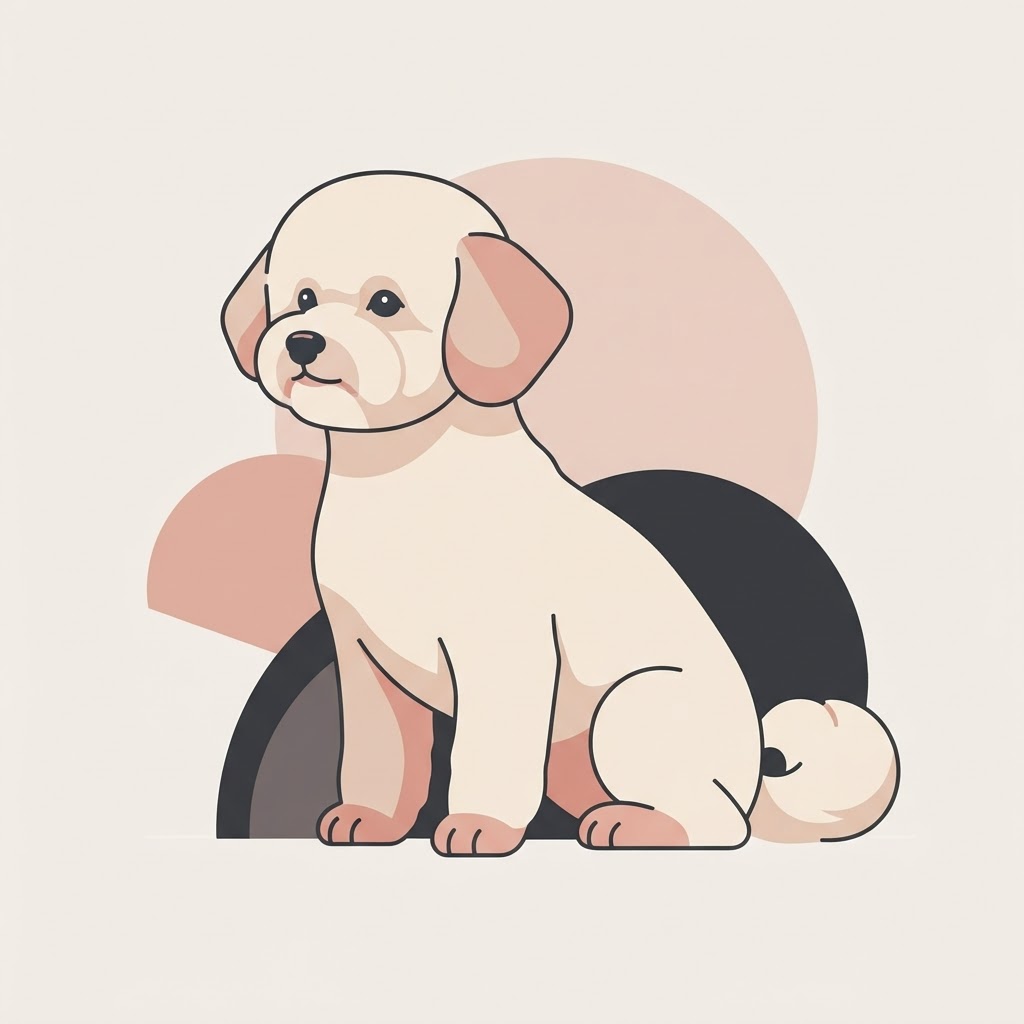
The Bichon Frise is a small, white, curly-coated companion breed descended from Mediterranean water dogs, refined in France into a cheerful lapdog for the aristocracy and later the wider public.
At a glance
Quick facts
Size
Small
Exercise needs
30-45 minutes daily
Home size suited to
Flat or small home
Grooming frequency
Brush every other day, clip regularly
Coat length
Curly
Sheds
Very little
Lifespan
14-15 years
Town or country
Either, happy in town
Garden size needed
Small garden or none
Where it comes from
Origins of the Bichon Frise
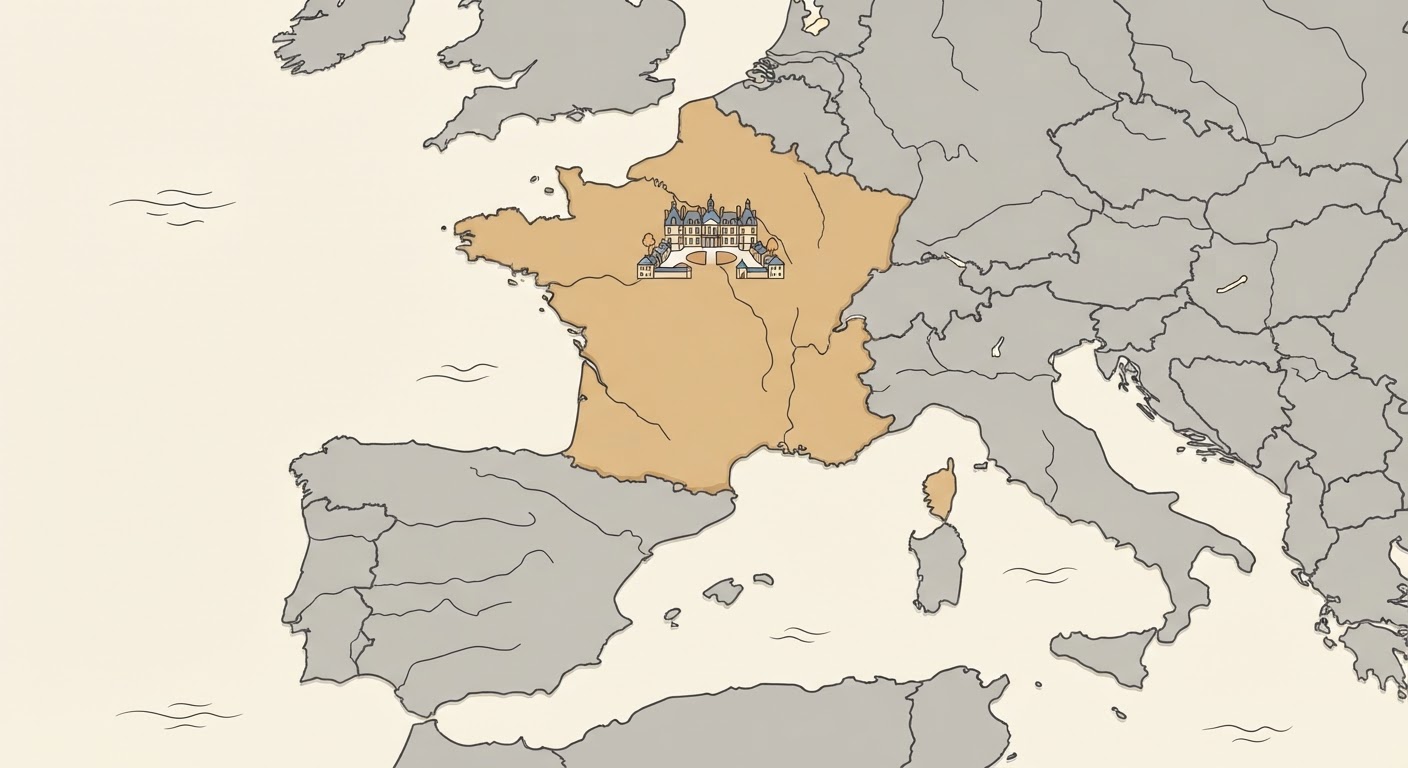
Descended from small Mediterranean water dogs, the Bichon Frise became a fashionable companion at the French royal court before a later spell as a popular circus and street performer's dog. Neither role demanded working ability, only charm and trainability.
- Region
- Mediterranean coast and French court
- Climate it was bred for
- Mild Mediterranean and temperate
- Original job
- Companion and performing dog
The long read
About the breed
Its ancestors were small Barbet-type water dogs kept across the Mediterranean, likely brought to the Canary Islands and southern Europe by sailors and traders, then valued in Spanish and Italian courts by the fourteenth century. French nobility adopted the breed in the Renaissance, and it became fashionable at the court of Henry III, carried in sleeves and baskets rather than put to any working purpose. Its popularity dipped and rose over the following centuries, falling out of aristocratic favour after the French Revolution and later becoming a familiar sight as an organ-grinder's and circus performer's dog, valued for its trainability and cheerful stage presence, before French and Belgian breeders standardised it as a show and companion breed in the twentieth century.
Living with a Bichon Frise means living with a genuinely sociable, upbeat, people-focused small dog that gets on well with children, other dogs and generally with strangers too. It is bright and food-motivated enough to train reasonably easily, though house-training can take patience with some individuals. The curly, non-shedding coat is a major commitment: it mats readily without regular brushing and needs clipping roughly every six to eight weeks to maintain the breed's characteristic rounded look.
Today it remains a popular companion breed worldwide, prized by owners who want a low-shedding dog suited to smaller households and allergy-conscious families, provided they are willing to keep up with the grooming demands the coat carries.
Living with one
Temperament & needs
Our own ratings, based on the breed standard and how these dogs behave in ordinary homes.
Friendliness
5/5
How openly the Bichon Frise greets people it does not know.
Trainability
4/5
Bright and food-motivated, though house-training needs patience.
Energy
3/5
Playful and lively but content with moderate exercise.
Barking
3/5
Alerts readily, can become a habit if unchecked.
Grooming
5/5
Curly, non-shedding coat needs clipping every 6-8 weeks.
Suits a first-time owner
4/5
How forgiving the Bichon Frise is for someone taking on their first dog.
Sociability
5/5
Friendly with people, children and other dogs.
Independence
2/5
Thrives on company and attention.
Illustrated breed standard
The points of the breed
Hover or tap a numbered point to read what the standard asks for.
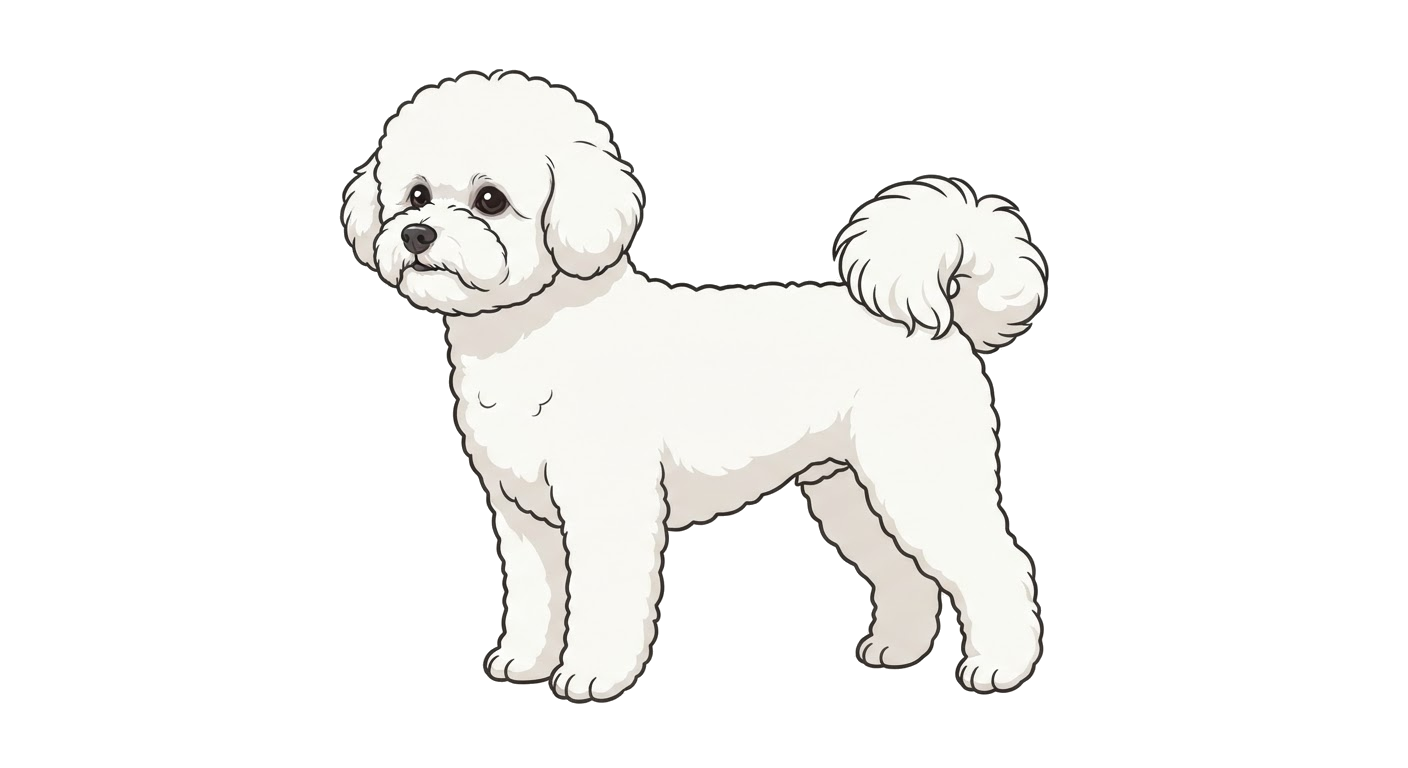
Point 1
Skull
The Bichon Frise's skull is judged on balance rather than size — proportionate to the body, with a clean cheek and a stop typical of the breed. Coarseness or an over-refined head are both faulted.
Colours & patterns
Recognised coats
Which coats the standard accepts — and which are simply popular.
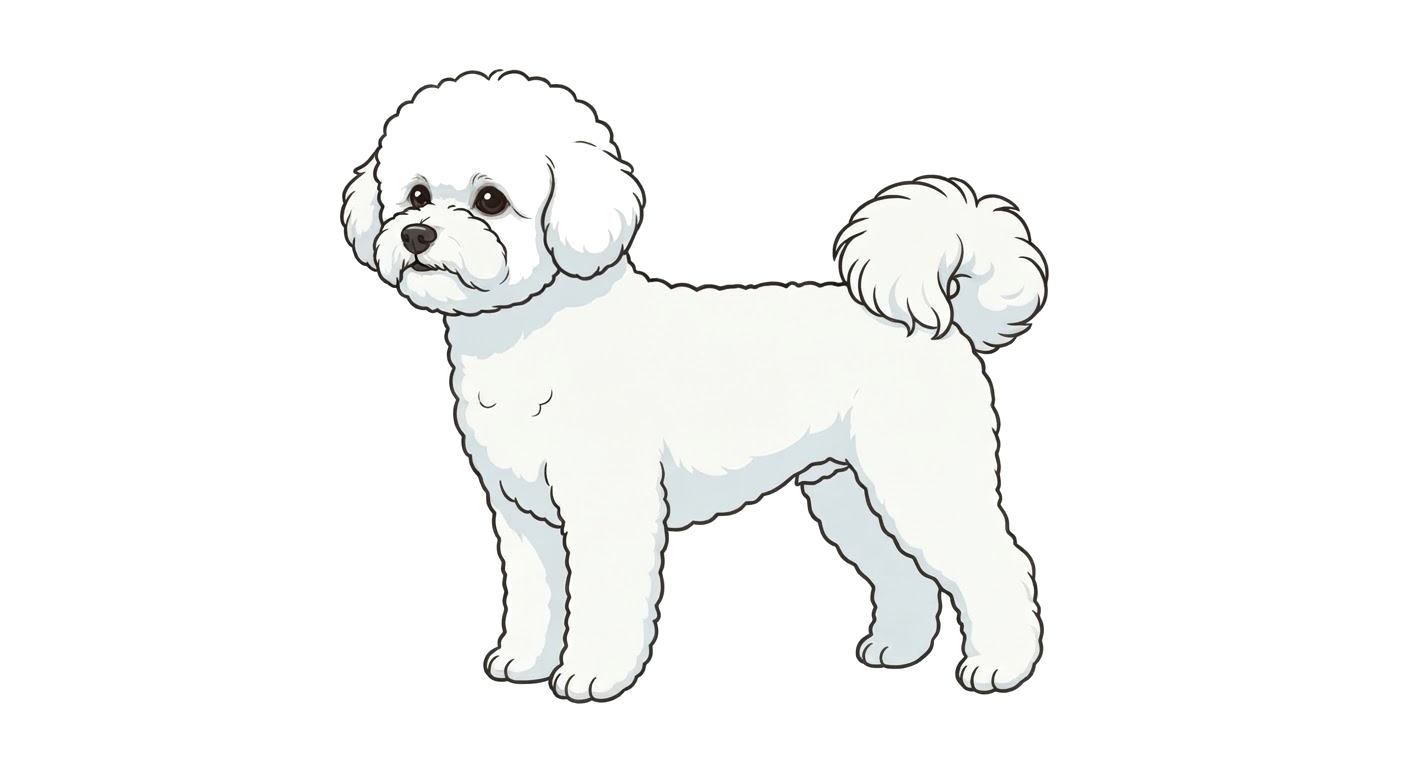
White
Standard colour
The standard and by far the most common colour.
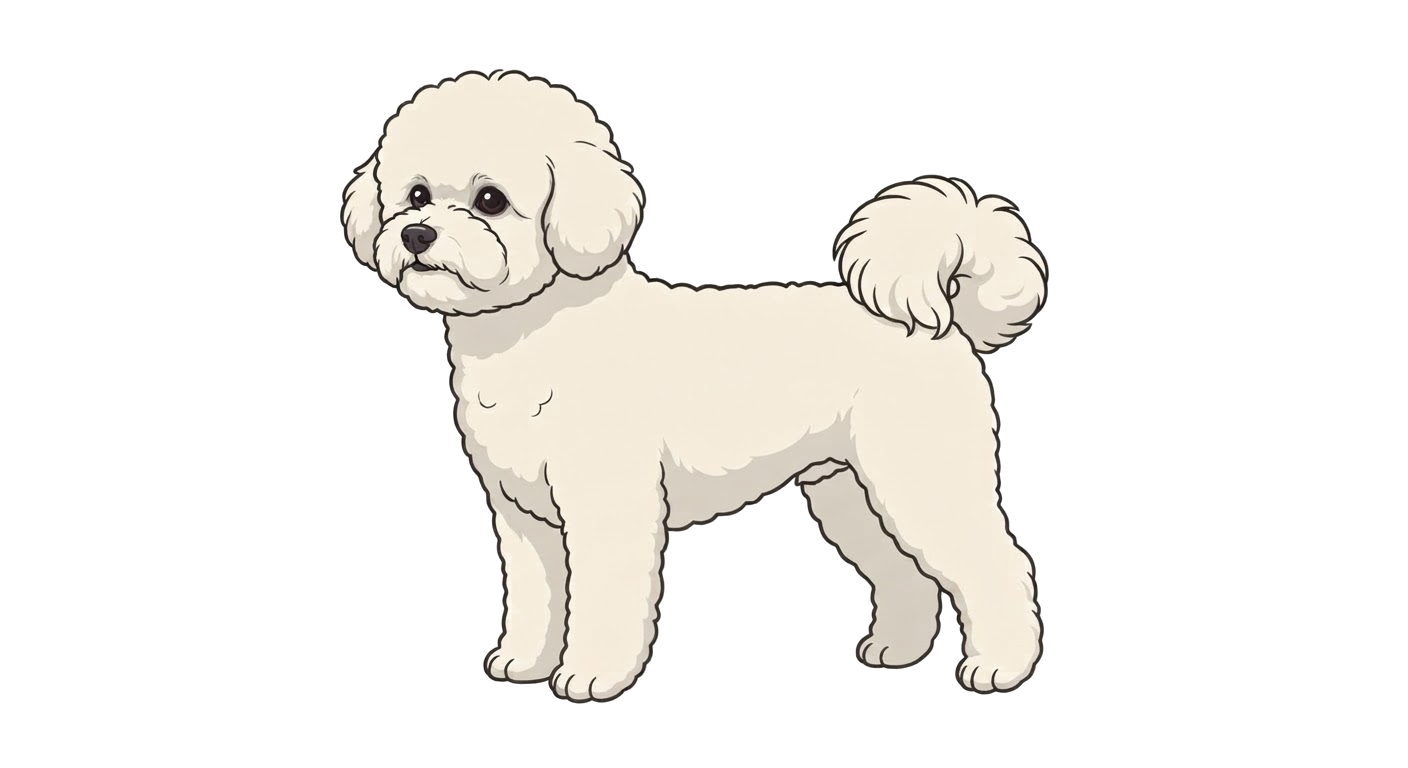
Cream Shadings
Standard colour
Slight cream or apricot shading is permitted, usually on the ears.
Timeline
History & development
1300s
Mediterranean water dog ancestry
Small Barbet-type dogs were kept across the Mediterranean and valued in Spanish and Italian courts.
1500s
French royal favourite
The breed became fashionable at the court of Henry III of France.
1800s
Street and circus performer
After falling from aristocratic favour, the breed found new popularity as an organ-grinder's and circus dog.
1933
French standard and name
The breed was given its modern name and standard by French fanciers.
1972
Kennel Club recognition
The Bichon Frise gained recognition with The Kennel Club.
Reference
Breed standard summary
- body
- Slightly longer than tall, well-ribbed.
- coat
- Fine, curly, silky, standing off the body.
- ears
- Drop ears, well covered with hair.
- eyes
- Dark, round, expressive.
- gait
- Springy, free-flowing trot.
- head
- Slightly rounded skull with a defined stop.
- size
- Small
- tail
- Carried curled loosely over the back.
- colour
- White, Cream Shadings. Colours outside this list are seen but are not accepted by the kennel clubs.
- temperament
- Typical of the breed: strongest in sociability, grooming, trainability. Nervousness or aggression are serious faults in the show ring and in the home.
- general appearance
- Small, sturdy, white powder-puff companion dog.
Health
What to screen for
Green means little to worry about, amber means ask the breeder for test results, red means manage it actively.
Patellar luxation
Screen for it
Ask for a patella check certificate on both parents.
Cataracts
Screen for it
Ask for eye examination results from the breeder.
Bladder stones
Screen for it
Discuss diet and watch for straining or frequent urination.
Hip dysplasia
Low concern
Less common than in larger breeds but still worth checking hip status.
General information only — always speak to your vet about your own dog.
From real owners
Dogs like this
Bichon Frises added by PawPoint members through their pet passports. Share yours to appear here.
Loading the wall…
Made for the Bichon Frise
The book, plus prints, hoodies and mugs using our own Bichon Frise illustration — and one everyday accessory that suits any dog.

The book
Pawpoint: The Complete Dog Breed Book
Every officially recognised breed plus the unofficial ones nobody else documents. 400+ pages, hardback, printed and shipped from the UK.
Own stock — shipped by us
Framed poster
Bichon Frise Framed Poster
Museum-weight print of our Bichon Frise illustration, framed or unframed.
Printed to order
Hoodie
Bichon Frise Hoodie
Heavyweight hoodie carrying the Bichon Frise illustration on the chest.
Printed to order
Mug
Bichon Frise Mug
Ceramic mug with the Bichon Frise illustration wrapped around it.
Printed to order
Accessory
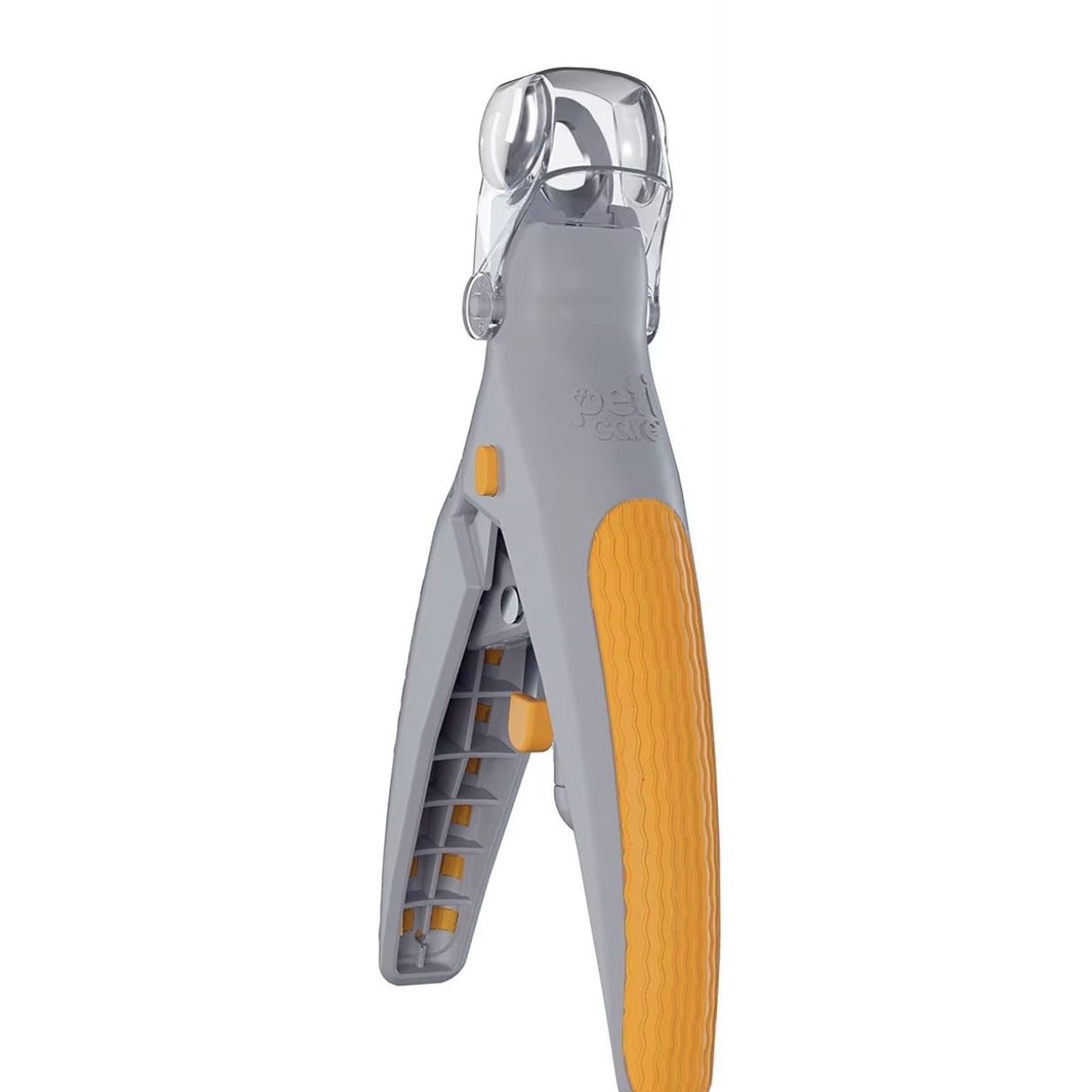
Nail Clippers & Grinder
Safety-guard clippers with a quiet rotary grinder.
Fits any dog

Pawpoint on YouTube
Watch the full Bichon Frise video
Breed deep-dives, history and honest ownership talk. New film every week.
Watch now