Boodle
BOO-duhl
United Kingdom· No fixed region (popularised in England)
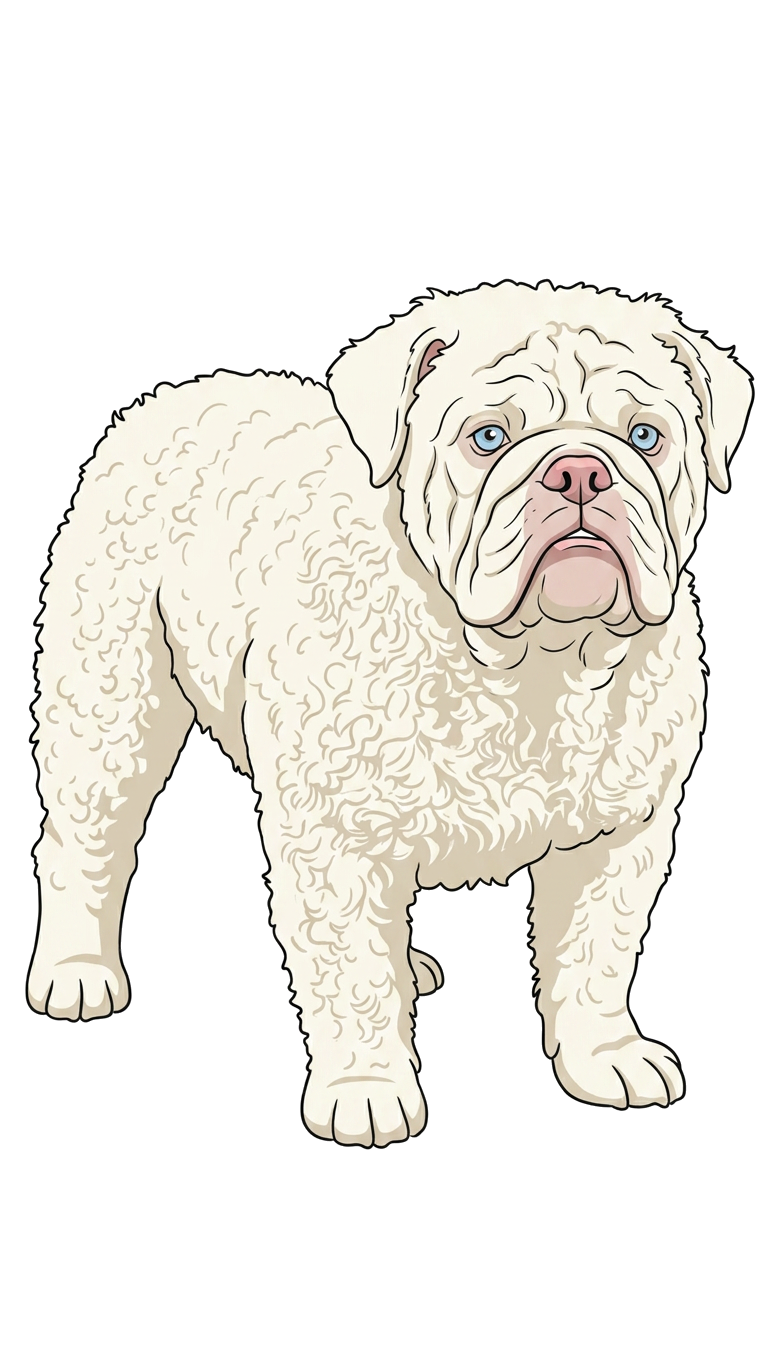
The Boodle is a modern crossbreed between the English Bulldog and the Poodle, combining the Bulldog's stocky, muscular build and wrinkled face with the Poodle's low-shedding, curly coat. Reference examples show a dense, tightly curled all-over coat with the Bulldog's characteristic loose facial skin and undershot jaw still visible beneath the curls.
At a glance
Quick facts
Size
Medium
Exercise needs
30-45 minutes daily
Home size suited to
Any, including flats
Grooming frequency
Brush every other day, clip regularly
Coat length
Curly
Sheds
Very little
Lifespan
9-12 years
Town or country
Either
Garden size needed
Small or larger
Where it comes from
Origins of the Boodle
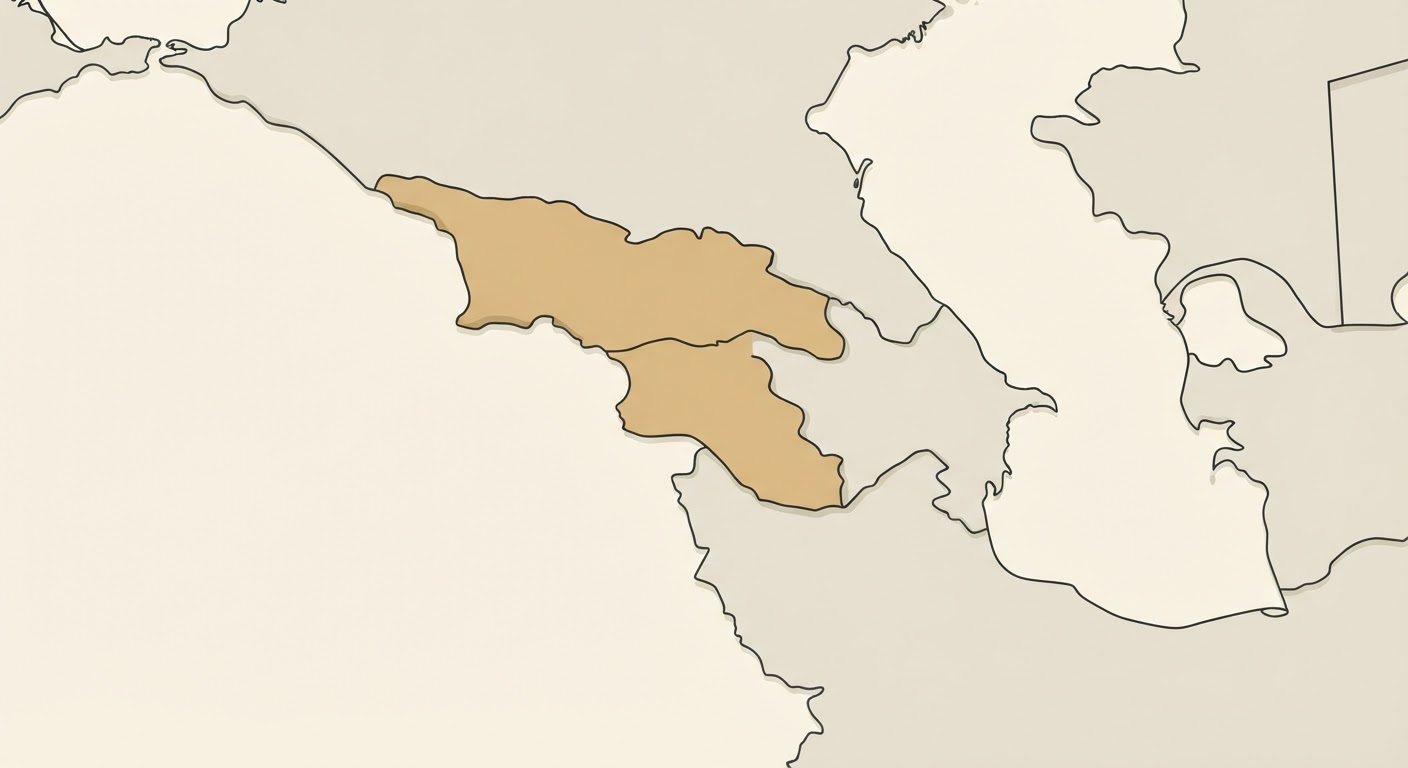
A recent English crossbreed with no fixed region of origin, created by crossing English Bulldogs with Poodles to pair the Bulldog's stocky shape with a low-shedding curly coat.
- Region
- No fixed region (popularised in England)
- Climate it was bred for
- Not applicable
- Original job
- Companion crossbreed
The long read
About the breed
Popularised in England, the Boodle is a distinct cross from the Floodle, which pairs the French Bulldog with the Poodle. The Bulldog parent gives the Boodle a heavier, lower-slung frame, a broader head and rose or button ears rather than the Frenchie's upright bat ears.
There is no breed standard, club or register behind the Boodle, and puppies are sold almost entirely by private crossbreed breeders. Given the English Bulldog's well-documented breathing, skin and joint problems, health testing and honest questions about both parents matter more here than with an established pedigree breed.
What makes the coat
Hair genetics
To be classed as a Boodle, a dog must carry:
Required
- Two copies of the long-haired gene, and
- At least one copy of the furnishing gene
Variations still counted as the breed
- A double copy of the furnishing gene
- The addition of C1 or C2 curl genes
These variations do not change whether a dog qualifies as a Boodle — they alter curl texture, pattern and coat length. Two Boodles can therefore look quite different from one another, from a loose wave to a tight curl, and from a short coat to a long one.
Worth flagging: albinism presenting in two visually distinct tones (white and caramel) is an unusual claim and is not well documented. Merle is a pattern, not simply a colour choice, and merle-to-merle breeding is linked to deafness and eye defects — ask any breeder for hearing and eye testing before considering a merle or albino-linked puppy.
Living with one
Temperament & needs
Our own ratings, based on the breed standard and how these dogs behave in ordinary homes.
Friendliness
5/5
How openly the Boodle greets people it does not know.
Trainability
4/5
Generally intelligent and eager, though it varies by litter.
Energy
4/5
Usually inherits the retriever's need for daily exercise.
Barking
2/5
Usually moderate, though individuals vary.
Grooming
4/5
Wavy or curly coat usually needs professional grooming every six to eight weeks.
Suits a first-time owner
3/5
How forgiving the Boodle is for someone taking on their first dog.
Sociability
5/5
Typically very friendly with people and other dogs.
Independence
2/5
Prefers company and does not like being left alone for long.
Illustrated breed standard
The points of the breed
Hover or tap a numbered point to read what the standard asks for.
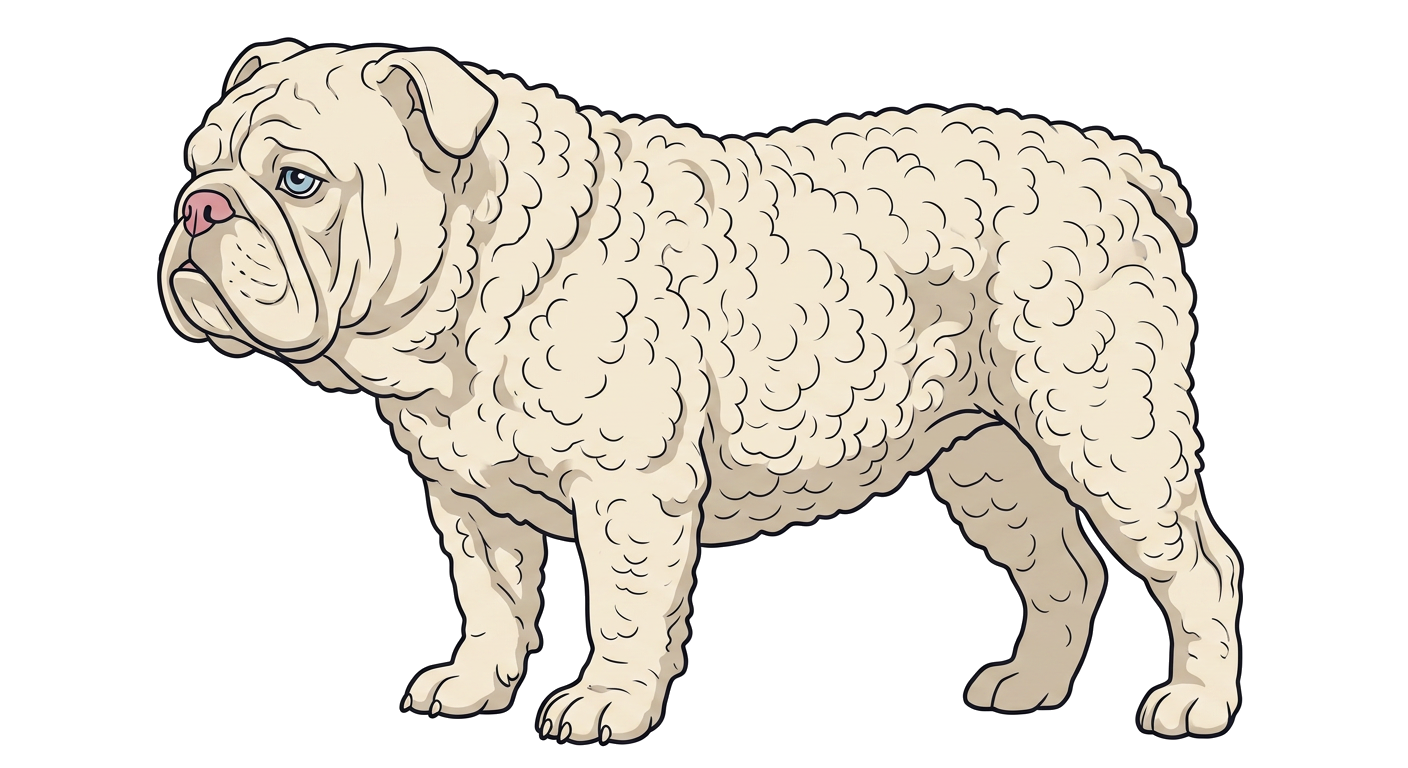
Point 1
Skull
The Boodle's skull is judged on balance rather than size — proportionate to the body, with a clean cheek and a stop typical of the breed. Coarseness or an over-refined head are both faulted.
Colours & patterns
Recognised coats
Which coats the standard accepts — and which are simply popular.
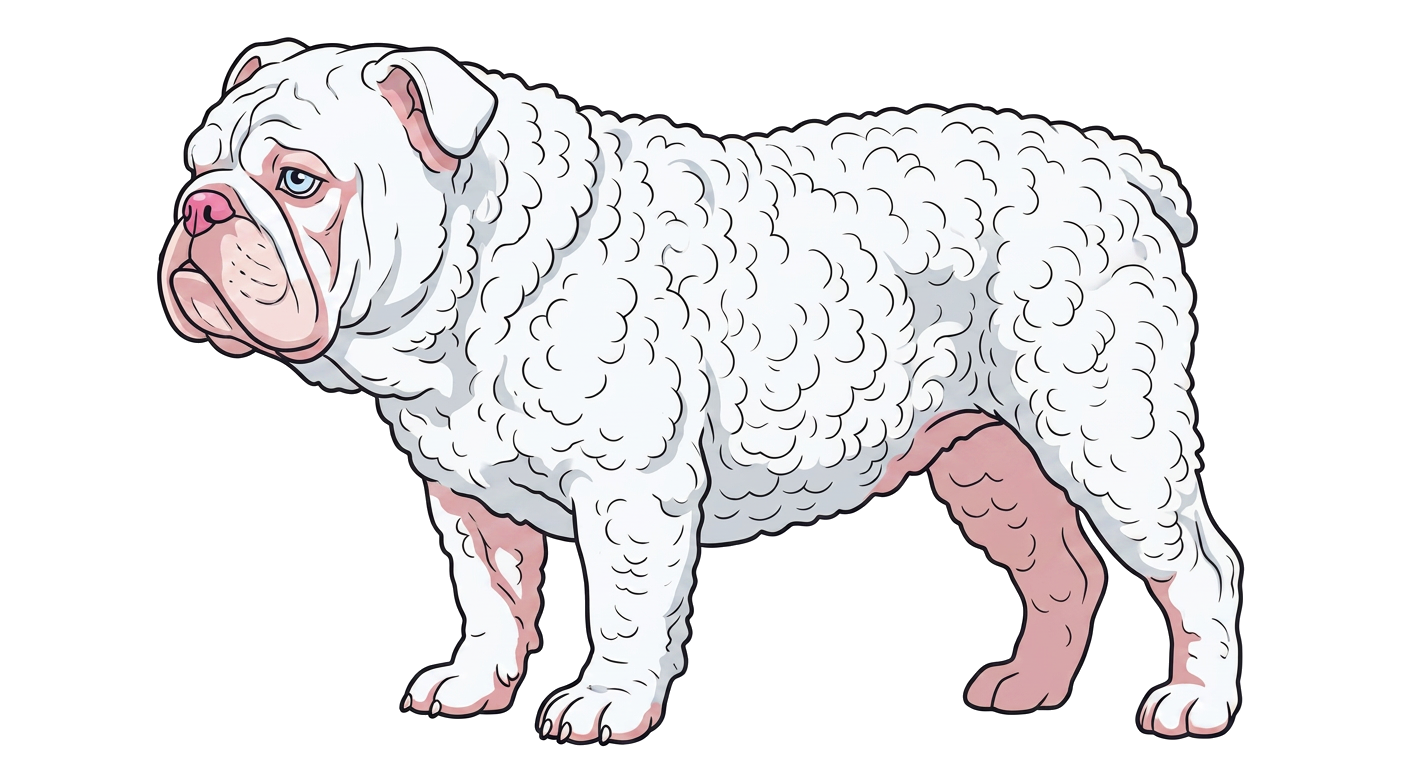
Pink
Standard colour
The breed's signature colour and the breeders' term for albino — a snow-white coat with a pink nose and pale eyes. Linked to hearing and vision problems, so ask for tested parents.
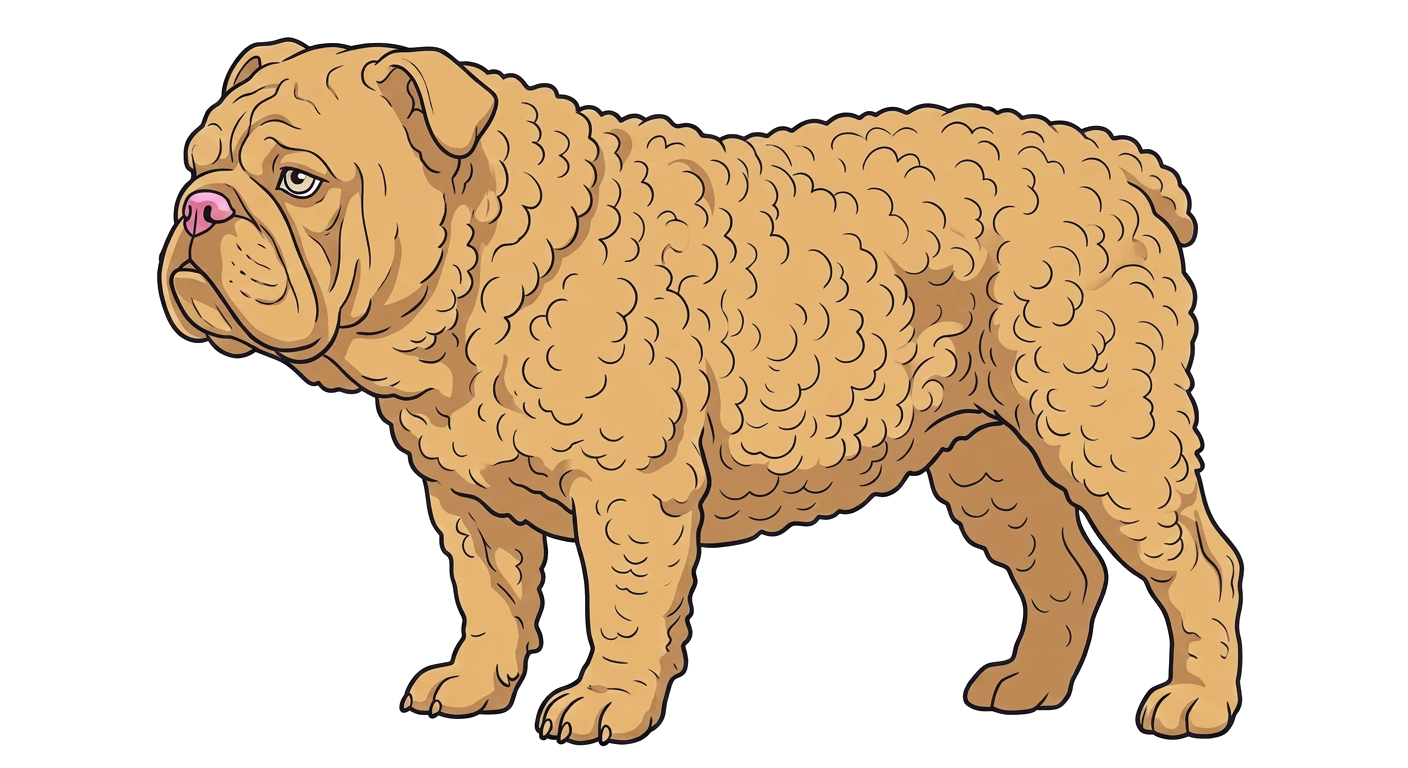
Caramel Pink
Standard colour
A golden, caramel-toned coat said to carry the same albinism trait, with the characteristic pink nose. Treat the two-tone albino claim with caution.
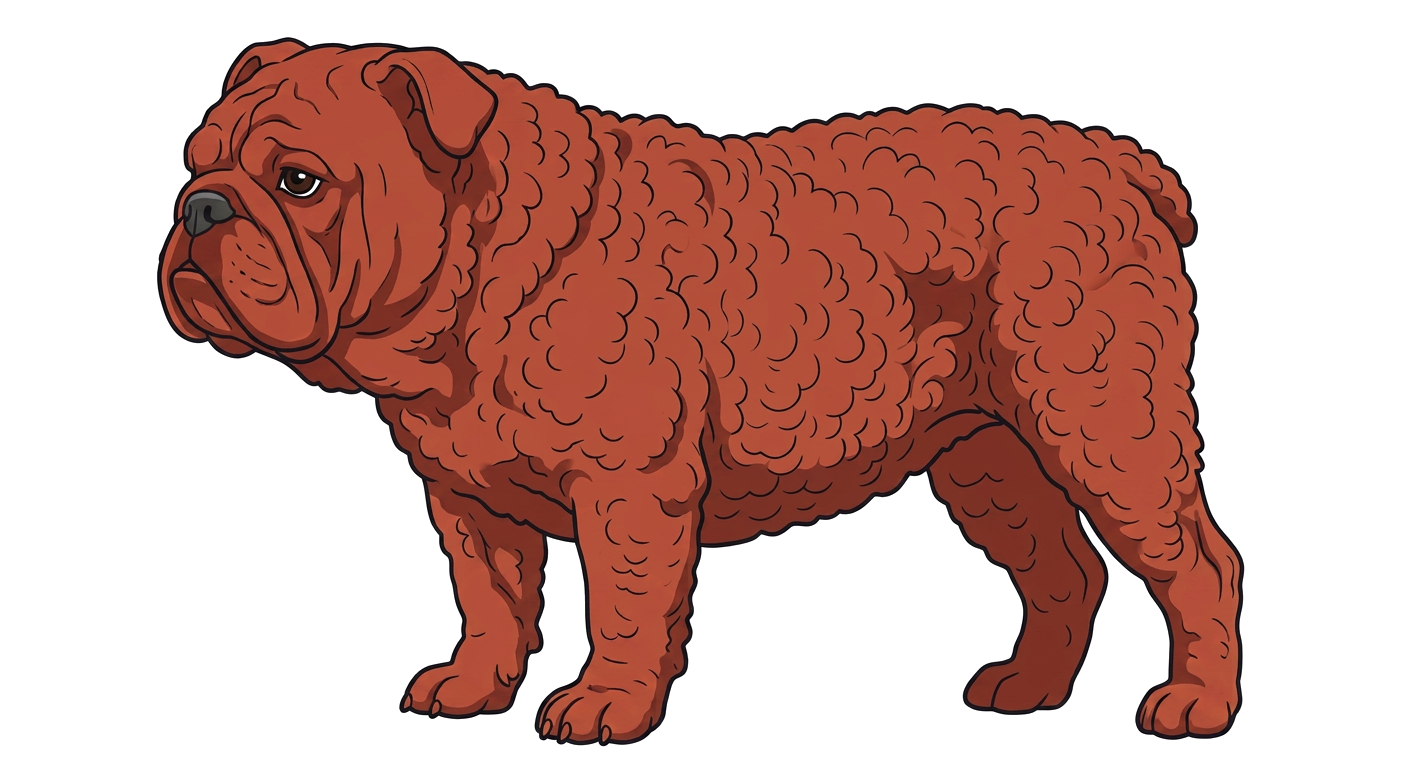
Rojo
Standard colour
A red to rust-toned coat with normal dark pigment on the nose and eye rims.
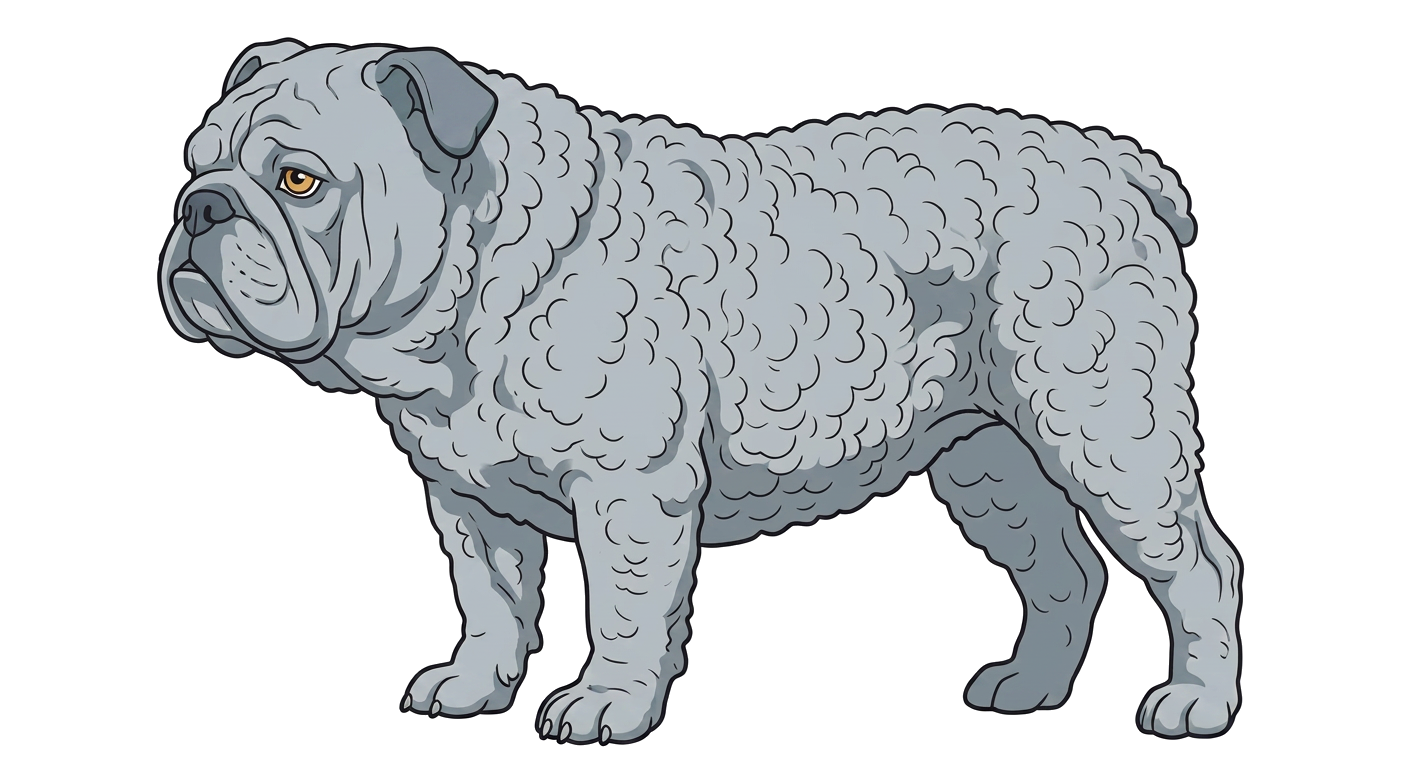
Blue
Standard colour
A diluted grey-blue coat produced by the dilution gene, often with amber eyes.
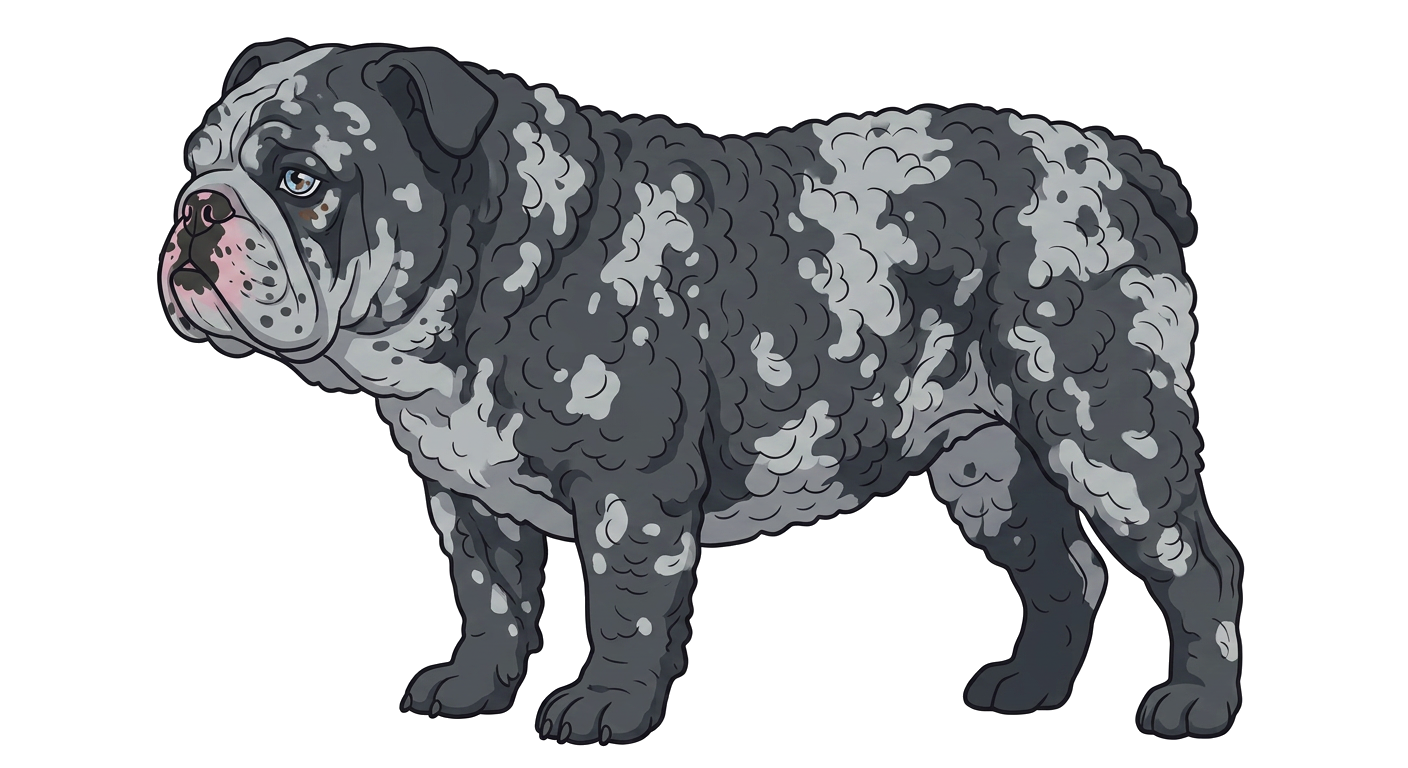
Merle
Standard colour
Mottled patches of diluted colour over a darker base. Merle-to-merle breeding is linked to deafness and eye defects, so this is a pattern to question rather than simply choose.
Timeline
History & development
2010s
Cross emerges
Breeders in England begin crossing English Bulldogs with Poodles, chasing the Bulldog look with a lower-shedding coat.
Late 2010s
Rare and costly
The difficulty of the cross keeps numbers low, and the Boodle is marketed as a premium designer crossbreed.
2020s
Still UK-centred
The Boodle remains largely a British phenomenon, distinct from the French Bulldog-based Floodle.
present
No breed standard
The Boodle remains unregistered with any major kennel club and has no fixed standard.
Reference
Breed standard summary
- body
- Short, wide and heavily muscled with a deep brisket, well-sprung ribs and a low-slung, thick-set frame.
- coat
- Wavy to tightly curled and low-shedding, requiring two copies of the long-haired gene and at least one furnishing gene.
- ears
- Small rose or button ears, folded and carried close to the head rather than erect.
- eyes
- Set wide and low, round and dark in pigmented dogs; pale blue eyes occur in the albino-linked coats.
- head
- Broad and square in the Bulldog mould, with a short muzzle, pronounced facial wrinkling and loose skin, softened by curly furnishings.
- size
- Typically 33-40cm at the shoulder, 16-25kg
- colour
- Pink, Caramel Pink, Rojo, Blue and Merle are the colours breeders recognise. None are kennel-club colours, and merle carries known health risks.
- temperament
- Steady, affectionate and people-focused, with the Poodle's trainability over the Bulldog's calm. Nervousness or aggression are undesirable.
- general appearance
- Medium-sized, thick-set and muscular crossbreed of English Bulldog type, carrying a wavy or curly low-shedding coat. Type varies with parentage.
Health
What to screen for
Green means little to worry about, amber means ask the breeder for test results, red means manage it actively.
Breathing (BOAS)
Screen for it
Inherited from the English Bulldog side. Ask for a graded breathing assessment on the Bulldog parent.
Hips and elbows
Screen for it
Bulldog lines carry dysplasia risk; ask for hip and elbow scoring.
Eyes and hearing
Screen for it
Albino-linked and merle coats raise the risk of deafness and eye defects. Ask for tested parents.
Skin and ear infections
Screen for it
Deep facial folds, tail pocket and a dense curly coat all need routine cleaning and checking.
General information only — always speak to your vet about your own dog.
From real owners
Dogs like this
Boodles added by PawPoint members through their pet passports. Share yours to appear here.
Loading the wall…
Made for the Boodle
The book, plus prints, hoodies and mugs using our own Boodle illustration — and one everyday accessory that suits any dog.

The book
Pawpoint: The Complete Dog Breed Book
Every officially recognised breed plus the unofficial ones nobody else documents. 400+ pages, hardback, printed and shipped from the UK.
Own stock — shipped by us
Framed poster
Boodle Framed Poster
Museum-weight print of our Boodle illustration, framed or unframed.
Printed to order
Hoodie
Boodle Hoodie
Heavyweight hoodie carrying the Boodle illustration on the chest.
Printed to order
Mug
Boodle Mug
Ceramic mug with the Boodle illustration wrapped around it.
Printed to order
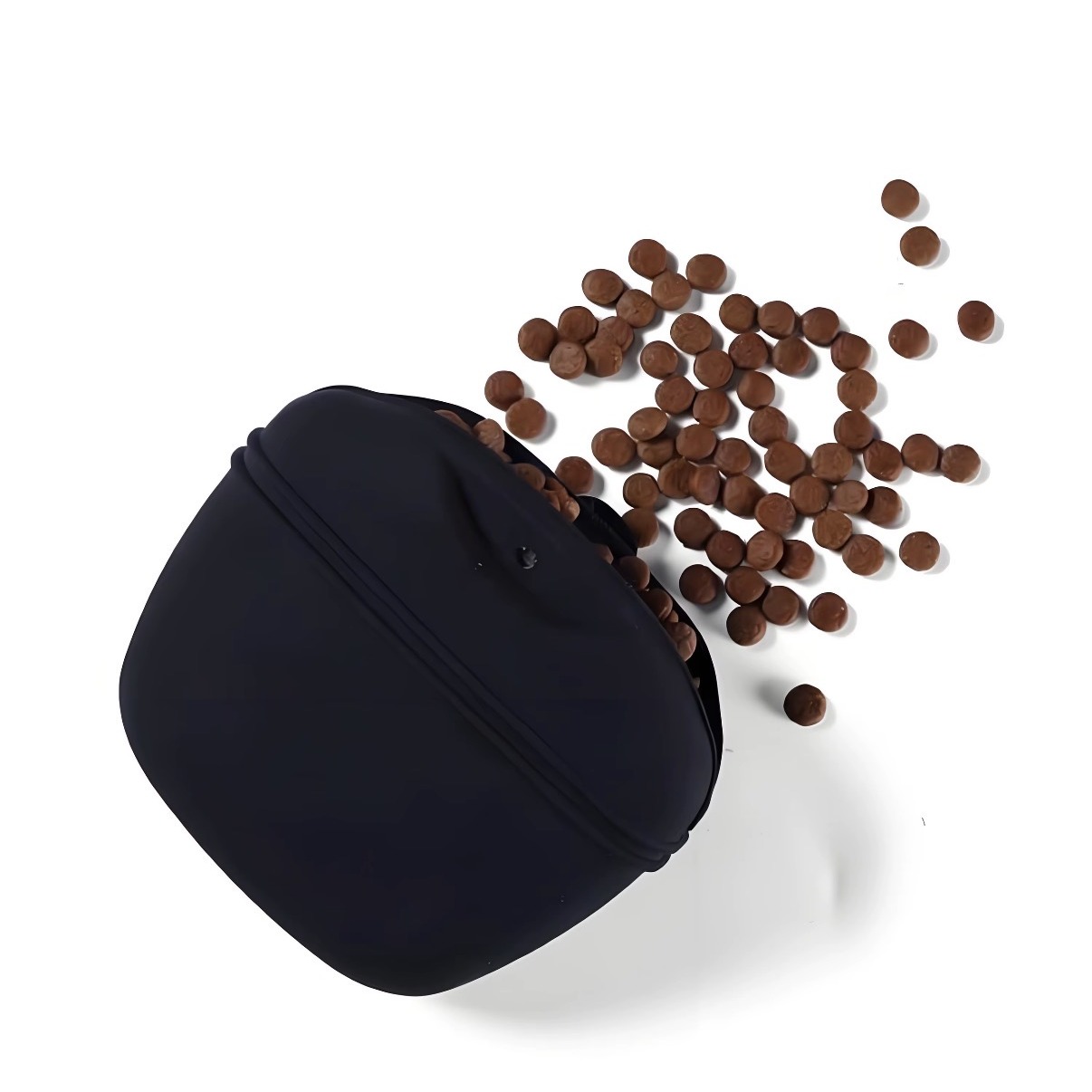
Accessory
Treat Pouch
Magnetic-close belt pouch for training sessions.
Fits any dog
Pawpoint on YouTube
Watch the full Boodle video
Breed deep-dives, history and honest ownership talk. New film every week.
Watch now