
Border Terrier
BOR-duh TER-ee-uhr
United Kingdom· Cheviot Hills, England-Scotland border
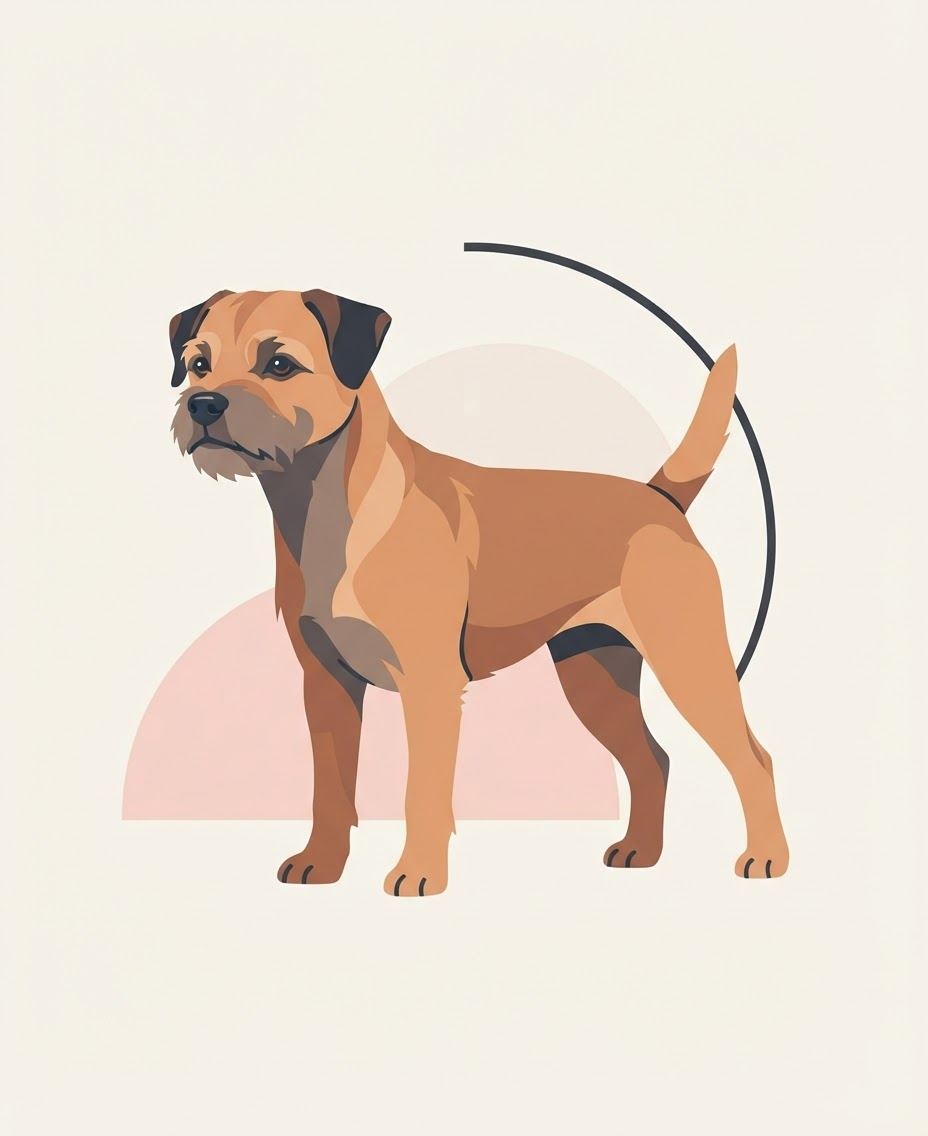
The Border Terrier is a small, wiry-coated working terrier from the England-Scotland border country, bred to go to ground after foxes and to keep pace with hounds and horses over rough hill country.
At a glance
Quick facts
Size
Small
Exercise needs
1 hour daily minimum
Home size suited to
Flat or small home
Grooming frequency
Weekly brush, hand-strip a few times a year
Coat length
Wiry
Sheds
Yes, heavily when moulting
Lifespan
12-15 years
Town or country
Either, with enough exercise
Garden size needed
Small garden or none
Where it comes from
Origins of the Border Terrier
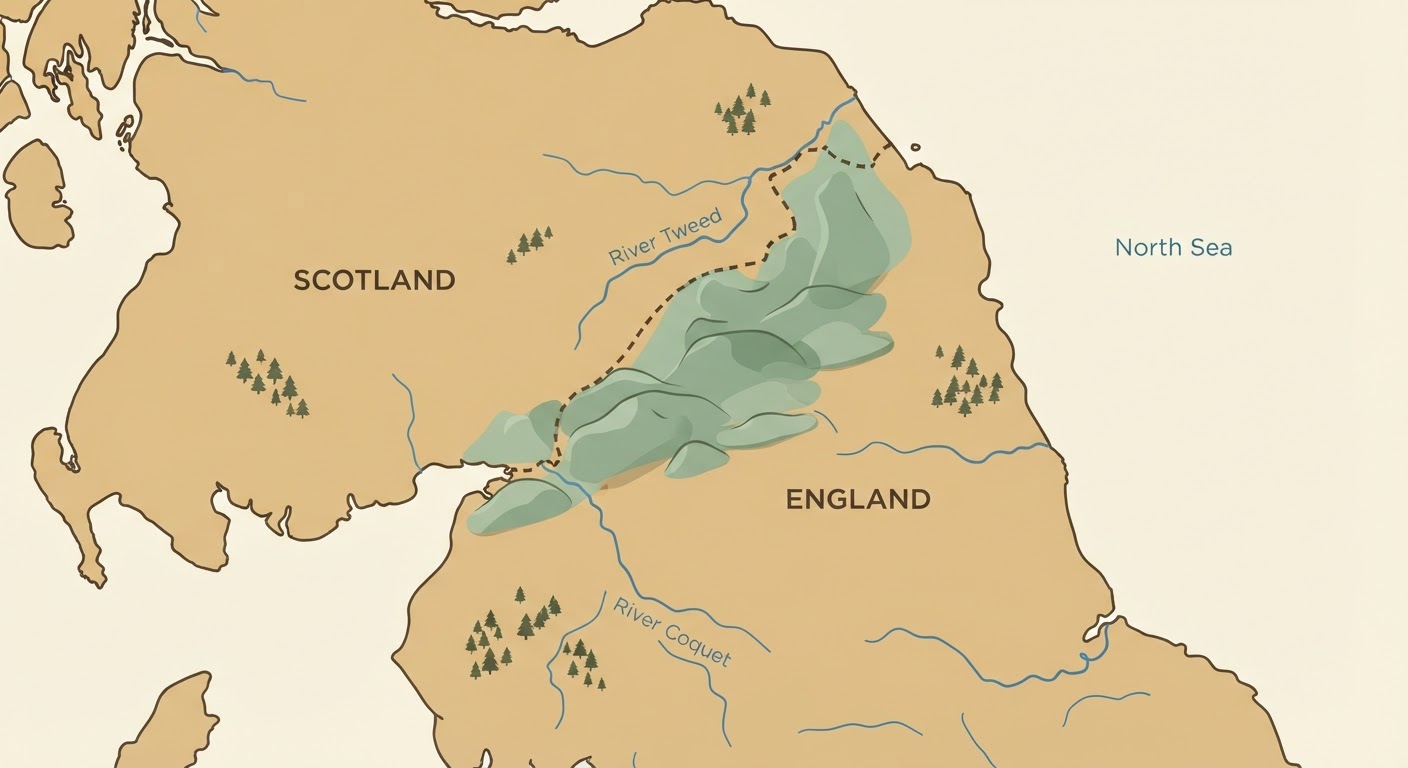
Bred by hill farmers in the Cheviot border country, the Border Terrier needed long enough legs to run with mounted foxhunts across moorland yet a narrow enough body to follow a fox to ground, a combination its unusual otter-shaped head and build still reflect.
- Region
- Cheviot Hills, England-Scotland border
- Climate it was bred for
- Cold, wet, hilly moorland
- Original job
- Bolting foxes from dens while keeping pace with hounds
The long read
About the breed
The breed developed in the Cheviot Hills region during the eighteenth and nineteenth centuries, where hill farmers needed a terrier tough enough to bolt foxes from rocky dens yet long-legged enough to run with foxhounds across open moorland, a combination that shaped its distinctive "otter head" and lean, narrow body designed to fit through tight earths. It was one of the last terrier breeds to be recognised by the Kennel Club, in 1920, having spent generations valued purely for its working ability rather than its looks.
Living with a Border Terrier means living with a genuinely game, high-energy dog in a deceptively modest-sized body. They are affectionate and generally good with children and other dogs when socialised, but the hunting instinct is strong, and small pets such as rabbits or guinea pigs are at real risk around an untrained Border Terrier. They need proper daily exercise rather than a garden to potter in, and they are diggers by nature, so garden fencing needs to go down as well as up.
Today the breed remains one of the healthiest and least exaggerated of the terrier group, still worked in some rural areas and popular as a family dog for active households. Its harsh, weatherproof double coat needs hand-stripping a couple of times a year to stay in proper condition, and while generally robust, the breed carries a rare but serious inherited neurological condition, Canine Epileptoid Cramping Syndrome, that responsible breeders now test and screen for.
Living with one
Temperament & needs
Our own ratings, based on the breed standard and how these dogs behave in ordinary homes.
Friendliness
4/5
How openly the Border Terrier greets people it does not know.
Trainability
3/5
Willing but easily distracted by scent or small animals.
Energy
4/5
Needs a proper daily walk or run, not just garden time.
Barking
3/5
Will alert bark but not constantly.
Grooming
3/5
Wiry double coat needs hand-stripping twice a year.
Suits a first-time owner
3/5
How forgiving the Border Terrier is for someone taking on their first dog.
Sociability
4/5
Friendly with people and generally good with other dogs.
Independence
3/5
Strong prey drive can override recall.
Illustrated breed standard
The points of the breed
Hover or tap a numbered point to read what the standard asks for.
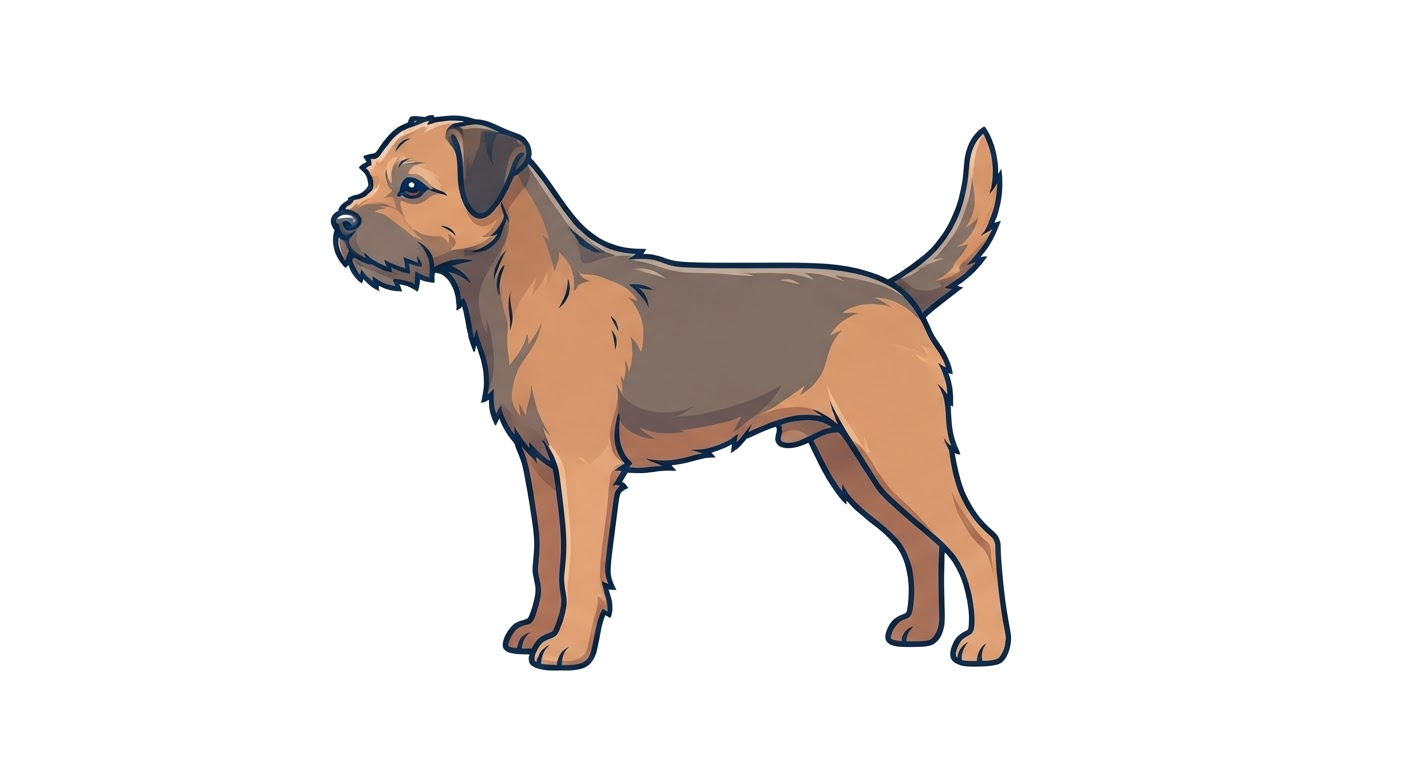
Point 1
Skull
The Border Terrier's skull is judged on balance rather than size — proportionate to the body, with a clean cheek and a stop typical of the breed. Coarseness or an over-refined head are both faulted.
Colours & patterns
Recognised coats
Which coats the standard accepts — and which are simply popular.
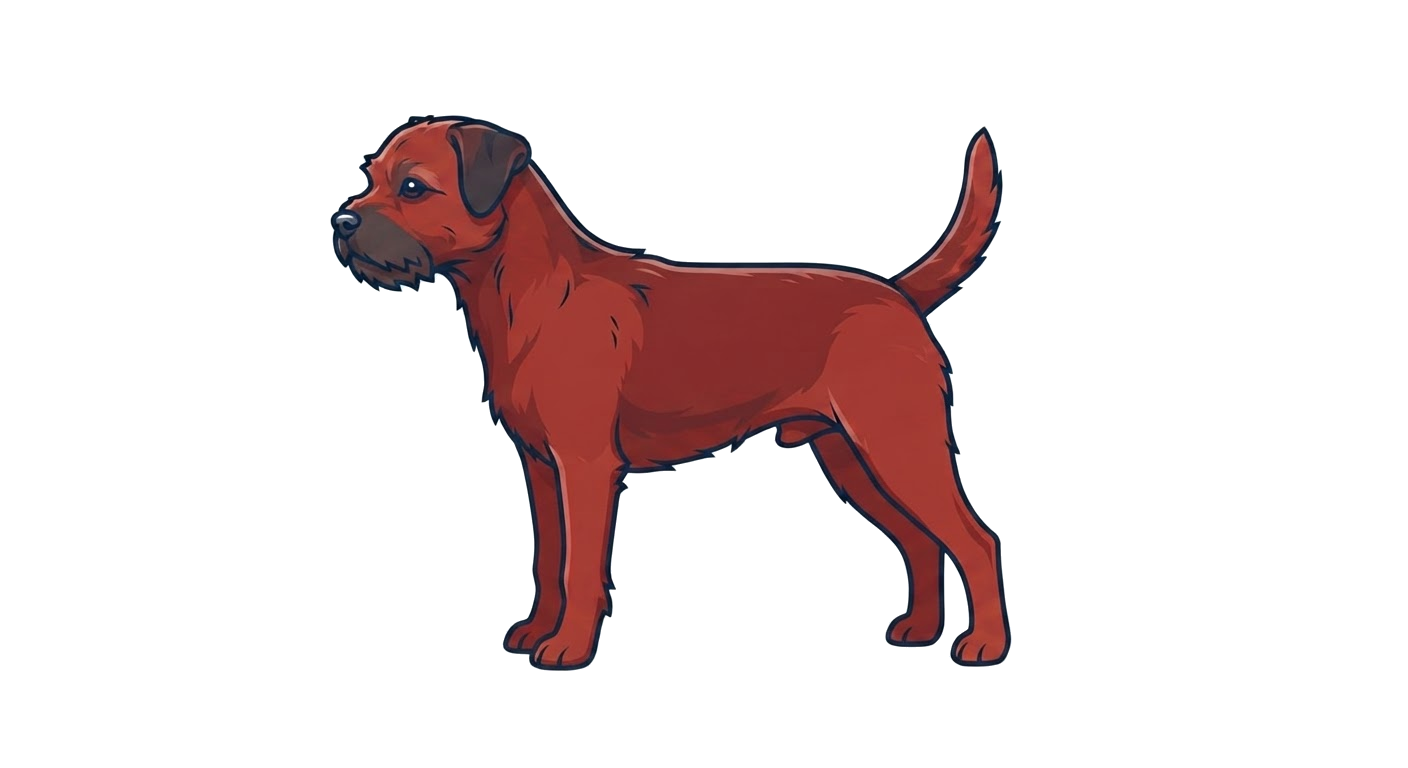
Red
Standard colour
A common solid ginger-red colouring.
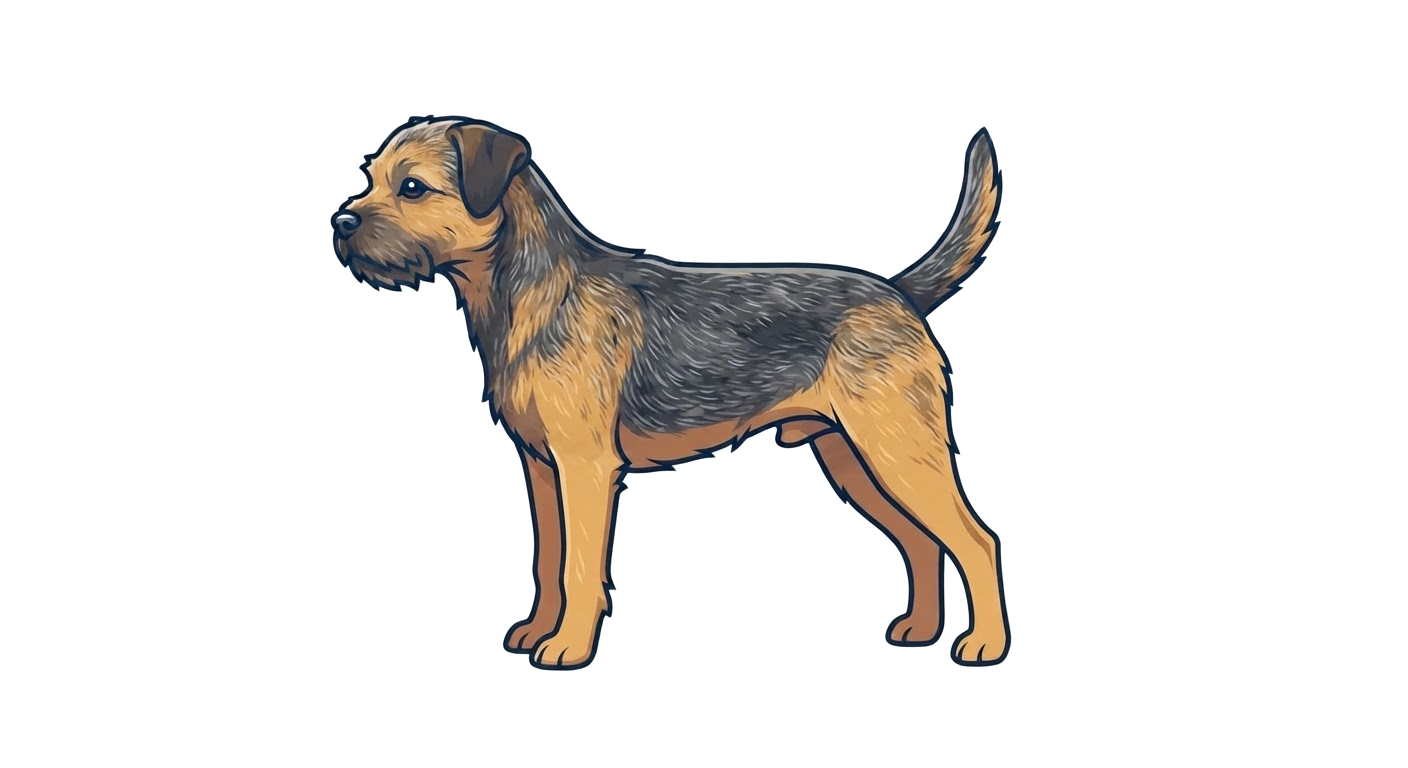
Grizzle and tan
Standard colour
A grey-flecked coat with tan points, very traditional.
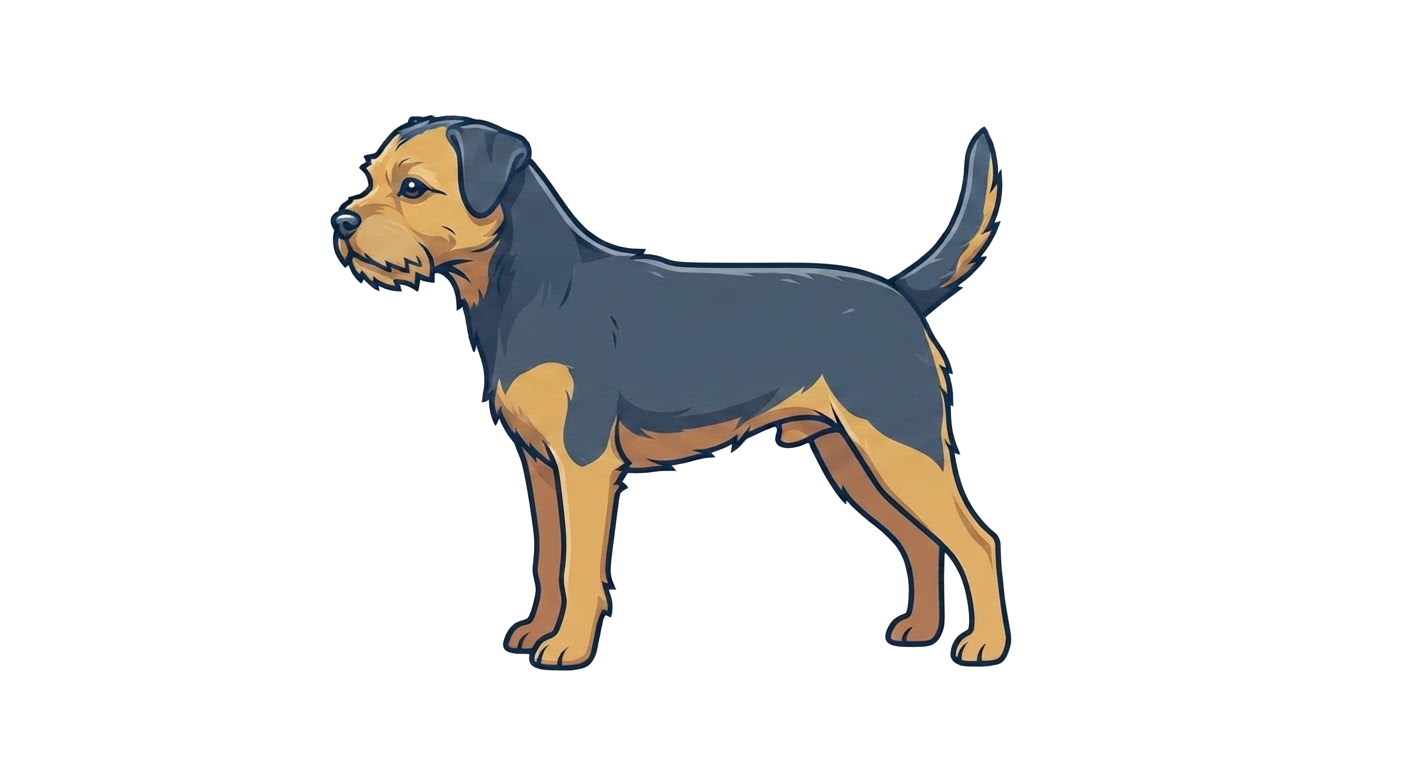
Blue and tan
Standard colour
A steel-blue coat with tan markings.
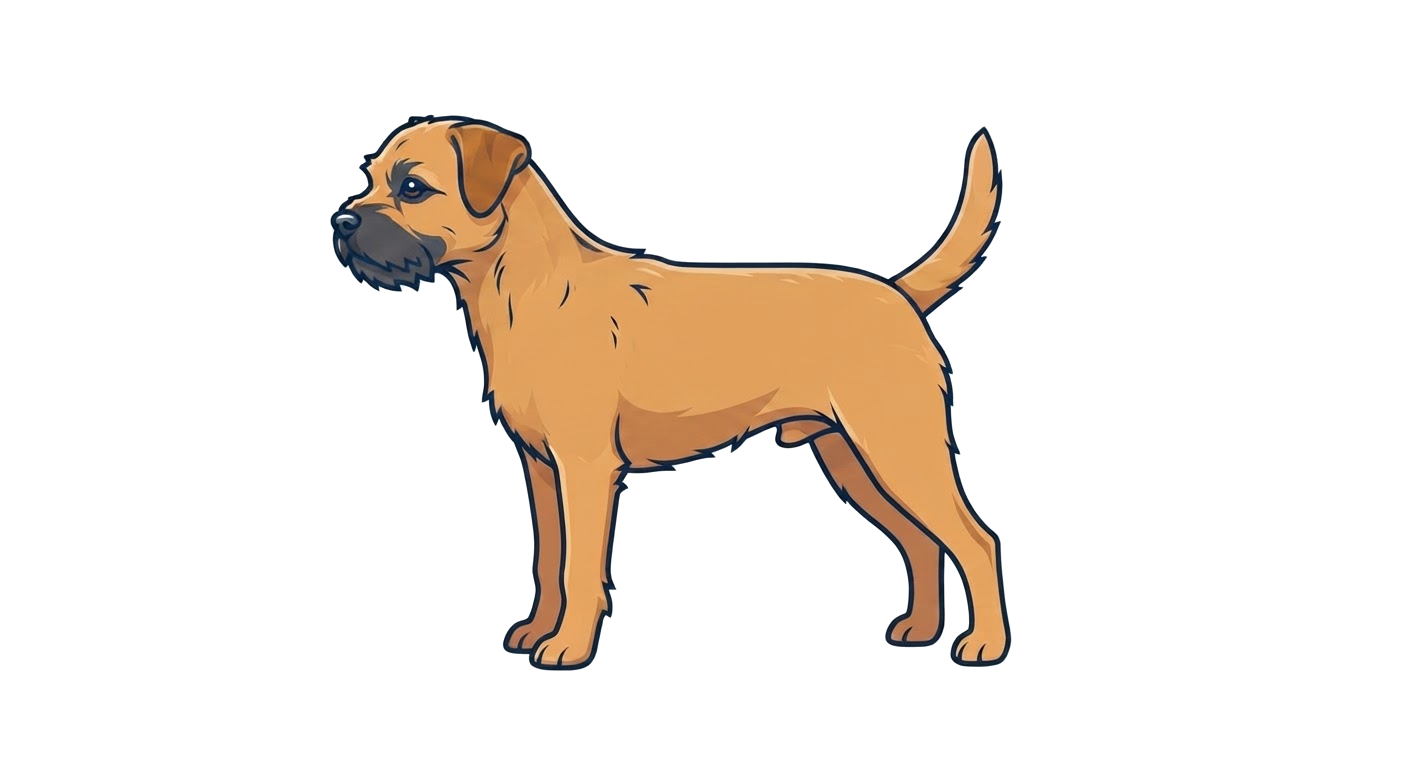
Wheaten
Standard colour
A pale straw colour, one of the standard shades.
Timeline
History & development
1700s
Border farm origins
Hill farmers in the Cheviots developed a hardy terrier able to keep pace with hunts and bolt foxes from dens.
1880
Local hunt club use
The Border Hunt and other local packs relied on the breed to control fox populations threatening livestock.
1920
Kennel Club recognition
The Border Terrier was formally recognised by the UK Kennel Club, one of the last terriers to gain recognition.
1930
American recognition
The breed was recognised by the American Kennel Club, expanding its popularity abroad.
1950s onward
The breed today
Kennel club registrations settled into a steady pattern and the Border Terrier moved from a working specialist to a family companion, with breed clubs in the UK and abroad now focused on health testing and keeping true type alive.
Reference
Breed standard summary
- body
- Deep, narrow, allowing it to be spanned by hands.
- coat
- Wiry, dense, with a close undercoat.
- ears
- Small, V-shaped, folded forward.
- eyes
- Dark, small, keen expression.
- gait
- Free, ground-covering movement.
- head
- Moderately broad skull, short strong muzzle, dark eyes.
- size
- 28-36 cm at the shoulder.
- tail
- Moderately short, thick at base.
- colour
- Red, Grizzle and tan, Blue and tan, Wheaten. Colours outside this list are seen but are not accepted by the kennel clubs.
- temperament
- Typical of the breed: strongest in energy, sociability, trainability. Nervousness or aggression are serious faults in the show ring and in the home.
- general appearance
- Small, narrow-bodied working terrier with an otter-like head.
Health
What to screen for
Green means little to worry about, amber means ask the breeder for test results, red means manage it actively.
Canine Epileptoid Cramping Syndrome
Low concern
Ask breeders whether the parents have been DNA tested clear.
Hip dysplasia
Low concern
Uncommon but hip scoring is still worth asking about.
Heart murmurs
Watch closely
Rare; a vet check at purchase is generally sufficient.
General information only — always speak to your vet about your own dog.
From real owners
Dogs like this
Border Terriers added by PawPoint members through their pet passports. Share yours to appear here.
Loading the wall…
Made for the Border Terrier
The book, plus prints, hoodies and mugs using our own Border Terrier illustration — and one everyday accessory that suits any dog.

The book
Pawpoint: The Complete Dog Breed Book
Every officially recognised breed plus the unofficial ones nobody else documents. 400+ pages, hardback, printed and shipped from the UK.
Own stock — shipped by us
Framed poster
Border Terrier Framed Poster
Museum-weight print of our Border Terrier illustration, framed or unframed.
Printed to order
Hoodie
Border Terrier Hoodie
Heavyweight hoodie carrying the Border Terrier illustration on the chest.
Printed to order
Mug
Border Terrier Mug
Ceramic mug with the Border Terrier illustration wrapped around it.
Printed to order
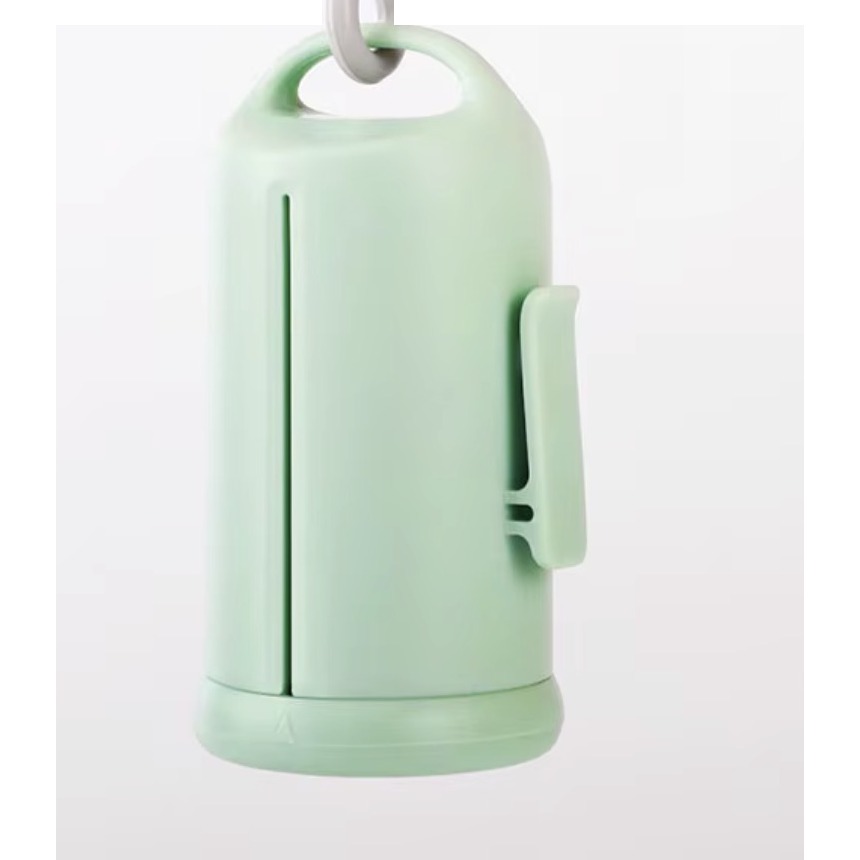
Accessory
Waste Bag Dispenser
Clips to the lead, holds one standard roll.
Fits any dog
Pawpoint on YouTube
Watch the full Border Terrier video
Breed deep-dives, history and honest ownership talk. New film every week.
Watch now