
Boston Terrier
BOSS-tuhn TER-ee-uhr
United States· Boston, Massachusetts
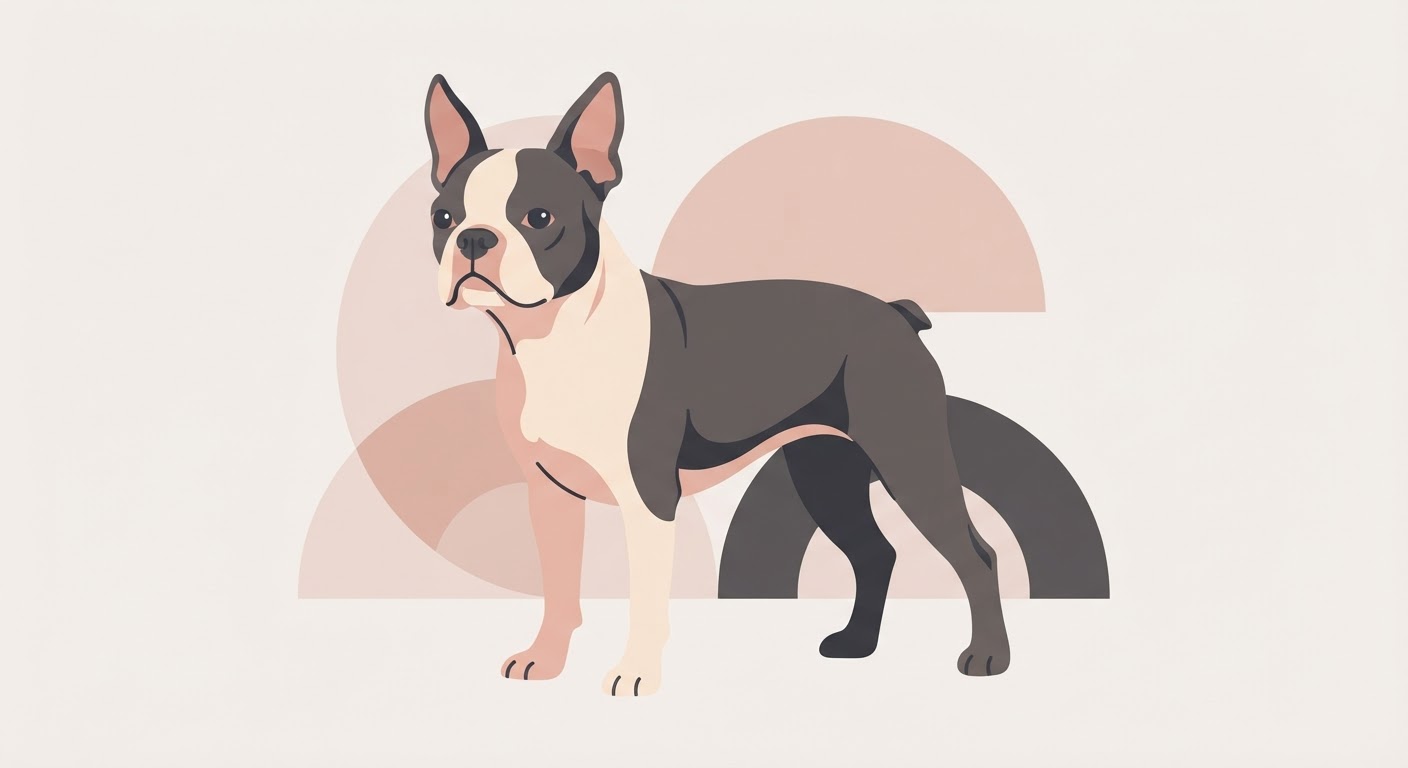
The Boston Terrier is a small, compact companion breed developed in Boston, Massachusetts in the late nineteenth century from crosses between Bulldogs and English Terriers, prized as one of the first breeds developed entirely in the United States.
At a glance
Quick facts
Size
Small
Exercise needs
30-45 minutes, avoid heat
Home size suited to
Small to medium home
Grooming frequency
Weekly brush
Coat length
Short
Sheds
Yes
Lifespan
11-13 years
Town or country
Either, happy in town
Garden size needed
Small to medium
Where it comes from
Origins of the Boston Terrier
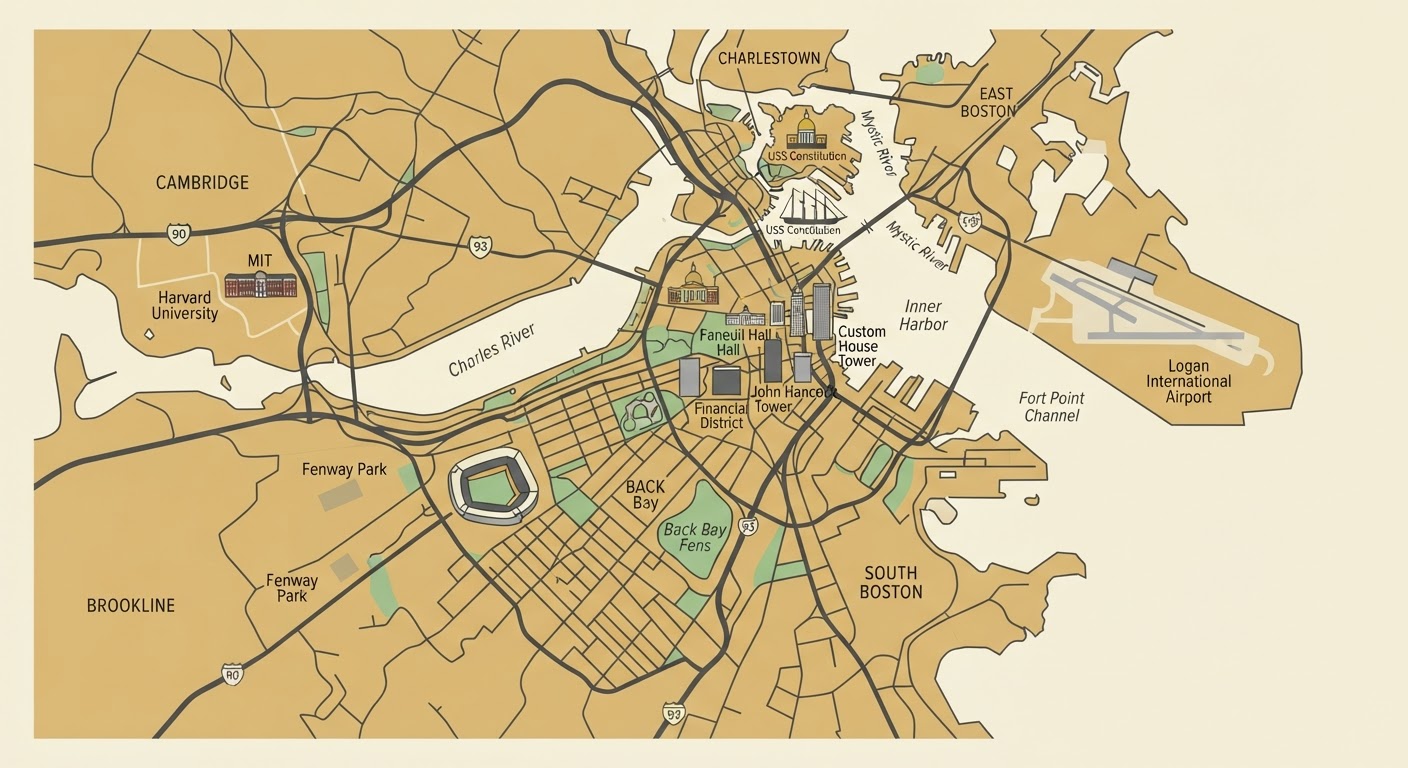
Developed in Boston in the 1870s from Bulldog and Terrier crosses, the breed was refined purely as an urban companion, its small size and short coat suited to city living rather than any outdoor working role.
- Region
- Boston, Massachusetts
- Climate it was bred for
- Temperate, four-season New England climate
- Original job
- Companion dog, originally bred down from fighting stock
The long read
About the breed
Its foundation dog, a bulldog-terrier cross named Judge, was bred down in size over subsequent generations until the breed settled into the smooth-coated, tuxedo-marked dog recognised today, nicknamed the "American Gentleman" for its dapper black-and-white coat. It was recognised by the American Kennel Club in 1893, one of the earliest non-sporting breeds accepted, and quickly became a popular American house pet rather than a working dog of any kind.
Living with a Boston Terrier means living with a cheerful, adaptable companion suited well to apartment life, needing modest exercise but plenty of company. They are generally easygoing with children and other pets, alert without being yappy, and eager to please, though as a brachycephalic breed they overheat quickly and cannot manage strenuous exercise or hot weather, so walks need to be timed carefully in summer.
Today the Boston Terrier remains a popular family and city pet worldwide. Its flat face brings the same breathing, eye and birthing complications common to other short-muzzled breeds, and prospective owners should look for breeders who prioritise slightly longer muzzles and clear airways over extreme flatness, and should budget for the likelihood of a caesarean delivery given the breed's narrow hips relative to puppy head size.
Living with one
Temperament & needs
Our own ratings, based on the breed standard and how these dogs behave in ordinary homes.
Friendliness
5/5
How openly the Boston Terrier greets people it does not know.
Trainability
4/5
Eager to please and generally responsive.
Energy
3/5
Enjoys play and short walks, tires quickly in heat.
Barking
2/5
Alert but not prone to excessive barking.
Grooming
1/5
Short coat needs minimal brushing.
Suits a first-time owner
4/5
How forgiving the Boston Terrier is for someone taking on their first dog.
Sociability
5/5
Friendly with people, children and other pets.
Independence
2/5
Prefers to be involved in family life.
Illustrated breed standard
The points of the breed
Hover or tap a numbered point to read what the standard asks for.
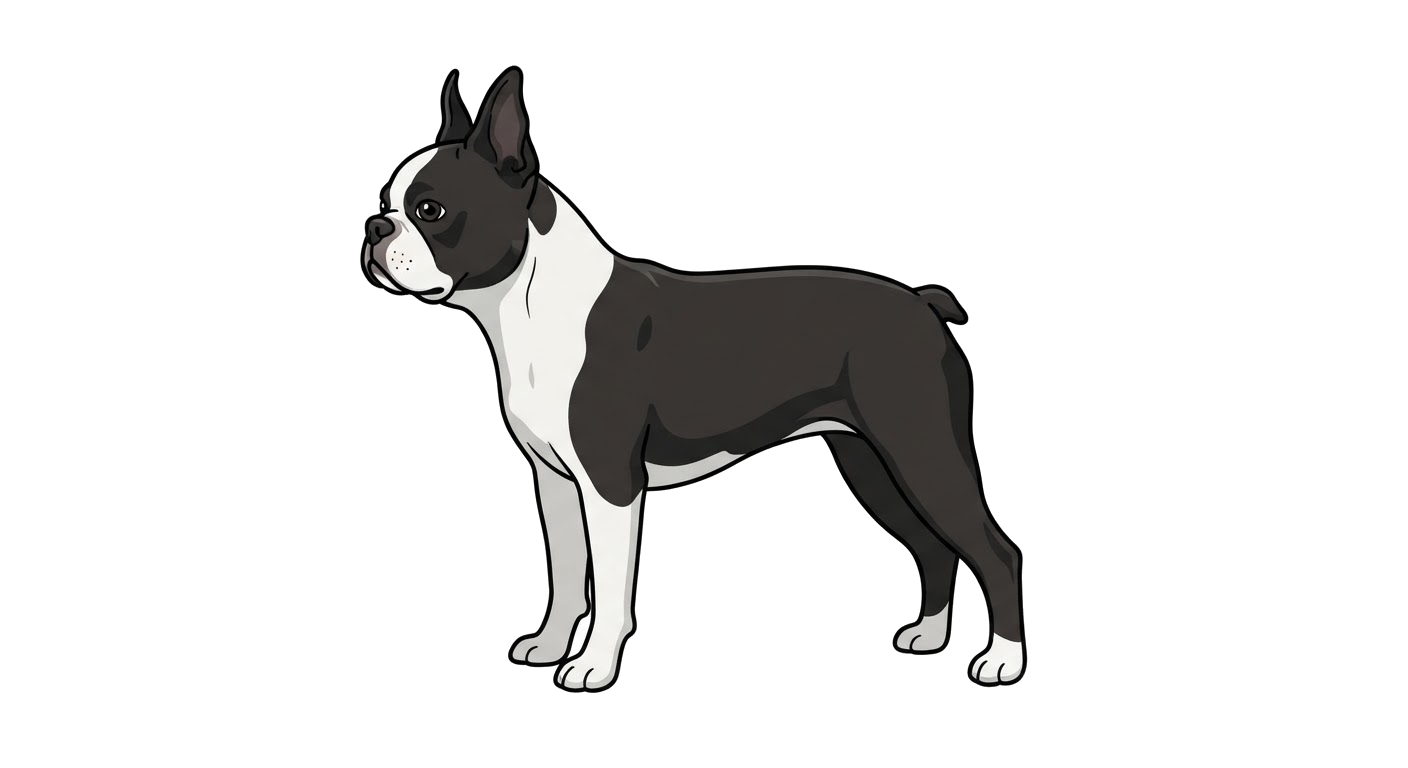
Point 1
Skull
The Boston Terrier's skull is judged on balance rather than size — proportionate to the body, with a clean cheek and a stop typical of the breed. Coarseness or an over-refined head are both faulted.
Colours & patterns
Recognised coats
Which coats the standard accepts — and which are simply popular.
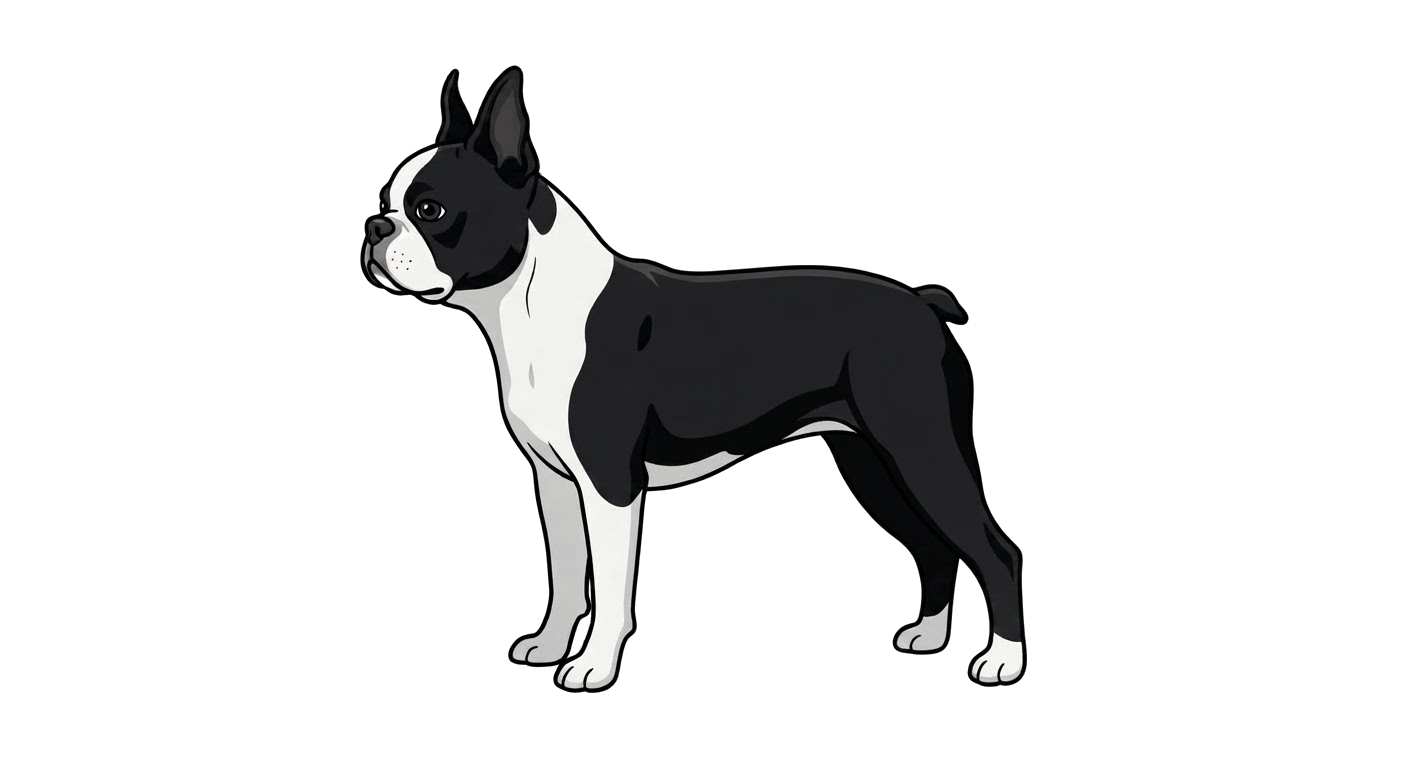
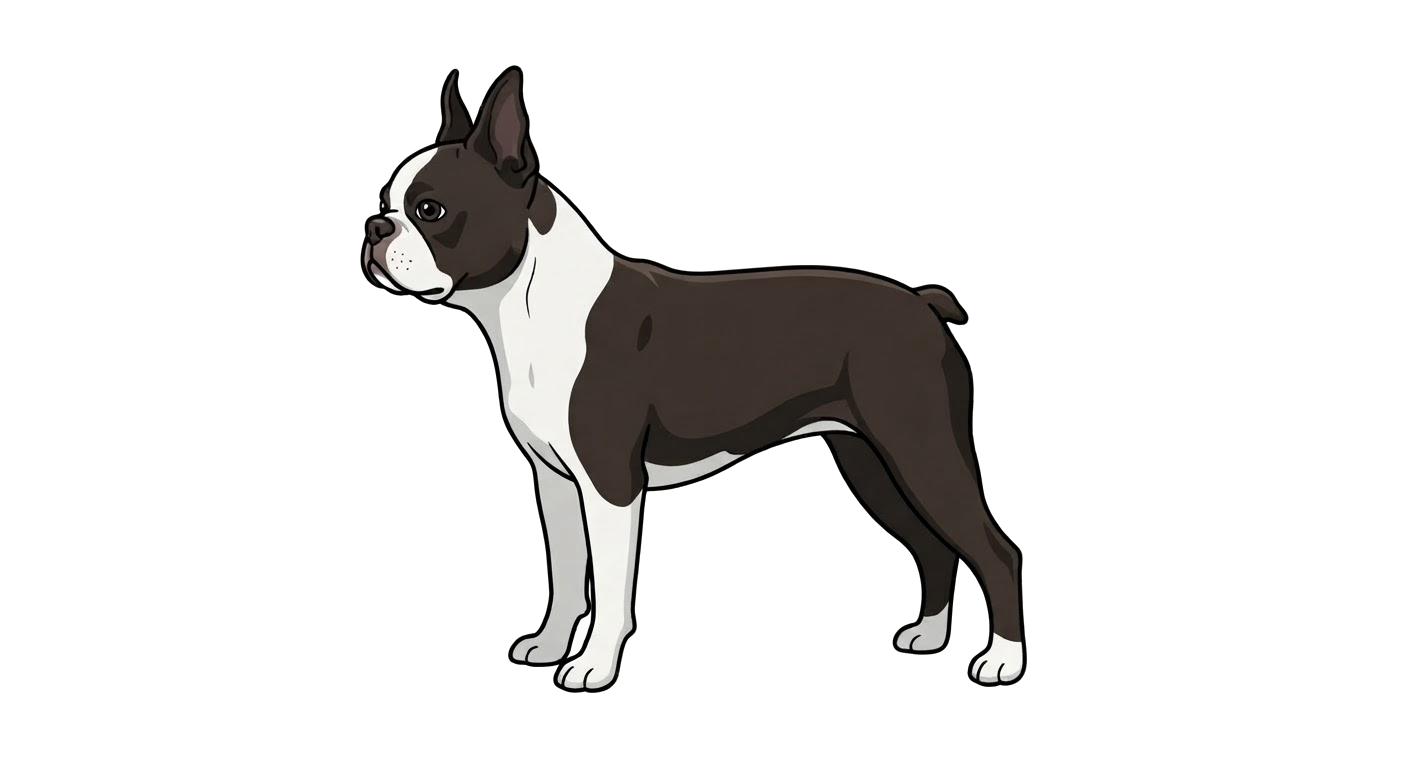
Black and white
Standard colour
The classic tuxedo pattern.
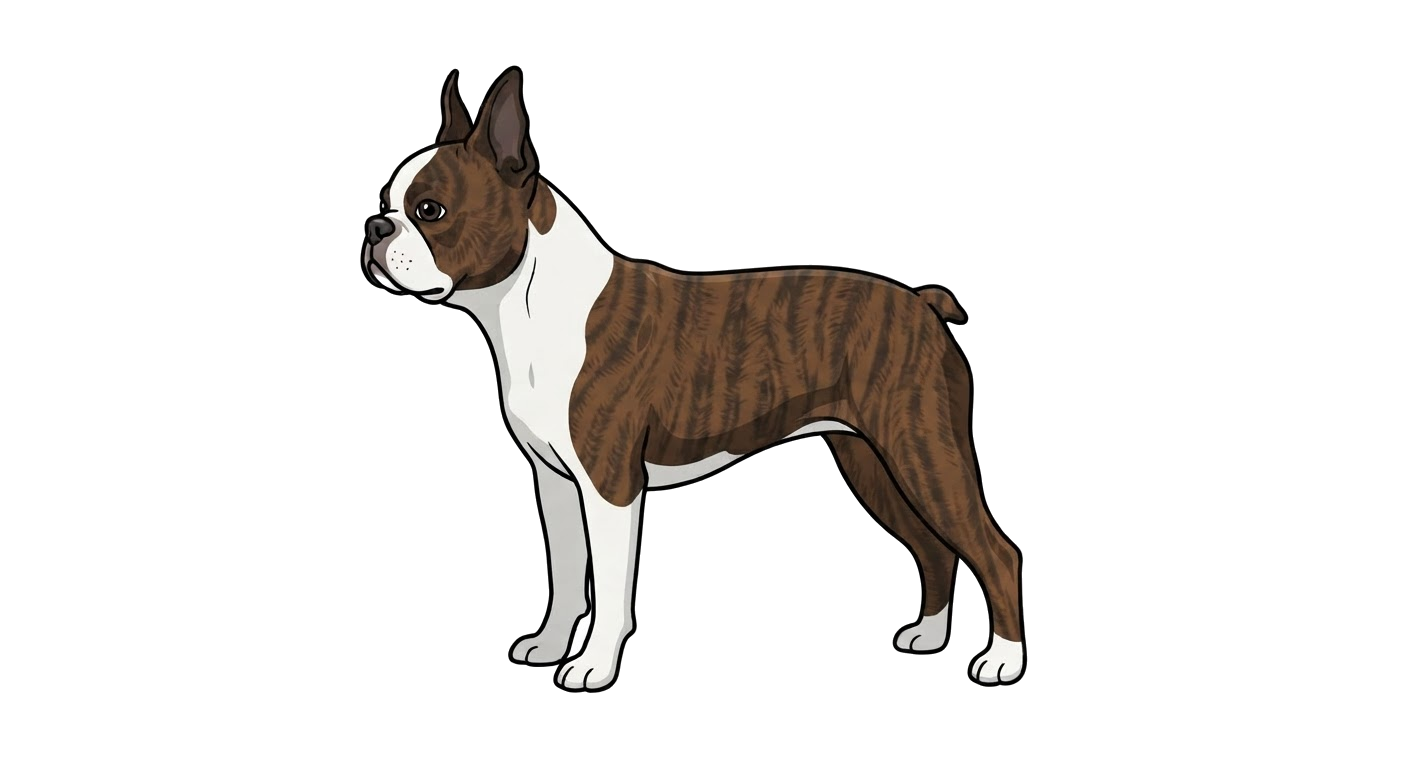
Brindle and white
Standard colour
A striped brindle base with white markings.
Seal and white
Standard colour
A black coat with red highlights in sunlight, with white markings.
Timeline
History & development
1870s
Foundation dog Judge
A Bulldog-Terrier cross named Judge became the foundation of the breed in Boston.
1889
Boston Terrier Club formed
Breeders in Boston organised to standardise the new breed.
1893
AKC recognition
The Boston Terrier became one of the earliest non-sporting breeds recognised by the American Kennel Club.
1950s onward
The breed today
Kennel club registrations settled into a steady pattern and the Boston Terrier moved from a working specialist to a family companion, with breed clubs in the UK and abroad now focused on health testing and keeping true type alive.
Reference
Breed standard summary
- body
- Short, well-muscled, square proportioned.
- coat
- Short, smooth, fine texture.
- ears
- Small, carried erect.
- eyes
- Large, round, dark, set wide apart.
- gait
- Sure-footed, straight movement.
- head
- Square, flat on top, short muzzle.
- size
- 38-43 cm at the shoulder.
- tail
- Short, low-set, straight or screw.
- colour
- Black and white, Brindle and white, Seal and white. Colours outside this list are seen but are not accepted by the kennel clubs.
- temperament
- Typical of the breed: strongest in sociability, trainability, energy. Nervousness or aggression are serious faults in the show ring and in the home.
- general appearance
- Compact, well-balanced dog with a square head and tuxedo markings.
Health
What to screen for
Green means little to worry about, amber means ask the breeder for test results, red means manage it actively.
Brachycephalic airway syndrome
Watch closely
Choose a breeder prioritising a longer muzzle and open nostrils.
Cherry eye and corneal ulcers
Low concern
Ask about eye health in the parents given the breed's prominent eyes.
Patellar luxation
Screen for it
Ask for a vet check of the knees.
Dystocia (difficult birth)
Screen for it
Many litters require caesarean delivery; discuss this with the breeder.
General information only — always speak to your vet about your own dog.
From real owners
Dogs like this
Boston Terriers added by PawPoint members through their pet passports. Share yours to appear here.
Loading the wall…
Made for the Boston Terrier
The book, plus prints, hoodies and mugs using our own Boston Terrier illustration — and one everyday accessory that suits any dog.

The book
Pawpoint: The Complete Dog Breed Book
Every officially recognised breed plus the unofficial ones nobody else documents. 400+ pages, hardback, printed and shipped from the UK.
Own stock — shipped by us
Framed poster
Boston Terrier Framed Poster
Museum-weight print of our Boston Terrier illustration, framed or unframed.
Printed to order
Hoodie
Boston Terrier Hoodie
Heavyweight hoodie carrying the Boston Terrier illustration on the chest.
Printed to order
Mug
Boston Terrier Mug
Ceramic mug with the Boston Terrier illustration wrapped around it.
Printed to order
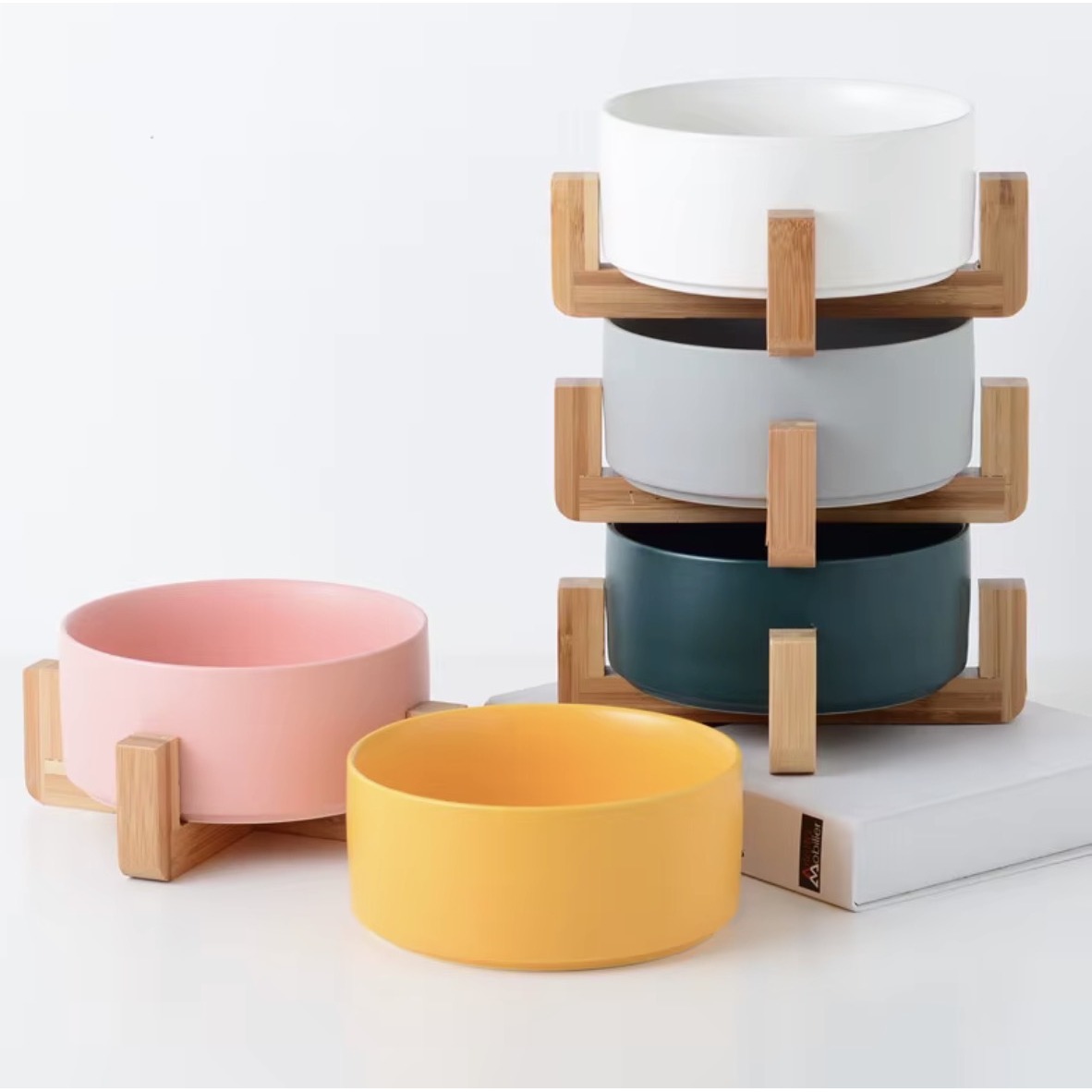
Accessory
Stainless Dog Bowl
Weighted, non-slip base. Dishwasher safe.
Fits any dog

Pawpoint on YouTube
Watch the full Boston Terrier video
Breed deep-dives, history and honest ownership talk. New film every week.
Watch now