
Braque du Bourbonnais
BRAK dew boor-bon-AY
France· Bourbonnais, central France
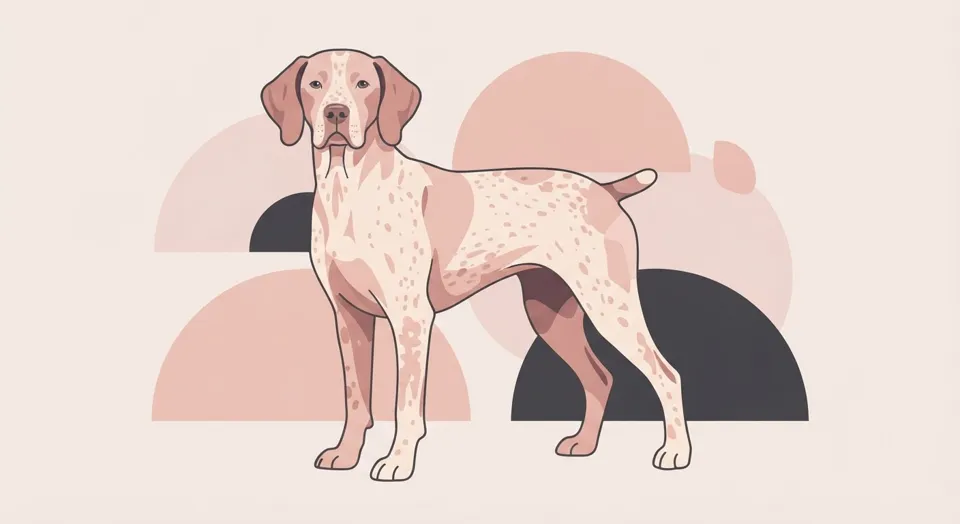
The Braque du Bourbonnais is a medium-sized French pointing breed distinguished by its naturally short or bobbed tail.
At a glance
Quick facts
- Size
- Medium
- Exercise needs
- 1-2 hours per day
- Home size suited to
- Medium
- Grooming frequency
- Minimal, weekly wipe-down
- Coat length
- Short
- Sheds
- Yes
- Lifespan
- 12-14 years
- Town or country
- Country preferred
- Garden size needed
- Medium or larger
Where it comes from
Origins of the Braque du Bourbonnais
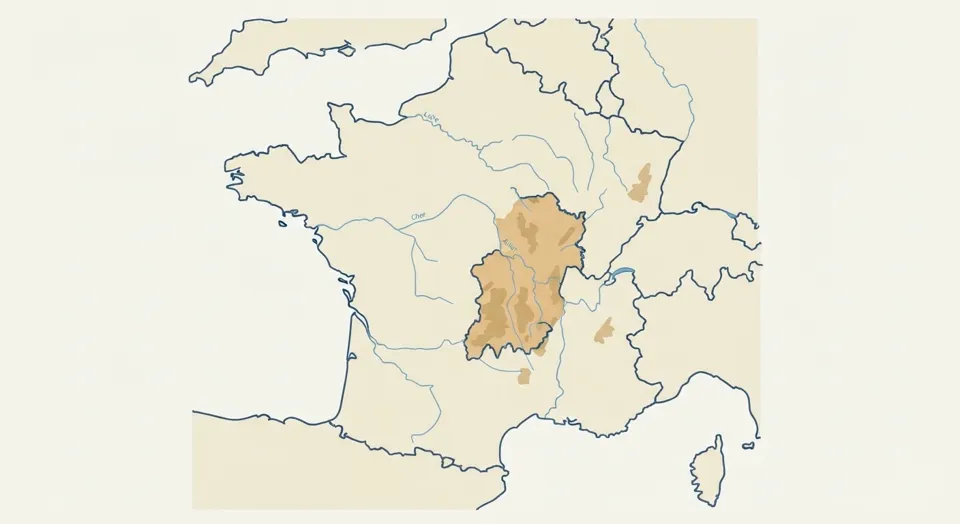
In the farmland of the Bourbonnais region, hunters wanted a compact, efficient pointer that could work close and cover mixed terrain without excessive size or coat, giving rise to a naturally short-tailed, close-working breed suited to smallholdings.
- Region
- Bourbonnais, central France
- Climate it was bred for
- Temperate mixed farmland and woodland
- Original job
- Pointing game birds for rural hunters, often born with a short or bobbed tail
The long read
About the breed
Bred by rural hunters to work close and methodically over farmland and woodland edges, it developed a calm, steady hunting style and a strong pointing instinct without needing wide-ranging speed.
As a companion it is gentle, affectionate and easy to live with, forming close bonds with its family, though it still needs regular exercise and a job to stay content.
The breed nearly disappeared in the mid-20th century but has since been carefully revived by dedicated French breeders, and it remains a rare but appreciated all-round gundog and companion.
Living with one
Temperament & needs
Our own ratings, based on the breed standard and how these dogs behave in ordinary homes.
Friendliness
3/5
How openly the Braque du Bourbonnais greets people it does not know.
Trainability
3/5
How readily the breed takes to training in an ordinary home.
Energy
3/5
How much daily exercise and stimulation the breed expects.
Barking
3/5
How vocal the breed tends to be day to day.
Grooming
3/5
How much coat work the breed needs to stay comfortable.
Suits a first-time owner
3/5
How forgiving the Braque du Bourbonnais is for someone taking on their first dog.
Illustrated breed standard
The points of the breed
Hover or tap a numbered point to read what the standard asks for.
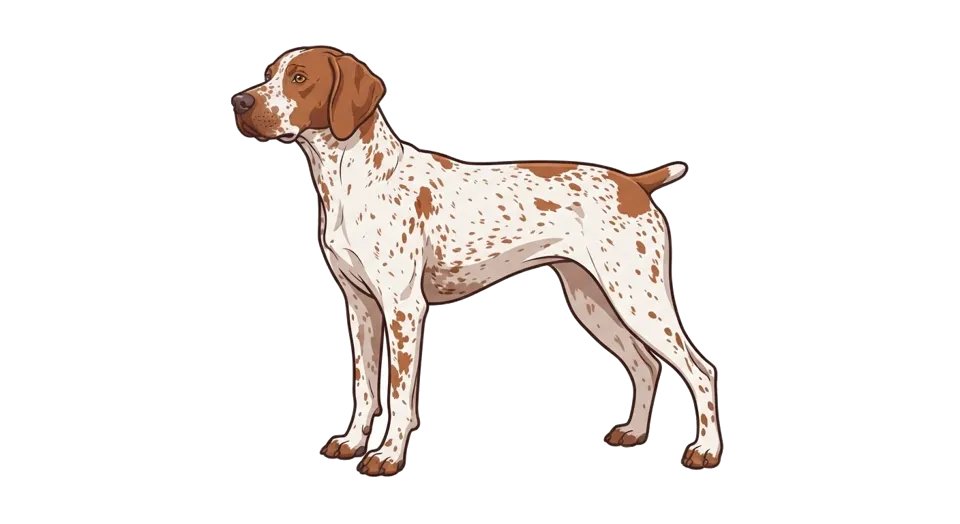
Point 1
Skull
The Braque du Bourbonnais's skull is judged on balance rather than size — proportionate to the body, with a clean cheek and a stop typical of the breed. Coarseness or an over-refined head are both faulted.
Timeline
History & development
1600s
Early references
Short-tailed pointing dogs from the Bourbonnais region are mentioned in early French hunting texts.
1930
Standard written
The first breed standard was drawn up as fanciers sought to preserve the type.
1950s-60s
Near extinction
The breed's numbers fell drastically after the Second World War, nearly disappearing entirely.
1970s-80s
Revival
A small group of breeders rebuilt the population from surviving dogs, re-establishing the breed.
1990s
Renewed FCI standard
An updated standard was adopted, confirming the revived breed's characteristics.
Reference
Breed standard summary
- body
- Compact and well-proportioned, with a level topline and deep chest.
- coat
- Fine, short and dense.
- ears
- Set at eye level, flat and slightly rounded at the tip.
- eyes
- Large, well-open, amber to hazel in colour.
- head
- Broad skull with a moderate stop and square muzzle.
- size
- Dogs 48-56cm, bitches 47-55cm
- colour
- Fawn roan (peach blossom) or liver roan, sometimes with patches.
- temperament
- Gentle, affectionate, calm and biddable.
- general appearance
- A medium-sized, harmoniously built pointing dog, notable for its naturally short or absent tail.
Health
What to screen for
Green means little to worry about, amber means ask the breeder for test results, red means manage it actively.
General information only — always speak to your vet about your own dog.
From real owners
Braque du Bourbonnaiss in the PAWPOINT Pack
Braque du Bourbonnaiss added by PawPoint members through their pet passports. Share yours to appear here.
Loading the wall…
Made for the Braque du Bourbonnais
The book, plus hoodies, tees and mugs featuring the Braque du Bourbonnais.