
Brazilian Bully
bruh-ZIL-ee-uhn BULL-ee
Brazil· Nationwide, urban breeding communities
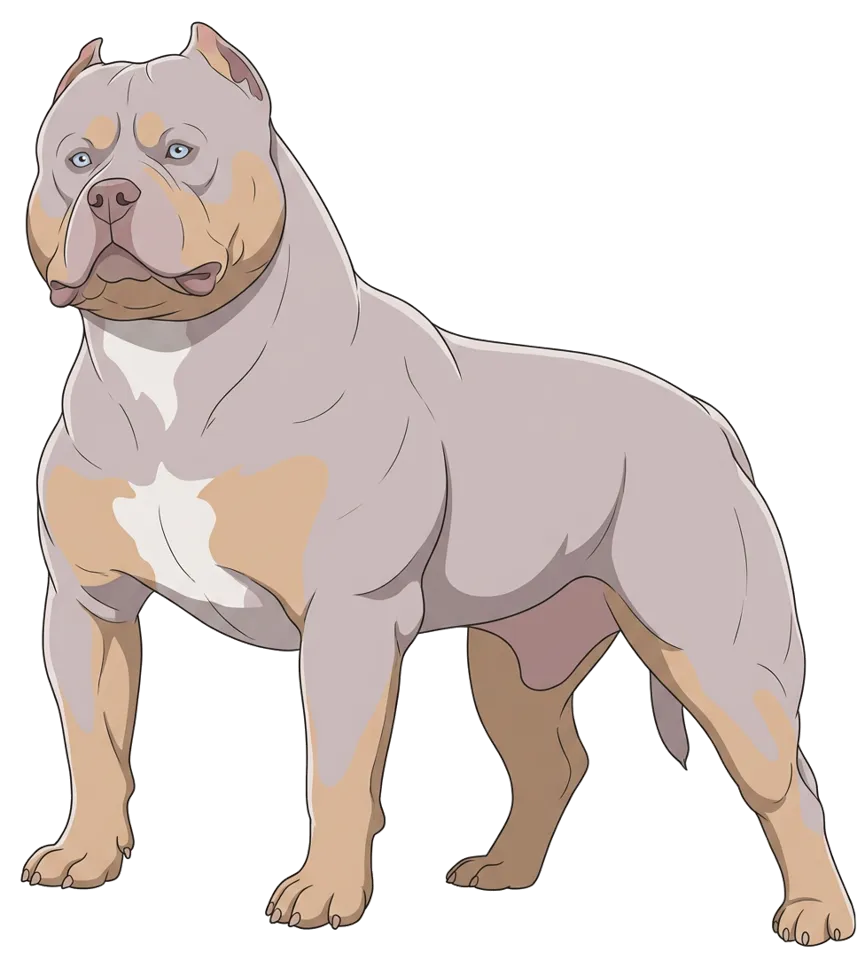
The Brazilian Bully is a modern, unofficial bully-type breed developed in Brazil from American Bully and Bulldog stock, bred for a heavily muscled, compact build and a calm, affectionate temperament.
At a glance
Quick facts
- Size
- Medium
- Exercise needs
- 30-45 minutes, low intensity
- Home size suited to
- Small to medium home
- Grooming frequency
- Weekly brush
- Coat length
- Short
- Sheds
- Yes
- Lifespan
- 9-12 years
- Town or country
- Either, with enough exercise
- Garden size needed
- Small to medium
Where it comes from
Origins of the Brazilian Bully

The Brazilian Bully was developed in Brazil's cities in the 2000s by breeders in the international bully scene, crossing American Bully and Bulldog lines to produce a shorter, denser dog. It has no working history, existing purely as a companion and show breed.
- Region
- Nationwide, urban breeding communities
- Climate it was bred for
- Warm, humid tropical and subtropical climate
- Original job
- Companionship and conformation showing within the bully community
The long read
About the breed
The breed emerged in the 2000s among Brazilian bully enthusiasts who wanted a shorter, denser dog than the American Bully, crossing American Bully lines with English Bulldog and Pit Bull-type dogs to fix a broader head, shorter back and lower stance. It has no historical working role; it was bred purely as a companion and show animal within the bully community, and its recognition is limited to specialist bully registries rather than major kennel clubs.
Living with a Brazilian Bully means living with a dog that looks imposing but is typically gentle, sociable and eager to please, with a lower exercise requirement than its muscular build suggests. The breed's extreme structure, a short, wide body and a short muzzle, brings real practical concerns: many individuals struggle to give birth naturally and need caesarean sections, and breathing efficiency is reduced compared with a moderately built dog, so heat and vigorous exercise need care.
Prospective owners should look past the breed's social-media popularity and ask breeders hard questions about how parent dogs breathe, move and give birth, since as with other extreme bully types, health has often been bred as a secondary consideration to look. Responsible breeders within the bully community are increasingly prioritising airway and joint health, but buyers still need to do their own homework.
Living with one
Temperament & needs
Our own ratings, based on the breed standard and how these dogs behave in ordinary homes.
Friendliness
5/5
How openly the Brazilian Bully greets people it does not know.
Trainability
3/5
Eager to please but can be stubborn.
Energy
2/5
Low to moderate; short walks and play suit the build.
Barking
2/5
Generally quiet.
Grooming
2/5
Short coat, but skin folds need cleaning.
Suits a first-time owner
4/5
How forgiving the Brazilian Bully is for someone taking on their first dog.
Sociability
5/5
Typically very affectionate with family.
Independence
2/5
Wants to be near people most of the time.
Illustrated breed standard
The points of the breed
Hover or tap a numbered point to read what the standard asks for.
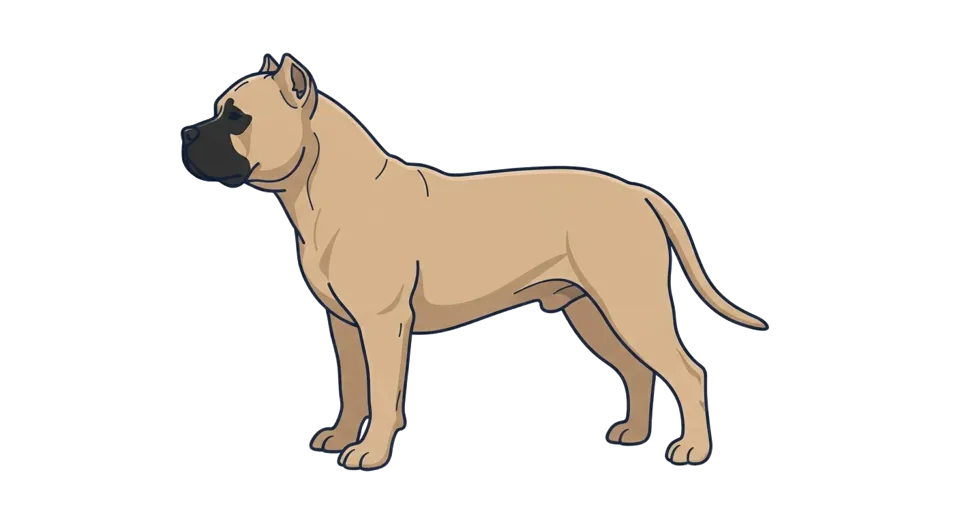
Point 1
Skull
The Brazilian Bully's skull is judged on balance rather than size — proportionate to the body, with a clean cheek and a stop typical of the breed. Coarseness or an over-refined head are both faulted.
Colours & patterns
Recognised coats
Which coats the standard accepts — and which are simply popular.
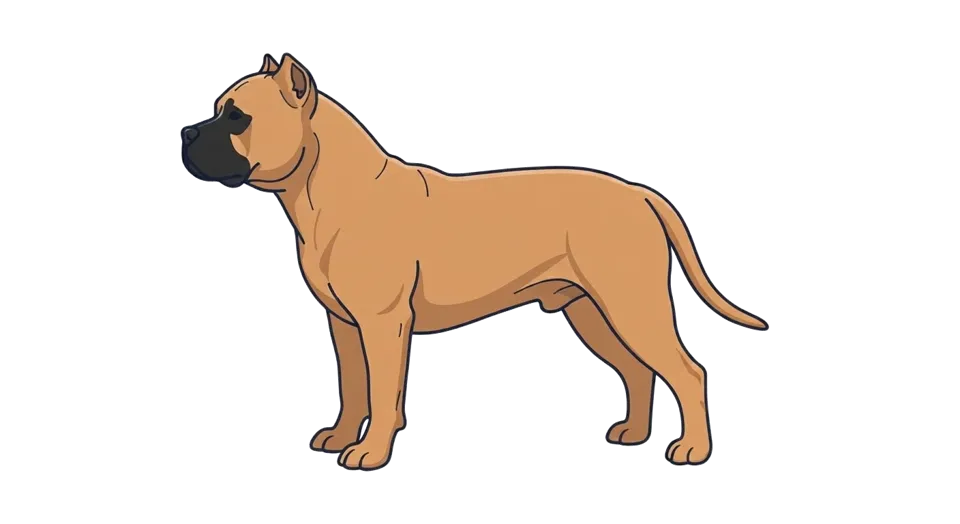
Fawn
Standard colour
A common solid base colour.
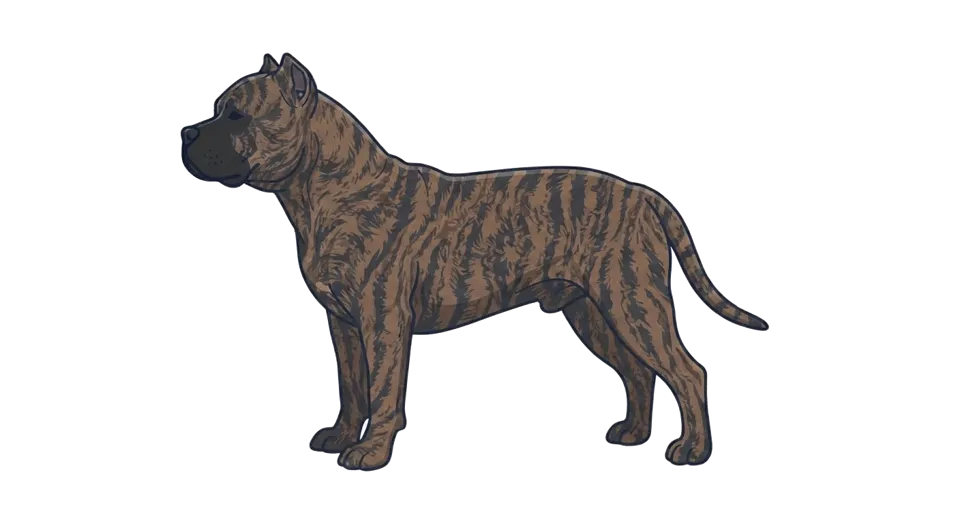
Brindle
Standard colour
Dark stripes over a lighter base.
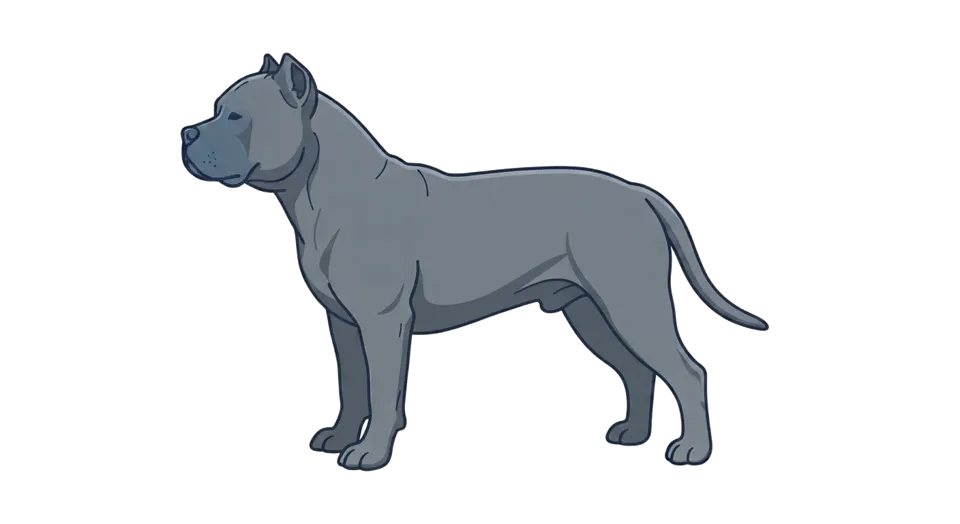
Blue
Standard colour
A diluted grey-blue coat, popular in the breed.
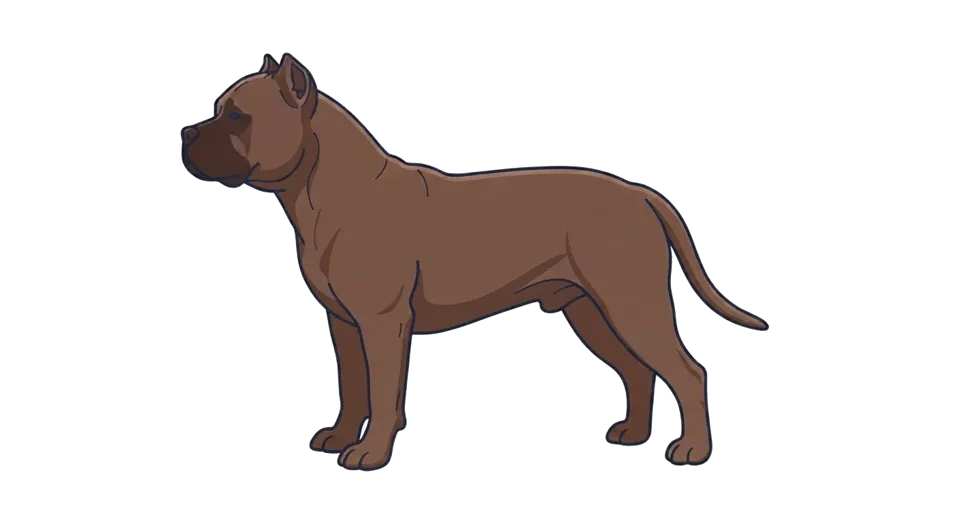
Chocolate
Standard colour
A rich solid brown.
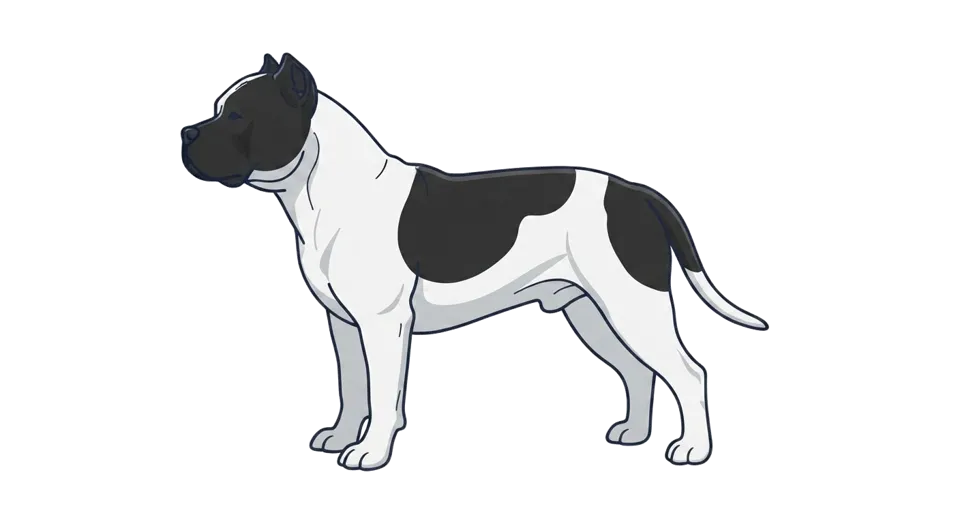
Black and white
Standard colour
Pied patterning over a black base.
Timeline
History & development
2000s
Origins in Brazil
Brazilian bully breeders began crossing American Bully and Bulldog lines to create a shorter, more compact dog.
2010s
Community growth
The breed grew in popularity through Brazilian and international bully shows and social media.
Present
Ongoing development
Specialist bully registries continue to refine the standard, with increasing attention to health alongside appearance.
Reference
Breed standard summary
- body
- Short-coupled, deep chest, wide stance.
- coat
- Short, smooth, close-lying.
- ears
- Small to medium, set high.
- eyes
- Round, set wide apart.
- gait
- Rolling, powerful, limited endurance.
- head
- Broad, blocky, with a short, wide muzzle.
- size
- 33-43 cm at the shoulder.
- tail
- Set low, tapering.
- colour
- Fawn, Brindle, Blue, Chocolate, Black and white. Colours outside this list are seen but are not accepted by the kennel clubs.
- temperament
- Typical of the breed: strongest in sociability, trainability, energy. Nervousness or aggression are serious faults in the show ring and in the home.
- general appearance
- Compact, heavily muscled bully type with a broad head and short back.
Health
What to screen for
Green means little to worry about, amber means ask the breeder for test results, red means manage it actively.
Brachycephalic airway syndrome
Watch closely
Ask to hear the parents breathe at rest and after light exercise; avoid dogs with loud snoring or gagging.
Dystocia (difficult birth)
Watch closely
Many females need caesarean delivery; ask the breeder about their whelping history.
Hip and elbow dysplasia
Screen for it
Ask for hip and elbow scoring where the registry supports it.
Skin fold dermatitis
Watch closely
Clean facial and body folds regularly to prevent infection.
General information only — always speak to your vet about your own dog.
From real owners
Brazilian Bullys in the PAWPOINT Pack
Brazilian Bullys added by PawPoint members through their pet passports. Share yours to appear here.
Loading the wall…
Made for the Brazilian Bully
The book, plus hoodies, tees and mugs featuring the Brazilian Bully.