
Brazilian Tracker
has-tree-ah-DOOR brah-zee-LYAY-roo
Brazil· Brazil
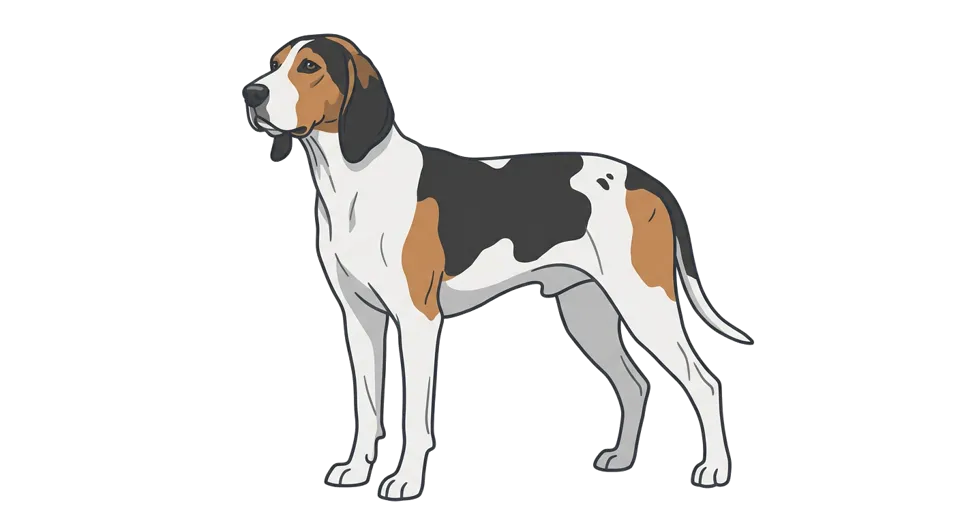
The Brazilian Tracker — the Rastreador Brasileiro — is a strong, rustic scenthound developed in Brazil for tracking jaguar and other game through difficult tropical country. Cheerful, tireless and blessed with an exceptional nose, it was built to hold a trail for hours in heat and dense vegetation.
At a glance
Quick facts
- Size
- Large
- Exercise needs
- Very high (2+ hours daily)
- Home size suited to
- Rural home with land
- Grooming frequency
- Weekly brushing
- Coat length
- Short
- Sheds
- Moderate
- Lifespan
- 10–13 years
- Town or country
- Country
- Garden size needed
- Large, securely fenced grounds
Where it comes from
Origins of the Brazilian Tracker
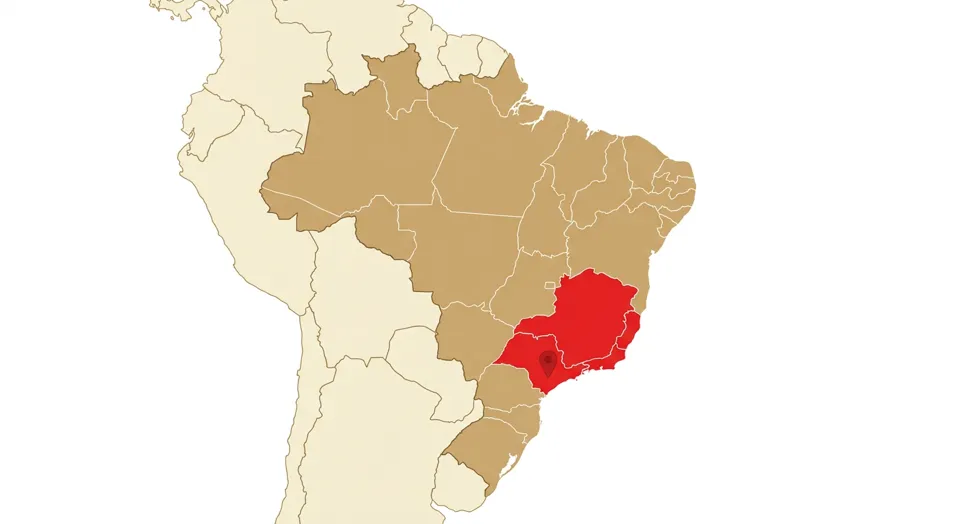
Brazil's native tracking hound, bred to hold a scent for hours in hot, dense country.
- Region
- Brazil
- Climate it was bred for
- Tropical
- Original job
- Tracking jaguar and game through tropical terrain
The long read
About the breed
The breed descends from scenthounds, including American Foxhounds, brought to Brazil and adapted to local conditions. It was recognised by the FCI in 1967, but outbreaks of disease and collapsing numbers decimated the population, and the FCI declared the breed extinct in 1973. Dedicated breeders, organised through the national support group SONARB, located surviving dogs and rebuilt the population from 2008 onwards, and the breed has since been re-recognised in Brazil and restored to the FCI's lists.
In temperament the Rastreador is typically docile, loyal and even-tempered at home while remaining an intense, vocal and single-minded trailer at work. It needs space, exercise and company, and it is best suited to experienced, rural owners.
Living with one
Temperament & needs
Our own ratings, based on the breed standard and how these dogs behave in ordinary homes.
Energy
5/5
Calm and low-key around the home.
Barking
5/5
Very vocal — expect plenty of noise.
Grooming
1/5
Wash-and-go coat.
Sociability
4/5
Friendly and outgoing.
Independence
4/5
Independent thinker; tolerates being left to it.
Trainability
3/5
Capable, with consistent fair handling.
Illustrated breed standard
The points of the breed
Hover or tap a numbered point to read what the standard asks for.
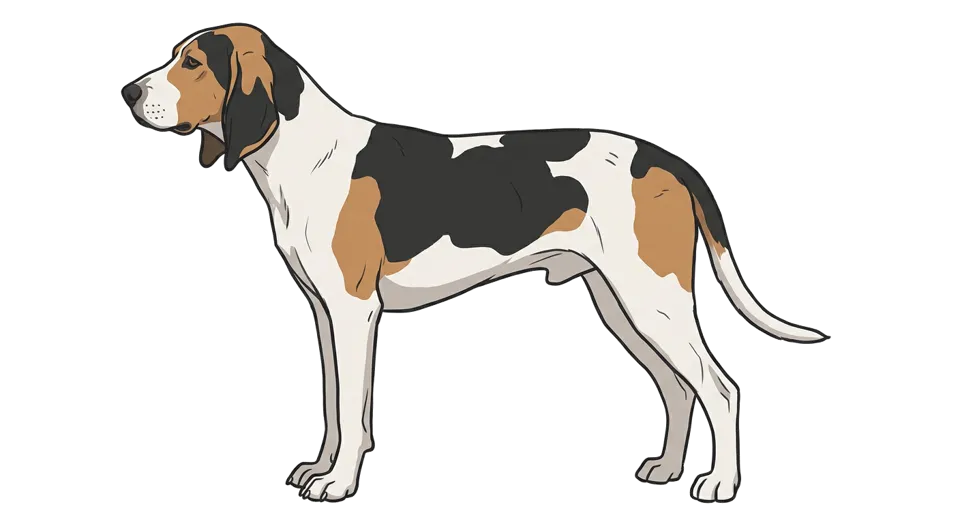
Point 1
Head
Strong without coarseness, with a broad skull, moderate stop and slightly loose lips.
Colours & patterns
Recognised coats
Which coats the standard accepts — and which are simply popular.
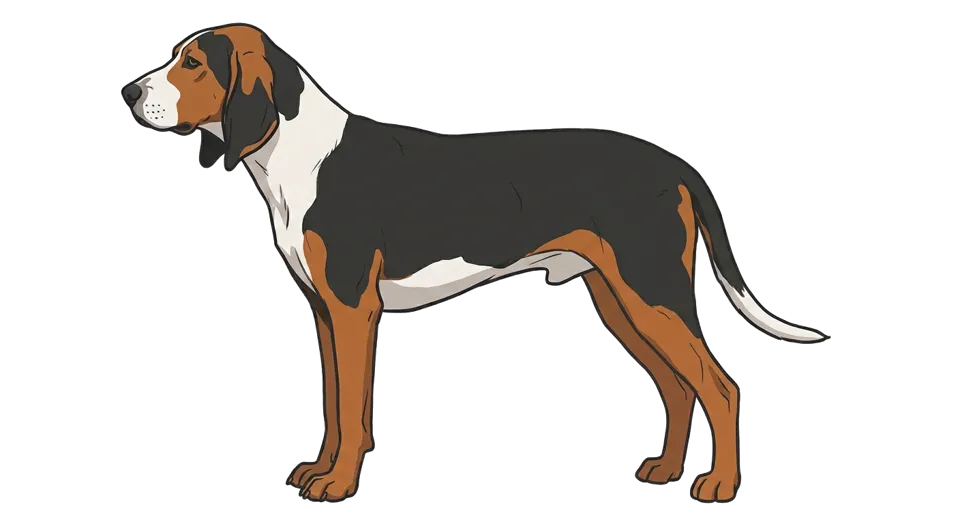
Tricolour
Standard colour
Black, white and tan — the most familiar pattern.
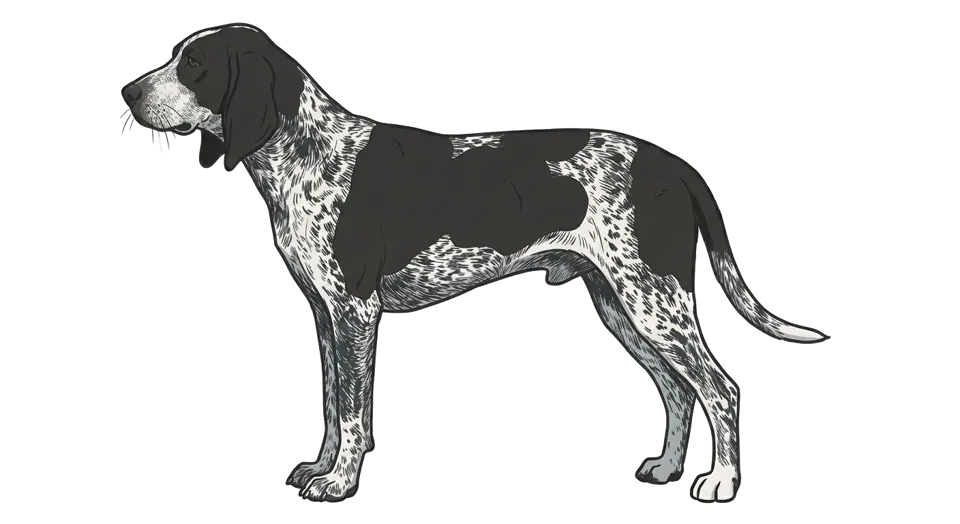
Blueticked
Standard colour
White densely ticked with black, giving a blued appearance, often with black patches.
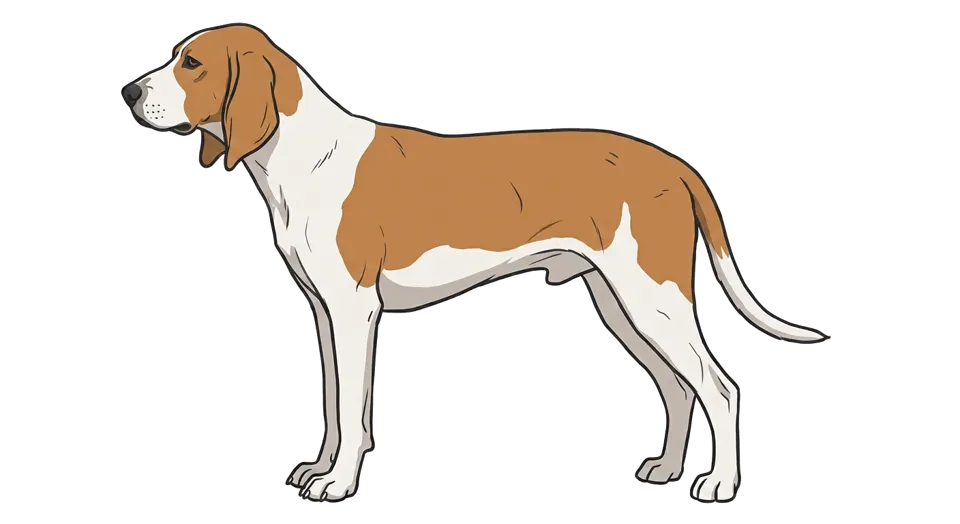
Bicolour
Standard colour
White with tan or black markings in various distributions.
Timeline
History & development
1900s
Colonial hound stock
Scenthounds imported to Brazil, including American Foxhounds, were crossed and selected for tracking large game in tropical conditions.
1967
FCI recognition
The Rastreador Brasileiro gained FCI recognition under standard number 275.
1973
Declared extinct
Disease outbreaks and collapsing numbers led the FCI to declare the breed extinct and strike it from its registers.
2008
Reconstruction
The breeders' group SONARB located surviving dogs in rural Brazil and began a formal programme to rebuild the breed.
2013
Back from the brink
Brazilian and international registries re-recognised the reconstructed breed, restoring its place among the world's scenthounds.
Reference
Breed standard summary
- body
- Deep-chested with a straight, firm back, well-sprung ribs and a strong, muscular loin.
- coat
- Short, smooth, dense and weather-resistant, lying close to the body.
- ears
- Long, pendulous and set low, hanging close to the cheeks with rounded tips.
- eyes
- Dark, set well apart, with a calm, gentle expression.
- gait
- Long, easy and tireless stride, able to be maintained for hours at a trail.
- head
- Strong without coarseness, with a broad skull, moderate stop and slightly loose lips.
- size
- Height at the withers is roughly 60 to 65 cm for males and slightly less for females.
- tail
- Set high, strong at the base, carried in a slight curve above the topline when the dog is moving or excited.
- colour
- Tricolour (black, white and tan), bicolour combinations of black, tan and white, blueticked and redtick patterns are all seen in the standard's range.
- muzzle
- Long and strong, in balance with the skull, with a large, well-pigmented nose.
- temperament
- Docile, loyal and cheerful in the home; courageous, determined and musical on the trail.
- general appearance
- A strong, rustic hound, slightly longer than tall, combining power with the suppleness needed to work dense cover.
Health
What to screen for
Green means little to worry about, amber means ask the breeder for test results, red means manage it actively.
Genetic diversity
Screen for it
The rebuilt population traces to few founders; careful breeding matters.
Bloat
Watch closely
Deep-chested hound — sensible feeding and rest around exercise.
Ear care
Watch closely
Long pendulous ears need regular checks, especially in humid climates.
General information only — always speak to your vet about your own dog.
From real owners
Brazilian Trackers in the PAWPOINT Pack
Brazilian Trackers added by PawPoint members through their pet passports. Share yours to appear here.
Loading the wall…
Made for the Brazilian Tracker
The book, plus hoodies, tees and mugs featuring the Brazilian Tracker.