
Bullmastiff
BULL-mass-tif
England· Rural estates across England
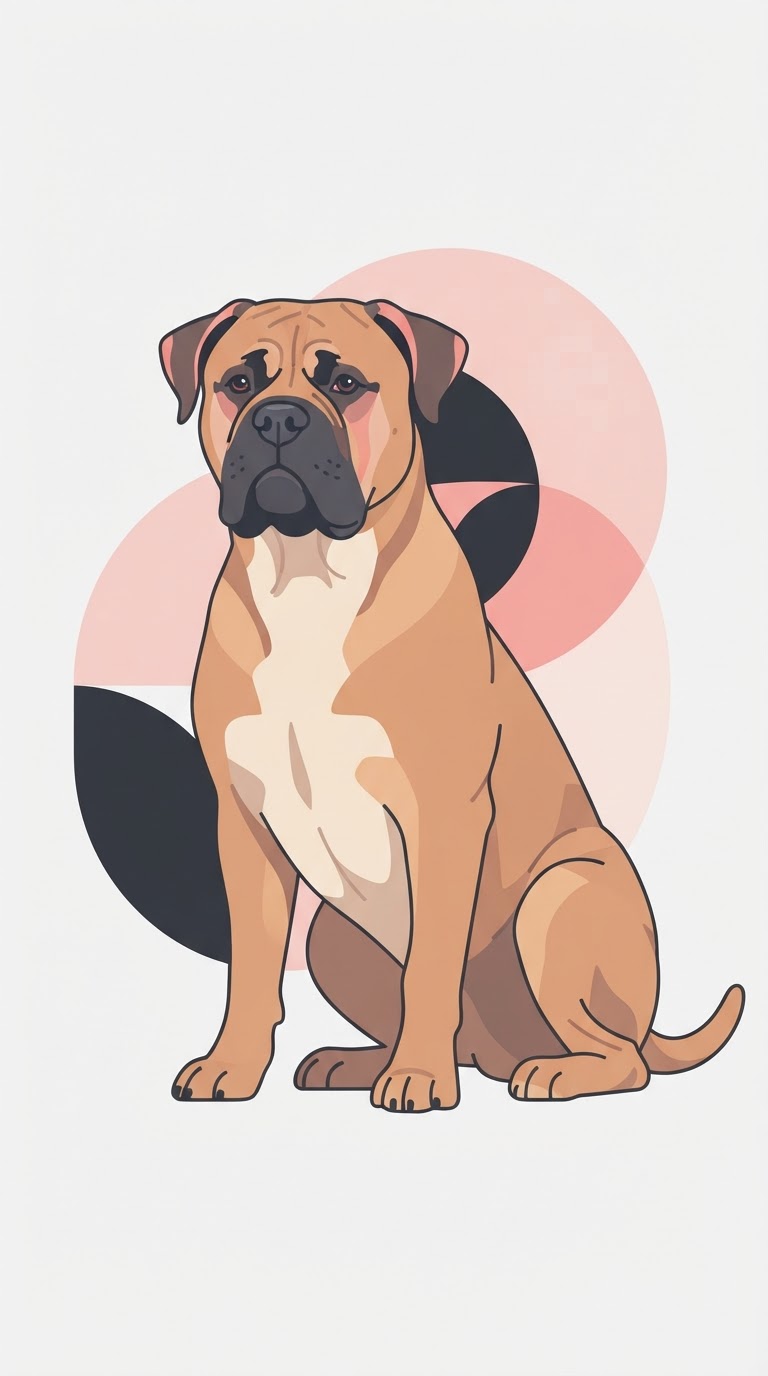
The Bullmastiff is a large English guarding breed developed by Victorian gamekeepers to track, catch and hold poachers on large estates, combining size and power with a notably calm temperament off duty.
At a glance
Quick facts
Size
Giant
Exercise needs
1 hour, moderate intensity
Home size suited to
Large home with space to stretch out
Grooming frequency
Weekly brush
Coat length
Short
Sheds
Yes, heavily when moulting
Lifespan
7-9 years
Town or country
Better suited to the country
Garden size needed
Large and securely fenced
Where it comes from
Origins of the Bullmastiff
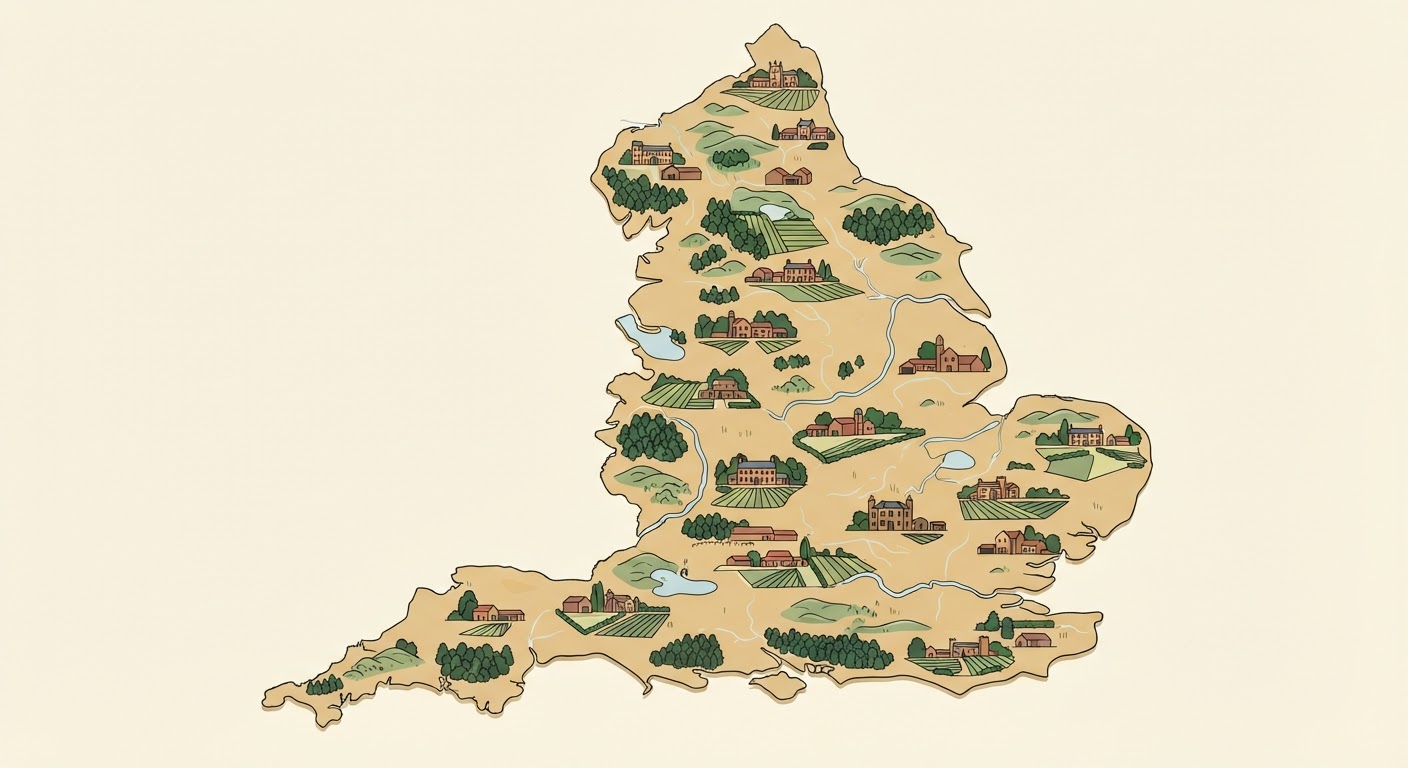
The Bullmastiff was developed on large English game estates in the 1800s, where gamekeepers needed a dog powerful enough to catch and hold a poacher but controlled enough not to seriously injure him. Crossing Mastiffs with Bulldogs of the period produced the size and steadiness the job required.
- Region
- Rural estates across England
- Climate it was bred for
- Temperate British climate
- Original job
- Tracking and detaining poachers on estates
The long read
About the breed
The breed was created in the mid-nineteenth century by crossing Mastiffs with Bulldogs of the period, aiming for a dog fast and bold enough to chase down an armed poacher yet controlled enough not to maul him, since gamekeepers needed the man detained, not killed. The cross was fixed at roughly sixty percent Mastiff to forty percent Bulldog, giving the size and gravity of the Mastiff with the drive and grip of the Bulldog, and the breed gained formal recognition from the Kennel Club in 1924.
Living with a Bullmastiff means living with a very large, physically imposing dog that is, in most cases, notably placid and affectionate with its own family, content to spend much of the day quietly at home rather than demanding constant activity. Early socialisation and consistent training matter more than usual given the breed's size and natural wariness of strangers, a legacy of its guarding role, and an untrained adult Bullmastiff can be a genuine handful simply through sheer bulk and strength.
Today the Bullmastiff is kept mainly as a family guardian and companion, valued by owners who want a dog with real protective instinct but without the constant activity demands of many working breeds, though its size means costs for food, veterinary care and space are all correspondingly higher.
Living with one
Temperament & needs
Our own ratings, based on the breed standard and how these dogs behave in ordinary homes.
Friendliness
3/5
How openly the Bullmastiff greets people it does not know.
Trainability
3/5
Intelligent but can be stubborn; needs consistent handling.
Energy
2/5
Moderate exercise needs; content with steady daily walks.
Barking
2/5
Not prone to nuisance barking.
Grooming
2/5
Short coat but facial wrinkles need cleaning.
Suits a first-time owner
3/5
How forgiving the Bullmastiff is for someone taking on their first dog.
Sociability
3/5
Devoted to family, naturally wary of strangers.
Independence
3/5
Confident and can make its own decisions when guarding.
Illustrated breed standard
The points of the breed
Hover or tap a numbered point to read what the standard asks for.
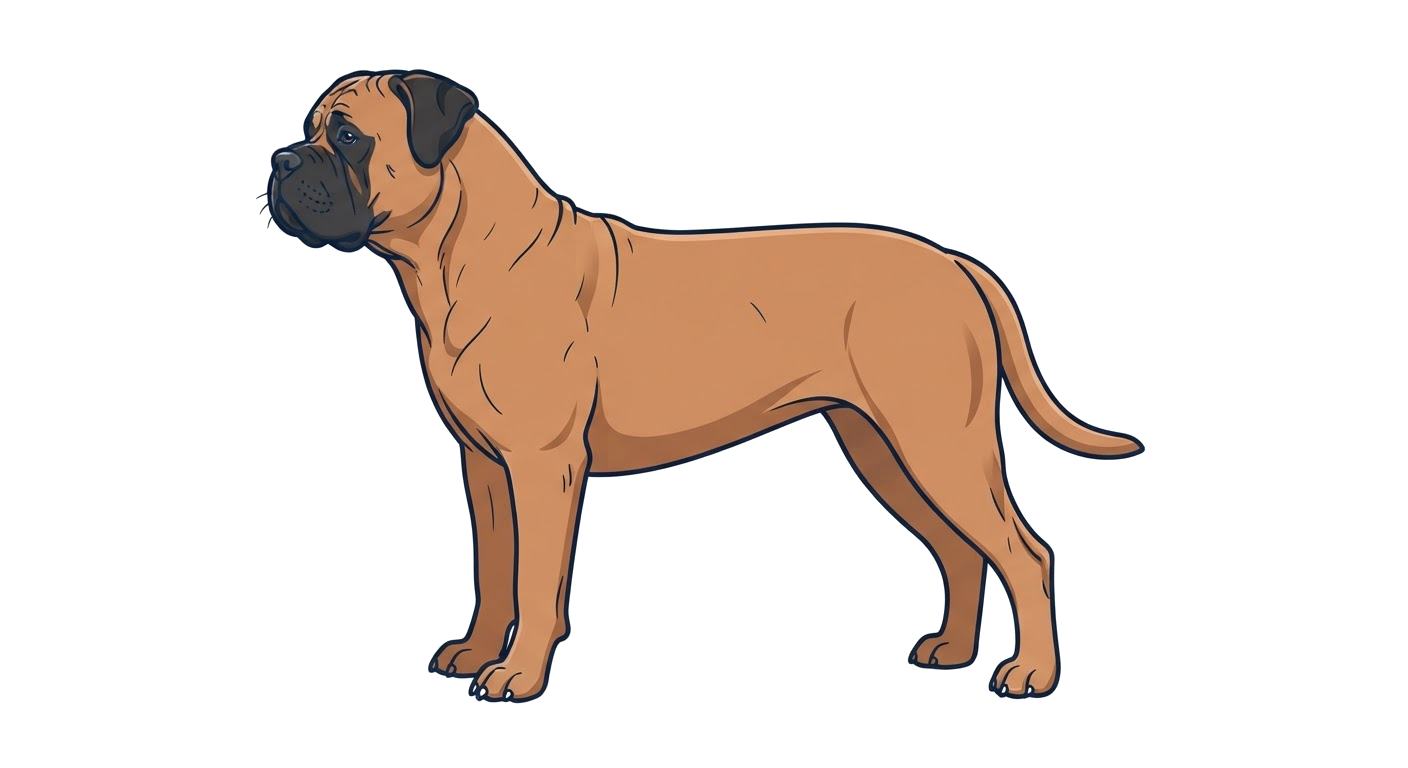
Point 1
Skull
The Bullmastiff's skull is judged on balance rather than size — proportionate to the body, with a clean cheek and a stop typical of the breed. Coarseness or an over-refined head are both faulted.
Colours & patterns
Recognised coats
Which coats the standard accepts — and which are simply popular.
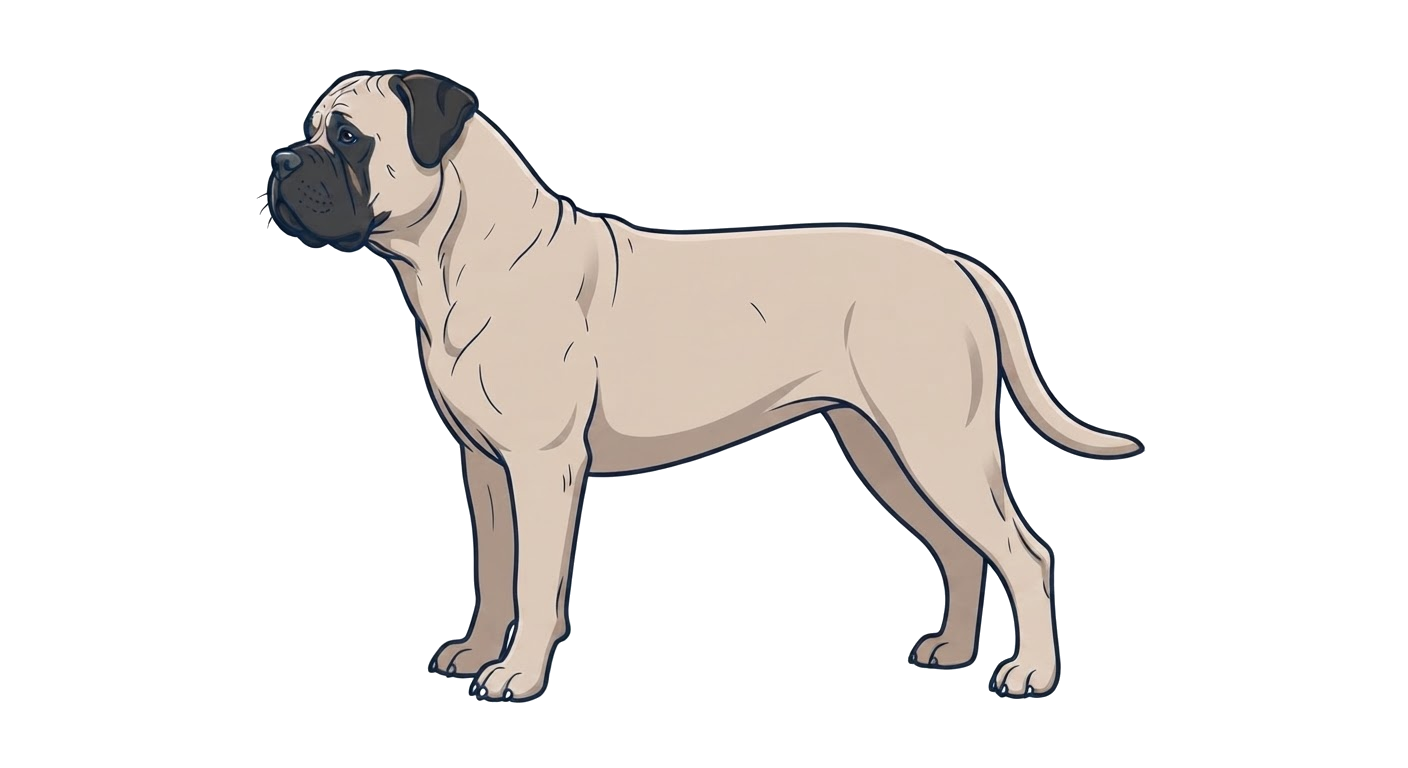
Fawn
Standard colour
A warm tan-fawn, the most common colour.
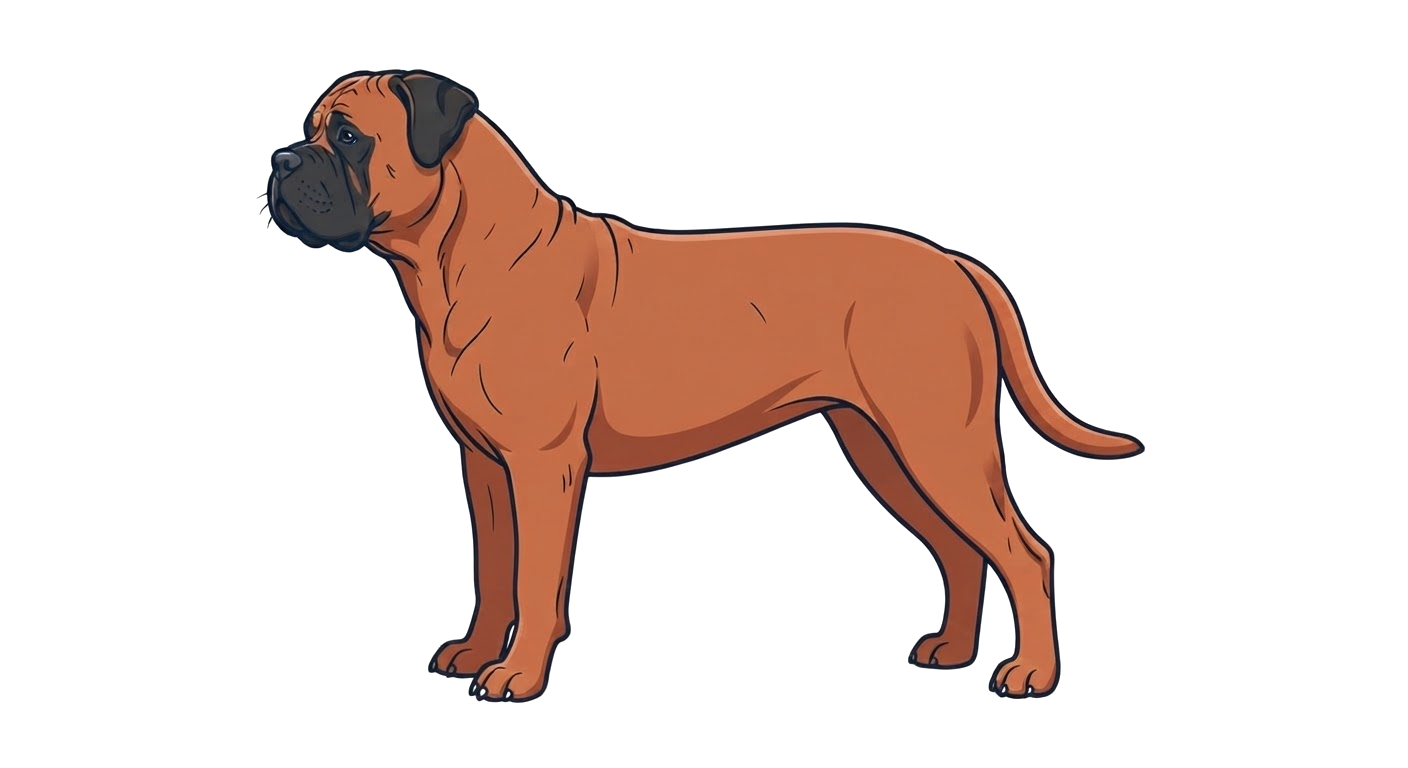
Red
Standard colour
A deeper reddish coat.
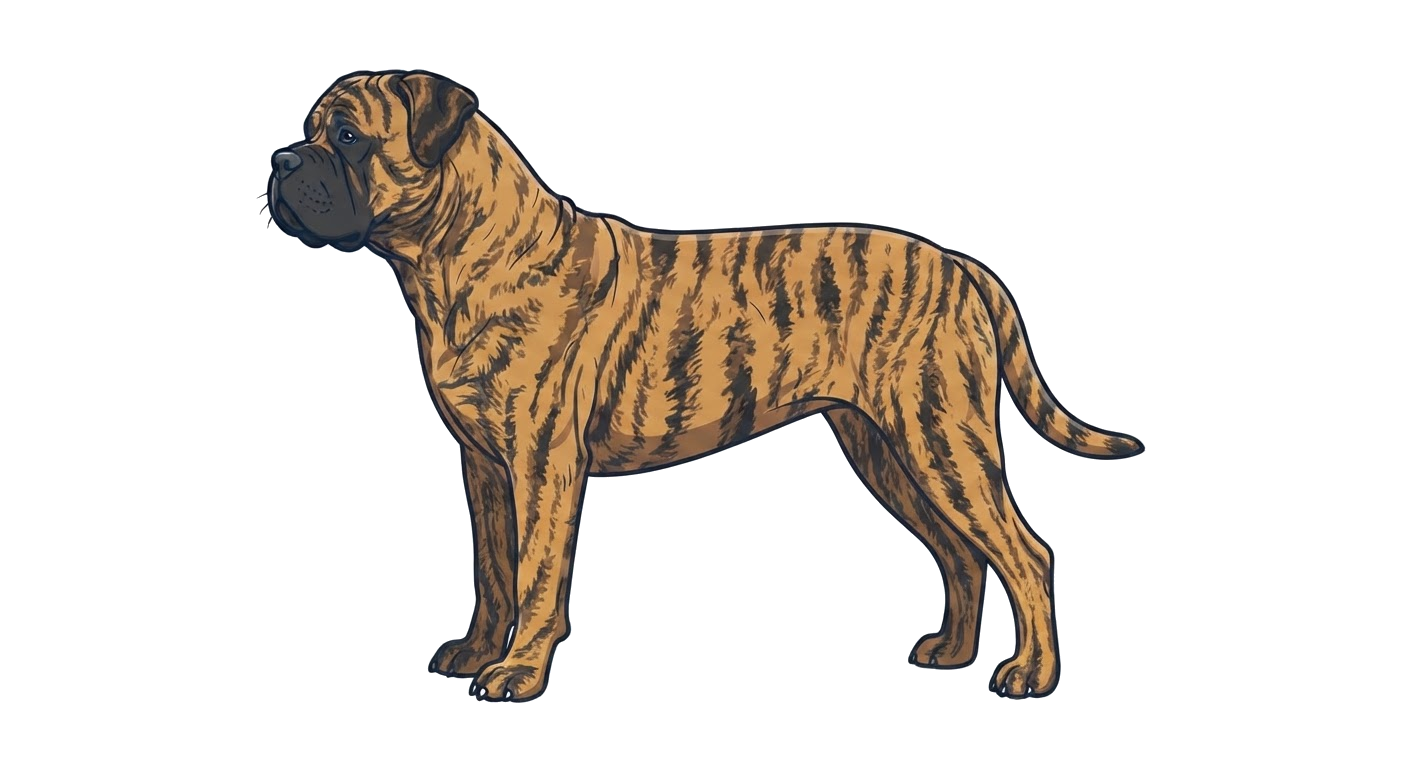
Brindle
Standard colour
Dark stripes over a fawn or red base.
Timeline
History & development
1860s
Developed by gamekeepers
English gamekeepers crossed Mastiffs and Bulldogs to create a dog able to catch and hold poachers.
1924
Kennel Club recognition
The Bullmastiff was formally recognised as a breed by the UK Kennel Club.
1934
AKC recognition
The American Kennel Club recognised the breed a decade later.
20th century
Shift to companion role
As estate poaching declined, the breed transitioned into a family guardian and companion.
1950s onward
The breed today
Kennel club registrations settled into a steady pattern and the Bullmastiff moved from a working specialist to a family companion, with breed clubs in the UK and abroad now focused on health testing and keeping true type alive.
Reference
Breed standard summary
- body
- Deep chest, broad back, short-coupled.
- coat
- Short, hard, weatherproof.
- ears
- V-shaped, set high, folded back.
- eyes
- Dark or hazel, medium size, set wide apart.
- gait
- Powerful, free-moving stride.
- head
- Large, square, with a dark mask.
- size
- 61-69 cm at the shoulder.
- tail
- Set high, strong at the root, tapering.
- colour
- Fawn, Red, Brindle. Colours outside this list are seen but are not accepted by the kennel clubs.
- temperament
- Typical of the breed: strongest in trainability, sociability, independence. Nervousness or aggression are serious faults in the show ring and in the home.
- general appearance
- Large, powerfully built guarding dog, symmetrical and active for its size.
Health
What to screen for
Green means little to worry about, amber means ask the breeder for test results, red means manage it actively.
Hip and elbow dysplasia
Screen for it
Ask for hip and elbow scores on both parents.
Bloat
Watch closely
Feed smaller meals and rest the dog after eating.
Cancer (lymphoma, mast cell tumours)
Screen for it
Ask about cancer history in the breeding line, which is elevated in large breeds.
Heart conditions
Watch closely
Ask for a cardiac check on breeding stock.
General information only — always speak to your vet about your own dog.
From real owners
Dogs like this
Bullmastiffs added by PawPoint members through their pet passports. Share yours to appear here.
Loading the wall…
Made for the Bullmastiff
The book, plus prints, hoodies and mugs using our own Bullmastiff illustration — and one everyday accessory that suits any dog.

The book
Pawpoint: The Complete Dog Breed Book
Every officially recognised breed plus the unofficial ones nobody else documents. 400+ pages, hardback, printed and shipped from the UK.
Own stock — shipped by us
Framed poster
Bullmastiff Framed Poster
Museum-weight print of our Bullmastiff illustration, framed or unframed.
Printed to order
Hoodie
Bullmastiff Hoodie
Heavyweight hoodie carrying the Bullmastiff illustration on the chest.
Printed to order
Mug
Bullmastiff Mug
Ceramic mug with the Bullmastiff illustration wrapped around it.
Printed to order
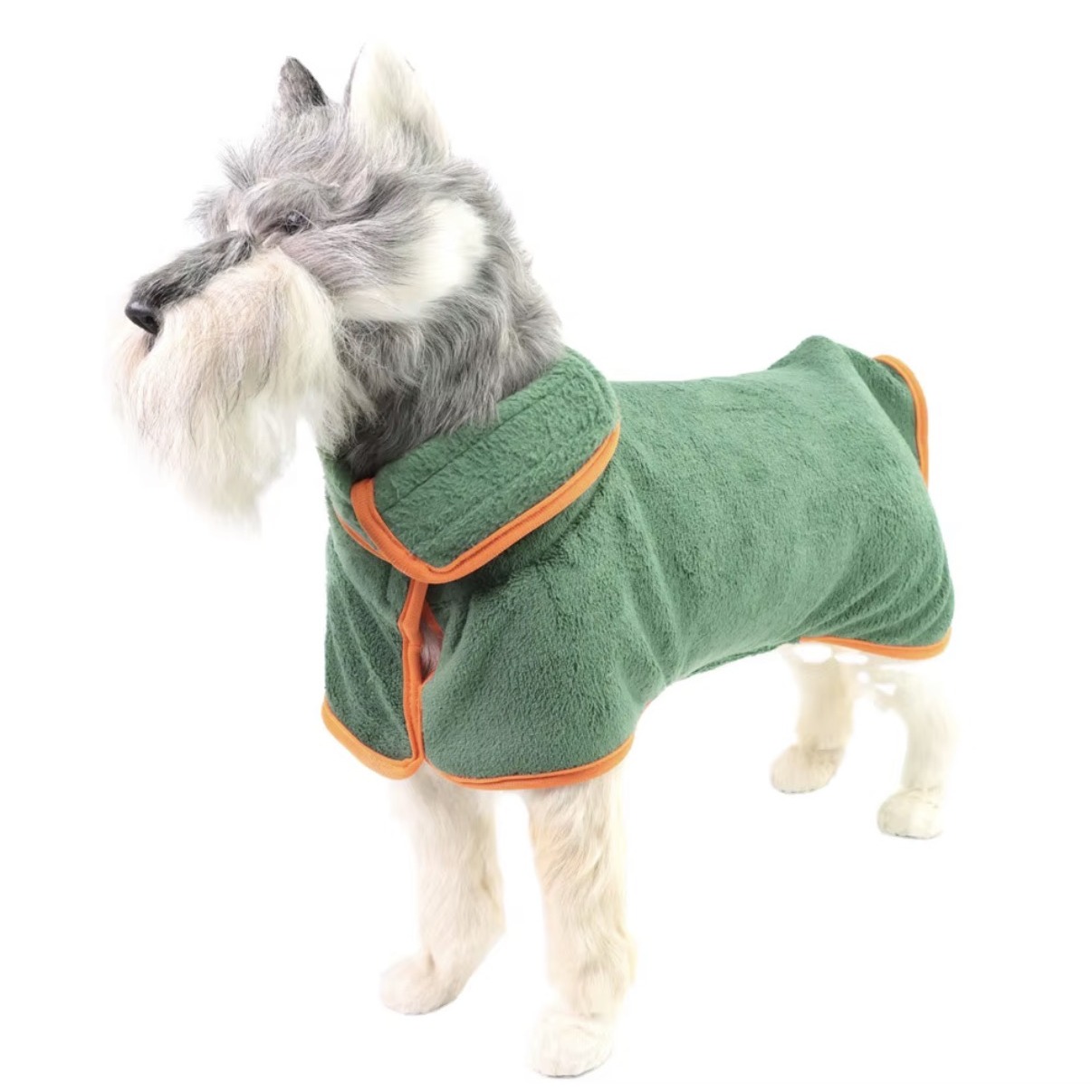
Accessory
Drying Towel Robe
Microfibre robe that soaks up a wet-walk shake.
Fits any dog
Pawpoint on YouTube
Watch the full Bullmastiff video
Breed deep-dives, history and honest ownership talk. New film every week.
Watch now