Bully Kutta
BOOL-ee KUT-tah
Pakistan· Punjab, Pakistan and northern India
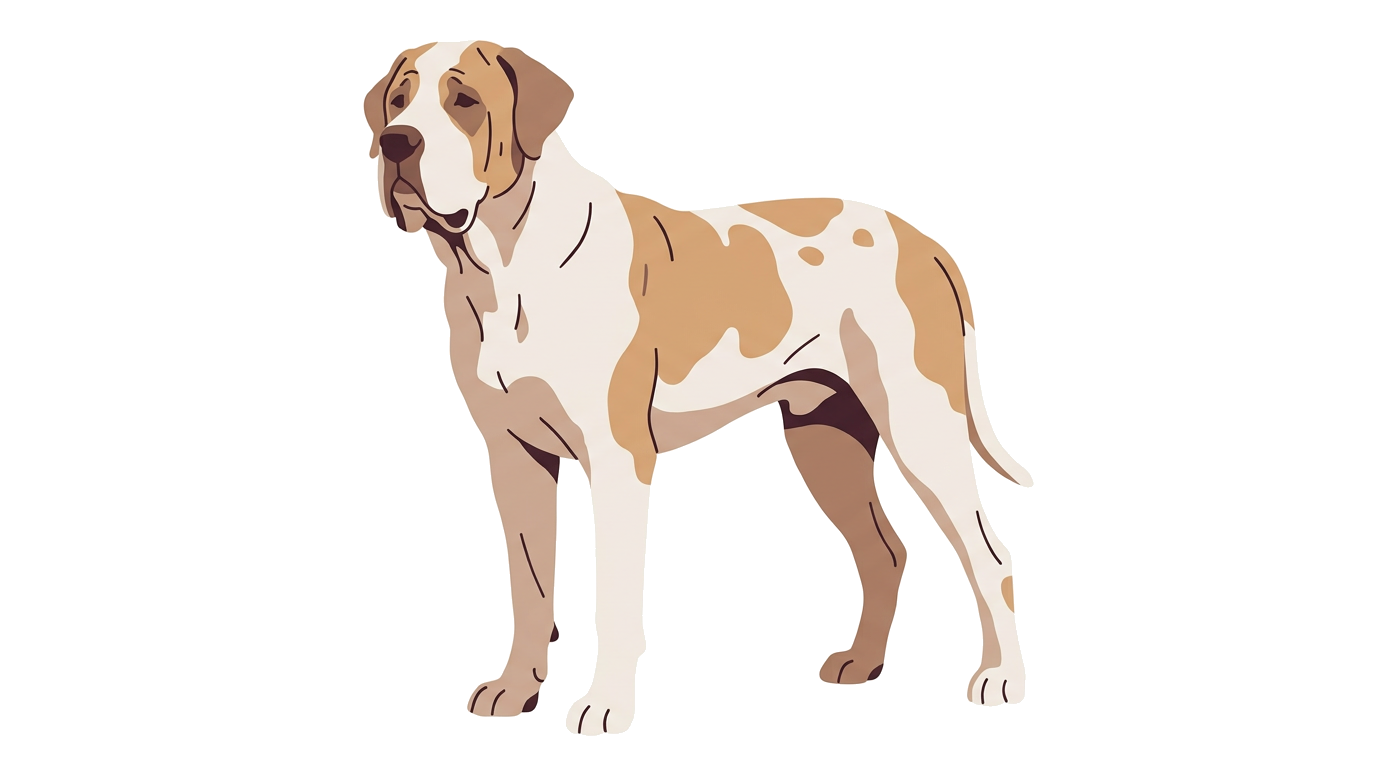
The Bully Kutta, often referred to as the Pakistani Mastiff, is a massive, heavy-boned guardian breed native to the Punjab region spanning modern Pakistan and northern India. Renowned for its imposing height, muscular frame, and characteristic loose dewlap around the neck, the breed has historically served pastoralists and large rural estates as a formidable sentry against predators and trespassers.
At a glance
Quick facts
Size
Giant
Exercise needs
Moderate
Home size suited to
Substantial rural property
Grooming frequency
Low
Coat length
Short
Sheds
Moderate
Lifespan
8–10 years
Town or country
Rural
Garden size needed
Large, securely fenced acreage
Where it comes from
Origins of the Bully Kutta
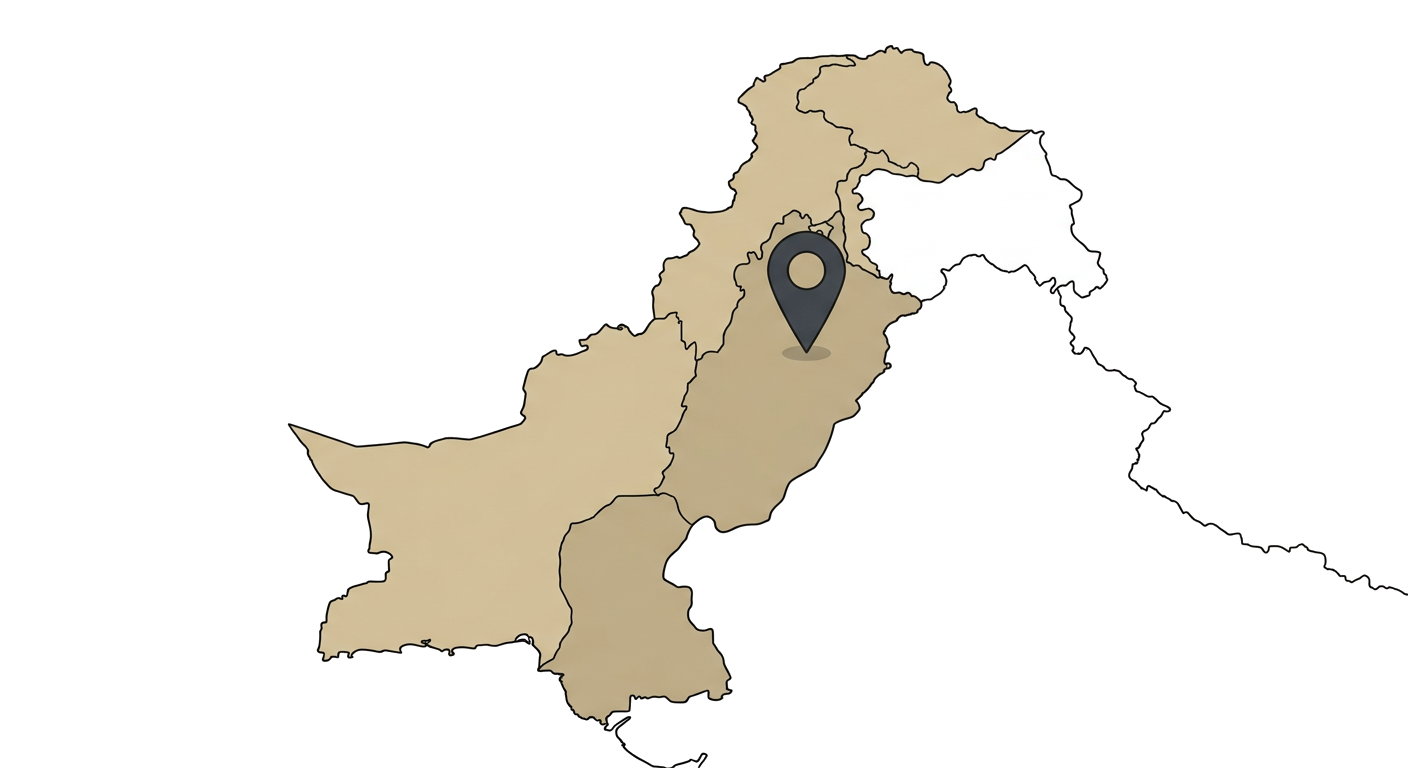
Developed across the Punjab region of the Indian subcontinent as an estate guardian and catch dog.
- Region
- Punjab, Pakistan and northern India
- Climate it was bred for
- Subtropical arid to semi-arid plains
- Original job
- Estate guarding, big-game hunting, and livestock protection
The long read
About the breed
Written genealogical records for the breed are sparse, as breeding has historically been guided by functional utility rather than formal kennel club registration. While valued for perimeter defence and big-game hunting, certain strains were historically channelled into organised dog fighting. Although animal fighting is now strictly illegal in most countries and condemned for its severe cruelty, the clandestine practice has unfortunately left a mark on historical bloodlines and regional breeding priorities.
Unrecognised by major Western registries such as The Kennel Club (UK) or the American Kennel Club, the Bully Kutta remains predominantly a regional working mastiff. Owing to its immense physical power, pronounced territorial instincts, and dominant disposition, the breed is generally unsuitable for urban environments or novice owners, requiring rigorous early socialisation and highly experienced handling.
Illustrated breed standard
The points of the breed
Hover or tap a numbered point to read what the standard asks for.
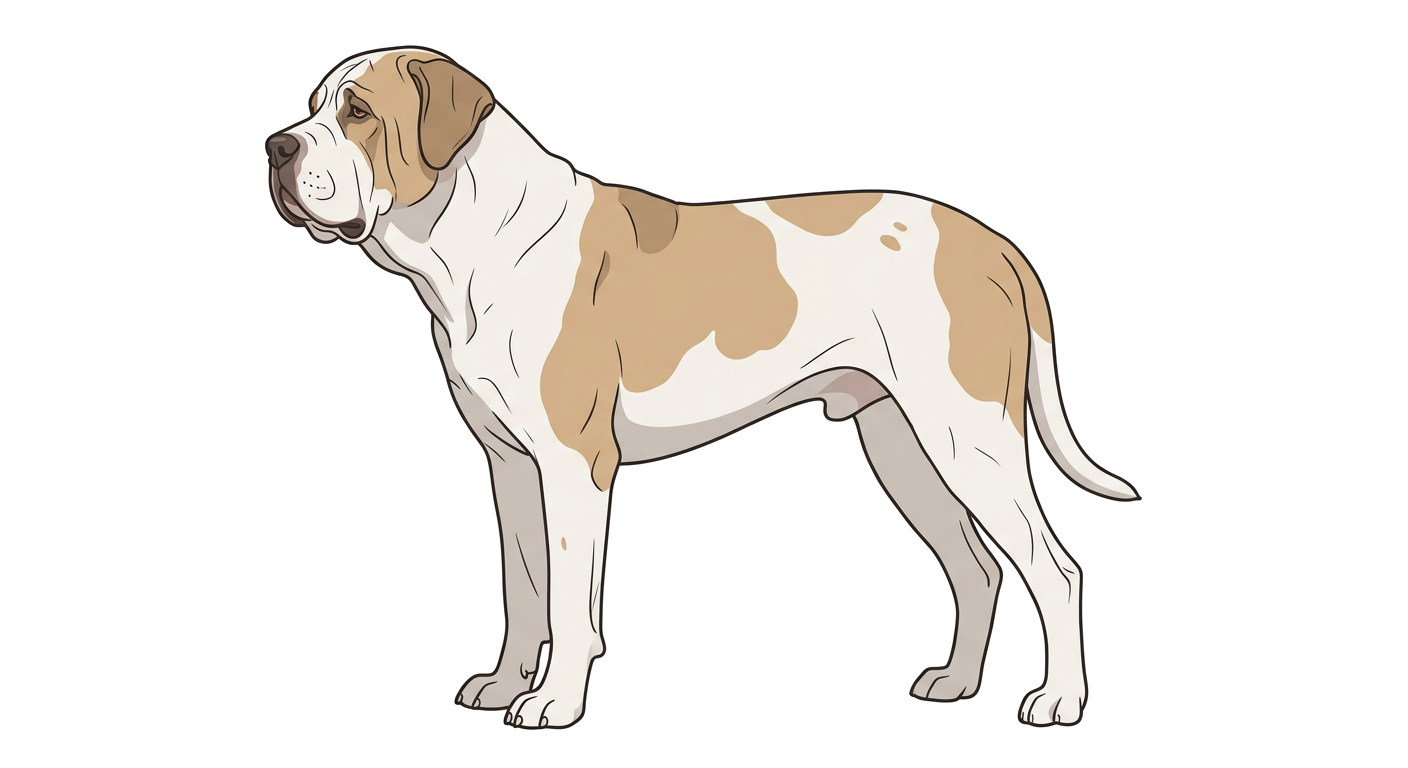
Point 1
Skull
The Bully Kutta's skull is judged on balance rather than size — proportionate to the body, with a clean cheek and a stop typical of the breed. Coarseness or an over-refined head are both faulted.
Colours & patterns
Recognised coats
Which coats the standard accepts — and which are simply popular.
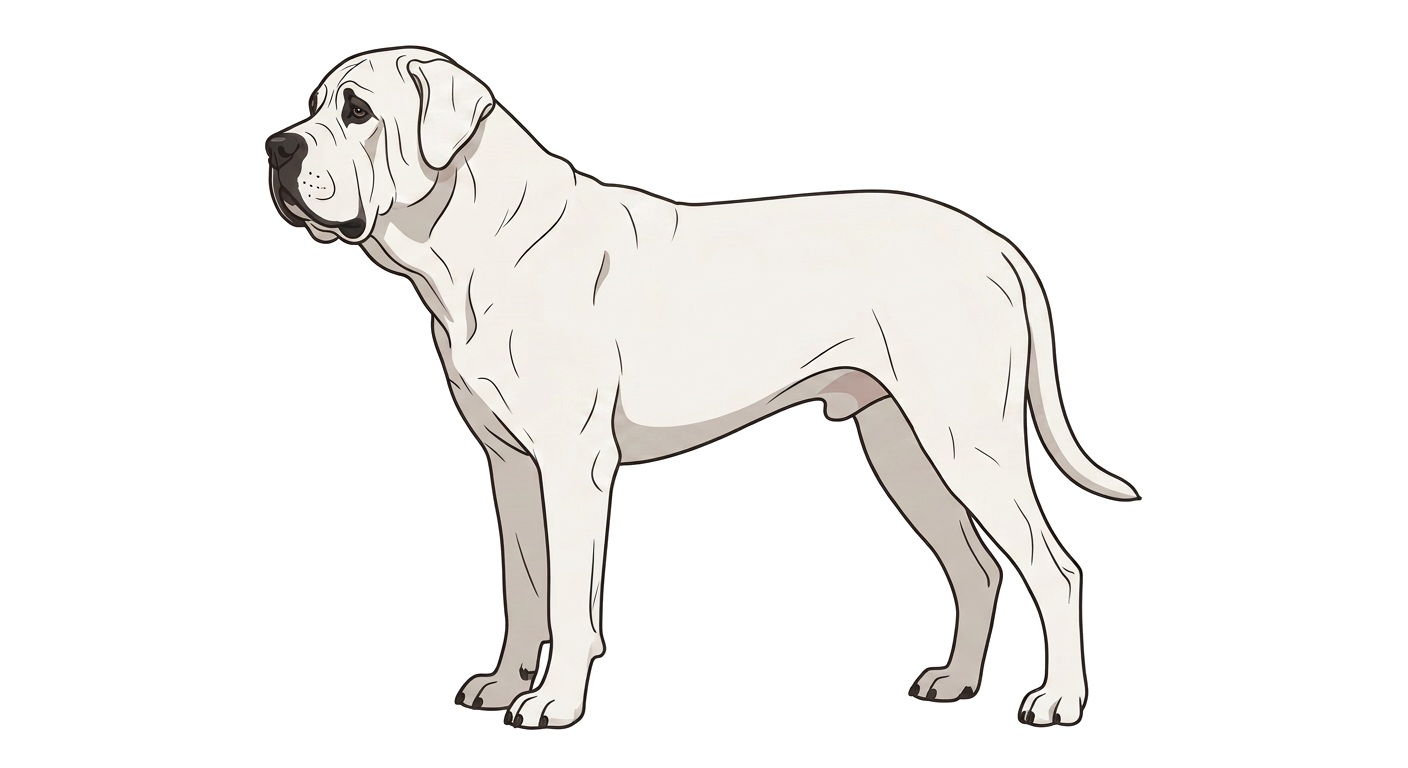
White
Standard colour
The most common and historically preferred colour, often with black skin pigmentation.
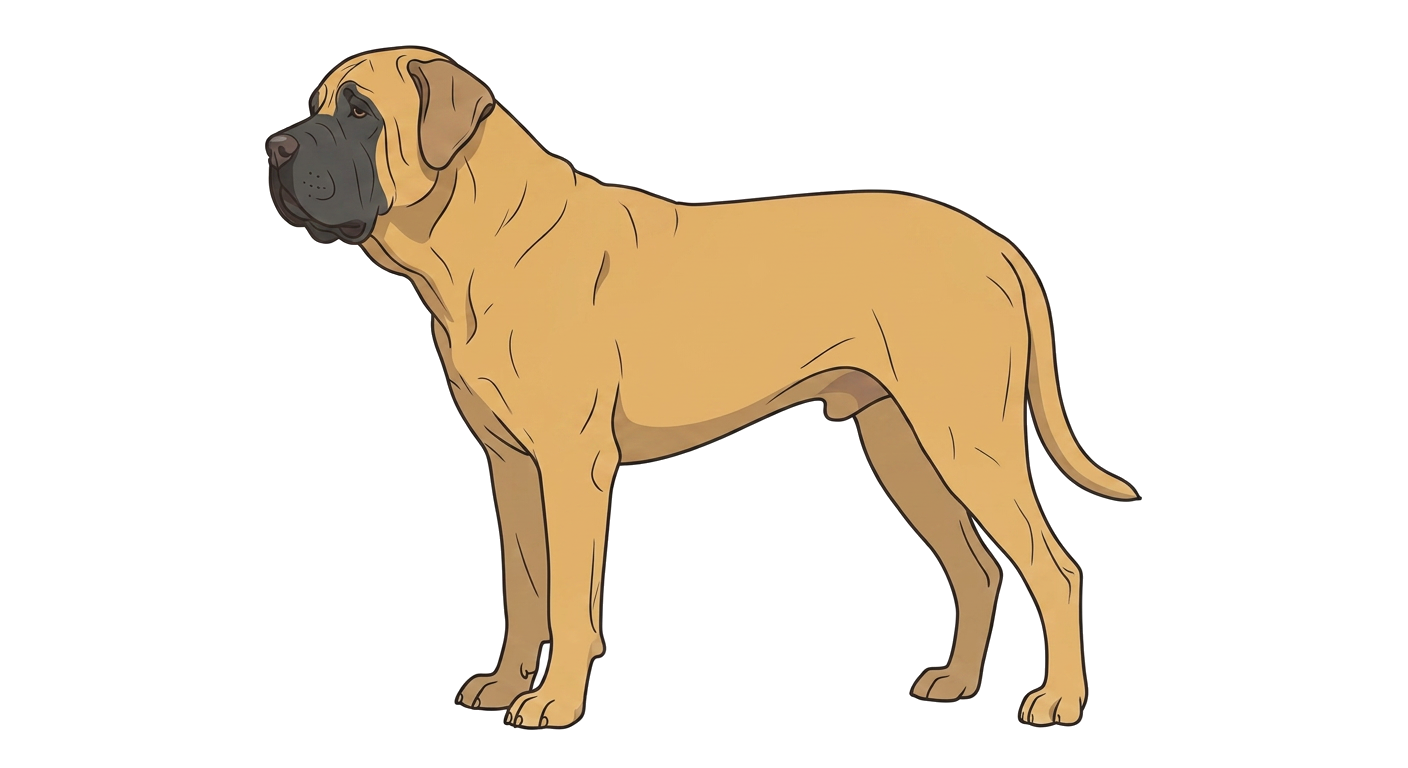
Fawn
Standard colour
Ranging from light sand to rich golden fawn, often accompanied by a dark mask.
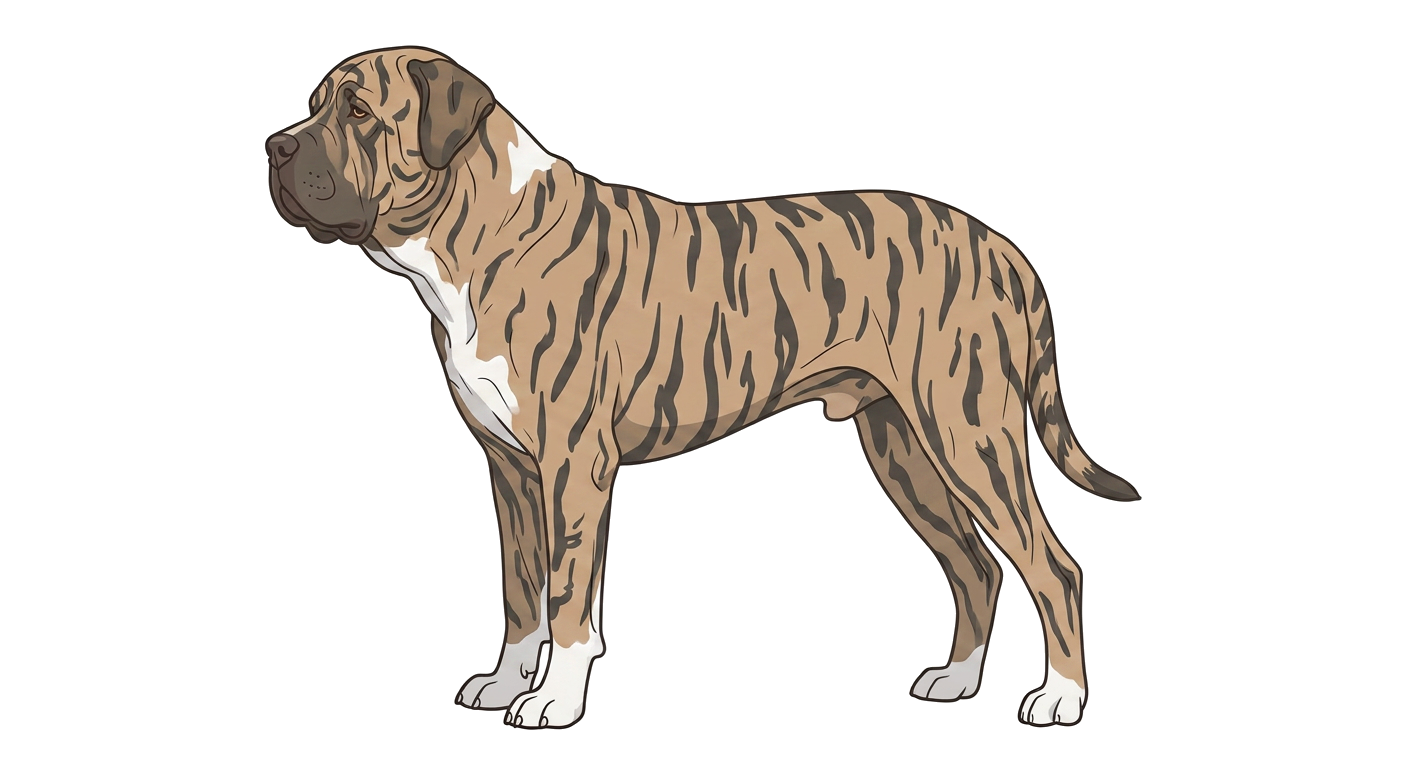
Brindle
Standard colour
Dark stripes over a lighter base, occasionally with white markings on the chest and feet.
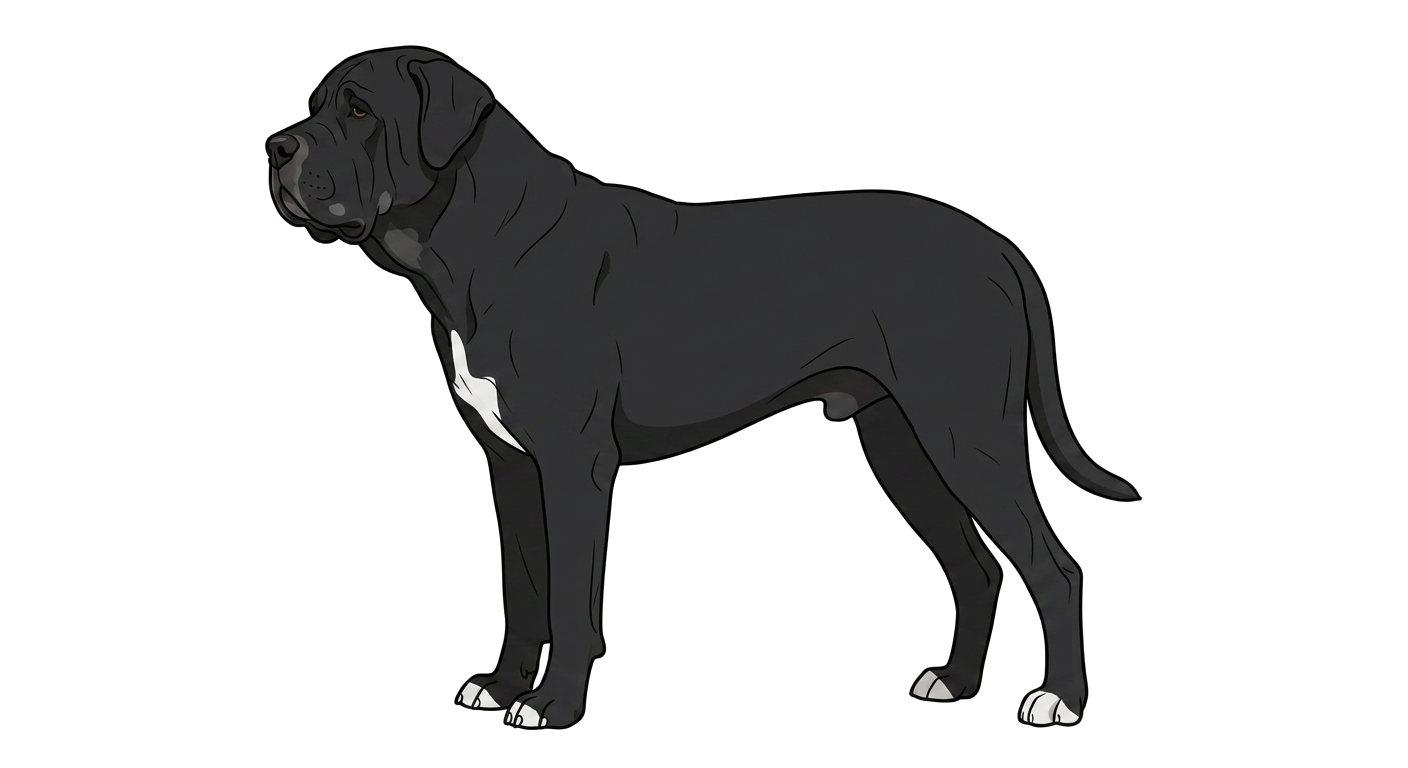
Black
Standard colour
Solid black or black with limited white markings, less common than lighter shades.
Timeline
History & development
c. 1500–1700
Mughal Era Origins
Landrace mastiffs in the Punjab were utilised by local nobility and landowners for hunting large game, including wild boar, and guarding sprawling rural compounds.
1800s
Colonial-Era Crosses
During British rule in the subcontinent, native mastiffs were reportedly crossed with imported European breeds, such as the English Mastiff and Bull Terrier, shaping the modern working phenotype.
1947
Post-Partition Stratification
Following the partition of India and Pakistan, breeding became heavily concentrated in rural areas of Pakistani Punjab and Sindh, where distinct local types were maintained by dedicated enthusiasts.
2000s–Present
Modern Breed Management
While regional bodies have made attempts to standardise the breed, ongoing welfare concerns surrounding illicit blood sports have led to increased scrutiny and calls for responsible breed conservation.
Reference
Breed standard summary
- body
- Muscular and deep-chested with well-sprung ribs, a broad and level topline, strong loins, and a moderate tuck-up.
- coat
- Short, smooth, and dense, lying flat against thick, resilient skin.
- ears
- Medium-sized, triangular, set high and hanging flat against the cheeks, though traditionally cropped in working regions.
- eyes
- Medium-sized, almond-shaped, set moderately wide apart, typically dark brown or amber, conveying a vigilant and resolute expression.
- gait
- Measured, powerful, and effortless, showing substantial drive from the hindquarters and good reach.
- head
- Broad, heavy, and flat across the skull, with a moderate stop and slight wrinkling over the forehead when alert.
- size
- Height ranges from 75 to 86 cm (30 to 34 in); weight typically spans 60 to 85 kg (132 to 187 lb), with some males exceeding this.
- tail
- Thick at the base, tapering towards the hock, carried low in repose and raised in a gentle curve when moving or aroused.
- colour
- Predominantly white, though fawn, brindle, black, red, and piebald variations are recognised across working standards.
- muzzle
- Deep, broad, and blunt, roughly equal in length to the skull, with thick, loose upper lips and strong jaws meeting in a scissor or level bite.
- temperament
- Fearless, alert, and fiercely protective; aloof or suspicious with strangers, requiring calm, confident, and structured management.
- general appearance
- A massive, powerful, and imposing mastiff of great height, possessing substantial bone, a deep chest, and characteristic loose skin around the neck and throat.
Health
What to screen for
Green means little to worry about, amber means ask the breeder for test results, red means manage it actively.
Gastric Dilatation-Volvulus (Bloat)
Screen for it
Deep thoracic conformation significantly elevates the risk of acute, life-threatening stomach torsion.
Hip and Elbow Dysplasia
Screen for it
Rapid juvenile growth and tremendous adult mass contribute to degenerative joint abnormalities.
Dermatological Disorders
Screen for it
Susceptible to skin-fold infections, allergic dermatitis, and mange, especially in warm climates.
Dilated Cardiomyopathy
Watch closely
Suspected in giant-breed populations, though formal veterinary screening records are scarce.
General information only — always speak to your vet about your own dog.
From real owners
Dogs like this
Bully Kuttas added by PawPoint members through their pet passports. Share yours to appear here.
Loading the wall…
Made for the Bully Kutta
The book, plus prints, hoodies and mugs using our own Bully Kutta illustration — and one everyday accessory that suits any dog.
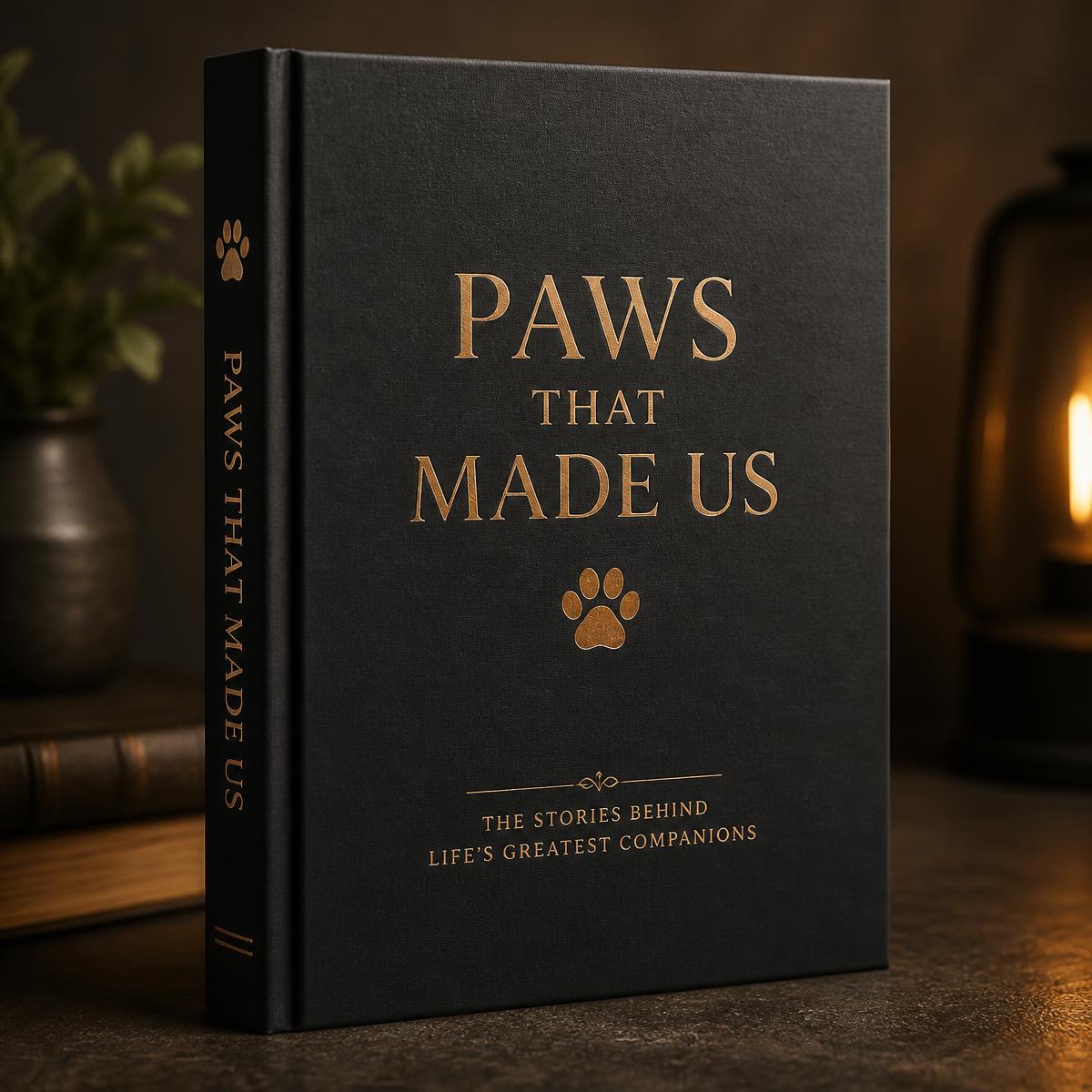
The book
Pawpoint: The Complete Dog Breed Book
Every officially recognised breed plus the unofficial ones nobody else documents. 400+ pages, hardback, printed and shipped from the UK.
Own stock — shipped by us
Framed poster
Bully Kutta Framed Poster
Museum-weight print of our Bully Kutta illustration, framed or unframed.
Printed to order
Hoodie
Bully Kutta Hoodie
Heavyweight hoodie carrying the Bully Kutta illustration on the chest.
Printed to order
Mug
Bully Kutta Mug
Ceramic mug with the Bully Kutta illustration wrapped around it.
Printed to order
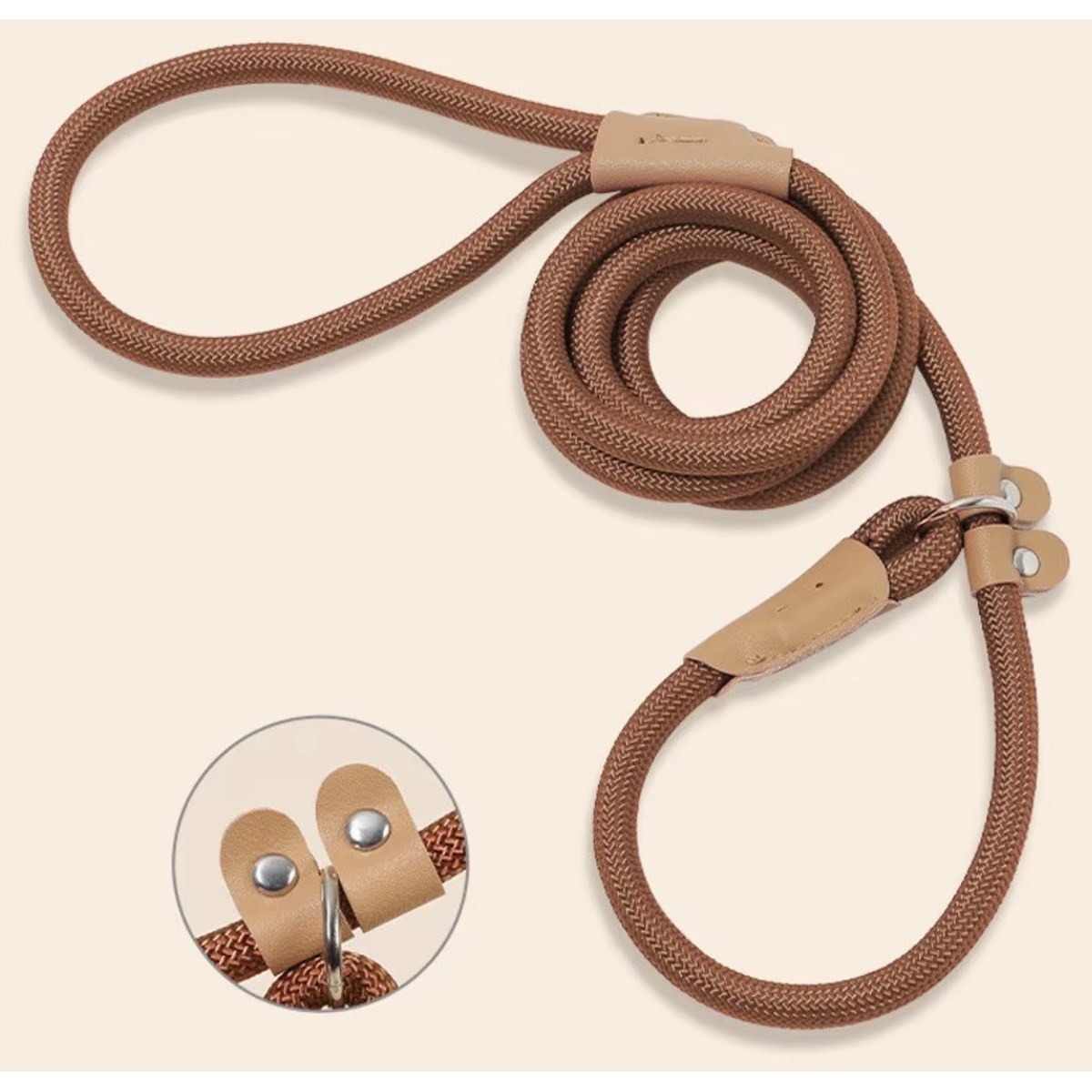
Accessory
Rope Slip Lead
Braided rope lead with a leather stop, 150cm. Good for training walks.
Fits any dog
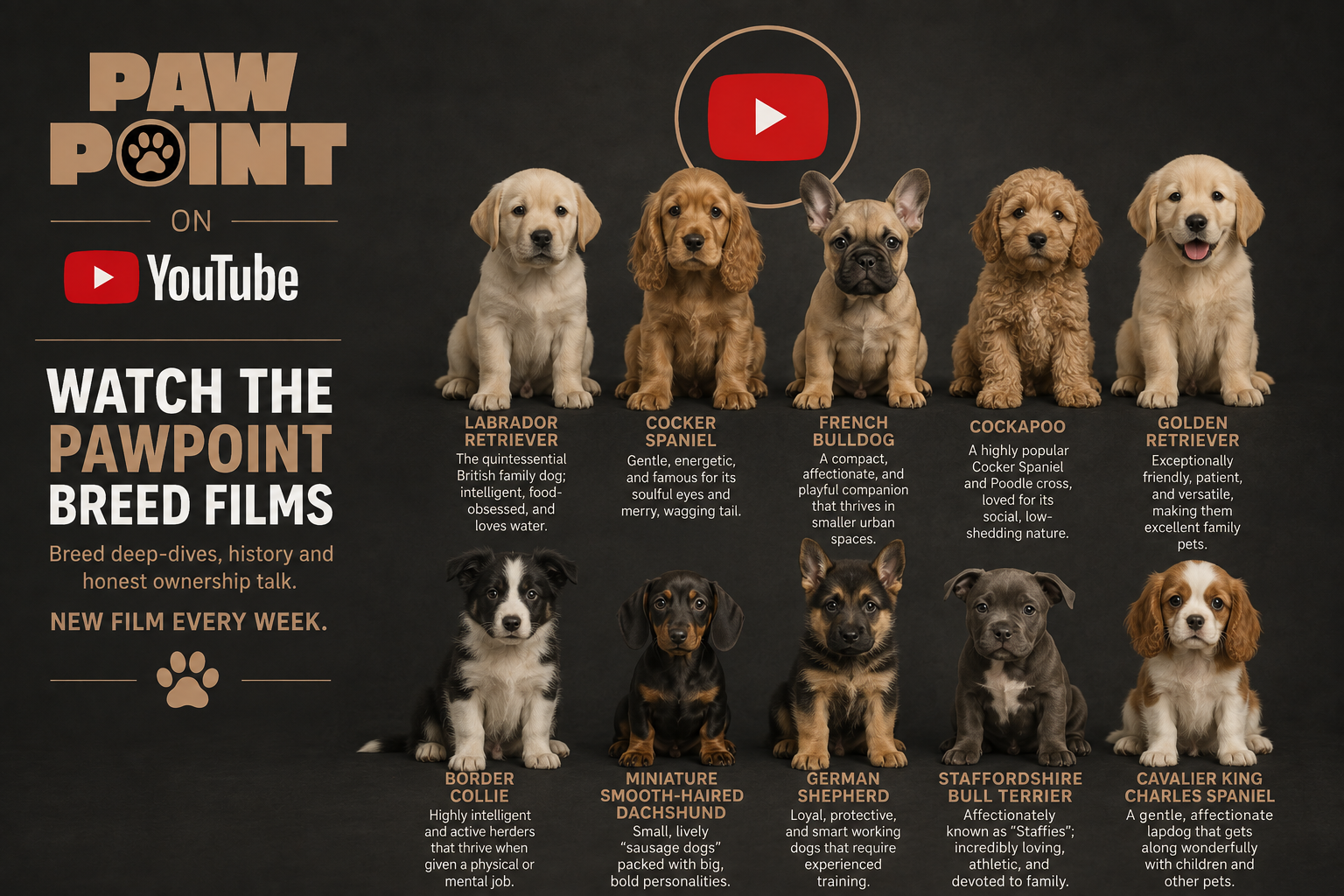
Pawpoint on YouTube
Watch the full Bully Kutta video
Breed deep-dives, history and honest ownership talk. New film every week.
Watch now