
Cairn Terrier
KAIRN TERR-ee-er
Scotland· Isle of Skye and the Scottish Highlands
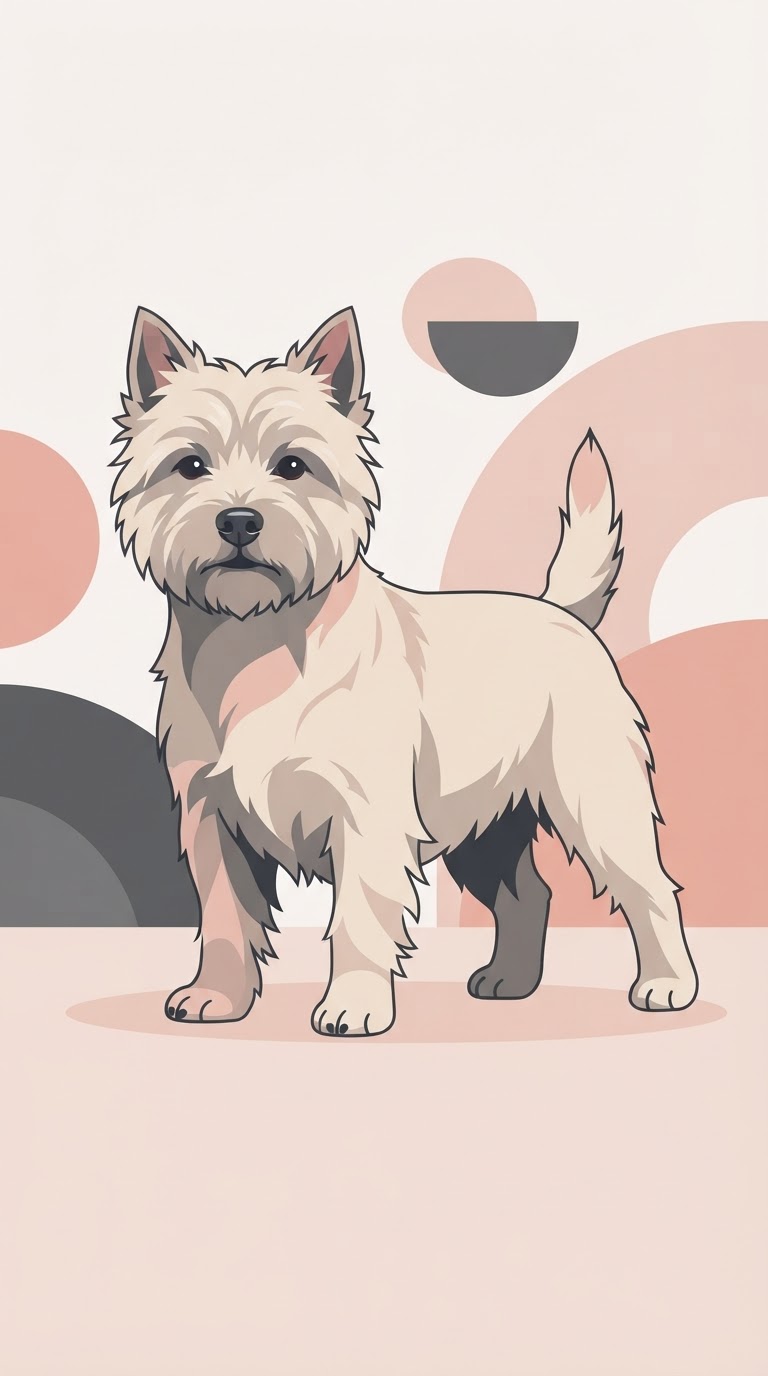
The Cairn Terrier is a small, shaggy working terrier from the Scottish Highlands, bred to bolt foxes and otters from rock piles known as cairns.
At a glance
Quick facts
Size
Small
Exercise needs
45-60 minutes daily plus sniffing time
Home size suited to
Flat or small home
Grooming frequency
Weekly brush, hand-strip a few times a year
Coat length
Wiry
Sheds
Yes, heavily when moulting
Lifespan
13-15 years
Town or country
Either, with enough exercise
Garden size needed
Small garden or none
Where it comes from
Origins of the Cairn Terrier
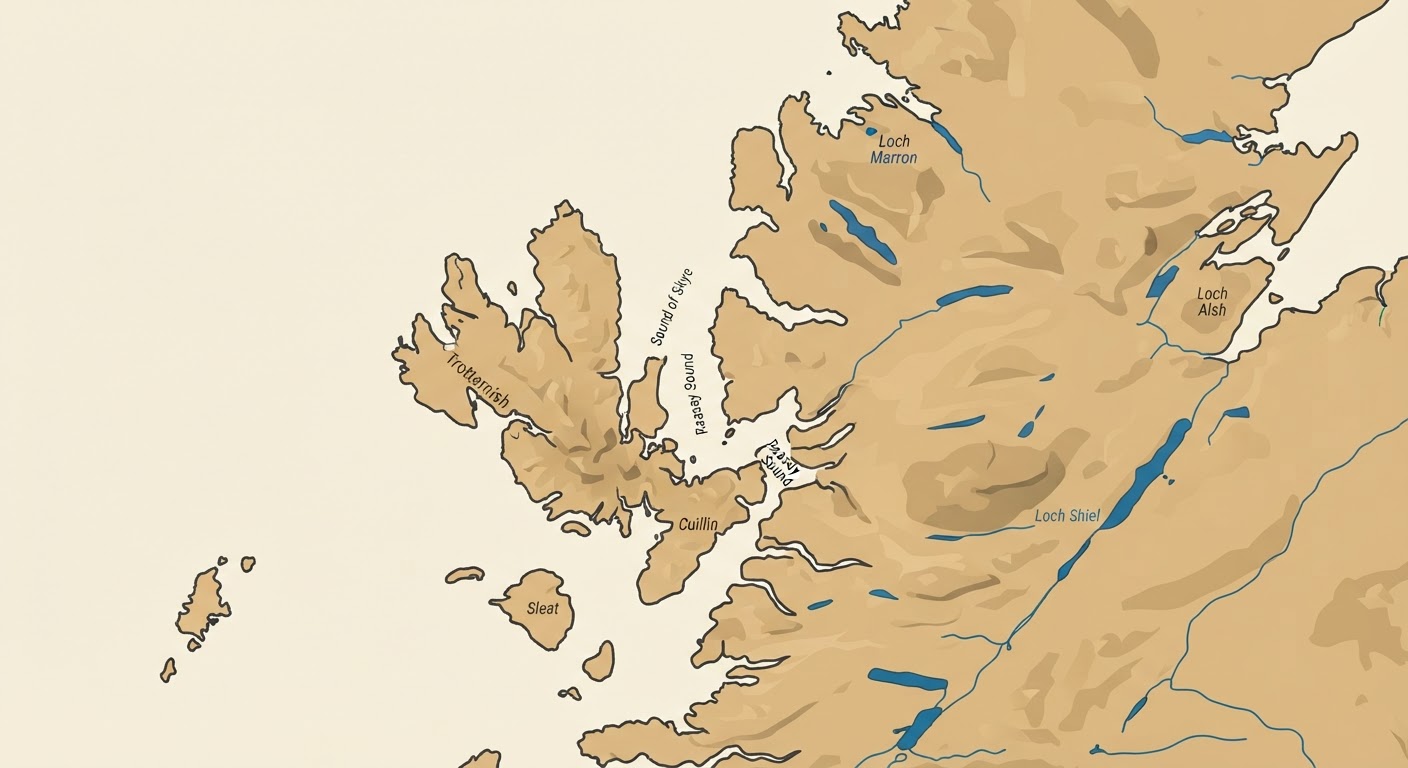
Bred among the stone cairns and scree of the western Highlands, where foxes and otters denned in rock piles that only a small, tough dog could enter. The harsh weatherproof coat and short legs are direct answers to that terrain.
- Region
- Isle of Skye and the Scottish Highlands
- Climate it was bred for
- Cold, wet, rocky Highland terrain
- Original job
- Bolting fox and otter from cairns
The long read
About the breed
It was developed on the Isle of Skye and the western Highlands over several centuries, working alongside crofters who needed a dog small enough to squeeze between boulders yet game enough to face a fox at the end of a dig. It shares ancestry with the West Highland White and Scottish Terrier, and for a long time all three were treated as colour variants of one working type before the Kennel Club split them into separate breeds in 1912.
Living with a Cairn means living with a dog that still thinks like a hunter. It digs, it chases anything that runs, and it will investigate a rustle in the hedge before it answers to its name. It is sturdy and weatherproof, happy on a wet hillside, and generally good-humoured with children and other dogs if it is well socialised early. Training rewards patience and food more readily than firmness; Cairns are intelligent but see little point in obeying an instruction that has no obvious payoff.
Today the Cairn is mostly a companion and occasional earthdog trial competitor rather than a working terrier, though its instincts have not dimmed. Grooming is straightforward hand-stripping or clipping of the harsh double coat every few months. It suits an owner who wants a robust, portable dog with genuine personality and does not mind a bit of mud on the carpet.
Living with one
Temperament & needs
Our own ratings, based on the breed standard and how these dogs behave in ordinary homes.
Friendliness
4/5
How openly the Cairn Terrier greets people it does not know.
Trainability
3/5
Clever but independent; food rewards work best.
Energy
4/5
Needs a proper daily walk plus time to sniff and dig.
Barking
3/5
Will alert bark at strangers and small animals.
Grooming
3/5
Hand-stripping or clipping every few months keeps the coat harsh.
Suits a first-time owner
2/5
How forgiving the Cairn Terrier is for someone taking on their first dog.
Sociability
4/5
Friendly with people when socialised young.
Independence
4/5
Bred to work alone underground, out of sight of a handler.
Illustrated breed standard
The points of the breed
Hover or tap a numbered point to read what the standard asks for.
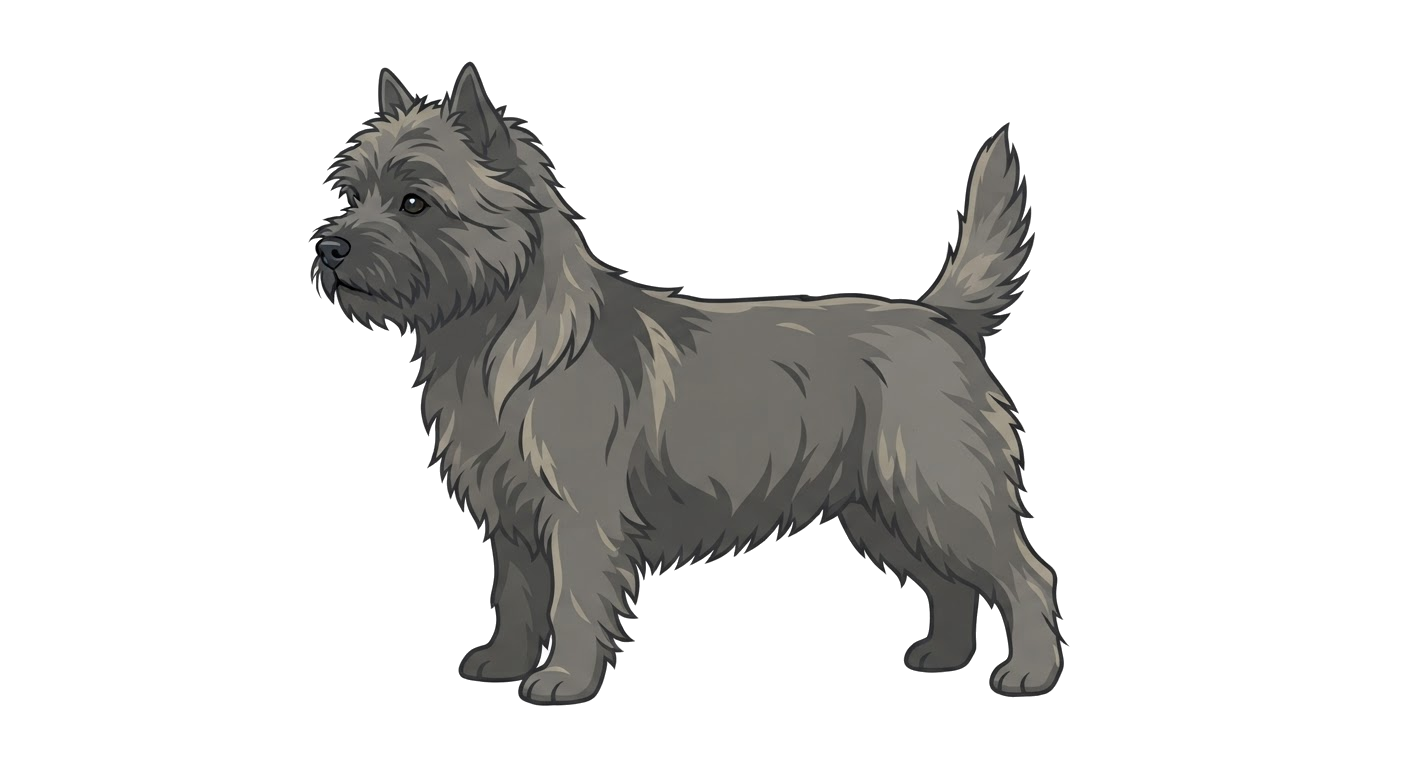
Point 1
Skull
The Cairn Terrier's skull is judged on balance rather than size — proportionate to the body, with a clean cheek and a stop typical of the breed. Coarseness or an over-refined head are both faulted.
Colours & patterns
Recognised coats
Which coats the standard accepts — and which are simply popular.
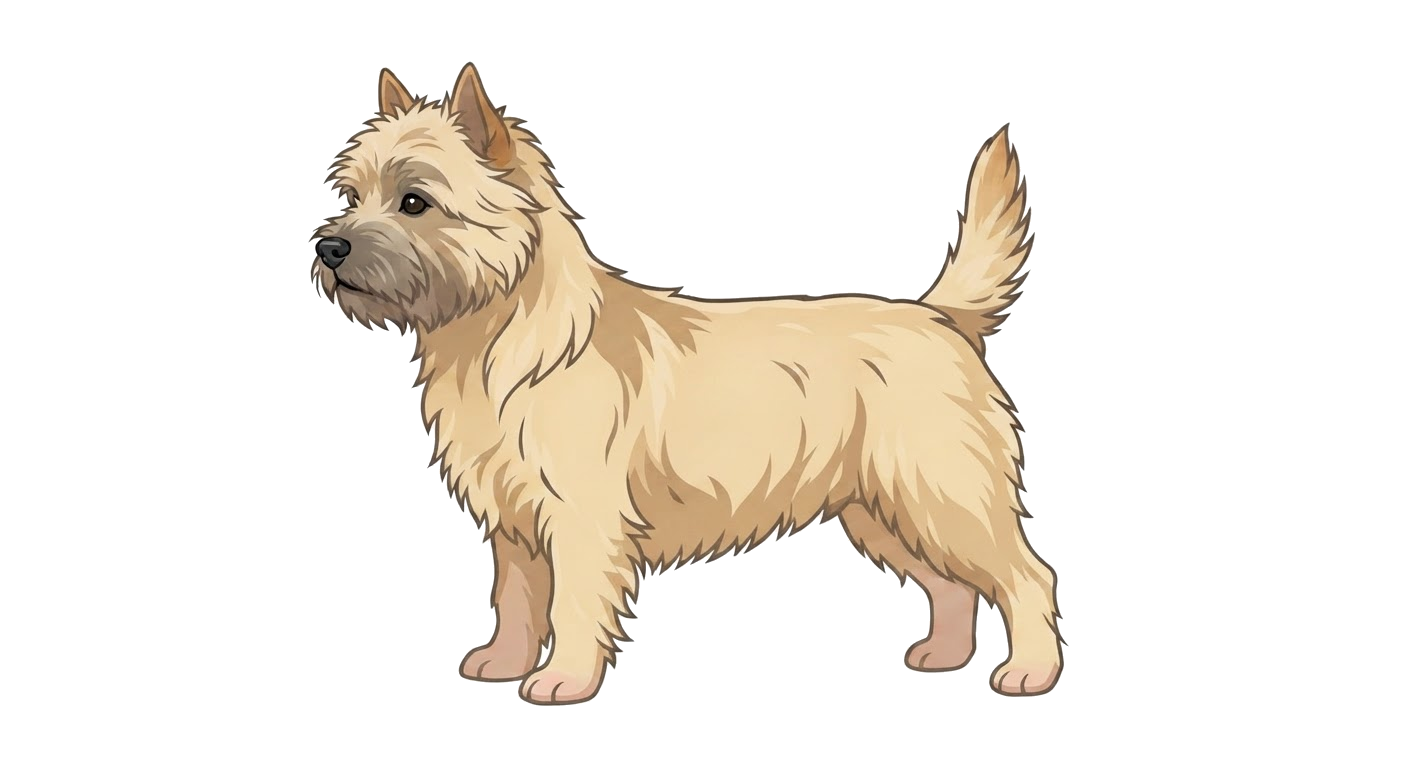
Wheaten
Standard colour
A pale straw colour, one of the most common shades.
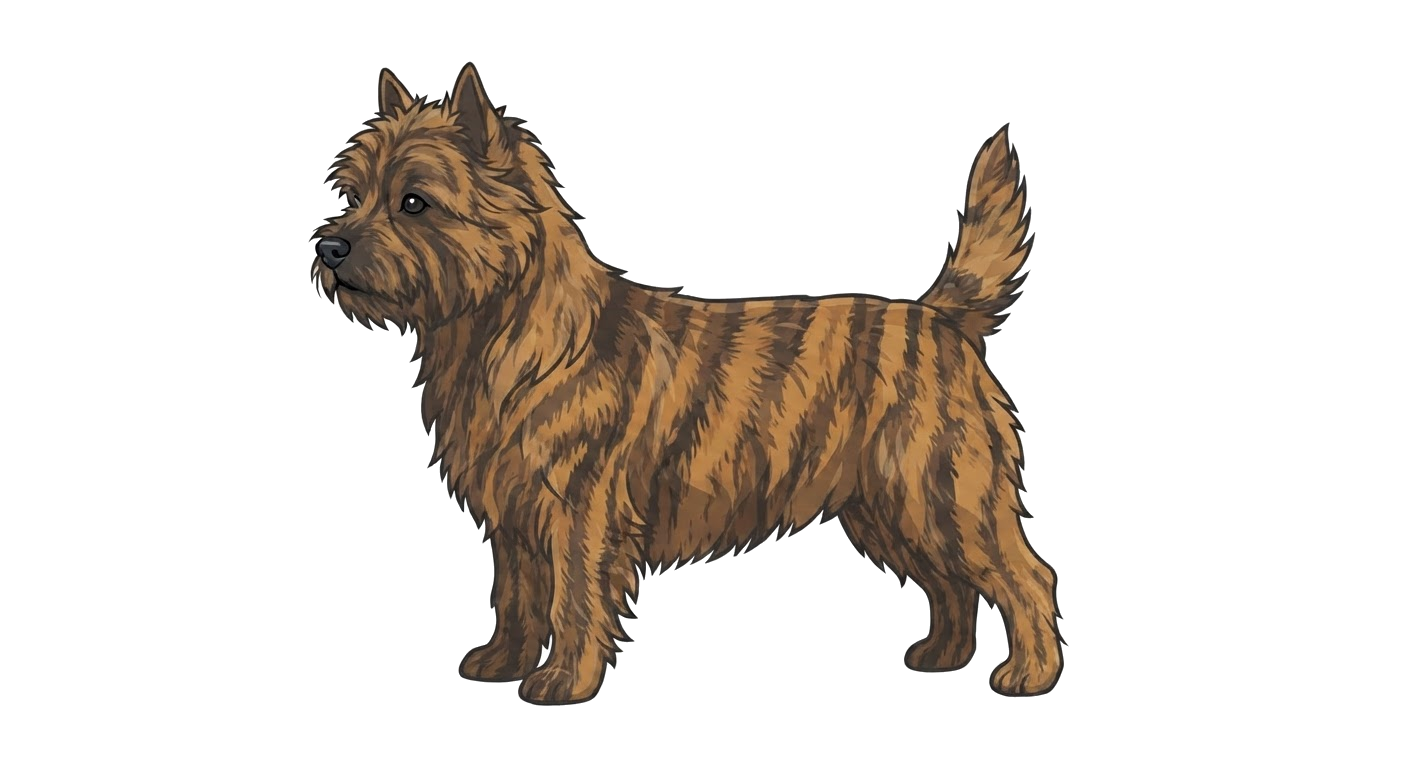
Brindle
Standard colour
Streaked pattern over any base colour, often darkening with age.
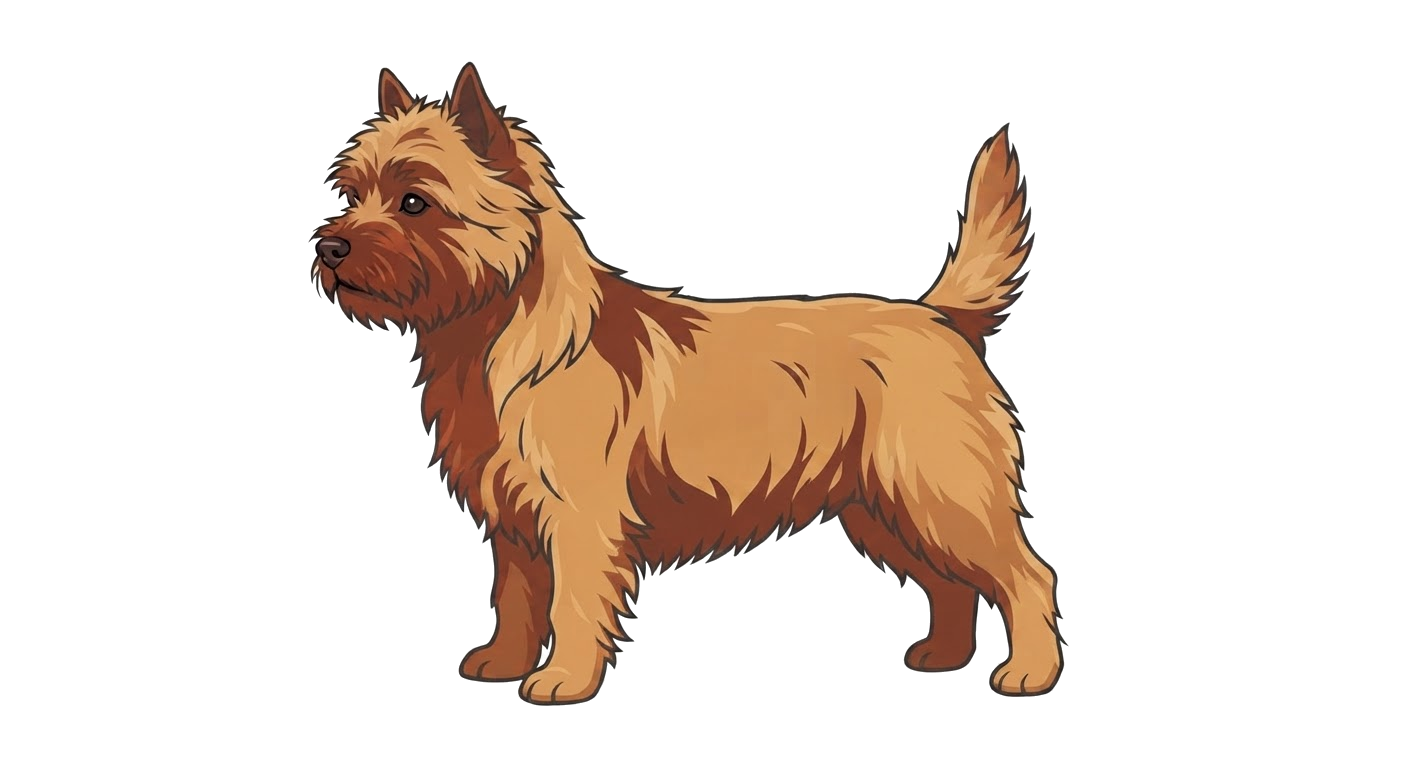
Red
Standard colour
A warm reddish coat, frequently brindled.
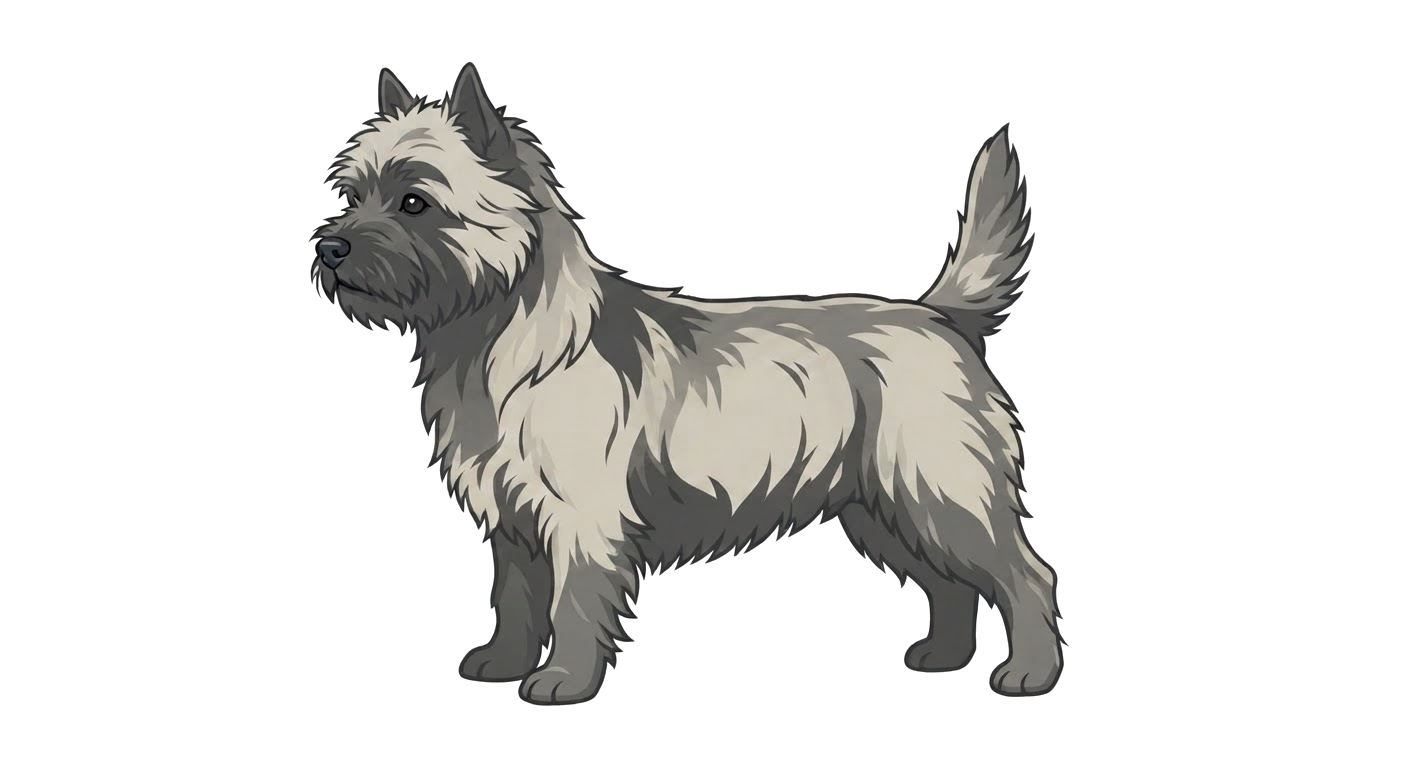
Grey
Standard colour
A cool grey to near-black shade, sometimes called 'cairn dark'.
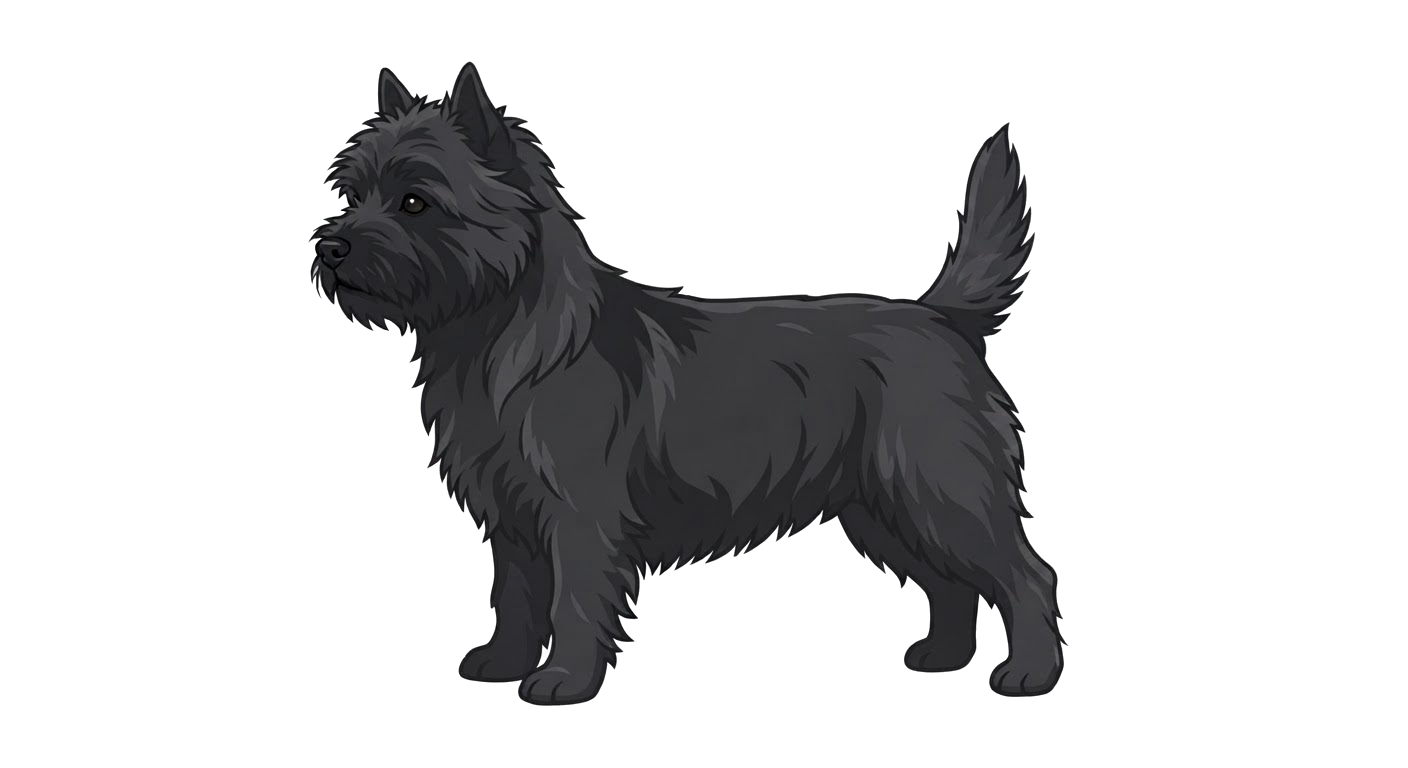
Near black
Standard colour
Solid black is discouraged by some standards but very dark brindles occur.
Timeline
History & development
1600s
Working origins
Small rough-coated terriers were used on Skye and in the western Highlands to hunt fox, otter and vermin among rock cairns.
1873
Early terrier classes
Highland terriers of this general type began to appear at Scottish shows, initially grouped with other short-legged terriers.
1910
Cairn Terrier Club formed
Breed enthusiasts organised to separate the Cairn from the West Highland White and Scottish Terrier.
1912
Kennel Club recognition
The Cairn Terrier was recognised as a distinct breed by the Kennel Club in Britain.
1939
Hollywood fame
A Cairn Terrier named Terry played Toto in The Wizard of Oz, bringing the breed international attention.
1950s onward
The breed today
Kennel club registrations settled into a steady pattern and the Cairn Terrier moved from a working specialist to a family companion, with breed clubs in the UK and abroad now focused on health testing and keeping true type alive.
Reference
Breed standard summary
- body
- Compact, level-backed, well-ribbed with a strong loin.
- coat
- Weatherproof, double, with a harsh outer coat and short soft undercoat.
- ears
- Small, pointed, erect, well carried and free from long hair.
- eyes
- Wide-set, medium size, dark, with shaggy eyebrows.
- gait
- Free-moving with good drive, straight fore and aft.
- head
- Small but wide between the ears, with a strong, well-furnished muzzle.
- size
- Height 28-31cm at the shoulder.
- tail
- Short, well covered in hair, carried gaily but not curled over the back.
- colour
- Wheaten, Brindle, Red, Grey, Near black. Colours outside this list are seen but are not accepted by the kennel clubs.
- temperament
- Typical of the breed: strongest in energy, sociability, independence. Nervousness or aggression are serious faults in the show ring and in the home.
- general appearance
- Small, shaggy, active working terrier of great alertness, standing well forward on its feet.
Health
What to screen for
Green means little to worry about, amber means ask the breeder for test results, red means manage it actively.
Patellar luxation
Screen for it
Ask the breeder for a recent patella check on both parents.
Craniomandibular osteopathy
Watch closely
A juvenile jaw condition seen in the breed; ask about family history.
Globoid cell leukodystrophy (Krabbe disease)
Watch closely
A DNA test exists; only buy from parents tested clear or carrier-aware.
Portosystemic shunt
Watch closely
Ask whether the litter has been screened via bile acid testing.
General information only — always speak to your vet about your own dog.
From real owners
Dogs like this
Cairn Terriers added by PawPoint members through their pet passports. Share yours to appear here.
Loading the wall…
Made for the Cairn Terrier
The book, plus prints, hoodies and mugs using our own Cairn Terrier illustration — and one everyday accessory that suits any dog.

The book
Pawpoint: The Complete Dog Breed Book
Every officially recognised breed plus the unofficial ones nobody else documents. 400+ pages, hardback, printed and shipped from the UK.
Own stock — shipped by us
Framed poster
Cairn Terrier Framed Poster
Museum-weight print of our Cairn Terrier illustration, framed or unframed.
Printed to order
Hoodie
Cairn Terrier Hoodie
Heavyweight hoodie carrying the Cairn Terrier illustration on the chest.
Printed to order
Mug
Cairn Terrier Mug
Ceramic mug with the Cairn Terrier illustration wrapped around it.
Printed to order
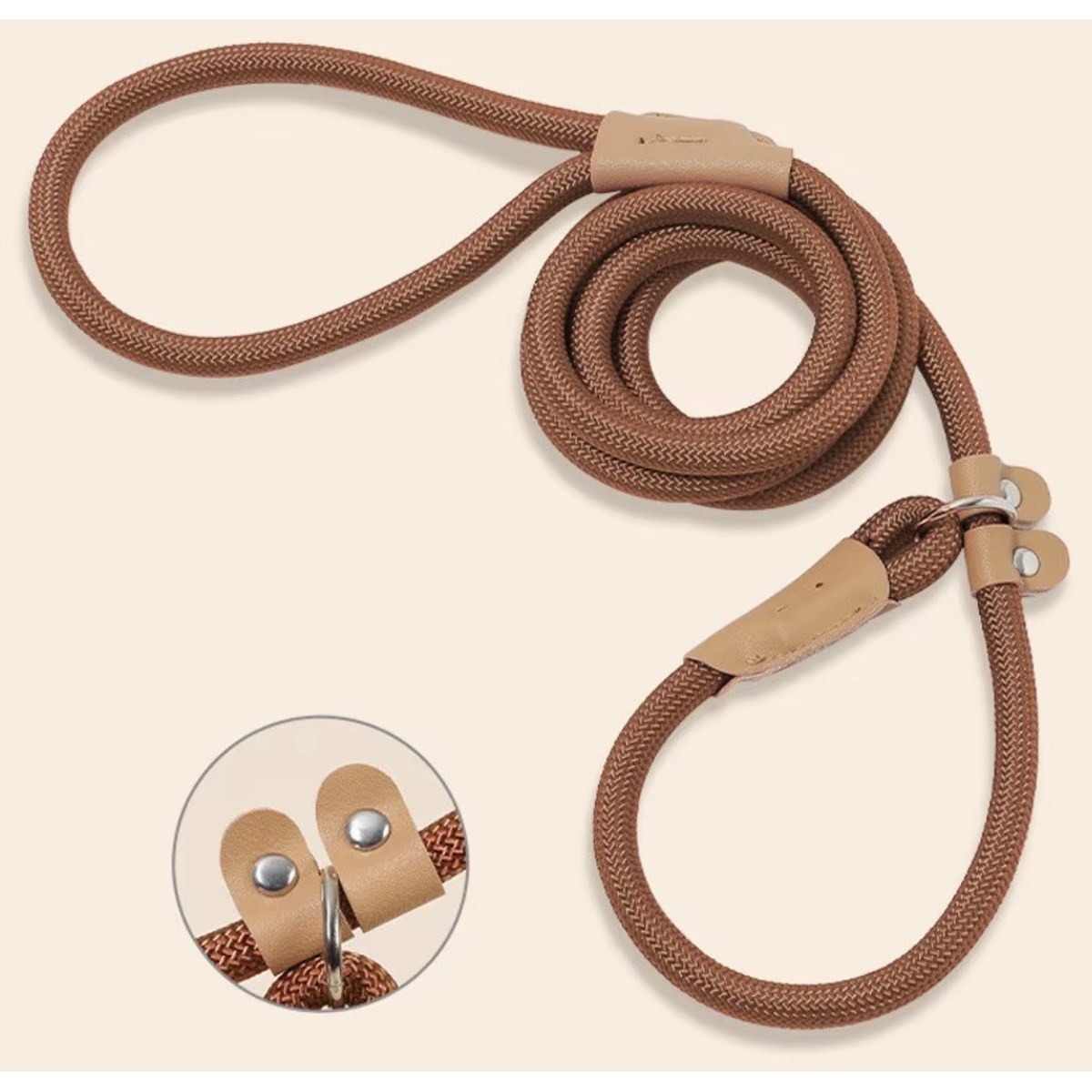
Accessory
Rope Slip Lead
Braided rope lead with a leather stop, 150cm. Good for training walks.
Fits any dog
Pawpoint on YouTube
Watch the full Cairn Terrier video
Breed deep-dives, history and honest ownership talk. New film every week.
Watch now