Canis Panther
KAY-niss PAN-ther
United States· United States, private designer-breeding programmes
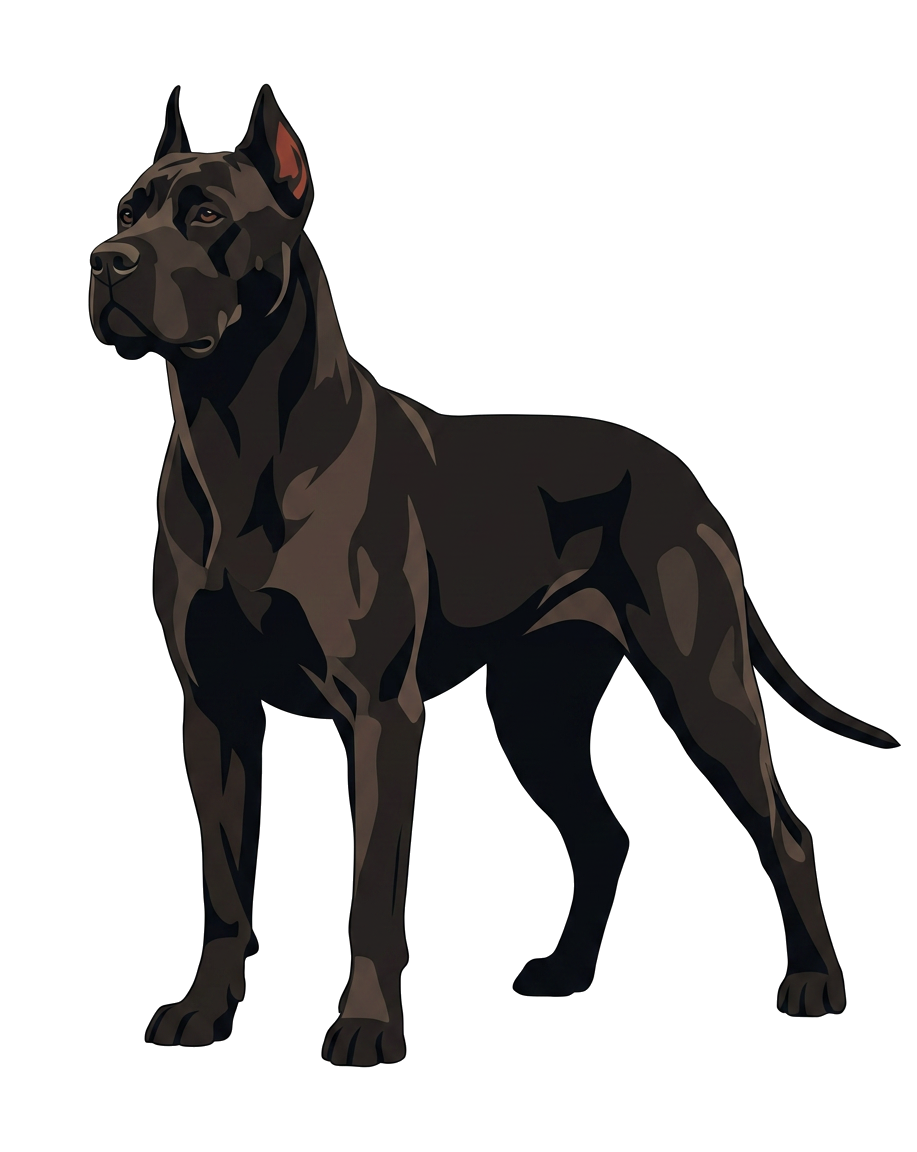
The Canis Panther is a modern designer breed developed in the United States by crossing large mastiff-type dogs — typically the Neapolitan Mastiff, Cane Corso and American Bulldog, and in some lines the Doberman or Labrador. The stated goal was a large, athletic, predominantly black-coated dog resembling a panther in silhouette.
At a glance
Quick facts
Size
Giant
Exercise needs
60-90 minutes daily
Home size suited to
Large home with space
Grooming frequency
Weekly brush
Coat length
Short
Sheds
Yes
Lifespan
9-12 years
Town or country
Better suited to the country
Garden size needed
Large and securely fenced
Where it comes from
Origins of the Canis Panther
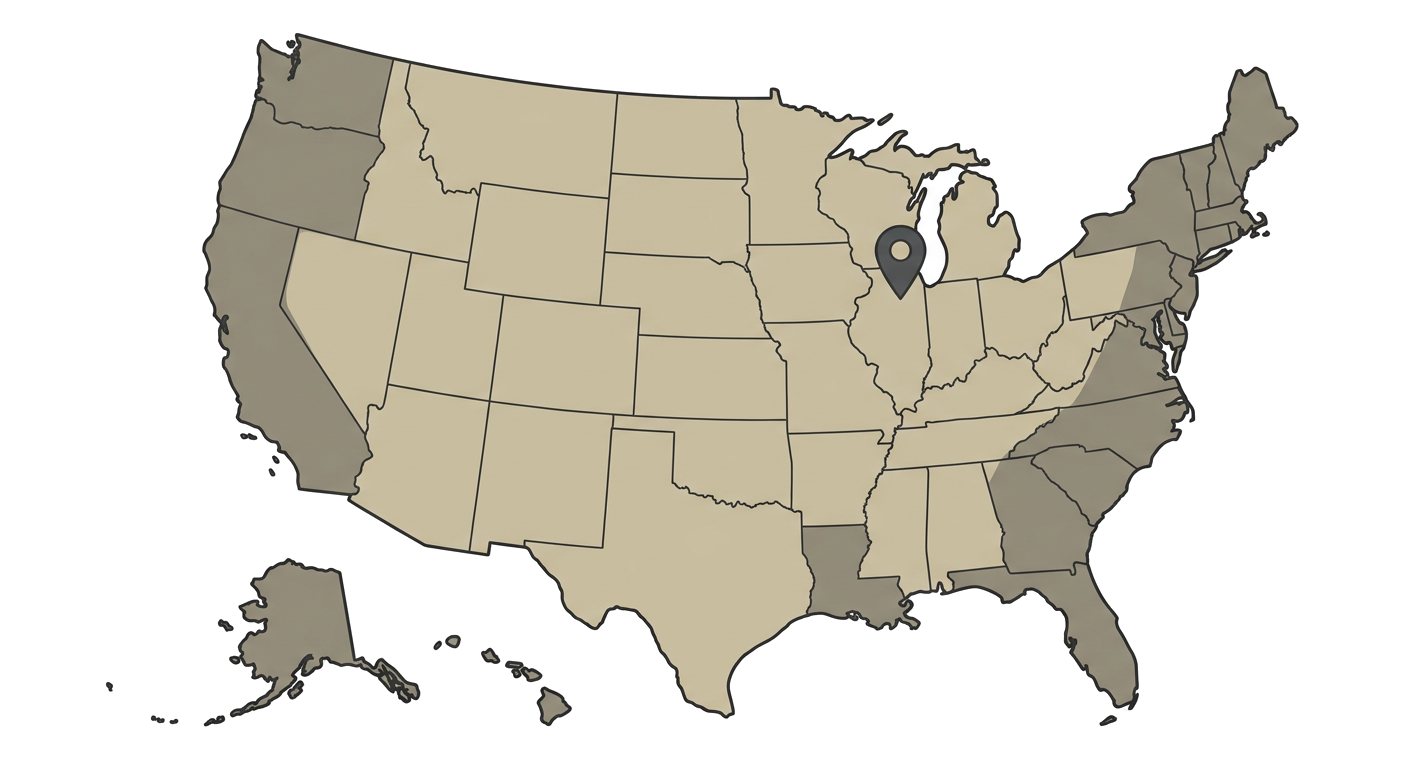
The Canis Panther was created in the United States by crossing large mastiff-type breeds with the explicit aim of producing a tall, athletic, solid black dog with a panther-like silhouette.
- Region
- United States, private designer-breeding programmes
- Climate it was bred for
- Varied US settings
- Original job
- Guarding, protection work, striking companion
The long read
About the breed
Lines vary. Some are heavily muscled and mastiff-headed with cropped ears and a low, powerful frame; others are leaner and closer to Great Dane proportions, tall and rangy with natural ears. Both are sold under the same name, so what a puppy will grow into depends entirely on the breeder's stock.
It is not recognised by any major kennel club and there is no unified standard, register or health scheme behind it. Size, temperament and soundness therefore vary significantly, and the mastiff and guardian ancestry means this is a serious dog for experienced owners rather than a first dog.
Illustrated breed standard
The points of the breed
Hover or tap a numbered point to read what the standard asks for.
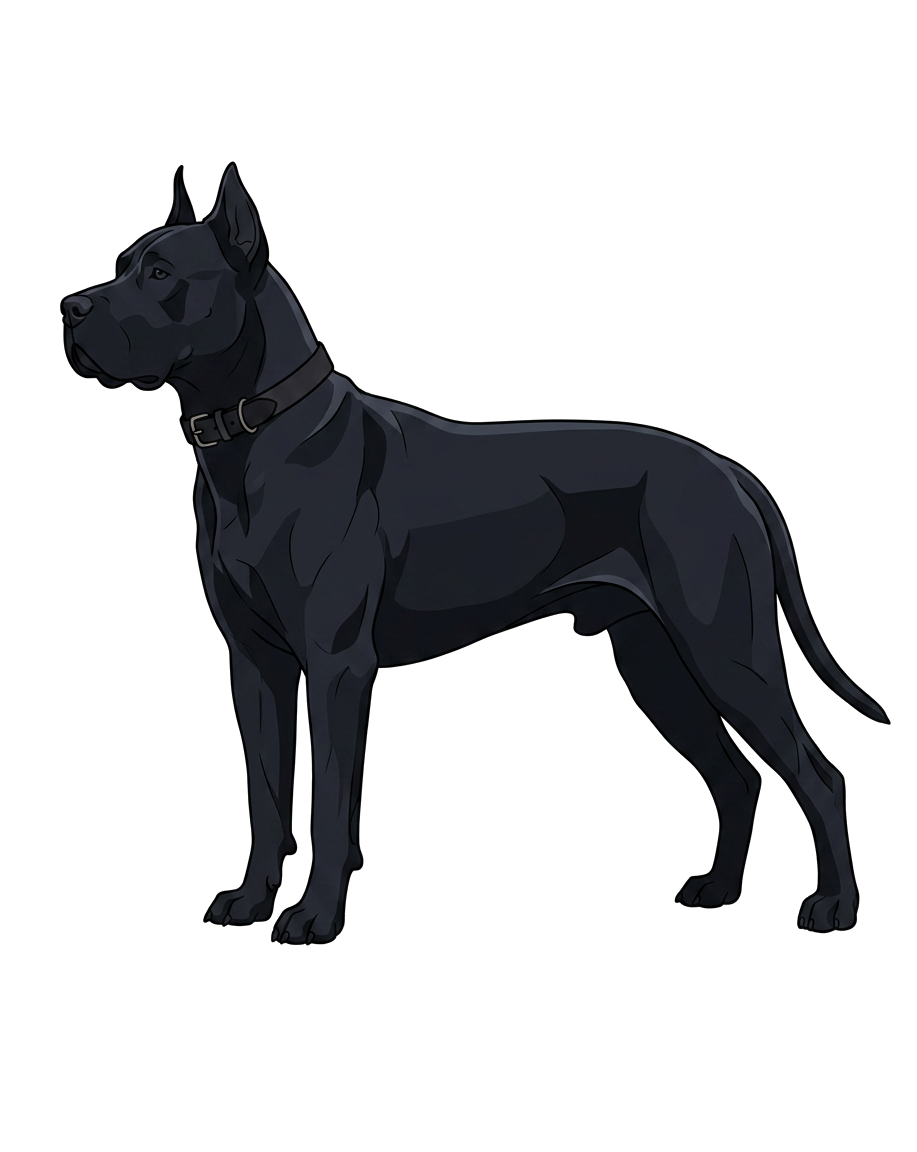
Point 1
Skull
The American Bully (XL)'s skull is judged on balance rather than size — proportionate to the body, with a clean cheek and a stop typical of the breed. Coarseness or an over-refined head are both faulted.
Colours & patterns
Recognised coats
Which coats the standard accepts — and which are simply popular.
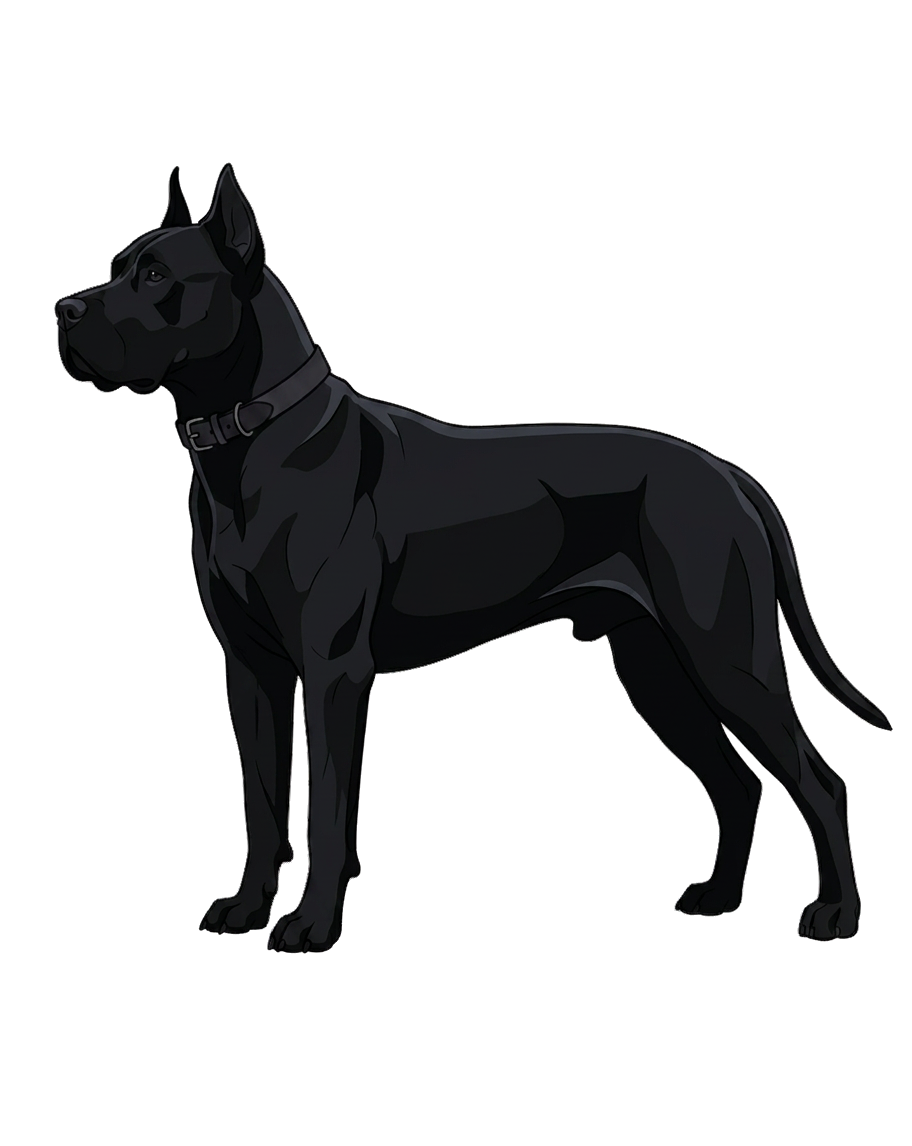
Black
Standard colour
The breed's signature look — a solid, glossy jet-black coat with no markings.
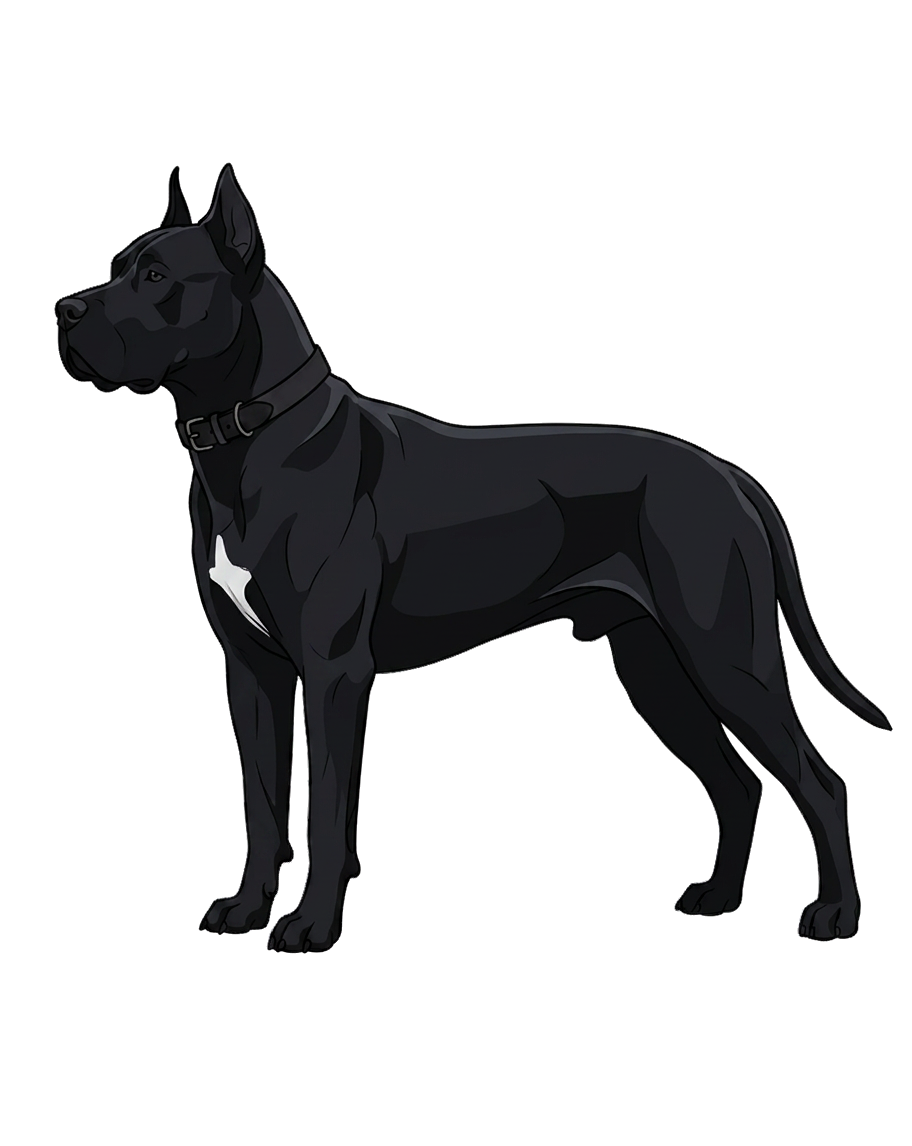
Black with white chest
Standard colour
Solid black with a small white chest marking, common in the leaner Dane-type lines.
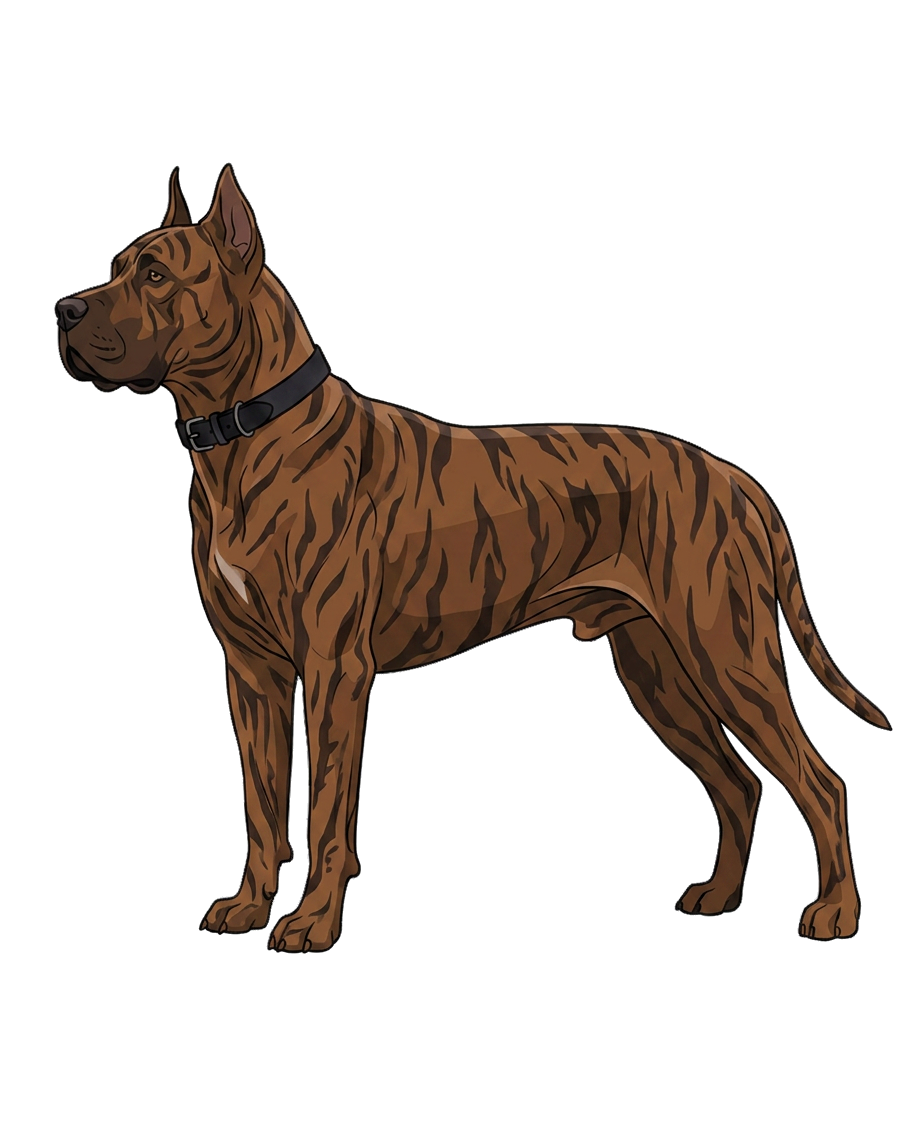
Brindle
Standard colour
Dark striping over a brown base, inherited from the Cane Corso and Bulldog ancestry.
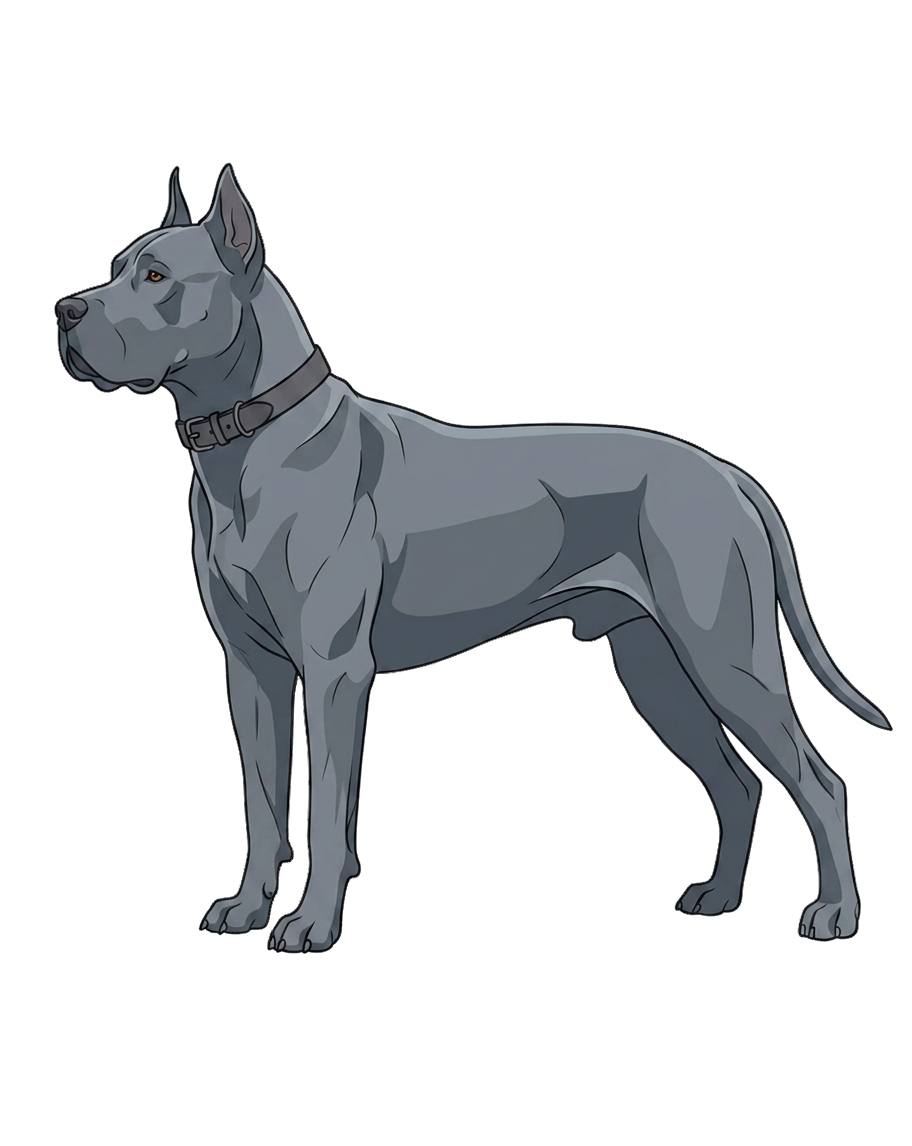
Blue
Standard colour
A dilute grey-blue coat seen in some lines; not the intended breed look.
Timeline
History & development
1970s-1980s
Breed conceived
American breeders begin crossing large mastiff-type dogs with the goal of a black, panther-like guardian.
1990s
Type spreads
The name is adopted by a small network of private breeders, with no central register.
2000s
Two visible types
Heavily built mastiff-type and leaner Dane-proportioned lines both circulate under the same breed name.
Reference
Breed standard summary
- body
- Deep chest, well-muscled loin, level topline, moderately tucked underline
- coat
- Short, close and glossy
- ears
- Naturally drop or semi-erect; cropping is common in the breed community but not required
- eyes
- Dark, medium sized, alert
- gait
- Long, easy and powerful with a distinctly cat-like carriage
- head
- Broad mastiff-influenced skull with a moderate stop; heavier in the mastiff lines, cleaner in the Dane-type lines
- size
- Giant, 61-76 cm at the shoulder
- tail
- Long, thick at the base, tapering; often carried low
- colour
- Predominantly solid black; some lines show brindle or other mastiff-influenced colouring
- muzzle
- Deep and square with strong jaws
- temperament
- Confident, watchful and strongly bonded to its household; nervousness and indiscriminate aggression are both undesirable
- general appearance
- Large, athletic, predominantly black dog with a panther-like outline — long clean lines over obvious muscle
Health
What to screen for
Green means little to worry about, amber means ask the breeder for test results, red means manage it actively.
Hip and elbow dysplasia
Screen for it
Giant mastiff ancestry on a fast-growing frame; insist on scored parents.
Dilated cardiomyopathy
Screen for it
Cardiac disease runs in several of the parent breeds; ask for heart screening.
Bloat (GDV)
Screen for it
Deep-chested build; feed smaller meals and avoid exercise around feeding.
Eyelid problems
Watch closely
Entropion and ectropion follow the mastiff head type; ask for eye certificates.
Unpredictable type
Screen for it
With no standard or register, adult size and temperament vary widely between litters.
General information only — always speak to your vet about your own dog.
From real owners
Dogs like this
Canis Panthers added by PawPoint members through their pet passports. Share yours to appear here.
Loading the wall…
Made for the Canis Panther
The book, plus prints, hoodies and mugs using our own Canis Panther illustration — and one everyday accessory that suits any dog.
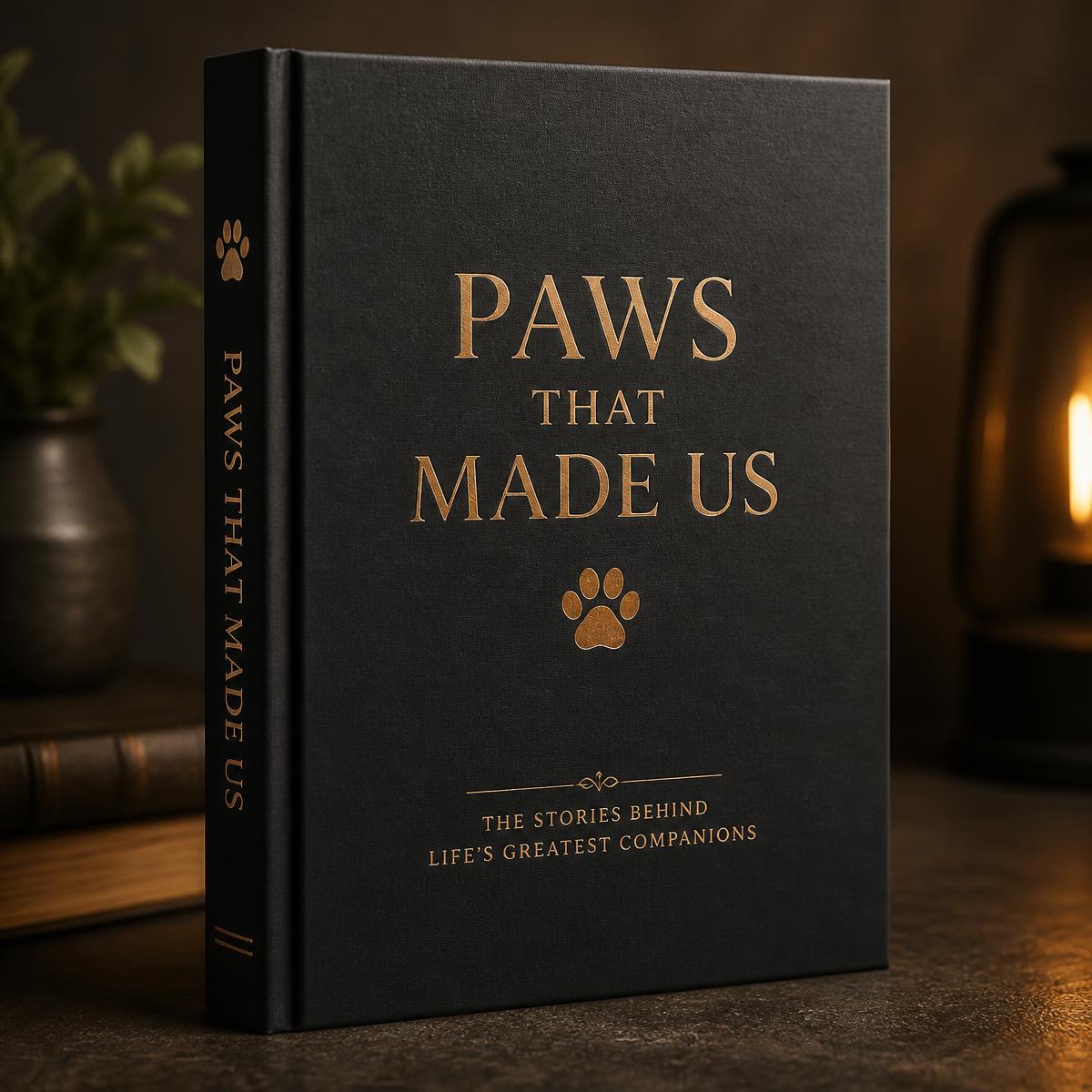
The book
Pawpoint: The Complete Dog Breed Book
Every officially recognised breed plus the unofficial ones nobody else documents. 400+ pages, hardback, printed and shipped from the UK.
Own stock — shipped by us
Framed poster
Canis Panther Framed Poster
Museum-weight print of our Canis Panther illustration, framed or unframed.
Printed to order
Hoodie
Canis Panther Hoodie
Heavyweight hoodie carrying the Canis Panther illustration on the chest.
Printed to order
Mug
Canis Panther Mug
Ceramic mug with the Canis Panther illustration wrapped around it.
Printed to order
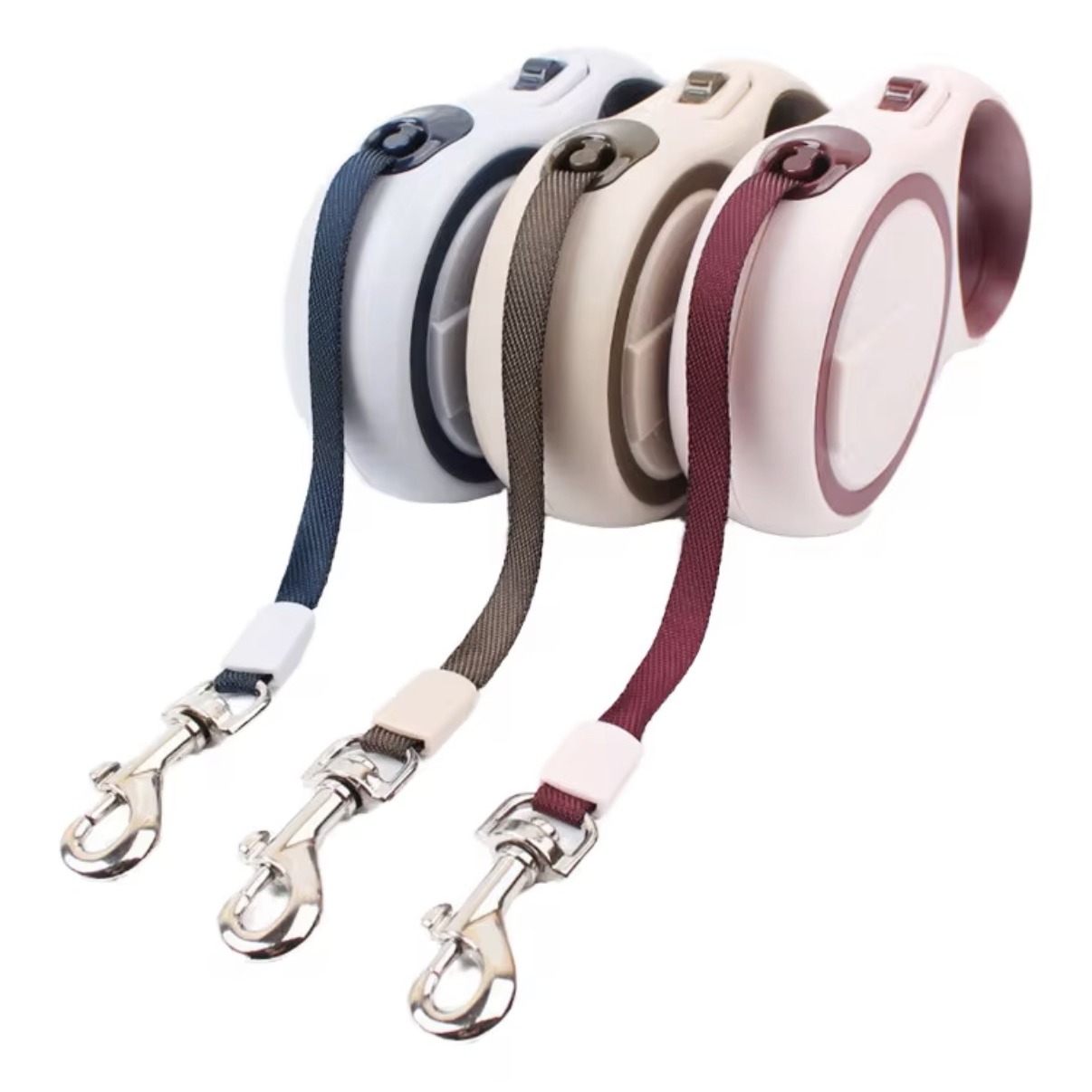
Accessory
Retractable Lead
5m retractable with one-touch brake.
Fits any dog
Pawpoint on YouTube
Watch the full Canis Panther video
Breed deep-dives, history and honest ownership talk. New film every week.
Watch now