Cesky Terrier
CHESS-kee
Czech Republic· Bohemia
The Cesky Terrier is a small, silky-coated terrier developed in the former Czechoslovakia to hunt vermin and small game in burrows and dense forest undergrowth.
At a glance
Quick facts
Size
Small
Exercise needs
45-60 minutes daily
Home size suited to
Flat or small home
Grooming frequency
Daily brushing
Coat length
Long
Sheds
Yes
Lifespan
12-15 years
Town or country
Either, with enough exercise
Garden size needed
Small garden or none
Where it comes from
Origins of the Cesky Terrier
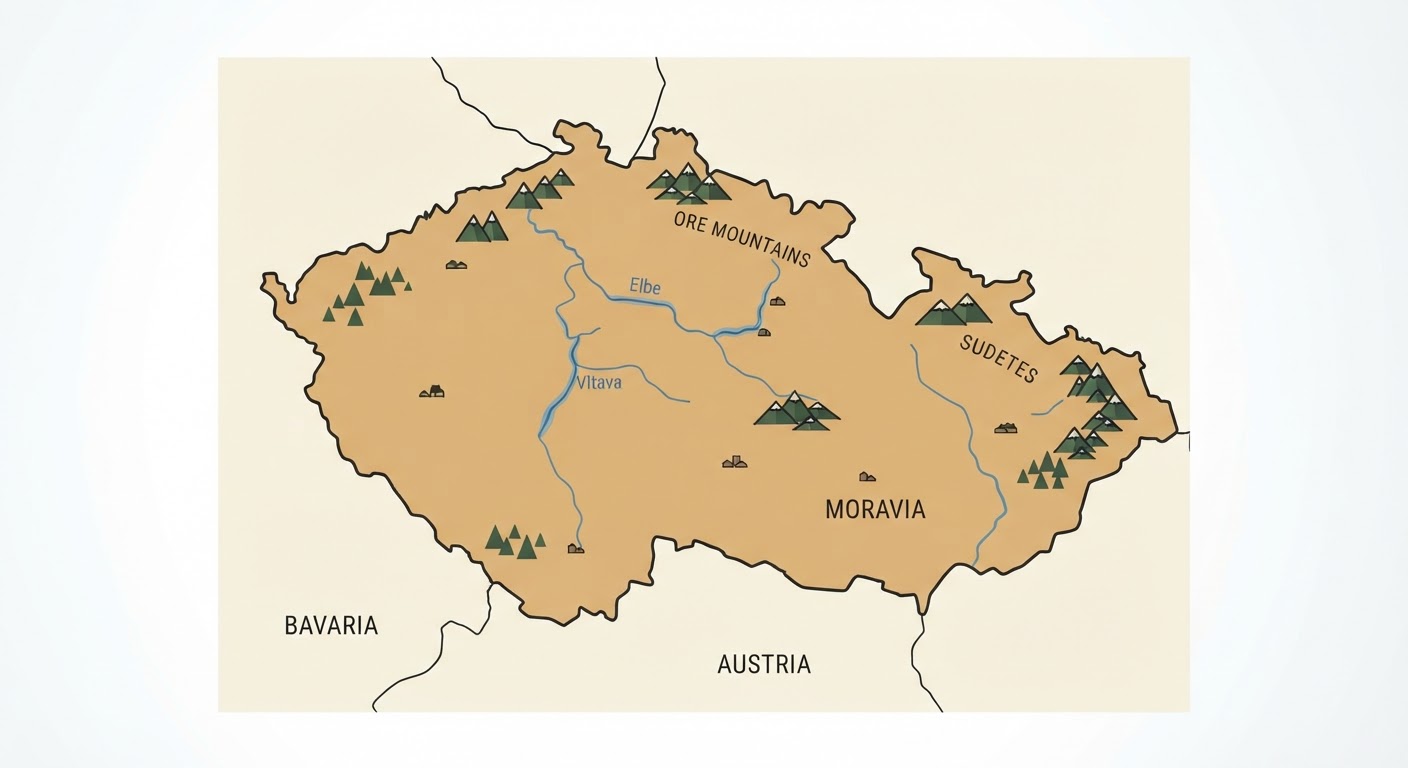
Developed in the forests of Bohemia to work fox and badger earths, the Cesky Terrier was bred narrower and calmer than its Scottish and Sealyham ancestors to suit dense woodland hunting.
- Region
- Bohemia
- Climate it was bred for
- Cool, forested continental climate
- Original job
- Hunting fox and badger in burrows
The long read
About the breed
It was created in 1949 by Czech geneticist and hunter Frantisek Horak, who crossed a Sealyham Terrier with a Scottish Terrier to produce a smaller, narrower-chested dog able to work down fox and badger earths in Bohemian woodland without getting stuck. Horak kept meticulous breeding records, and the result was recognised as a distinct breed by the FCI in 1963. Its development behind the Iron Curtain meant it remained little known outside Czechoslovakia and neighbouring countries for decades.
Living with a Cesky Terrier suits owners who want a genuine working terrier's brain in a calmer, quieter package than most terriers offer. It is notably less excitable and less prone to nuisance barking than many terrier breeds, and it tends to be more biddable, though it retains a terrier's independent streak and a strong prey drive around small animals. Its silky, slightly wavy coat does not shed much but needs regular trimming, traditionally clipped short on the body with longer furnishings left on the legs, beard and eyebrows.
The breed remains rare, with only a few hundred puppies registered worldwide each year, which keeps the gene pool narrow and makes health testing and careful breeder selection particularly important.
Today the Cesky is kept mostly as a companion and occasional earth-working or show dog, valued for combining terrier grit with an unusually calm, affectionate temperament indoors.
Living with one
Temperament & needs
Our own ratings, based on the breed standard and how these dogs behave in ordinary homes.
Friendliness
3/5
How openly the Cesky Terrier greets people it does not know.
Trainability
4/5
More biddable than many terrier breeds.
Energy
3/5
Active but calmer than most terriers.
Barking
2/5
Notably quieter than most terrier breeds.
Grooming
4/5
Silky coat needs regular trimming and brushing.
Suits a first-time owner
3/5
How forgiving the Cesky Terrier is for someone taking on their first dog.
Sociability
3/5
Affectionate with family, reserved with strangers.
Independence
3/5
Retains a terrier's working instincts and prey drive.
Illustrated breed standard
The points of the breed
Hover or tap a numbered point to read what the standard asks for.
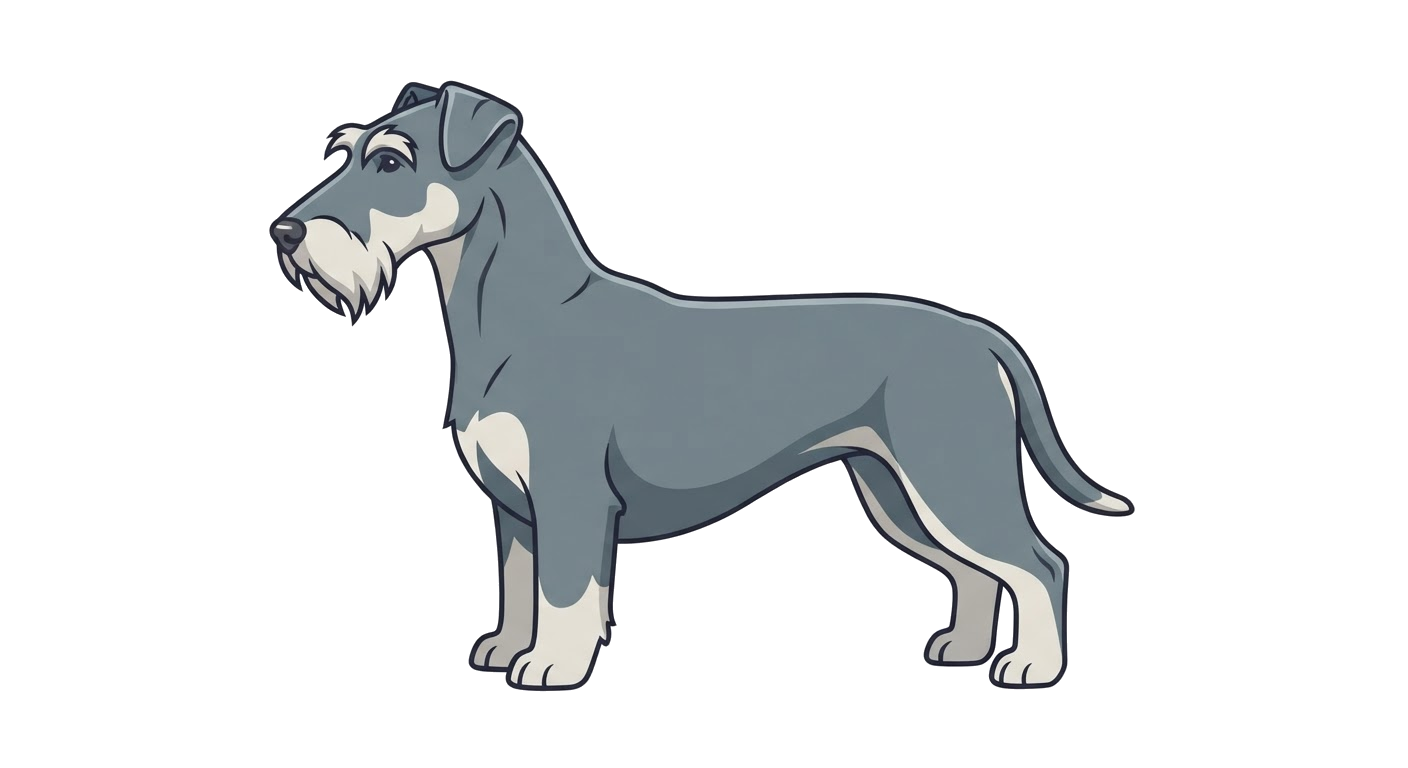
Point 1
Skull
The Cesky Terrier's skull is judged on balance rather than size — proportionate to the body, with a clean cheek and a stop typical of the breed. Coarseness or an over-refined head are both faulted.
Colours & patterns
Recognised coats
Which coats the standard accepts — and which are simply popular.
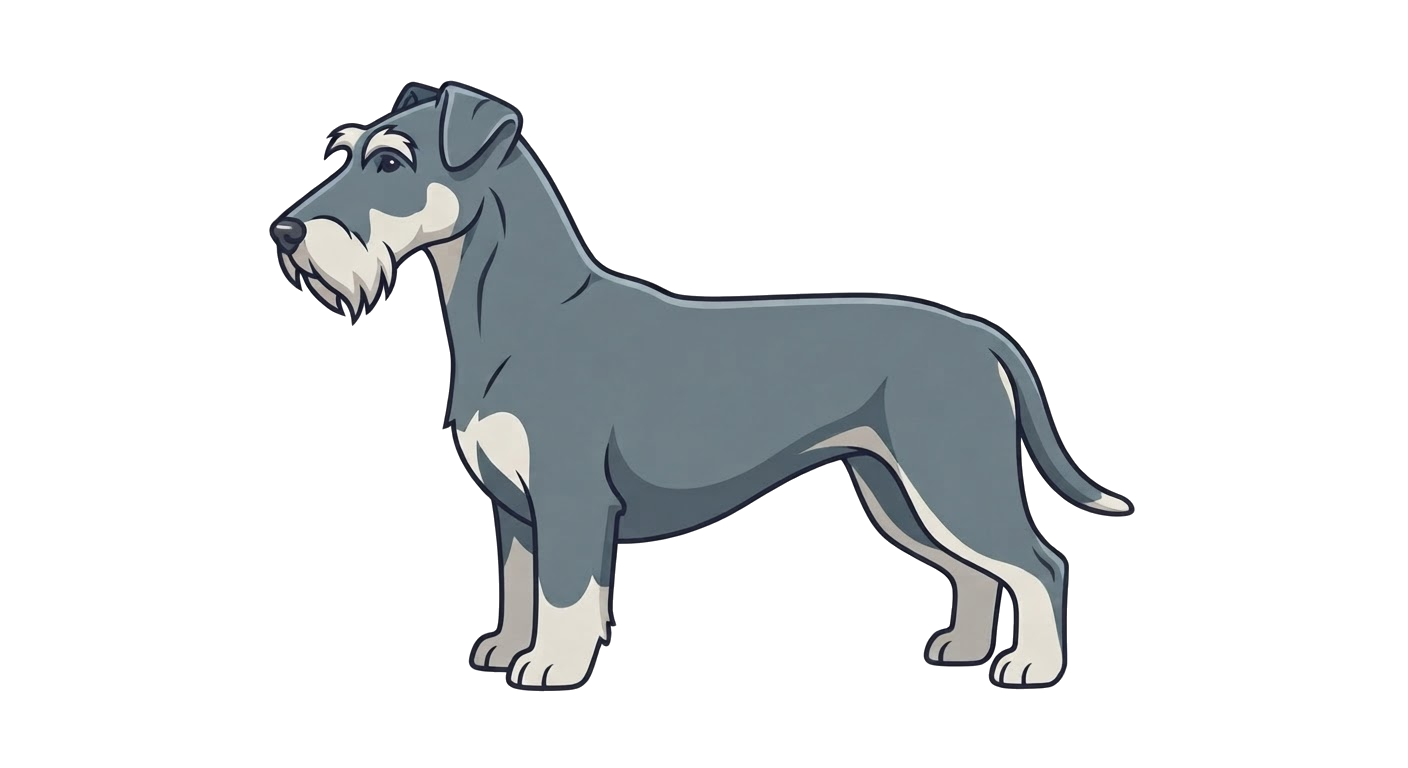
Grey-blue
Standard colour
The most typical adult colour, dogs are born black and lighten with age.
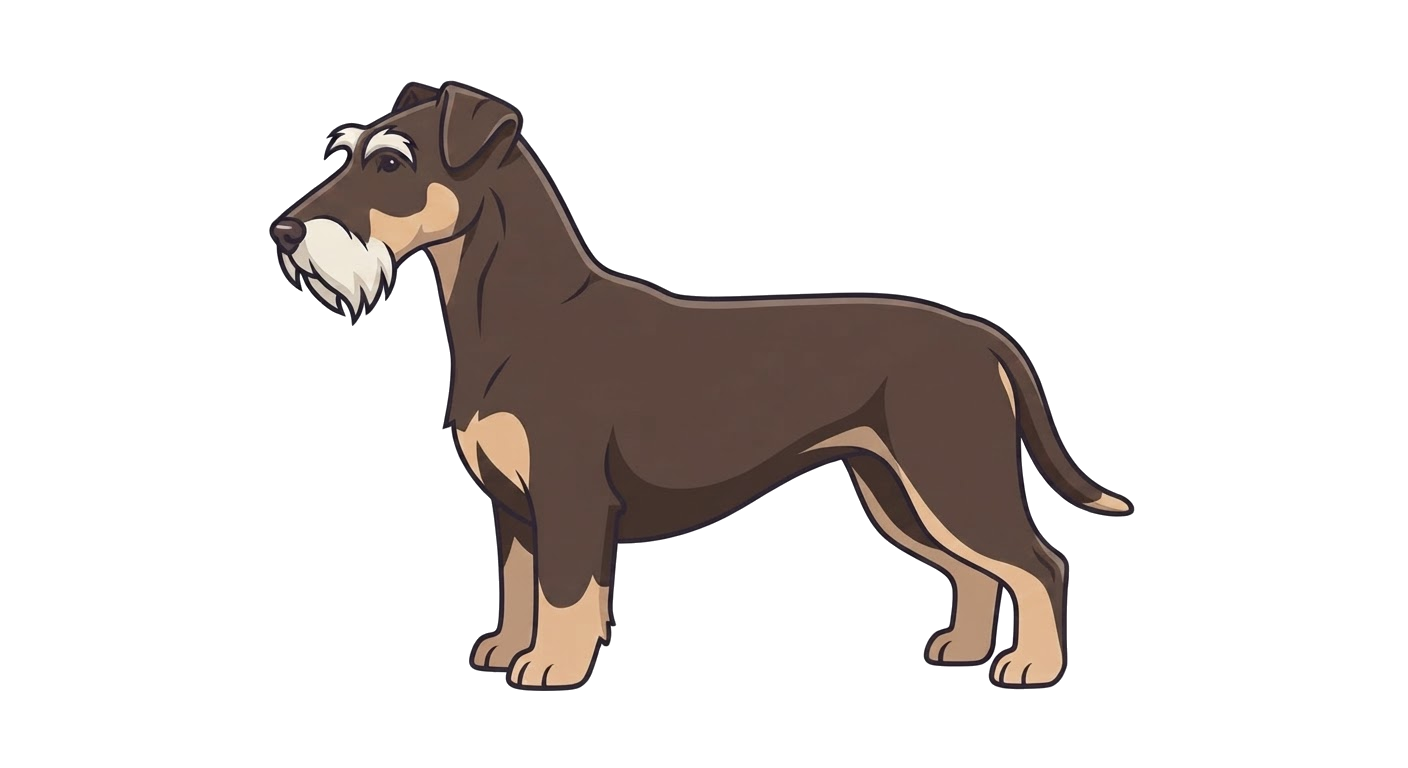
Coffee brown
Standard colour
A less common but accepted solid colour.
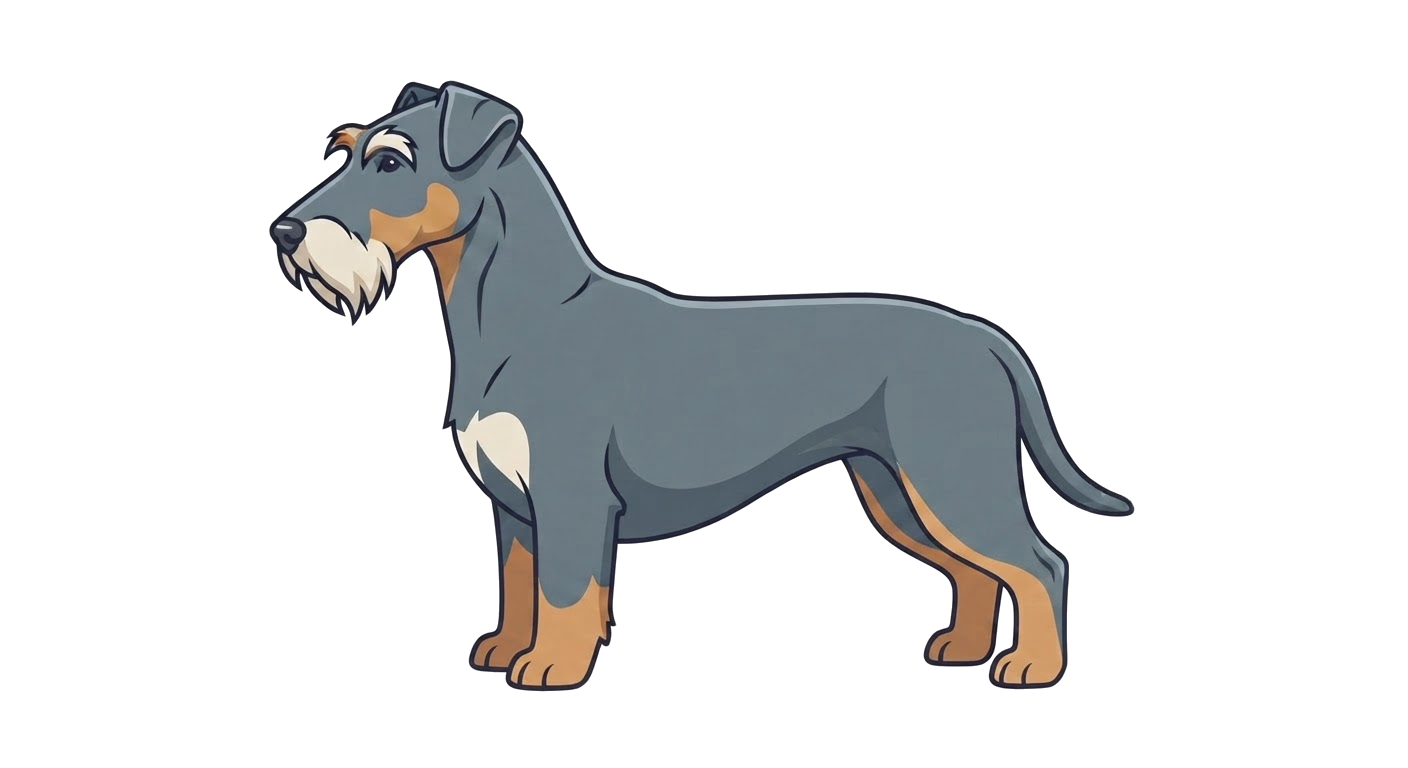
Grey-blue with tan markings
Standard colour
Grey-blue base with tan points on legs and face.
Timeline
History & development
1949
Breed created
Frantisek Horak crossed a Sealyham Terrier with a Scottish Terrier in Czechoslovakia.
1959
First litter registered
Horak's breeding programme produced its first officially recorded litters.
1963
FCI recognition
The Cesky Terrier was recognised as a distinct breed by the FCI.
1980s
Spread beyond Czechoslovakia
The breed slowly gained followers in Western Europe and North America.
Reference
Breed standard summary
- body
- Long, slightly arched loin, deep chest.
- coat
- Silky, slightly wavy, clipped short with longer furnishings.
- ears
- Medium, folded, carried close to the head.
- eyes
- Medium, deep-set, dark with a lively expression.
- gait
- Free and effortless.
- head
- Long, flat skull tapering to a strong muzzle.
- size
- Small
- tail
- Carried horizontally or slightly raised, well feathered.
- colour
- Grey-blue, Coffee brown, Grey-blue with tan markings. Colours outside this list are seen but are not accepted by the kennel clubs.
- temperament
- Typical of the breed: strongest in trainability, grooming, energy. Nervousness or aggression are serious faults in the show ring and in the home.
- general appearance
- Low, sturdy terrier with a silky coat and calm bearing.
Health
What to screen for
Green means little to worry about, amber means ask the breeder for test results, red means manage it actively.
Scottie cramp
Low concern
A neuromuscular condition; ask breeders whether it appears in the line.
Patellar luxation
Screen for it
Request a patella check on breeding stock.
Eye conditions
Screen for it
Ask for eye screening results given the breed's small gene pool.
Narrow gene pool concerns
Low concern
Ask breeders about efforts to maintain genetic diversity.
General information only — always speak to your vet about your own dog.
From real owners
Dogs like this
Cesky Terriers added by PawPoint members through their pet passports. Share yours to appear here.
Loading the wall…
Made for the Cesky Terrier
The book, plus prints, hoodies and mugs using our own Cesky Terrier illustration — and one everyday accessory that suits any dog.

The book
Pawpoint: The Complete Dog Breed Book
Every officially recognised breed plus the unofficial ones nobody else documents. 400+ pages, hardback, printed and shipped from the UK.
Own stock — shipped by us
Framed poster
Cesky Terrier Framed Poster
Museum-weight print of our Cesky Terrier illustration, framed or unframed.
Printed to order
Hoodie
Cesky Terrier Hoodie
Heavyweight hoodie carrying the Cesky Terrier illustration on the chest.
Printed to order
Mug
Cesky Terrier Mug
Ceramic mug with the Cesky Terrier illustration wrapped around it.
Printed to order
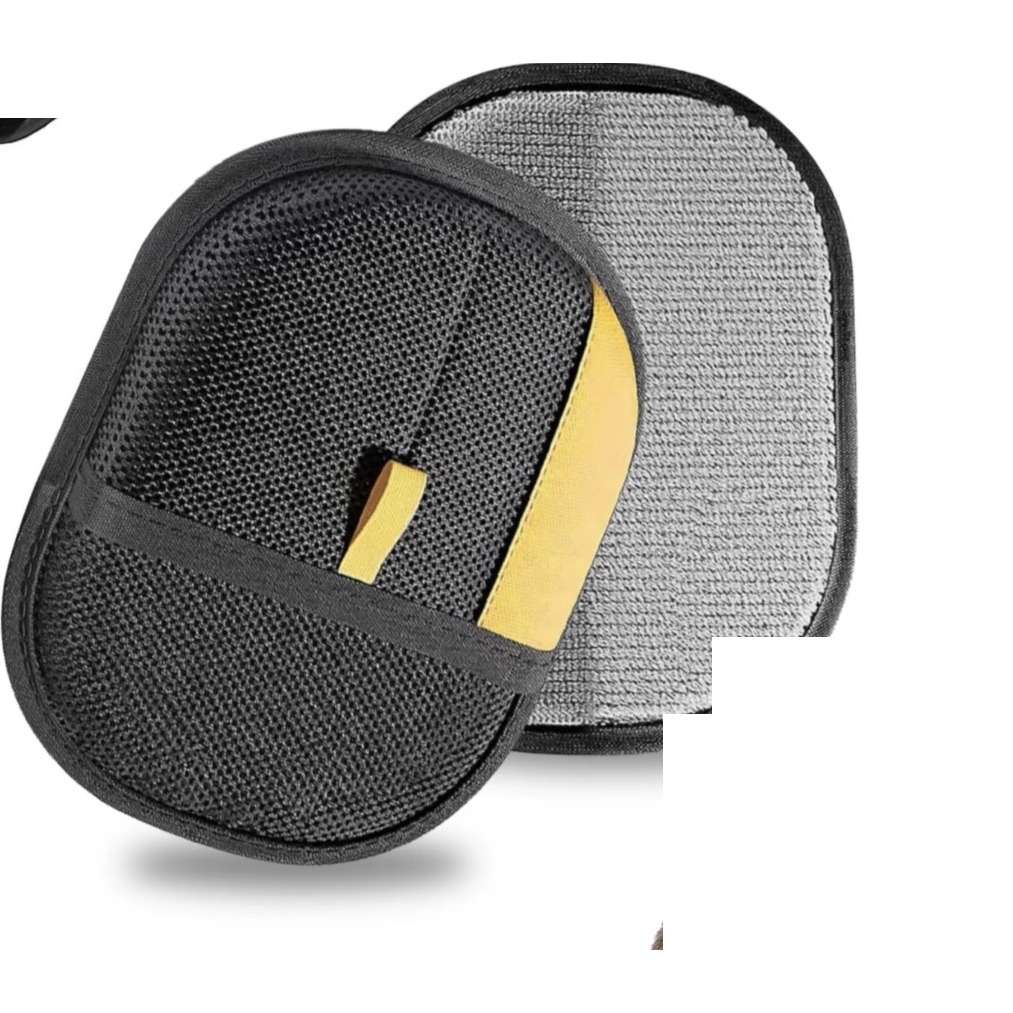
Accessory
Slicker & Deshedding Brush
Self-cleaning slicker head for coats of every length.
Fits any dog
Pawpoint on YouTube
Watch the full Cesky Terrier video
Breed deep-dives, history and honest ownership talk. New film every week.
Watch now