Chinook
shi-NOOK
United States· New Hampshire, United States
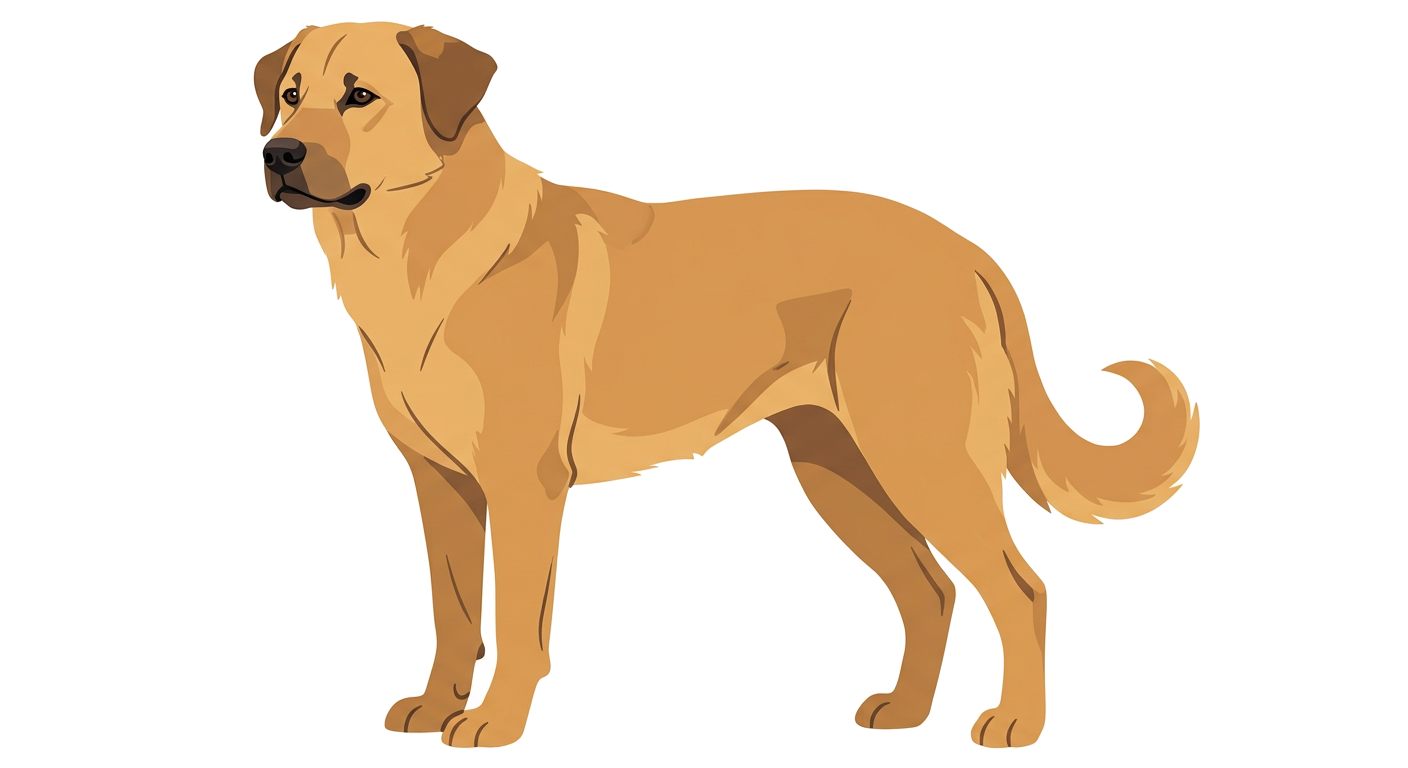
The Chinook is America's own sled dog — a tawny, powerfully built freighting breed developed in New Hampshire in the early twentieth century by the polar explorer and musher Arthur Walden. He wanted a dog with the pulling power of a heavy draught animal, the stamina of a northern husky and a genuinely gentle family temperament, and he got remarkably close.
At a glance
Quick facts
Size
Medium to large
Exercise needs
1-2 hours daily, plus pulling or hiking work
Home size suited to
House with a secure garden
Grooming frequency
Weekly brush; daily during the moult
Coat length
Medium double coat
Sheds
Yes, heavily twice a year
Lifespan
12-15 years
Town or country
Country or suburb; suits cool climates
Garden size needed
Medium to large
Where it comes from
Origins of the Chinook
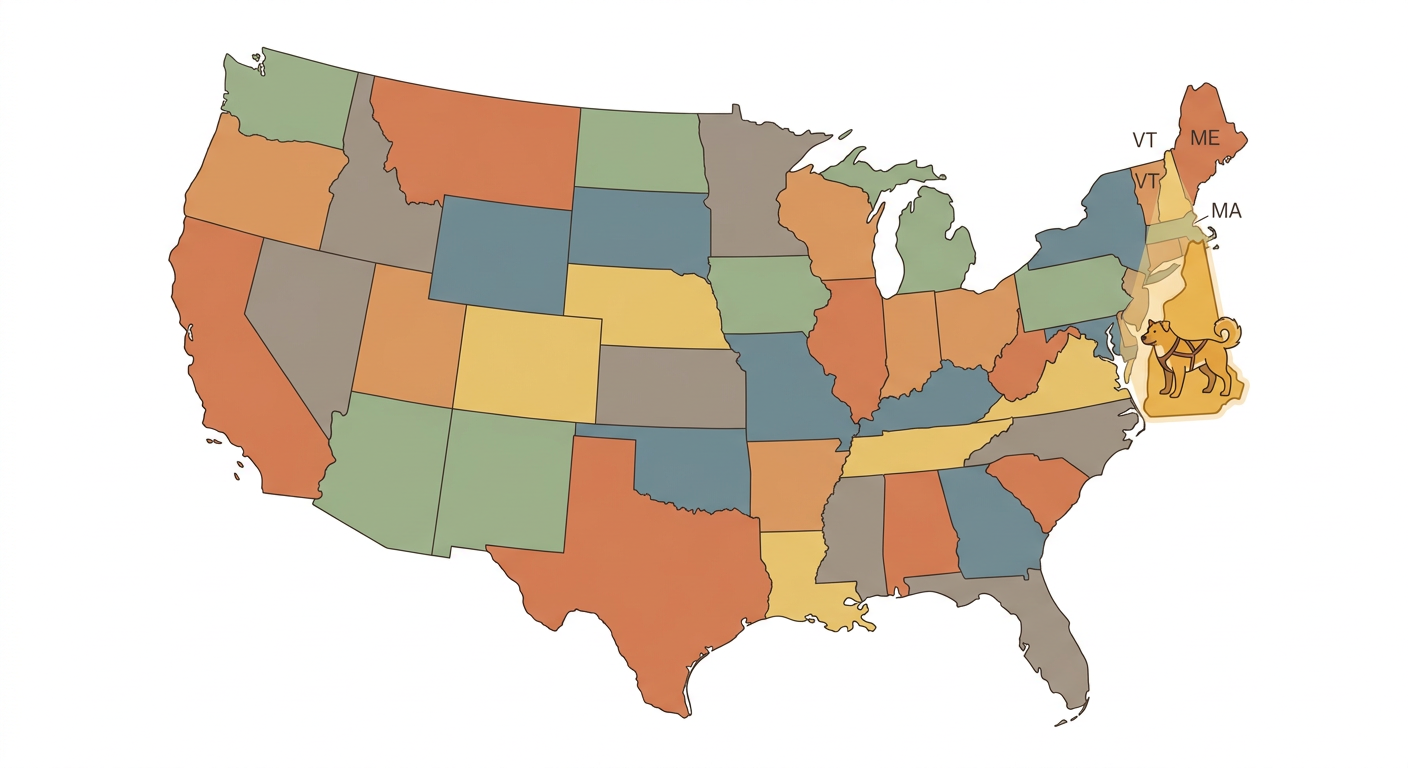
Developed at Wonalancet, New Hampshire, by musher and explorer Arthur Walden, who wanted one dog that could haul heavy freight through New England snow and still be trusted completely around his family.
- Region
- New Hampshire, United States
- Climate it was bred for
- Cold, snowy northern New England
- Original job
- Freight and sled hauling, expedition work and family companionship
The long read
About the breed
The breed takes its name from a single dog: Chinook, Walden's own lead dog, born in 1917 out of a Greenland husky-type bitch and sired by a large mastiff-cross male. Every Chinook alive today traces back to him. Later crosses to German Shepherd, Belgian Shepherd and Canadian Eskimo Dog fixed the type.
In character the Chinook is calm, people-focused and notably soft for a working sled breed. It is patient with children, sociable with other dogs and eager to work with its handler rather than independently of them. Some individuals are reserved with strangers, so early socialisation matters, but sharpness is thoroughly untypical.
It is also one of the rarest breeds in the United States. Numbers fell to a handful of breeding dogs by the 1980s and recovery has been slow and carefully managed, so anyone wanting a Chinook should expect a waiting list and a small, closely connected breeder community. It remains the official state dog of New Hampshire.
Living with one
Temperament & needs
Our own ratings, based on the breed standard and how these dogs behave in ordinary homes.
Friendliness
4/5
How openly the Chinook greets people it does not know — warm, though some dogs are quietly reserved at first.
Trainability
4/5
Willing, sensitive and handler-focused; responds far better to encouragement than pressure.
Energy
4/5
High working stamina, but settles well indoors once properly exercised.
Barking
2/5
Quiet by nature; more likely to woo and talk than bark repeatedly.
Grooming
3/5
Easy most of the year, with two heavy moults that need daily work.
Suits a first-time owner
3/5
Manageable temperament, but the rarity, exercise needs and waiting lists demand commitment.
Sociability
5/5
Bred to work in teams — genuinely good with other dogs and devoted to its people.
Independence
2/5
Strongly prefers company and work alongside its handler; dislikes being left alone.
Illustrated breed standard
The points of the breed
Hover or tap a numbered point to read what the standard asks for.
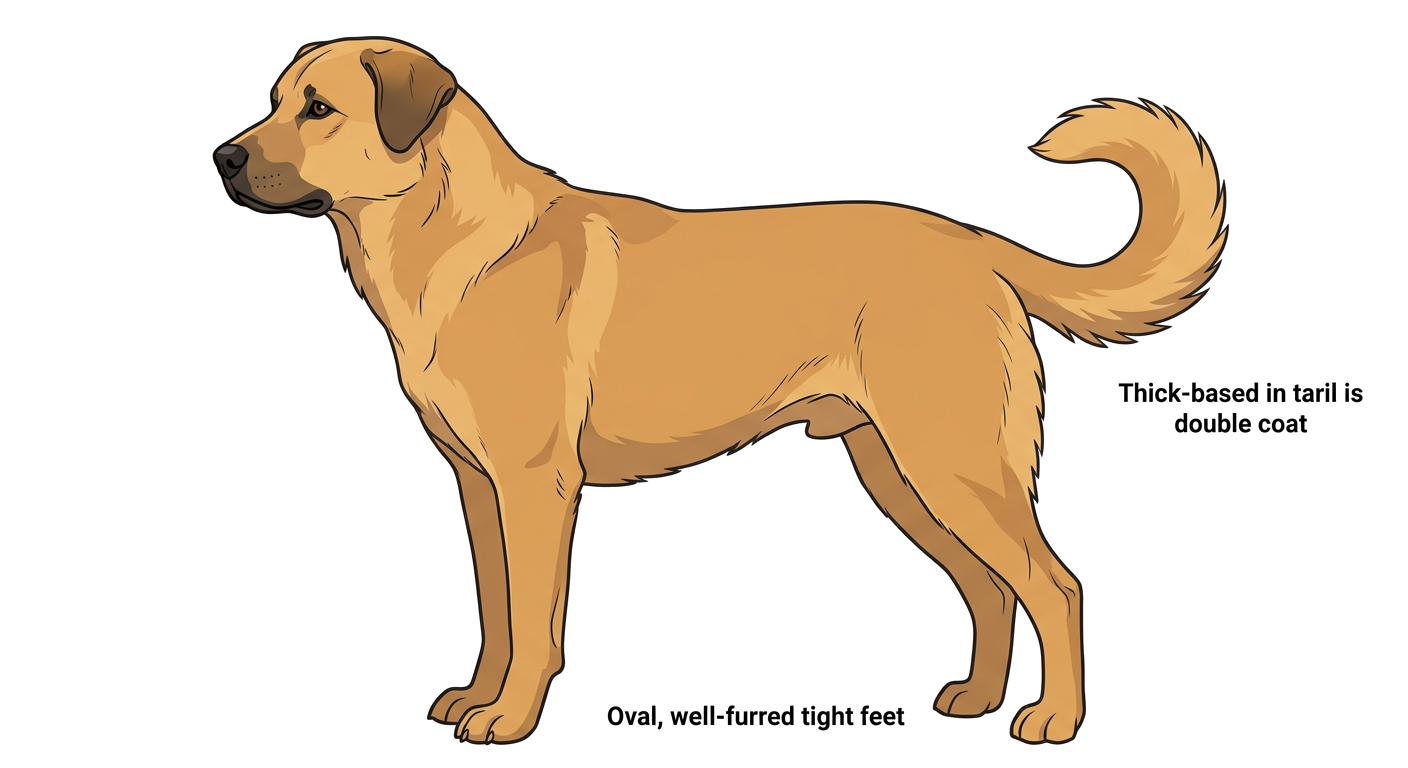
Point 1
Skull
Broad and slightly rounded between the ears with a well-defined stop, giving a kindly, intelligent expression rather than a wolfish one.
Colours & patterns
Recognised coats
Which coats the standard accepts — and which are simply popular.
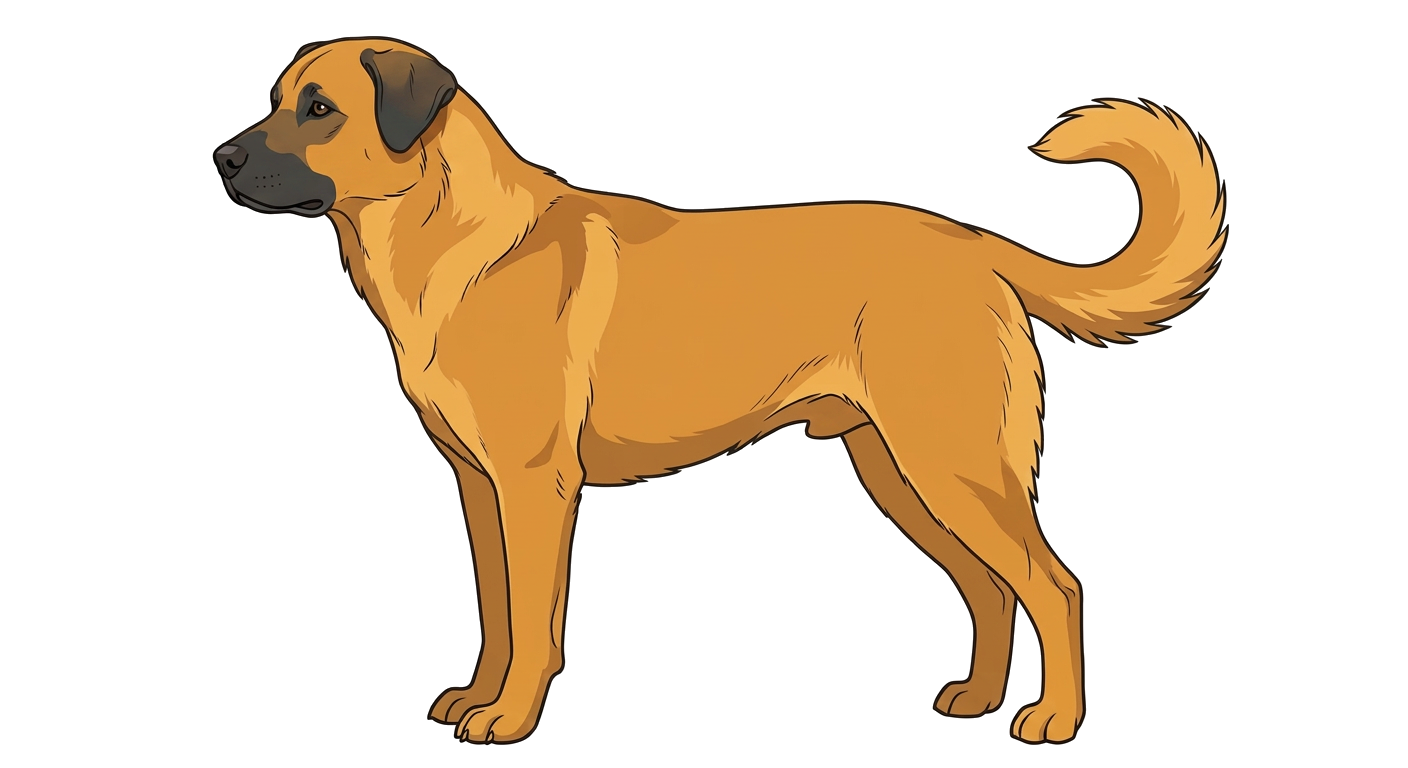
Tawny
Standard colour
The classic breed colour: a warm golden tawny with darker shading on the ears and muzzle.
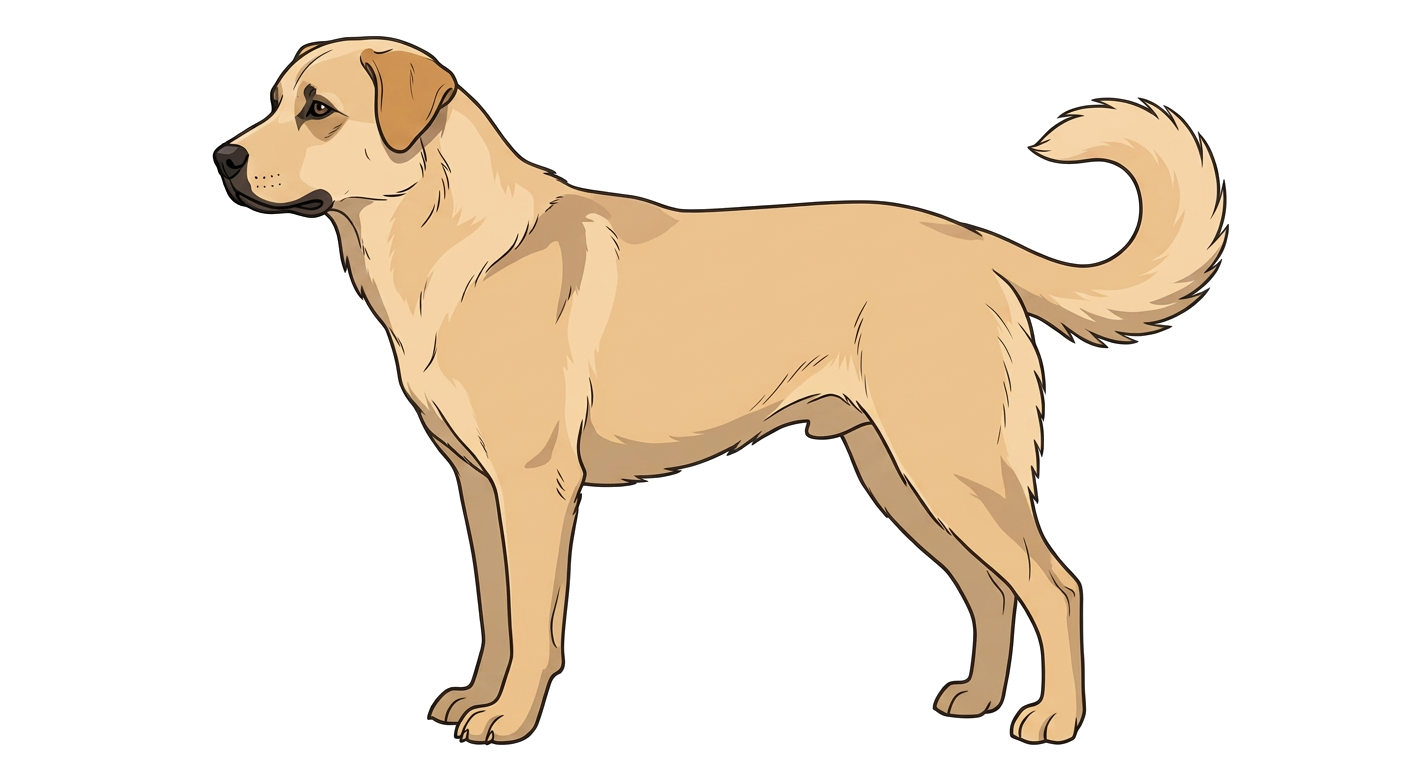
Light Honey
Standard colour
A paler, sandy expression of tawny, still with the dark eye markings.
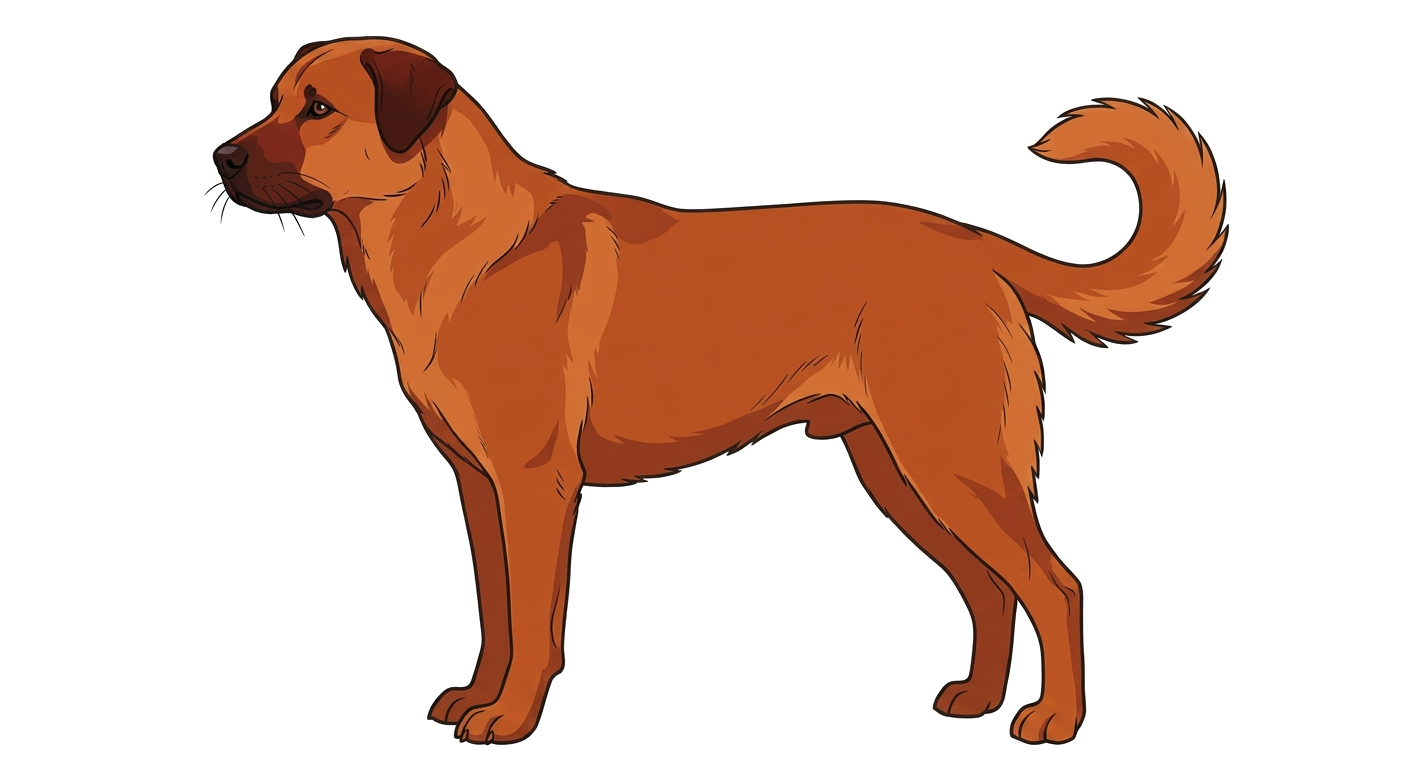
Red Gold
Standard colour
The deepest accepted shade — a rich reddish gold over the body.
Timeline
History & development
1917
One founding dog
Arthur Walden's dog Chinook is born in Wonalancet, New Hampshire, from a Greenland husky-type bitch and a large mastiff-cross sire. He becomes the breed's single common ancestor.
1929
Byrd Antarctic Expedition
Walden serves as lead driver on Admiral Byrd's first Antarctic expedition with his Chinook team, hauling supplies over the ice. Chinook himself is lost on the journey.
1981
Near extinction
Only eleven breedable Chinooks remain. A group of dedicated owners takes on a coordinated rescue-breeding programme to save the line.
2009
Official recognition
The AKC admits the Chinook to the Working Group. It had already been named the official state dog of New Hampshire in 1965 and remains one of America's rarest breeds.
Reference
Breed standard summary
- body
- Slightly longer than tall, deep chest to the elbow, well-sprung ribs, firm level topline, strong slightly arched loin, moderate tuck-up.
- coat
- Dense double coat of medium length, thick and functional; heavier on the neck, back of the legs and tail. Both a shorter and a fuller coat occur.
- ears
- Set on the outer rear edge of the skull; drop ears preferred, prick and helicopter ears also correct.
- eyes
- Medium, almond-shaped, set slightly oblique; dark to amber with dark markings that accentuate the expression.
- gait
- Effortless, tireless and ground-covering with good reach and drive; converging towards a centre line at speed.
- head
- Broad, slightly rounded skull with a well-defined stop; kindly, intelligent expression.
- neck
- Strong and muscular, medium length, arched and carried proudly.
- size
- Dogs 23-27 in (58-69 cm) and 55-90 lb; bitches 21-25 in (53-64 cm) and 50-65 lb.
- tail
- Thick at the base, set just below the topline, carried in a sickle curve; never tightly curled or snapped over the back.
- colour
- Tawny, from pale honey to deep reddish gold, with darker shading on the ears and muzzle. Black markings on the inside corners of the eyes are desirable; small white markings are acceptable.
- muzzle
- Moderately broad, tapering slightly, about equal in length to the skull; black nose, scissor bite.
- temperament
- Dignified, calm, friendly and highly people-oriented; a willing worker, patient with children and non-aggressive. Some reserve with strangers is acceptable, shyness or aggression is not.
- general appearance
- A muscular, moderately proportioned working sled dog of tawny colour, slightly longer than tall, powerful without heaviness and always giving an impression of balance and endurance.
Health
What to screen for
Green means little to worry about, amber means ask the breeder for test results, red means manage it actively.
Hip dysplasia
Screen for it
Ask for hip scores on both parents; the most routinely screened condition in the breed.
Chinook seizure disorder
Screen for it
A paroxysmal dyskinesia seen in young dogs; a DNA test exists and many dogs improve with age.
Cryptorchidism
Screen for it
Retained testicles are commoner than average, a consequence of the very small gene pool.
Eye disease
Watch closely
Cataracts and progressive retinal atrophy occur; annual eye testing in breeding stock.
Small gene pool
Watch closely
All Chinooks descend from one dog — choose a breeder who tracks coefficients of inbreeding.
General information only — always speak to your vet about your own dog.
From real owners
Dogs like this
Chinooks added by PawPoint members through their pet passports. Share yours to appear here.
Loading the wall…
Made for the Chinook
The book, plus prints, hoodies and mugs using our own Chinook illustration — and one everyday accessory that suits any dog.
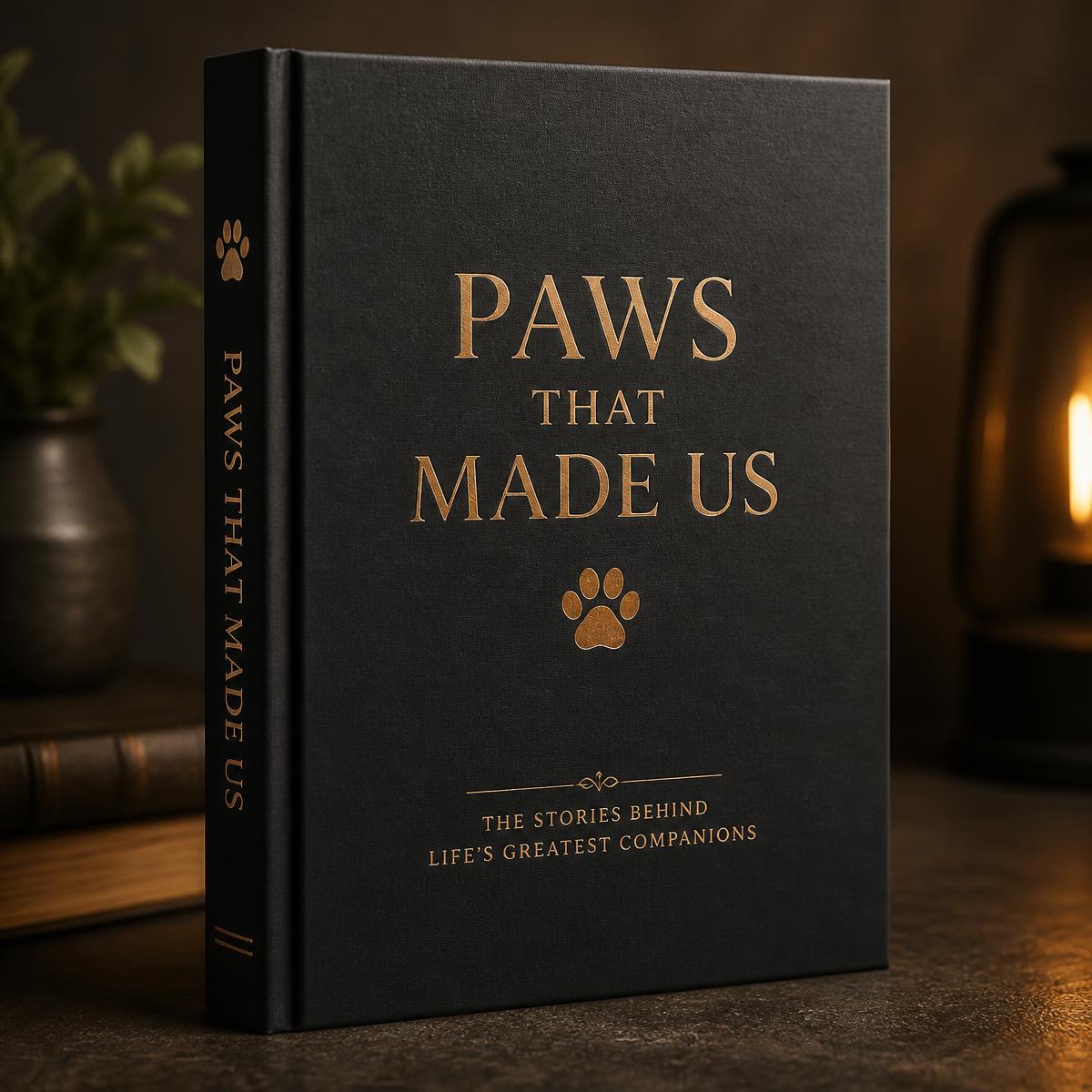
The book
Pawpoint: The Complete Dog Breed Book
Every officially recognised breed plus the unofficial ones nobody else documents. 400+ pages, hardback, printed and shipped from the UK.
Own stock — shipped by us
Framed poster
Chinook Framed Poster
Museum-weight print of our Chinook illustration, framed or unframed.
Printed to order
Hoodie
Chinook Hoodie
Heavyweight hoodie carrying the Chinook illustration on the chest.
Printed to order
Mug
Chinook Mug
Ceramic mug with the Chinook illustration wrapped around it.
Printed to order
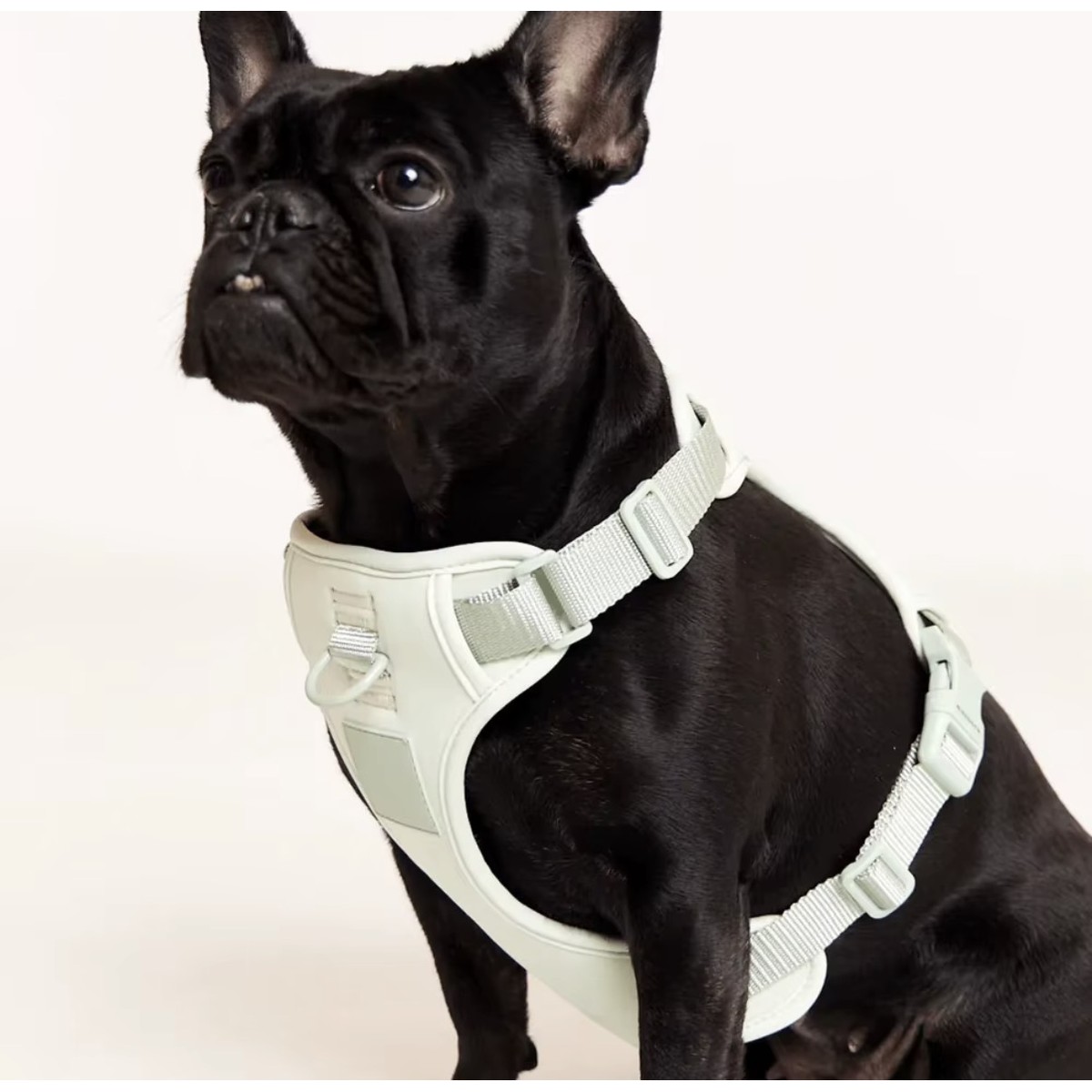
Accessory
Adjustable Harness (S/M/L)
Fully adjustable chest and girth straps — no fixed sizing.
Fits any dog
Pawpoint on YouTube
Watch the full Chinook video
Breed deep-dives, history and honest ownership talk. New film every week.
Watch now