
Chippiparai
CHIP-ee-pah-RYE
India· Tamil Nadu, Southern India
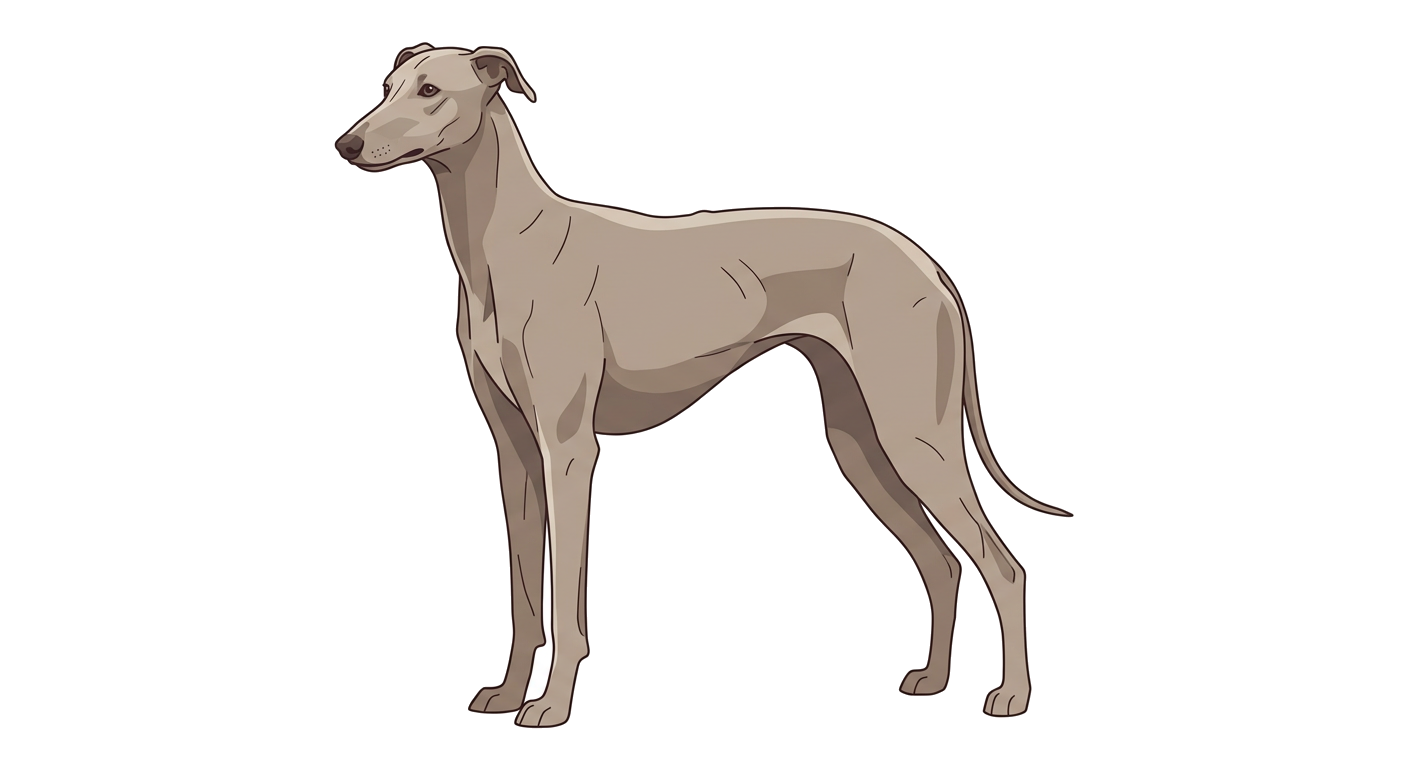
The Chippiparai is a native Indian sighthound indigenous to the southern state of Tamil Nadu. Traditionally associated with the region around Madurai, Tirunelveli, and Virudhunagar, the breed was historically favoured by royal and aristocratic households for coursing hare, small deer, and wild boar across arid scrubland. Its streamlined frame, fine bone structure, and minimal body fat reflect centuries of adaptation to hot, demanding climates where speed and stamina were essential.
At a glance
Quick facts
Size
Medium to Large
Exercise needs
High (daily galloping opportunities required)
Home size suited to
Medium to large home with secure fencing
Grooming frequency
Minimal
Coat length
Short
Sheds
Low
Lifespan
12–15 years
Town or country
Country or semi-rural preferred
Garden size needed
Large and well-enclosed
Where it comes from
Origins of the Chippiparai
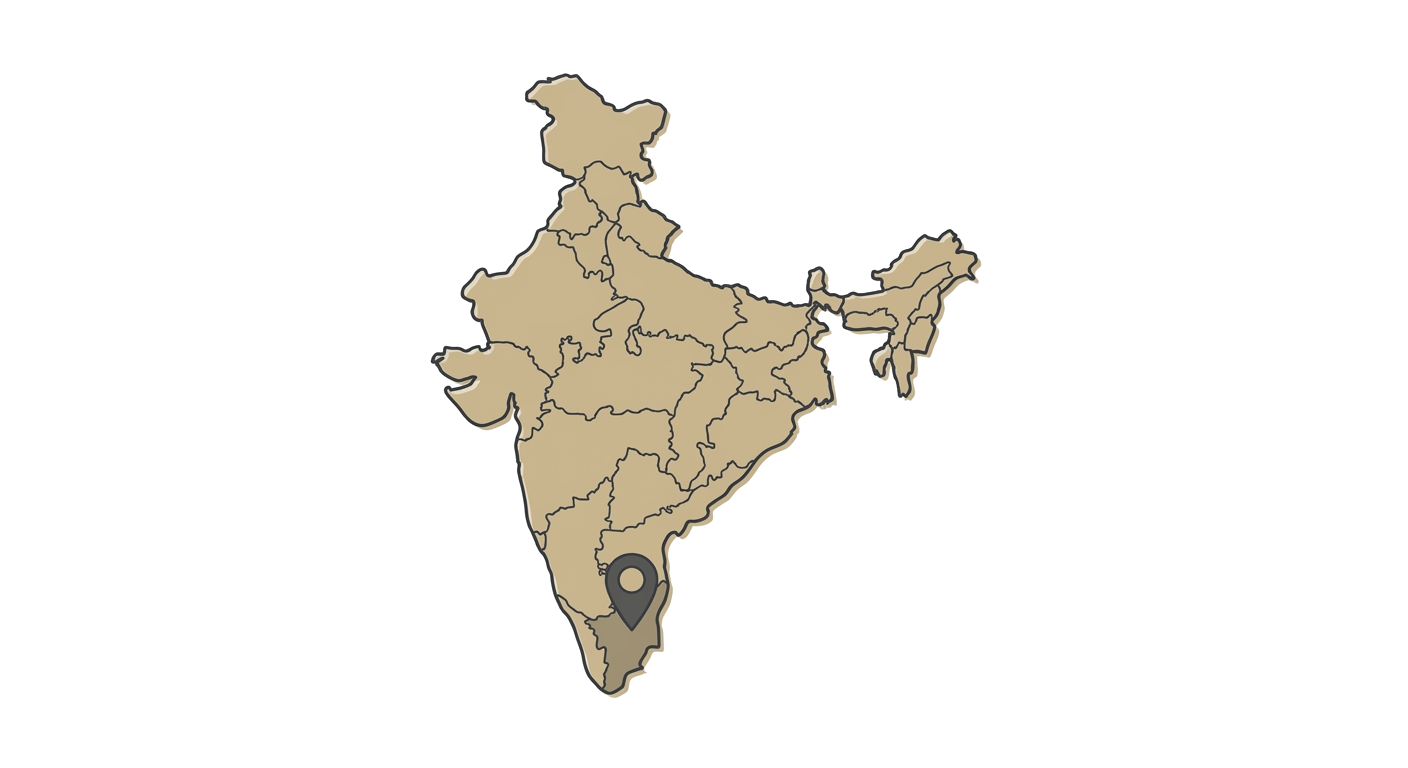
Developed in the arid plains of southern Tamil Nadu, the Chippiparai served royal and rural households as a swift hunting sighthound.
- Region
- Tamil Nadu, Southern India
- Climate it was bred for
- Tropical semi-arid and dry plains
- Original job
- Coursing hare, deer, and boar
The long read
About the breed
In appearance, the breed closely mirrors classic sighthound proportions, bearing visual similarities to the Greyhound and the Sloughi. It possesses a deep chest, tucked-up abdomen, long tapering limbs, and an extremely short, close-fitting coat. Behaviourally, the Chippiparai is quiet, reserved, and often intensely devoted to a single handler or family unit, while maintaining a cautious and aloof demeanour around unfamiliar persons.
Formal documentation, studbook records, and international kennel club recognitions remain relatively limited for the Chippiparai, as it has largely been preserved through rural working communities. In recent years, governmental and veterinary institutions in Tamil Nadu have initiated conservation efforts to document the breed's standard and protect purebred lineages from dilution.
Illustrated breed standard
The points of the breed
Hover or tap a numbered point to read what the standard asks for.
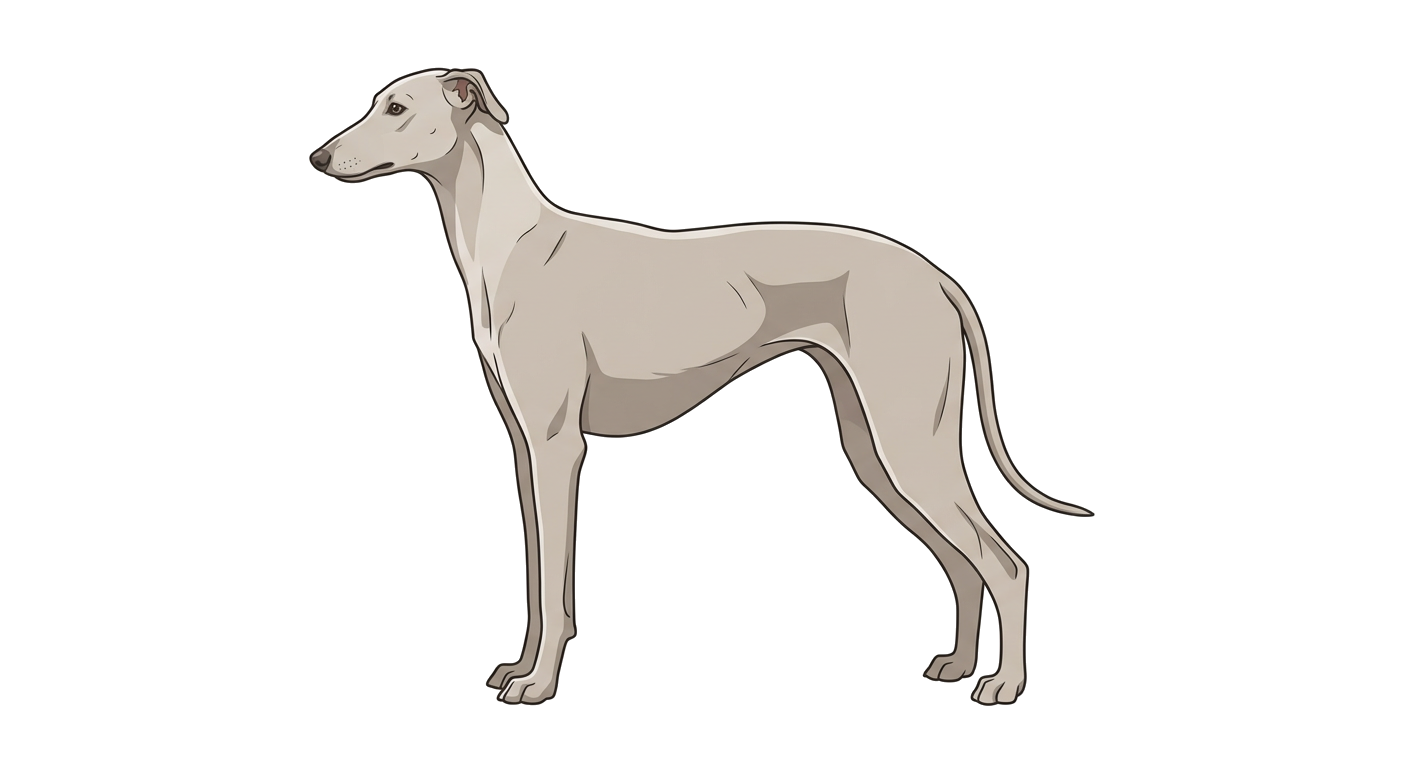
Point 1
Skull
The Chippiparai's skull is judged on balance rather than size — proportionate to the body, with a clean cheek and a stop typical of the breed. Coarseness or an over-refined head are both faulted.
Colours & patterns
Recognised coats
Which coats the standard accepts — and which are simply popular.
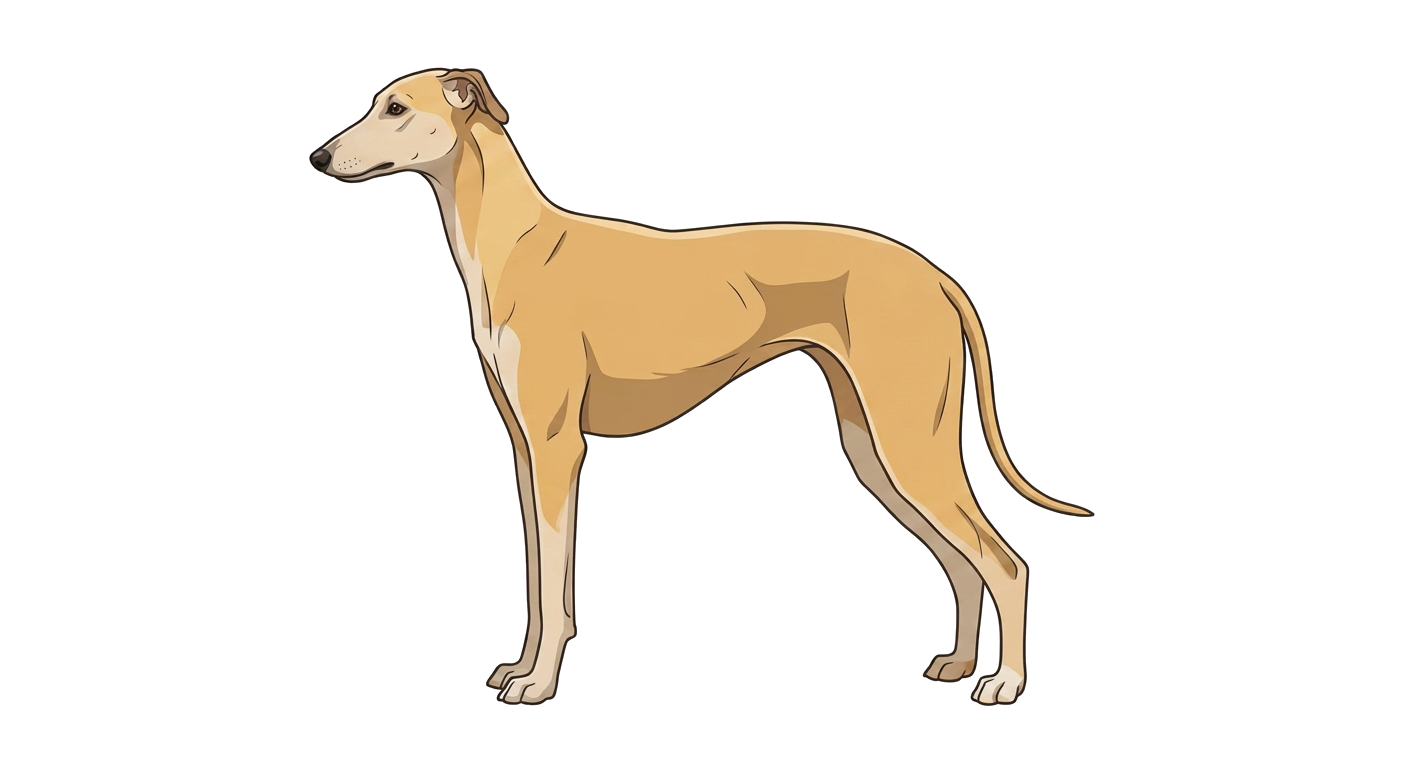
Fawn (Pilai)
Standard colour
Ranging from pale sand to warm golden fawn, traditional for the breed.
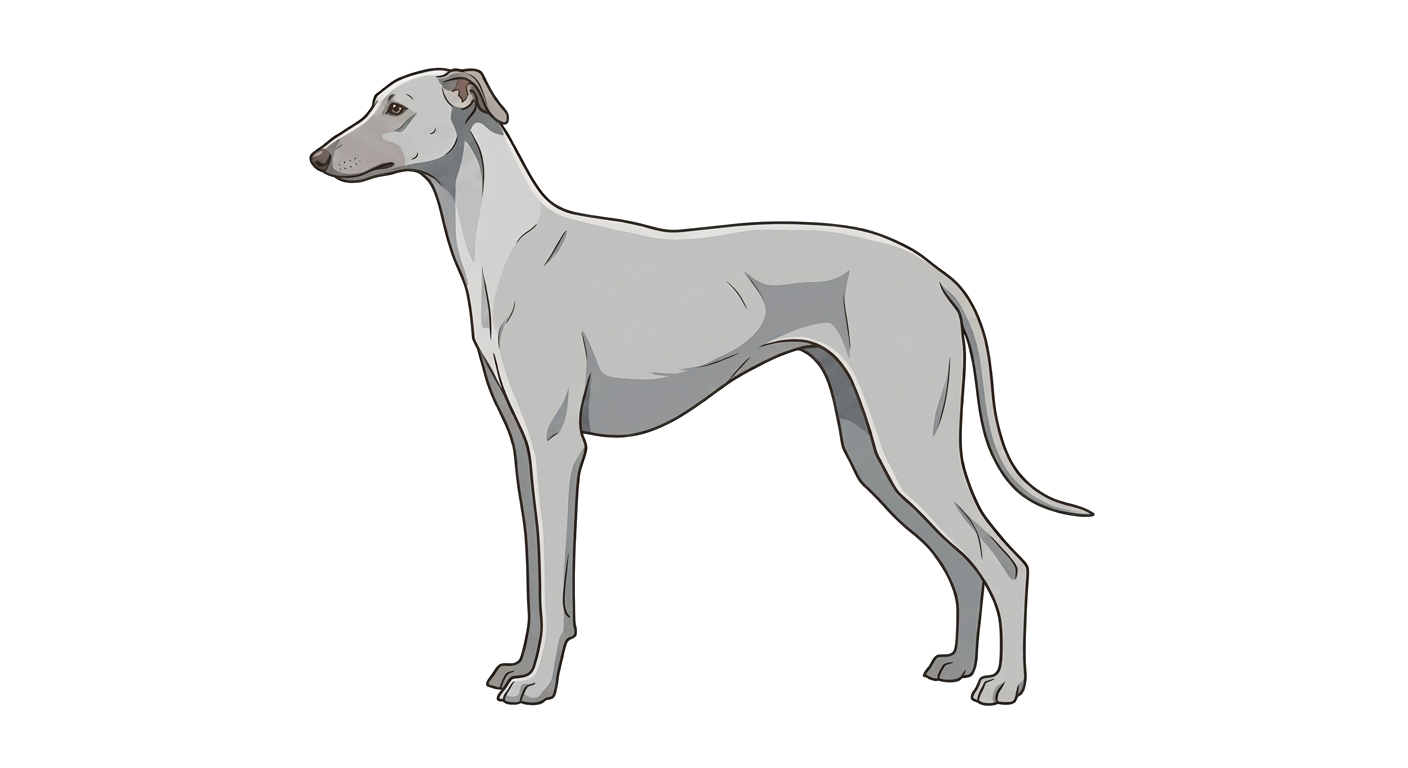
Silver Grey (Sambal)
Standard colour
A light ash or metallic grey tone favoured for its sleek appearance.
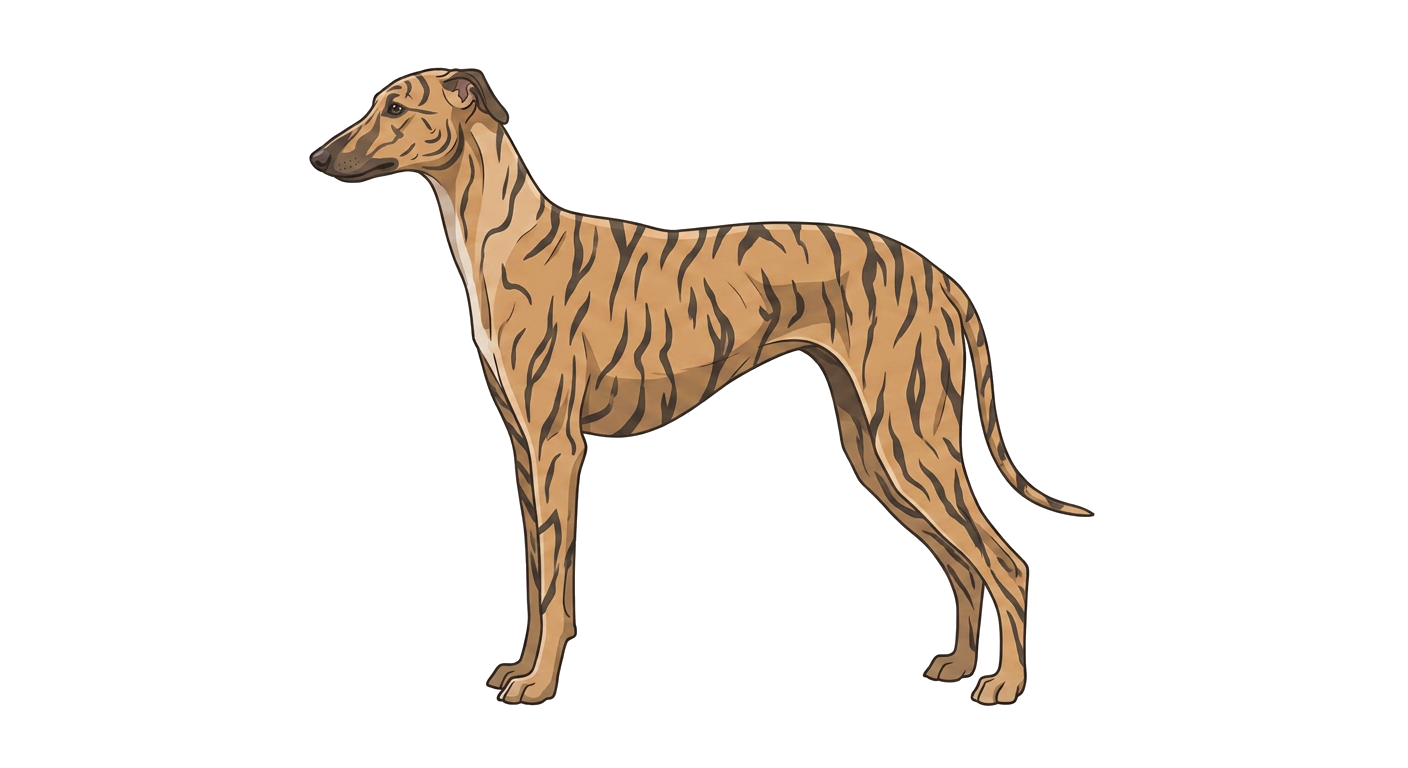
Brindle
Standard colour
Dark tiger-striping over a fawn, grey, or reddish-brown base coat.
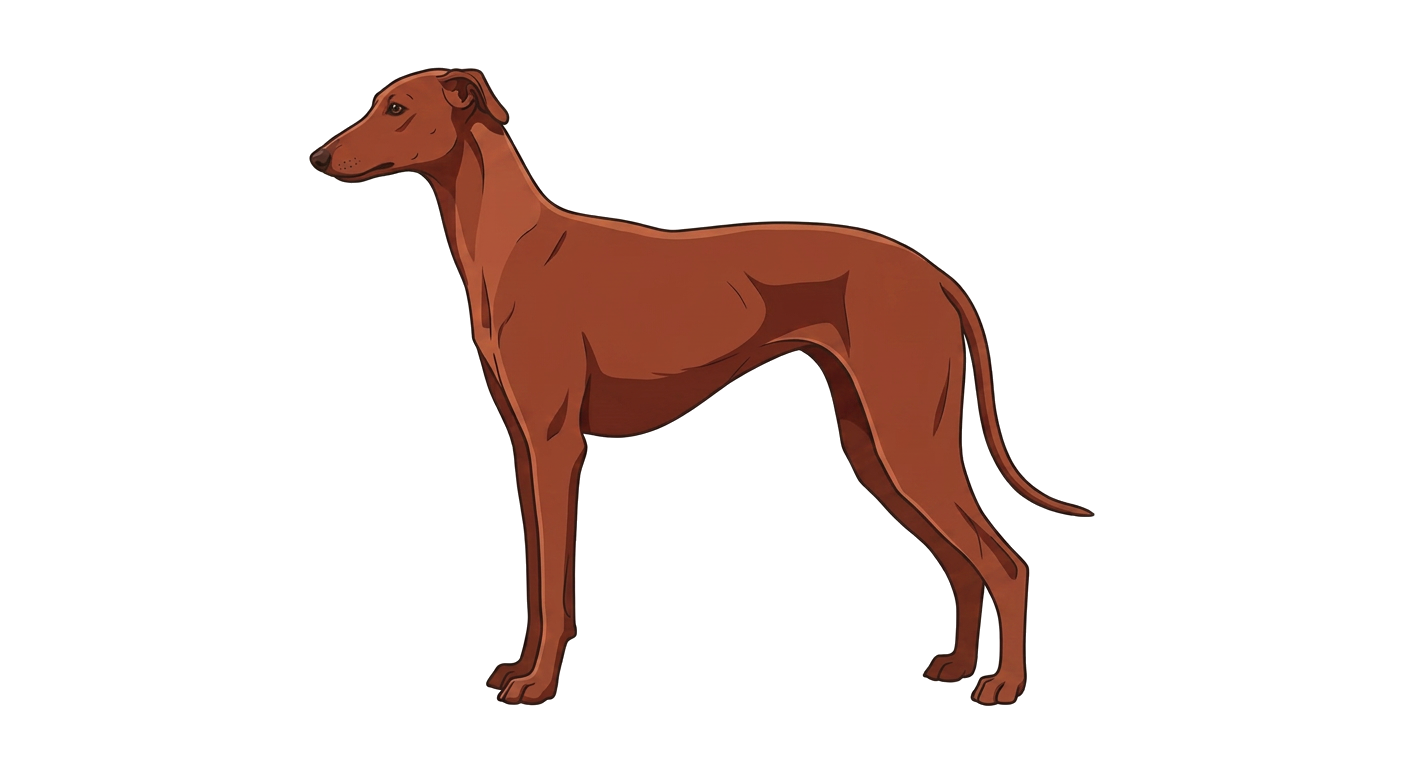
Reddish Brown (Semmarai)
Standard colour
A warm chestnut or deep rust shade seen across southern bloodlines.
Timeline
History & development
c. 16th–18th Century
Aristocratic Patronage
Bred and maintained by local chieftains and royal dynasties in southern Tamil Nadu as a prized coursing hound for small and medium game.
Early 20th Century
Rural Working Role
With the decline of princely estates, the breed transitioned to serving rural farmers and huntsmen as a general hunting and guard dog.
Late 20th Century
Population Decline
Changing agrarian practices, hunting bans, and indiscriminate crossbreeding led to a marked drop in purebred numbers across southern India.
2020
National Revival
Commemorated on Indian postal stamps and highlighted in national indigenous dog breed conservation drives, boosting local breeding programmes.
Reference
Breed standard summary
- body
- Long and supple, featuring a deep brisket, well-sprung ribs, and a distinct, pronounced abdominal tuck-up.
- coat
- Extremely short, hard, and close-lying, providing minimal insulation but excellent heat dissipation.
- ears
- Small to medium in size, carried semi-erect, folded back as rose ears, or dropped forward when alert.
- eyes
- Oval or almond-shaped, dark to hazel in colour, carrying an alert, piercing expression.
- gait
- Light, elastic, and effortless with long reach and powerful drive, transitioning to a double-suspension gallop at speed.
- head
- Long, lean, and tapering towards the nose, with minimal stop and flat skull planes.
- size
- Medium to large; typically standing 56–66 cm at the withers.
- tail
- Long, slender, and tapering, carried low in a slight upward curve at rest, never curled over the back.
- colour
- Fawn, silver-grey, cream, reddish-brown, and various brindle patterns, occasionally with minimal white markings.
- muzzle
- Tapering, strong, and dry, with tight lips and a complete scissor bite.
- temperament
- Independent, dignified, and loyal to its handler, but distant and watchful towards strangers.
- general appearance
- A medium-sized, elegant, and lean sighthound built for explosive speed and endurance in hot climates.
Health
What to screen for
Green means little to worry about, amber means ask the breeder for test results, red means manage it actively.
Anaesthetic Sensitivity
Watch closely
Low body fat and altered drug metabolism require sighthound-safe anaesthesia protocols.
Cold Intolerance
Screen for it
Extremely fine, single coat provides little protection in cold or temperate winter conditions.
Running Injuries
Watch closely
Sprint coursing across uneven ground can result in toe fractures, torn ligaments, and muscle strains.
General information only — always speak to your vet about your own dog.
From real owners
Dogs like this
Chippiparais added by PawPoint members through their pet passports. Share yours to appear here.
Loading the wall…
Made for the Chippiparai
The book, plus prints, hoodies and mugs using our own Chippiparai illustration — and one everyday accessory that suits any dog.
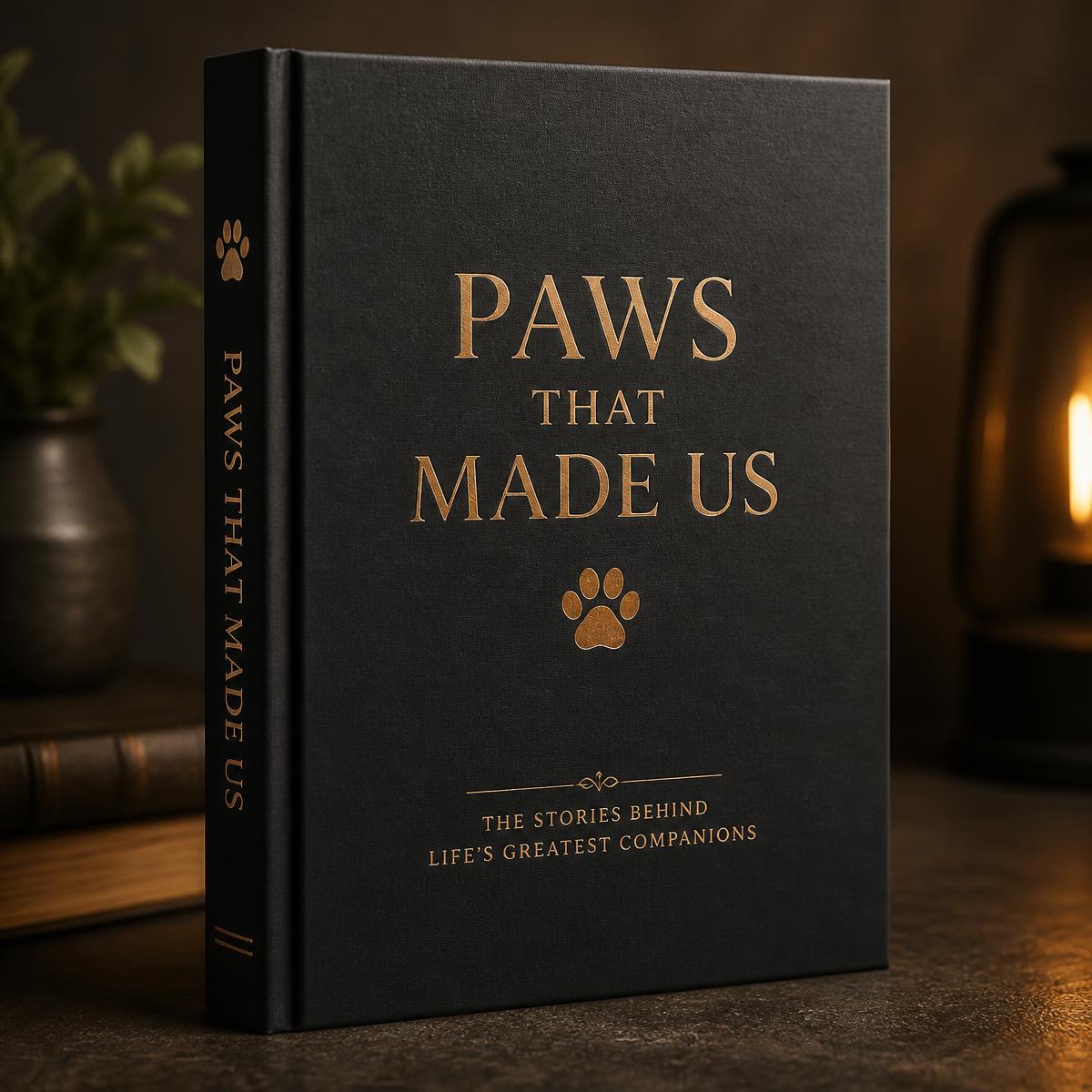
The book
Pawpoint: The Complete Dog Breed Book
Every officially recognised breed plus the unofficial ones nobody else documents. 400+ pages, hardback, printed and shipped from the UK.
Own stock — shipped by us
Framed poster
Chippiparai Framed Poster
Museum-weight print of our Chippiparai illustration, framed or unframed.
Printed to order
Hoodie
Chippiparai Hoodie
Heavyweight hoodie carrying the Chippiparai illustration on the chest.
Printed to order
Mug
Chippiparai Mug
Ceramic mug with the Chippiparai illustration wrapped around it.
Printed to order
Accessory
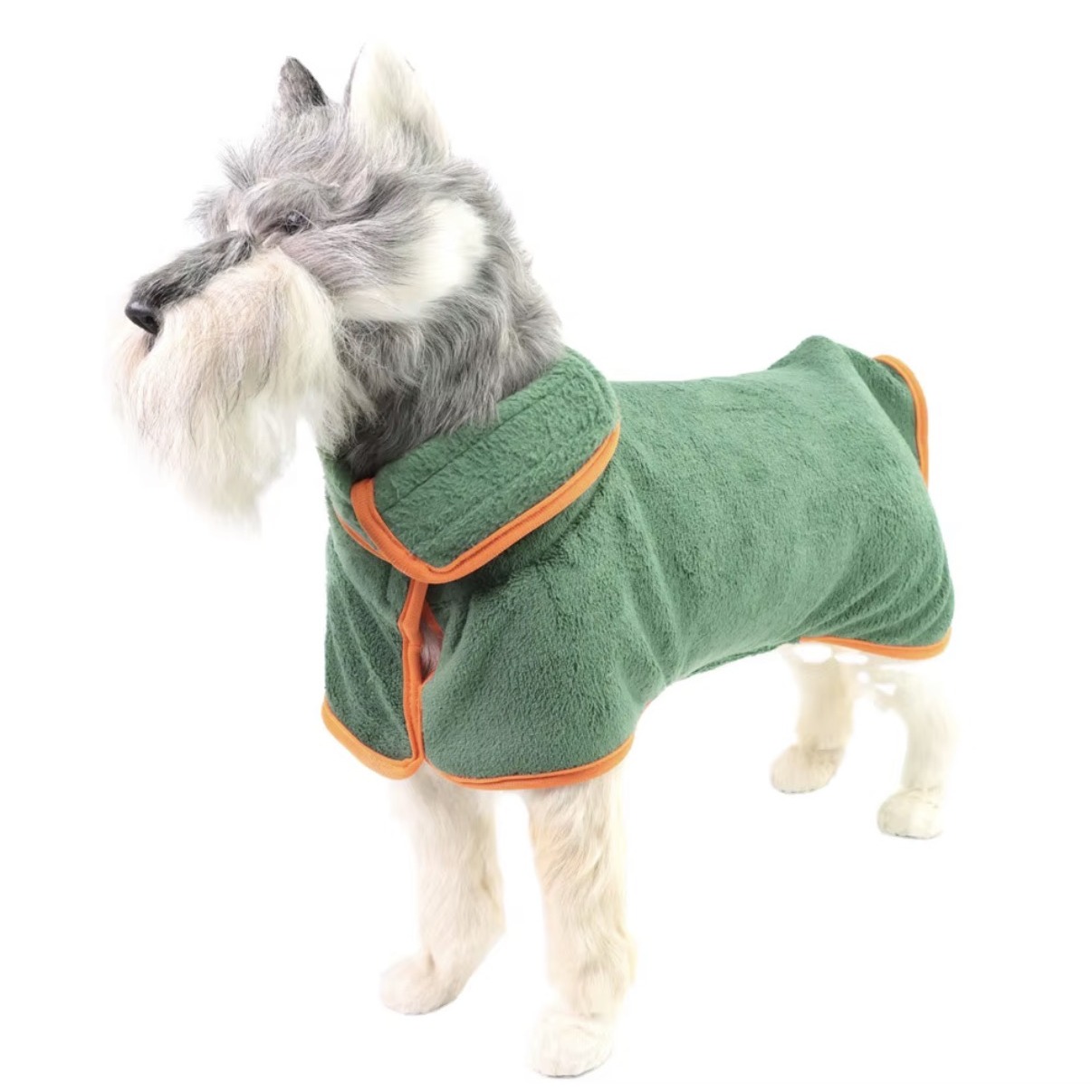
Drying Towel Robe
Microfibre robe that soaks up a wet-walk shake.
Fits any dog
Pawpoint on YouTube
Watch the full Chippiparai video
Breed deep-dives, history and honest ownership talk. New film every week.
Watch now