
Chongqing Dog
chong-CHING dog
China· Chongqing region, China
The Chongqing Dog is an ancient, primitive landrace indigenous to the mountainous Chongqing municipality and neighbouring Sichuan province of south-western China. Archaeological findings, notably ceramic canine figurines recovered from Han Dynasty (202 BC – 220 AD) tombs in the region, suggest that dogs of a remarkably similar phenotype have existed in south-western China for over two millennia. Historically maintained in rural isolation, they functioned as multi-purpose working dogs tasked with tracking small-to-medium game, managing vermin, and guarding rural estates and farmsteads.
At a glance
Quick facts
Size
Medium
Exercise needs
Moderate
Home size suited to
Adaptable to flats or houses with adequate daily exercise
Grooming frequency
Minimal
Coat length
Short
Sheds
Low
Lifespan
10–13 years
Town or country
Either, provided mental and physical stimulation are met
Garden size needed
Small to medium, securely fenced
Where it comes from
Origins of the Chongqing Dog

Indigenous landrace developed in the mountainous river basins of Chongqing and Sichuan in south-western China.
- Region
- Chongqing region, China
- Climate it was bred for
- Subtropical, humid mountainous climate
- Original job
- Estate guarding, vermin eradication, and small-to-medium game hunting
The long read
About the breed
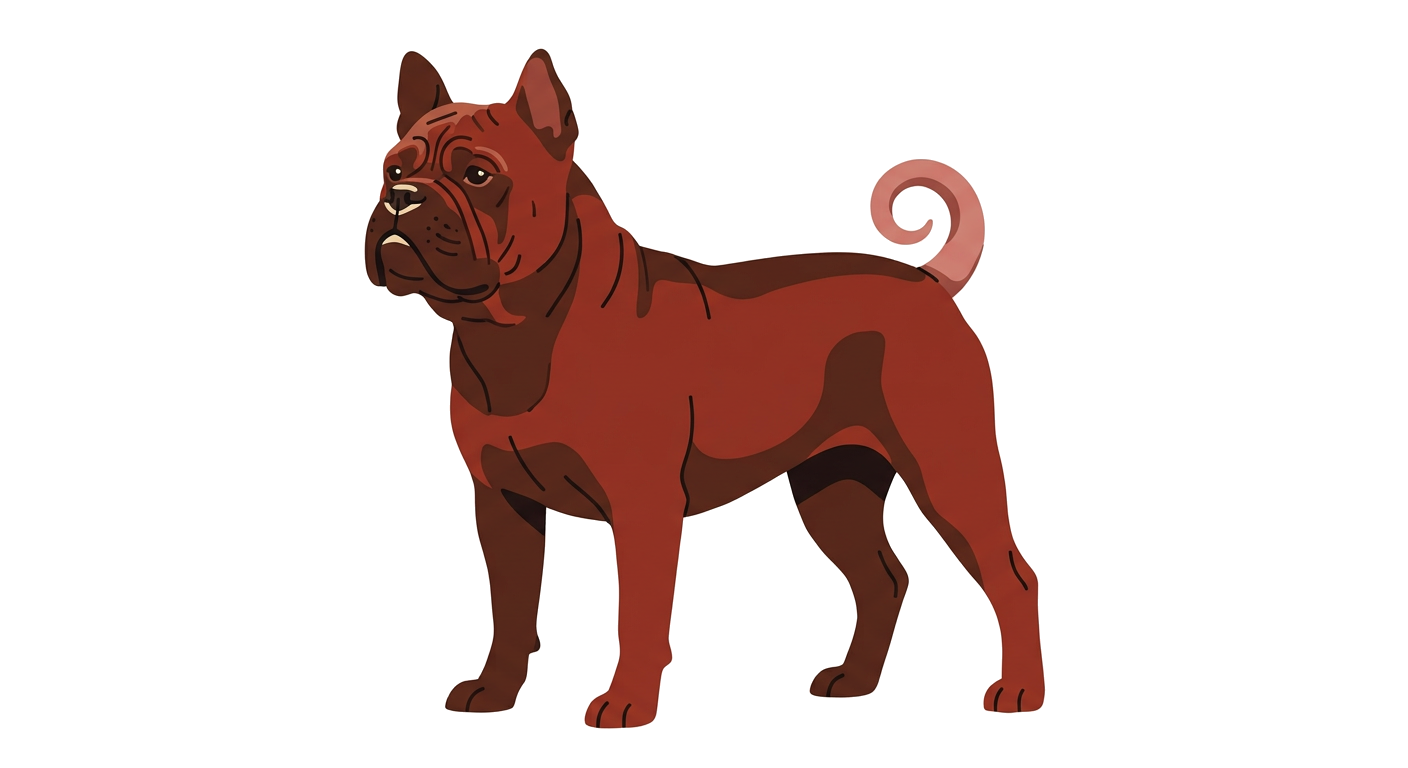
Physically, the breed is medium-sized, compact, and muscular, characterised by a broad skull, pronounced stop, moderate facial wrinkling, and a distinctly stiff, tapering tail often referred to historically as a 'bamboo stick' tail. Their coat is short, sparse, and coarse, providing minimal insulation but well-suited to the subtropical, humid conditions of their native river valleys. The breed possesses a naturally alert and aloof disposition, exhibiting high territorial awareness and strong loyalty to its immediate household.
Industrialisation, urban development, and mid-twentieth-century socioeconomic shifts in China led to a severe reduction in native dog populations, bringing the Chongqing Dog close to extinction. Dedicated recovery programmes initiated in the late twentieth and early twenty-first centuries by local enthusiasts and the China Kennel Union (CKU) have helped stabilise numbers. While recognized domestically by native registries, the breed remains exceedingly rare outside China and is not currently recognized by major Western kennel clubs such as the Kennel Club (UK) or the Fédération Cynologique Internationale (FCI).
Related breeds
Explore connected types
Similar regional histories do not make these names interchangeable.
 Chuandong Hound
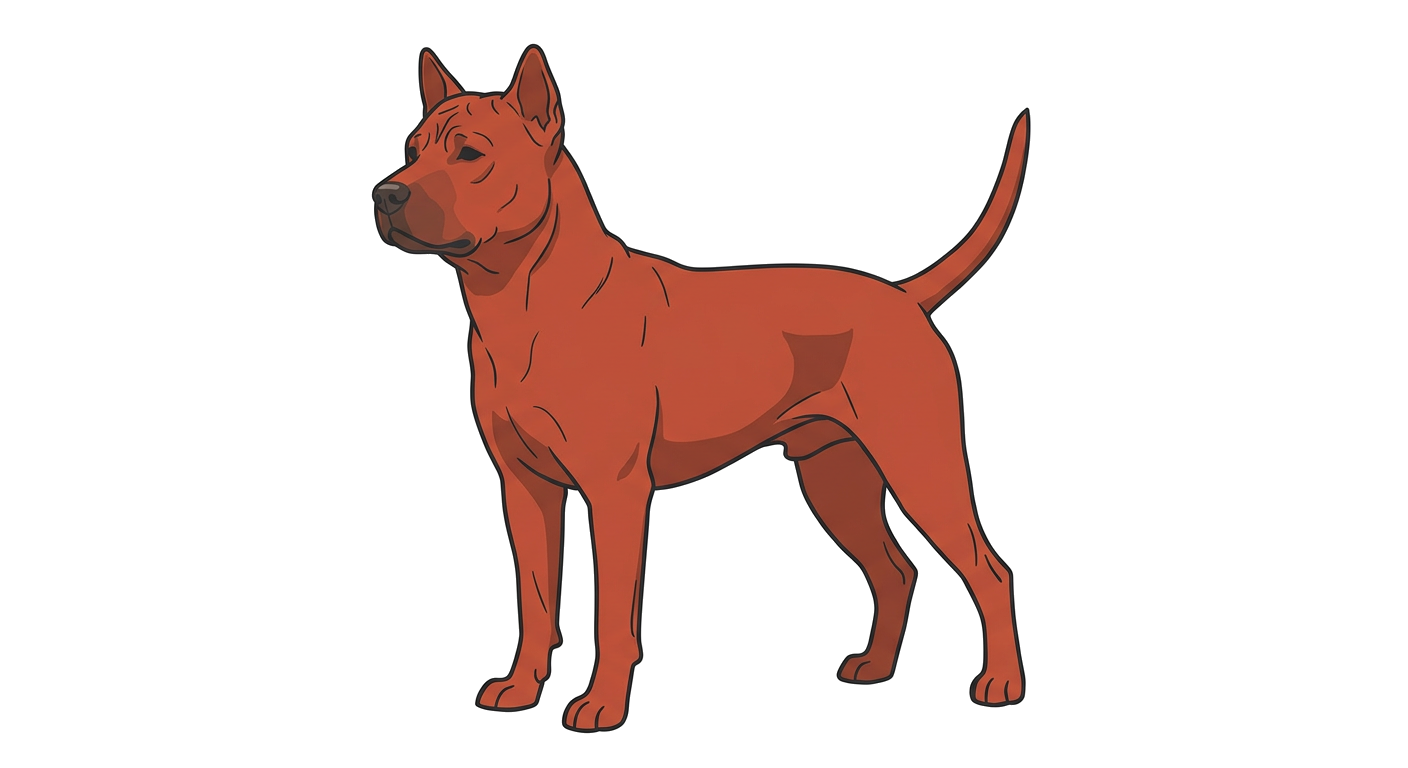
A related eastern Sichuan type with a leaner hunting-hound emphasis.
Illustrated breed standard
The points of the breed
Hover or tap a numbered point to read what the standard asks for.
Point 1
Skull
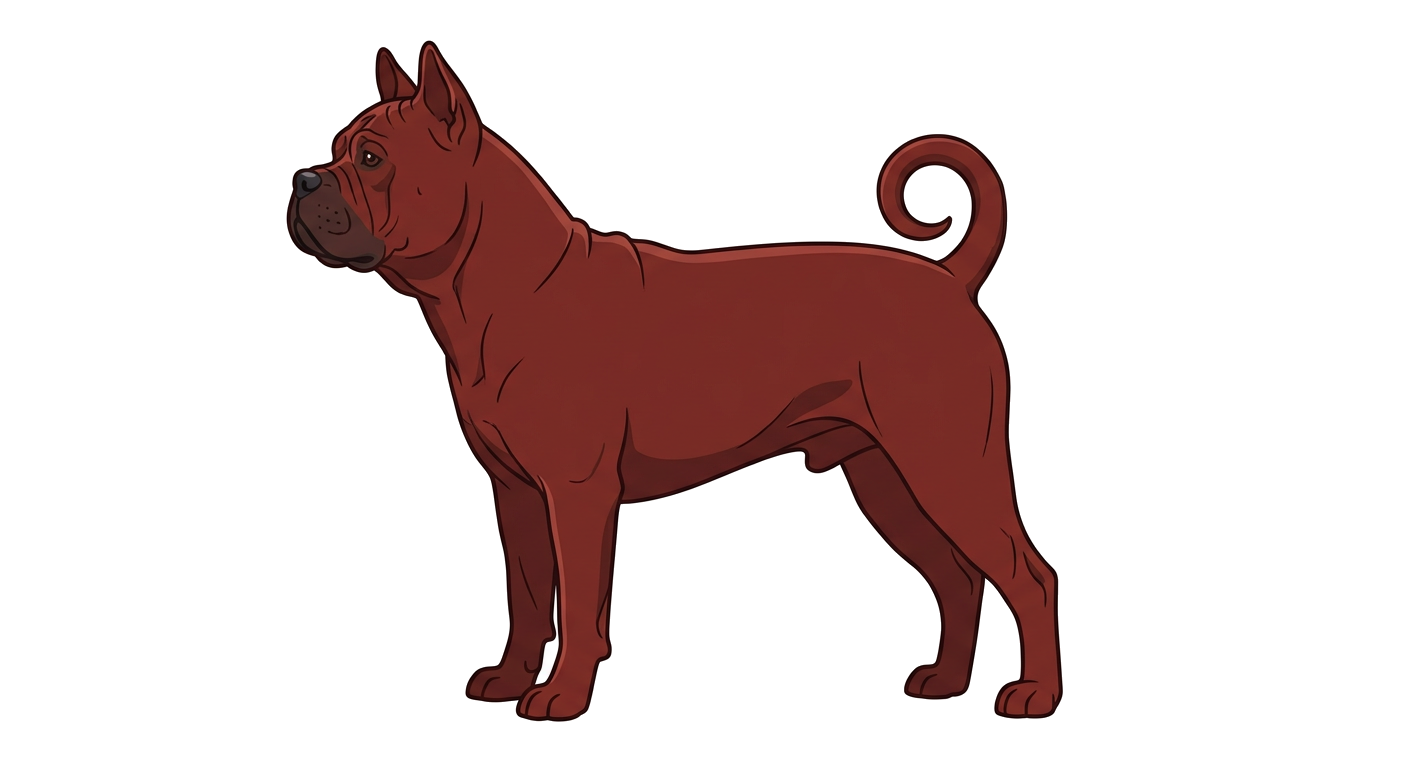
The Chongqing Dog's skull is judged on balance rather than size — proportionate to the body, with a clean cheek and a stop typical of the breed. Coarseness or an over-refined head are both faulted.
Colours & patterns
Recognised coats
Which coats the standard accepts — and which are simply popular.
Red
Standard colour
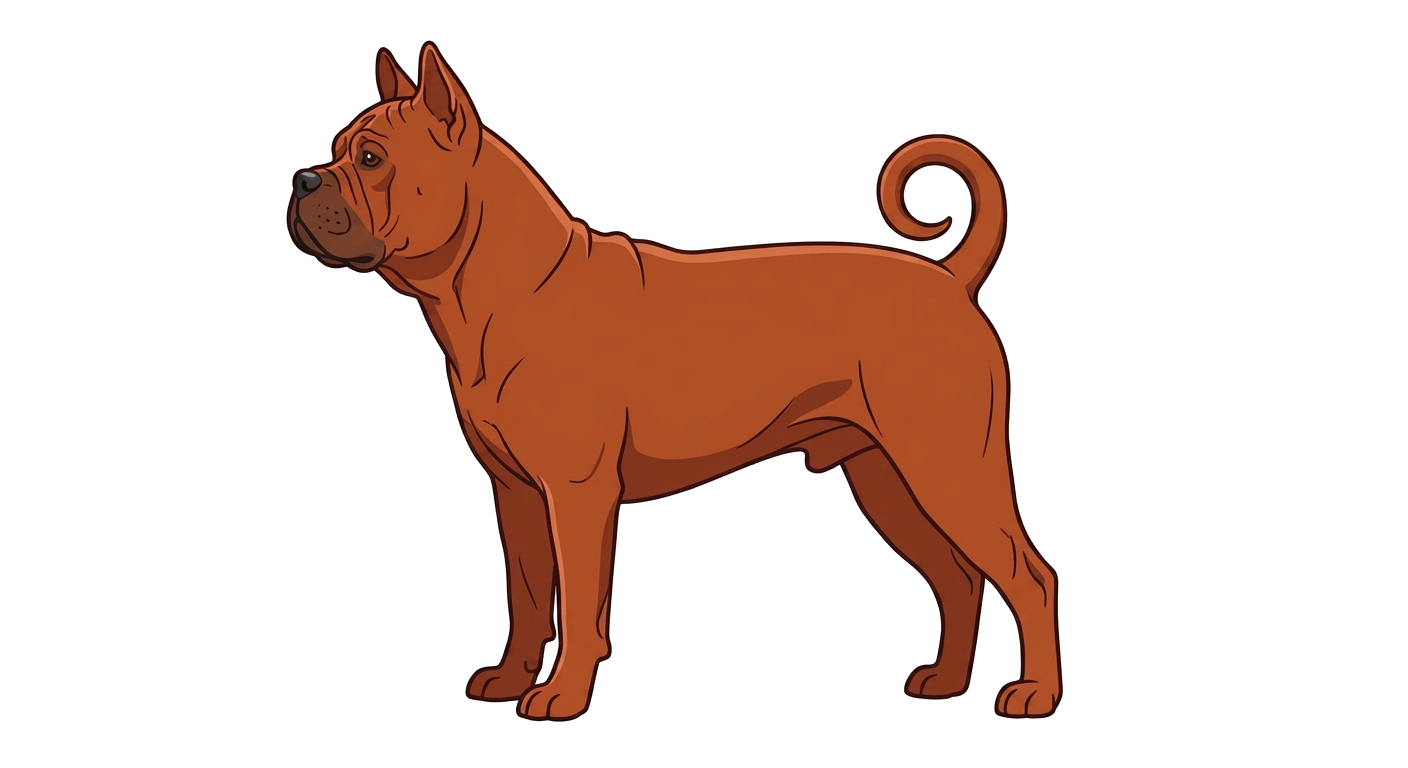
The most traditional and widespread colour, ranging from warm ginger to deep copper tones.
Mahogany
Standard colour
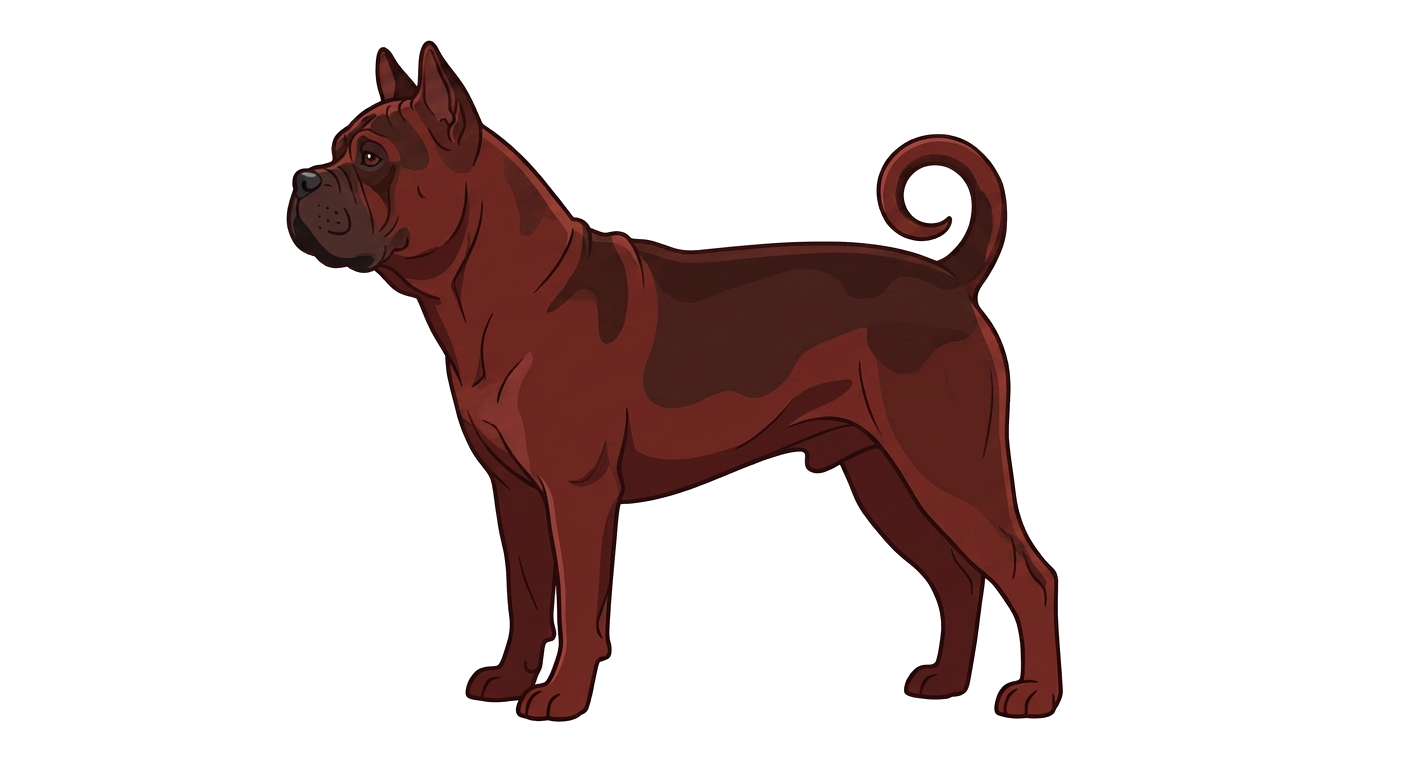
Rich, deep reddish-brown with darker undertones across the back and skull.
Black
Standard colour
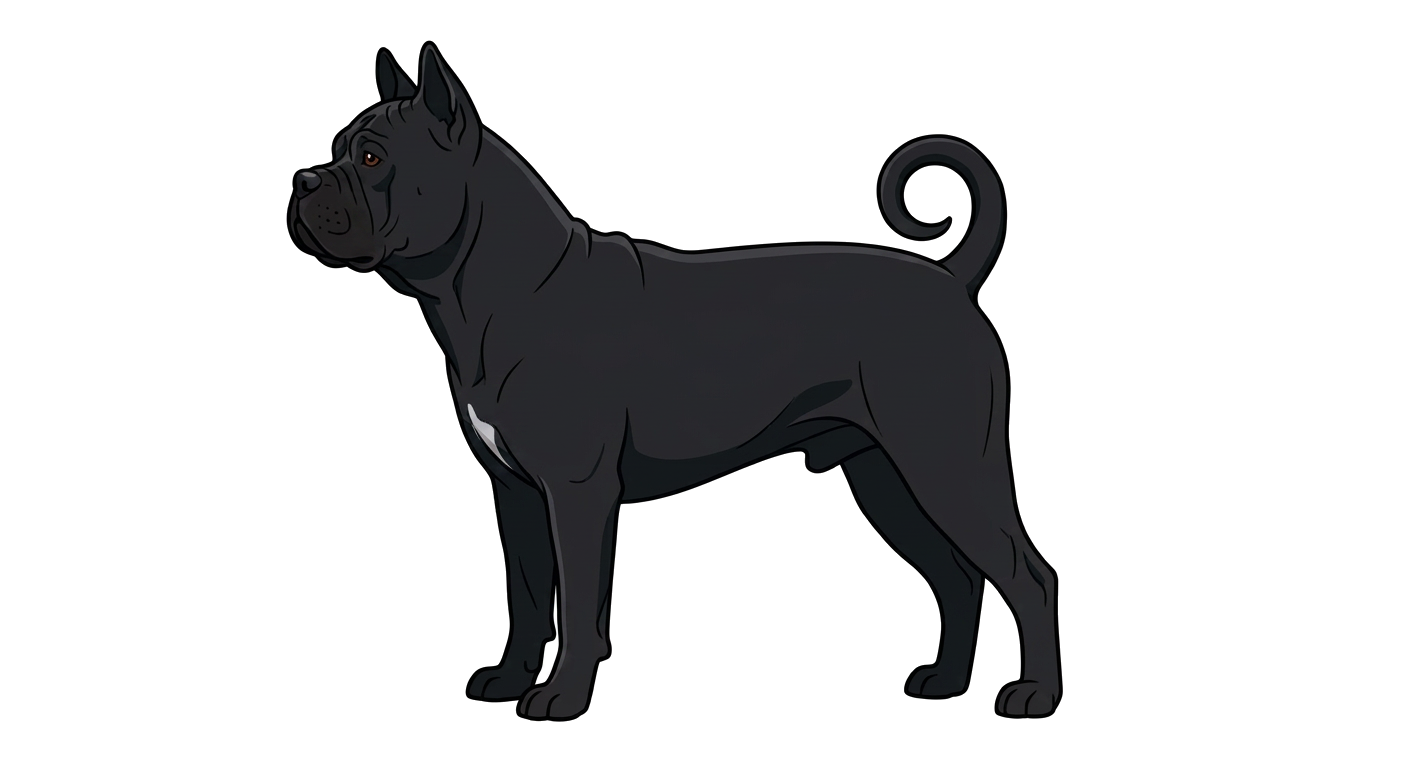
Uniform solid black coat, accepted under native standards with minimal white markings permitted.
Timeline
History & development
c. 200 BC
Han Dynasty Antiquity
Earthenware tomb figurines dating to the Western Han Dynasty depict stocky dogs with broad heads and upright tails, indicating the deep historical presence of the ancestral type in the Sichuan Basin.
c. 1950–1980
Population Decline
Rapid urban expansion, economic reforms, and changing domestic pet policies across China cause rural working landraces to decline steeply, leaving isolated pockets in remote areas.
c. 2000
Breed Preservation
Fanciers in Chongqing organise systematic breeding programmes to collect, preserve, and standardise the surviving native stock.
2006
Domestic Recognition
The China Kennel Union (CKU) establishes a formalised breed standard and studbook for the native Chongqing Dog to support structured preservation efforts.
Reference
Breed standard summary
- body
- Well-muscled, compact, and deep-chested with moderate tuck-up. The topline is level, and the loin is short, firm, and powerful.
- coat
- Extremely short, hard, sparse, and bristly to the touch, offering basic skin protection while allowing efficient heat dissipation.
- ears
- Small, triangular, erect, and pointed, set high and carried naturally upright without tipping.
- eyes
- Medium in size, almond-shaped, dark brown, set well apart with an alert, piercing expression.
- gait
- Free, agile, and springy, displaying good drive from the hindquarters and moderate reach in front.
- head
- Broad and flat on top, forming a blunt wedge. Clean stop with natural, moderate wrinkling over the forehead when alert.
- size
- Height at the withers typically ranges from 35 to 45 cm for both sexes; weight generally ranges between 15 and 25 kg depending on build.
- tail
- Set high, short-to-medium length, rigid, thick at the base and tapering to a fine point ('bamboo shoot tail'), carried upright or curved slightly forward, free of feathering.
- colour
- Solid shades ranging from reddish-brown and mahogany to rich brown or black. Occasional dark shading on the muzzle is standard.
- muzzle
- Strong, square, and broad, slightly shorter than the skull. Jaws are powerful with a complete dentition and a tight scissors or level bite; a slight undershot bite is sometimes encountered.
- temperament
- Confident, resolute, independent, and fiercely devoted to its family; naturally reserved, watchful, and aloof around strangers.
- general appearance
- Medium-sized, compact, robust, and square-proportioned dog exhibiting strength, alertness, and agility without heaviness.
Health
What to screen for
Green means little to worry about, amber means ask the breeder for test results, red means manage it actively.
Dermatological Conditions
Screen for it
Sparse hair coverage increases susceptibility to skin irritations, demodectic mange, and environmental allergies.
Heat Sensitivity
Watch closely
A moderately shortened muzzle combined with a high working drive can predispose dogs to overheating in humid, warm conditions.
Orthopaedic Integrity
Watch closely
Hip dysplasia and patellar luxation are monitored in breeding stock, though formal prevalence rates are not yet extensively published.
Dental Irregularities
Watch closely
Missing premolars and minor malocclusions occur occasionally in the population and should be monitored.
General information only — always speak to your vet about your own dog.
From real owners
Dogs like this
Chongqing Dogs added by PawPoint members through their pet passports. Share yours to appear here.
Loading the wall…
Made for the Chongqing Dog
The book, plus prints, hoodies and mugs using our own Chongqing Dog illustration — and one everyday accessory that suits any dog.
The book
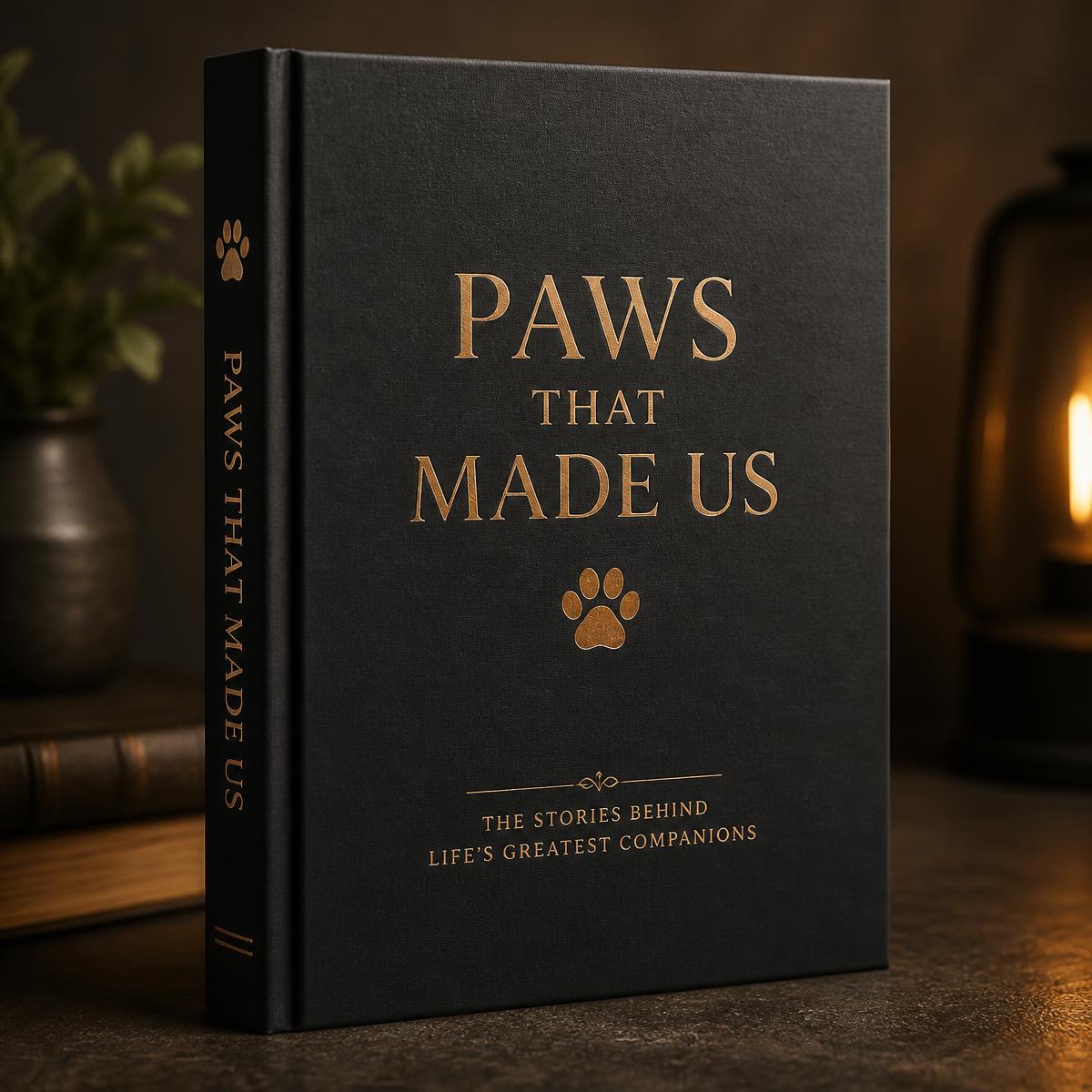
Pawpoint: The Complete Dog Breed Book
Every officially recognised breed plus the unofficial ones nobody else documents. 400+ pages, hardback, printed and shipped from the UK.
Own stock — shipped by us
Framed poster
Chongqing Dog Framed Poster
Museum-weight print of our Chongqing Dog illustration, framed or unframed.
Printed to order
Hoodie
Chongqing Dog Hoodie
Heavyweight hoodie carrying the Chongqing Dog illustration on the chest.
Printed to order
Mug
Chongqing Dog Mug
Ceramic mug with the Chongqing Dog illustration wrapped around it.
Printed to order
Accessory
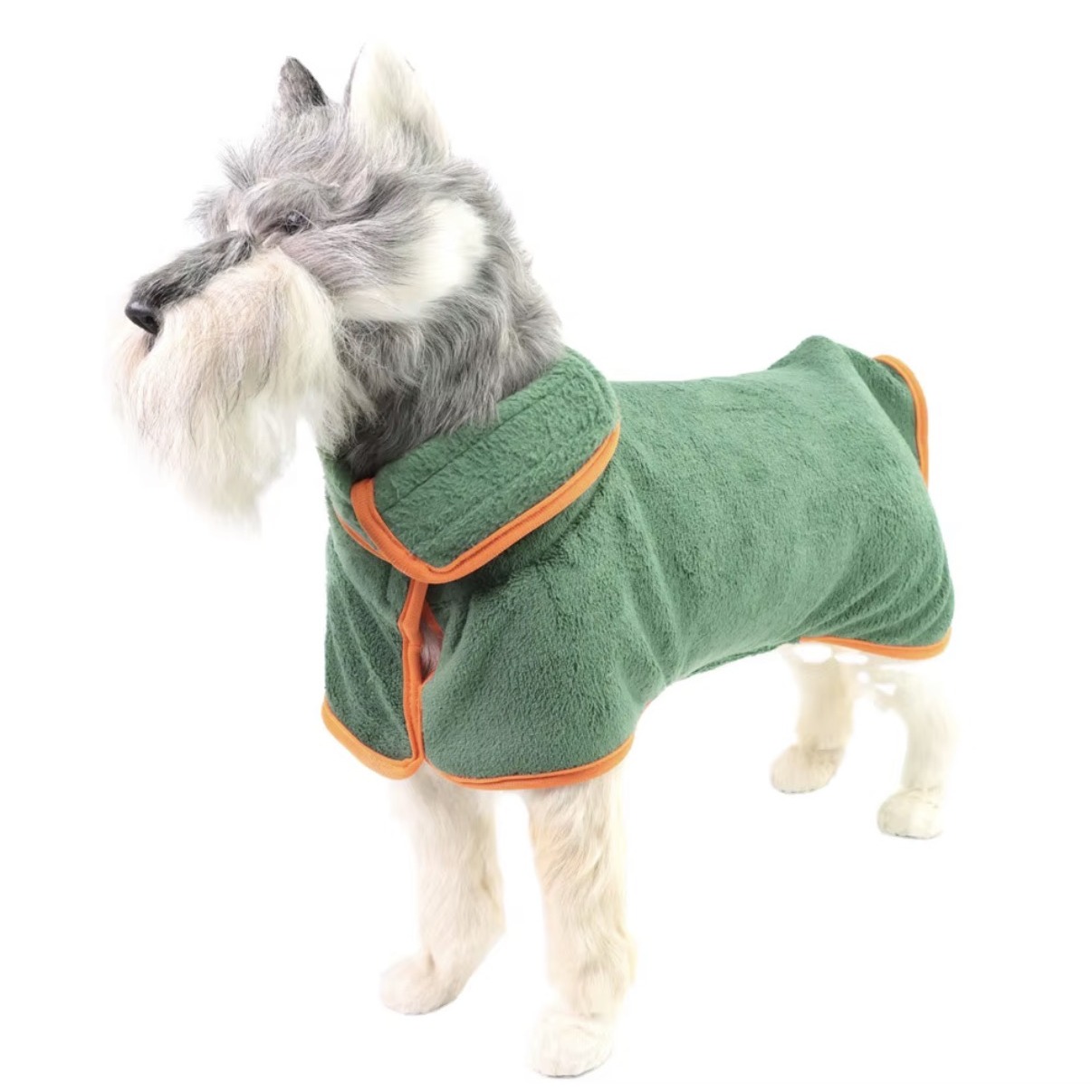
Drying Towel Robe
Microfibre robe that soaks up a wet-walk shake.
Fits any dog
Pawpoint on YouTube
Watch the full Chongqing Dog video
Breed deep-dives, history and honest ownership talk. New film every week.
Watch now