
Coton de Tulear
koh-TAWN duh too-lay-AR
Madagascar· Tulear (Toliara), southwest coast
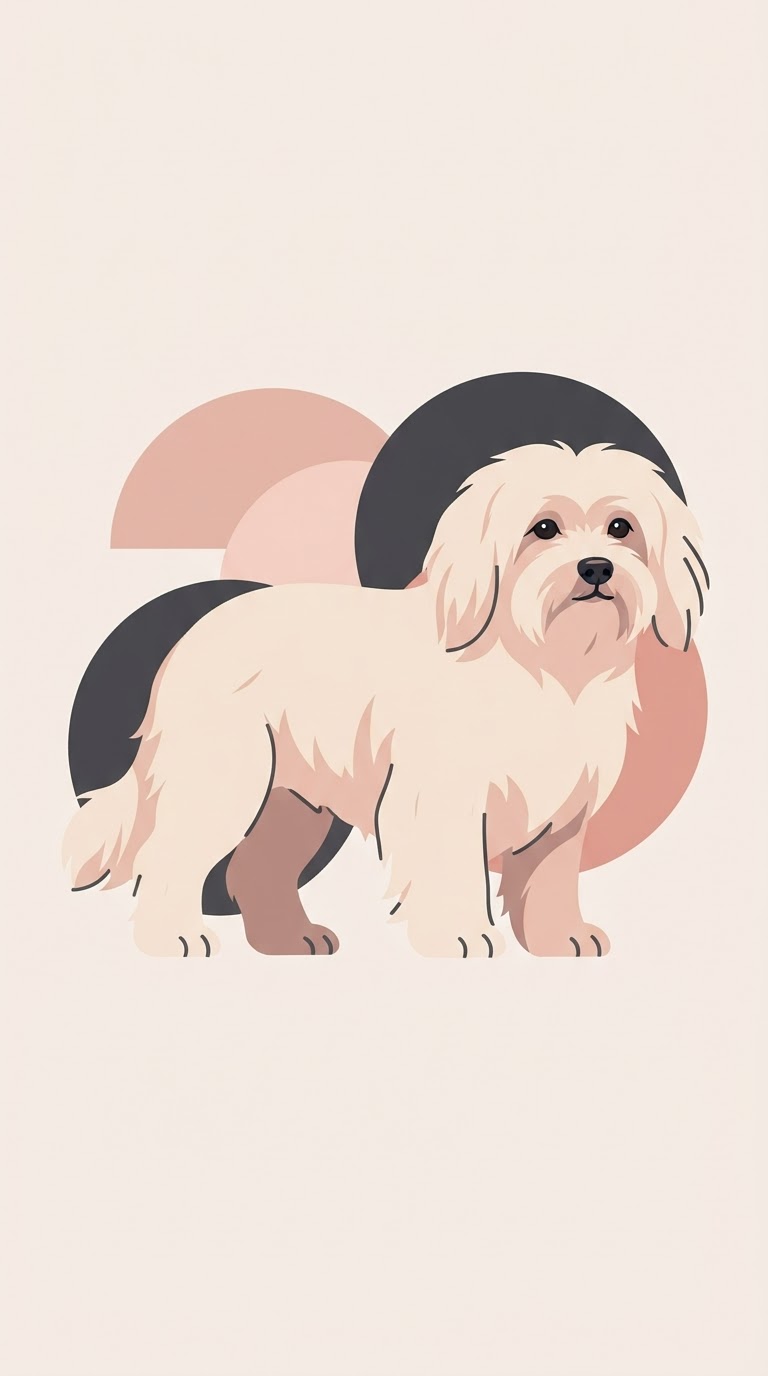
The Coton de Tulear is a small, cotton-coated companion dog from Madagascar, cheerful and adaptable rather than delicate despite its powder-puff looks.
At a glance
Quick facts
Size
Small
Exercise needs
30-45 minutes daily
Home size suited to
Flat or any size home
Grooming frequency
Weekly brush, hand-strip a few times a year
Coat length
Wiry
Sheds
Very little
Lifespan
15-19 years
Town or country
Either, happy in town
Garden size needed
None needed
Where it comes from
Origins of the Coton de Tulear
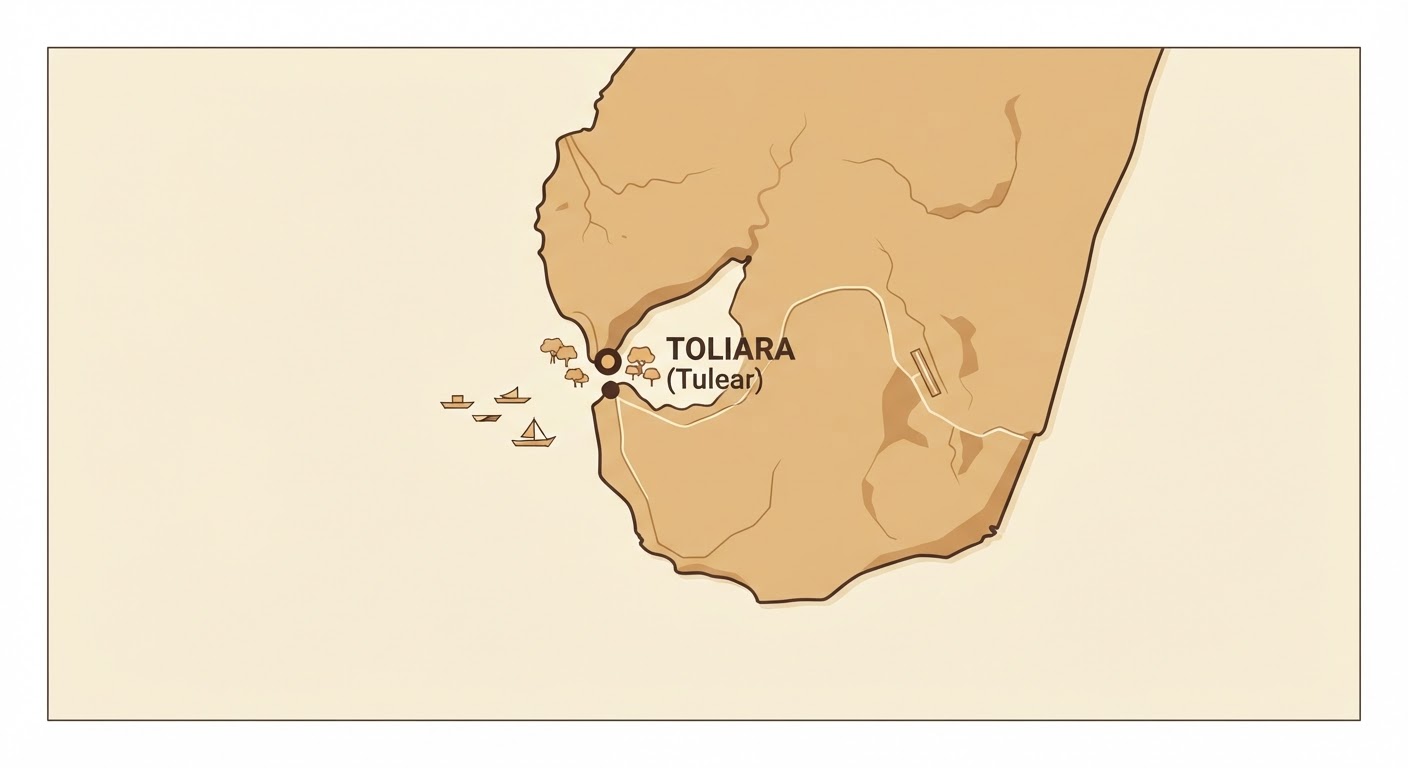
The breed takes its name from the port of Tulear on Madagascar's arid southwest coast, where seafaring dogs are thought to have mixed with local island dogs. Isolation on Madagascar let a distinct small white type settle without much outside influence until the twentieth century.
- Region
- Tulear (Toliara), southwest coast
- Climate it was bred for
- Hot, dry coastal scrubland
- Original job
- Companion dog for households and nobility
The long read
About the breed
The breed developed around the port town of Tulear (now Toliara) in southwest Madagascar, most likely descended from small European ship dogs that jumped or were carried ashore and mixed with local street dogs over several centuries. Isolated on the island, the type settled into a distinct small white dog with a soft, cotton-like coat, kept largely by Malagasy nobility and eventually by ordinary households as a house pet rather than a working animal.
Living with a Coton is easy in most respects. It is sociable, follows people from room to room, and generally gets on well with children, other dogs and even cats introduced sensibly. The coat looks high-maintenance but is single-layered and does not mat as readily as a Bichon's if brushed two or three times a week; owners who let it go a fortnight without a comb will find felted patches behind the ears and under the legs. It is not a yappy breed by nature but will bark to announce visitors, and separation from its household for long hours does not suit it.
Today the Coton remains a minority breed in Britain, imported mainly from French and American lines from the 1970s onward, and recognised by the Kennel Club in the Toy group. It suits owners after an intelligent, portable dog that wants to be included in daily life rather than left to entertain itself, and it does reasonably well in flats provided it gets a proper daily walk plus games at home.
Living with one
Temperament & needs
Our own ratings, based on the breed standard and how these dogs behave in ordinary homes.
Friendliness
5/5
How openly the Coton de Tulear greets people it does not know.
Trainability
4/5
Quick to learn and food-motivated, responds well to reward-based methods.
Energy
3/5
Playful in short bursts, content with a couple of walks a day.
Barking
2/5
Alerts to visitors but is not a persistent barker.
Grooming
4/5
Cotton coat needs brushing two to three times a week to avoid matting.
Suits a first-time owner
4/5
How forgiving the Coton de Tulear is for someone taking on their first dog.
Sociability
5/5
Genuinely people-oriented, dislikes being left alone for long periods.
Independence
2/5
Prefers company and involvement over solo entertainment.
Illustrated breed standard
The points of the breed
Hover or tap a numbered point to read what the standard asks for.
Point 1
Skull
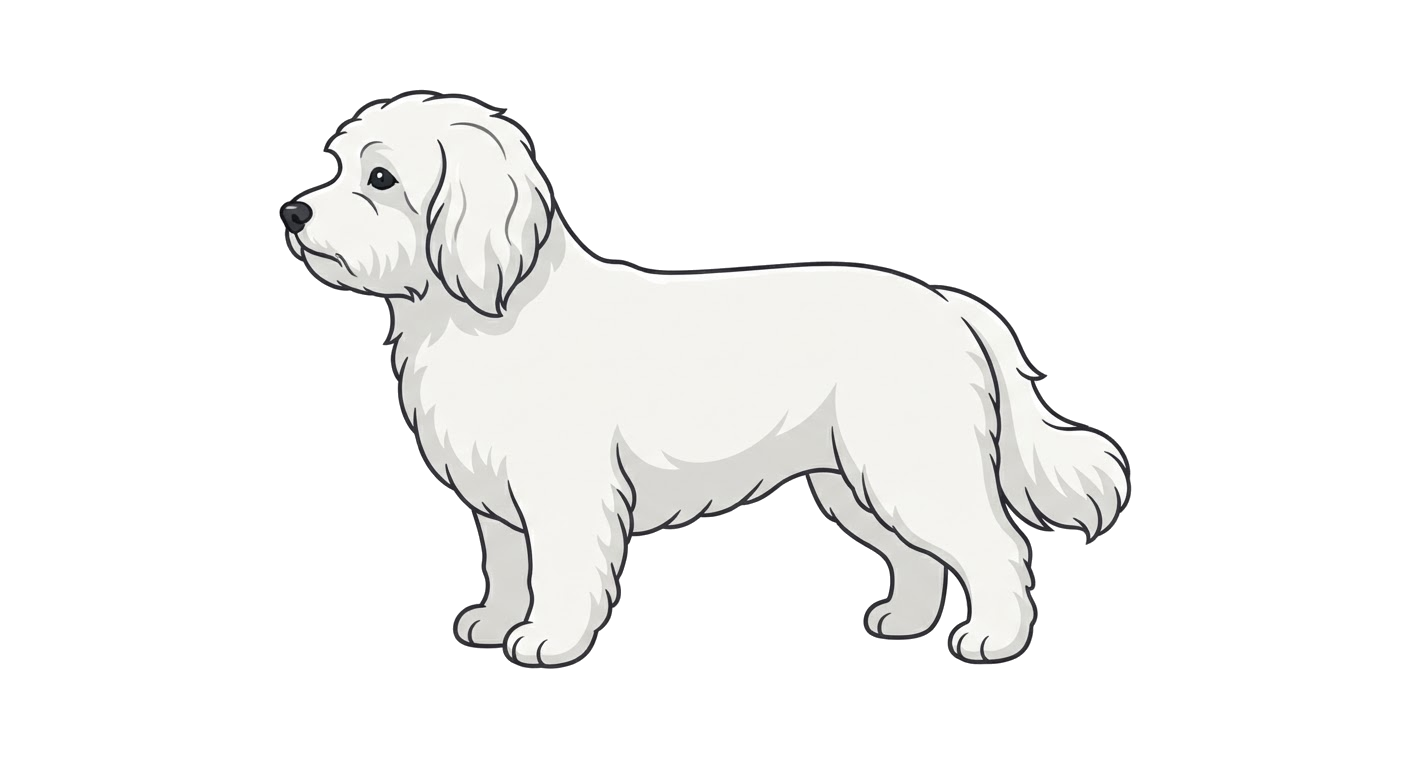
The Coton de Tulear's skull is judged on balance rather than size — proportionate to the body, with a clean cheek and a stop typical of the breed. Coarseness or an over-refined head are both faulted.
Colours & patterns
Recognised coats
Which coats the standard accepts — and which are simply popular.
White
Standard colour
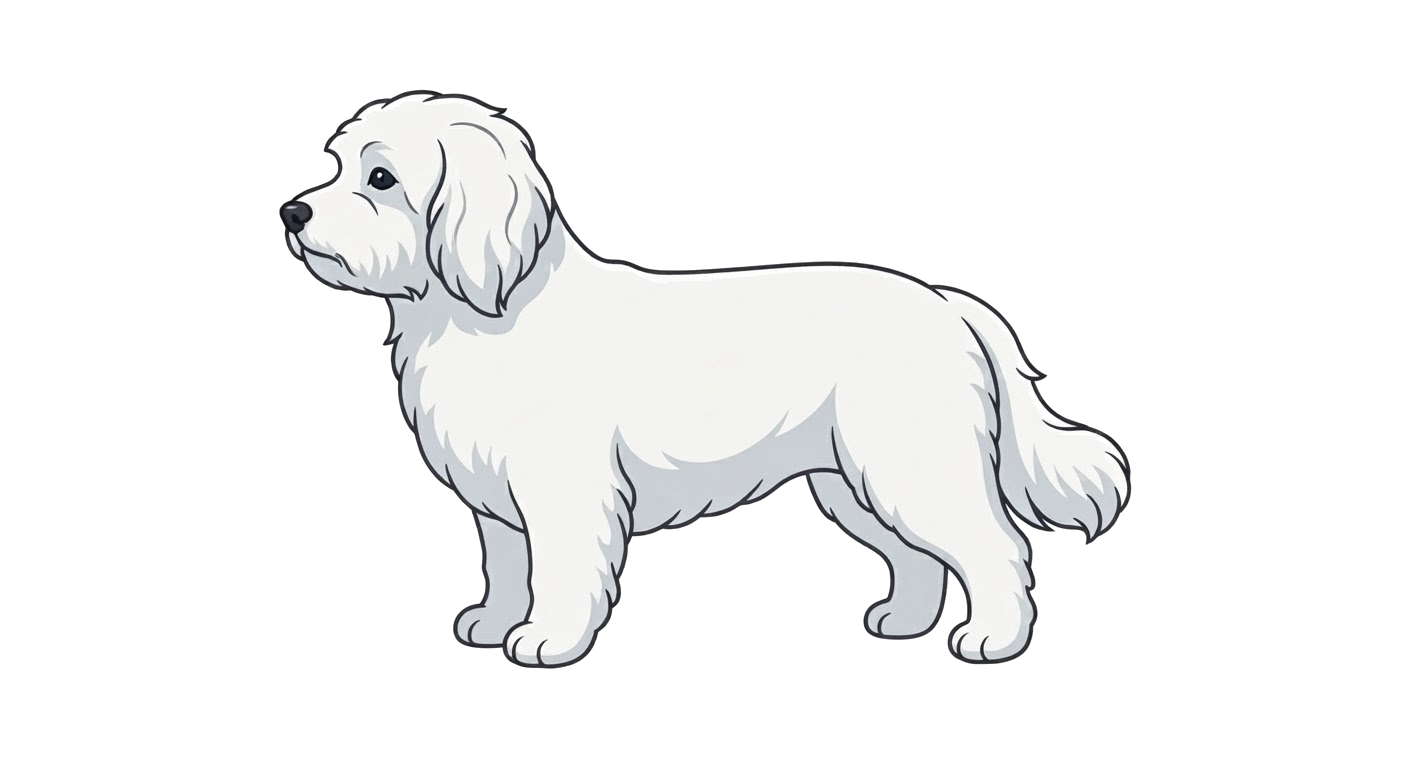
The classic and most common colour, sometimes with faint biscuit shading.
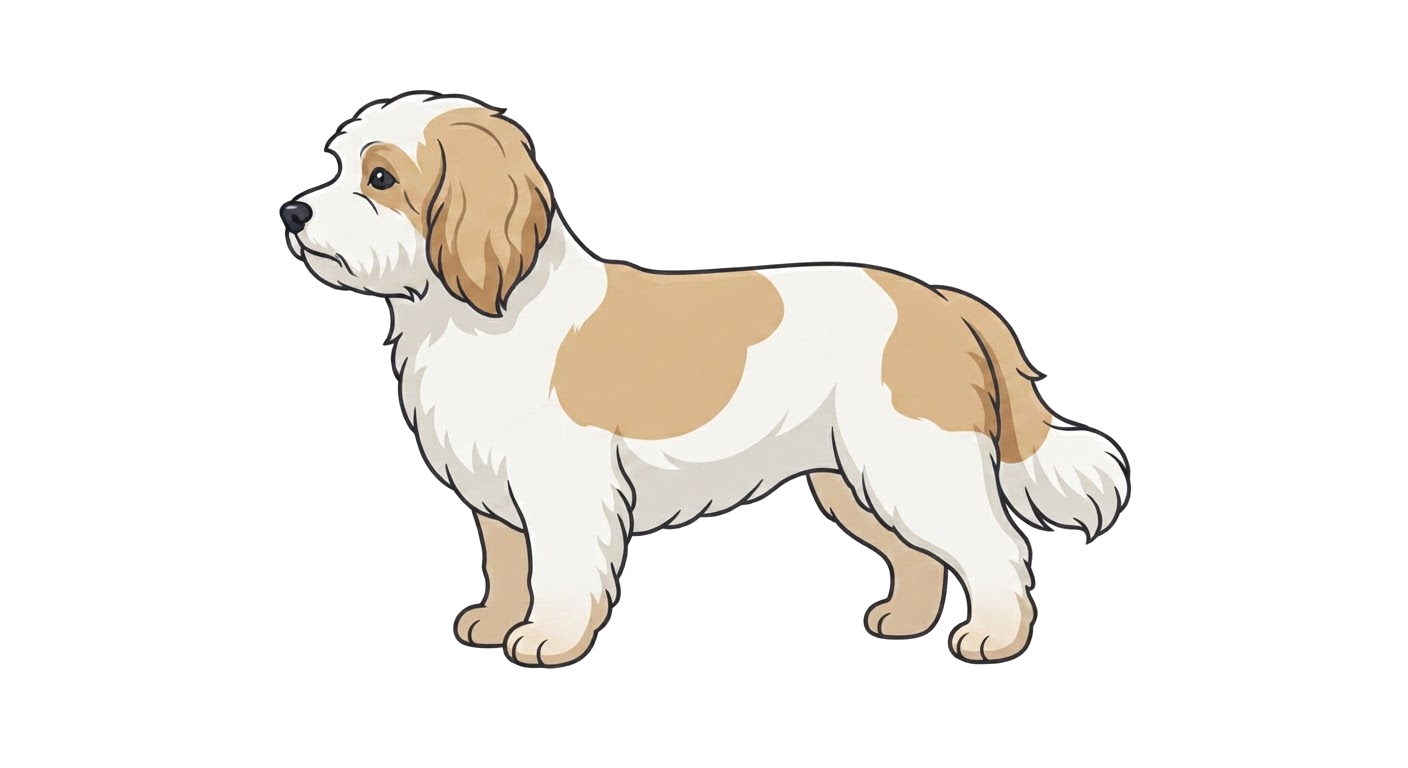
White and Tan
Standard colour
White base with tan patches, usually around the ears.
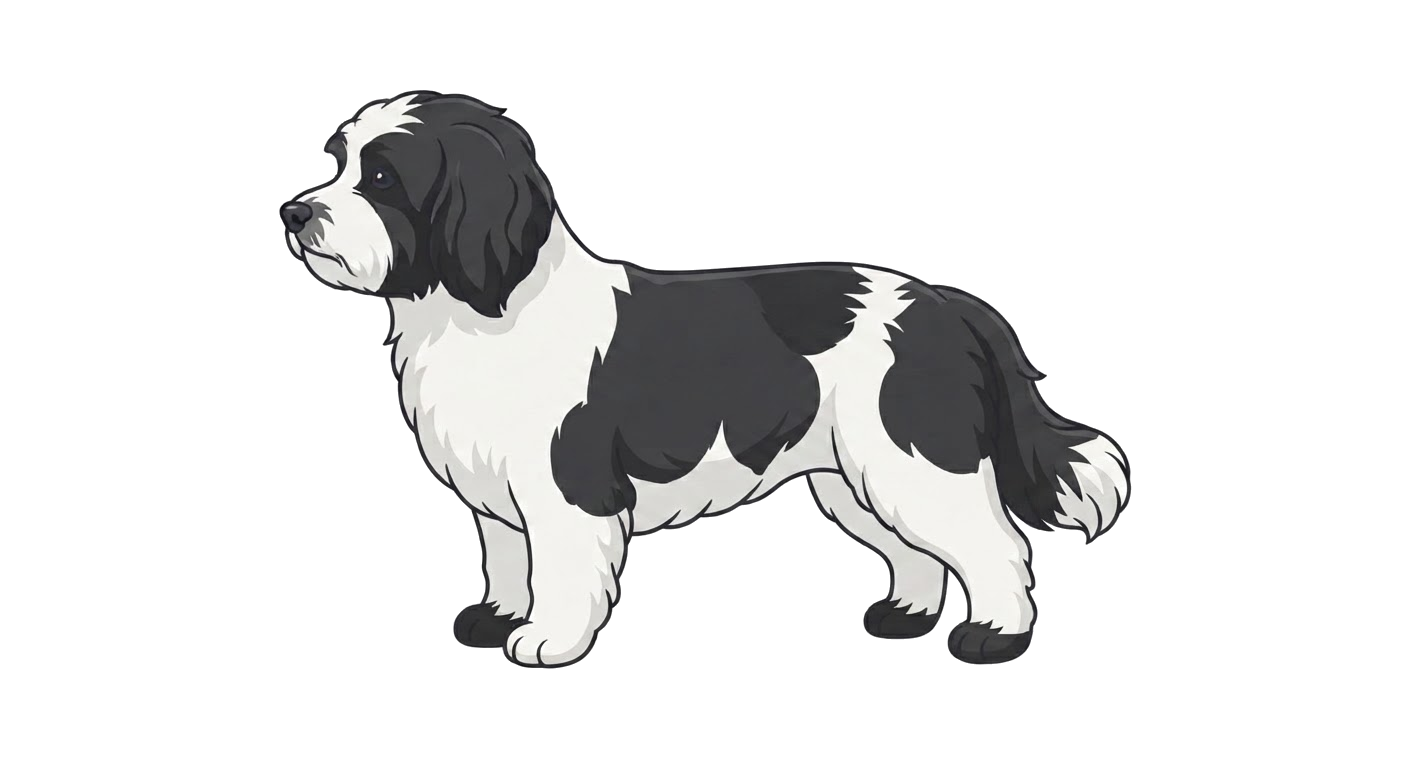
Black and White
Standard colour
Tricolour-influenced pattern accepted in some registries.
Outside the standard
Other colours
Dilute coats you will see advertised. They are the same breed, but no kennel club accepts them.
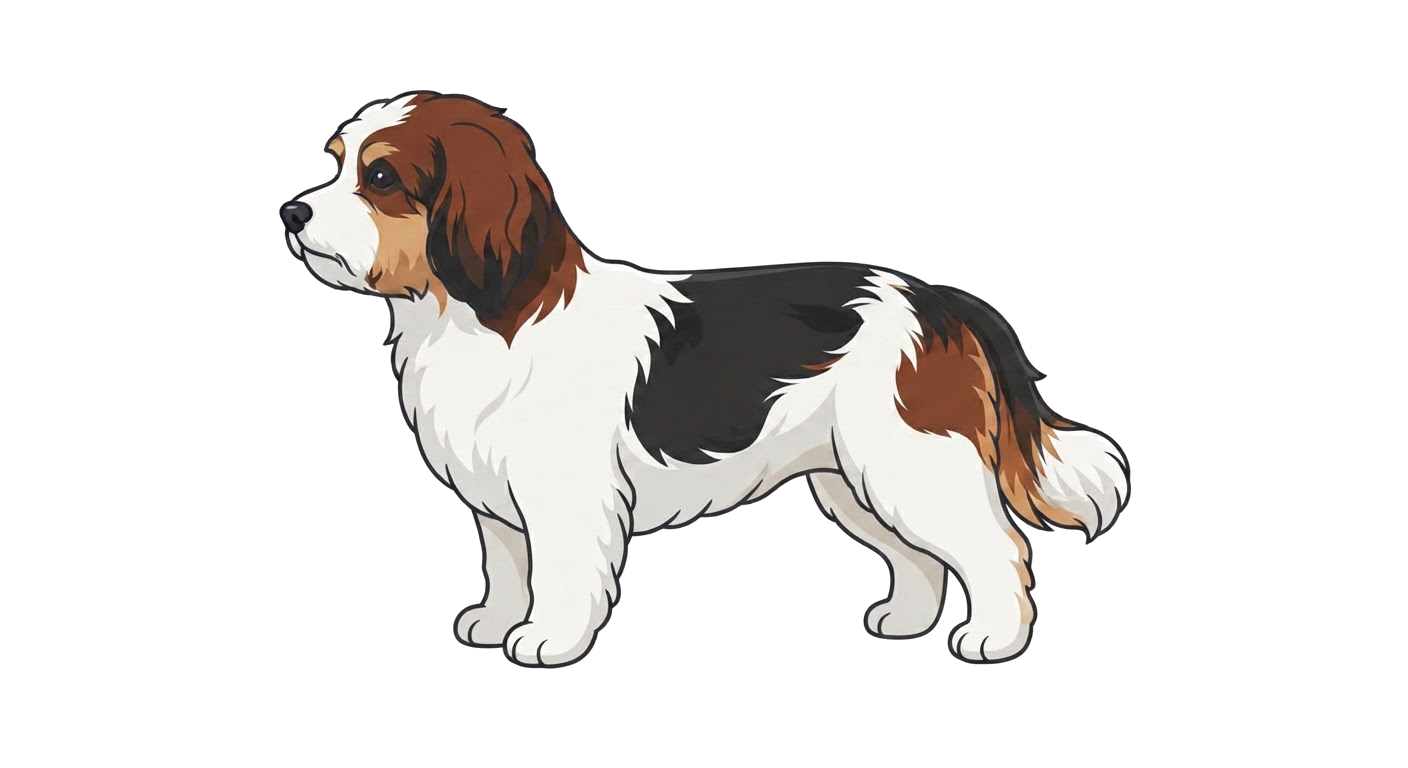
Tricolour
Not in the standard
Occasionally seen but not favoured for the show ring.
Timeline
History & development
1600s
Arrival on Madagascar
Small European companion dogs are believed to have reached the island via trading ships and mixed with local dogs.
1700s-1800s
Companion to nobility
The breed became associated with Malagasy high society, sometimes called the royal dog of Madagascar.
1970s
Export to Europe and America
French breeders began exporting and documenting the Coton, forming the basis of modern breeding programmes.
1990s
Kennel Club recognition
The breed gained formal recognition from major kennel clubs, including the UK Kennel Club in the Toy group.
Reference
Breed standard summary
- body
- Slightly longer than tall, well muscled for size
- coat
- Long, fine, cotton texture, never curly or wiry
- ears
- Dropped, set fairly high, covered in long hair
- eyes
- Round, dark, expressive
- head
- Proportionate to body, with a well-defined stop
- size
- Small toy breed
- tail
- Set high, carried in a plume over the back when moving
- colour
- White, White and Tan, Black and White. Colours outside this list are seen but are not accepted by the kennel clubs.
- temperament
- Typical of the breed: strongest in sociability, trainability, grooming. Nervousness or aggression are serious faults in the show ring and in the home.
- general appearance
- Small, sturdy companion dog with a distinctive cotton-like white coat
Health
What to screen for
Green means little to worry about, amber means ask the breeder for test results, red means manage it actively.
Patellar luxation
Screen for it
Ask breeders for a patella check on both parents before buying a puppy.
Progressive retinal atrophy
Screen for it
Request eye certification (BVA/KC eye scheme) on the breeding pair.
Hip dysplasia
Low concern
Uncommon in this light-framed breed but worth confirming with a vet check.
Ear infections
Low concern
Floppy ears trap moisture, so dry them after baths and swimming.
General information only — always speak to your vet about your own dog.
From real owners
Dogs like this
Coton de Tulears added by PawPoint members through their pet passports. Share yours to appear here.
Loading the wall…
Made for the Coton de Tulear
The book, plus prints, hoodies and mugs using our own Coton de Tulear illustration — and one everyday accessory that suits any dog.

The book
Pawpoint: The Complete Dog Breed Book
Every officially recognised breed plus the unofficial ones nobody else documents. 400+ pages, hardback, printed and shipped from the UK.
Own stock — shipped by us
Framed poster
Coton de Tulear Framed Poster
Museum-weight print of our Coton de Tulear illustration, framed or unframed.
Printed to order
Hoodie
Coton de Tulear Hoodie
Heavyweight hoodie carrying the Coton de Tulear illustration on the chest.
Printed to order
Mug
Coton de Tulear Mug
Ceramic mug with the Coton de Tulear illustration wrapped around it.
Printed to order
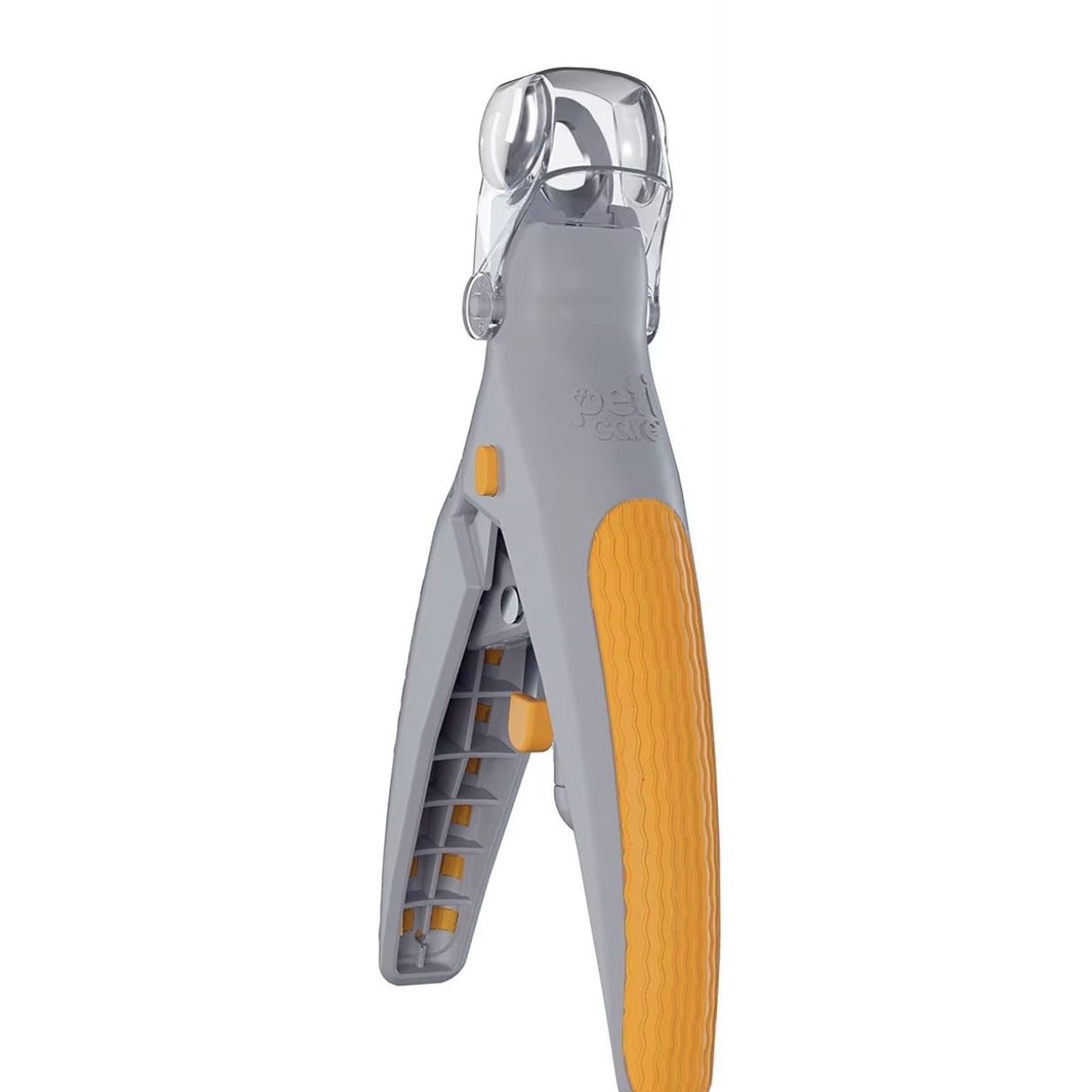
Accessory
Nail Clippers & Grinder
Safety-guard clippers with a quiet rotary grinder.
Fits any dog

Pawpoint on YouTube
Watch the full Coton de Tulear video
Breed deep-dives, history and honest ownership talk. New film every week.
Watch now