
Danish-Swedish Farmdog
DAY-nish SWEE-dish FARM-dog
Denmark and Sweden· Farms across the Danish and southern Swedish countryside
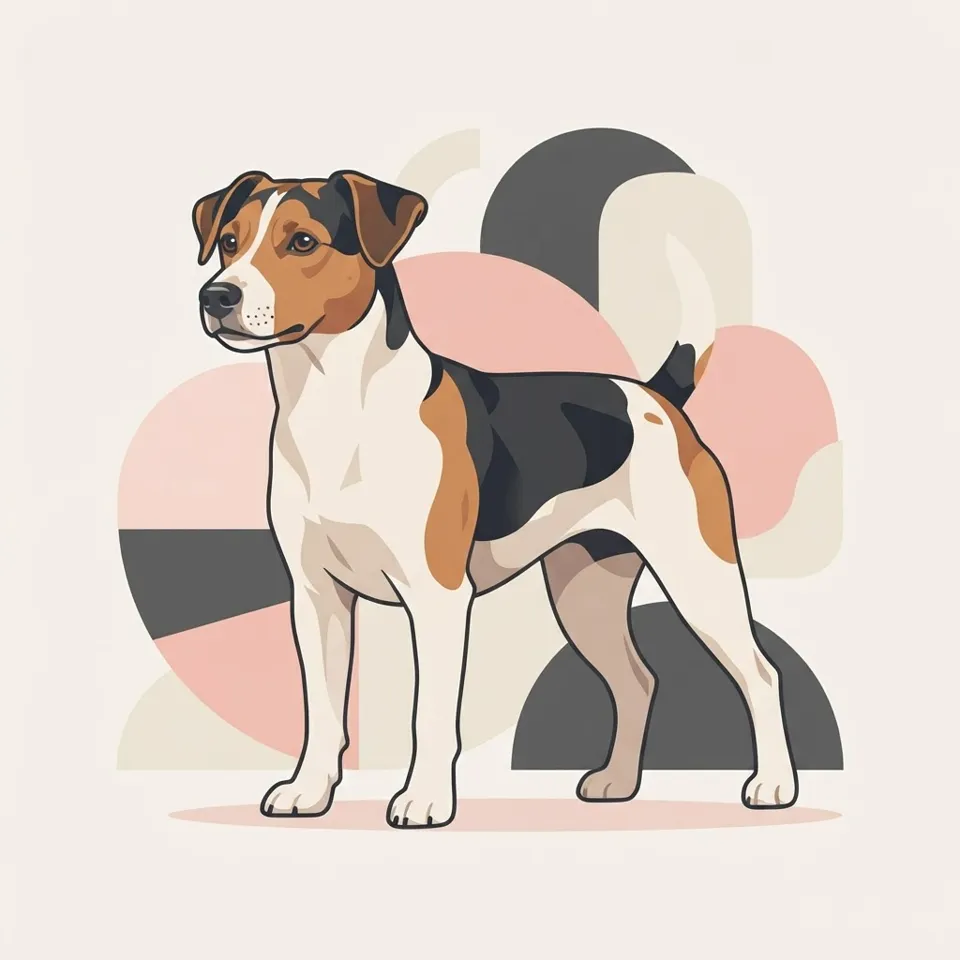
The Danish-Swedish Farmdog is a small, square, short-coated all-purpose farm dog developed jointly in Denmark and Sweden.
At a glance
Quick facts
- Size
- Small
- Exercise needs
- 1-2 hours per day
- Home size suited to
- Any size
- Grooming frequency
- Minimal
- Coat length
- Short
- Sheds
- Yes
- Lifespan
- 12-15 years
- Town or country
- Adapts to both
- Garden size needed
- Small or larger
Where it comes from
Origins of the Danish-Swedish Farmdog
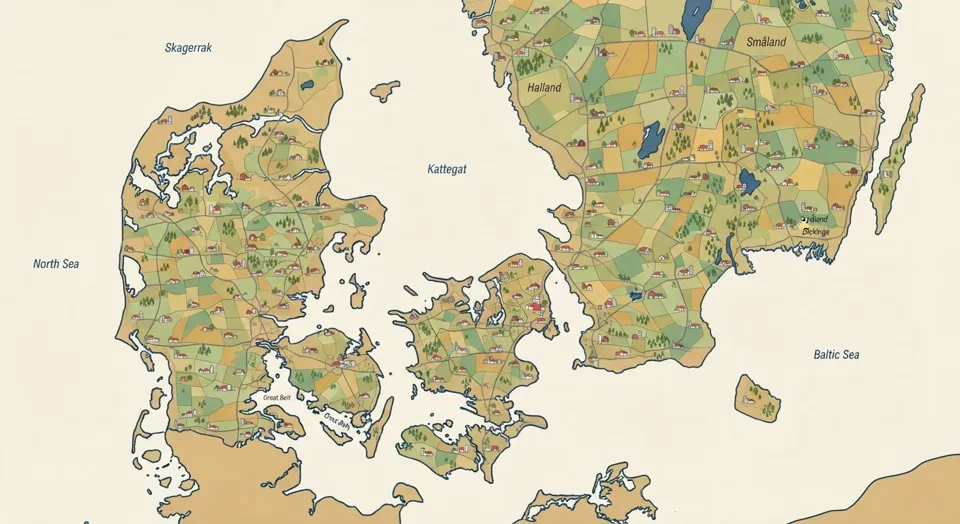
Small mixed farms in Denmark and southern Sweden needed a compact, adaptable dog that could work livestock, guard the yard and control rats in the barn without demanding much upkeep. The breed's short coat and modest size suited the region's mild, changeable weather and the practical needs of smallholders.
- Region
- Farms across the Danish and southern Swedish countryside
- Climate it was bred for
- Temperate maritime climate with mild, damp winters
- Original job
- All-purpose farm dog for herding, guarding and ratting
The long read
About the breed
Generations of yard work gave it a keen nose, sharp hearing and a fearless attitude towards vermin, alongside enough herding instinct to move small livestock and a strong territorial streak that made it an effective watchdog.
In the home it is lively, affectionate and highly trainable, thriving on activity and mental stimulation; it gets along well with children and other pets when properly socialised but can be vocal and needs an outlet for its energy.
Today the breed is popular as a companion and agility dog in Scandinavia and increasingly abroad, valued for its intelligence and manageable size while retaining much of its working temperament.
Living with one
Temperament & needs
Our own ratings, based on the breed standard and how these dogs behave in ordinary homes.
Friendliness
3/5
How openly the Danish-Swedish Farmdog greets people it does not know.
Trainability
3/5
How readily the breed takes to training in an ordinary home.
Energy
3/5
How much daily exercise and stimulation the breed expects.
Barking
3/5
How vocal the breed tends to be day to day.
Grooming
3/5
How much coat work the breed needs to stay comfortable.
Suits a first-time owner
3/5
How forgiving the Danish-Swedish Farmdog is for someone taking on their first dog.
Illustrated breed standard
The points of the breed
Hover or tap a numbered point to read what the standard asks for.
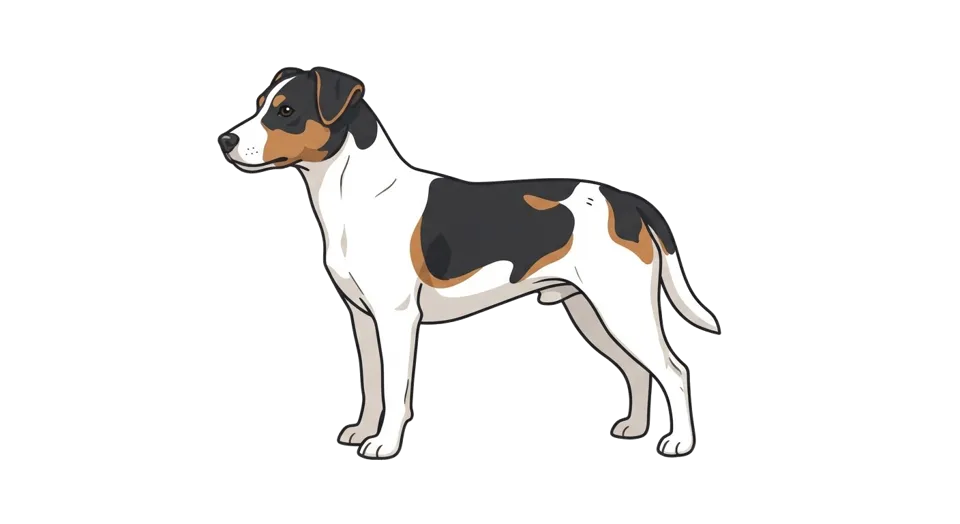
Point 1
Skull
The Danish-Swedish Farmdog's skull is judged on balance rather than size — proportionate to the body, with a clean cheek and a stop typical of the breed. Coarseness or an over-refined head are both faulted.
Timeline
History & development
1700s
Farm beginnings
Small, versatile dogs worked as ratters and yard guardians on farms throughout Denmark and southern Sweden.
1900s
Regional spread
The type became common across rural areas of both countries, valued for its usefulness rather than appearance.
1987
Formal recognition sought
Enthusiasts in Denmark began organised efforts to document and standardise the breed.
2009
FCI recognition
The breed gained provisional FCI recognition under its current joint name.
2011
Full FCI status
Full international recognition was granted, cementing its status as a distinct breed.
Reference
Breed standard summary
- body
- Square in proportion with a level topline, deep chest and firm loin.
- coat
- Short, smooth and dense, lying close to the body.
- ears
- Set high, carried erect, semi-erect or dropped, all permitted.
- eyes
- Medium-sized, oval and dark, with a lively, intelligent expression.
- head
- Slightly rounded skull with a moderate stop and strong, pointed muzzle.
- size
- Dogs 35-37cm, bitches 32-34cm at the withers
- colour
- Predominantly white with patches of black, brown or tan, sometimes with tan markings on a bicolour base.
- temperament
- Alert, active and fearless, friendly and outgoing without aggression.
- general appearance
- A small, square-built, muscular dog of terrier-like alertness combined with herding agility.
Health
What to screen for
Green means little to worry about, amber means ask the breeder for test results, red means manage it actively.
General information only — always speak to your vet about your own dog.
From real owners
Danish-Swedish Farmdogs in the PAWPOINT Pack
Danish-Swedish Farmdogs added by PawPoint members through their pet passports. Share yours to appear here.
Loading the wall…
Made for the Danish-Swedish Farmdog
The book, plus hoodies, tees and mugs featuring the Danish-Swedish Farmdog.