
Deutsche Bracke
DOYT-sheh BRAH-keh
Germany· Westphalia, Germany
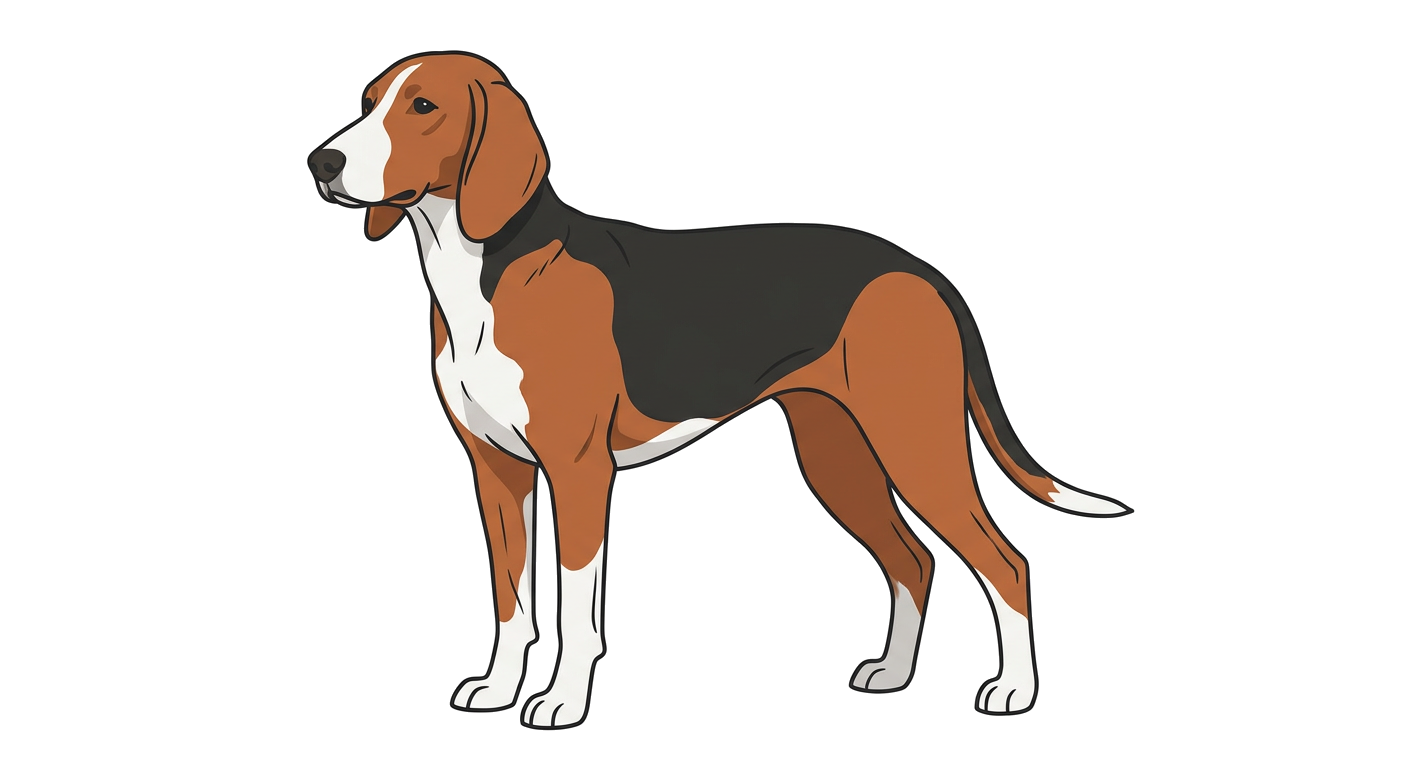
The Deutsche Bracke, also known as the German Hound, is a medium-sized, light-limbed hunting hound native to the historic region of Westphalia in north-western Germany. Developed specifically for tracking and driving game through dense woodland and mountainous terrain, the breed exemplifies the traditional continental 'Bracke' type. It stands between 40 and 53 centimetres at the withers and possesses a distinctive tricolour coat consisting of a red-to-yellow ground colour, a black saddle or mantle, and continuous white 'Bracken' markings across the muzzle, neck, chest, legs, and tail tip.
At a glance
Quick facts
Size
Medium
Exercise needs
High (over 2 hours daily)
Home size suited to
Spacious house with secure garden
Grooming frequency
Weekly brushing
Coat length
Short
Sheds
Moderate
Lifespan
10–13 years
Town or country
Country or rural
Garden size needed
Large and securely fenced
Where it comes from
Origins of the Deutsche Bracke
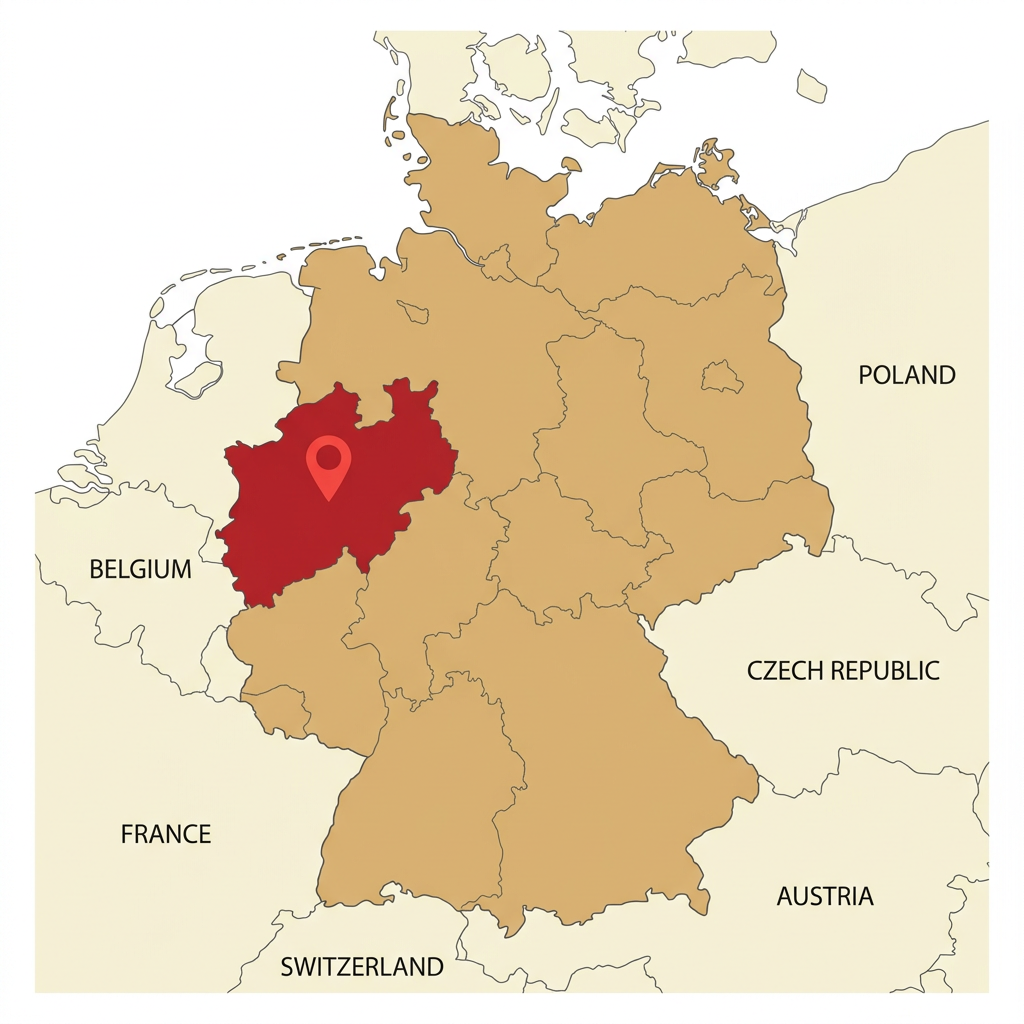
Developed in the hills and forests of Westphalia, Germany, through the consolidation of regional hound types.
- Region
- Westphalia, Germany
- Climate it was bred for
- Temperate continental
- Original job
- Scent tracking and driving game (Brackieren)
The long read
About the breed
In the field, the breed is valued for its keen sense of smell, persistence, and loud, melodious voice when running on a fresh scent line (a style of hunting known in German as 'Brackieren'). Deutsche Bracken are predominantly used as solo hunting hounds rather than in large packs, working on both small game such as hare and fox, and larger quarry including wild boar and deer. Their drive and independent problem-solving abilities make them capable trackers, even across steep and difficult ground.
Outside of dedicated German hunting communities, the Deutsche Bracke remains exceptionally rare and is seldom kept purely as a companion. While generally gentle, sociable with other dogs, and even-tempered in the home, its intense hunting drive and need for sustained physical activity demand an active, rural environment. Documentation regarding the breed in non-working domestic settings is scarce, reflecting its continued management almost entirely by working foresters and huntsmen.
Living with one
Temperament & needs
Our own ratings, based on the breed standard and how these dogs behave in ordinary homes.
Energy
4/5
Settles well once exercised.
Barking
4/5
Quick to sound off.
Grooming
1/5
Wash-and-go coat.
Sociability
3/5
Steady with people it knows.
Independence
4/5
Independent thinker; tolerates being left to it.
Trainability
3/5
Capable, with consistent fair handling.
Illustrated breed standard
The points of the breed
Hover or tap a numbered point to read what the standard asks for.
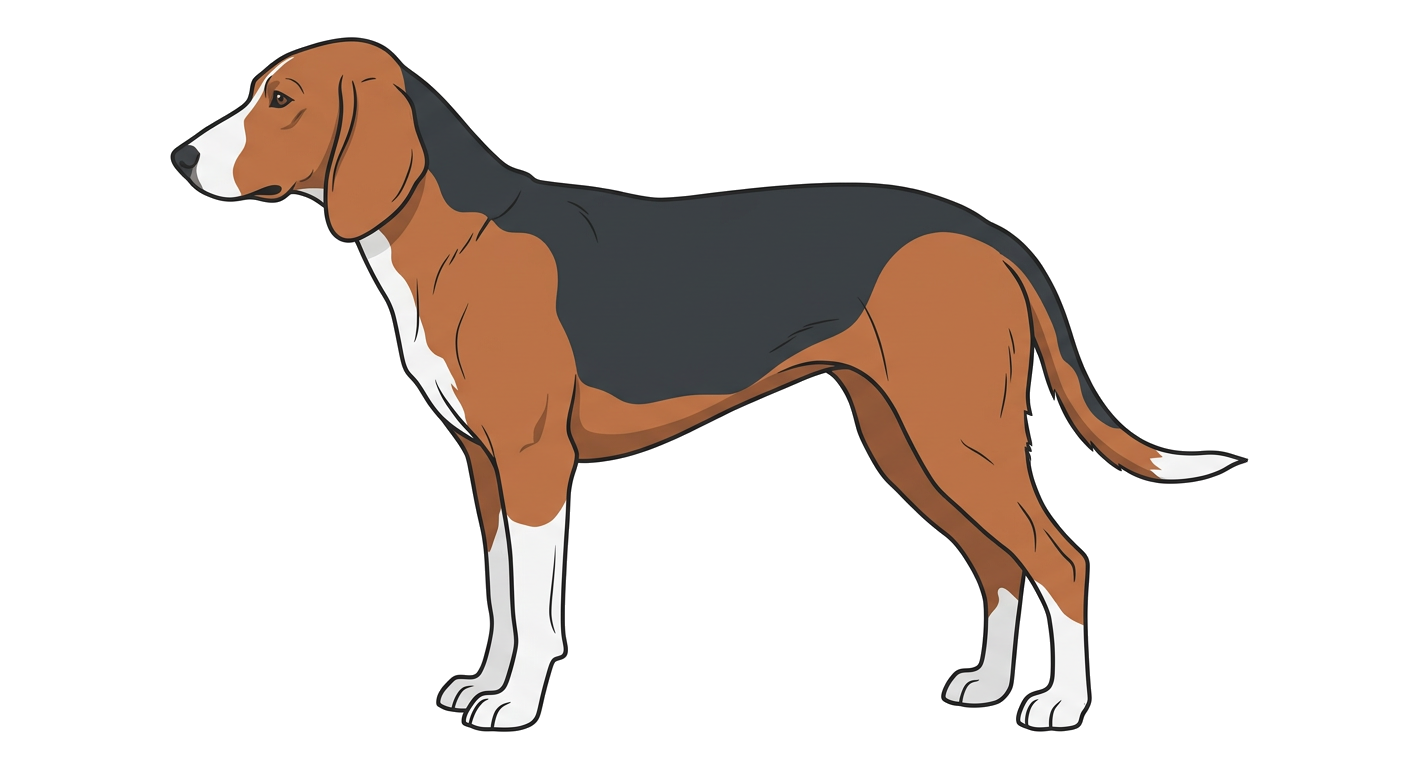
Point 1
Head
Clean, elongated, and finely chiselled; occiput only slightly pronounced, with a gentle stop.
Colours & patterns
Recognised coats
Which coats the standard accepts — and which are simply popular.
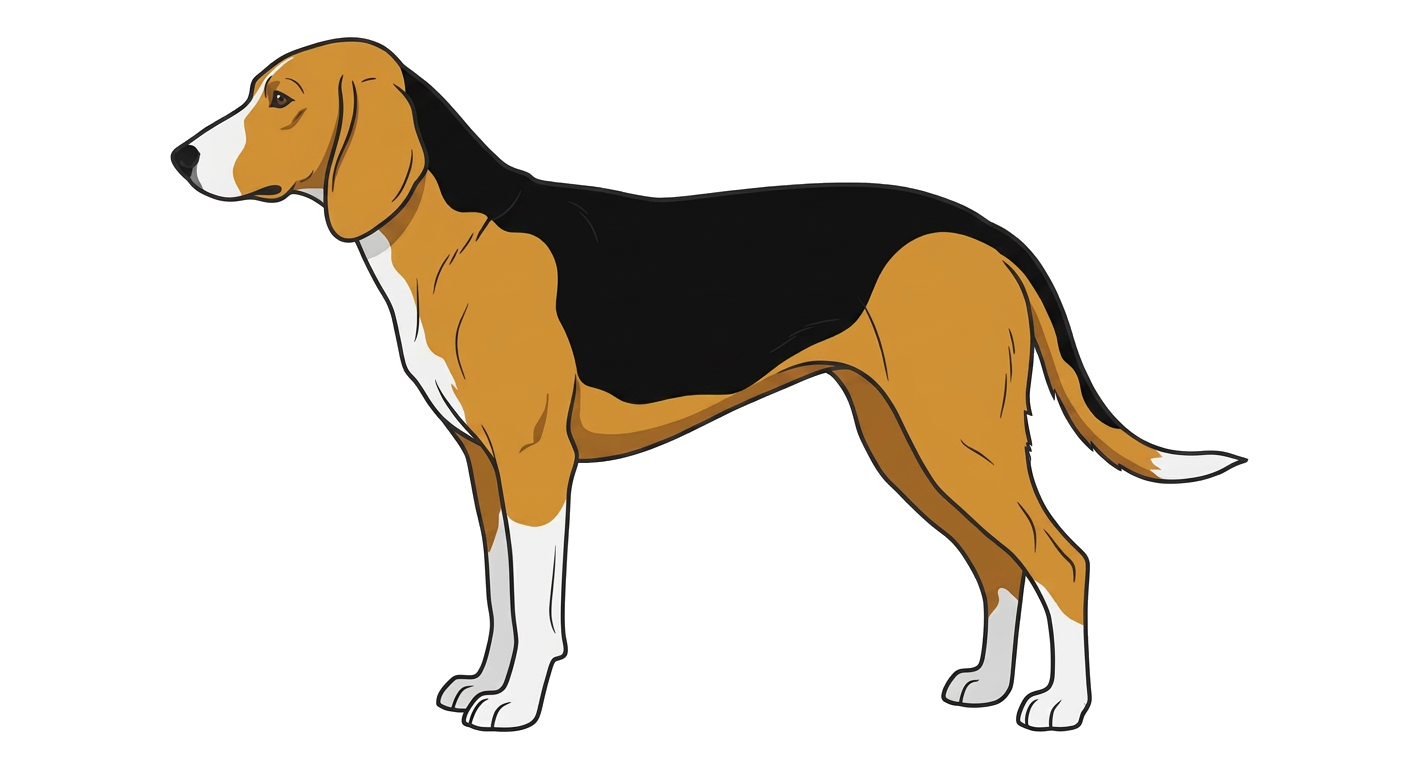
Red-to-Yellow with Black Mantle
Standard colour
The classic standard coloration featuring a solid black mantle over a warm red-to-yellow base with white markings.
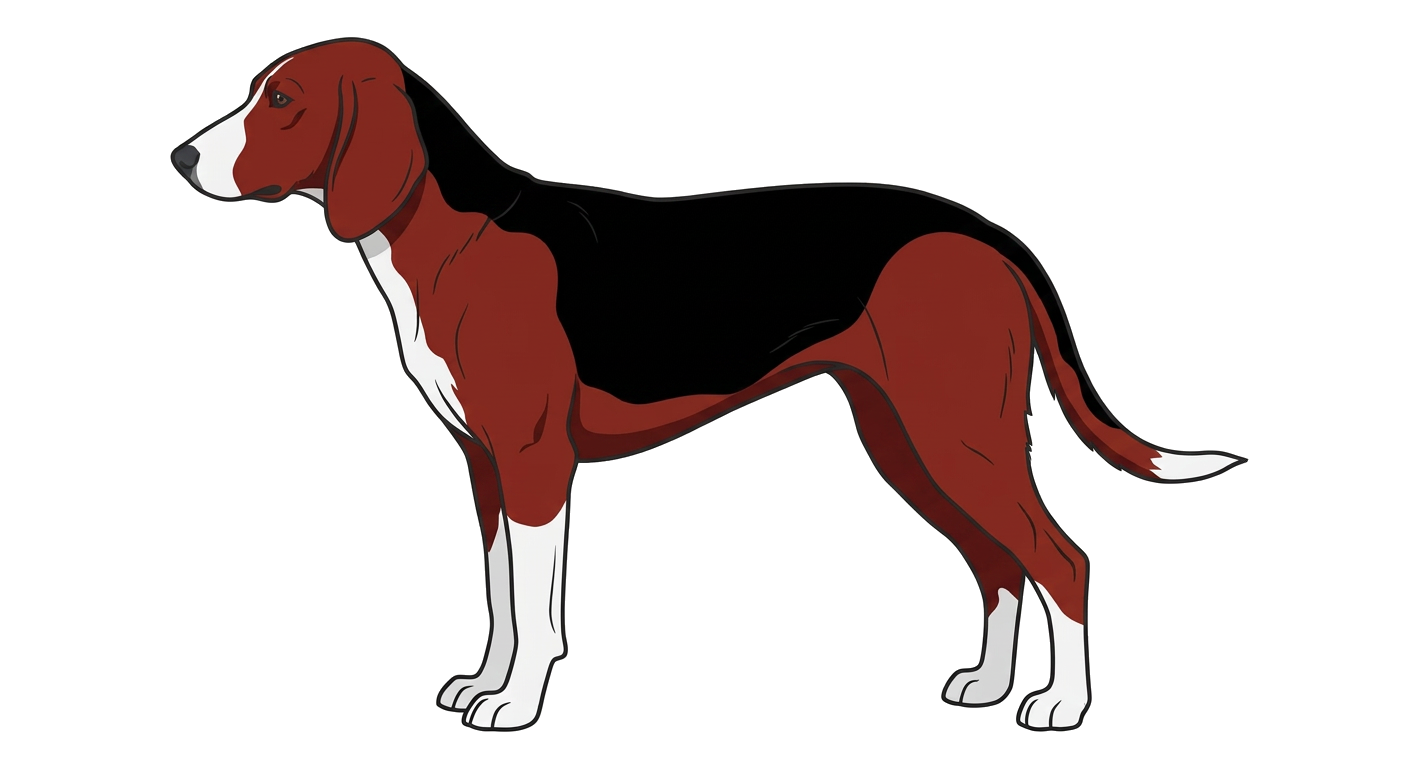
Deep Red with Black Saddle
Standard colour
A rich chestnut-red ground colour with a distinct black saddle across the back and standard white trim.
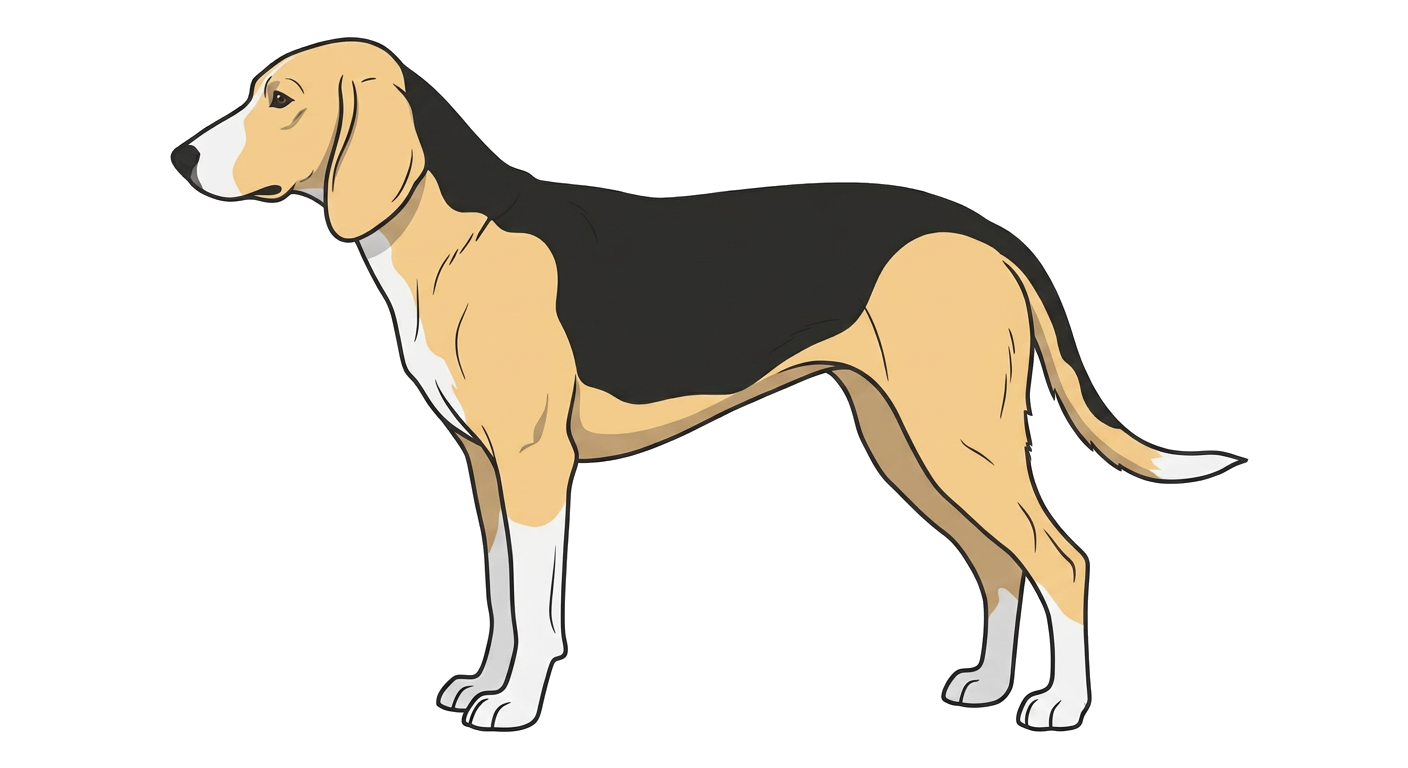
Light Fawn with Black Saddle
Standard colour
A lighter yellowish-fawn ground coat paired with a black saddle or mantle and classic white markings.
Timeline
History & development
c. 1800s
Regional Hound Strains
Various local scenthounds, such as the Westphalian Sauerland Bracke and Steinbracke, were bred in north-western Germany to work game in wooded hills.
1896
First Breed Club
The 'Deutscher Bracken Club' was founded in Olpe, Westphalia, aiming to preserve and standardise local hunting hound varieties into a single cohesive breed.
1900
Standard Amalgamation
The diverse regional types were formally merged under the single unified name 'Deutsche Bracke', establishing a standard coat pattern and physical type.
1955
FCI Recognition
The Fédération Cynologique Internationale (FCI) officially recognised the Deutsche Bracke in Group 6 (Scent hounds and related breeds).
Reference
Breed standard summary
- body
- Back slightly arched with a broad, firm loin; chest deep and reaching below the elbows, with gently tucked-up belly.
- coat
- Short, dense, hard, almost bristly hair; tight-fitting with a dense undercoat.
- ears
- Long (approx. 14 cm), broad, rounded at the tips, hanging close to the head without folding.
- eyes
- Dark brown, clear, with an intelligent and calm expression; tight-fitting lids.
- gait
- Ground-covering, elastic, and free with strong drive from the hindquarters.
- head
- Clean, elongated, and finely chiselled; occiput only slightly pronounced, with a gentle stop.
- size
- Height at the withers is typically 40–53 cm (approx. 16–21 in) for both males and females.
- tail
- Long, relatively thick at the base, carried hanging down or slightly curved upwards when active; well-covered with coarse hair.
- colour
- Red to yellow with a black saddle or mantle, featuring continuous white 'Bracken' markings (blaze, muzzle ring, white collar, chest, legs, and tail tip).
- muzzle
- Straight and strong, never snipey, with tight lips and fully pigmented edges.
- temperament
- Passionate and vocal on the hunt, calm, affectionate, and steadfast in domestic surroundings.
- general appearance
- Light, elegant yet strong hunting dog with a noble head, well-proportioned body, and high-set tail.
Health
What to screen for
Green means little to worry about, amber means ask the breeder for test results, red means manage it actively.
Otitis Externa
Screen for it
Drop ears can trap moisture and woodland debris, requiring regular inspection and cleaning.
Field & Hunting Injuries
Watch closely
Working dogs are susceptible to cuts, sprains, and encounters with wild game in rough terrain.
Hip Dysplasia
Watch closely
Occurs sporadically in medium hounds; breeding stock is typically screened by working breed registries.
General information only — always speak to your vet about your own dog.
From real owners
Dogs like this
Deutsche Brackes added by PawPoint members through their pet passports. Share yours to appear here.
Loading the wall…
Made for the Deutsche Bracke
The book, plus prints, hoodies and mugs using our own Deutsche Bracke illustration — and one everyday accessory that suits any dog.
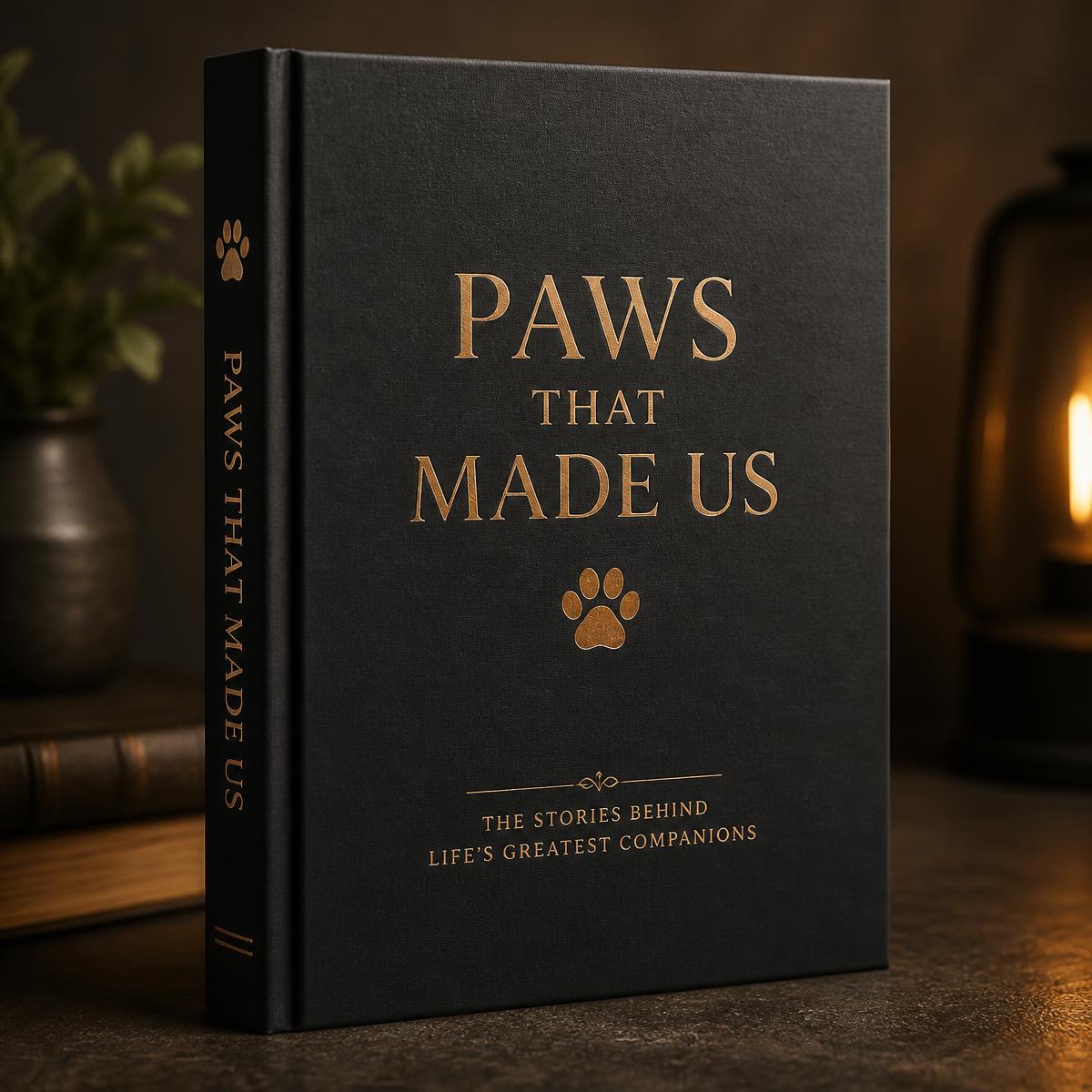
The book
Pawpoint: The Complete Dog Breed Book
Every officially recognised breed plus the unofficial ones nobody else documents. 400+ pages, hardback, printed and shipped from the UK.
Own stock — shipped by us
Framed poster
Deutsche Bracke Framed Poster
Museum-weight print of our Deutsche Bracke illustration, framed or unframed.
Printed to order
Hoodie
Deutsche Bracke Hoodie
Heavyweight hoodie carrying the Deutsche Bracke illustration on the chest.
Printed to order
Mug
Deutsche Bracke Mug
Ceramic mug with the Deutsche Bracke illustration wrapped around it.
Printed to order
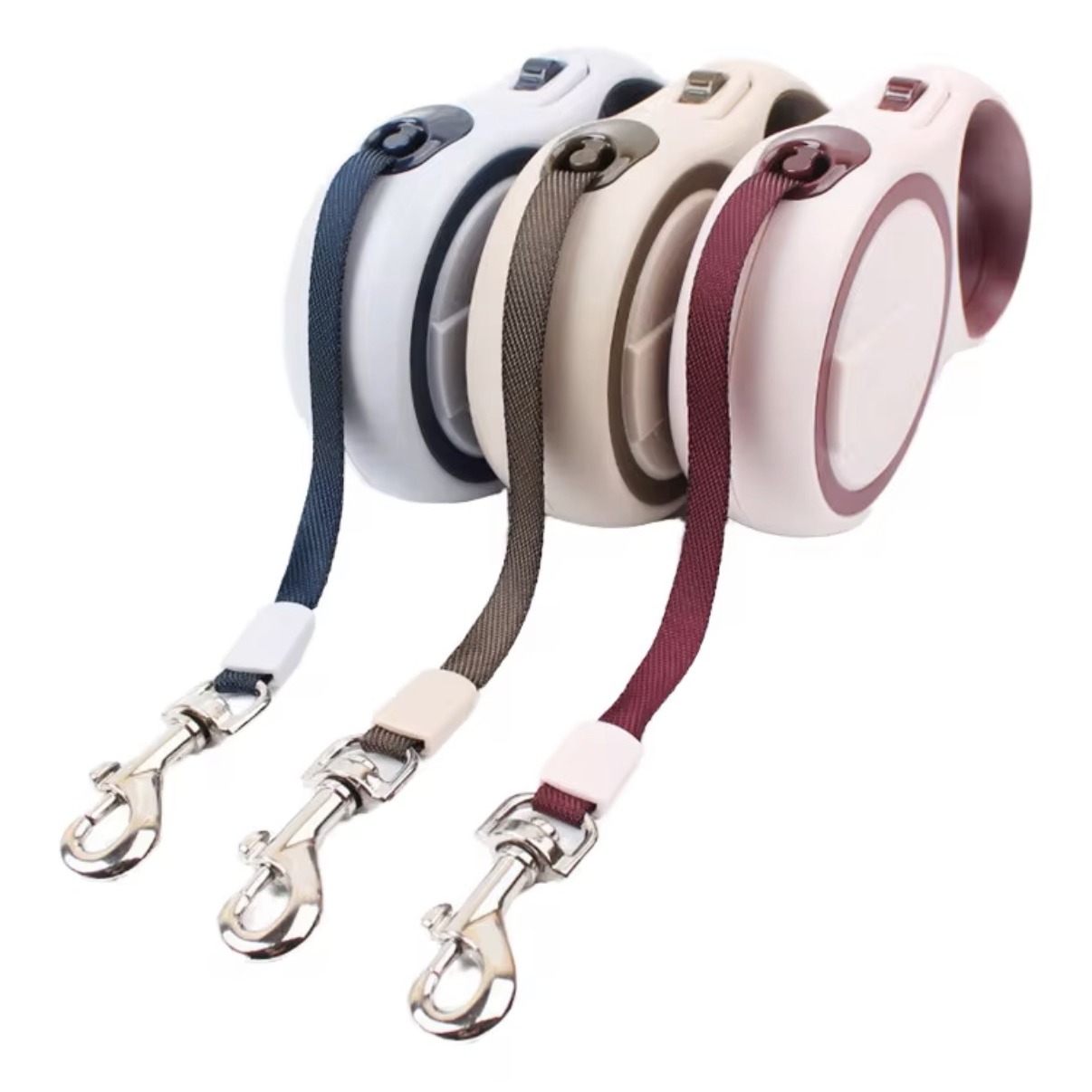
Accessory
Retractable Lead
5m retractable with one-touch brake.
Fits any dog
Pawpoint on YouTube
Watch the full Deutsche Bracke video
Breed deep-dives, history and honest ownership talk. New film every week.
Watch now