
Dogo Argentino
DOH-goh ar-hen-TEE-noh
Argentina· Cordoba, central Argentina
The Dogo Argentino is a solid white, muscular pack hunting dog developed for big game.

At a glance
Quick facts
- Size
- Large
- Exercise needs
- 2 hours+ per day
- Home size suited to
- Large
- Grooming frequency
- Minimal
- Coat length
- Short
- Sheds
- Moderate
- Lifespan
- 9-15 years
- Town or country
- Country preferred
- Garden size needed
- Large, securely fenced
Where it comes from
Origins of the Dogo Argentino
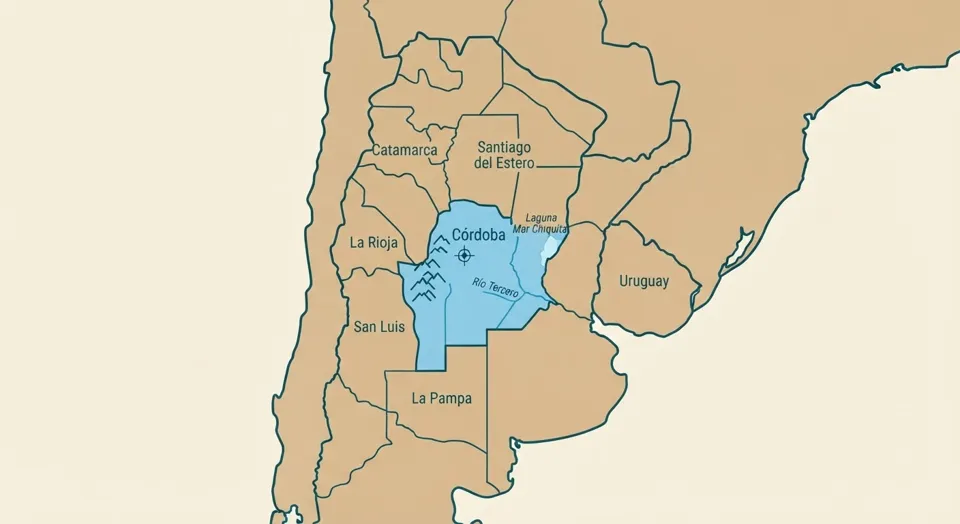
Dr Antonio Nores Martinez set out to create a big-game hunting dog capable of tackling wild boar and puma across Argentina's varied terrain, from arid Cordoba scrub to Andean foothills. He combined the extinct fighting Cordoba Dog with breeds such as the Great Dane, Boxer, Bull Terrier and Pointer to produce an all-white pack hunter with courage, stamina and a stable temperament.
- Region
- Cordoba, central Argentina
- Climate it was bred for
- Varied, from arid scrub to mountainous terrain
- Original job
- Big game hunting, particularly wild boar and puma, in packs
The long read
About the breed
Its creation as a cooperative pack hunter of dangerous game shaped a breed with courage, tenacity and a strong prey drive, alongside a deliberate emphasis on trainability and stability compared with earlier fighting stock.
Owners find a confident, athletic and affectionate dog that needs firm, consistent training, thorough socialisation and plenty of vigorous exercise; it can be dominant with other dogs.
Today it works as a hunting dog, guardian and increasingly a family companion in many countries, though it remains restricted or banned under breed-specific legislation in some jurisdictions.
Living with one
Temperament & needs
Our own ratings, based on the breed standard and how these dogs behave in ordinary homes.
Friendliness
3/5
How openly the Dogo Argentino greets people it does not know.
Trainability
3/5
How readily the breed takes to training in an ordinary home.
Energy
3/5
How much daily exercise and stimulation the breed expects.
Barking
3/5
How vocal the breed tends to be day to day.
Grooming
3/5
How much coat work the breed needs to stay comfortable.
Suits a first-time owner
3/5
How forgiving the Dogo Argentino is for someone taking on their first dog.
Illustrated breed standard
The points of the breed
Hover or tap a numbered point to read what the standard asks for.
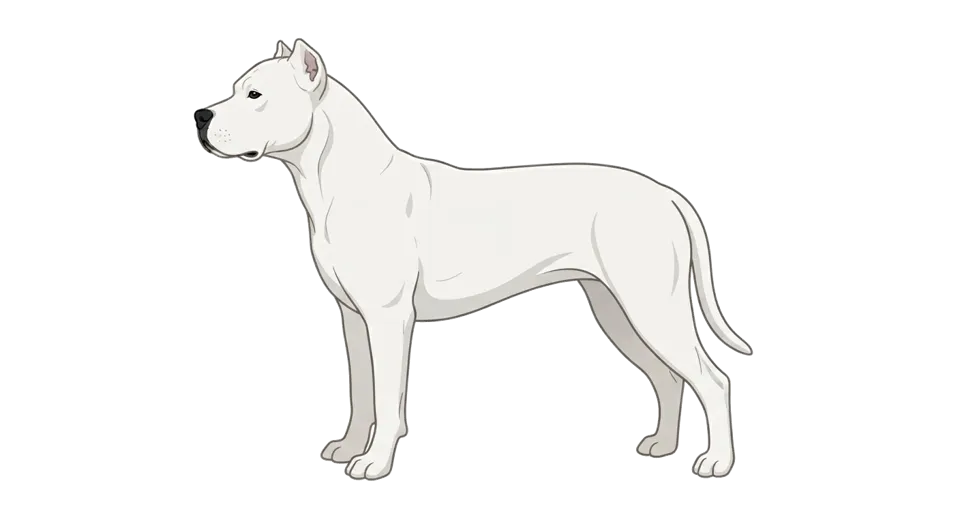
Point 1
Skull
The Dogo Argentino's skull is judged on balance rather than size — proportionate to the body, with a clean cheek and a stop typical of the breed. Coarseness or an over-refined head are both faulted.
Timeline
History & development
1928
Development begins
Antonio Nores Martinez began crossing the Cordoba Fighting Dog with several other breeds to create a big-game hunter.
1947
Breed standard written
The first formal standard for the Dogo Argentino was published.
1964
Argentine recognition
The breed was officially recognised by the Argentine kennel club.
1973
FCI recognition
The Dogo Argentino received full FCI recognition.
2000s
Legislation abroad
Several countries introduced restrictions on ownership due to concerns over the breed's power.
Reference
Breed standard summary
- body
- Muscular, well-proportioned body with a deep chest.
- coat
- Short, smooth and dense, always white.
- ears
- Cropped traditionally, though natural drop ears are permitted.
- eyes
- Dark or hazel, almond-shaped.
- head
- Strong, convex skull with a powerful jaw.
- size
- Dogs 62-68cm, bitches 60-65cm
- colour
- White, occasionally with a small patch near the eye.
- temperament
- Courageous, loyal and even-tempered with proper training.
- general appearance
- A powerfully built, athletic white dog of molossoid type with smooth, muscular lines.
Health
What to screen for
Green means little to worry about, amber means ask the breeder for test results, red means manage it actively.
General information only — always speak to your vet about your own dog.
From real owners
Dogo Argentinos in the PAWPOINT Pack
Dogo Argentinos added by PawPoint members through their pet passports. Share yours to appear here.
Loading the wall…
Made for the Dogo Argentino
The book, plus hoodies, tees and mugs featuring the Dogo Argentino.