
Dogue de Bordeaux
dohg duh bor-DOH
France· Bordeaux, Aquitaine
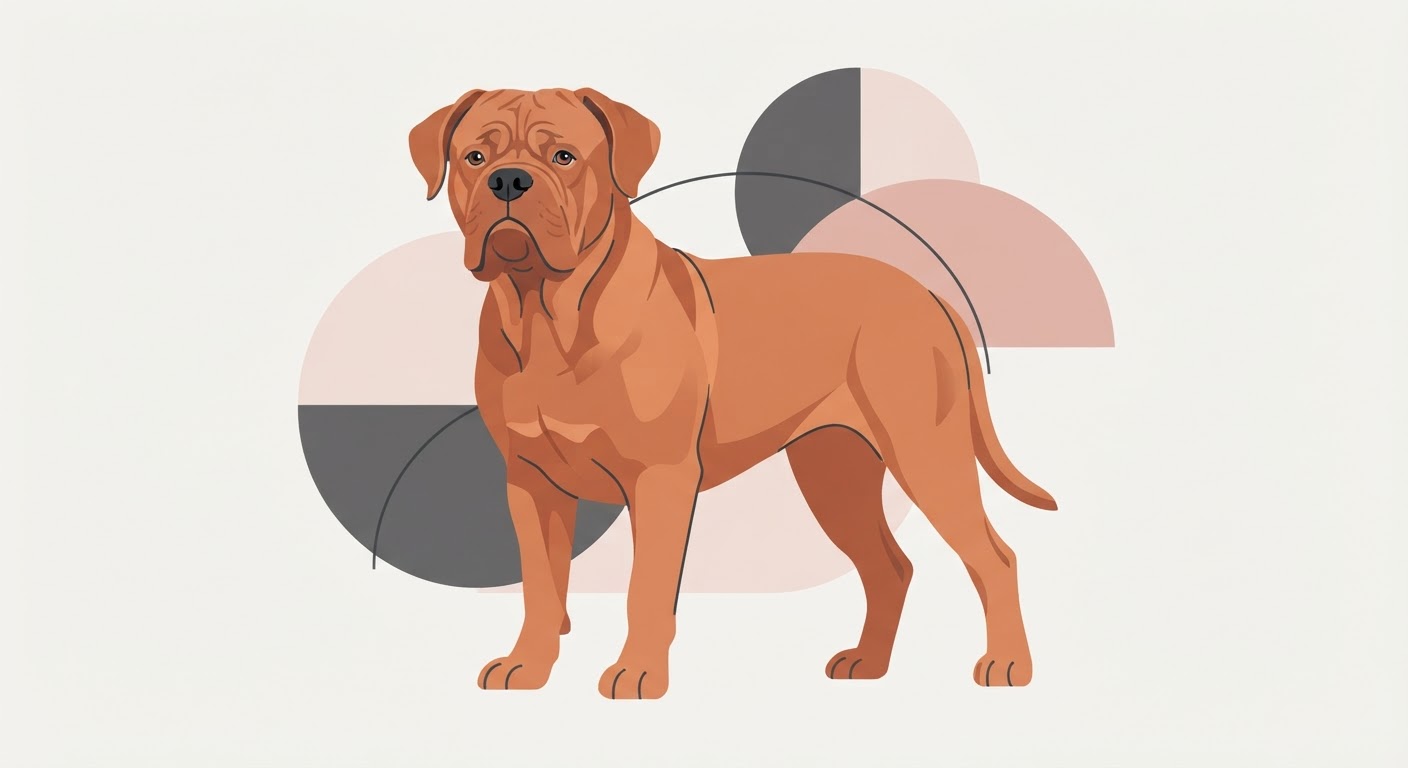
The Dogue de Bordeaux is a massive, wrinkled French mastiff breed with ancient roots as a guard, cattle and estate protection dog, one of the most powerfully built breeds in existence.
At a glance
Quick facts
Size
Giant
Exercise needs
30-45 minutes daily
Home size suited to
Large home with space to stretch out
Grooming frequency
Weekly brush
Coat length
Short
Sheds
Yes
Lifespan
5-8 years
Town or country
Better suited to the country
Garden size needed
Large and securely fenced
Where it comes from
Origins of the Dogue de Bordeaux
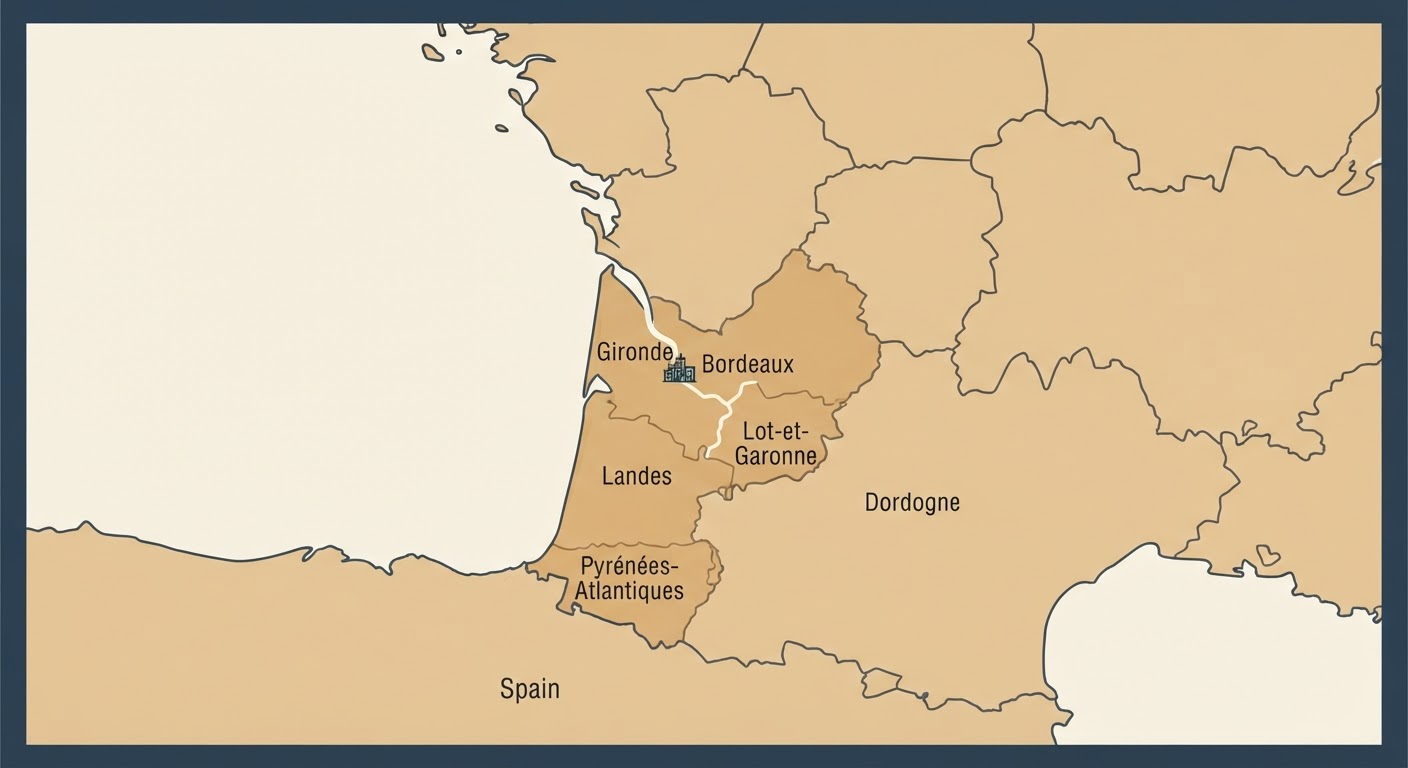
The breed developed around Bordeaux and the wider Aquitaine region of southwest France, where large mastiff-type dogs were used to guard estates, drive cattle and protect property. It nearly vanished twice in French history and survives today through dedicated postwar breeding efforts.
- Region
- Bordeaux, Aquitaine
- Climate it was bred for
- Mild, temperate southwestern French climate
- Original job
- Guarding property and livestock, cattle droving
The long read
About the breed
Its history traces back centuries in southwestern France around Bordeaux and Aquitaine, where it likely descended from old mastiff-type dogs used across the region for guarding property, driving cattle, and occasionally for the now-banned bloodsports of the era. It nearly disappeared during and after the French Revolution and again during the Second World War, surviving through the efforts of committed French breeders who kept small numbers going through difficult decades.
Living with a Dogue de Bordeaux means managing a genuinely enormous dog with a surprisingly gentle, affectionate nature toward its own family, often described as a large lap dog that has not quite realised its own size. Early socialisation and training matter enormously given its strength, since a poorly managed adult Dogue is difficult to physically control. It drools significantly, a direct result of its heavy jowls, and this is simply part of ownership rather than something that can be trained out. The breed does not need excessive exercise and can overheat easily due to its short muzzle, so walks in hot weather need care.
Today the Dogue de Bordeaux gained wider fame outside France through the 1989 film Turner & Hooch, and it remains a popular, if serious, choice for owners wanting a loyal, protective family guardian. Its relatively short lifespan compared with smaller breeds is one of the genuine trade-offs of taking on a dog this size, and prospective owners should go in with realistic expectations about both its physical needs and its limited years.
Living with one
Temperament & needs
Our own ratings, based on the breed standard and how these dogs behave in ordinary homes.
Friendliness
4/5
How openly the Dogue de Bordeaux greets people it does not know.
Trainability
3/5
Willing to please but needs firm, early, consistent training given its size.
Energy
2/5
Moderate exercise needs; short walks suit it better than long runs, especially in heat.
Barking
2/5
Not a frequent barker but has a formidable presence when alert.
Grooming
1/5
Short coat is easy to groom but the breed drools heavily and needs regular wiping.
Suits a first-time owner
3/5
How forgiving the Dogue de Bordeaux is for someone taking on their first dog.
Sociability
4/5
Deeply affectionate with its family, generally good with known children.
Independence
3/5
Can be strong-willed, benefits from confident leadership.
Illustrated breed standard
The points of the breed
Hover or tap a numbered point to read what the standard asks for.
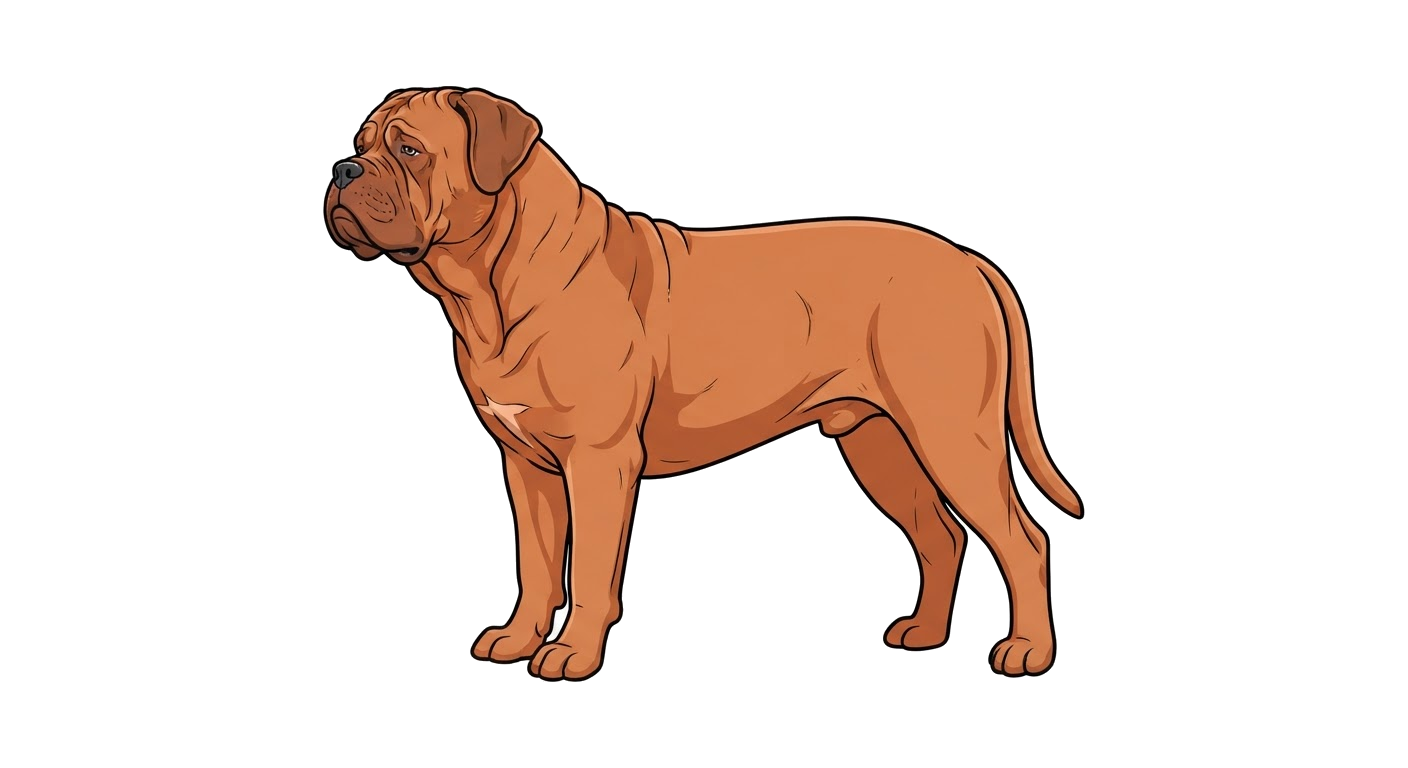
Point 1
Skull
The Dogue de Bordeaux's skull is judged on balance rather than size — proportionate to the body, with a clean cheek and a stop typical of the breed. Coarseness or an over-refined head are both faulted.
Colours & patterns
Recognised coats
Which coats the standard accepts — and which are simply popular.
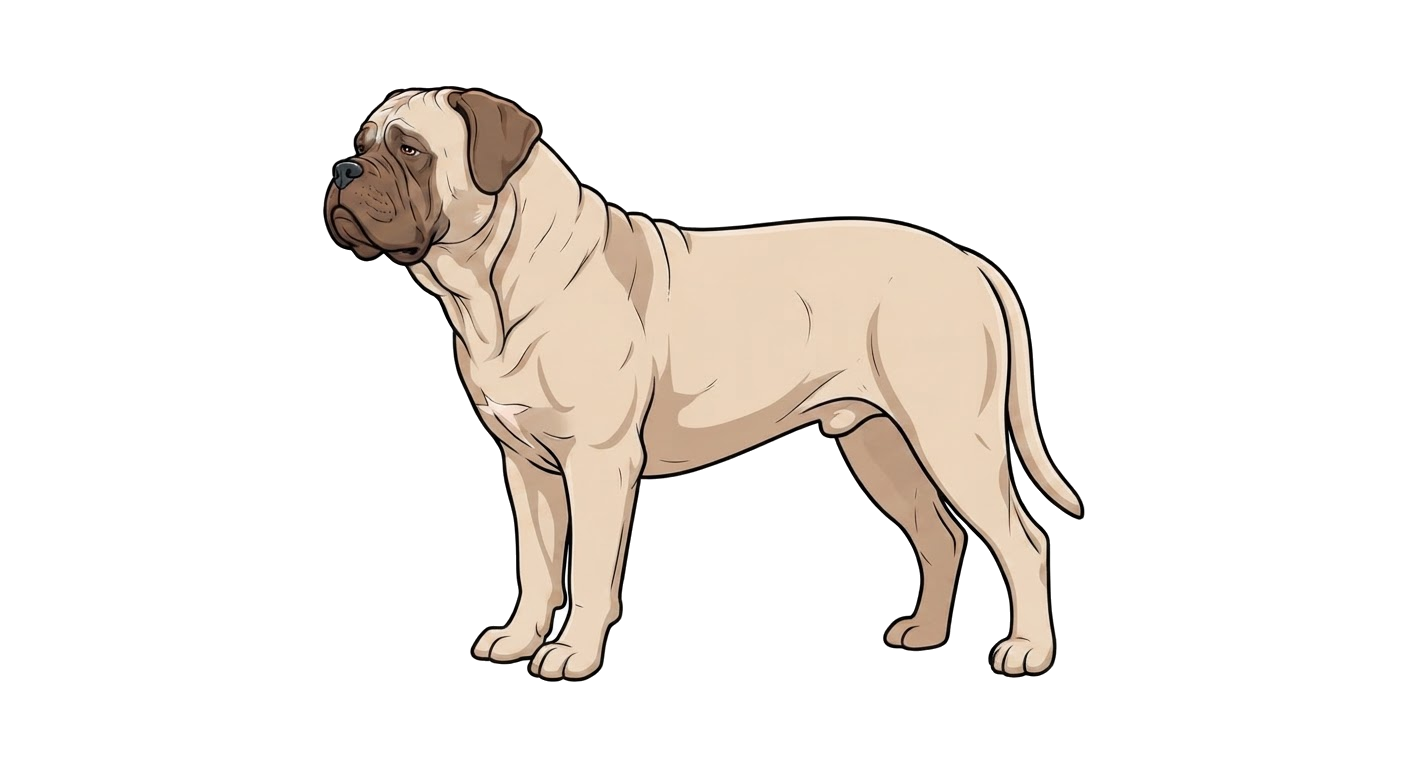
Fawn
Standard colour
The most common shade, ranging from mahogany to light fawn.
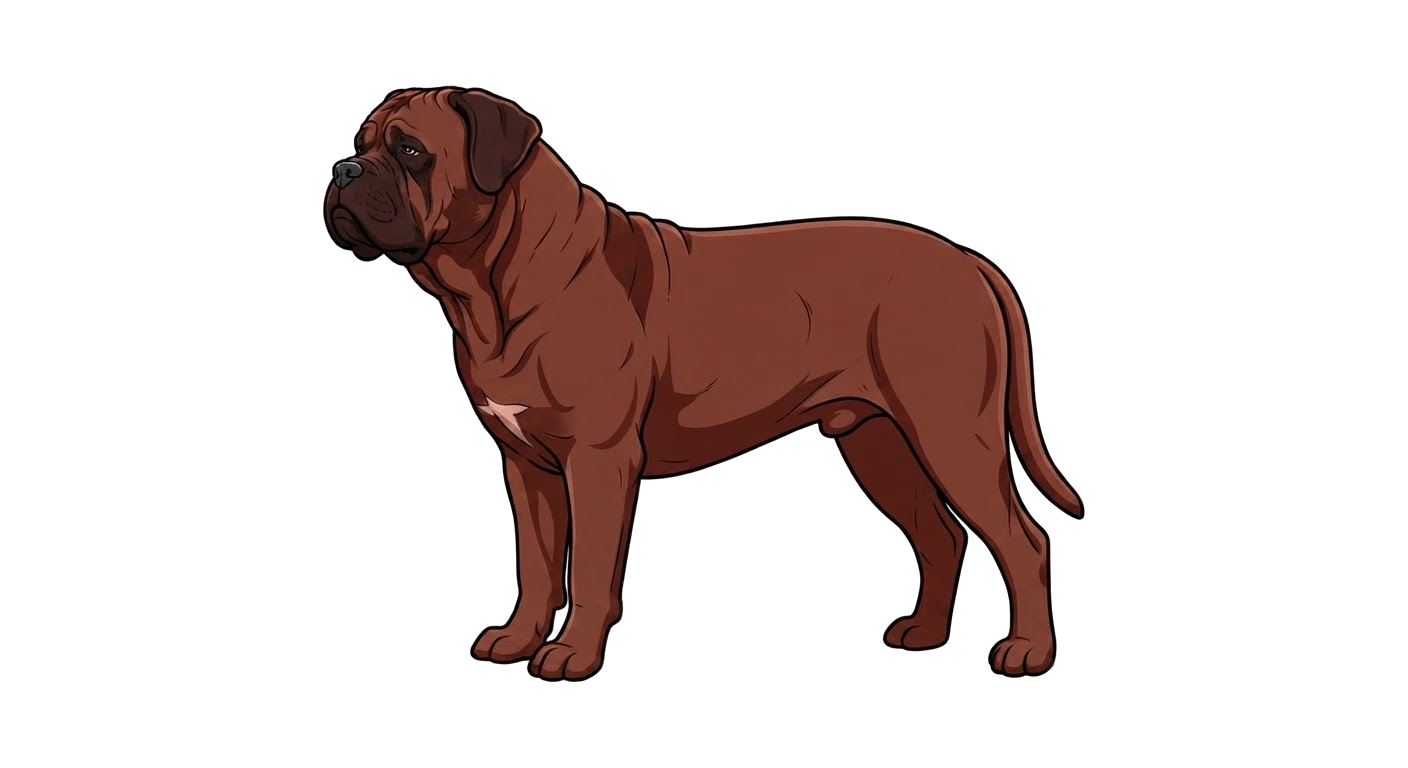
Mahogany
Standard colour
A deeper reddish-brown shade, well within the standard.
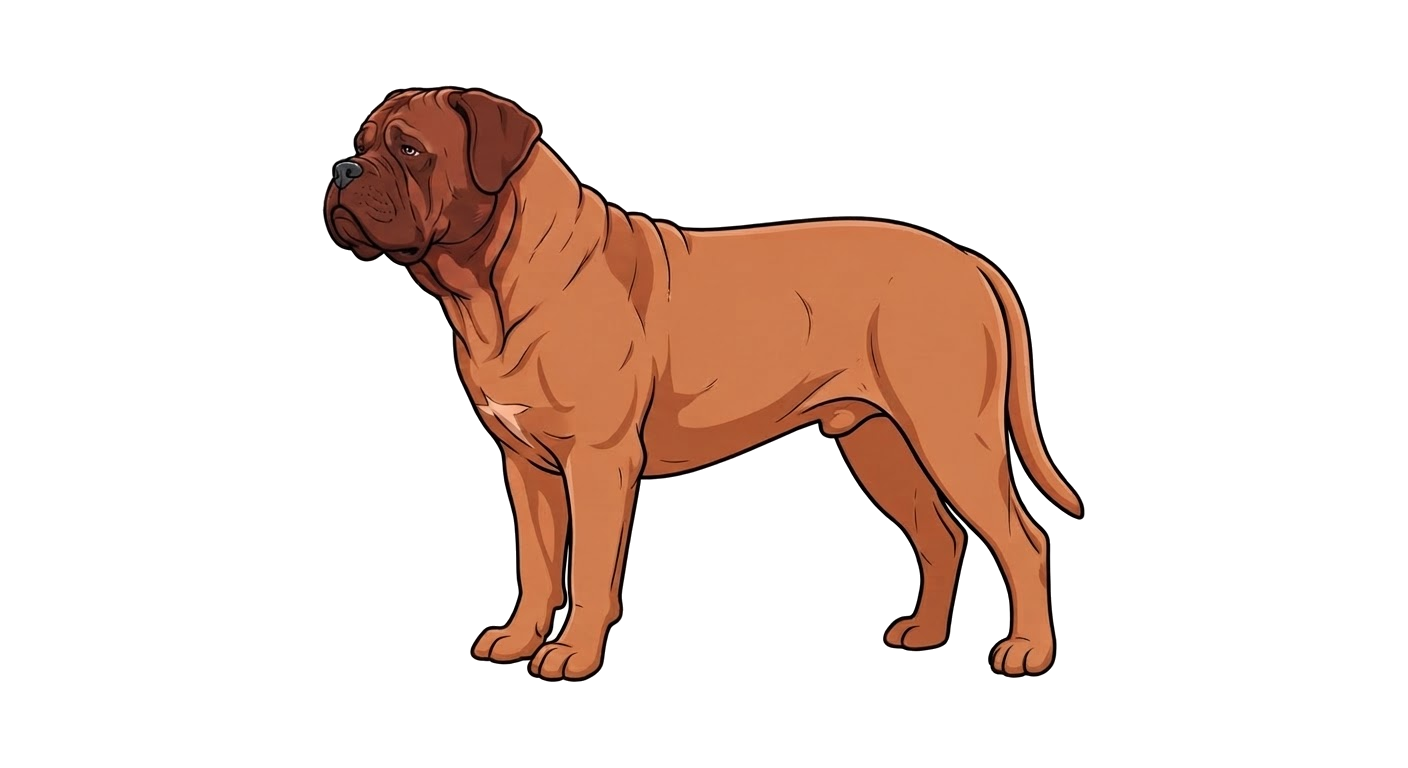
Red mask
Standard colour
A darker mask on the muzzle is typical and accepted.
Outside the standard
Other colours
Dilute coats you will see advertised. They are the same breed, but no kennel club accepts them.
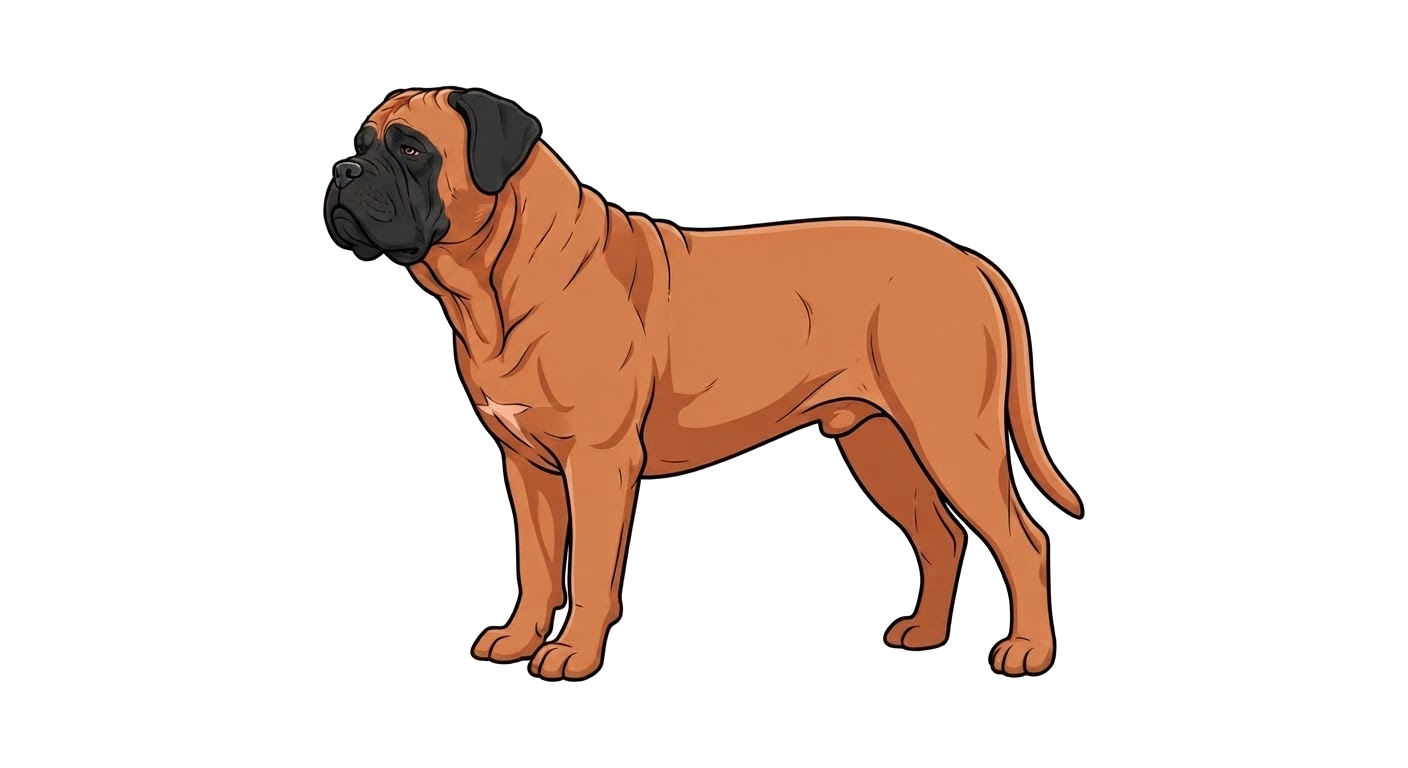
Black mask
Not in the standard
A black mask is not accepted; only red or brown masks are standard.
Timeline
History & development
1300s-1400s
Early mastiff ancestors
Large guarding mastiffs were kept across southwest France for estate and livestock protection.
1789 onward
Decline after the Revolution
Numbers fell sharply as the aristocratic estates the breed often guarded were dismantled.
1863
First breed exhibition
The Dogue de Bordeaux was shown at the first Paris dog show, helping formalise the type.
1940s
Postwar near-extinction and revival
The breed nearly disappeared again after the Second World War but was rebuilt by committed French breeders.
1950s onward
The breed today
Kennel club registrations settled into a steady pattern and the Dogue de Bordeaux moved from a working specialist to a family companion, with breed clubs in the UK and abroad now focused on health testing and keeping true type alive.
Reference
Breed standard summary
- body
- Broad, muscular, deep chest reaching to the elbows
- coat
- Short, fine, soft to the touch
- ears
- Small in proportion, hanging, slightly rounded at the tip
- eyes
- Oval, set wide apart, ranging from hazel to dark brown
- gait
- Powerful, supple movement despite its bulk
- head
- Very large, broad, with deep wrinkles
- size
- Giant breed
- tail
- Thick at the base, tapering, carried low
- colour
- Fawn, Mahogany, Red mask. Colours outside this list are seen but are not accepted by the kennel clubs.
- temperament
- Typical of the breed: strongest in sociability, trainability, independence. Nervousness or aggression are serious faults in the show ring and in the home.
- general appearance
- Massive, powerfully built mastiff with a huge head in proportion to the body
Health
What to screen for
Green means little to worry about, amber means ask the breeder for test results, red means manage it actively.
Hip and elbow dysplasia
Watch closely
Request BVA/KC hip and elbow scores on both parents given the breed's size.
Dilated cardiomyopathy
Watch closely
Ask about cardiac screening in the breeding line.
Bloat
Watch closely
Deep-chested; feed smaller meals and avoid exercise around feeding time.
Heatstroke
Watch closely
Short muzzle makes heat regulation harder; avoid exercise in hot weather.
General information only — always speak to your vet about your own dog.
From real owners
Dogs like this
Dogue de Bordeauxs added by PawPoint members through their pet passports. Share yours to appear here.
Loading the wall…
Made for the Dogue de Bordeaux
The book, plus prints, hoodies and mugs using our own Dogue de Bordeaux illustration — and one everyday accessory that suits any dog.

The book
Pawpoint: The Complete Dog Breed Book
Every officially recognised breed plus the unofficial ones nobody else documents. 400+ pages, hardback, printed and shipped from the UK.
Own stock — shipped by us
Framed poster
Dogue de Bordeaux Framed Poster
Museum-weight print of our Dogue de Bordeaux illustration, framed or unframed.
Printed to order
Hoodie
Dogue de Bordeaux Hoodie
Heavyweight hoodie carrying the Dogue de Bordeaux illustration on the chest.
Printed to order
Mug
Dogue de Bordeaux Mug
Ceramic mug with the Dogue de Bordeaux illustration wrapped around it.
Printed to order
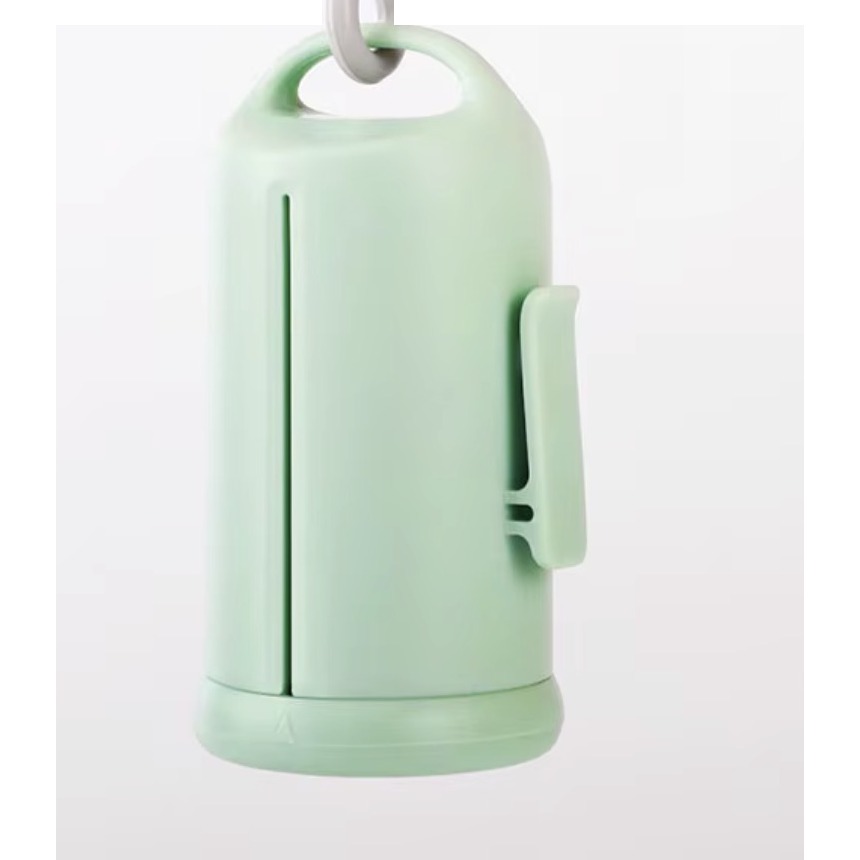
Accessory
Waste Bag Dispenser
Clips to the lead, holds one standard roll.
Fits any dog

Pawpoint on YouTube
Watch the full Dogue de Bordeaux video
Breed deep-dives, history and honest ownership talk. New film every week.
Watch now