
Dutch Shepherd
DUTCH SHEP-erd
Netherlands· Rural Netherlands
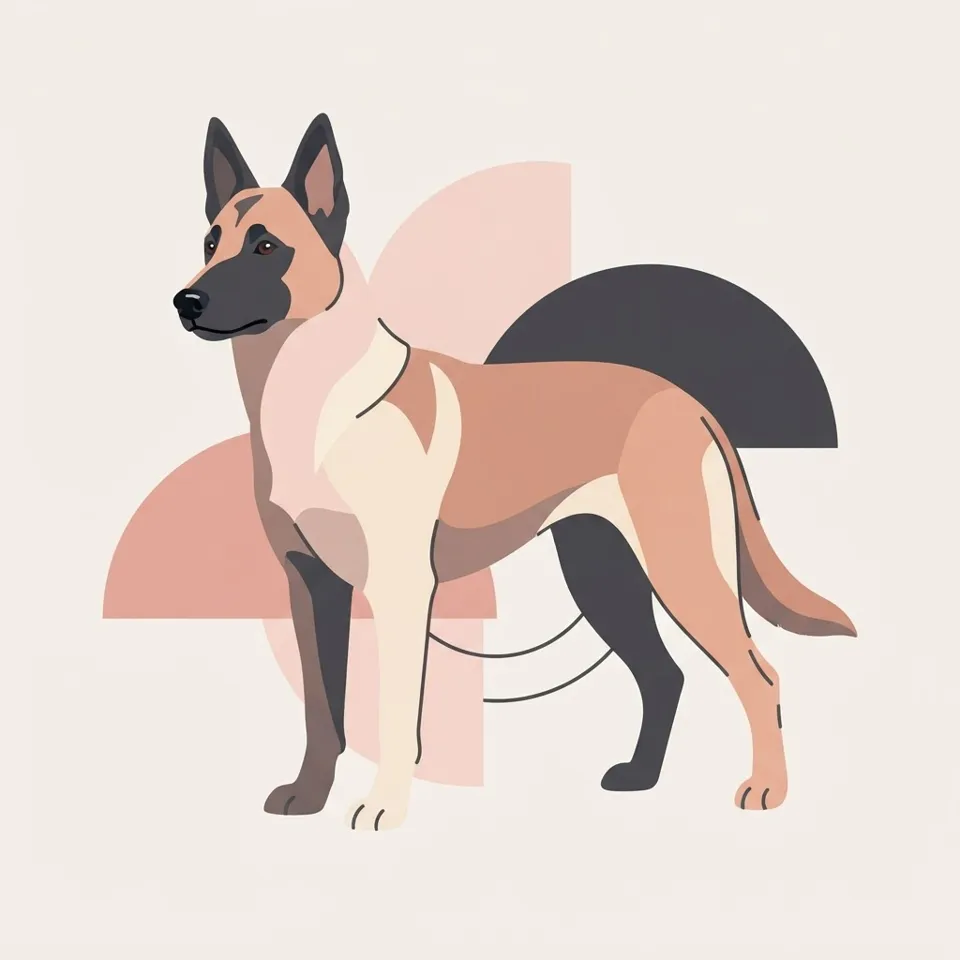
The Dutch Shepherd is a medium-sized, brindle-coated herding breed originally bred as an all-purpose Dutch farm dog.
At a glance
Quick facts
- Size
- Medium-Large
- Exercise needs
- 2 hours+ per day
- Home size suited to
- Medium or larger
- Grooming frequency
- Weekly, more for the long or rough coat
- Coat length
- Short, long or rough, three varieties
- Sheds
- Moderate
- Lifespan
- 12-14 years
- Town or country
- Country or active suburban home
- Garden size needed
- Medium or larger
Where it comes from
Origins of the Dutch Shepherd
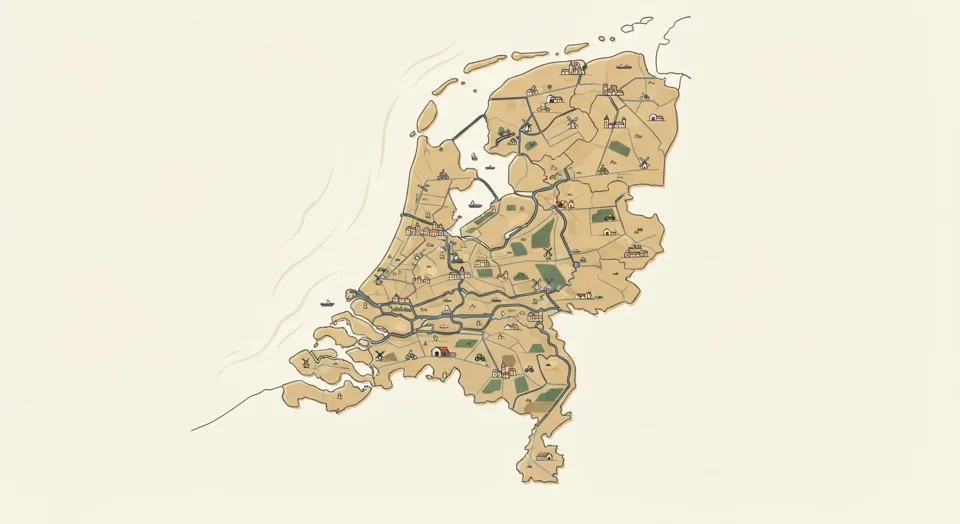
Dutch farms were small and mixed, so a versatile all-purpose dog that could herd sheep, guard the yard and pull small carts was more valuable than a specialist. The flat, damp lowlands suited a medium, weatherproof dog able to work all day in variable conditions. As Dutch farming modernised, the breed's versatility helped it find new roles rather than disappear.
- Region
- Rural Netherlands
- Climate it was bred for
- Temperate, damp lowland farmland
- Original job
- Herding sheep, guarding farms and general farm work including pulling carts
The long read
About the breed
Its history as a jack-of-all-trades farm dog, herding sheep, guarding property and pulling carts, shaped a versatile, biddable and highly trainable working temperament.
Owners find it an intensely loyal, energetic companion that thrives on having a job, whether formal training, sport or genuine work, and it is not suited to a sedentary household.
Today the breed is widely used in police and service dog roles as well as sport and companionship, with the brindle coat colour remaining a hallmark unique among Dutch working breeds.
Living with one
Temperament & needs
Our own ratings, based on the breed standard and how these dogs behave in ordinary homes.
Friendliness
3/5
How openly the Dutch Shepherd greets people it does not know.
Trainability
3/5
How readily the breed takes to training in an ordinary home.
Energy
3/5
How much daily exercise and stimulation the breed expects.
Barking
3/5
How vocal the breed tends to be day to day.
Grooming
3/5
How much coat work the breed needs to stay comfortable.
Suits a first-time owner
3/5
How forgiving the Dutch Shepherd is for someone taking on their first dog.
Illustrated breed standard
The points of the breed
Hover or tap a numbered point to read what the standard asks for.
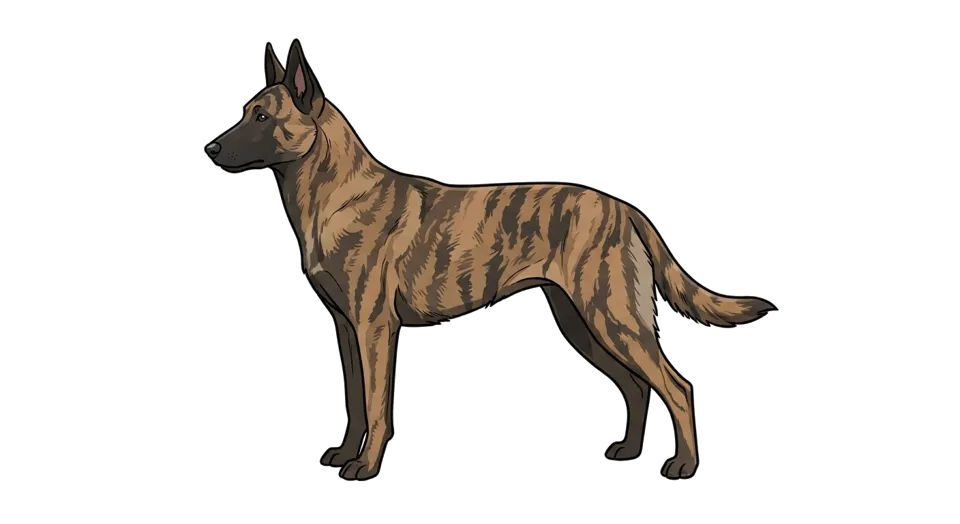
Point 1
Skull
The Dutch Shepherd's skull is judged on balance rather than size — proportionate to the body, with a clean cheek and a stop typical of the breed. Coarseness or an over-refined head are both faulted.
Timeline
History & development
1800s
All-purpose Dutch farm dog
Bred by farmers as a versatile herder, guard and cart dog across the Netherlands.
1898
Breed club founded
The Nederlandse Herdershonden Club was formed and a breed standard drawn up.
1900s
Three coat varieties fixed
Short-haired, long-haired and rough-haired varieties were standardised.
1960s
Decline as farm work mechanised
Numbers fell sharply as small mixed farming declined in the Netherlands.
1990s-present
Revival through working roles
The breed found new purpose in police, service and sport work, boosting numbers again.
Reference
Breed standard summary
- body
- Square in proportion, with a firm, level back and deep chest.
- coat
- Short, long or rough, always with a brindle pattern.
- ears
- Small to medium, erect and set high.
- eyes
- Medium-sized, dark, almond-shaped, with an alert, intelligent expression.
- head
- Well-proportioned, moderately long, with a flat skull.
- size
- Dogs 57-62cm, bitches 55-60cm
- colour
- Brindle on gold, silver or salt and pepper base.
- temperament
- Intelligent, alert, energetic and highly trainable, devoted to work.
- general appearance
- A medium-sized, well-proportioned, muscular sheepdog with a lively, alert bearing.
Health
What to screen for
Green means little to worry about, amber means ask the breeder for test results, red means manage it actively.
General information only — always speak to your vet about your own dog.
From real owners
Dutch Shepherds in the PAWPOINT Pack
Dutch Shepherds added by PawPoint members through their pet passports. Share yours to appear here.
Loading the wall…
Made for the Dutch Shepherd
The book, plus hoodies, tees and mugs featuring the Dutch Shepherd.