
Estonian Hound
ess-TOH-nee-an hound
Estonia· Estonia
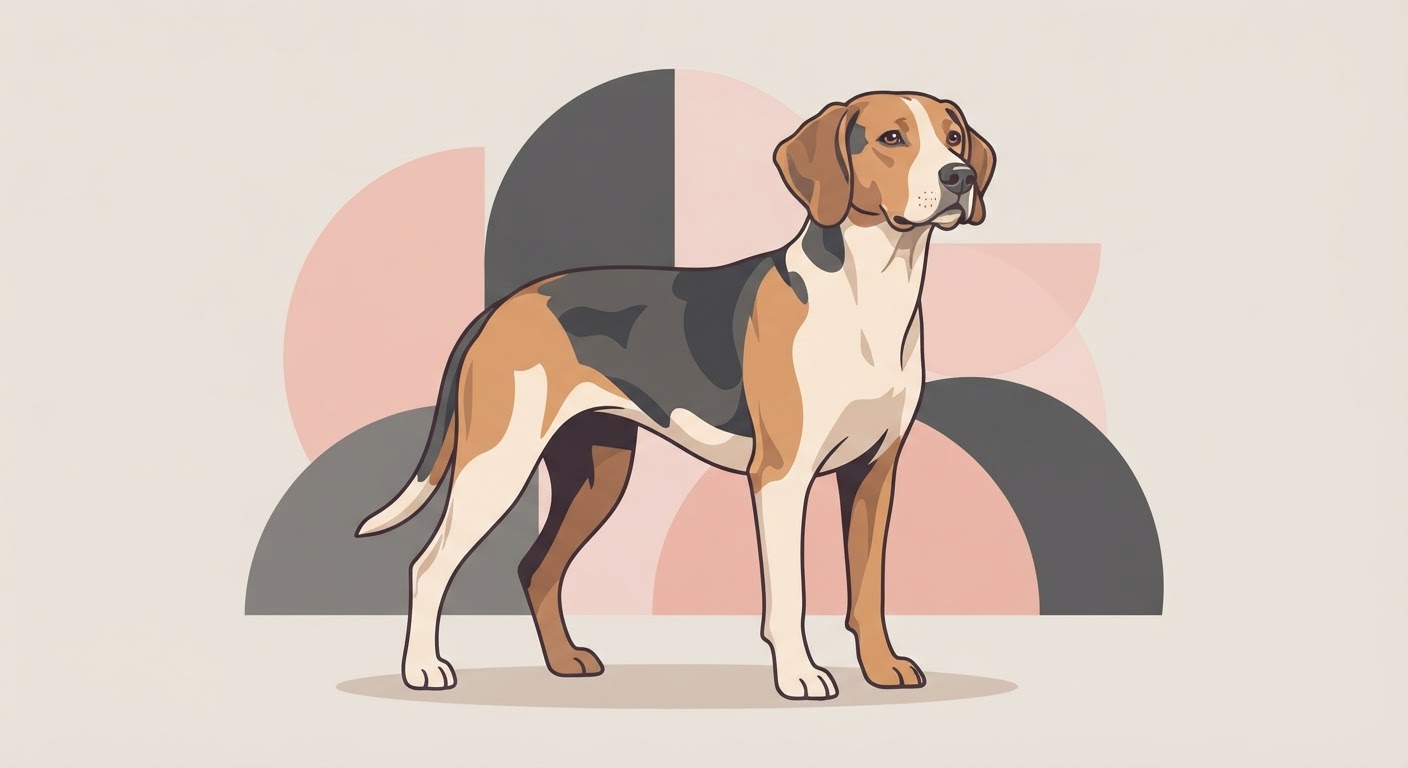
The Estonian Hound is a small to medium scenthound developed in Estonia for trailing hare and fox within historical size restrictions on hunting dogs.
At a glance
Quick facts
Size
Medium
Exercise needs
1-2 hours per day
Home size suited to
Medium
Grooming frequency
Weekly brush
Coat length
Short
Sheds
Yes
Lifespan
12-14 years
Town or country
Adaptable, prefers access to countryside
Garden size needed
Medium
Where it comes from
Origins of the Estonian Hound
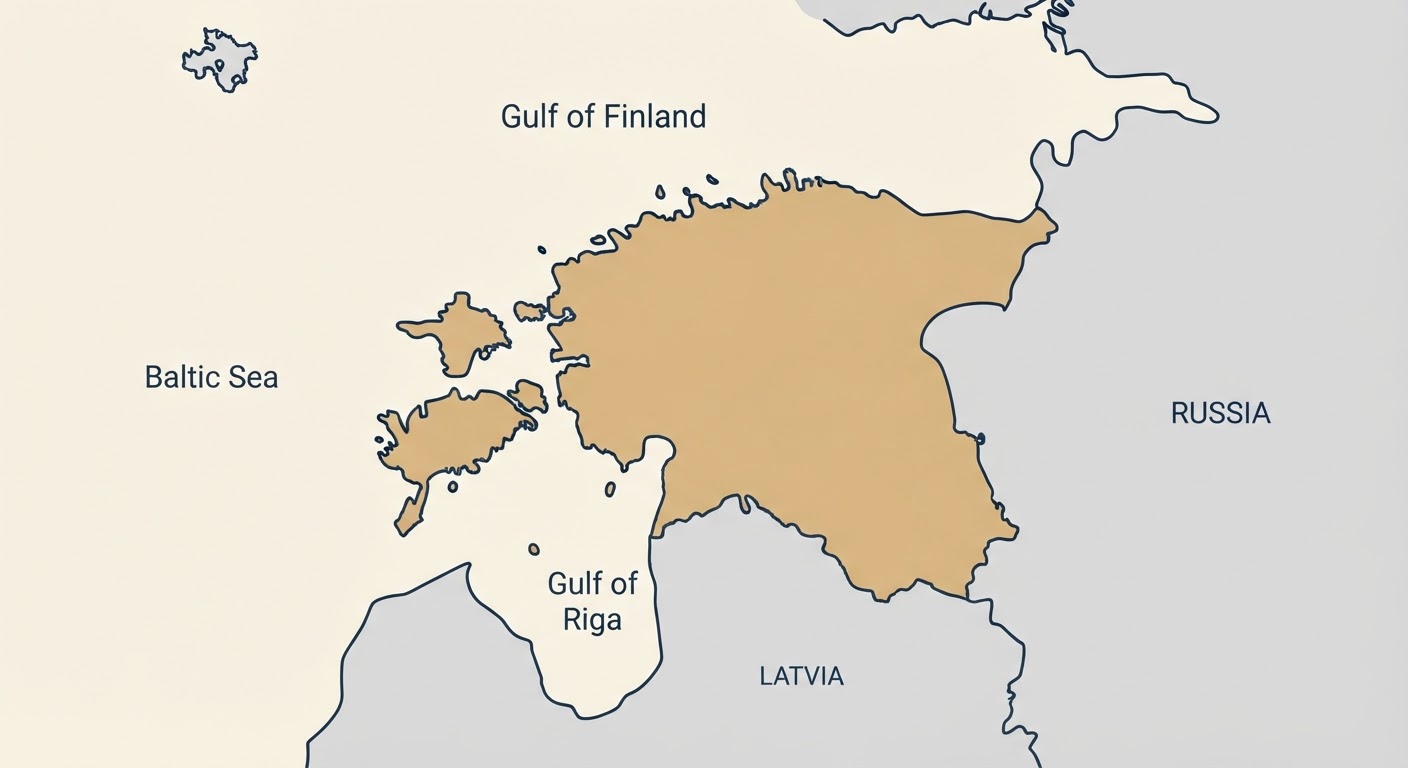
During the Soviet period, hunting regulations restricted dog height, so Estonian breeders developed a smaller scenthound by crossing local hounds with Beagles and Swiss hound breeds, producing a compact dog still capable of steady forest trailing work within the permitted size.
- Region
- Estonia
- Climate it was bred for
- Cold winters, mixed forest and farmland
- Original job
- Trailing hare and fox at a modest size to comply with Soviet-era hunting dog size limits
The long read
About the breed
Its compact size, a deliberate result of crossing local hounds with smaller Western European breeds, gives it a working style suited to close forest and farmland cover rather than open, fast country.
It is an affectionate, adaptable companion, generally easier to accommodate in a smaller home than many hounds due to its size, though it retains a genuine hunting drive and needs regular scent-led exercise.
It remains Estonia's national hound breed and is still used for hunting there, with very limited numbers found beyond the Baltic region.
Living with one
Temperament & needs
Our own ratings, based on the breed standard and how these dogs behave in ordinary homes.
Friendliness
3/5
How openly the Estonian Hound greets people it does not know.
Trainability
3/5
How readily the breed takes to training in an ordinary home.
Energy
3/5
How much daily exercise and stimulation the breed expects.
Barking
3/5
How vocal the breed tends to be day to day.
Grooming
3/5
How much coat work the breed needs to stay comfortable.
Suits a first-time owner
3/5
How forgiving the Estonian Hound is for someone taking on their first dog.
Illustrated breed standard
The points of the breed
Hover or tap a numbered point to read what the standard asks for.
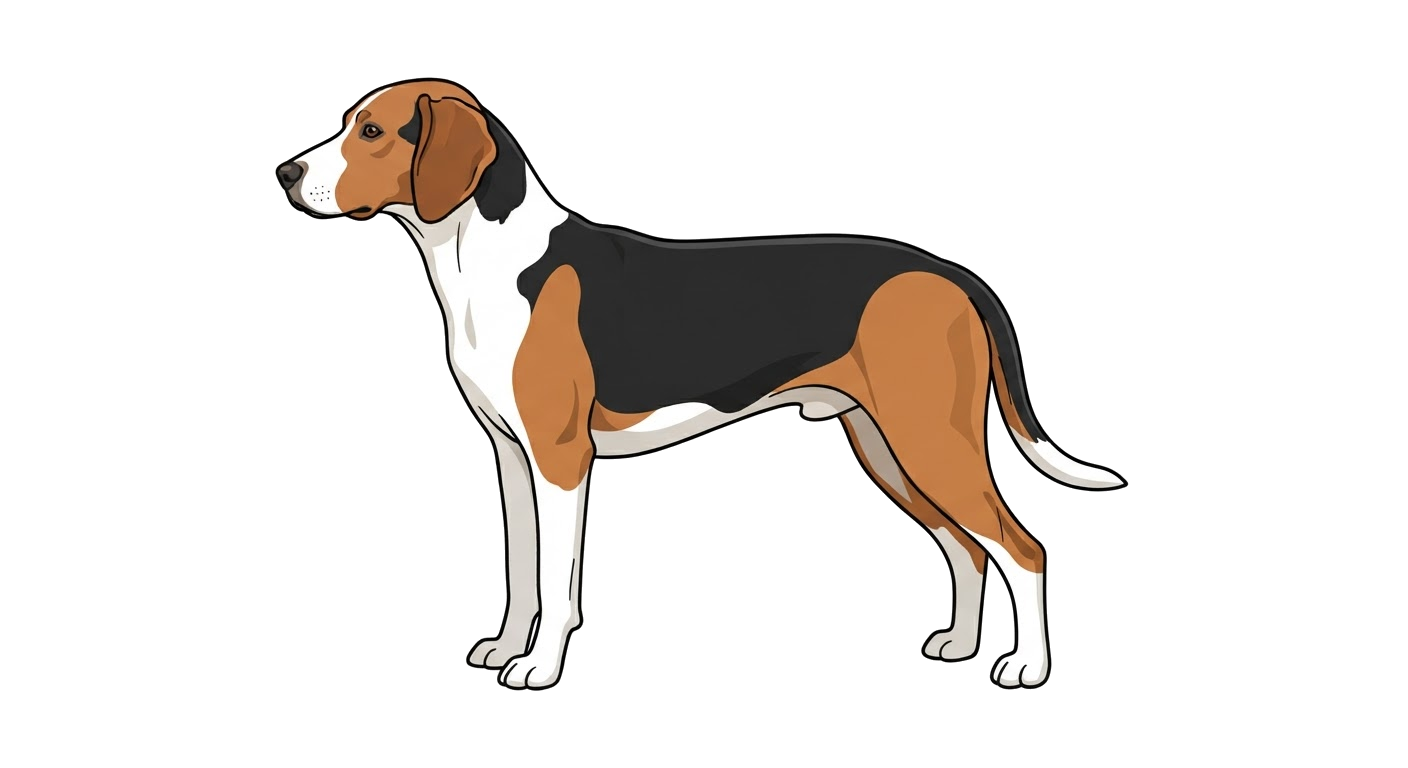
Point 1
Skull
The Estonian Hound's skull is judged on balance rather than size — proportionate to the body, with a clean cheek and a stop typical of the breed. Coarseness or an over-refined head are both faulted.
Timeline
History & development
1930s
Local hound base
Regional Estonian trailing hounds existed prior to formal development.
1947
Soviet size restrictions
New hunting regulations limited dog height, prompting breeders to create a smaller hound.
1954
Breed standard established
Crosses with Beagle, Swiss Laufhund and other breeds fixed the modern smaller type.
1975
FCI recognition
The Estonian Hound gained international recognition under the FCI.
1990s
Post-independence continuity
The breed continued to be bred and hunted with in independent Estonia.
Reference
Breed standard summary
- body
- Compact, well-muscled, deep chest for its size.
- coat
- Short, smooth and dense.
- ears
- Medium length, set moderately high, hanging close to the head.
- eyes
- Dark brown, lively.
- head
- Moderate length, slightly domed skull, defined stop.
- size
- 45-52cm, both sexes
- colour
- Tricolour or bicolour, typically black, tan and white.
- temperament
- Friendly, lively and adaptable, with a genuine hunting drive.
- general appearance
- A small to medium, compact and well-proportioned hound, sturdy for its size.
Health
What to screen for
Green means little to worry about, amber means ask the breeder for test results, red means manage it actively.
General information only — always speak to your vet about your own dog.
From real owners
Dogs like this
Estonian Hounds added by PawPoint members through their pet passports. Share yours to appear here.
Loading the wall…
Made for the Estonian Hound
The book, plus prints, hoodies and mugs using our own Estonian Hound illustration — and one everyday accessory that suits any dog.

The book
Pawpoint: The Complete Dog Breed Book
Every officially recognised breed plus the unofficial ones nobody else documents. 400+ pages, hardback, printed and shipped from the UK.
Own stock — shipped by us
Framed poster
Estonian Hound Framed Poster
Museum-weight print of our Estonian Hound illustration, framed or unframed.
Printed to order
Hoodie
Estonian Hound Hoodie
Heavyweight hoodie carrying the Estonian Hound illustration on the chest.
Printed to order
Mug
Estonian Hound Mug
Ceramic mug with the Estonian Hound illustration wrapped around it.
Printed to order
Accessory
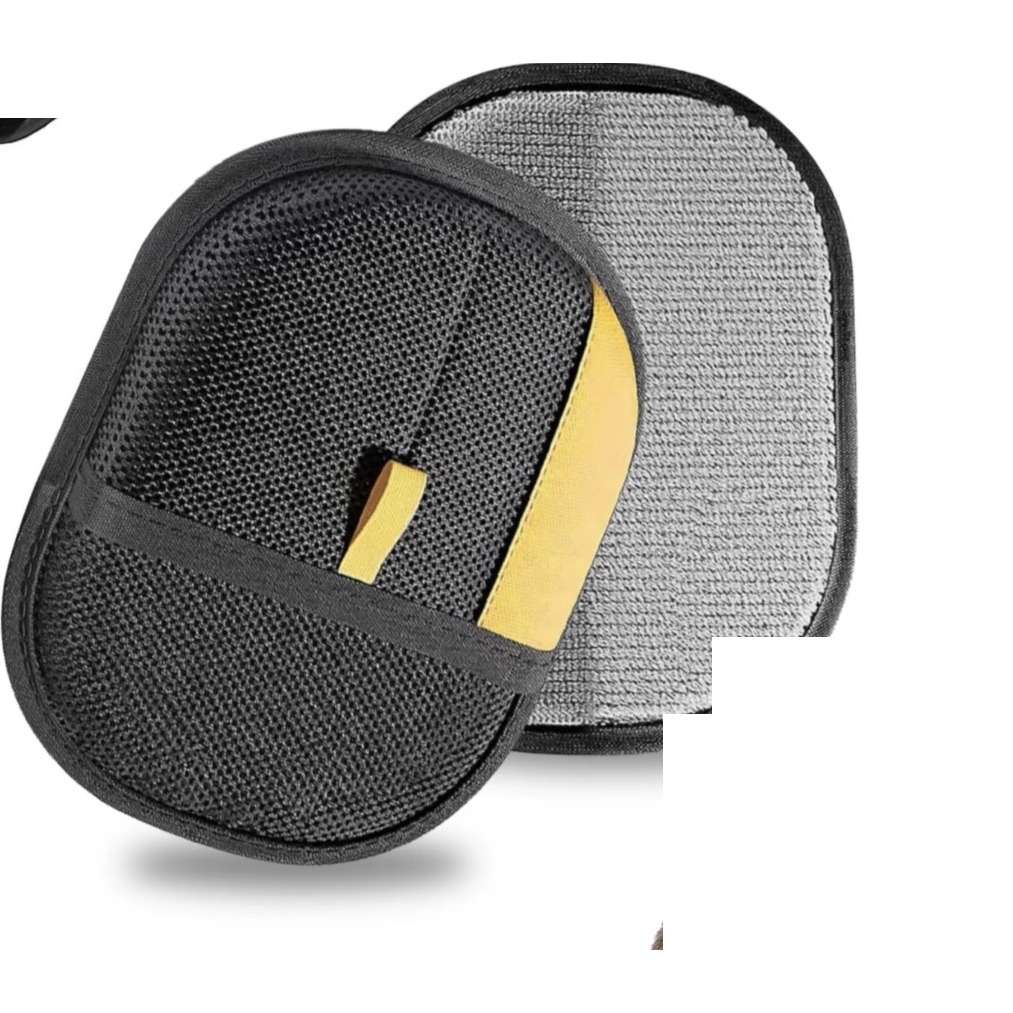
Slicker & Deshedding Brush
Self-cleaning slicker head for coats of every length.
Fits any dog
Pawpoint on YouTube
Watch the full Estonian Hound video
Breed deep-dives, history and honest ownership talk. New film every week.
Watch now